
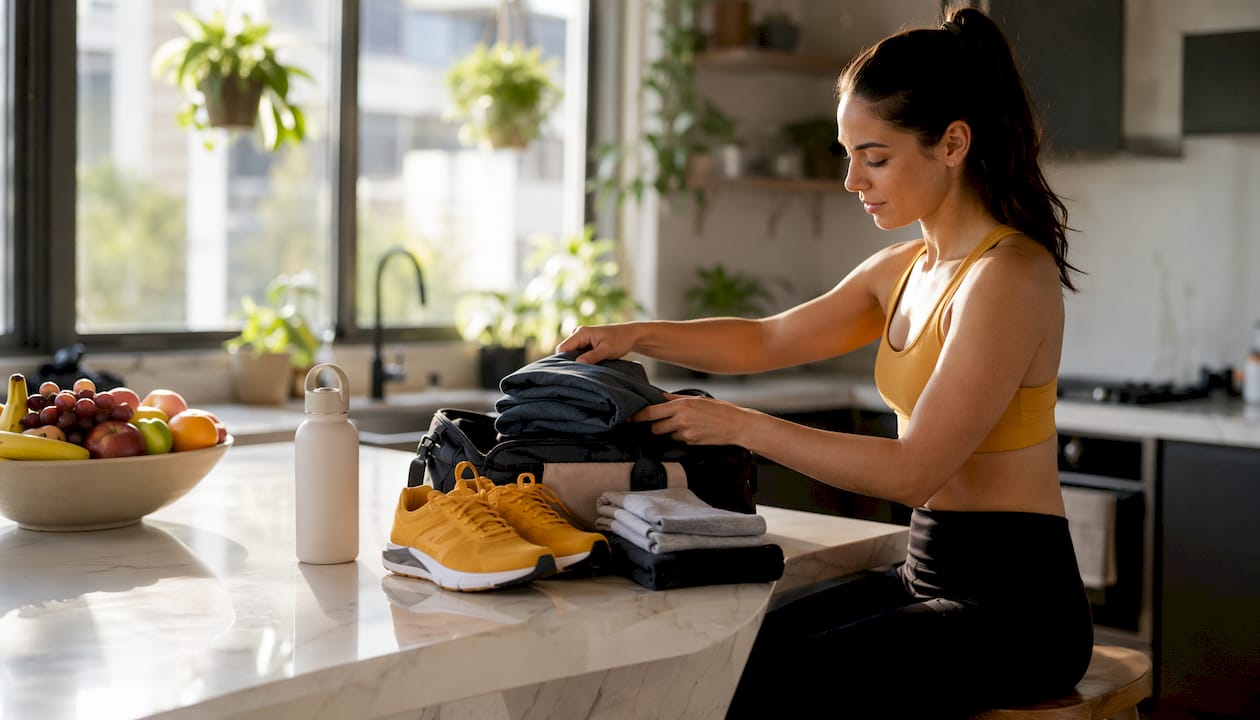
What every beginner needs in their gym bag
The right gym bag essentials for beginners come down to about a dozen items: a water bottle, workout clothes, proper shoes, headphones, a gym lock, a small toiletry bag, a towel, hair accessories, a separate laundry bag, and optionally a fitness tracker and a post-workout snack. That’s the whole list. You don’t need a bag that looks like you’re moving apartments.
Hydration is the one area where specifics matter most. ACE-aligned guidelines recommend drinking 17–20 oz of water 2–3 hours before training, 8 oz right before your warm-up, 7–10 oz every 10–20 minutes during your session, and another 8 oz within 30 minutes of finishing. A standard reusable water bottle with a typical capacity handles most of that without a refill stop.
Here’s a quick-reference checklist for your first gym bag:
- Water bottle (leak-proof, typical gym size)
- Workout clothes (moisture-wicking top, shorts or leggings)
- Athletic shoes (cross-trainers or running shoes suited to your activity)
- Headphones (wired or wireless, sweat-resistant)
- Gym lock (combination or keyed)
- Small toiletry bag (deodorant, face wipes, travel-size body wash)
- Towel (one for sweat, one for showering if your gym has showers)
- Hair accessories (hair ties, headband)
- Laundry bag (mesh or drawstring to separate worn clothes)
- Fitness tracker or smartwatch (optional, but useful for monitoring heart rate and progress)
- Post-workout snack (energy bar, banana, or similar carbohydrate-rich option)
- Basic first aid items (adhesive bandages, blister pads)
Pro Tip: Pack your bag the night before. A pre-packed bag sitting by the door removes the decision-making step that often leads to skipped sessions.
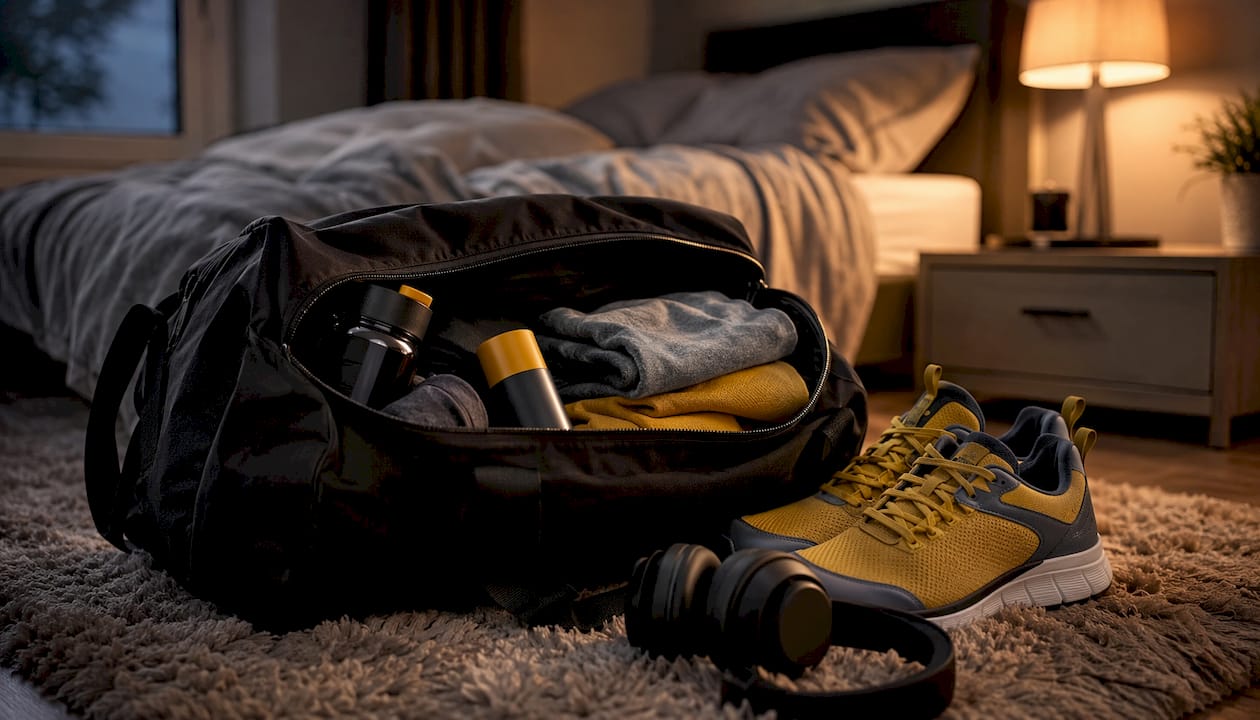
How to choose a gym bag that fits your routine
The bag itself matters more than most beginners expect. A poor choice means either hauling dead weight or cramming everything into a bag too small to stay organized.
The three common styles each serve a different type of gym-goer. A duffel bag offers the most room and works well if you shower at the gym, carry a change of clothes, or train more than three times a week. A backpack distributes weight evenly across your shoulders, which makes it the better pick if you commute by foot, bike, or public transit. A sling bag is the most compact option, suited for short sessions where you’re carrying only the bare minimum: keys, phone, earbuds, and a water bottle. For a deeper look at compact options, gym sling bag features are worth reviewing before you buy.
Size and compartments are the two features that actually affect your daily experience. Look for:
- A main compartment large enough for a change of clothes and shoes
- A separate ventilated shoe pocket or an external mesh pocket
- At least one zippered inner pocket for your lock, keys, and small accessories
- A water bottle sleeve on the exterior so it stays upright and accessible
Weight is a real consideration if you’re commuting. An empty bag that already weighs several pounds will feel heavy by the time you’ve added shoes, a water bottle, and clothes. Lighter materials like nylon or polyester hold up well and keep the base weight down. For guidance on what to look for in a durable option, choosing a gym bag that lasts covers the key construction details.
How to pack each essential item without wasting space
Good packing isn’t about fitting more in. It’s about knowing where everything goes so you’re not digging through your bag at 6 AM.
Hydration
Bring a bottle you’ll actually use. Wide-mouth bottles are easier to fill at gym fountains, and a flip-top lid means you don’t have to unscrew anything mid-set. Following the pre-workout hydration window of 17–20 oz in the 2–3 hours before you train means you can arrive already hydrated rather than playing catch-up.
Workout clothes and shoes
Moisture-wicking fabrics (polyester or nylon blends) dry faster than cotton and reduce chafing during longer sessions. Pack your shoes in a mesh shoe bag or use a bag with a dedicated shoe compartment. Ventilated shoe storage prevents bacterial growth and keeps the rest of your bag from smelling like a locker room.
Hygiene items
Keep your toiletry bag small: deodorant, a travel-size body wash, face wipes, and a small bottle of dry shampoo if you need it. Wipes are the most space-efficient option for a quick freshen-up when you’re not showering at the gym. Pack two towels if your gym has showers: one microfiber gym towel for sweat, one standard towel for after.
Valuables and accessories
Fitness trackers help beginners monitor heart rate, log calories, and build a sense of progress, which reinforces the habit of showing up. Keep your lock, key fob, and earbuds in the same zippered pocket every time so you’re not searching for them before a workout. Packing cubes or insulated pouches protect headphones and small electronics from sweat-damp clothes.
Nutrition
Energy bars, bananas, and sports drinks cover pre- and post-workout energy needs without taking up much space. A single bar in a side pocket is enough for most sessions under an hour. Skip anything that requires refrigeration or a container.
First aid basics
Two or three adhesive bandages and a couple of blister pads take up almost no space and save a workout when a new shoe rubs wrong. That’s all you need.
Pro Tip: Use a small packing cube to group your toiletry items and another for your electronics. Two cubes keep your bag organized without adding bulk, and you can pull out the right one without unpacking everything.
Expert advice on packing light and avoiding common mistakes
Overpacking is the most common beginner gym bag mistake, and it has a real cost: a heavy, disorganized bag makes the gym feel like a logistical project rather than a habit. Fitness professionals consistently recommend a minimalist approach, packing only what you’ll use in that specific session.
Here are the mistakes worth avoiding:
- Packing like it’s a weekend trip. You don’t need three outfit options, a full-size shampoo, or a foam roller the size of a fire hydrant. Large recovery tools like foam rollers are better left at home unless your gym doesn’t have them.
- Skipping the laundry bag. Tossing worn clothes loose into your bag means everything else absorbs the smell. A simple mesh drawstring bag costs almost nothing and solves the problem entirely.
- Leaving your lock at home. Most gym lockers require your own lock. Forgetting it means either leaving your valuables unattended or carrying everything onto the floor with you.
- Ignoring shoe storage. Shoes packed loose contaminate everything around them. A mesh shoe bag or a bag with a ventilated compartment keeps bacteria and odors contained.
- Overloading on gadgets. A phone and a fitness tracker are enough. Bringing a tablet, a portable speaker, and multiple chargers adds weight and creates clutter without improving your workout.
The less-is-more packing philosophy that fitness professionals advocate isn’t about deprivation. It’s about removing friction. When your bag is light and organized, you spend zero mental energy on logistics and all of it on training.
Pro Tip: Keep a permanent set of toiletry duplicates in your gym bag: a travel deodorant, a small face wash, and a pack of wipes that you never take out. Restocking takes 30 seconds, and you’ll never arrive at the gym without them.
A few items that beginners often debate: resistance bands are worth including if your gym has limited equipment or you want to warm up joints before lifting. They’re more forgiving than free weights for beginners, easier to modify mid-set, and they fold flat in any bag. A mini massage device is the one recovery tool compact enough to justify packing, if recovery is a priority for you.
The goal is a bag you can grab and go. When your first gym bag checklist is dialed in, the only thing standing between you and a workout is showing up.
Keep your gym bag smelling fresh with a Spritzshop atomizer
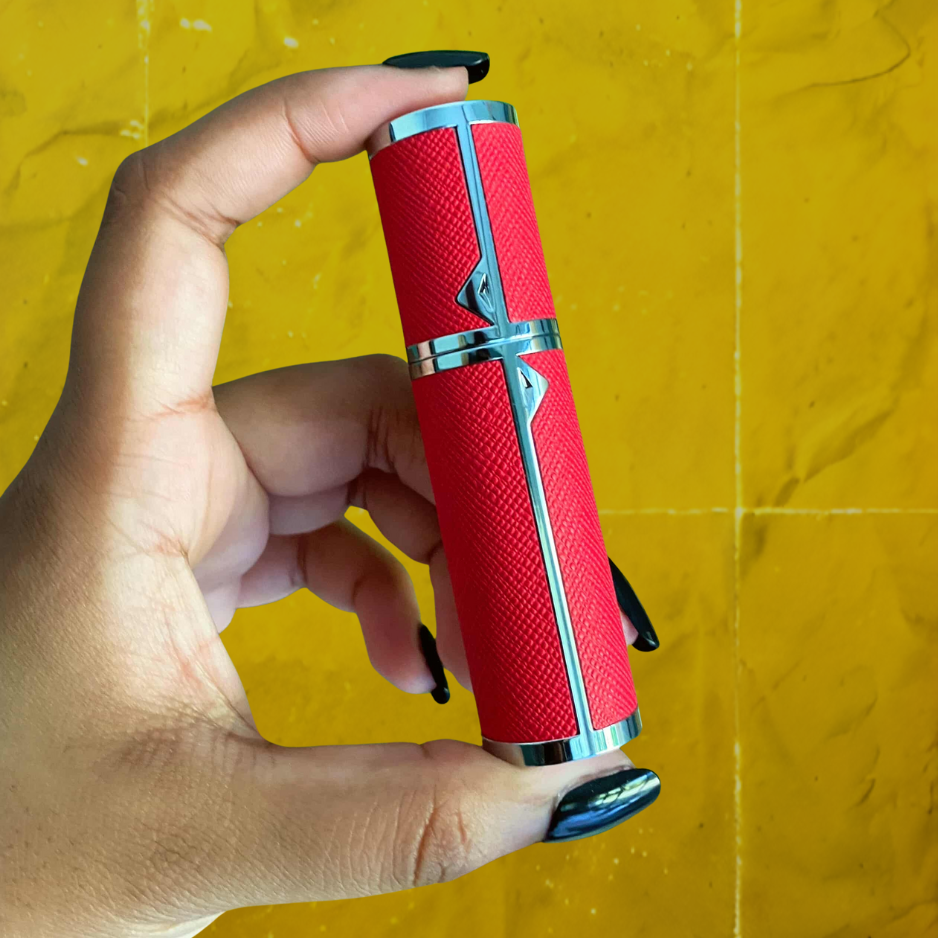
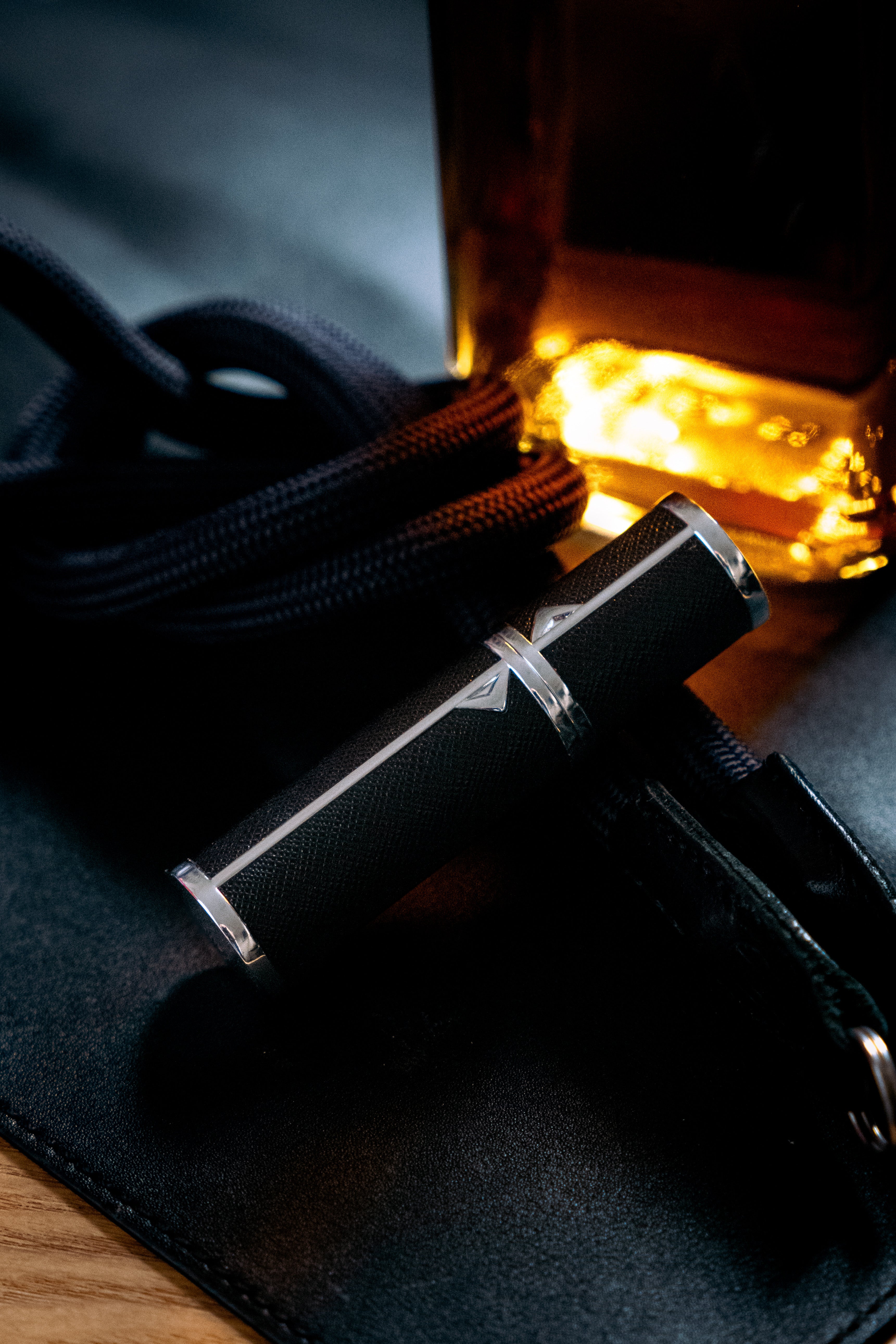
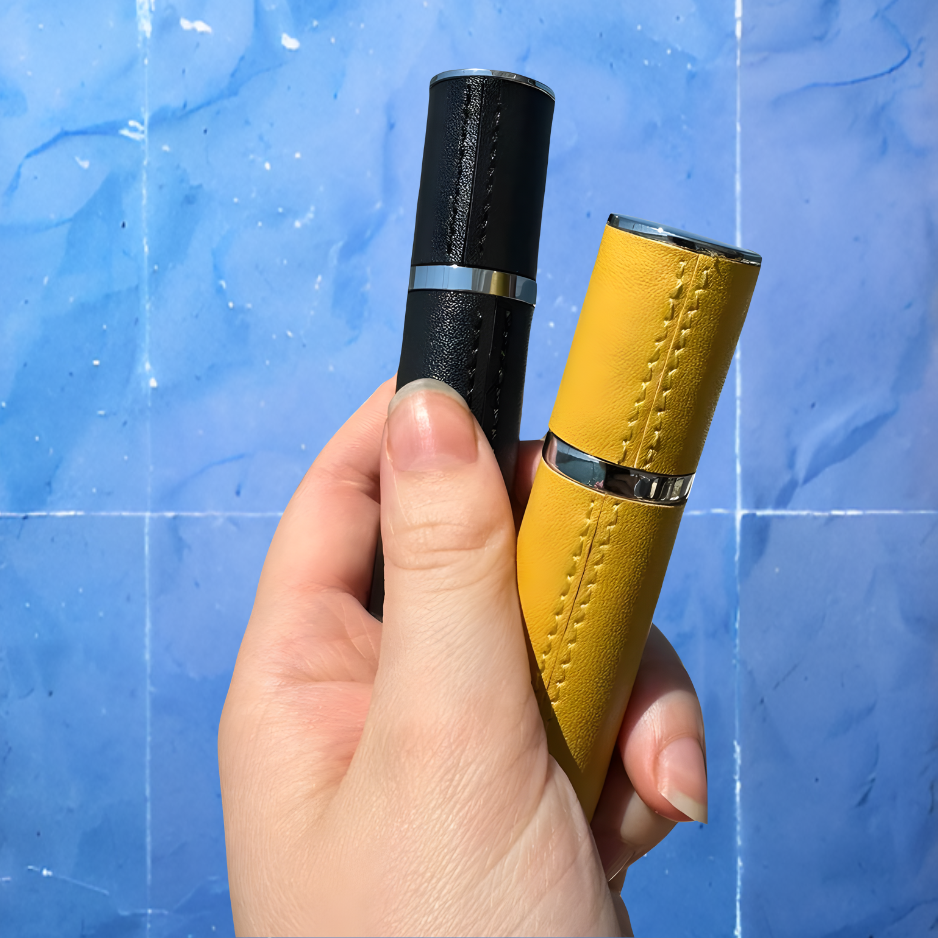
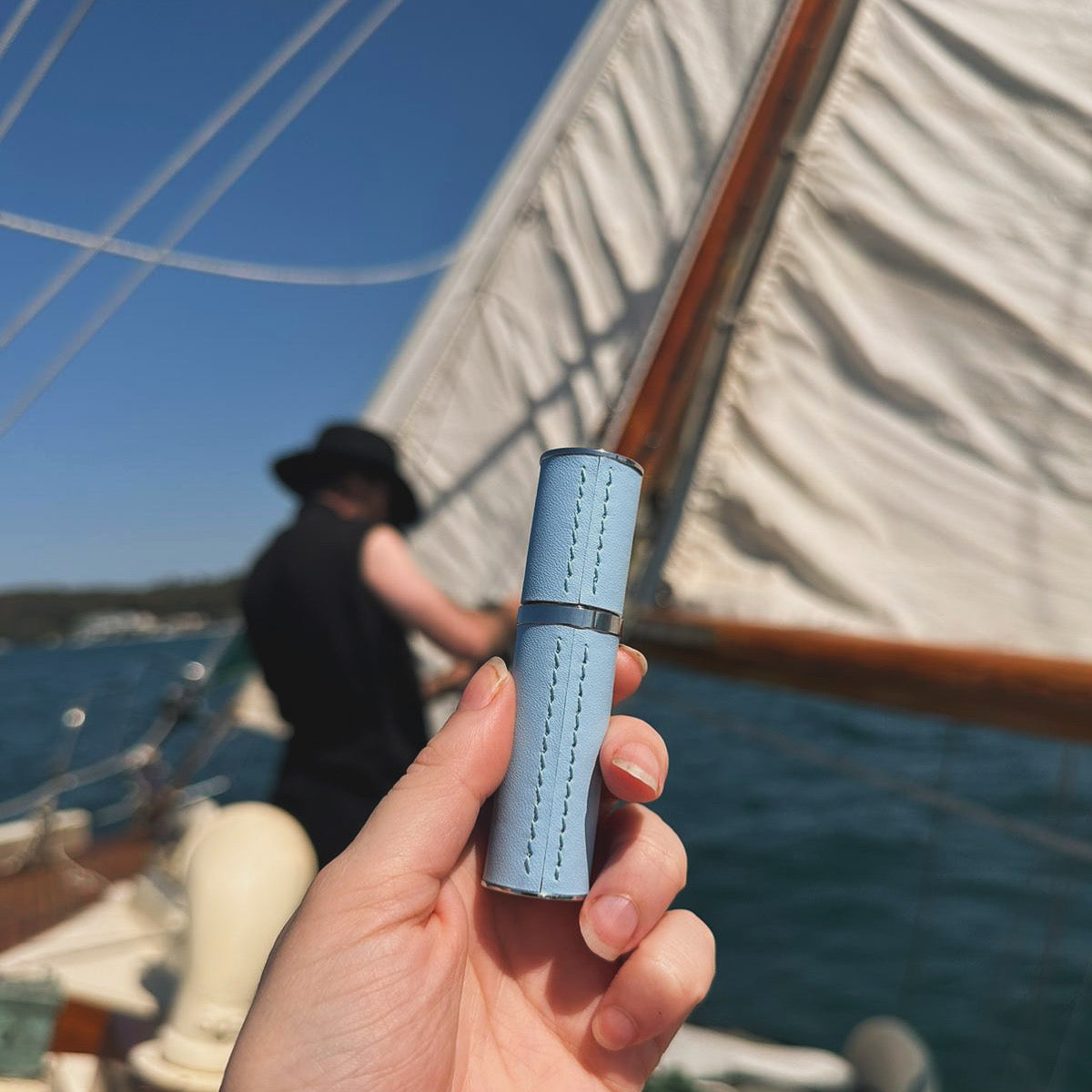
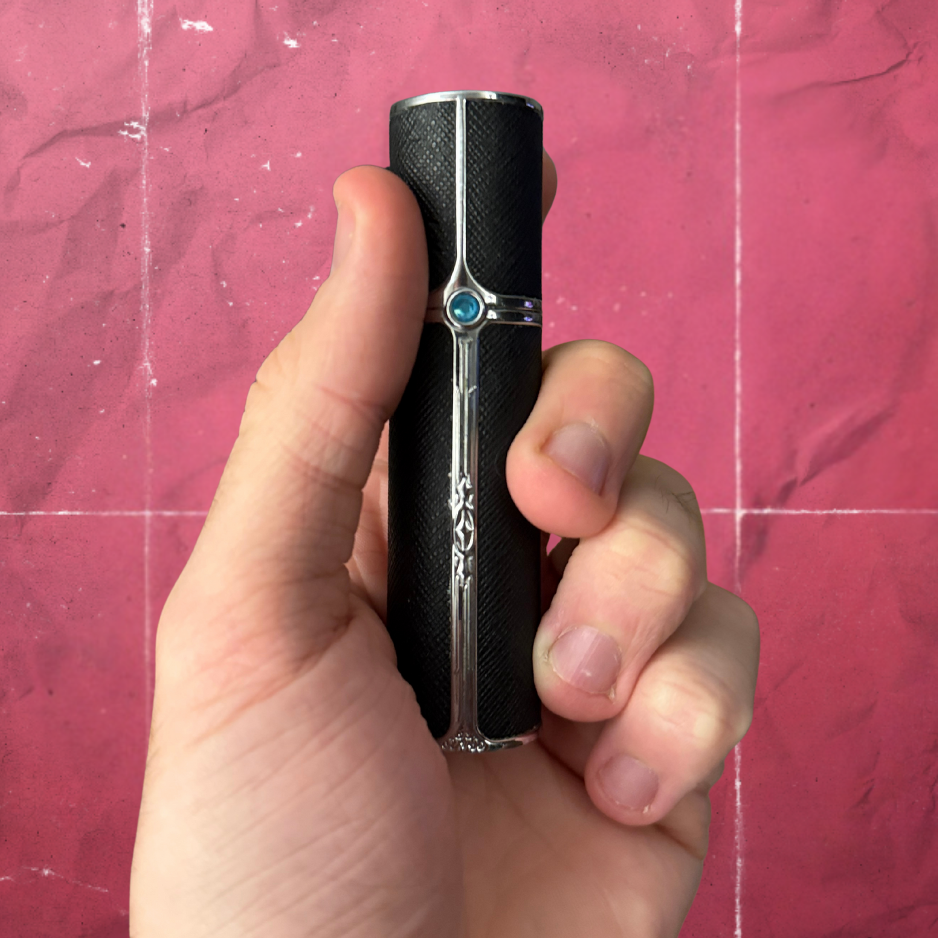
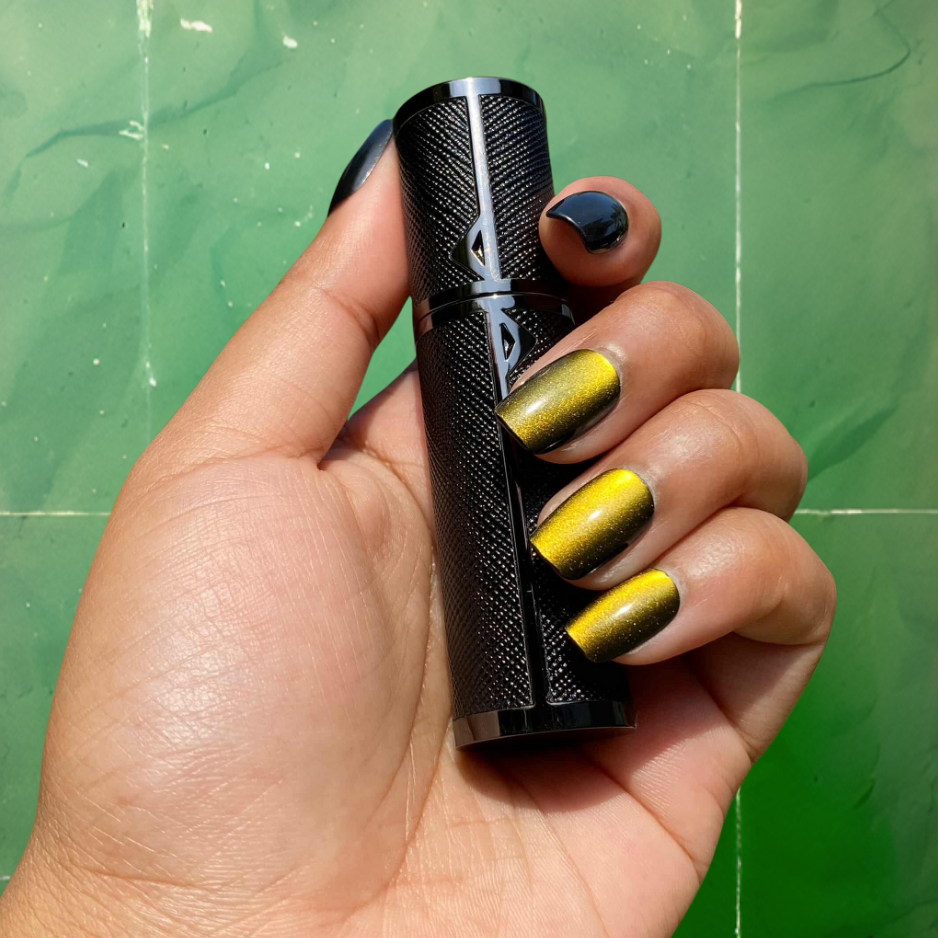
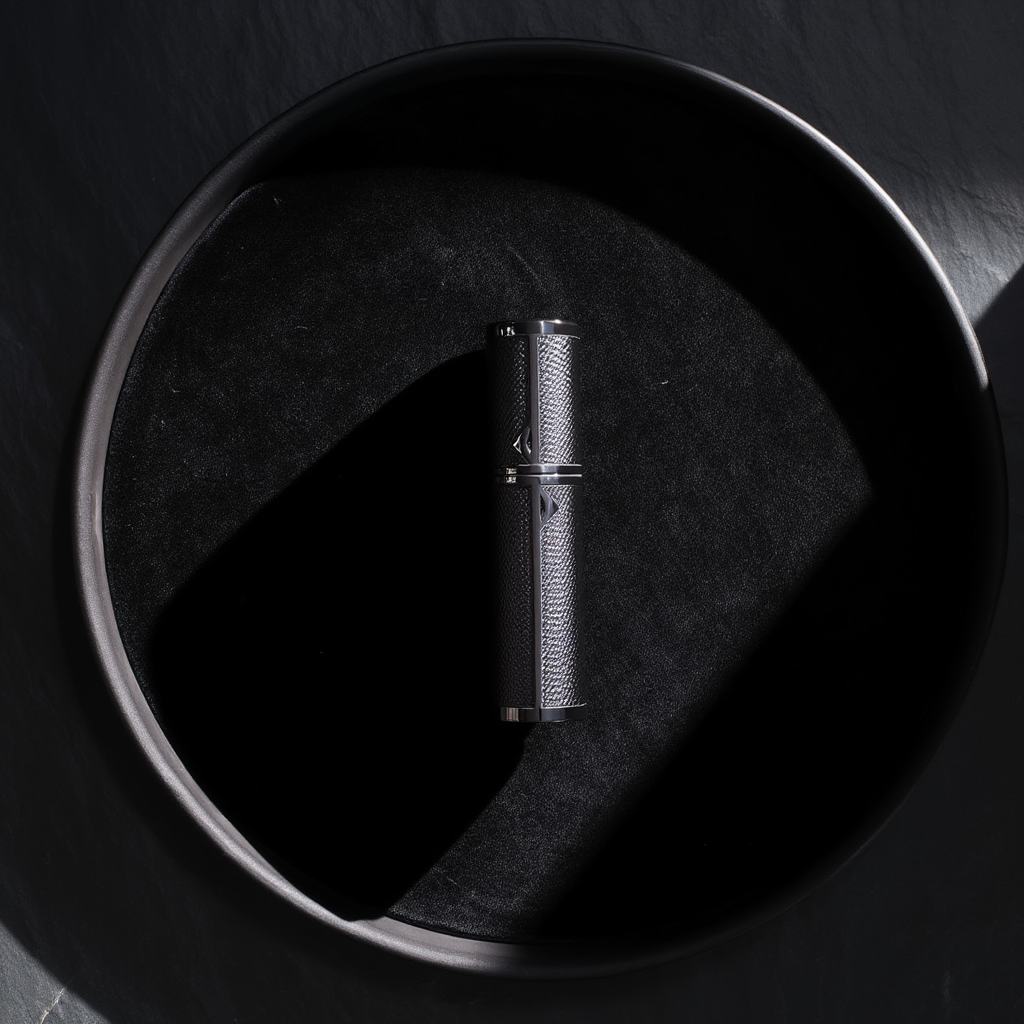
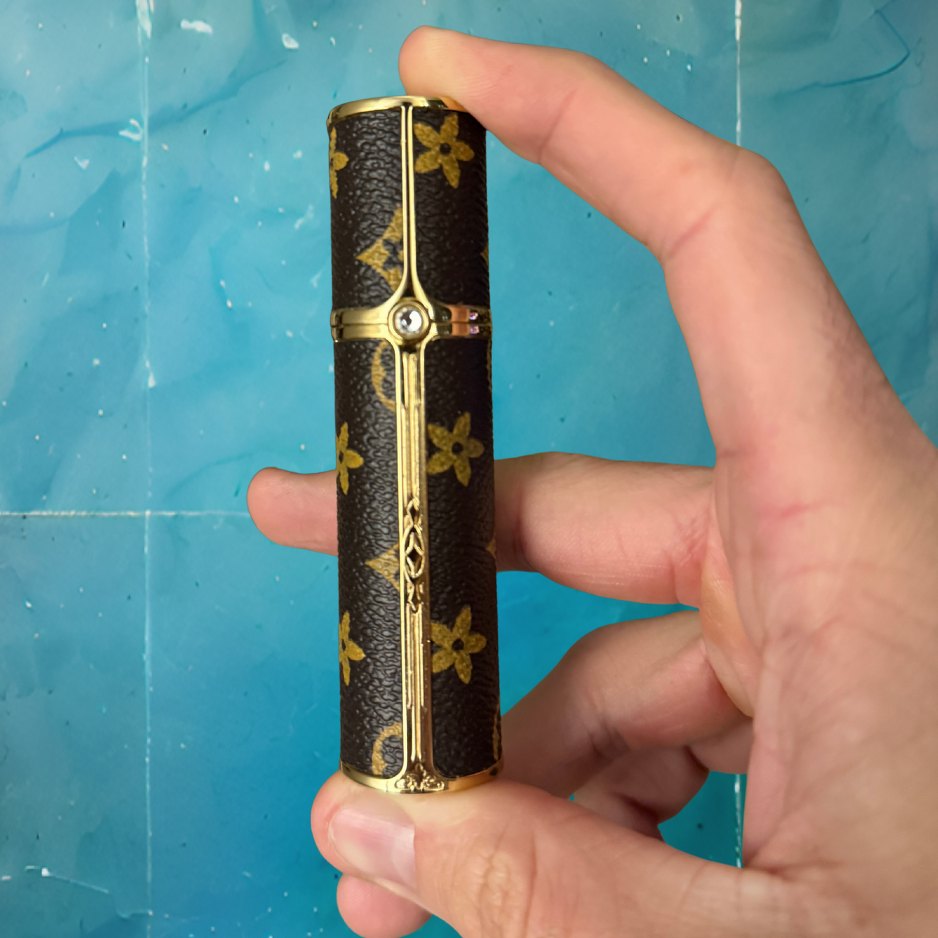
One item that rarely makes standard gym bag lists but earns its place every time: a refillable perfume atomizer. Spritzshop’s atomizers fill directly from any standard perfume bottle and fit in a pocket, a toiletry bag, or the front zip of your gym bag without adding bulk. After a workout, a quick spritz of your favorite scent takes two seconds and makes a real difference before you head back into your day.
Spritzshop carries a 4.84 rating from over 10,000 reviews, and the Olivier 10ml atomizer is the most popular option for gym bags: compact, leak-proof, and built to travel. If you prefer something smaller, the 5ml Hepburn fits in a coin pocket. Both refill in under a minute and hold enough for several days of use.
Key Takeaways
A well-packed beginner gym bag covers hydration, hygiene, clothing, and a few key accessories, all fitting in a single organized bag you can grab without thinking.
| Point | Details |
|---|---|
| Hydration timing matters | Drink 17–20 oz of water 2–3 hours before training, 8 oz right before your warm-up, 7–10 oz every 10–20 minutes during your session, and another 8 oz within 30 minutes of finishing. |
| Separate clean from dirty | Use a mesh laundry bag for worn clothes and a ventilated pocket or shoe bag for footwear. |
| Pack light by default | Bulky recovery tools like large foam rollers belong at home; focus on what you’ll actually use that session. |
| Protect your electronics | Insulated pouches or packing cubes keep headphones and trackers away from sweat-damp clothes. |
| Pre-pack the night before | A bag ready by the door removes the friction that leads to skipped workouts. |




Share and get 15% off!
Simply share this product on one of the following social networks and you will unlock 15% off!