
For travel, the fastest and cleanest method to decant perfume is a transfer tube adapter or a refillable atomizer like the SPRITZ. For precise sampling, a blunt-tip syringe gives you the control you need. For larger shared decants, a small funnel with a removable spray head works best.
- Travel: Transfer tube/adapter or spray directly into a SPRITZ refillable atomizer
- Sampling: Blunt-tip syringe or pipette for measured, precise volumes
- Sharing/large decants: Small funnel after safely removing the spray head
- Quick reference: A transfer tube delivers a small, consistent amount per press, so filling a travel-sized atomizer requires multiple presses to reach full capacity.
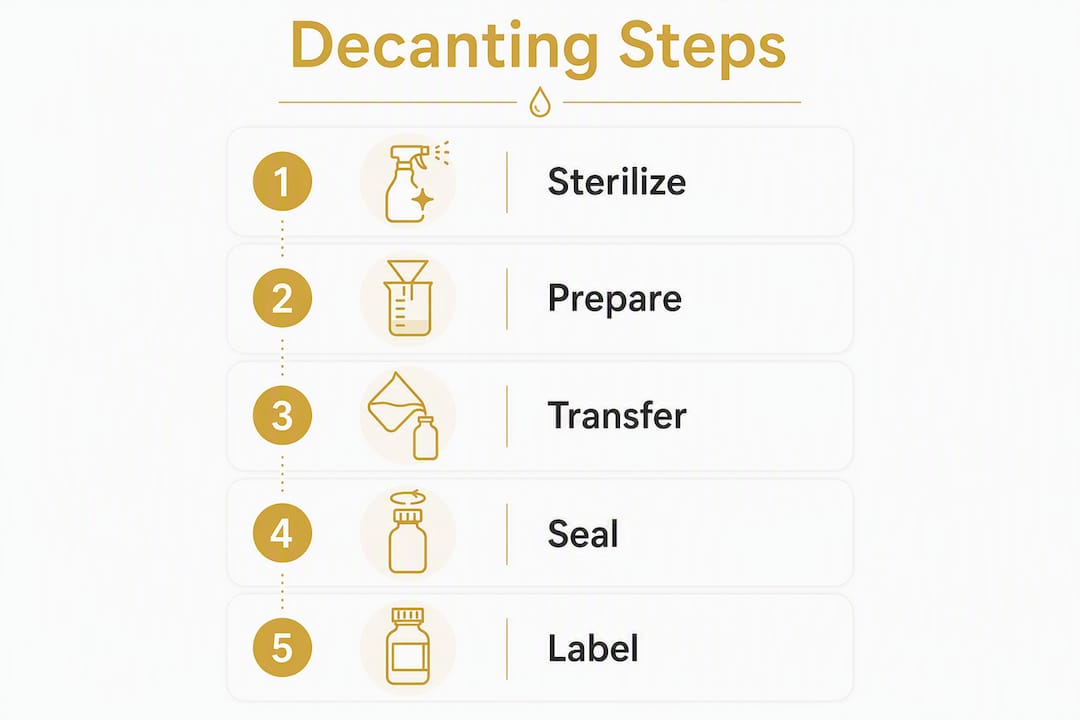
Sterilize every tool with 70%+ isopropyl alcohol before you start. Label every decant with the fragrance name, concentration, and date.
Table of Contents
- What equipment do you need to decant perfume safely?
- How to decant perfume: four methods, step by step
- How to remove rollerballs and access hard-to-open bottles
- How to sanitize tools and preserve fragrance quality
- How many milliliters should you decant, and which container fits your goal?
- Common problems and how to fix them
- Which method should you use for your goal?
- Key Takeaways
- The part most guides skip about decanting
- Spritzshop SPRITZ atomizers: built for exactly this
- Useful sources
What equipment do you need to decant perfume safely?
Getting the right supplies together before you start prevents spills, contamination, and wasted fragrance. Here is what to have on hand:
- Refillable glass atomizers (2–10 ml): glass is chemically inert with alcoholic aromatic compounds, making it preferable for storage beyond a few weeks
- Transfer tube/adapter: attaches to most standard spray nozzles; low mess, no disassembly required
- Blunt-tip syringe (5 ml or 10 ml): precise volumes, safe for splash bottles
- Small funnel: for open-neck bottles or when the spray head is removed
- Isopropyl alcohol (70%+): for sterilizing all tools before and after use
- Nitrile gloves: keeps skin oils and contaminants out of the fragrance
- Labels and a fine-tip marker: name, concentration, and date on every vial
- Parafilm or sealing film: wraps the cap to prevent evaporation during storage or shipping
- Clean cloth or paper towels: for wiping spills immediately
Glass atomizers with fine-mist spray heads and secure screw caps are worth the small investment. Cheap plastic can interact with a fragrance’s aromatic compounds over time, especially with high-alcohol concentrations. Tinted glass adds an extra layer of light protection for longer-term storage.
Pro Tip: Label a dedicated kit bag with a single fragrance name and keep those tools separate. Cross-contamination between scents is subtle but real, and a faint trace of last week’s cedar-heavy cologne will alter a delicate floral.
How to decant perfume: four methods, step by step
Each method suits a different bottle type and goal. Pick the one that matches your situation.
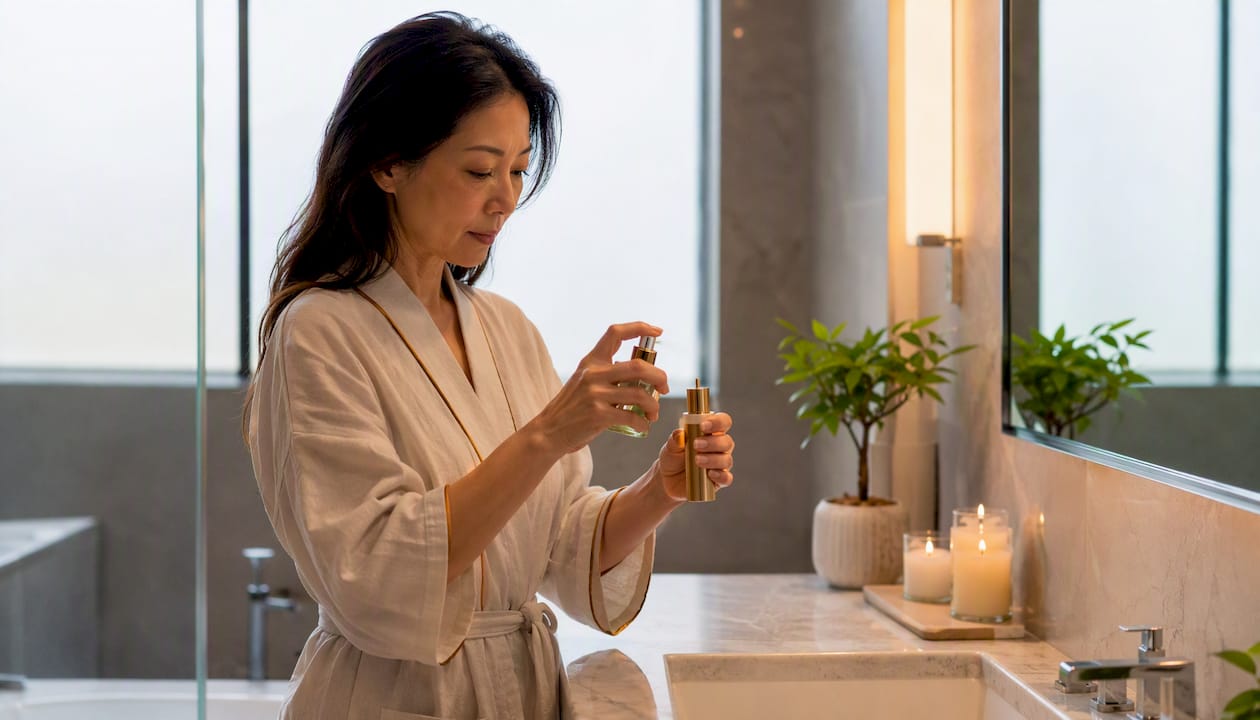
Method 1: Spray directly into the receiving atomizer
Best when your source bottle has a working spray head and the receiving container has a wide enough opening.
- Remove the cap from both bottles.
- Hold the source bottle upright and the receiving atomizer at a slight angle below the nozzle.
- Press the spray head directly into the opening of the atomizer, sealing it as tightly as you can with your fingers.
- Press in short bursts, pausing to let the mist settle.
- Cap both bottles immediately when done.
This is the quickest method and introduces the least air. The main risk is overspray if the seal between nozzle and opening is loose, so work over a paper towel.
Method 2: Transfer tube/adapter
The most practical method for standard spray bottles. A transfer tube screws or clips onto the spray nozzle and feeds liquid directly into the receiving vial through a thin tube.
- Attach the transfer tube to the source bottle’s spray nozzle.
- Insert the tube’s output end into the receiving atomizer.
- Press the pump slowly and steadily.
- Count your presses: at roughly 0.1 ml per press, a 5 ml vial needs about 50 presses and a 10 ml atomizer needs about 100.
- Remove the tube, wipe the nozzle, and cap both bottles.
Pressing too fast causes foaming. Slow, even pressure keeps the transfer clean and accurate.
Method 3: Blunt-tip syringe or pipette
Best for splash bottles (no spray head), precise volume measurements, and controlled transfers into narrow-neck vials.
- Draw the plunger back slowly to fill the syringe from the source bottle.
- Hold the receiving vial at a slight angle.
- Insert the syringe tip against the inner glass wall, not into the center, and depress the plunger slowly.
- Injecting along the wall reduces air bubbles and foaming, and gives you a more accurate final volume.
- Cap the vial and label it immediately.
Always use blunt-tip needles. Sharp needles can puncture or deform delicate spray stems inside atomizers.
Method 4: Small funnel with removed spray head
Use this only when the spray head can be safely removed and you are filling a larger container (10–30 ml).
- Grip the spray head collar firmly and turn counterclockwise, or use small rubber-grip pliers for stubborn fittings.
- Place the funnel in the opening of the receiving bottle.
- Tilt the source bottle slowly and pour in short, controlled amounts.
- Replace the spray head on the source bottle as soon as you are done pouring.
- Cap the receiving bottle immediately.
Air exposure increases significantly with this method, so work quickly and keep both bottles capped whenever you pause.
Quick method comparison
| Method | Speed | Precision | Air Exposure | Mess Risk |
|---|---|---|---|---|
| Spray into atomizer | Fast | Low | Low | Medium |
| Transfer tube/adapter | Medium | Medium | Low | Low |
| Syringe/pipette | Slow | High | Low | Low |
| Funnel (removed head) | Fast | Low | High | Medium |
Statistic to know: A transfer tube adapter delivers approximately 0.1 ml per press. Filling a 10 ml atomizer takes roughly 100 presses at a steady pace.
How to remove rollerballs and access hard-to-open bottles
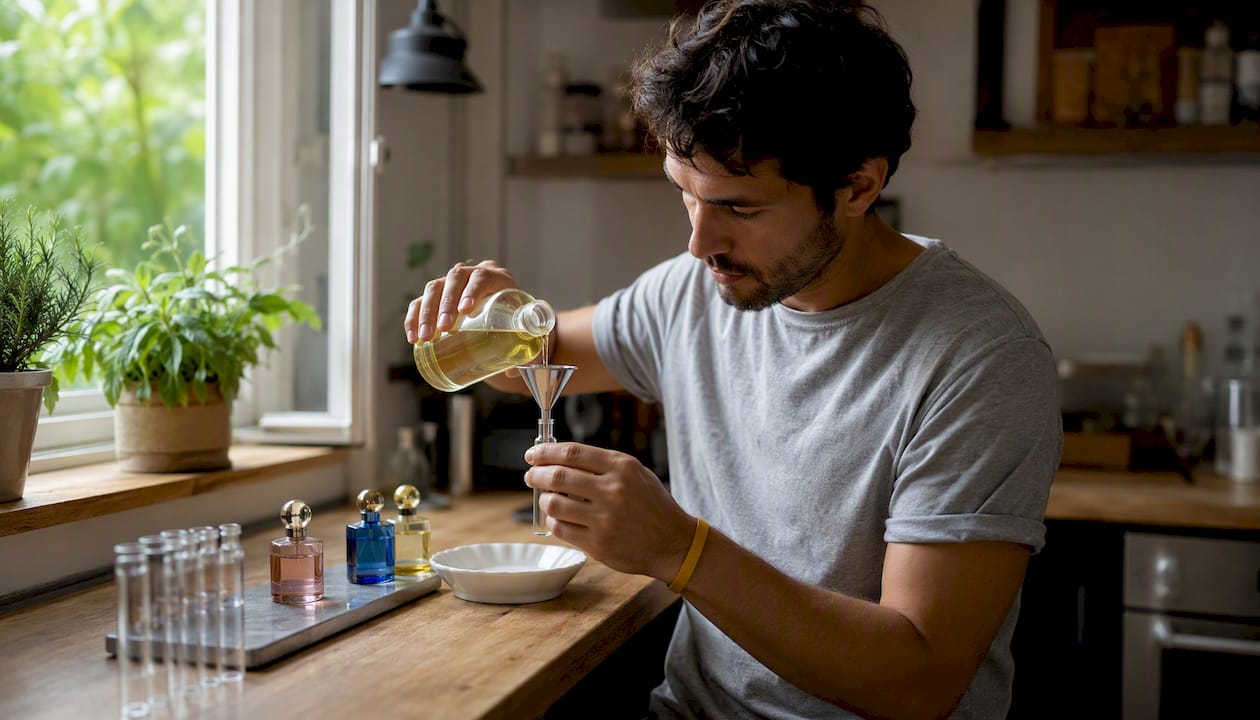
Rollerball tops are removable on most bottles. Crimped spray heads often are not.
Removing a rollerball:
- Wrap a small cloth around the rollerball cap for grip.
- Use your thumb to press firmly on one side of the ball while pulling the collar upward with your fingers.
- Alternatively, use the flat edge of a spoon to gently lever the collar away from the bottle neck.
- Once the rollerball is out, use a syringe or pipette to draw the liquid directly.
- Replace the rollerball by pressing it firmly back into the collar until it clicks.
Crimped spray heads are a different situation entirely. Many modern spray mechanisms are permanently crimped and attempting to pry them off risks snapping the dip tube inside the bottle. If you cannot confirm the collar unscrews cleanly, do not force it. Use a transfer tube adapter or spray directly into a syringe instead. Those two methods work without any disassembly and protect both the bottle and the fragrance.
Safety note: Never use a sharp tool to pry a spray collar. One slip can shatter glass, and perfume is flammable.
How to sanitize tools and preserve fragrance quality
Sanitization is not optional. Residue from a previous fragrance, skin oils, or tap water can alter a scent or introduce bacteria into the new vial.
Sanitization protocol:
- Rinse syringes, funnels, and atomizers with warm water to remove visible residue.
- Sterilize all tools with isopropyl alcohol at 70% concentration or higher. At 70%+, IPA disrupts microbial cell membranes effectively; concentrations below 70% are less reliable for this purpose.
- Let tools air-dry completely before use. Residual water dilutes the fragrance.
- Wipe the outside of atomizers with an alcohol wipe after filling.
Preservation practices:
Perfume molecules are sensitive to light, heat, and air. Every unnecessary exposure during transfer shortens the life of the decant. Keep these habits:
- Fill vials as close to full as possible to minimize headspace (less air = less oxidation)
- Store decants away from direct light and heat sources
- Cap tightly after every use
- Wrap the cap with Parafilm for any decant you plan to store longer than a few weeks or ship to someone
“Immediately label decants with name, concentration, and date; test over several days to confirm scent integrity.” — Scento
Pro Tip: Store finished decants upright in a small box or drawer away from windows. A decant stored flat with a loose cap can lose noticeable volume to evaporation within a month.
How many milliliters should you decant, and which container fits your goal?
Common decant sizes typically suit travel and sampling needs, with smaller sizes for single use and larger bottles available for extended trips or sharing. Here is a practical breakdown:
| Size | Best For | Approx. Presses (Transfer Tube) | Approx. Syringe Draws (5 ml) |
|---|---|---|---|
| 2–3 ml | Single test wear or one-day sample | 20–30 presses | — |
| 5 ml | Weekend trip (3–4 days) | ~50 presses | 1 draw |
| 10 ml | Week-long travel | ~100 presses | 2 draws |
| 30 ml | Extended trip or sharing | ~300 presses | — |
For travel, a TSA-compliant 10 ml glass atomizer with a secure screw cap covers most trips without triggering the 3.4 oz (100 ml) liquid rule. For sampling niche fragrances before committing to a full bottle, 2–5 ml gives you enough for several days of wear. Full-size niche bottles can run $200–$400, so a small decant is a practical way to test before you buy.
Container choices at a glance:
- Glass atomizers: best for storage beyond a few weeks; chemically inert with alcoholic fragrances
- High-quality plastic atomizers: acceptable for short trips of a few days; avoid for long-term storage
- Vials with tight screw caps: ideal for sampling and gifting; add Parafilm for shipping
- Fine-mist spray heads: critical for travel atomizers; coarse sprayers waste fragrance and leave wet patches
For gifting or sharing decants, glass vials with labeled caps look polished and protect the scent during transit.
Common problems and how to fix them
Leaks:
- Check that cap threads are fully engaged before packing
- Wrap the cap with Parafilm as a secondary seal
- Place decants in a labeled zip-lock bag inside your luggage; one layer of protection is never enough when traveling
Foaming or bubbles after syringe use:
- You pressed the plunger too fast or injected into the center of the liquid
- Draw and dispense slowly; inject along the inner glass wall to reduce turbulence
- Let the vial sit upright for a few minutes before capping; most bubbles will clear
Weak or off-center spray after filling:
- The atomizer tube may have shifted; gently tap the bottle upright and test again
- If the spray head was removed and replaced, confirm the dip tube is seated correctly
Safety reminders:
- Perfume is flammable. No open flames, candles, or smoking near your decanting area
- Ventilate the room; concentrated fragrance vapor in an enclosed space can cause headaches
- Use blunt-tip needles only with syringes; sharp needles are unnecessary and dangerous for this task
- 70%+ isopropyl alcohol is also flammable; keep it capped when not in use
Which method should you use for your goal?
- Traveling: Use a transfer tube adapter or spray directly into a SPRITZ refillable atomizer. Low mess, no disassembly, and the sealed design protects the scent in transit.
- Sampling: Use a blunt-tip syringe. You get precise volumes, minimal air exposure, and clean transfers into narrow-neck sample vials.
- Sharing or large decants: Use a small funnel after safely removing the spray head, but only when the collar unscrews cleanly. Work quickly to limit air exposure.
For most readers, the transfer tube into a quality glass atomizer is the right answer. It requires no disassembly, produces minimal mess, and keeps the fragrance sealed throughout the process. Whatever method you choose, sterilize every tool with 70%+ IPA and label the decant before you set it down.
Pro Tip: Always do a test decant of 1–2 ml first. Let it sit for 24 hours and smell it again. If the scent profile has shifted, check your tools for residue before filling a larger batch.
Key Takeaways
The most reliable way to decant perfume for travel is a transfer tube adapter into a sealed glass atomizer, sanitized with 70%+ isopropyl alcohol and labeled immediately.
| Point | Details |
|---|---|
| Sanitize with 70%+ IPA | Clean all tools with 70%+ isopropyl alcohol before and after every use to prevent contamination. |
| Transfer tube delivers 0.1 ml per press | Expect roughly 100 presses to fill a 10 ml atomizer using a standard transfer tube adapter. |
| Match container to use-case | Use glass atomizers for storage beyond a few weeks; high-quality plastic is acceptable for short trips only. |
| Label every decant immediately | Write the fragrance name, concentration, and date on the vial before setting it down. |
| Spritzshop SPRITZ atomizers | Spritzshop’s refillable SPRITZ atomizers are designed for low-mess refilling from any standard bottle, with secure caps for travel. |
The part most guides skip about decanting
Most decanting guides focus on the mechanics and stop there. What they underplay is the cumulative effect of small decisions on fragrance quality over time.
The transfer tube method gets praised for convenience, and it earns that reputation. But the presses-per-ml figure (100 presses for 10 ml) means you are actuating the source bottle’s pump mechanism repeatedly, which introduces micro-amounts of air into the source bottle with each press. For an everyday fragrance you use quickly, that is irrelevant. For a rare or expensive niche bottle you plan to keep for years, it adds up. In those cases, a syringe drawn from a splash bottle, or a single careful pour through a funnel, is genuinely the better long-term choice for the source bottle’s integrity.
The other thing worth saying plainly: the container matters more than most people expect. A cheap plastic atomizer with a loose cap can lose a measurable amount of fragrance to evaporation within weeks. Glass with a tight screw cap and a strip of Parafilm is not overcautious; it is just correct. Fragrance stewardship is the right frame for this. You spent real money on a scent you love. The extra two minutes to seal it properly is not fussiness.
Spritzshop SPRITZ atomizers: built for exactly this
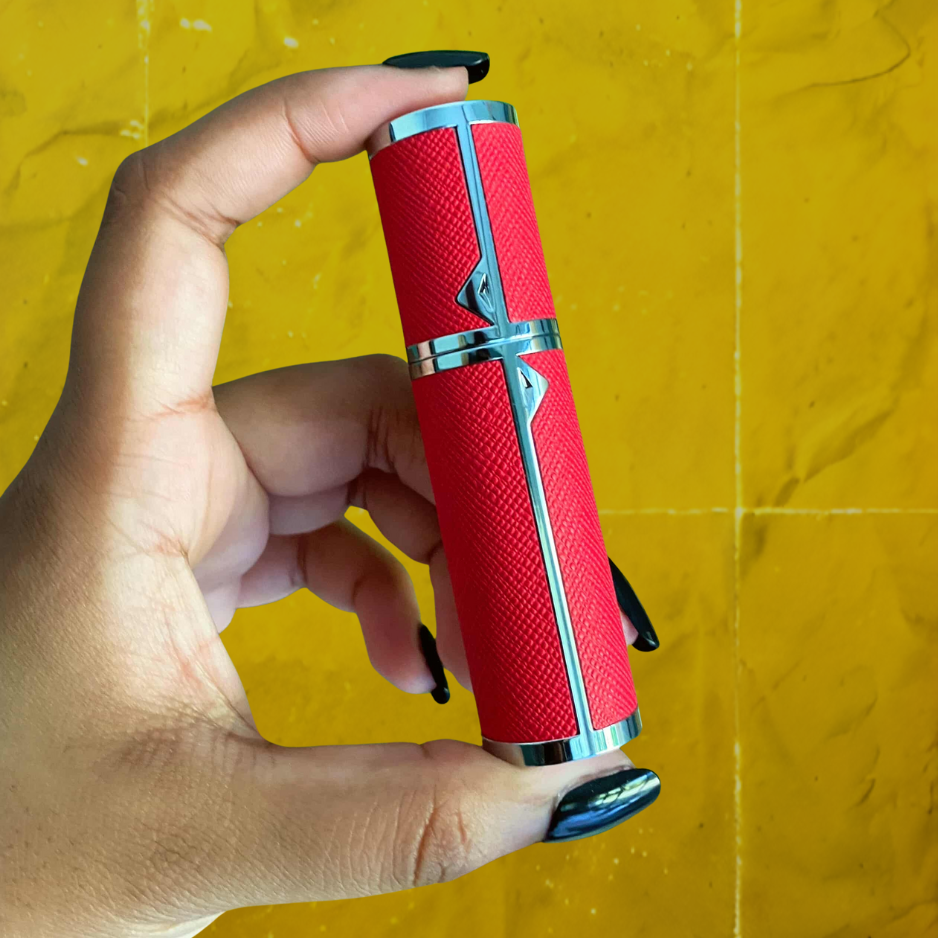
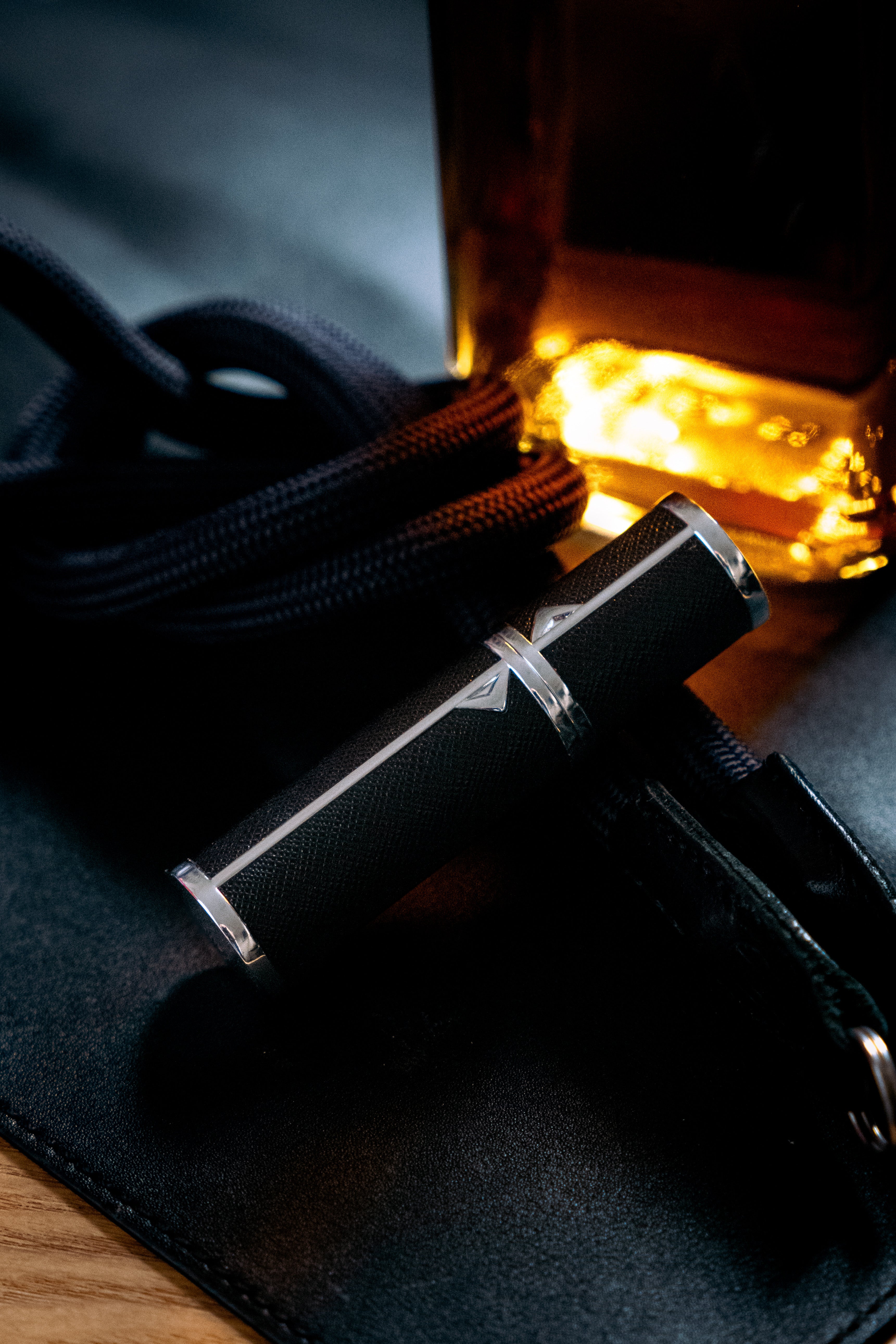
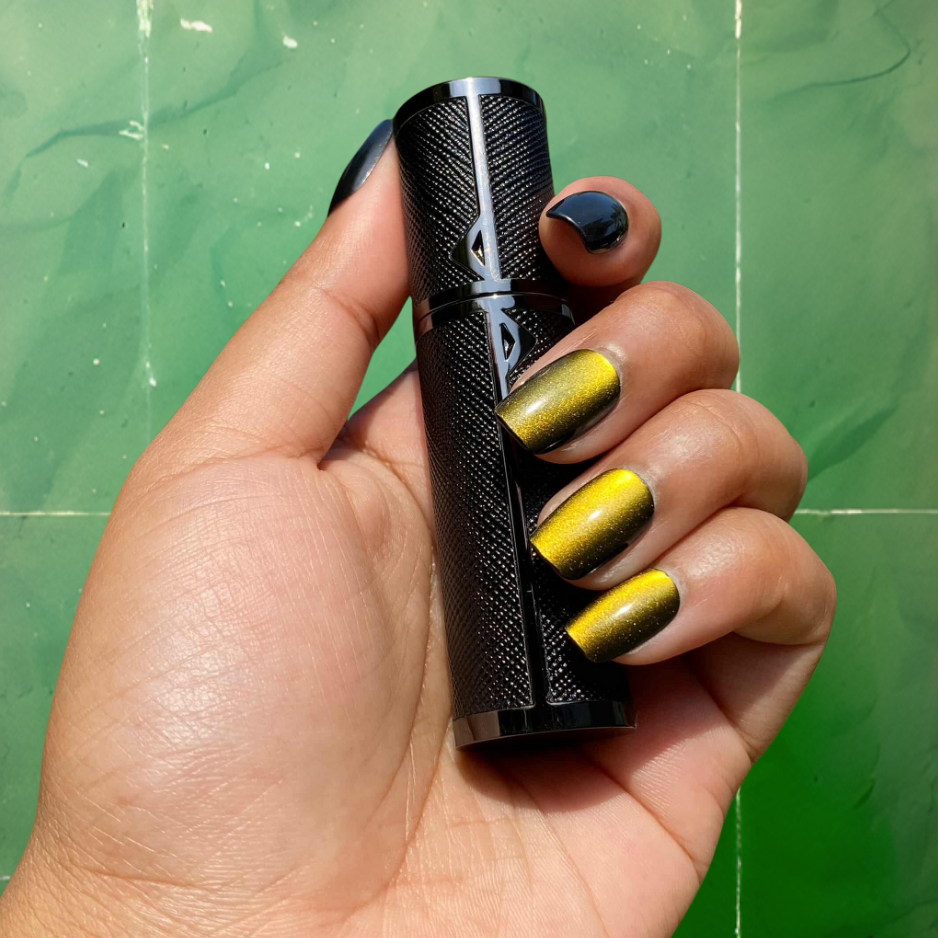
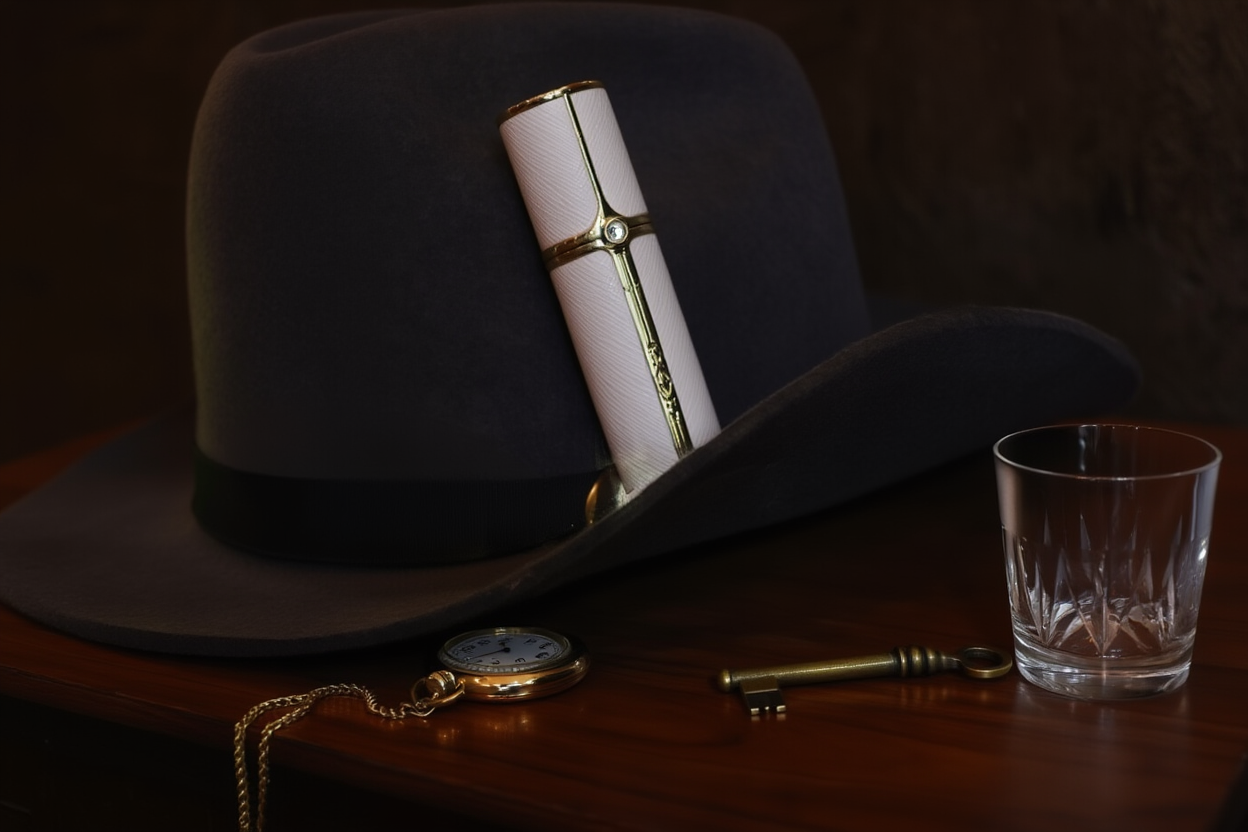
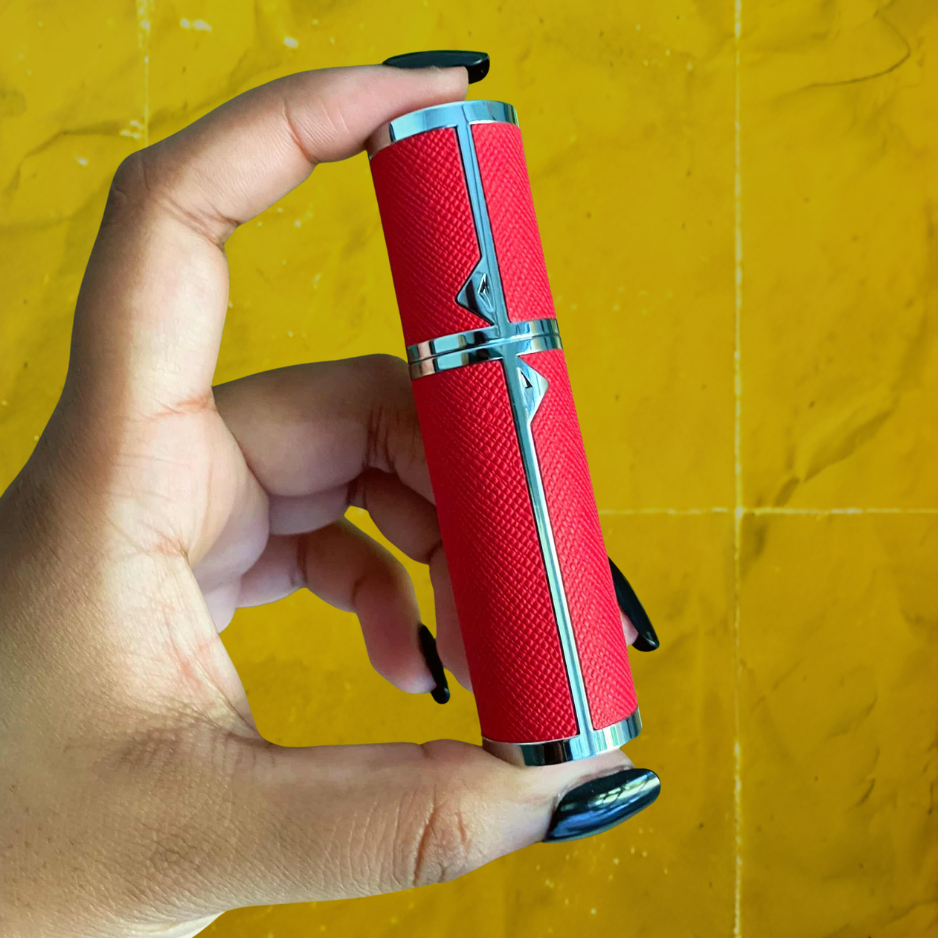
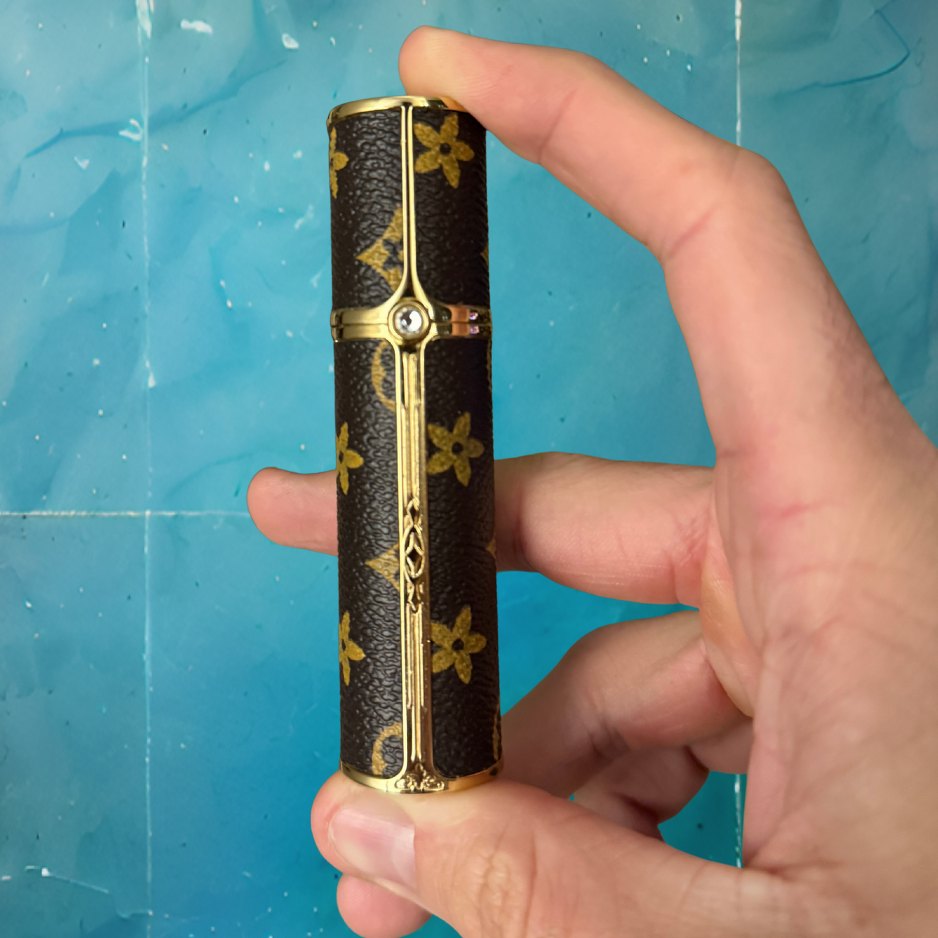
If you have read this far, you already know what a good travel atomizer needs: a secure cap, a fine-mist spray head, a glass or high-quality body, and a refill mechanism that does not require disassembly. The Spritzshop Olivier 10 ml atomizer checks every one of those boxes. It refills directly from any standard perfume bottle, fits in a pocket or purse, and holds enough for a full week of travel.
For shorter trips or sampling, the Hepburn 5 ml is TSA-ready and takes about 50 presses to fill from a transfer tube. Spritzshop’s atomizers carry a 4.84 rating from over 10,000 reviews, and the refill design is specifically built to minimize the air exposure and mess that cheaper alternatives create. Browse the full range at spritzshop.net and pick the size that fits your next trip.
Useful sources
These are the sources used to build this guide. Each one is worth bookmarking if you want step-by-step photos, deeper sanitization guidance, or community-tested tips.
- What is a fragrance decant – Parfumelle: the source for the 0.1 ml per press transfer tube figure; useful for understanding volume math before you start
- Decant size guide – Decanted Clone: practical reference for matching decant sizes (2–30 ml) to travel and sampling use-cases
- Why 70% isopropyl alcohol is superior for sanitizing cosmetic lab equipment – Your Cosmetic Chemist: the authority source for the 70%+ IPA sanitization recommendation; explains the chemistry behind why concentration matters
- How to Decant Perfume Safely: Step by Step – Fragrenza: community-tested workflow with equipment lists and step ordering; good for visual learners
- Making perfume samples and decants in pictures – Bois de Jasmin: the best photo-based walkthrough available; covers Parafilm sealing in detail
- Decanting and labeling perfume – WhatScent: covers syringe technique and the inner-wall injection method for reducing bubbles
- A beginner’s guide to decanting perfume safely – Luxyora: explains why glass is preferable to plastic for aromatic compounds; good for container selection
- What is a perfume decant – Scento: covers labeling best practices and multi-day testing to confirm scent integrity after transfer
Reminder: follow the 70%+ IPA sanitization step every time, work away from open flames, and label every decant before you set it down.



Share and get 15% off!
Simply share this product on one of the following social networks and you will unlock 15% off!