
Expensive fragrance is usually worth it. Expensive fragrance you do not wear never is. That is the honest answer, and it is not the one either side of this argument gives you. The people who say niche is a scam are comparing shelf prices. The people who say it is worth every penny rarely mention that most of their collection is sitting unworn. The useful version of this question is arithmetic, and the arithmetic points somewhere specific. Here it is.
Want your own figure first? Run your bottle through the cost per ml calculator.
In this article
- Why shelf price is the wrong comparison
- What you are actually paying for
- Where the money genuinely goes to waste
- When expensive is worth it, and when it is not
- FAQ
Why shelf price is the wrong comparison
A $270 bottle sounds like a different category of purchase from a $90 one. Per wear, they are closer than they look.
Creed lists Aventus from $270.00 USD for 30ml, which is $9.00 per ml, or roughly 75 cents a spray. At two sprays a day that is about $1.50. A coffee costs more.
Dior lists Sauvage Eau de Toilette at $142.00 USD for 100ml, which is $1.42 per ml, or about 12 cents a spray. Two sprays a day is 24 cents.
So the honest gap is roughly six to one per wear, on a base that is small in both cases. That is a real difference and it is not the difference the shelf prices imply, because the expensive bottle is also smaller and you use less of a concentrated fragrance.
What you are actually paying for
Three things, in descending order of how much of the price they explain.
Materials and concentration. Real oud, natural sandalwood, genuine iris and high percentages of natural extract cost enormously more than their synthetic equivalents. A higher concentration also means fewer sprays for the same effect, which quietly narrows the per-wear gap.
Distribution and scale. A designer fragrance sells millions of units through department stores and amortises development across all of them. A niche house sells a fraction of that. The same bottle of liquid carries a very different share of the fixed costs.
Positioning. Some of it is simply that the price is the product. That is true of most luxury goods and there is no point pretending otherwise. Whether it is worth it depends on whether you value the thing it signals, which is a personal question and not a maths one.
Where the money genuinely goes to waste
Not on buying the expensive bottle. On three habits that come after.
Saving it. The single most expensive mistake in fragrance. A bottle kept for special occasions loses its top notes over the years, so the thing you were preserving degrades while you preserve it. If it costs 75 cents a spray, wearing it on a Tuesday is not extravagance.
Leaving it at home. A bottle on a shelf is worn in the twenty minutes before you leave the house and nowhere else. The expensive fragrance is often the one that never travels, because nobody puts a $270 glass bottle in a carry-on. So you paid niche prices to smell good in your own hallway.
Buying it twice to travel with it. Then, because the bottle stays home, people buy the brand's 10ml travel spray as well. That is the same liquid at two to three times the per-ml price, in a container that gets thrown away. See what refillable actually means across eight brands.
Fix those three and an expensive bottle becomes considerably better value than a cheap one you also do not wear.
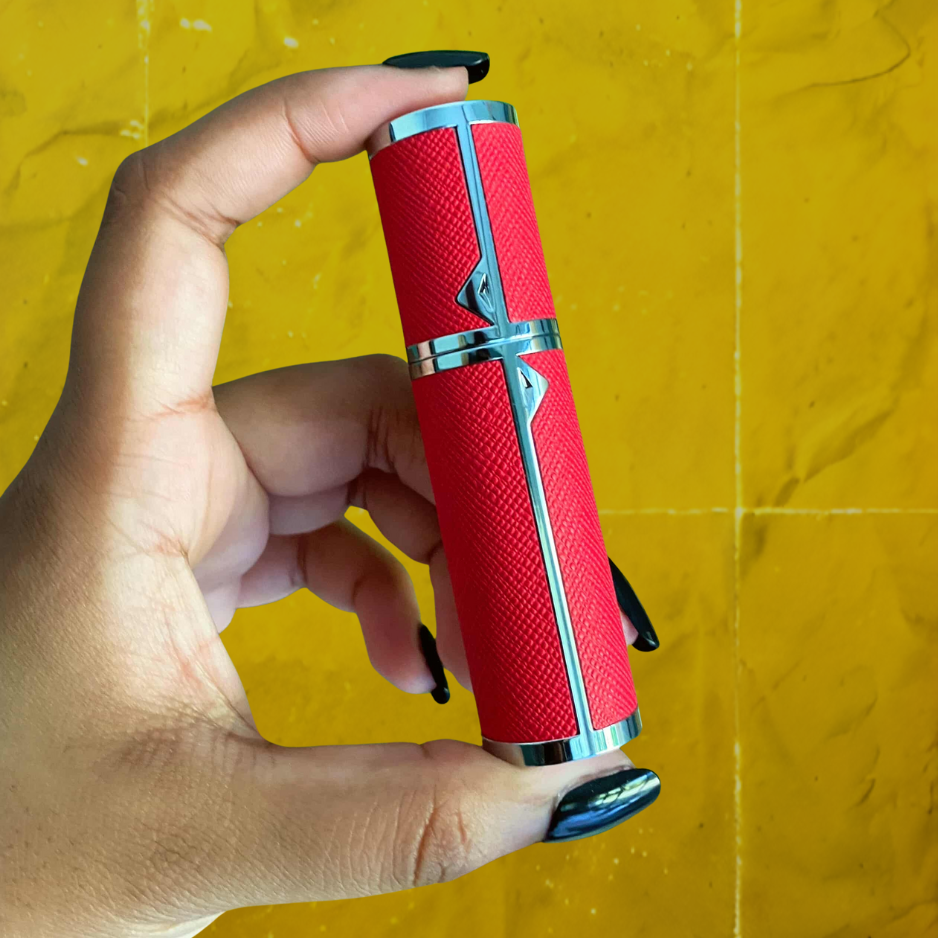
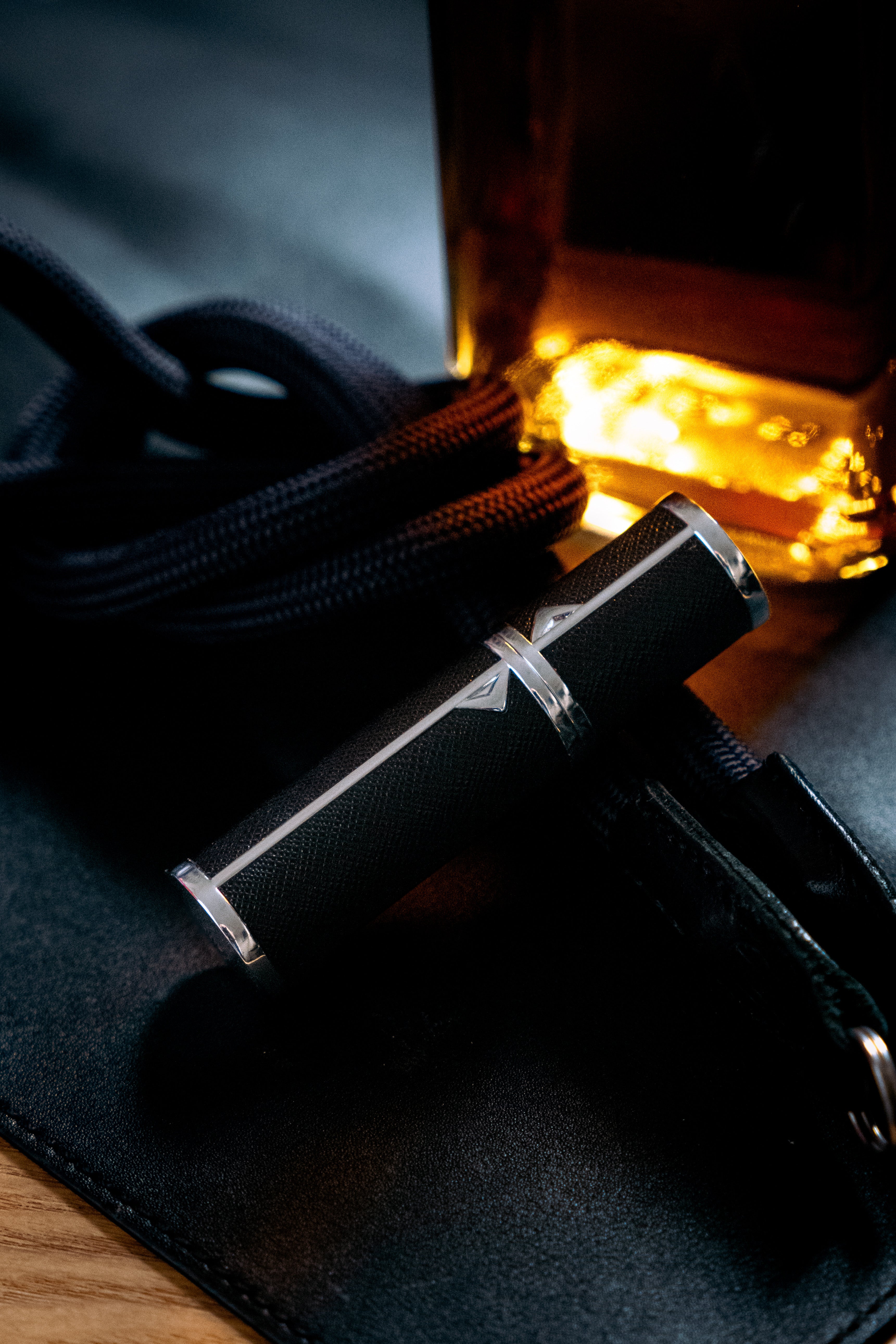
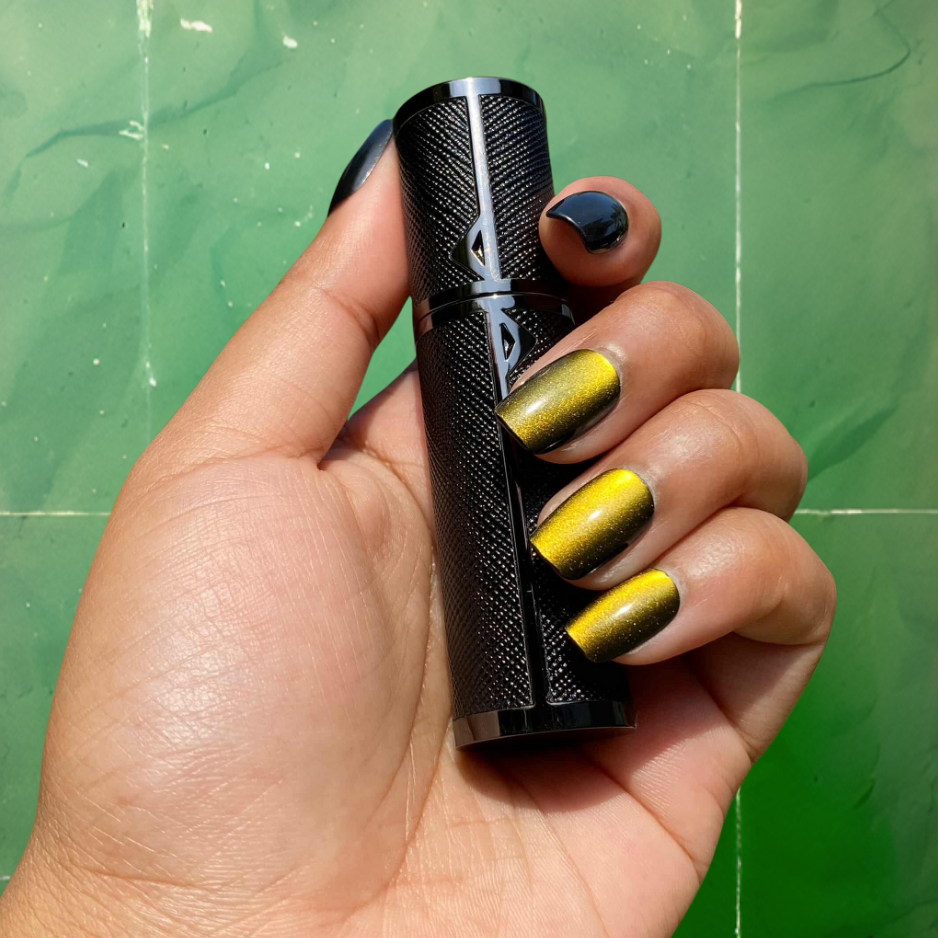
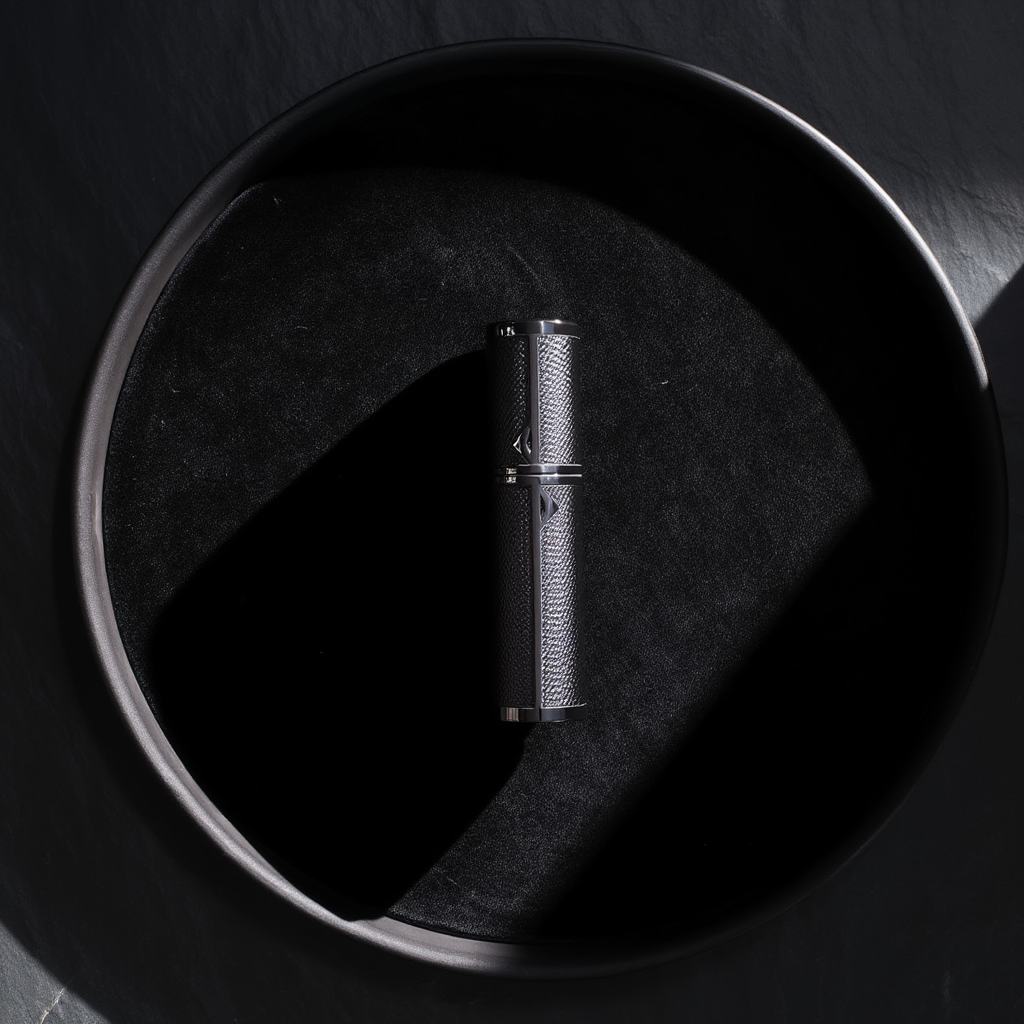
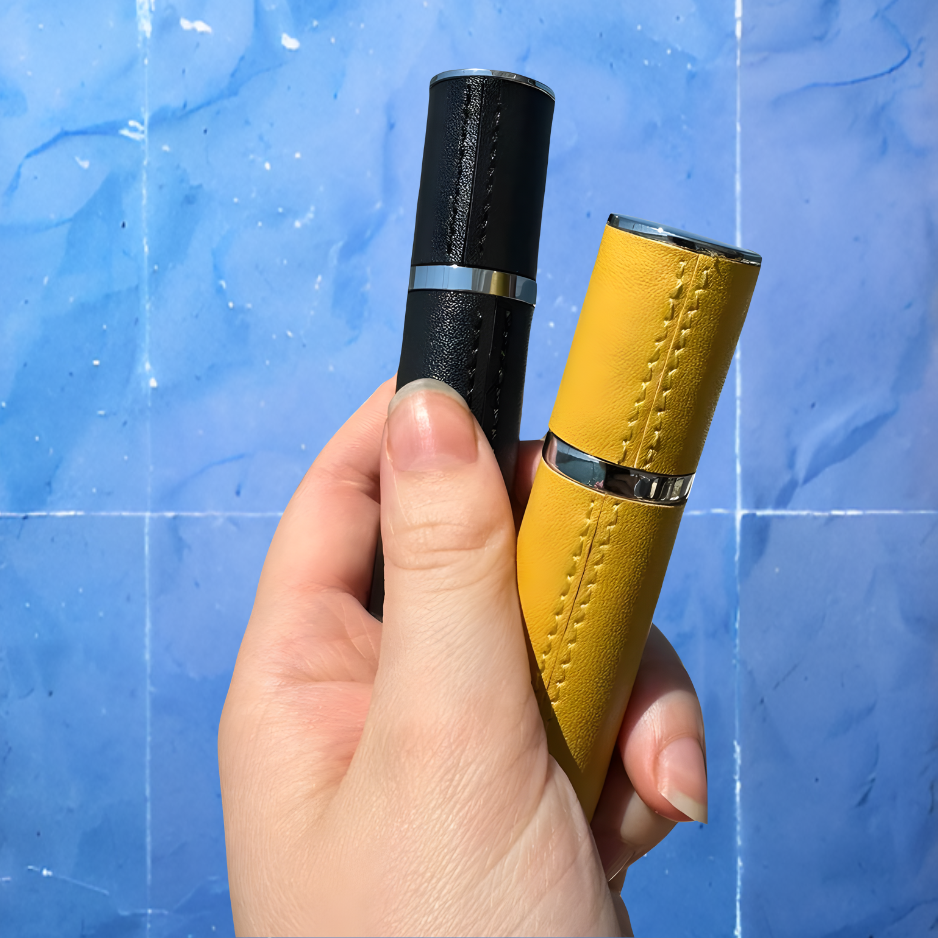
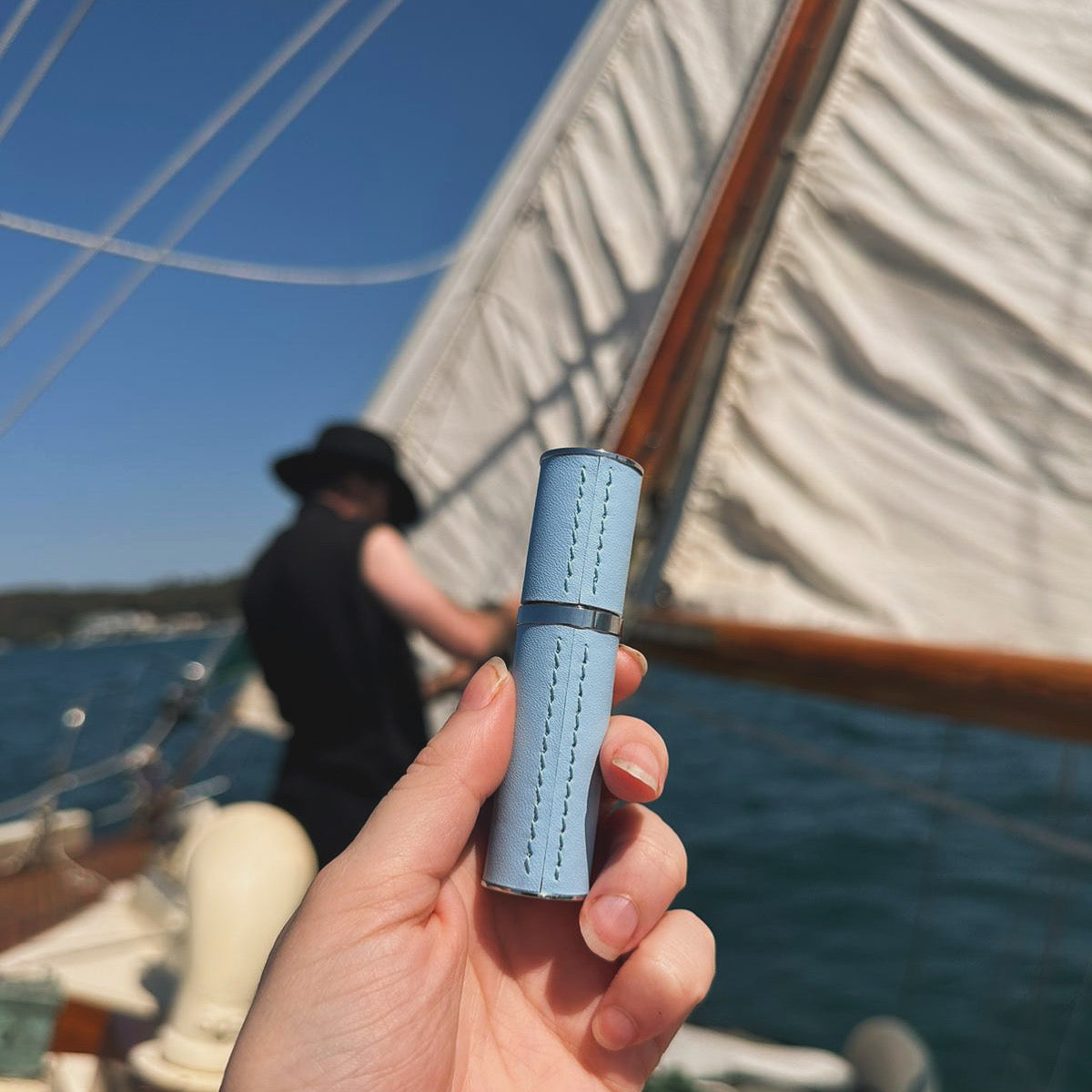
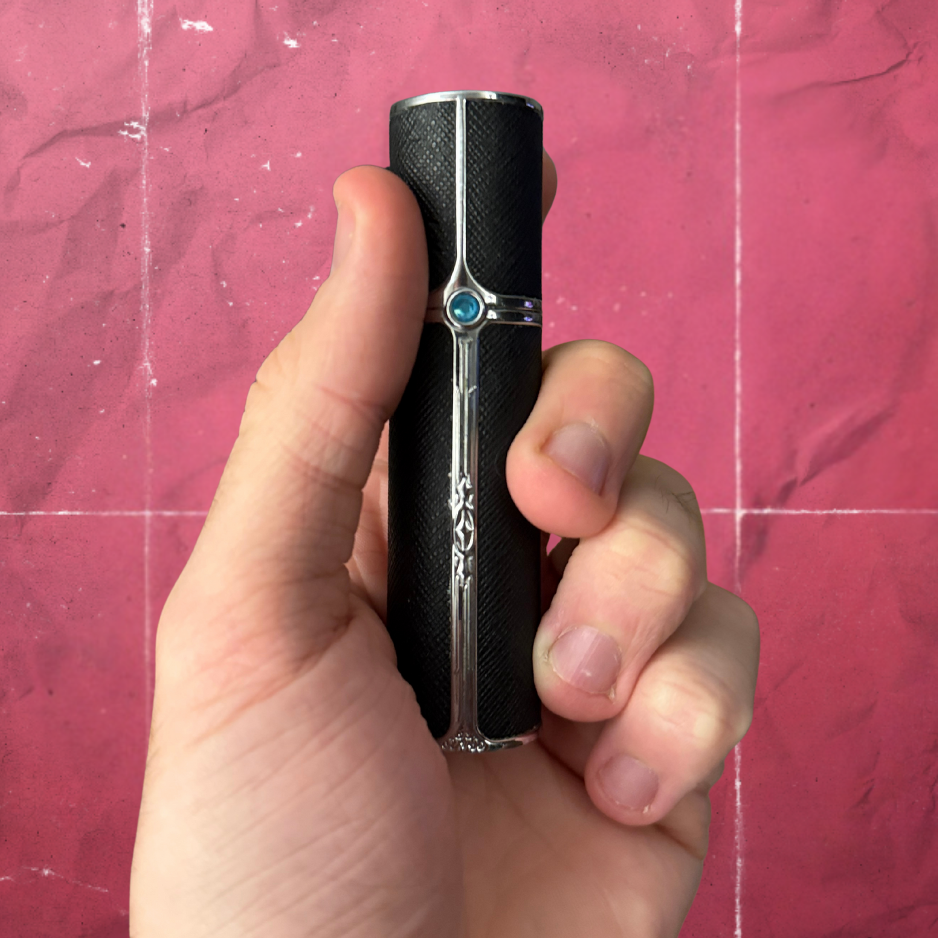
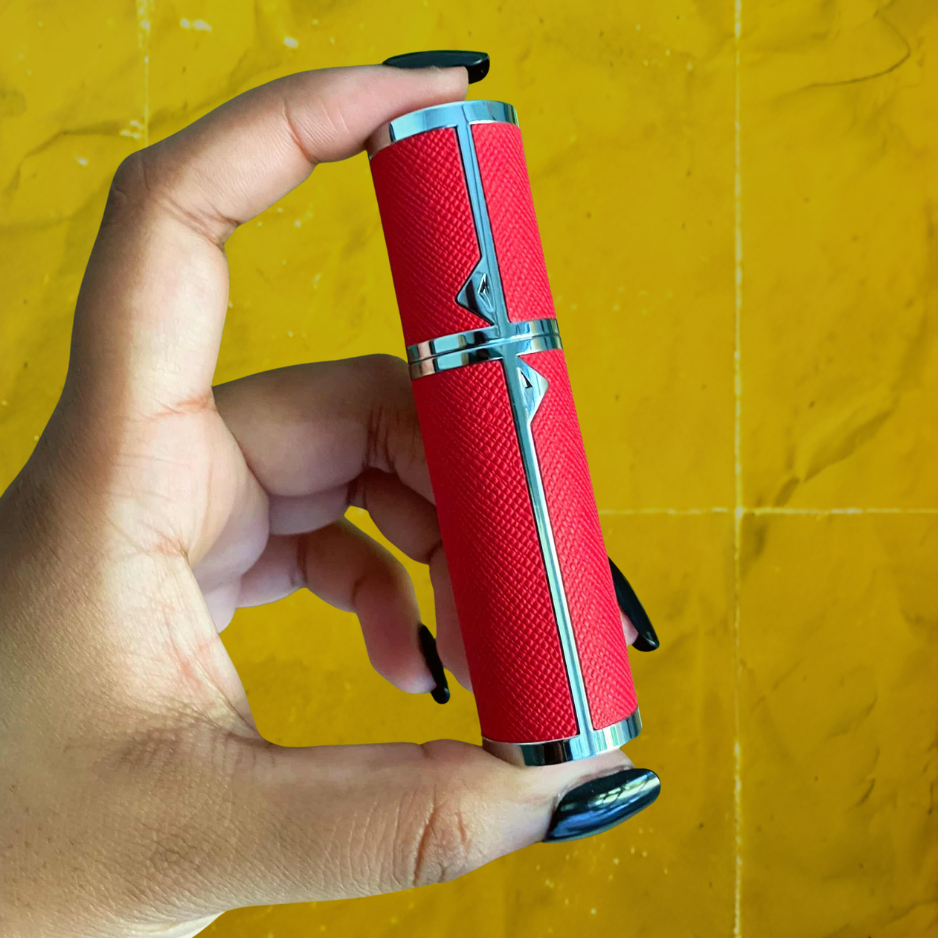
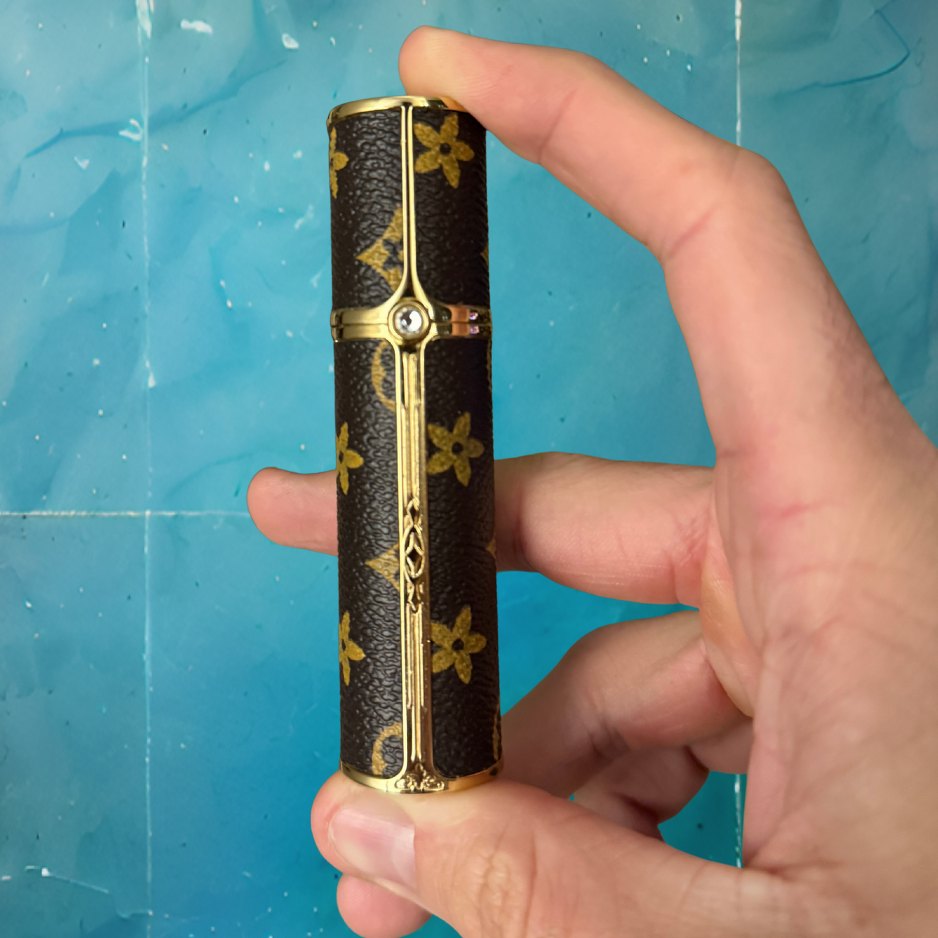
Aluminium body, CNC copper bottom-fill valve, sealed click closure. Fills from your own bottle in about ten seconds, so the expensive one actually leaves the house.
When expensive is worth it, and when it is not
Worth it if you will wear it regularly, if you can tell the difference blind, and if the materials are actually doing something a cheaper composition cannot. Owning one expensive fragrance you wear constantly beats owning five mid-priced ones you rotate half-heartedly.
Not worth it if you are buying it because of what it costs, if you already own something similar, or if it will live on a shelf being admired. A bottle that does not get worn has an infinite cost per spray, whatever you paid.
The test is simple. Work out your cost per spray, then ask whether you would wear it today at that price. If the answer is yes, buy it and wear it. If the answer is no, the shelf price was never the problem.
Frequently asked questions
Is niche perfume better than designer?
Often different rather than strictly better. Niche houses typically use higher concentrations and more natural materials and sell at far lower volumes. Whether that difference is worth the price depends on whether you can perceive it and will wear it.
Why is Creed Aventus so expensive?
A combination of materials, low production volume relative to designer houses, and positioning. At roughly $9.00 per ml it works out around 75 cents a spray.
How much should I spend on a bottle of cologne?
Enough that you will wear it, not so much that you save it. The per-spray figure is a better guide than the shelf price.
Do expensive fragrances last longer?
Higher concentrations generally do, which means fewer sprays per wear and a smaller gap in cost per wear than the bottle price suggests.
Is it cheaper to buy a bigger bottle?
Almost always, per millilitre. The exception is if you will not finish it before it degrades, in which case the smaller bottle is the better buy.
The best value bottle is the one you actually wear.
Over 10,000 verified reviews at 4.84 stars.
Shop SPRITZ →Free worldwide tracked shipping. 30-day money-back guarantee.
Prices quoted in USD from brand websites at the time of publication. SPRITZ is an independent brand and is not affiliated with any fragrance house named above.




Share and get 15% off!
Simply share this product on one of the following social networks and you will unlock 15% off!