
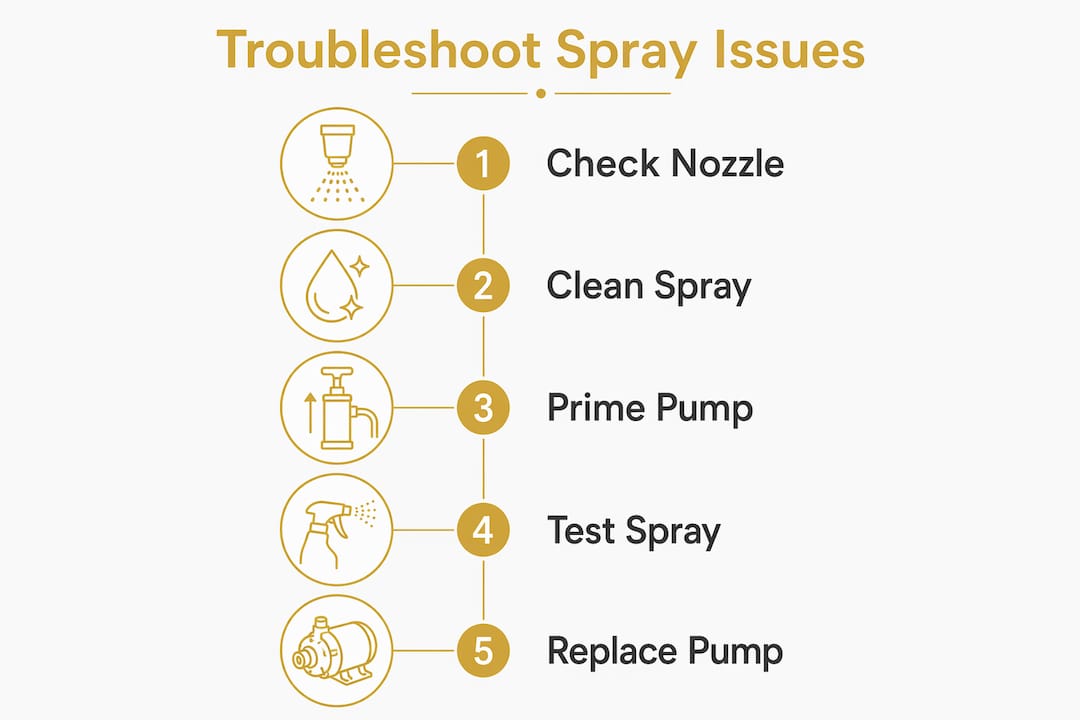
A perfume spray not working is defined as a failure of the atomizer mechanism to deliver a fine mist, caused by nozzle clogs, airlocks, stuck ball valves, pump damage, or formula incompatibility. Approximately 60% of all spray failures trace back to nozzle clogs or stuck ball valves. That means most problems you face are fixable at home in minutes, without special tools or professional help.
The key is diagnosing the exact cause before you touch anything. Forcing a stuck pump or twisting a seized nozzle turns a minor fix into a permanent break. This guide walks you through every common failure type, the right repair method for each, and when it makes sense to replace the pump entirely.
Why is my perfume spray not working?
Perfume spray failures fall into four distinct categories: no spray at all, sputtering or weak mist, leaking around the collar, and a complete pump lockup. Each symptom points to a different root cause, and treating the wrong one wastes time and risks damage.
No spray at all usually signals a clogged nozzle orifice or a dry pump that has never been primed. The nozzle orifice is the tiny hole at the tip of the actuator. Dried fragrance residue blocks it completely, especially in bottles left unused for weeks.
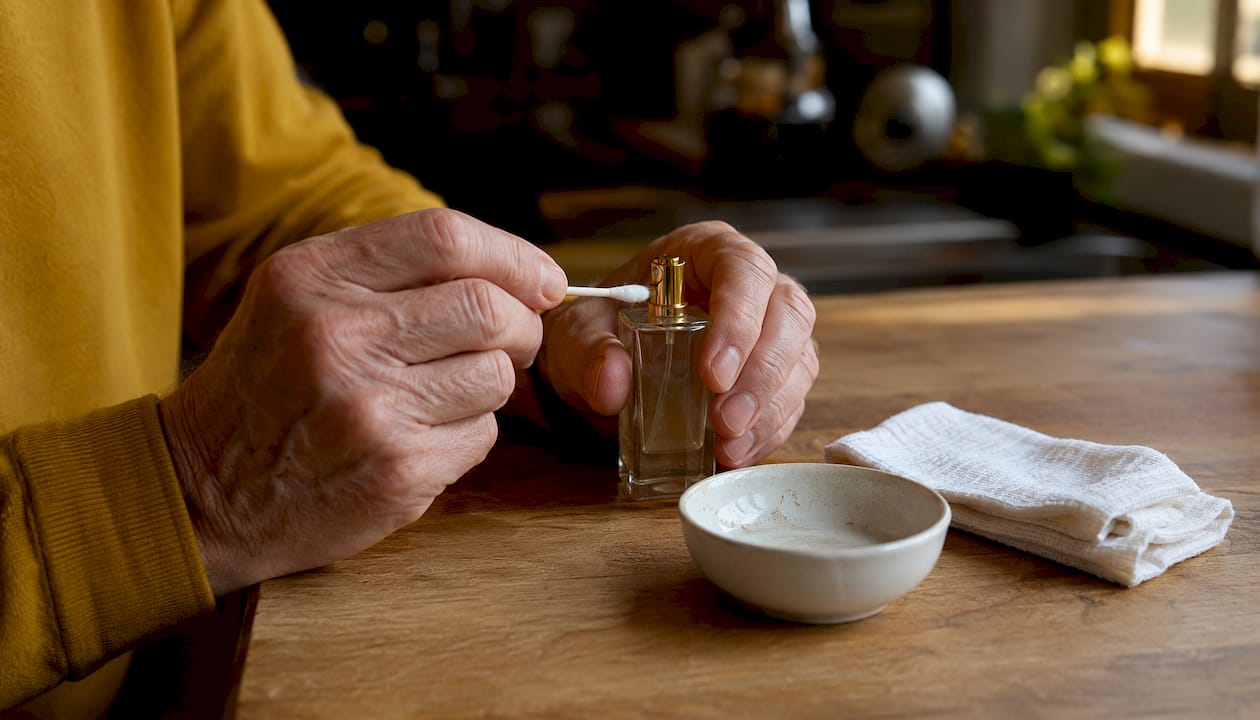
Sputtering or weak mist points to a partial clog, a low liquid level, or a kinked dip tube. The dip tube is the thin plastic straw inside the bottle that draws liquid up to the pump. If it sits at an angle or has a crack, air enters the system and breaks the spray pattern.
Leaking around the collar has two main causes. Overfilling the bottle creates internal pressure that forces liquid past the pump seal. A mismatched pump collar is the other cause, which brings up the FEA standard. FEA (Flakon Einheitlich Ausführung) is the European industry sizing system for perfume pump collars. Collars come in specific diameters, and a collar that does not match the bottle neck will never seal properly.
Pump lockup is often a vacuum lock, where sealed negative pressure inside the bottle prevents liquid from moving. Vacuum locks are common in tightly sealed travel bottles and require introducing air before the pump can function.
- No spray: clogged nozzle or unprimed pump
- Sputtering: partial clog, low fill level, or kinked dip tube
- Leaking: overfilled bottle or mismatched FEA collar
- Pump lockup: vacuum lock or seized ball valve
Pro Tip: Hold the bottle up to a light source and look through the glass before attempting any repair. You can often see whether the dip tube is kinked, broken, or sitting off-center, which tells you immediately whether cleaning will solve the problem.
How to clean and unclog a perfume spray nozzle
Cleaning is the right first step for the majority of spray failures. The process is straightforward, but the order matters. Rushing or skipping steps risks enlarging the nozzle orifice, which permanently ruins the spray pattern.
- Remove the actuator. Pull the spray head straight up and off the pump stem. Do not twist. Twisting can crack the stem or strip the actuator fitting.
- Rinse the actuator under warm water. Hold it under a gentle stream for 30 seconds. Warm water dissolves most dried fragrance residue without damaging plastic.
- Soak in isopropyl alcohol. For stubborn clogs, drop the actuator into a small cup of 70% isopropyl alcohol for 10–15 minutes. Alcohol dissolves waxy fragrance compounds that water cannot shift.
- Clear the orifice with a thin needle. Use a sewing needle or a thin pin. Insert it gently into the spray hole and rotate slowly. The goal is to break up the blockage, not to widen the hole. A wider hole produces a coarse, uneven spray instead of a fine mist.
- Flush the dip tube. Fill a small syringe with warm water and pump it through the tube from the top. This clears any residue sitting lower in the system.
- Reassemble and test. Reattach the actuator and press it several times over a tissue. A clean, even mist confirms the clog is gone.
White vinegar works as an alternative to isopropyl alcohol for people who prefer a milder solvent. Soak the actuator for 20 minutes, then rinse thoroughly with warm water before reassembling.
Pro Tip: Never use a toothpick to clear the nozzle orifice. Wood fibers break off inside the hole and create a secondary blockage that is harder to remove than the original clog.
How to prime a pump and fix a stuck ball valve
Priming is the process of building pressure inside the pump so it can draw liquid up the dip tube and deliver a spray. New pumps and pumps that have sat unused for a long time both need priming before they work correctly.
Priming requires pressing the actuator 5–20 times in steady, firm strokes. Each press compresses the pump chamber and pushes air out. After enough strokes, liquid fills the chamber and the spray begins. If nothing happens after 20 presses, the pump likely has a stuck ball valve or a vacuum lock rather than an unprimed chamber.
A stuck ball valve sits inside the pump body and controls liquid flow. When fragrance residue dries around it, the valve cannot move freely. Warm water soaking frees stuck ball valves by softening the dried residue. Submerge the pump (with the bottle upright) in a bowl of warm water for 5 minutes, then pump the actuator while it is still submerged. The water enters the system and lubricates the valve enough to break it free.
For vacuum locks, the fix is different. Vacuum lock requires introducing air into the sealed bottle before the pump can function. Loosen the pump collar slightly, just enough to let a small amount of air enter, then retighten and try pumping again. Some travel bottles require a specialized adapter to break the vacuum without removing the pump.
- Press the actuator 5–20 times for a new or airlocked pump
- Soak in warm water for 5 minutes to free a stuck ball valve
- Loosen the collar briefly to release a vacuum lock
- Replace the pump if the valve remains stuck after soaking
Pro Tip: Avoid forcing or twisting pump parts under any circumstances. Fragile glass bottles and thin plastic pump stems break easily under torque, and a cracked bottle cannot be repaired.
When compatibility is the real problem
Broken sprayers often result from a mismatch between the perfume formula and the pump specifications, not from a manufacturing defect. This is the cause that most people overlook, and it explains why a pump that worked perfectly with one fragrance fails within weeks when used with another.
How perfume chemistry damages pump components
Pump seals and gaskets are made from materials like silicone or NBR (nitrile butadiene rubber). Essential oils and high alcohol content degrade certain gasket materials over time, causing them to swell, crack, or dissolve. Once a gasket fails, the pump leaks around the collar and loses the pressure needed to spray. Choosing a pump with alcohol-resistant seals is the correct fix, not just replacing like for like.
Why water testing misleads you
Testing a pump with water is misleading because water and perfume have different viscosities. A pump that sprays water perfectly may struggle with a thicker, oil-heavy fragrance. Always test a replacement pump with the actual perfume you plan to use before committing to it.
FEA sizing and collar fit
| Issue | Cause | Fix |
|---|---|---|
| Collar leaks after tightening | Wrong FEA diameter for bottle neck | Replace pump with correct FEA size |
| Pump wobbles on bottle | Collar too large | Match collar diameter to bottle spec |
| Pump cannot be pressed down | Collar too small, stem binding | Do not force; source correct size |
| Spray works with water, fails with perfume | Viscosity mismatch | Test with actual fragrance before finalizing |
FEA collar sizes are not interchangeable, and using the wrong size causes repeated leaks regardless of how tightly you secure the collar. Measure the bottle neck diameter before ordering a replacement pump. Most standard retail fragrance bottles use FEA 15 or FEA 18 collars, but confirming the exact size prevents a second failed repair.
If the pump collar is correctly sized, the gasket material is alcohol-resistant, and the pump still fails after cleaning and priming, the pump body itself is damaged and needs full replacement. Signs of irreparable damage include a cracked stem, a collar that spins freely without gripping, and a pump that depresses but produces no resistance.
Key Takeaways
Most perfume spray failures are fixable at home by identifying the specific cause, whether a clog, airlock, vacuum lock, or compatibility mismatch, and applying the correct method for each.
| Point | Details |
|---|---|
| Diagnose before acting | Identify the symptom first: no spray, sputtering, leaking, or lockup points to different causes. |
| Clean the nozzle first | Soak in isopropyl alcohol and clear the orifice with a thin needle before assuming pump failure. |
| Prime with patience | Press the actuator 5–20 times; soak in warm water to free stuck ball valves. |
| Match FEA collar size | Confirm the pump collar diameter matches the bottle neck before buying a replacement. |
| Test with real perfume | Water testing does not replicate perfume viscosity; always test with the actual fragrance. |
What I’ve learned from fixing too many broken sprayers
The single most common mistake I see is reaching for a replacement pump before attempting a proper cleaning. Most people assume that if the spray stops working, the pump is broken. The reality is that formula and pump incompatibility and dried residue account for the vast majority of failures. A 15-minute soak in isopropyl alcohol fixes more sprayers than any replacement pump ever will.
The second mistake is buying a replacement pump based on appearance rather than FEA specification. Two pumps can look identical and have different collar diameters. I have watched people install a visually matching pump and then wonder why it leaks from day one. The FEA number is the only measurement that matters.
My honest advice: treat your perfume atomizer like a precision instrument, not a disposable accessory. Clean it after every refill if you use heavy or oil-based fragrances. Check the refill process you use, because introducing air bubbles during refilling is a leading cause of airlocks that people later mistake for pump failure. Patience and gentleness during every step will save you money and protect bottles that are often irreplaceable.
— Ash
Spritzshop’s atomizers: built to spray reliably every time
If your current bottle’s pump is beyond repair, or you simply want a spray system that does not require troubleshooting, Spritzshop’s refillable perfume atomizers are worth a close look.

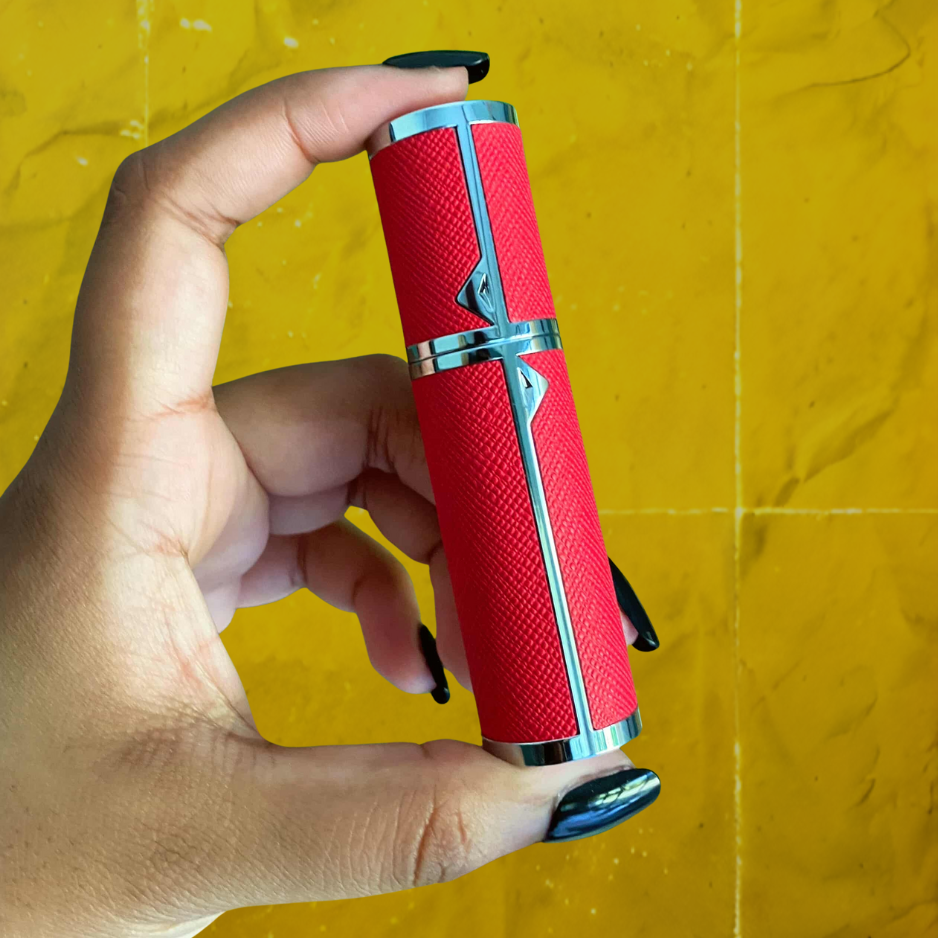
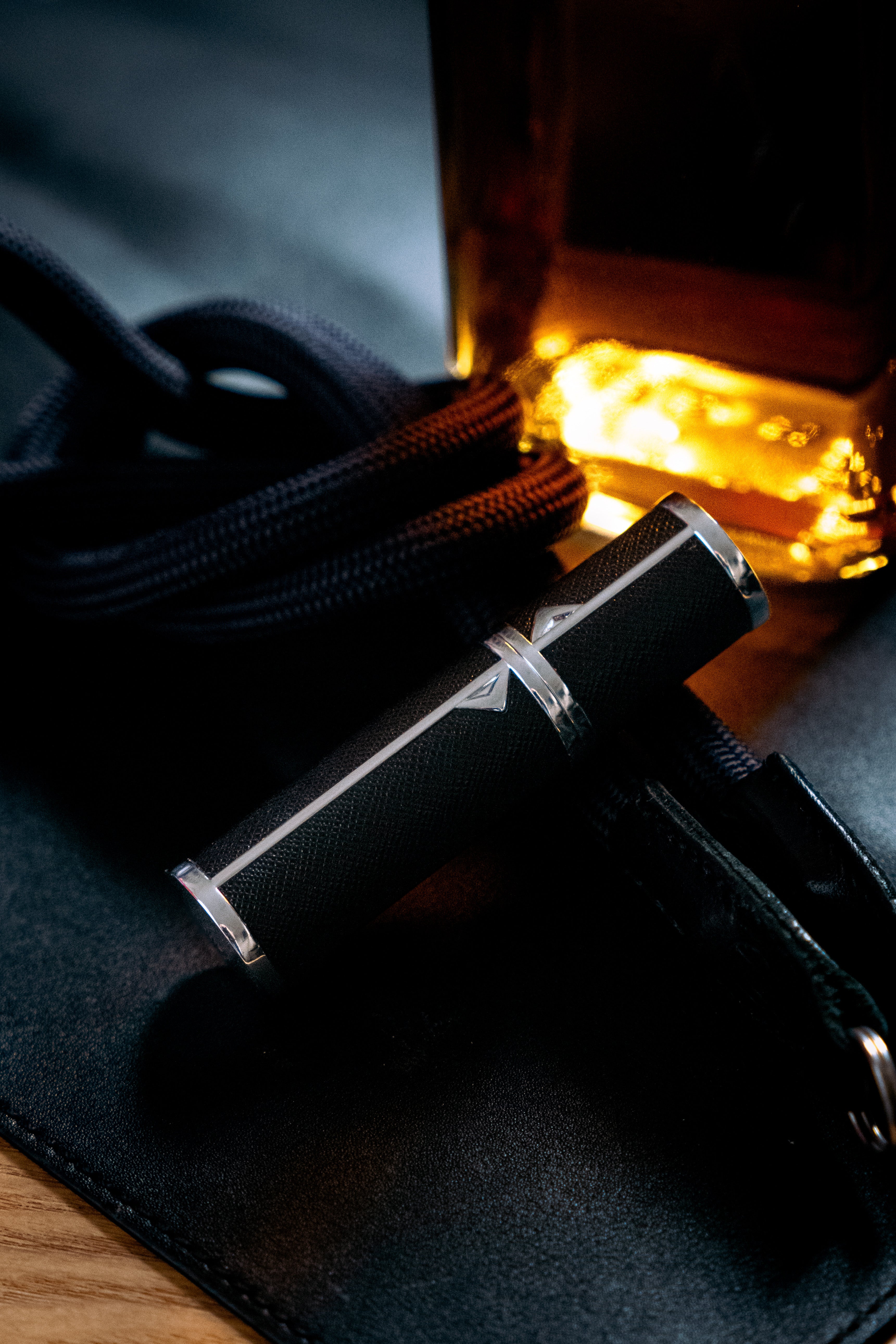
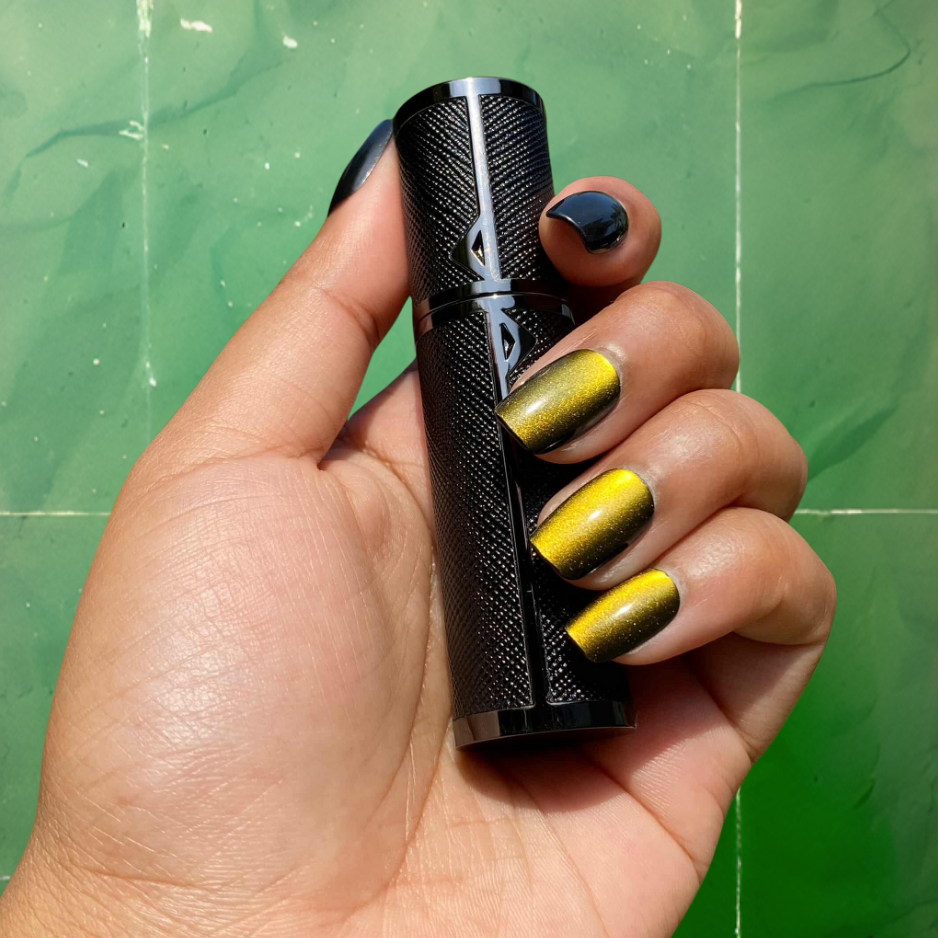
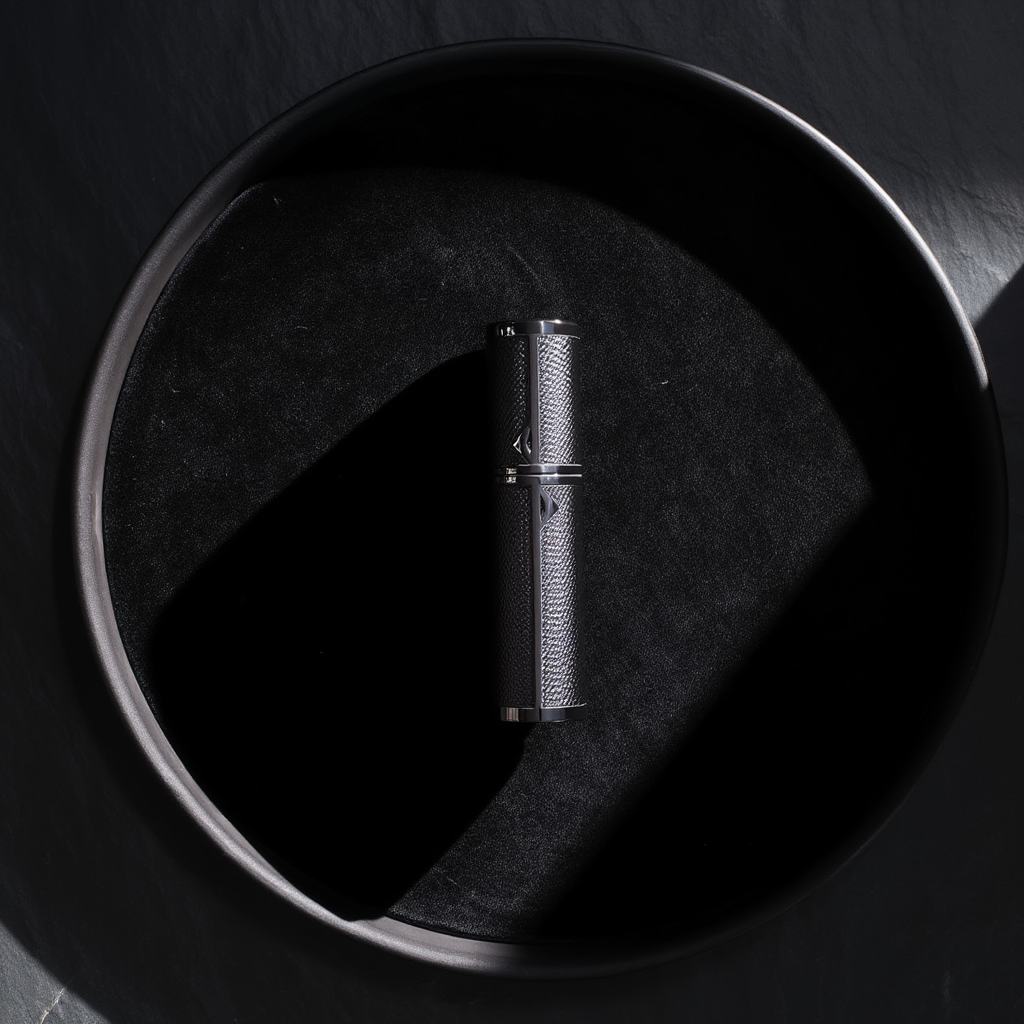
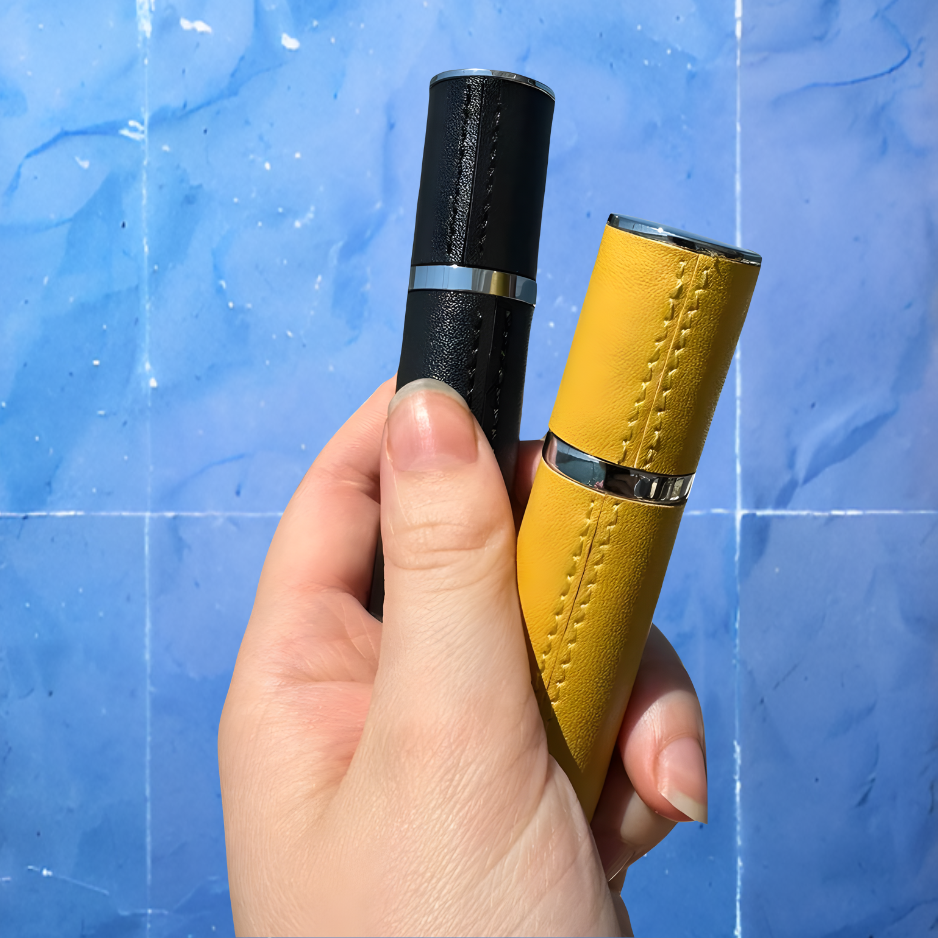
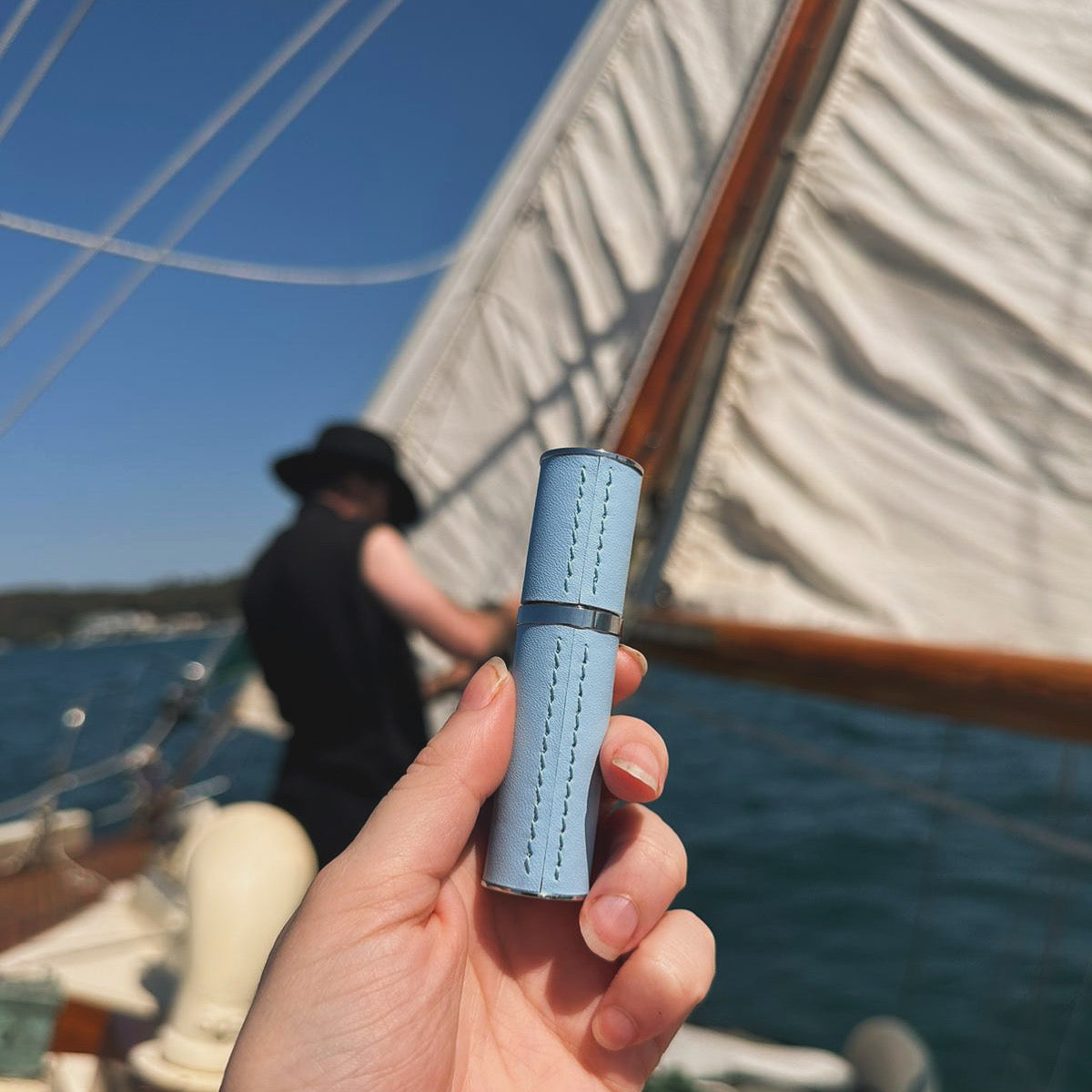
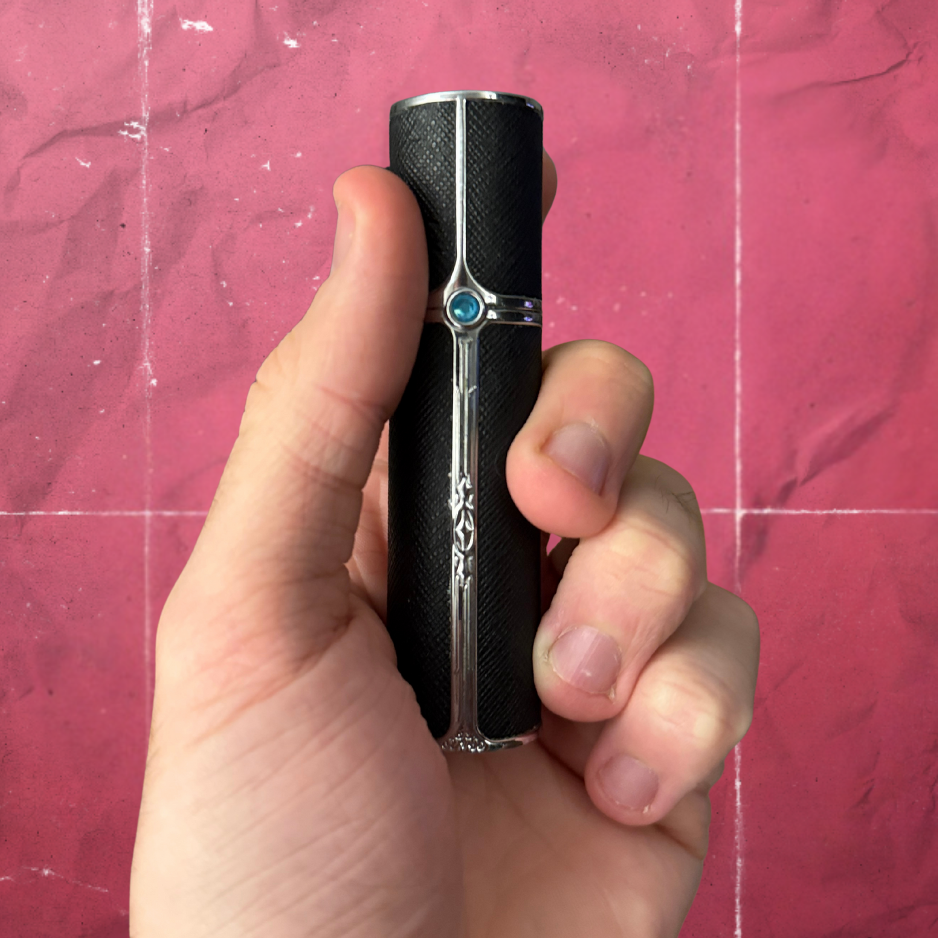
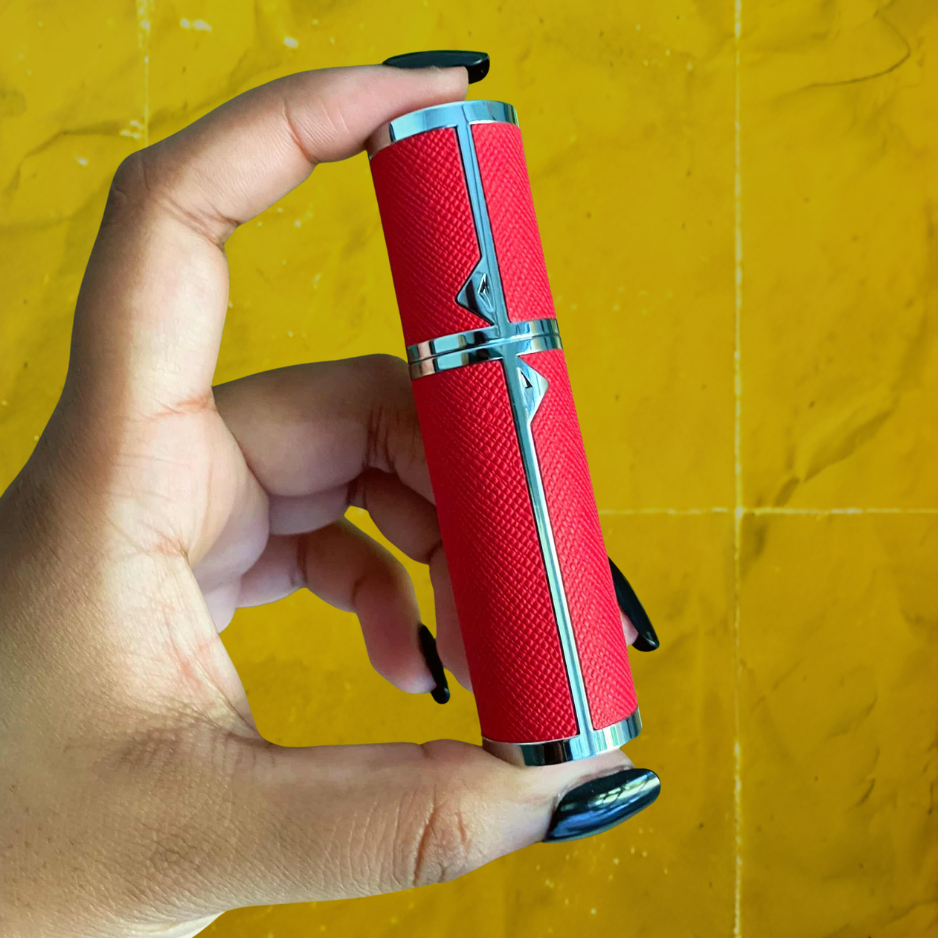
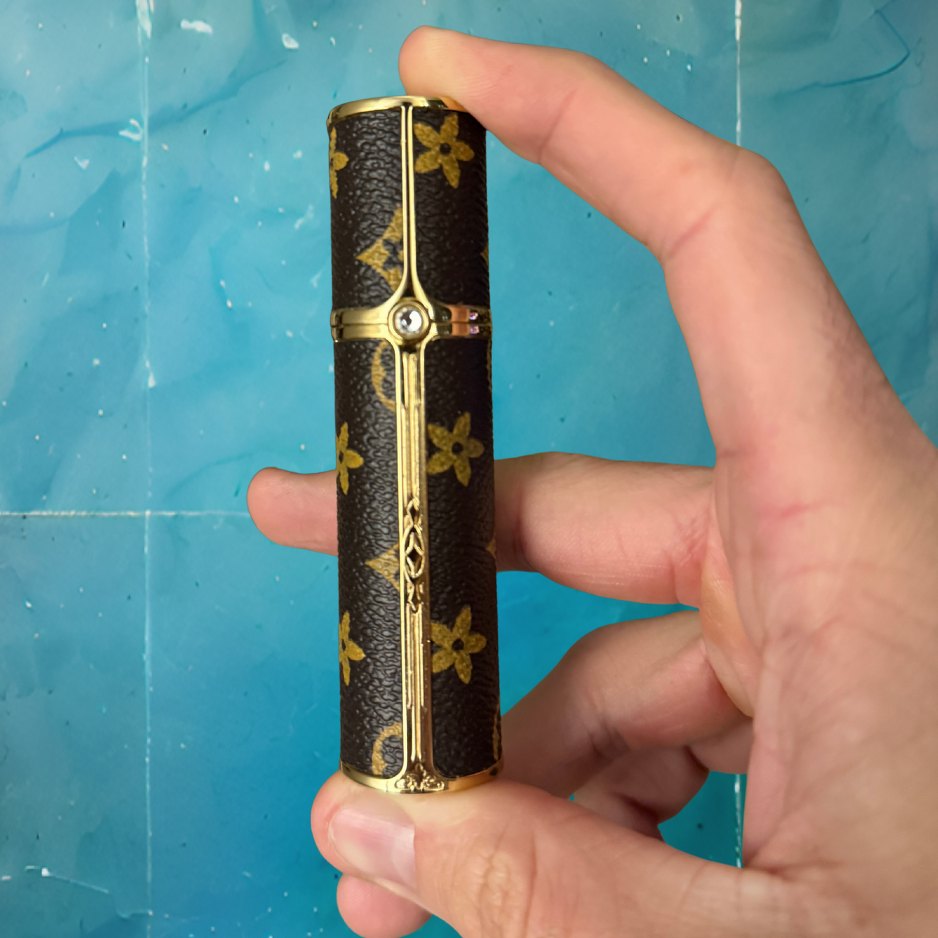
Spritzshop designs its atomizers specifically for travelers and fragrance enthusiasts who need consistent spray performance without the fragility of a full-size bottle. The Brando Perfume Atomizer uses alcohol-resistant seals and a precisely calibrated pump that works with a wide range of fragrance formulas. Refilling takes seconds from any standard bottle, and the collar sizing is standardized to eliminate the FEA mismatch problems that plague generic replacements. With a customer satisfaction rating of 4.84 from over 10,000 reviews, the performance speaks for itself. Browse the full atomizer collection to find the right fit for your fragrance routine.
FAQ
What causes a perfume spray to stop working?
The most common cause is a clogged nozzle or stuck ball valve, which accounts for approximately 60% of spray failures. Other causes include airlocks, vacuum locks, overfilling, and pump-to-formula incompatibility.
How do I fix a perfume atomizer that is leaking?
Check the FEA collar size first. A collar that does not match the bottle neck diameter will leak regardless of how tightly it is secured. Also check for overfilling, since excess liquid creates internal pressure that forces past the pump seal.
Why is my perfume not spraying even after cleaning?
If cleaning does not restore the spray, the pump likely has a stuck ball valve or a vacuum lock. Try soaking the pump in warm water for 5 minutes and pumping while submerged. If that fails, the pump may need full replacement.
Can I test a replacement pump with water before using perfume?
Water testing is unreliable because water and perfume have different viscosities. A pump that sprays water correctly may still fail with a thicker fragrance. Always test with the actual perfume before finalizing a replacement.
How do I open a portable perfume bottle that won’t spray?
A portable bottle that will not spray often has a vacuum lock. Loosen the pump collar slightly to introduce air, then retighten and press the actuator. If the bottle uses a sealed travel mechanism, check whether a specialized adapter is needed to release the vacuum.



Share and get 15% off!
Simply share this product on one of the following social networks and you will unlock 15% off!