

The most reliable way to prevent toiletry leaks is to stack several layers of protection instead of trusting one: a screw cap with a plastic-wrap seal underneath, a zip-top bag around the whole bottle, and a waterproof toiletry bag holding everything upright. Skipping any single layer raises your risk, and TSA’s 3-1-1 carry-on rule shrinks your containers but doesn’t replace the need for this system.
TL;DR:
- Using multiple protective layers, including sealed containers, plastic wrap, individual bags, and a waterproof bag, significantly reduces the risk of toiletry leaks during travel.
- Rigid, gasket-sealed bottles are most effective for liquids, especially when leaving 10-15% headspace, while flexible bottles should be fully squeezed before sealing.
- Proper placement inside the suitcase, with bottles positioned upright and cushioned at the bottom or center, minimizes damage from jostling and pressure.
- Checking and fixing leaks immediately upon discovery, and replacing damaged bottles, helps prevent recurring leaks during the trip or on the return journey.
- Refilling perfume into sealed atomizers offers a reliable, leak-proof alternative to full-size bottles, especially for high-risk fragrance leaks.
Table of Contents
- Your Fastest Way to Prevent Toiletry Leaks Right Now
- Which Bottles Actually Stop Leaks, and How Full Should They Be?
- Where to Put Your Toiletry Bag Inside the Suitcase
- Carry-On or Checked Bag: Does It Change the Risk?
- Fixing the Parts That Fail First: Pumps, Flip-Tops, and Jars
- Packing Toiletries for a Move, Not Just a Trip
- What Ash Has Learned About Perfume Leaks Specifically
- What to Do If a Toiletry Actually Leaks Mid-Trip
- The One-Line Ritual That Actually Prevents Most Leaks
- A Simpler Way to Carry Fragrance Without the Leak Risk
- Sources
- FAQ
Your Fastest Way to Prevent Toiletry Leaks Right Now
If you’re packing in the next ten minutes, work through this order. Each step blocks a different failure point, which is why skipping one usually means the next one has to catch the whole mess.
- Pick screw-top or gasket-sealed containers first. They outperform snap caps and flip tops because there’s no lip for pressure to find.
- Add the plastic-wrap trick. Lay a small square of cling film over the opening before you screw the cap back on, creating an airtight secondary seal.
- Bag each bottle individually. Push out excess air before you seal the zip top. Trapped air expands at altitude and shoves liquid past even a good seal.
- Pack the toiletry bag low, and pack it upright. Surround it with soft clothing rather than letting it roll around near the top of your suitcase.
- Add a waterproof outer layer. A lined toiletry bag is your last line of defense, not your only one.
- Handle pumps and jars separately. Tape or remove pump heads, and wrap cling film under jar lids before sealing.
Do all six and you’ve built the kind of layered system travel editors keep recommending, because combining multiple seals and containment layers beats relying on any one fix.
Which Bottles Actually Stop Leaks, and How Full Should They Be?
Rigid screw-top bottles with a rubber gasket are the safest bet for anything liquid. Flip-top squeeze bottles look convenient, but their hinge is exactly where pressure escapes, so save them for solids or thick pastes that won’t shift.
Fill level matters almost as much as bottle type. Cabin pressure changes during a flight cause trapped air to expand, and that expanding air pushes liquid straight through a weak seal. Leaving 10 to 15 percent of a rigid bottle empty gives that air room to move without forcing its way out. For soft, flexible bottles, squeeze out as much air as you can before closing the cap. There’s no headspace to leave when the container has no rigid walls to hold it.
- Rigid, gasket-sealed bottles: leave 10 to 15 percent empty.
- Flexible squeeze bottles: compress fully before sealing.
- Any container with a cracked seam, cloudy cap threading, or a gasket that’s gone stiff: replace it.
Plastic and rubber both break down with repeated travel, so swap out your travel bottles every 6 to 12 months even if nothing looks obviously wrong. Label each bottle with a waterproof label, too. A leak is annoying; a mystery leak you can’t identify at 30,000 feet is worse.
Pro Tip: Keep one “retired” bottle in a drawer at home just for testing new caps and pumps before a trip. If it survives an overnight upside-down test in a sink, it’s cleared for travel.
Where to Put Your Toiletry Bag Inside the Suitcase
Placement decides how much jostling and pressure your bottles absorb before they even reach the flight. Set the toiletry bag toward the center or bottom edge of the suitcase, cushioned by clothing on every side, rather than tucked loosely near the zipper.
- Keep bottles upright inside the bag whenever the shape allows it.
- Avoid the very top of a packed bag, where shifting weight and handlers’ grip do the most damage.
- Choose a bag with welded or heat-sealed seams and a TPU, PVC, or silicone lining. Stitched seams leave tiny gaps that a sealed lining doesn’t have.
- For checked luggage, add one more layer: a small dry bag or a second zip-top bag around the whole toiletry kit.
A travel organizer built for this exact job removes a lot of the guesswork, since a properly compartmented bag keeps bottles from knocking into each other during handling. That said, even the best bag is a backup. It catches what your container and seal should have stopped in the first place, which is exactly why the bag counts as containment, not prevention.
Carry-On or Checked Bag: Does It Change the Risk?
Carry-on liquids face a hard size limit. TSA requires every container to hold 3.4 ounces (100 ml) or less, and all of them together have to fit inside one quart-sized, clear, resealable bag. That cap forces small containers, which happen to leak less simply because there’s less liquid inside to escape.
Checked bags have no such size limit, but they take far more physical abuse: tossed onto conveyor belts, stacked under other suitcases, and exposed to bigger pressure swings in the cargo hold. The same layered defenses apply there, just with less margin for error if you skip one.
| Scenario | Size limit | Main leak risk | Best defense |
|---|---|---|---|
| Carry-on | 3.4 oz (100 ml) per container | Cabin pressure changes | Quart bag plus individual zip bags |
| Checked | No TSA size limit | Rough handling, stacking weight | Rigid bottles, double bagging, upright placement |
If you’re flying carry-on only, switching to solids like a shampoo bar or solid sunscreen sidesteps the whole problem, since there’s no liquid left to leak. When a liquid is non-negotiable, decant it into a travel-sized bottle rather than carrying the full-size version half empty.
Fixing the Parts That Fail First: Pumps, Flip-Tops, and Jars
Pump heads cause more travel spills than any other single part. The mechanism sits slightly open by design, so tape the pump down or remove it entirely and swap in a plain screw cap if the bottle has one. If the pump locks, engage the lock; if it doesn’t lock, tape wins every time.
- Tape or remove pump heads before you pack them.
- Use the plastic-wrap-under-cap trick on screw-tops and jars, then add a strip of tape around the cap for extra hold.
- Try a silicone cap sleeve or an elastic “leak-lock” band on bottles that get opened and closed often.
- For perfume specifically, a refillable atomizer sidesteps the glass-bottle problem altogether, since there’s no pump or wide cap to fail in the first place.
Pro Tip: Test your fix in the sink before you pack it, not at your destination. Turn the sealed, wrapped bottle upside down over a towel for two minutes. If it stays dry, it’s ready for the suitcase.
Packing Toiletries for a Move, Not Just a Trip
Moving stretches transit time from hours to potentially days, so the same layering system needs reinforcing. Double up: wrap caps in plastic wrap, then add a layer of tape over that wrap, before setting bottles into a sealed, rigid plastic tub rather than a cardboard box.
- Pack toiletries upright in rigid bins, padded with towels or bubble wrap between bottles.
- Never stack heavy boxes directly on top of a toiletry container. Uneven weight is what cracks caps that would otherwise survive fine.
- Set aside a clearly labeled “open first” box with the toiletries you’ll need the same day, so you’re not tearing through ten sealed tubs looking for toothpaste.
What Ash Has Learned About Perfume Leaks Specifically
Perfume bottles fail differently than shampoo or lotion. Glass atomizer necks are narrow, spray mechanisms sit slightly open by design, and a lot of designer bottles use pumps that were never built with turbulence in mind. That combination makes fragrance one of the most common sources of toiletry-bag disasters, even for travelers who’ve locked down everything else.
Most perfume leaks trace back to one detail: the spray head never got taped or locked before the flight. Fix that single point and most fragrance spills stop before they start.
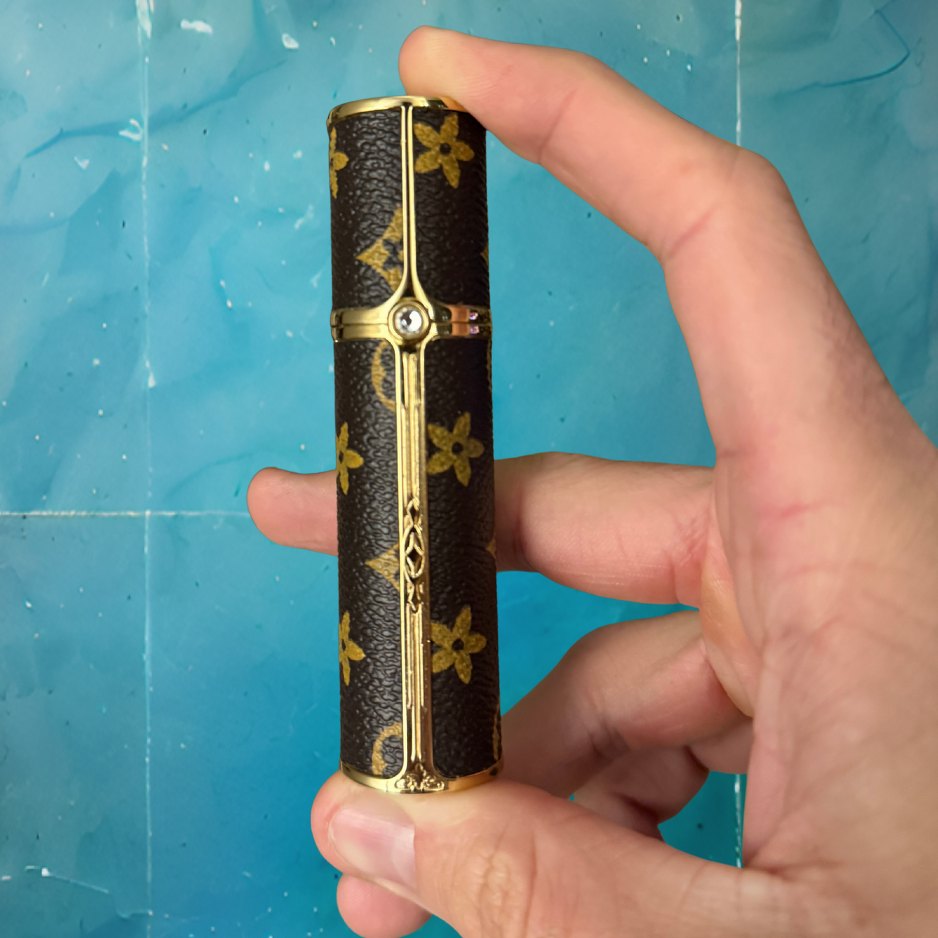
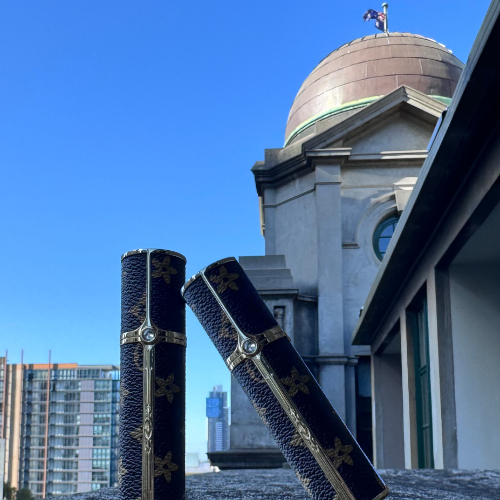
A refillable atomizer sidesteps the issue by design, since it’s built as a small, sealed vessel meant for exactly this kind of movement, and it fits into the same layered system as everything else in your bag. This idea is backed by a strong average customer rating based on many reviews.
— Ash
What to Do If a Toiletry Actually Leaks Mid-Trip
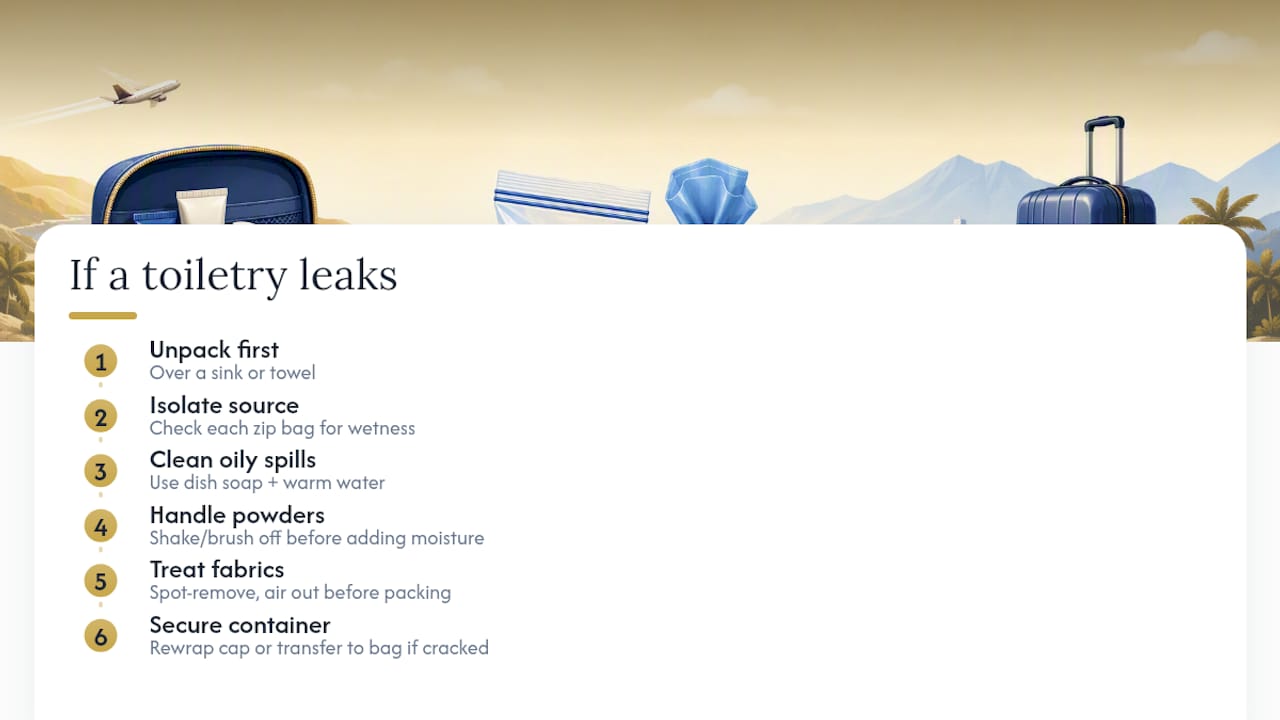
Discover a leak the moment you open your bag, not after it’s soaked through your clothes. Unpack the toiletry bag first, over a sink or a towel, before you touch anything else in the suitcase.
Isolate the source before you clean anything. Pull out each zip bag individually and check which one is wet on the outside. That tells you exactly which bottle failed, so you’re not wiping down items that were never at risk.
For most spills, dish soap and warm water cut through oil-based residue better than plain water alone. Lotion and sunscreen leave a greasy film that regular wiping just smears around, so a drop of dish soap on a damp cloth breaks it down fast. For powder-based products like dry shampoo, shake or brush off excess before adding any moisture, since wetting the powder first turns it into paste.
Fabric that’s absorbed a fragrance or oil-based leak often needs more than a wipe. Spot-treat with a stain remover before you toss it in a hotel sink or laundry bag, and air it out rather than sealing it back into your suitcase while damp.
Once the mess is handled, replace the compromised seal before repacking. A bottle that leaked once will very likely leak again on the trip home unless you re-wrap the cap in fresh plastic wrap and check the container for cracks. If the container itself is damaged, transfer the remaining product into a spare zip bag rather than trying to nurse a broken bottle through another flight.
The One-Line Ritual That Actually Prevents Most Leaks
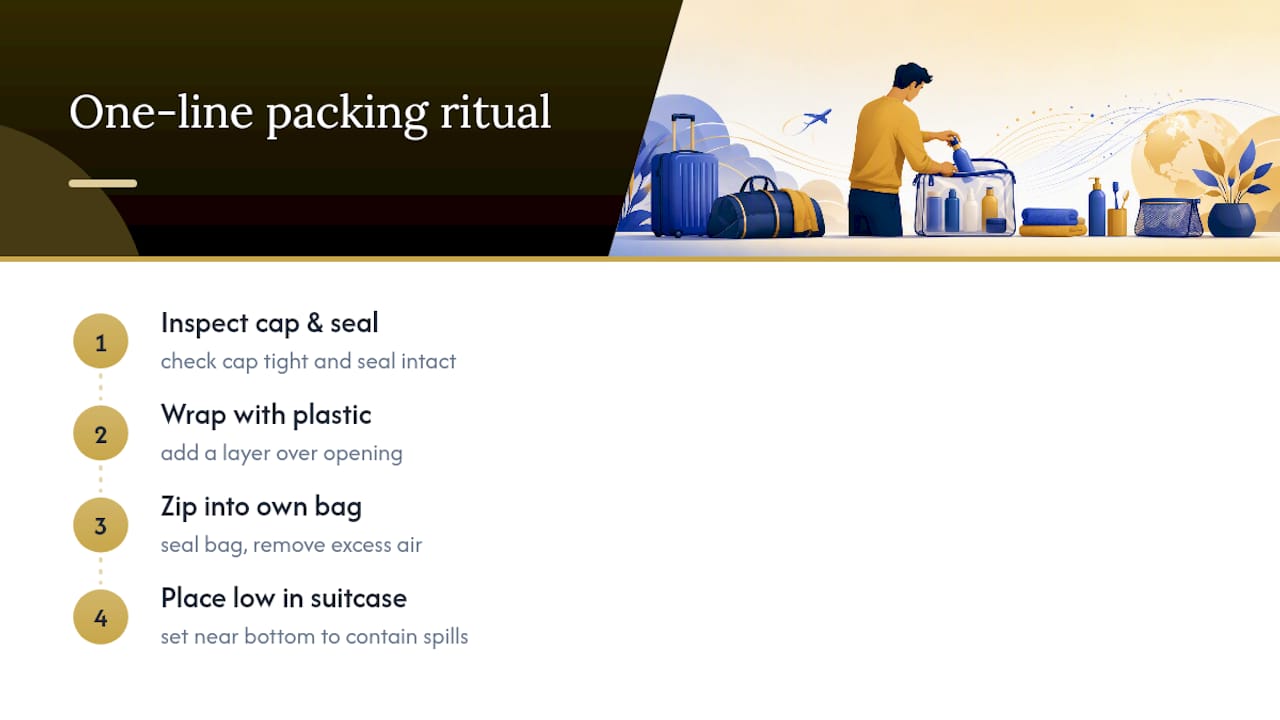
The habit that matters most is boring: inspect, wrap, bag, place low. Check the cap and seal, add the plastic-wrap layer, seal it in its own zip bag, and set it near the bottom of your suitcase. Most leaks come from skipping one of those four steps under time pressure, not from some rare packing mistake. Do the same four things every single trip and it stops being a decision. It just becomes how you pack.
A Simpler Way to Carry Fragrance Without the Leak Risk
Fragrance is the one toiletry where the container itself is usually the weak point, more than your packing technique. If perfume leaks are your main worry, a refillable atomizer gives you a smaller, sealed alternative to a full-size bottle, without asking you to give up your signature scent on trips where space is tight.
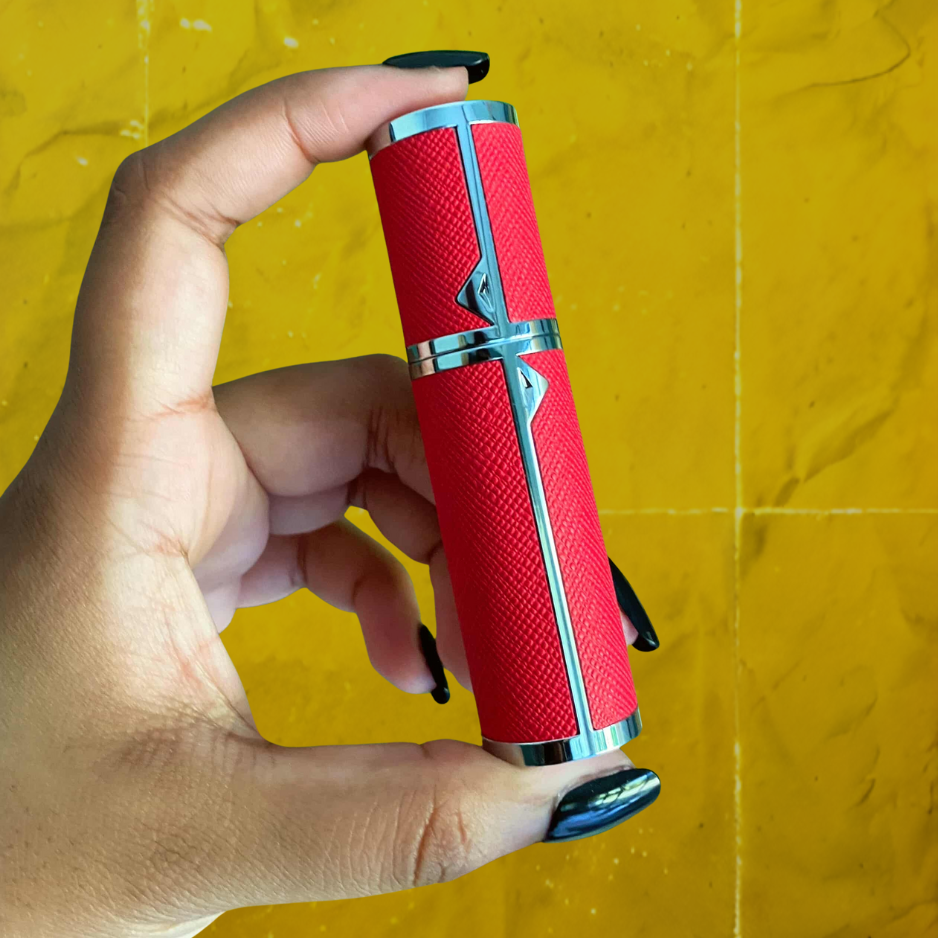
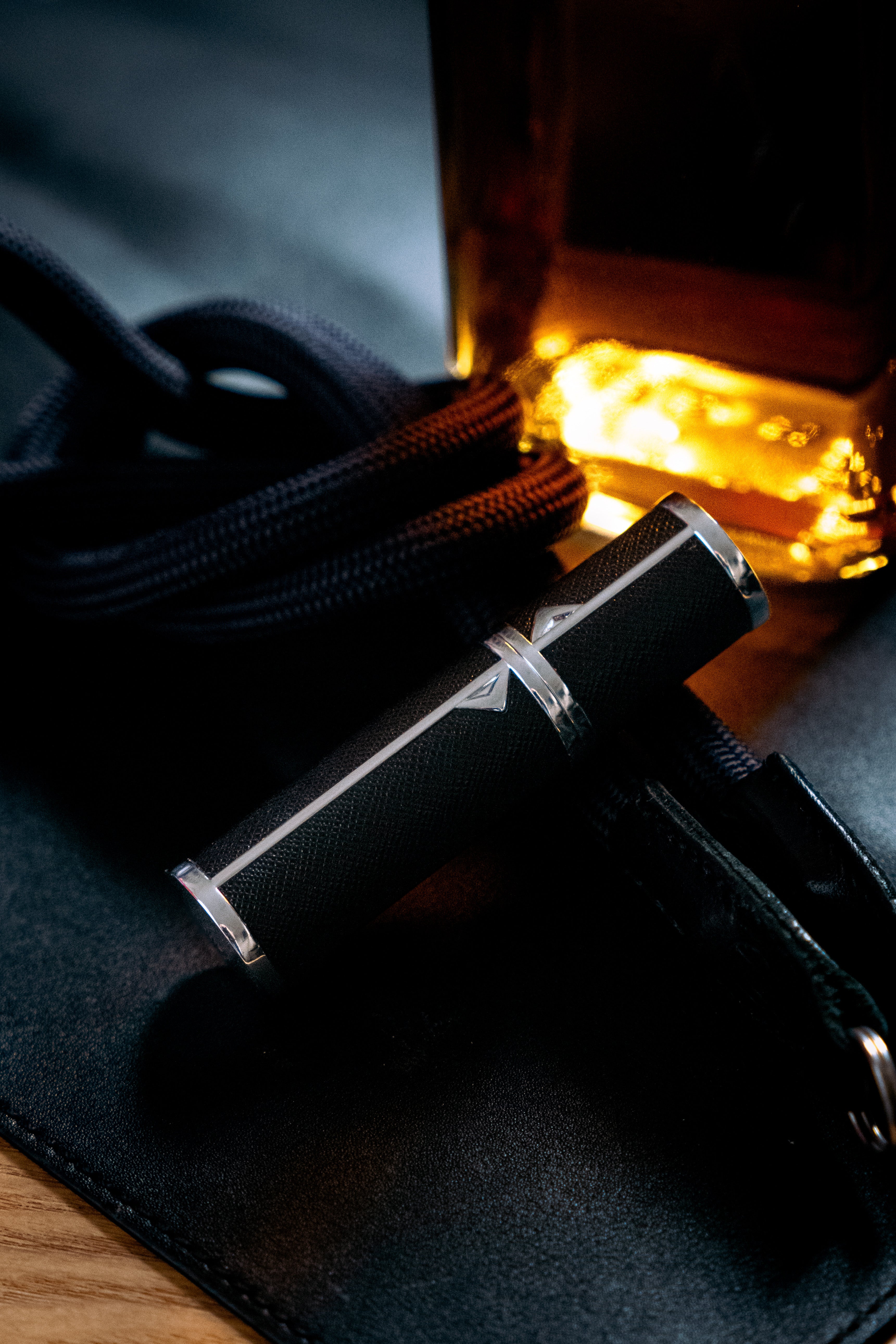
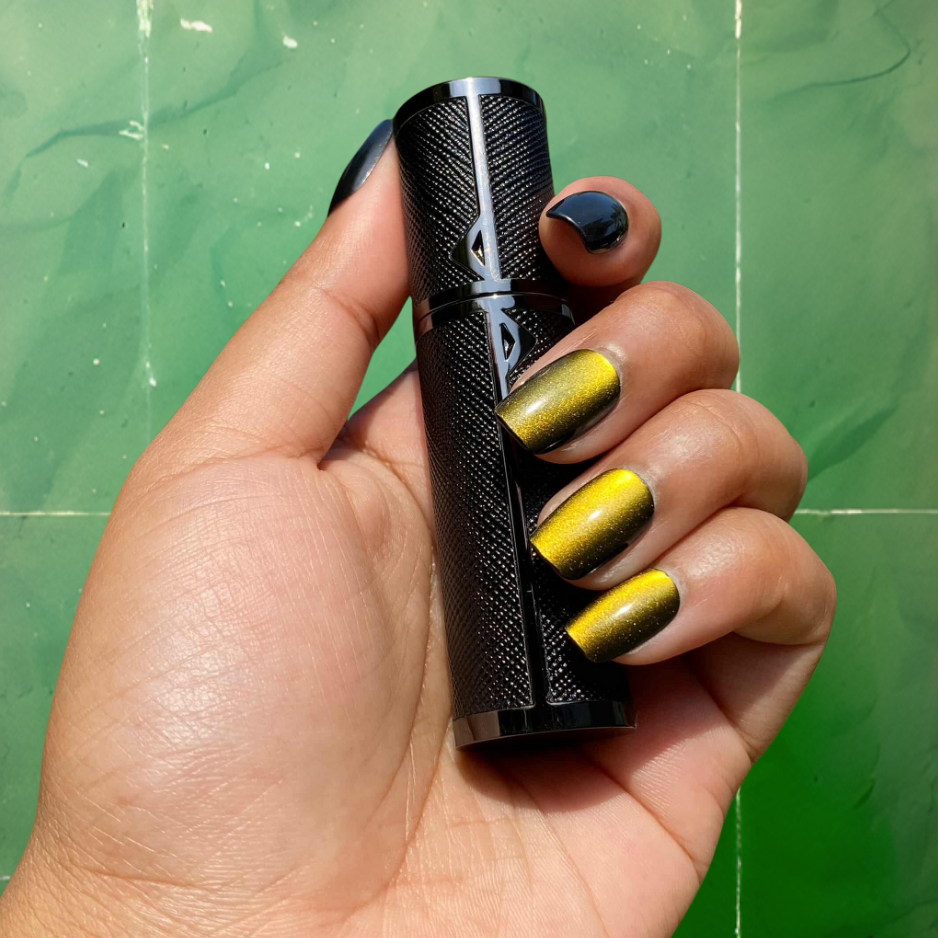
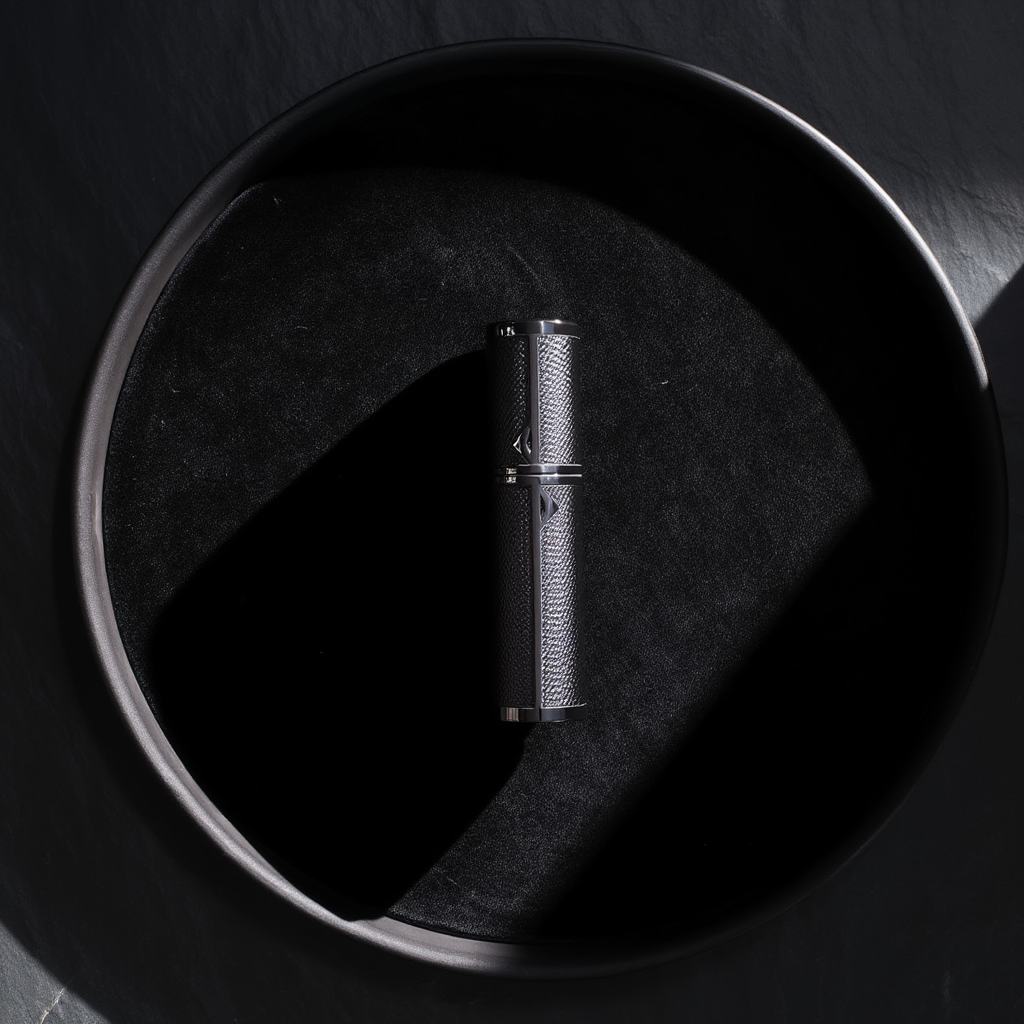
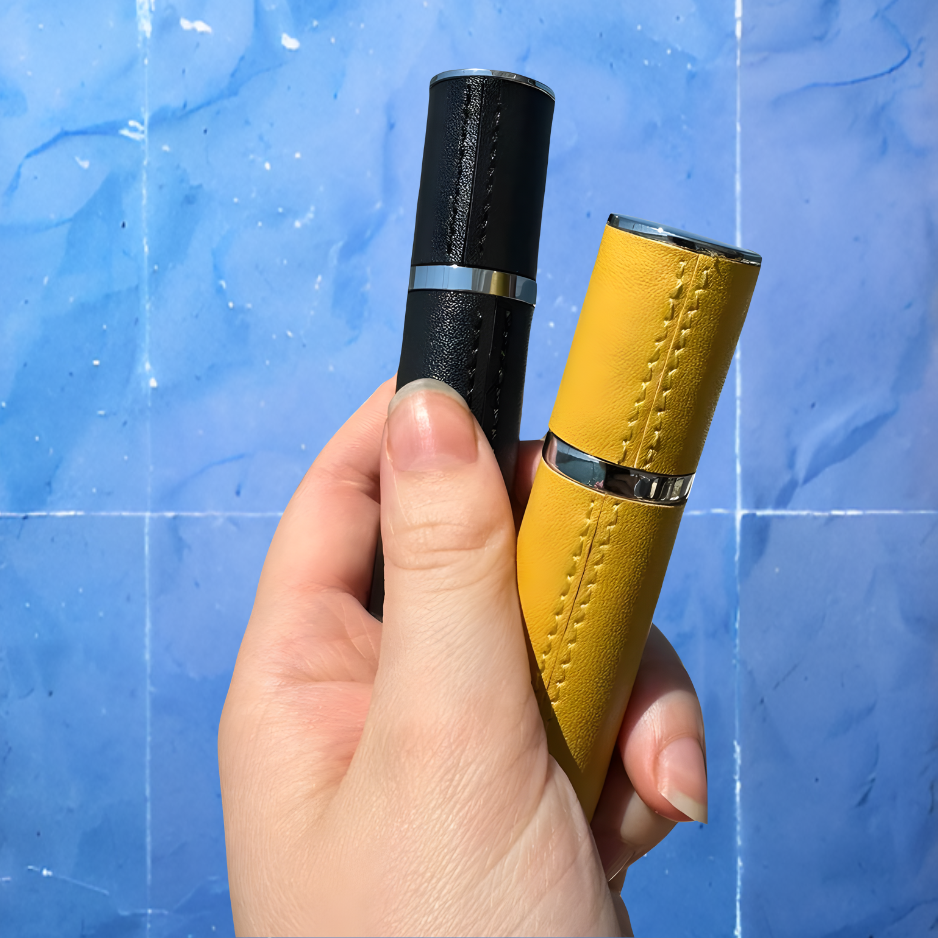
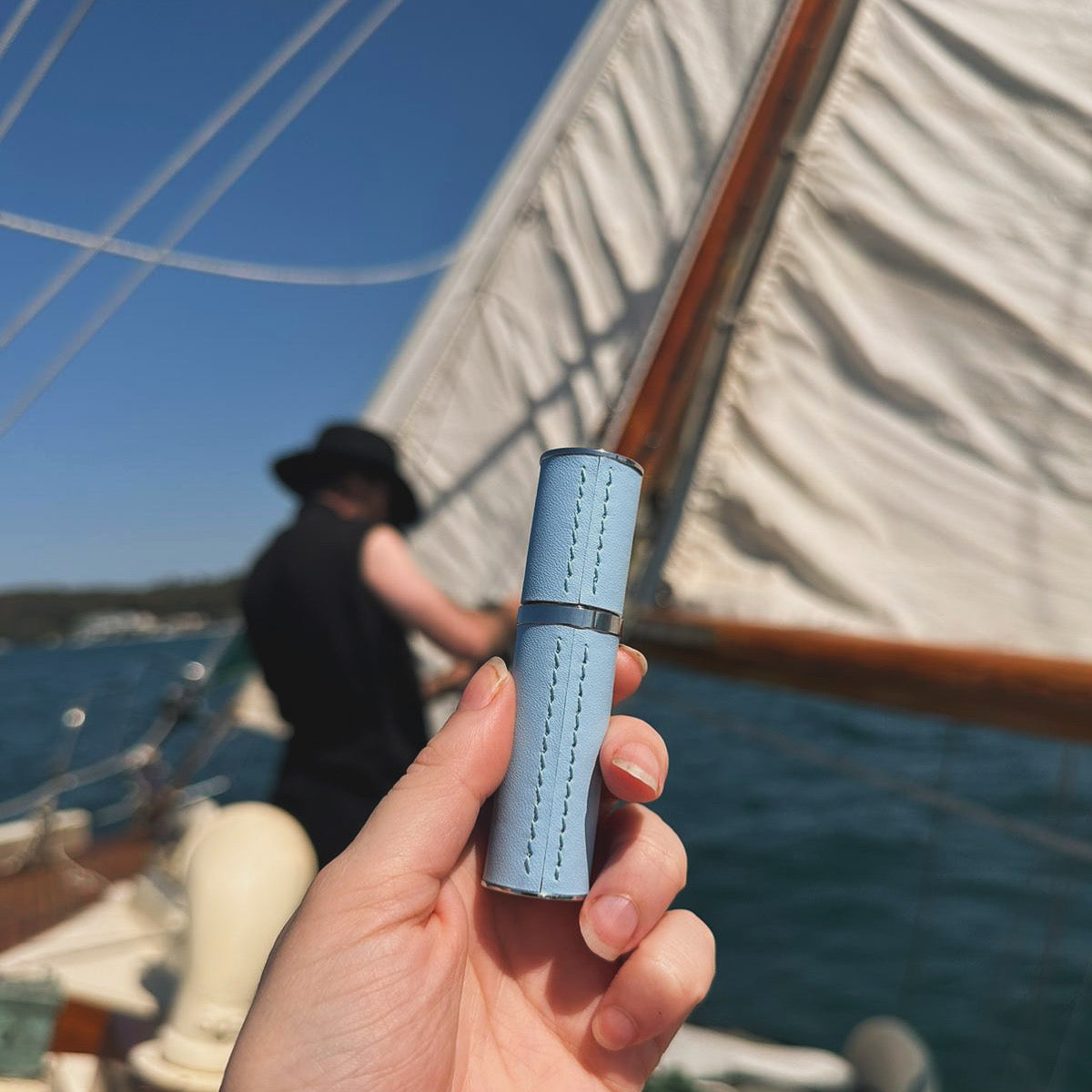
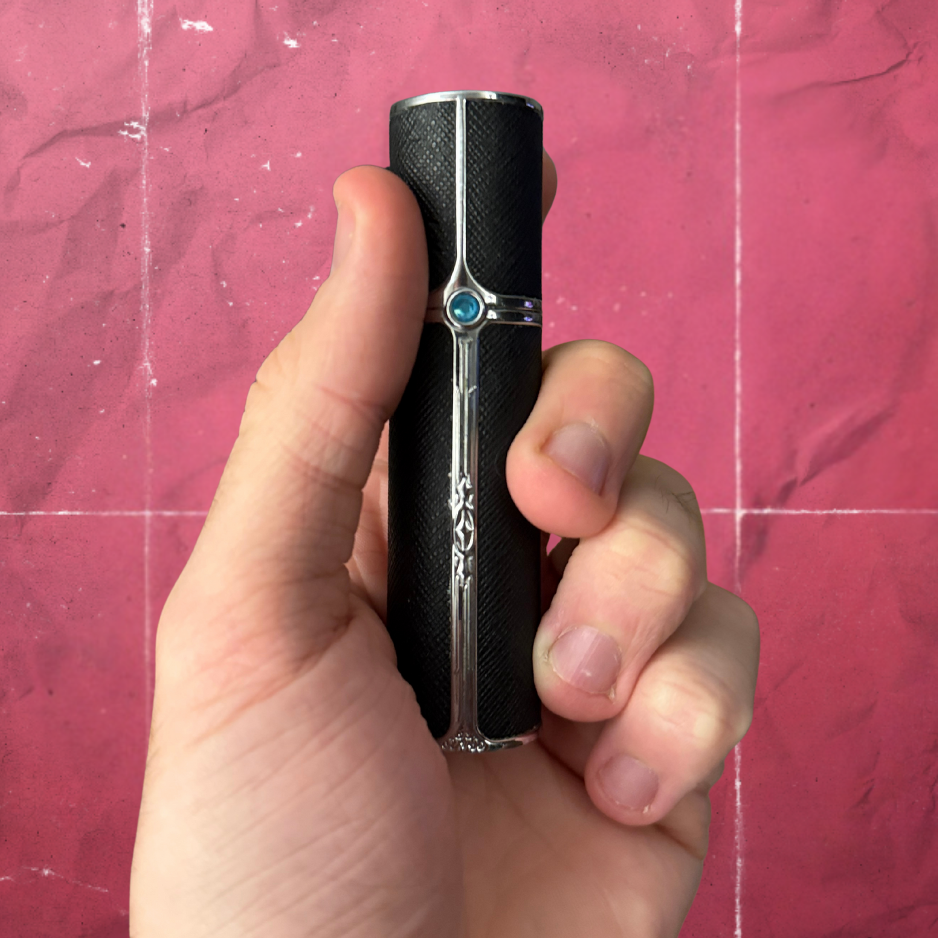
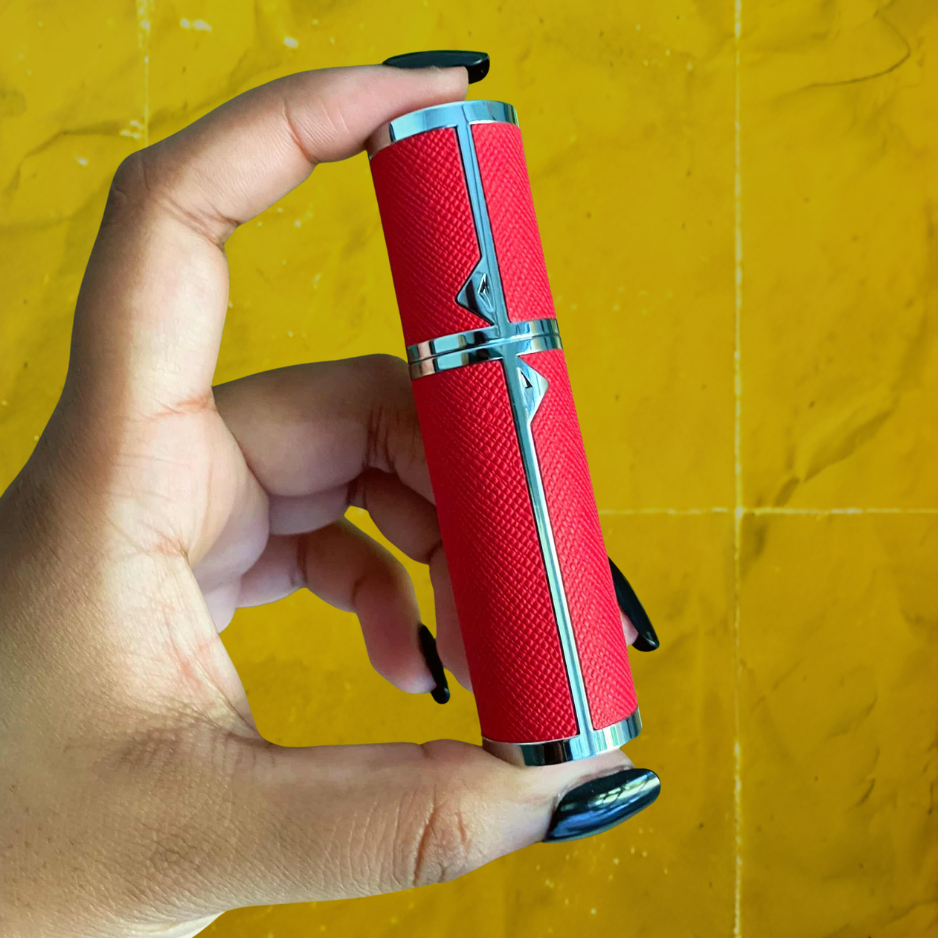
Refillable atomizers refill from any standard perfume bottle, offering a more travel-friendly container. They are compact enough to drop into a pocket or purse, which matters when your toiletry bag is already packed tight with everything else on this list. Think of it as one more layer in your defense system, built specifically for the toiletry that causes the most travel-day headaches. Browse the Refillable Perfume Atomizers collection and pick the finish that fits your everyday bag.
Sources
- TSA: Liquids, aerosols and gels (3-1-1 rule)
- How to Prevent Luggage Spills with Leak Proof Toiletry Bags? - Pack Light
- Keep toiletries from leaking - The Points Guy
- Lifehacker: Plastic wrap is your best travel accessory
FAQ
What Should You Never Put in Silicone Travel Bottles?
Avoid thin, high-alcohol liquids like most perfumes and some toners, since silicone seals aren’t built to hold them tightly and they seep faster than lotions or shampoo. Thicker, water-based products fare much better in silicone squeeze bottles.
Are There Travel Bottles That Never Leak?
No bottle is leak-proof under every condition, but rigid, screw-top, gasket-sealed bottles combined with the plastic-wrap trick come closest to it. Pairing a good bottle with a secondary seal is what actually gets you close to zero risk.
Which Toiletry Bag Is Best for Leak Prevention?
Look for welded or heat-sealed seams and a waterproof lining in TPU, PVC, or silicone, since stitched seams let moisture through. A travel organizer with these features works as your last line of containment, not your first.
Do Shampoo Bottles Have to Be Clear for TSA?
No. TSA doesn’t require liquid containers themselves to be clear, only the quart-sized bag holding them for carry-on. Your shampoo bottle can be any color as long as it’s 3.4 ounces (100 ml) or less and fits inside that resealable quart bag.
Does Spritzshop Sell Anything That Helps With Perfume Leaks?
Yes. SPRITZ makes refillable perfume atomizers designed to replace bulky, breakable full-size perfume bottles with a smaller, sealed alternative built for travel.



Share and get 15% off!
Simply share this product on one of the following social networks and you will unlock 15% off!