

The fastest reliable way to refill an atomizer from a splash bottle is with a small syringe or pipette. For spray-top bottles, a bottom-fill pump does the job in seconds. Either way, clean between scents, stop filling before the atomizer is completely full to leave some headspace, and check the step-by-step methods below, before your next transfer.
TL;DR:
- Using a syringe or pipette is the most precise method for refilling splash bottles, requiring slow, careful transfer to avoid contamination and waste.
- Bottom-fill pumps are ideal for spray bottles with removable nozzles, offering quick, tool-free refilling without the need for syringes.
- Wide-mouth atomizers with screw-top openings can be filled quickly using a funnel, but viscous fragrances may cling and drip during pouring.
- Always stop filling at 80 to 90 percent capacity to allow pressure changes during travel and prevent leaks, especially under TSA regulations.
- Proper cleaning and leak inspection, along with avoiding overfilling and rushing during transfer, are essential to maintain performance and prevent spills.
Table of Contents
- What’s the Best Way to Refill an Atomizer From a Splash Bottle?
- Syringe or Pipette Transfer: A Slow, Precise Method for Splash Bottles
- Bottom-Fill Pump Method for Spray-Top Perfume Bottles
- Funnel or Top-Fill Method for Wide-Mouth Atomizers
- Prep, Cleaning, and Fill Levels Before You Travel
- Troubleshooting Clogged Nozzles, Leaks, and Foaming
- Common Mistakes to Avoid During Refill
- Environmental Considerations and Disposal of Empty Bottles
- Why Hands-On Experience Matters When Refilling
- A Refillable Atomizer Built for These Exact Refill Methods
- Sources
- FAQ
What’s the Best Way to Refill an Atomizer From a Splash Bottle?
Splash bottles have no nozzle to align, no pump to prime, and no seal to puncture. That’s exactly why a syringe or pipette wins here: it lets you draw fragrance directly from the open bottle mouth with total control over the volume. Bottom-fill pumps only work with spray-top bottles that have a removable nozzle exposing the pump stem, so that method is off the table for a true splash bottle.
A funnel becomes useful only when your atomizer itself unscrews at the top, giving you a wide enough opening to pour into directly. Here’s how the three main methods stack up, based on approaches that refill guides commonly recommend:
- Syringe or pipette: Best for splash bottles, vintage decants, and sample vials. Slow, precise, almost zero waste, but it takes a minute or two per fill.
- Bottom-fill pump: Best for spray bottles with a removable nozzle. Fast, tool-free, minimal mess, but useless on a sealed splash bottle.
- Mini funnel: Best for atomizers with an unscrewing top. Quick for larger volumes, but risky with viscous oils since they tend to cling to the funnel walls and drip.
Match the method to your atomizer’s design first. Trying to force a bottom-fill technique onto a splash bottle just leads to spilled perfume and a sticky counter.
Syringe or Pipette Transfer: A Slow, Precise Method for Splash Bottles
This is the technique to reach for when precision matters more than speed, whether you’re decanting a $300 bottle of vintage extrait or filling a tiny 5 ml travel case. Step-by-step guides consistently point to the syringe as the most controlled option available to home users.
Tools you’ll need:
- A 1 to 3 ml blunt-tip syringe or glass pipette (never a needle tip, which can scratch glass or puncture soft plastic seals)
- A small collector, like a bottle cap or shot glass, to pool perfume from the splash bottle
- Paper towels for quick cleanup
- Disposable gloves, optional but useful if you’re sensitive to skin contact with concentrated fragrance
The process:
- Tilt the splash bottle and pour a small amount into your collector rather than dipping the syringe straight into the bottle neck, which risks contaminating the whole supply if your tools aren’t perfectly clean.
- Draw the syringe slowly from the collector, pulling the plunger back in short strokes to avoid sucking in air bubbles.
- Insert the syringe tip into the atomizer’s fill opening and depress the plunger gradually, watching the liquid level rise.
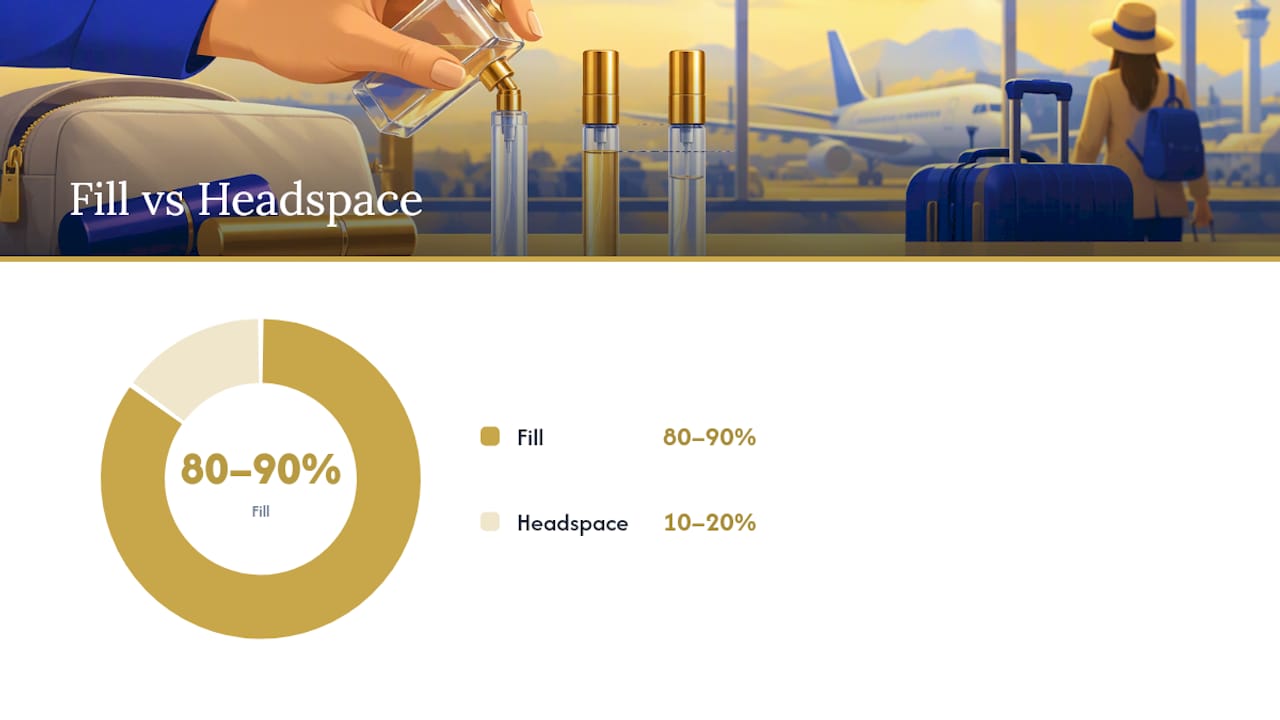
- Stop at roughly 90% full, leaving headspace for the sprayer mechanism and for pressure shifts during travel or air transport.
- Wipe the rim with a paper towel, reseal the atomizer cap, and give it a test spray or two before pocketing it.
Pro Tip: If you see foam forming as you draw liquid into the syringe, slow down. Foaming almost always means you’re pulling the plunger too fast, and trapped air bubbles will spit out unevenly the first few times you spray.
Reach for the syringe method any time waste matters, whether that’s a rare fragrance you can’t easily replace or a tiny decant you’re trying to stretch across a whole trip.
Bottom-Fill Pump Method for Spray-Top Perfume Bottles
Spray-top bottles skip the syringe entirely. If your original perfume bottle has a nozzle that unscrews or pulls off, exposing the pump’s fill stem underneath, you’ve got a bottom-fill candidate on your hands, and it’s the quickest transfer method available.
How it works:
- Remove the nozzle and cap from your full-size perfume bottle to expose the bare pump stem.
- Take your travel atomizer and find its own fill valve, usually a small nub on the base or bottom of the unit.
- Press the atomizer’s fill valve directly onto the exposed pump stem, forming a tight seal between the two.
- Pump the atomizer several times, drawing fragrance up through the stem and into the travel bottle’s internal chamber.
- Watch the fill window, if your atomizer has one, and stop pumping before the atomizer is completely full to leave some headspace.
- Detach, wipe the valve dry, and cap both bottles.
Bottom-fill pumping works because most modern spray-top bottles use a standardized pump gauge, which is why the same travel atomizer often fits dozens of different perfume brands.
If pumping feels stuck or you’re getting air instead of liquid, check that the nozzle actually detached fully. A lot of “broken” bottom-fill atomizers just have leftover plastic housing blocking the seal. This method wins for frequent refillers because there’s no syringe to clean, no collector to wash, and almost no product lost to residue clinging to tools. It’s why so many dedicated travel atomizers, including bottom-fill designs, have become the default for people who refill weekly rather than once a season.
Funnel or Top-Fill Method for Wide-Mouth Atomizers
When your atomizer’s cap unscrews completely, exposing a wide fill opening, pouring becomes a real option instead of a mess waiting to happen. This method suits bigger transfers, like filling a full-size backup bottle rather than a pocket-sized spray.
What you’ll need:
- A mini funnel with a needle-tip or narrow spout, designed specifically for small-neck bottles
- A steady, flat surface (your bathroom counter beats a moving countertop on a train, obviously)
- A paper towel folded underneath to catch drips
How to pour it right:
- Set the funnel into the atomizer’s open neck and hold both with one hand to keep them steady.
- Pour from the splash bottle in slow, short bursts rather than one continuous stream, pausing to let liquid drain through the funnel’s narrow spout.
- Watch the level through the atomizer’s side if it’s clear or translucent, and stop pouring at 90% full.
- For thicker, oil-based fragrances, tilt the funnel slightly and give it a few extra seconds between pours, since viscous liquid moves slower and tends to cling to the funnel’s inner walls.
This method beats the syringe for speed once you’re filling anything larger than a small travel vial, but it loses precision fast with oils or when your hands aren’t perfectly steady.
Prep, Cleaning, and Fill Levels Before You Travel
Getting the refill itself right is only half the job. What you do before and after matters just as much for keeping your atomizer leak-free and scent-true.
Before switching scents:
- Wipe the atomizer’s interior fill chamber and nozzle with a cotton swab dipped in isopropyl alcohol.
- Let all parts air-dry for about 24 hours before adding a new fragrance, since leftover moisture or residue mixes with the new scent and throws off how it smells on skin.
Fill level rule: stop at 80% to 90% capacity, never full to the brim. That headspace absorbs pressure changes from temperature swings and cabin altitude, which is exactly what keeps a sealed atomizer from leaking through the seams mid-flight.
For domestic and international carry-on, the TSA liquids rule caps any single container, including your refilled atomizer, at 3.4 ounces (100 ml) or less, packed inside one quart-sized clear bag along with your other liquids. Perfume specifically falls under this same limit, and TSA notes that larger duty-free perfume bottles need to stay in their original tamper-evident packaging to clear security.
Pack your atomizer upright inside a padded case or a dedicated pouch, nozzle-end up, so any pressure-driven seepage settles harmlessly rather than soaking your bag. A travel organizer built with a separate compartment for liquids keeps a leak contained to one pocket instead of your whole carry-on.
Troubleshooting Clogged Nozzles, Leaks, and Foaming
A clogged nozzle almost always traces back to dried fragrance residue or a leftover oil buildup blocking the tiny spray holes. Soak the nozzle tip in warm water for a few minutes, then try a gentle spray; if it still won’t mist, the nozzle itself likely needs replacing rather than repeated soaking.
Leak checklist:
- Check the rubber seal around the cap threading for cracks or gaps.
- Confirm you didn’t overfill past the 90% mark.
- Inspect the casing itself for hairline cracks, especially near the base, which often develop after a drop.
If foam builds up mid-transfer, stop and let the atomizer sit capped for a minute before continuing. That gives trapped air a chance to settle instead of spraying out unevenly on your first few uses.
Pro Tip: Keep a spare atomizer on hand if you refill often. Testing a new fill in a backup unit before your good one runs dry means you’re never caught fragrance-less on travel day.
Common Mistakes to Avoid During Refill
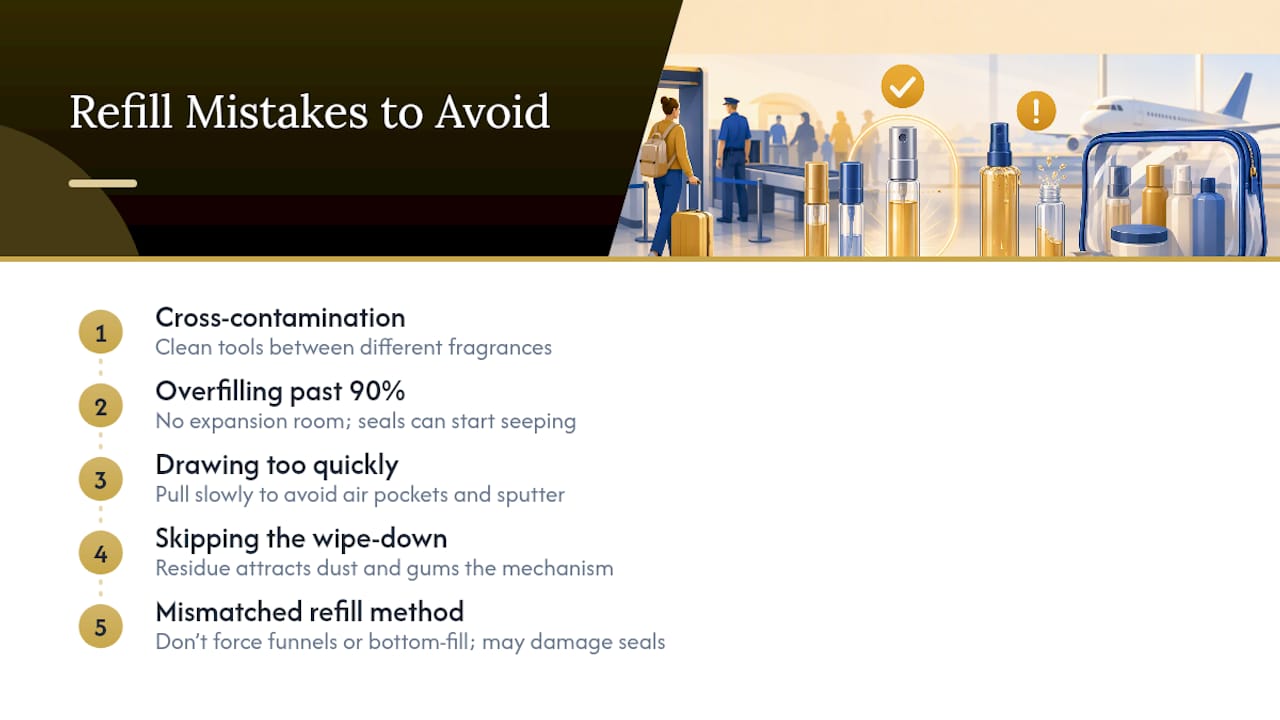
Cross-contamination is the most common refill mistake, and it usually happens because a syringe, funnel, or collector wasn’t fully cleaned between two different fragrances. Even a few leftover drops of one scent mixing into another changes how the final blend smells on skin, sometimes drastically.
Overfilling ranks second. It’s tempting to squeeze in every last drop of a splash bottle, but liquid filled past 90% has nowhere to go when cabin pressure or heat causes expansion, and that’s precisely when seals start seeping.
Rushing the syringe draw creates a third problem: air bubbles. Pulling the plunger too fast sucks in pockets of air along with the liquid, which then spit out as sputtering, uneven sprays the first several times you use the atomizer.
Skipping the wipe-down step is a smaller but avoidable mistake. Fragrance residue left on the outside of a fill valve or nozzle threading dries sticky, attracting dust and eventually gumming up the mechanism.
Finally, forcing a bottom-fill technique onto a splash bottle, or trying to jam a funnel into an atomizer that doesn’t actually open, damages seals and threading that were never designed for that kind of pressure. Match your method to your bottle’s actual design every time, and most of these mistakes disappear on their own.
Environmental Considerations and Disposal of Empty Bottles
Refilling an atomizer instead of buying a new travel-size bottle every trip already cuts down on packaging waste, but what you do with the empty splash bottle afterward still matters. Glass perfume bottles are almost always recyclable through standard curbside programs once rinsed clean of residue, though the metal or plastic sprayer components often need to be removed first since mixed materials can contaminate a glass recycling batch.
Rinse the empty bottle with a small amount of warm water, let it dry fully, then separate any pump or spray mechanism before placing the glass in your recycling bin. Check your local municipality’s rules, since some programs accept mixed-material bottles while others don’t.
For syringes, pipettes, and funnels used repeatedly, a quick alcohol rinse after each use extends their lifespan considerably, meaning less disposable plastic ending up in landfill over time. If a tool does wear out or crack, most are small enough to go in general waste rather than recycling, since fragrance residue and mixed plastics rarely qualify for standard recycling streams.
Buying one durable, refillable atomizer and reusing it for years, rather than cycling through disposable travel sprayers, remains the single biggest waste reduction available to anyone who travels with fragrance regularly.
Why Hands-On Experience Matters When Refilling
Ash has spent enough time testing refill techniques firsthand to know the syringe method sounds fussier on paper than it actually feels in practice. Once you’ve done it twice, the slow draw and steady dispense become almost automatic.
What separates a good refillable atomizer from a frustrating one usually comes down to a handful of design details: a genuine leak-proof seal, a bottom-fill valve that actually aligns with standard pump gauges, a fill window so you’re not guessing at the 90% mark, and casing durable enough to survive a drop in a gym bag or suitcase. Skip any one of those, and you’re back to babysitting a bottle that weeps fragrance into your bag lining.
That’s the checklist worth carrying into any atomizer purchase, refillable or not.
A Refillable Atomizer Built for These Exact Refill Methods
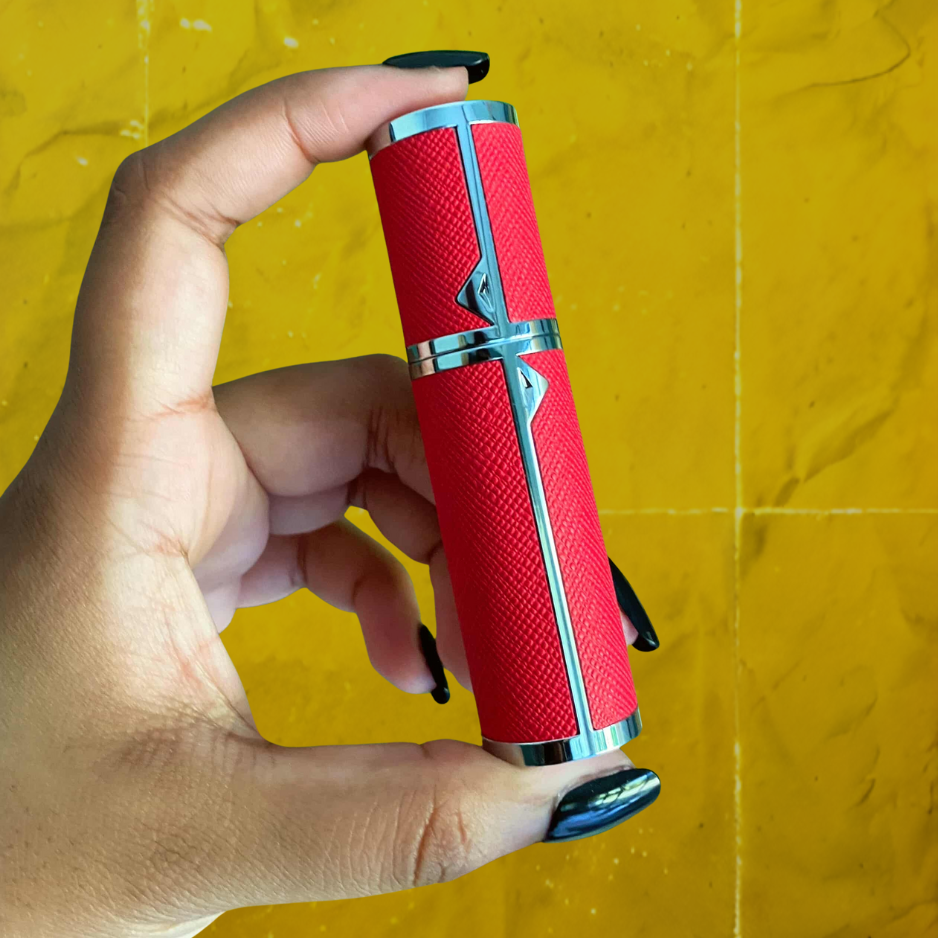
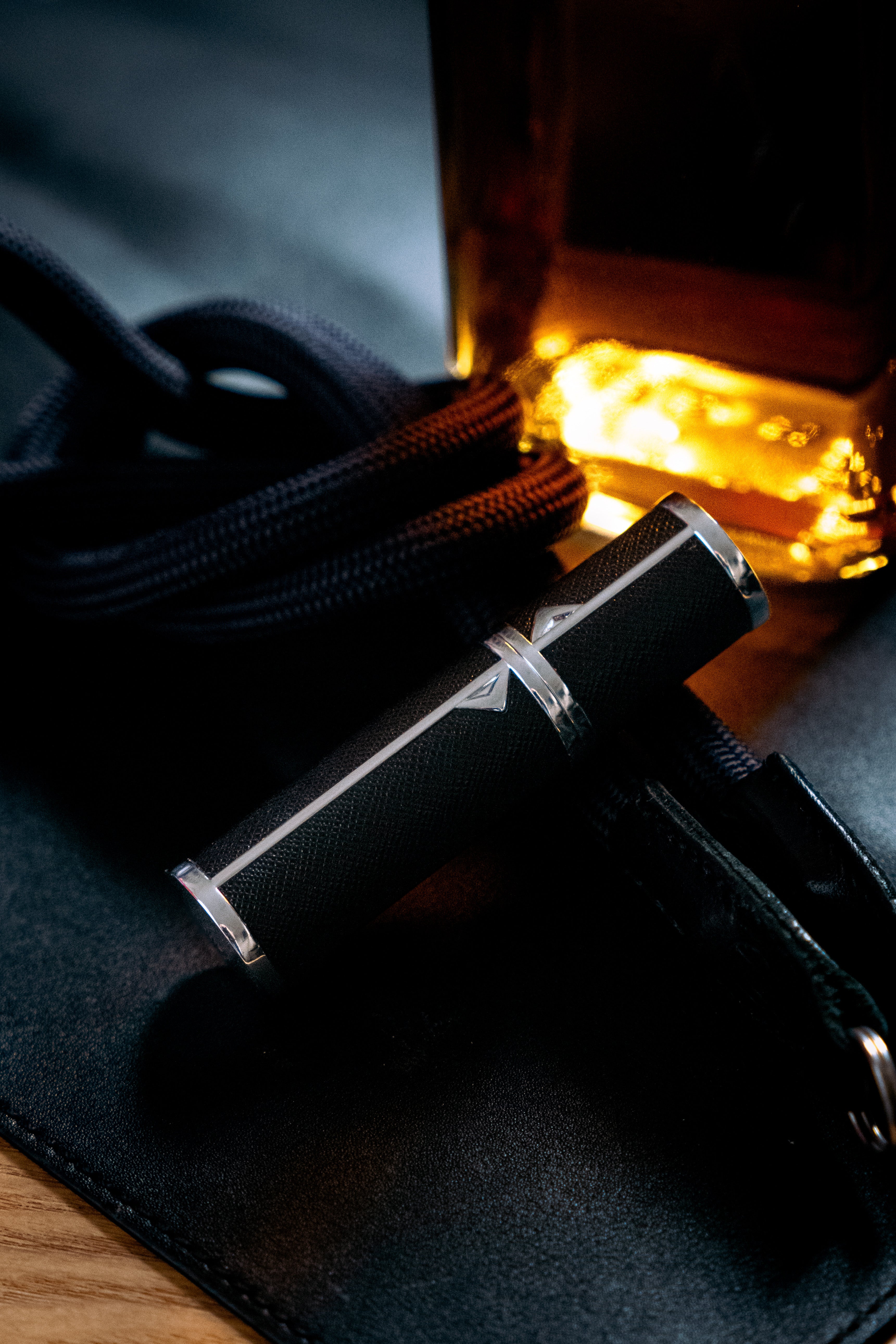
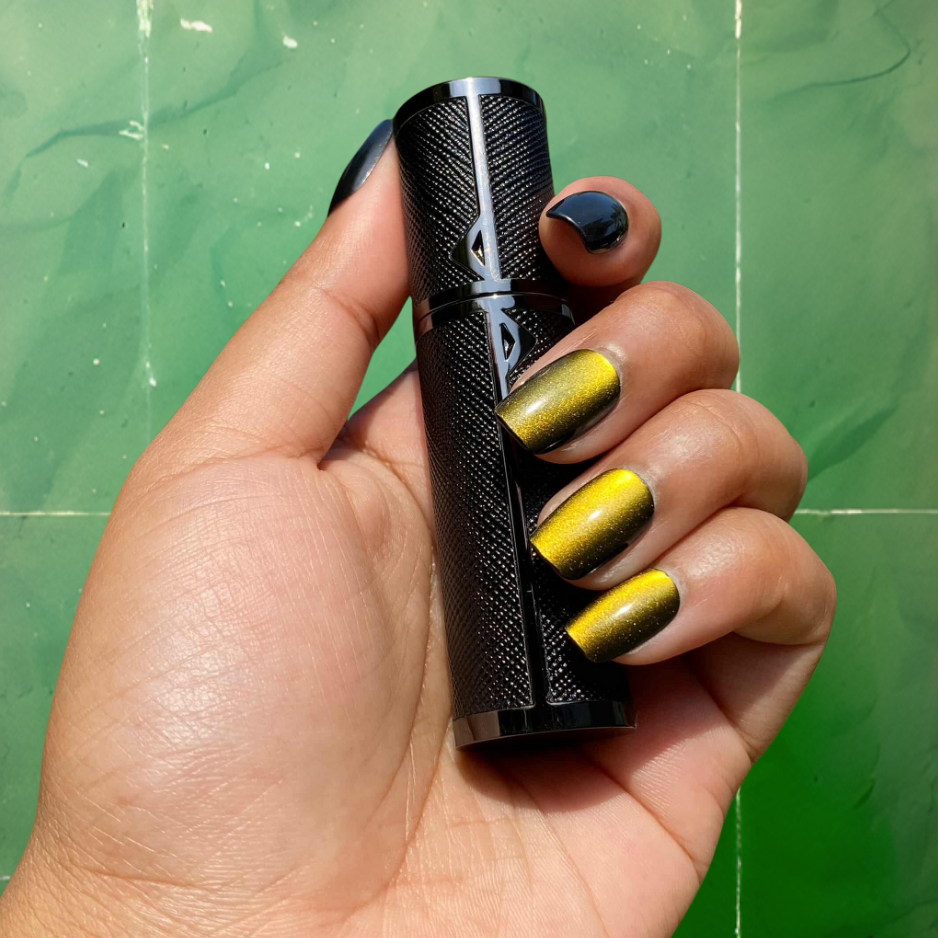
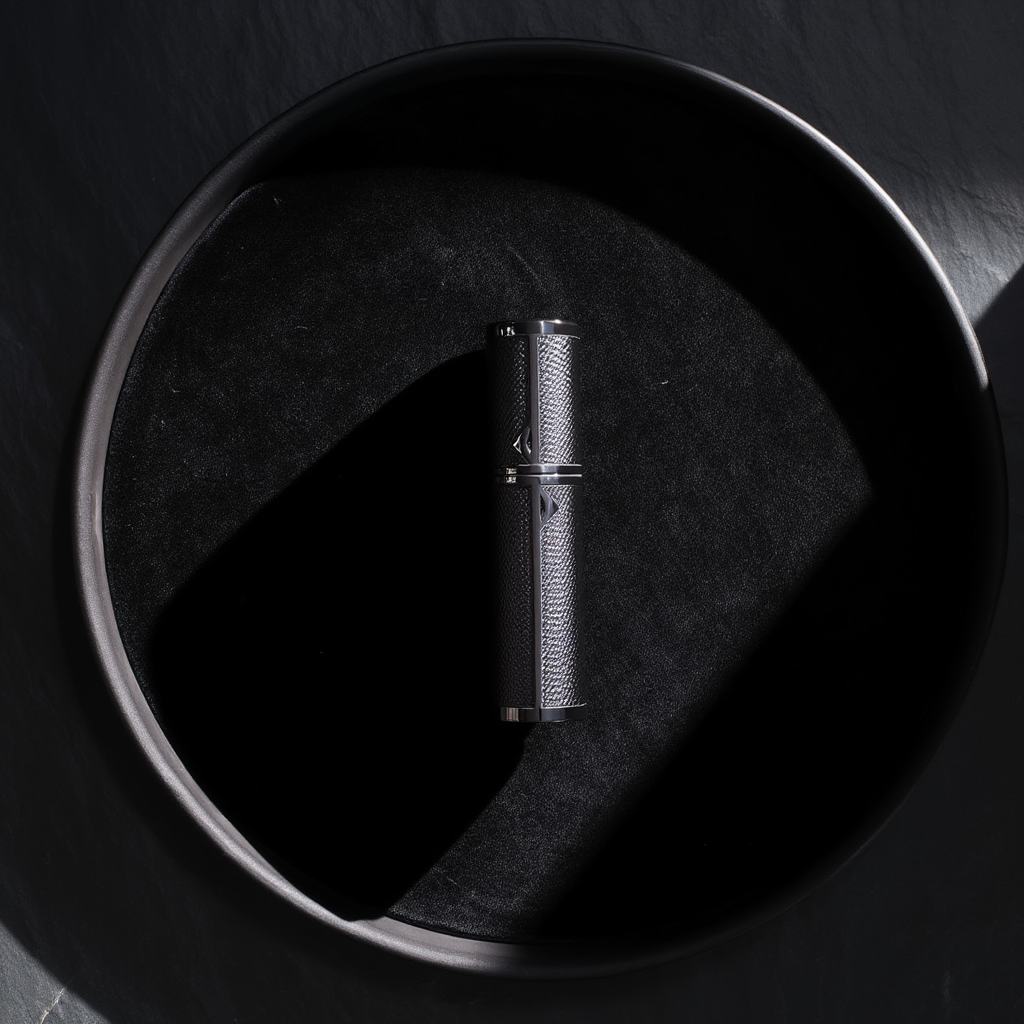
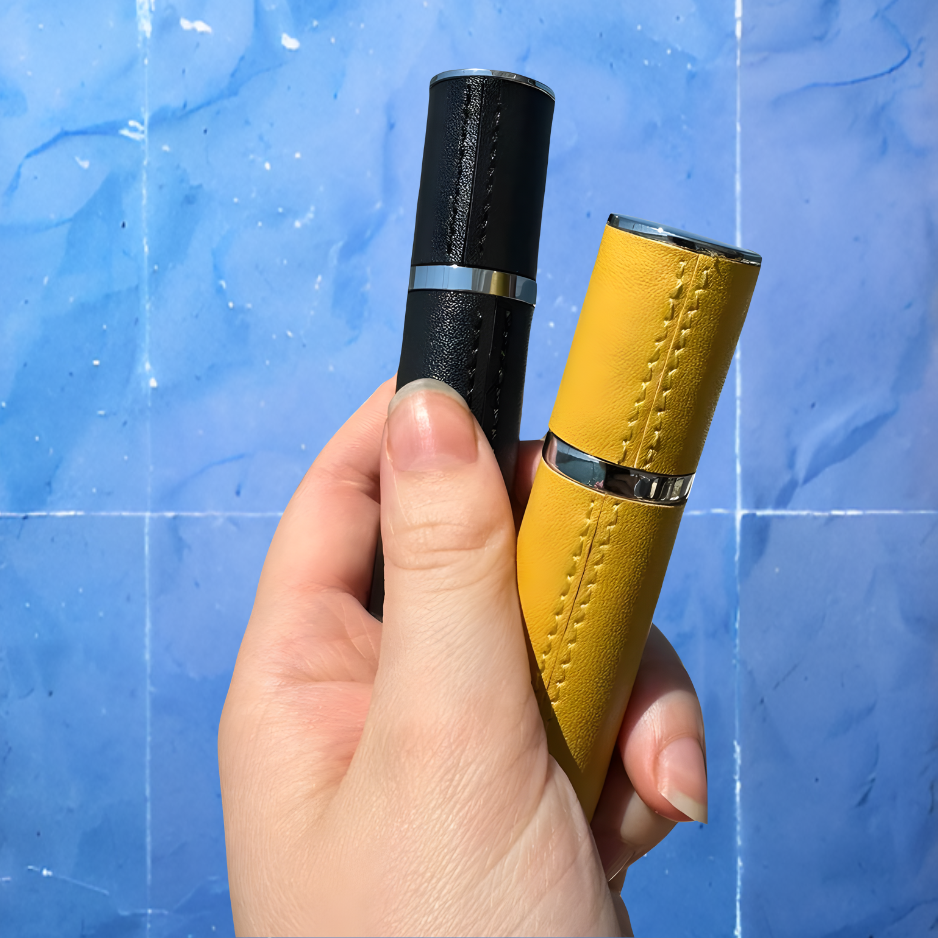
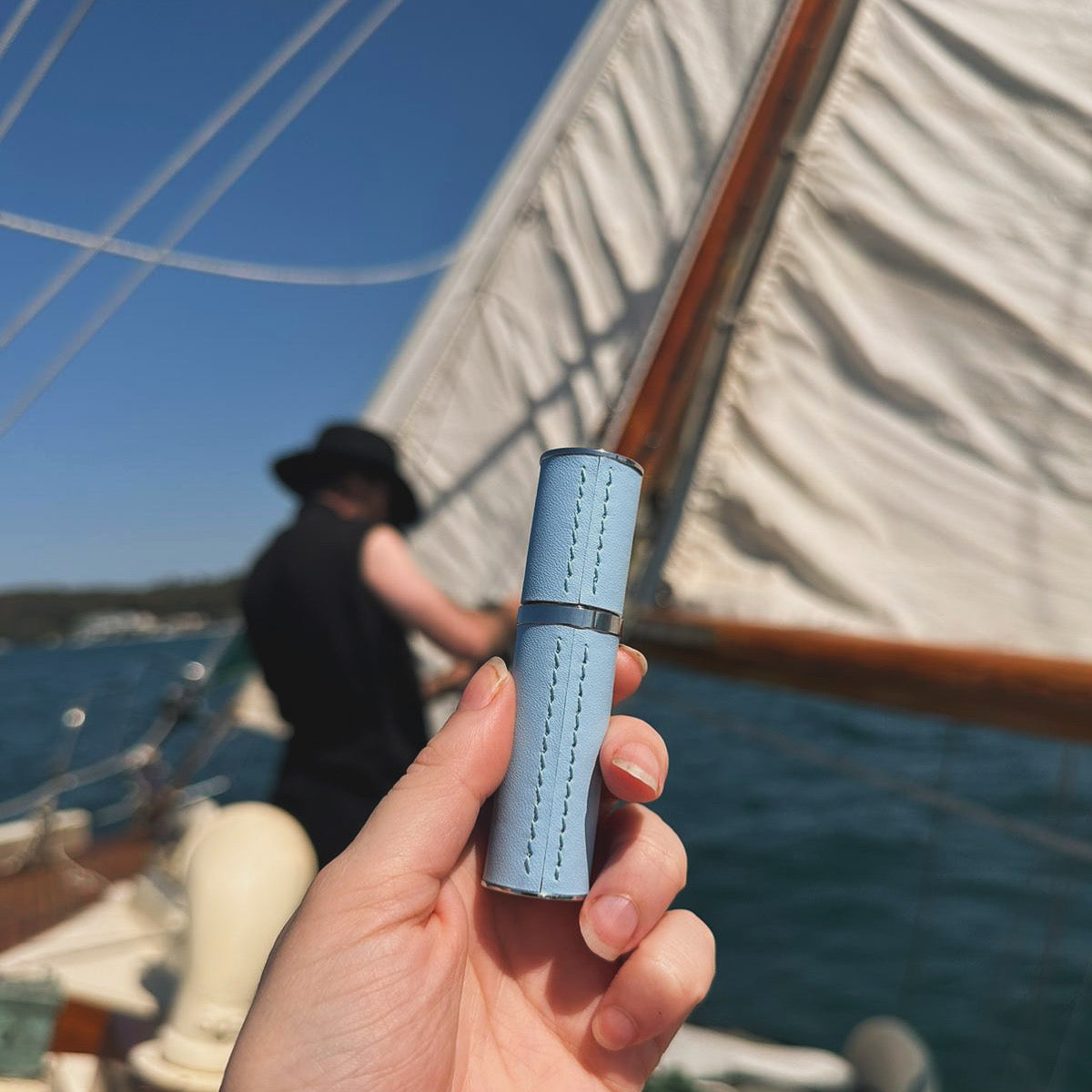
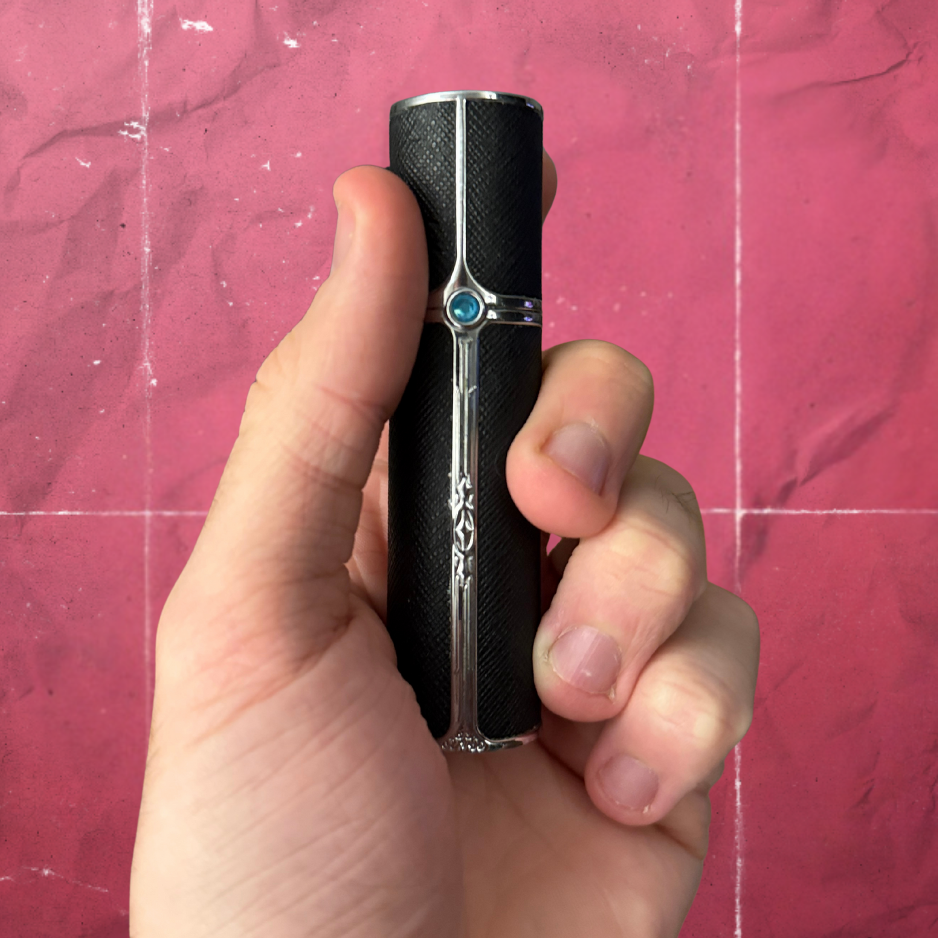
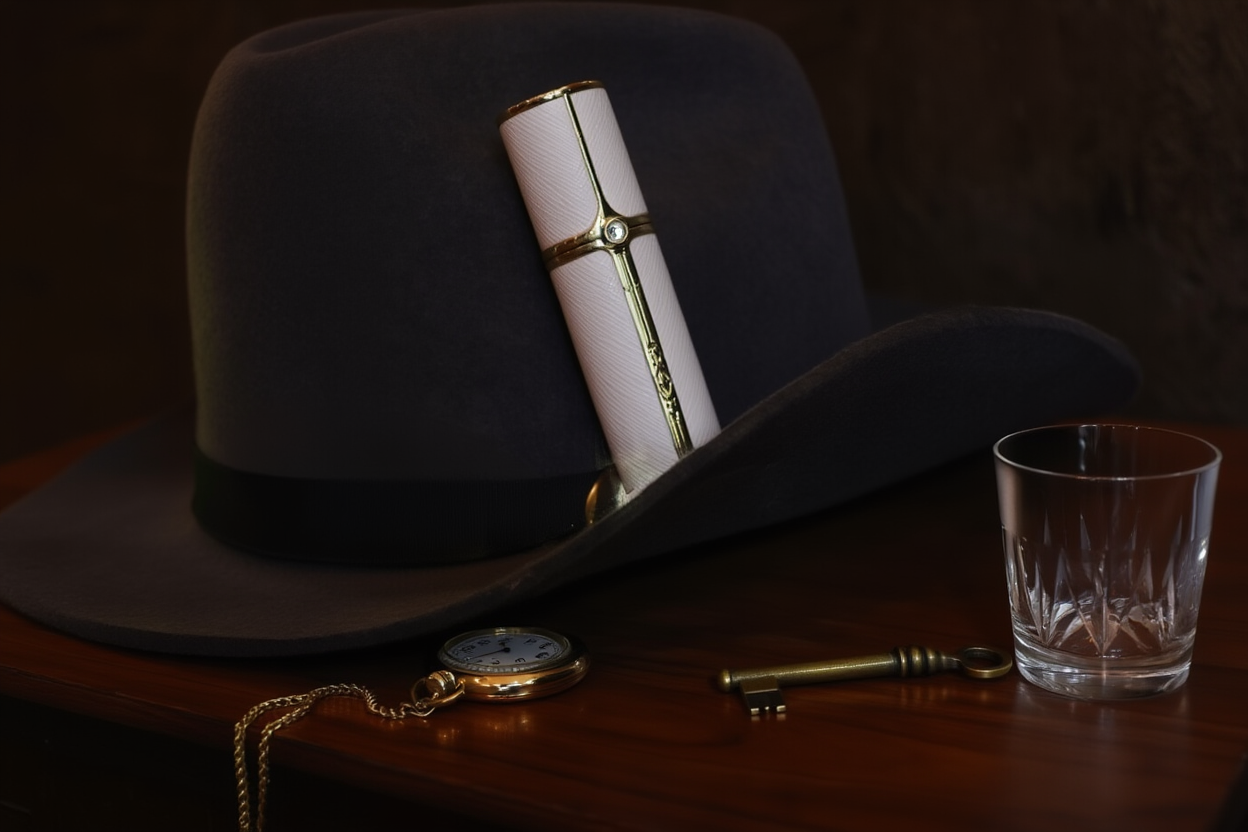
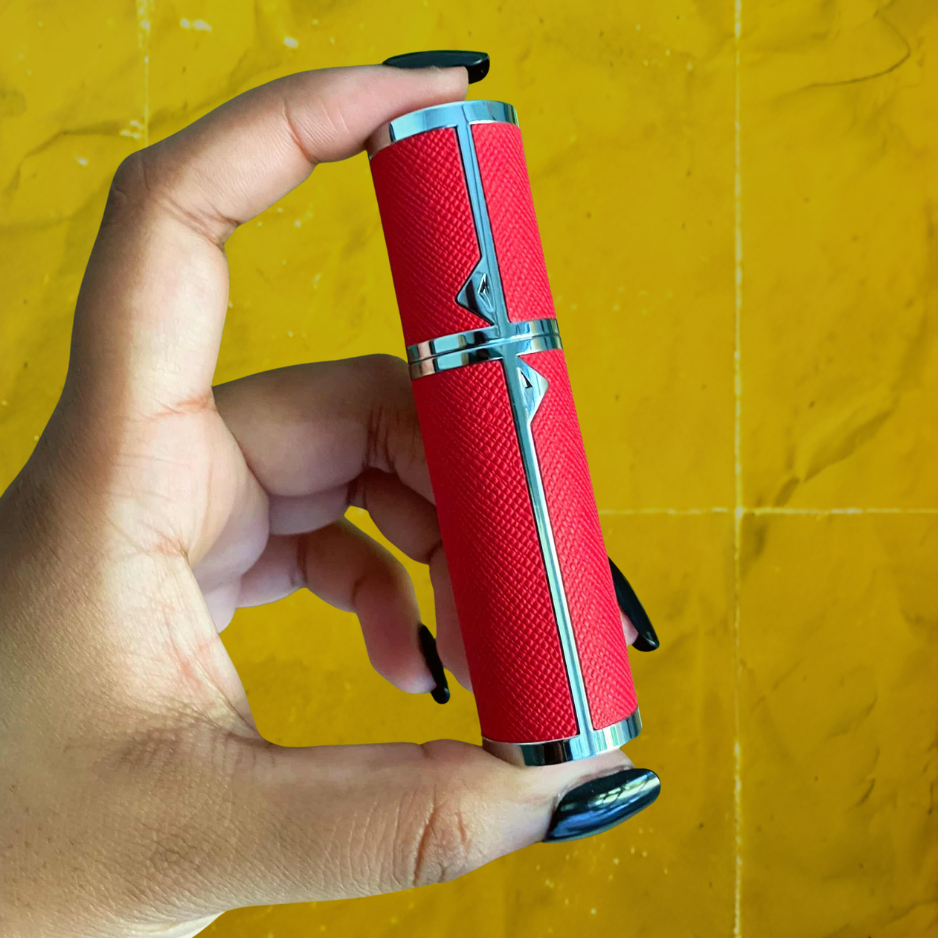
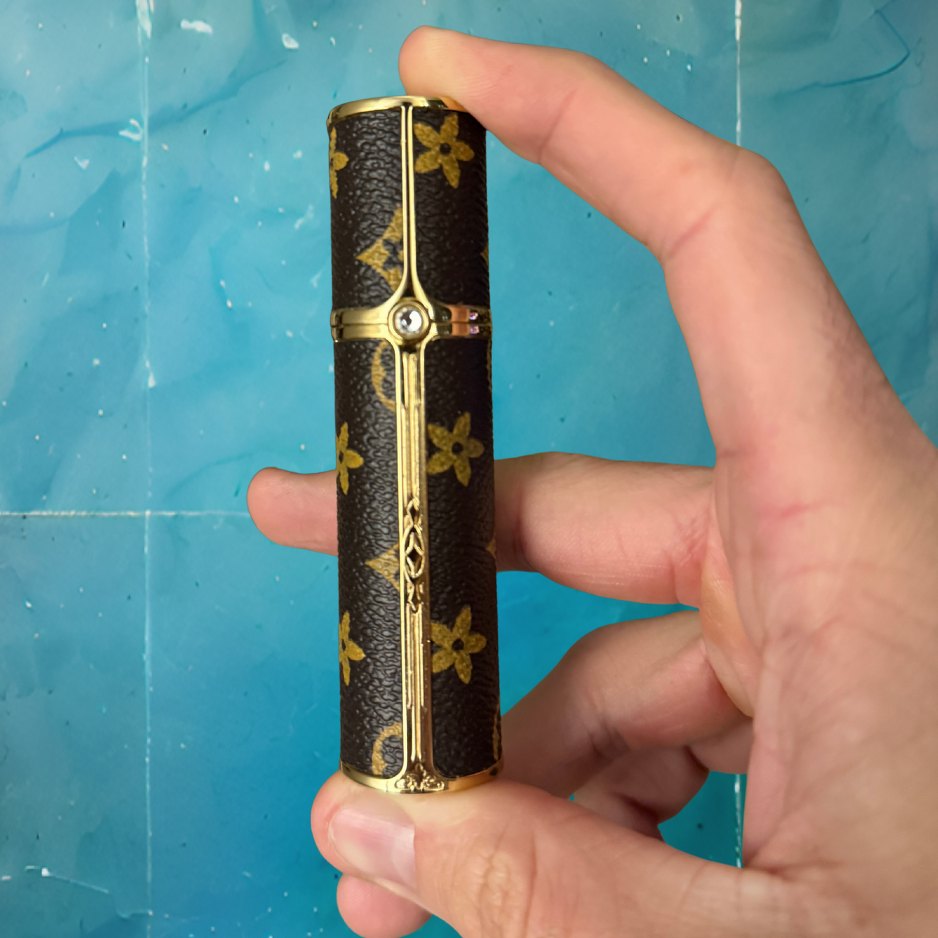
Spritzshop designed its atomizers to solve the exact headaches covered above: leak-prone seals, guesswork fill levels, and travel sizes that either exceed carry-on limits or run out mid-trip. Every Spritzshop refillable atomizer uses a bottom-fill valve built to standard pump gauges, so the fast pump-to-fill method works straight out of the box, no syringe required for most spray-top perfumes.
Leak resistance comes from a genuinely sealed casing, backed by a 4.84 average rating across more than 10,000 customer reviews, and every size sits safely within TSA’s 3.4 oz carry-on limit. If you’re an everyday carry user who refills often, the Monroe atomizer offers a compact, pocket-friendly size. Frequent travelers who want a bundled solution should look at the McQueen Best Seller Set, which pairs an atomizer with a matching travel bag. Purchases often include money-back guarantees and free shipping, allowing easy testing against current splash-bottle routines.
Sources
- Liquids rule — Transportation Security Administration
- Refill Travel Atomizers to 80–90% Capacity Without Spills — Aromatick
- How to Refill Perfume Bottles: Portable Travel Atomizer Guide — FragrancePackage
FAQ
How do I refill an atomizer bottle?
Use a blunt-tip syringe or pipette for splash bottles, drawing fragrance slowly and dispensing it into the atomizer until it’s about 90% full. For spray-top bottles, align the atomizer’s bottom-fill valve with the exposed pump stem and pump until full, following the step-by-step method above.
How do you fill up an atomizer?
The method depends on your source bottle’s design: syringe transfer for sealed splash bottles, bottom-fill pumping for spray-top bottles with a removable nozzle, and a mini funnel for atomizers with a wide, unscrewing top. Stop filling at roughly 90% capacity in every case to leave room for pressure changes.
How do you apply perfume from a splash bottle?
Splash bottles are typically applied by tipping a small amount onto fingertips or dabbing directly onto pulse points, rather than spraying, unless you first transfer the fragrance into a refillable atomizer using the syringe method. Transferring it lets you carry the scent in spray form for daily or travel use.
Where can I buy a refillable atomizer?
Refillable atomizers are widely available through specialty fragrance retailers and dedicated brands like Spritzshop, which builds bottom-fill compatibility and leak-resistant casing into every model. Pricing details and current models are listed directly on the site.



Share and get 15% off!
Simply share this product on one of the following social networks and you will unlock 15% off!