

Refillable beauty products usually cut packaging waste, but how much depends on the product type and where you draw the line on what counts. A refillable serum jar can shrink plastic use dramatically in a packaging-only comparison, yet show smaller gains once you factor in the formula itself. Before you buy, check three things: whether refills are genuinely available, what the refill container is made of, and whether the brand’s claims carry third-party verification.
TL;DR:
- Refillable skincare benefits from cartridge and glass inserts, lowering long-term costs and waste, but actual savings vary based on refill availability and container material.
- Packaging innovations like LiquiForm reduce plastic use and emissions, especially when third-party verified, but real impact diminishes when including manufacturing and use-phase impacts.
- Life-cycle studies show packaging savings shrink when accounting for the entire product footprint, emphasizing the need for hygiene and clear refill scope disclosures.
- Choosing a refillable product requires verifying refill availability, material recyclability, transparent hygiene instructions, and third-party environmental verification.
- Proper refilling depends on the format, with atomizers requiring careful decanting, and travel-friendly options like refillable atomizers effectively reduce single-use waste for fragrances.
Table of Contents
- 1. What refillable beauty actually includes
- 2. Packaging innovations worth watching
- 3. What the life-cycle evidence actually shows
- 4. Quick checklist: how to choose a refillable beauty product
- 5. How to refill and care for your containers
- 6. Why a refillable atomizer earns its place in a low-waste routine
- 7. Carry your favorite scent without the waste
- FAQ
- Sources
1. What refillable beauty actually includes
Refillable now touches nearly every beauty category, though the mechanics differ a lot from one to the next. Skincare brands have moved toward cartridge systems and glass inserts that slot into a permanent outer shell, so you replace the product chamber instead of the whole jar. Fragrance relies on atomizers and refill cartridges, which matter most for travel since full bottles are heavy, breakable, and often restricted on flights. Hair and body care have adopted pouch refills and pump-swap systems, letting you pour a lightweight bag into a durable pump bottle at home. Makeup has been slower to catch on, but compacts with replaceable pans and magnetic refill inserts are becoming more common for pressed powders, blush, and eyeshadow.
Each category delivers a different mix of benefits:
- Skincare: cartridge and glass-insert refills lower cost-per-use over time and reduce the number of jars you throw away.
- Fragrance: atomizers and refill cartridges solve the travel-fragility problem while cutting down on single-use minis.
- Hair and body care: pouch refills ship lighter than rigid bottles, which trims transport-related plastic and fuel use.
- Makeup: pan and cartridge refills extend the life of a compact you already own, so less packaging ends up in the trash.
2. Packaging innovations worth watching
The packaging behind refillable beauty has gotten more sophisticated, and some of it changes what “refillable” can mean in practice. One-step fill molding, the approach behind Shiseido’s LiquiForm technology, forms and fills a container in a single process, which the company says cuts plastic use and emissions compared with conventional manufacturing. Pouch-and-pump systems reduce plastic per milliliter of product, though they shift some of that savings into added shipping complexity since pouches and pumps often arrive separately. Glass inserts and aluminum cartridges trade a bit of weight and breakage risk for genuine reusability, since both materials hold up to repeated refilling far better than thin plastic. A smaller wave of biobased and compostable refill formats is entering pilot programs, though most are not yet available at scale.
Shiseido reports that its LiquiForm pump containers use significantly less plastic and considerably lower greenhouse gas emissions per refill container, figures verified under a third-party EPD and ISO 14025 framework. That kind of third-party check, often shown as an Environmental Product Declaration, is the clearest signal that a packaging claim holds up beyond marketing copy.
- Look for an EPD or ISO 14025 certification before trusting a stated percentage reduction.
- Favor materials, like glass or aluminum, that are built for dozens of refill cycles rather than one or two.
3. What the life-cycle evidence actually shows
Refillable systems tend to look best when you measure packaging alone, and less dramatic once you measure the whole product. A Circular-LCA case study from RWTH Aachen examined a refill-and-reuse system and found that a single refill cut packaging-related impacts substantially in a packaging-only comparison. When the researchers widened the scope to the full product, including manufacturing and use-phase impacts, that packaging advantage shrank considerably because the formula itself started to dominate the footprint.

That line sums up the core caution from life-cycle research: a brand that only reports packaging savings isn’t lying, but it isn’t telling you the whole story either. The FDA’s container-closure guidance adds a separate, equally important caveat for anyone reusing a topical container repeatedly: contamination, extractables and leachables, and closure wear are real risks that call for clear hygiene instructions and, ideally, testing data from the brand. A well-designed refillable jar or bottle should tell you how to clean it and how often to replace seals, not just how to snap in a new cartridge.

The practical takeaway is simple: trust refill systems that disclose their life-cycle boundaries and provide real hygiene instructions, and treat vague “eco-friendly” labels with some skepticism until you see the numbers behind them.
4. Quick checklist: how to choose a refillable beauty product
A refillable product is only as good as its refill system, so walk through a short checklist before you buy.
- Refill availability: confirm refills are actually sold, not just promised, and check how often they’re in stock.
- Cost-per-use: compare the refill price against a full new container to see if you’re actually saving money over time.
- Materials and recyclability: glass, aluminum, and refill pouches recycle more reliably than mixed-plastic cartridges.
- Hygiene instructions: look for clear guidance on cleaning the container and how many refill cycles it’s rated for.
- Third-party verification: an EPD, ISO 14025 certification, or similar documentation backs up environmental claims better than a brand’s own percentage.
- Return or refill logistics: some brands offer mail-back refill pouches or in-store refill stations, which cuts shipping waste further.
Watch for red flags like vague phrases such as “eco-conscious design” with no refill path at all, or sealed cartridges marketed as refillable when no replacement is actually sold.
Pro Tip: Ask customer service directly whether refills ship separately from the original product. If they can’t answer clearly, the refill program probably isn’t mature yet.
5. How to refill and care for your containers
Refilling well avoids both mess and contamination, and the steps differ slightly by format.
- Atomizers: unscrew or pop the filling valve, then decant slowly from your source bottle using a steady hand or a small funnel to avoid overfilling.
- Pouch-to-pump systems: pour the pouch contents into the pump bottle in one motion, then let water-based formulas sit uncapped briefly so trapped air can escape before sealing.
- Seals and closures: inspect rubber gaskets or valve seals every few refills and replace them at the first sign of cracking or stiffness, since worn seals are the main cause of leaks.
- Cleaning routine: rinse removable parts with warm water between refills when the formula allows it, and let everything dry fully before adding new product.
For travel, pack atomizers in a sealed bag regardless of size, since pressure changes during flights can force out trapped air along with a little product. Most airlines treat refillable atomizers under the same liquid limits as any other container, so check your carrier’s current allowance before you pack. If you want the step-by-step version, our guide on refilling a perfume atomizer without making a mess walks through the exact motion, and our spill-free refill method covers how many pumps to purge and how much product to leave behind.
It gives you room to purge air from the atomizer’s pump without overflowing.
6. Why a refillable atomizer earns its place in a low-waste routine
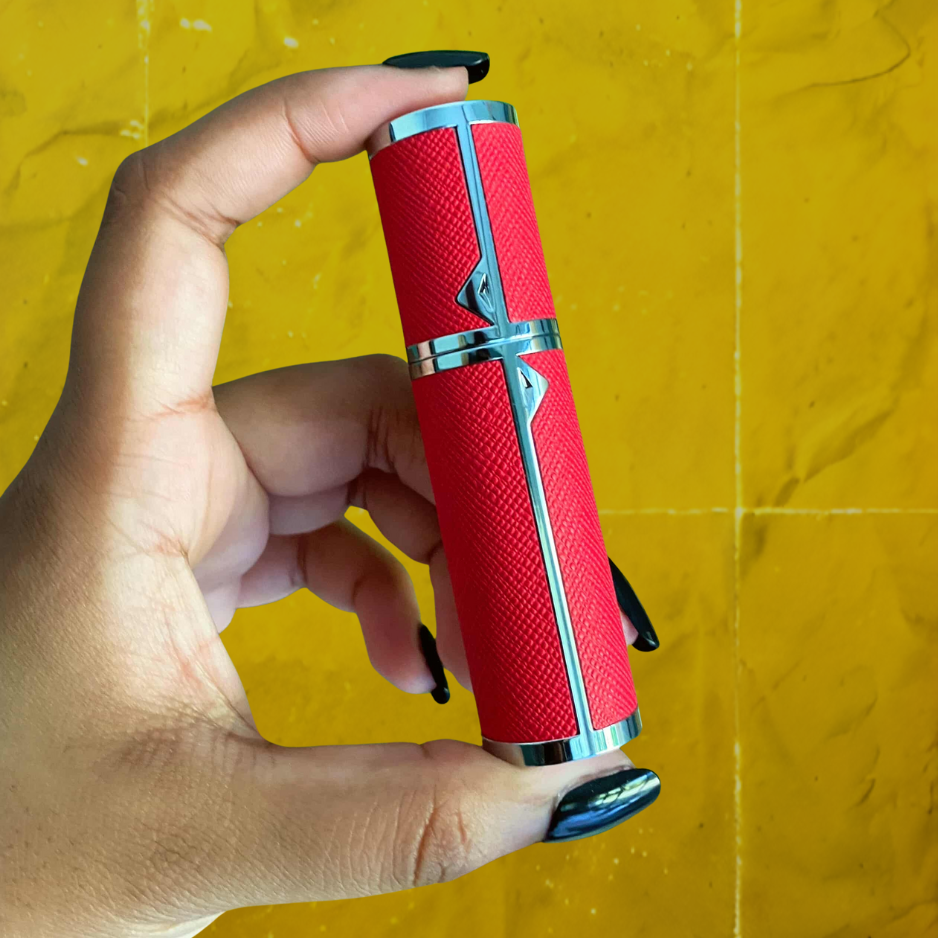
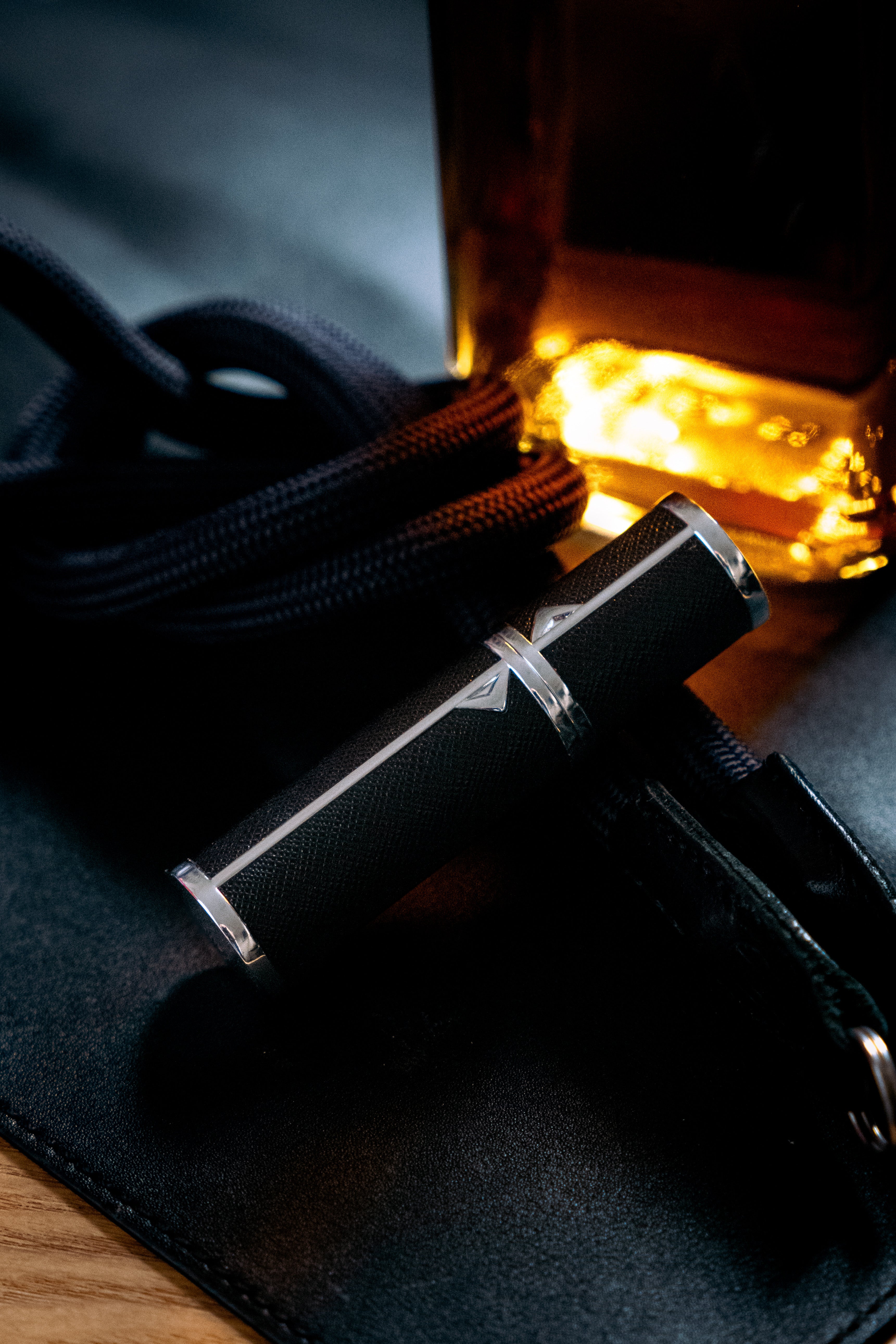
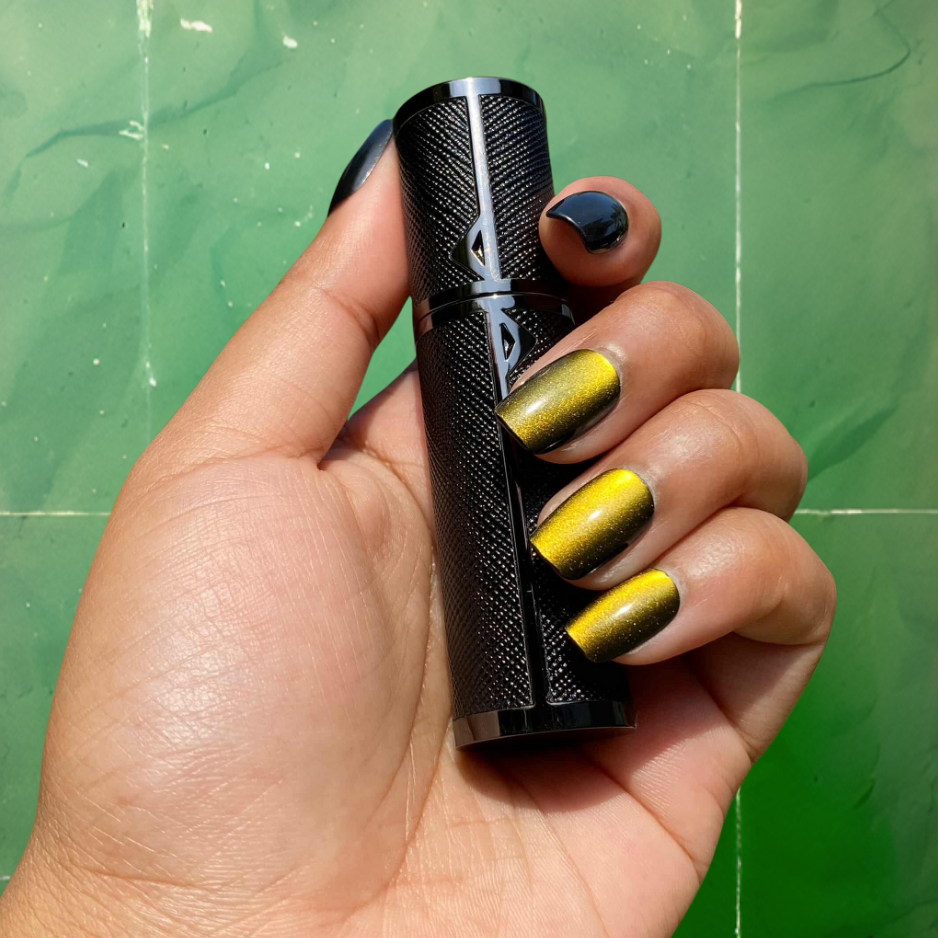
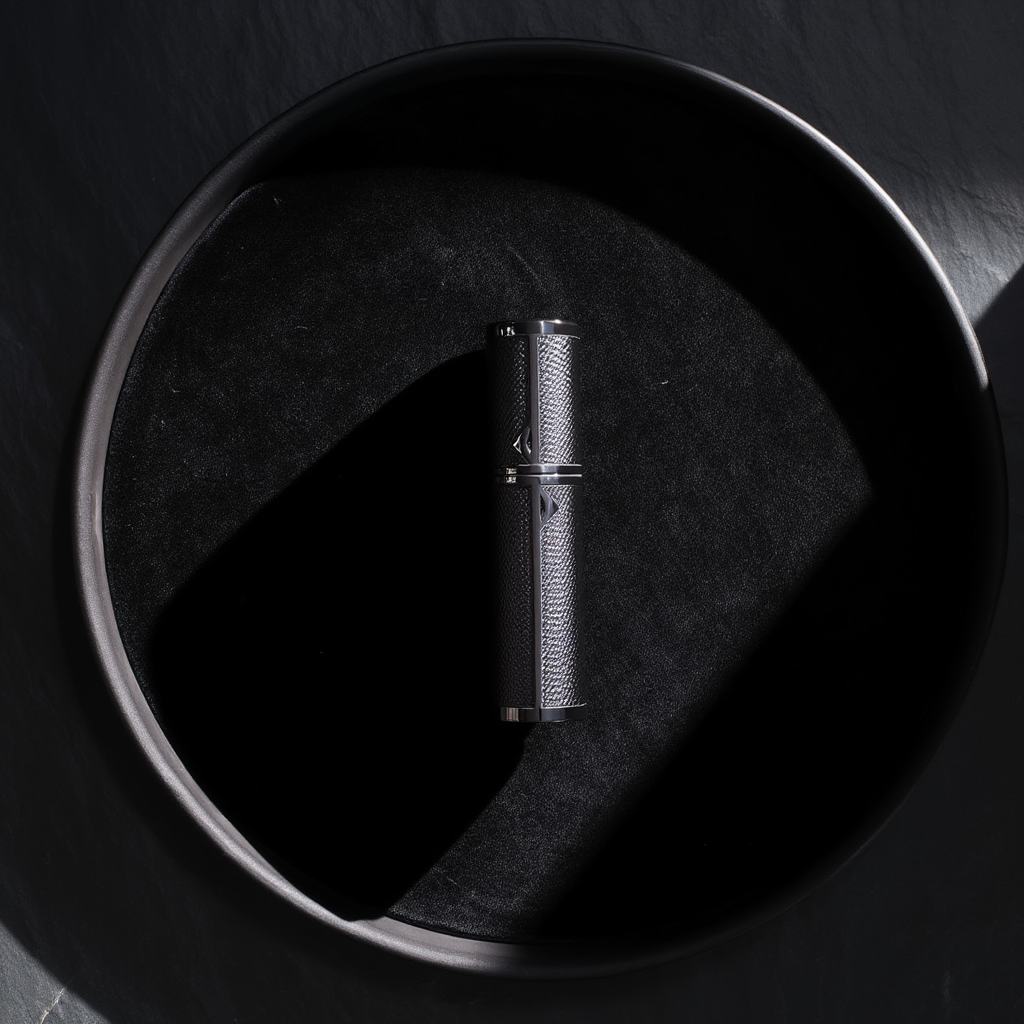
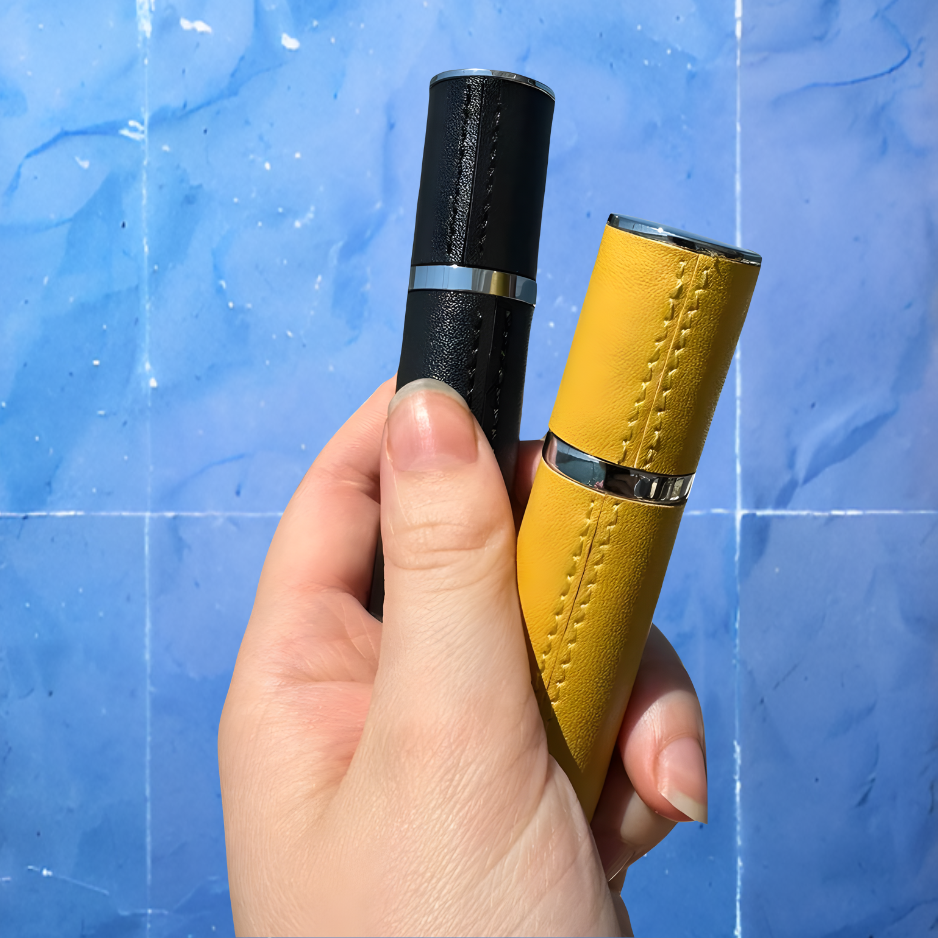
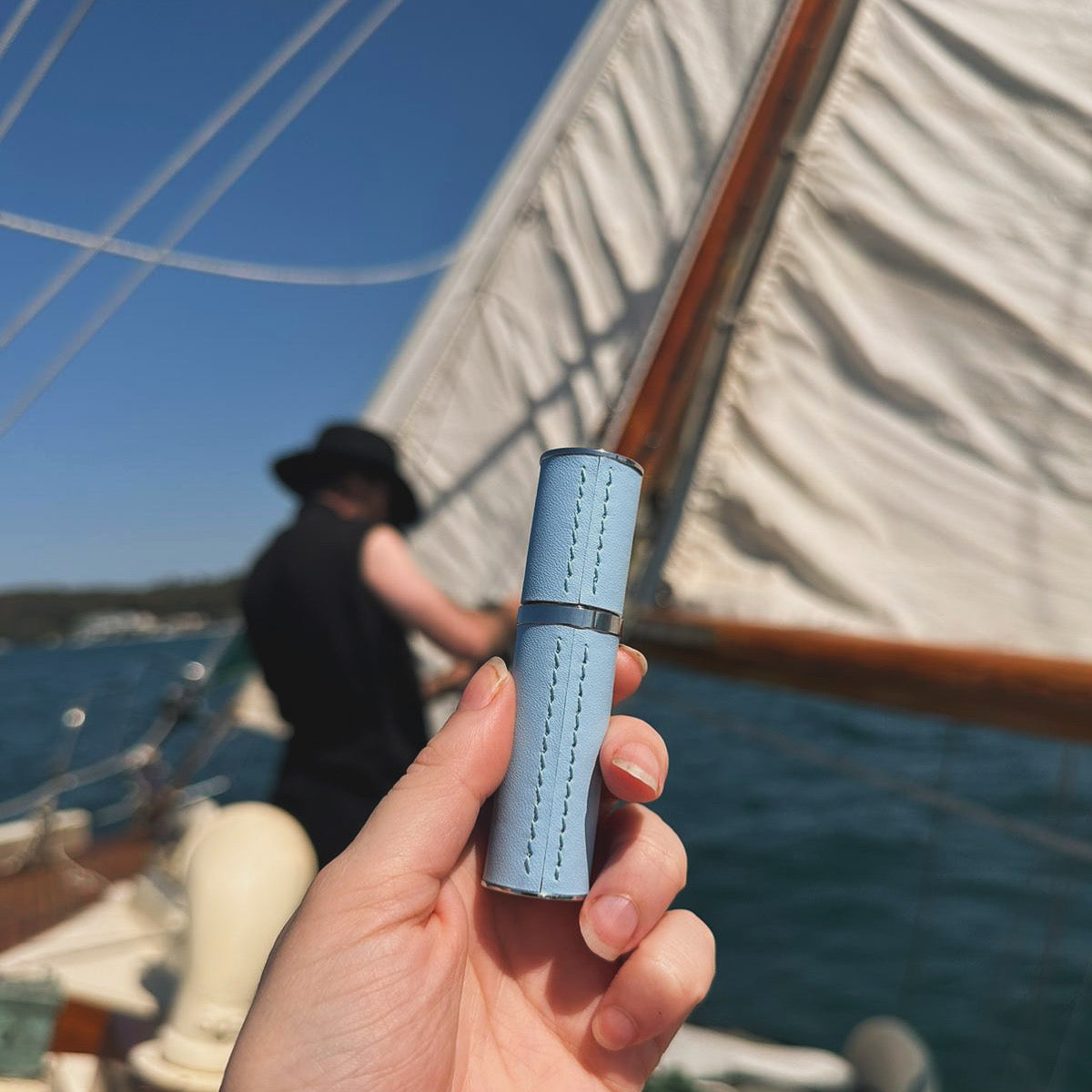
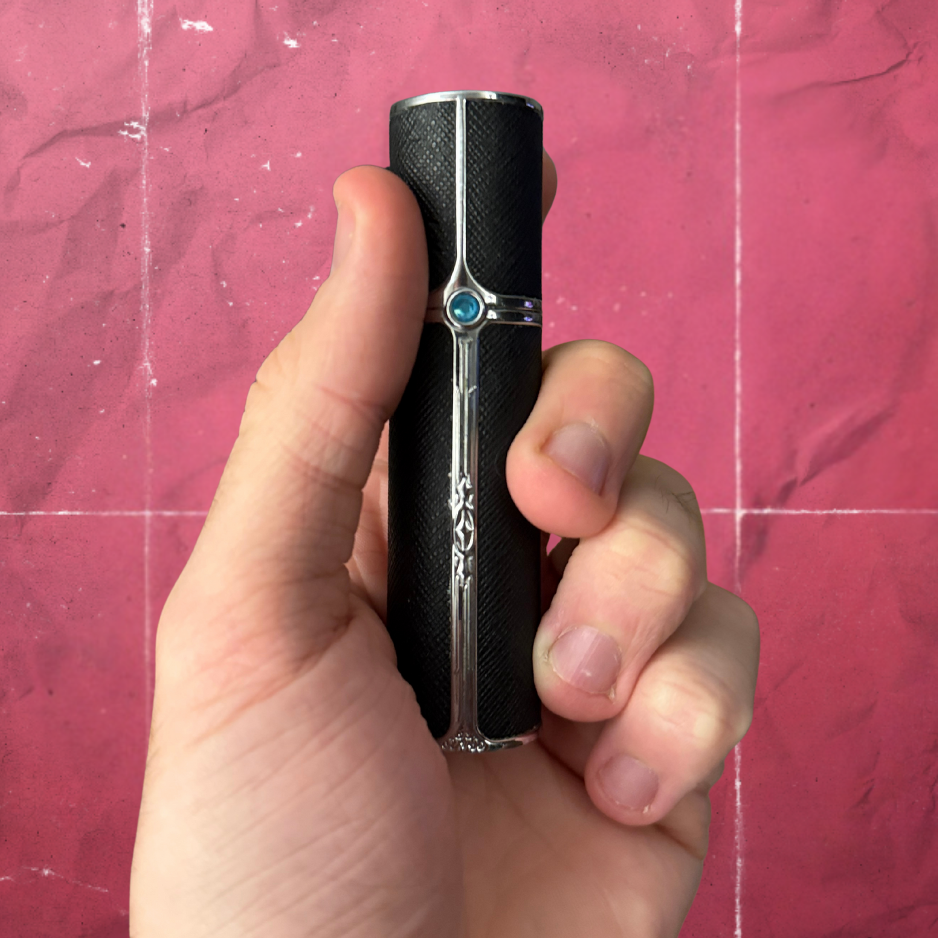
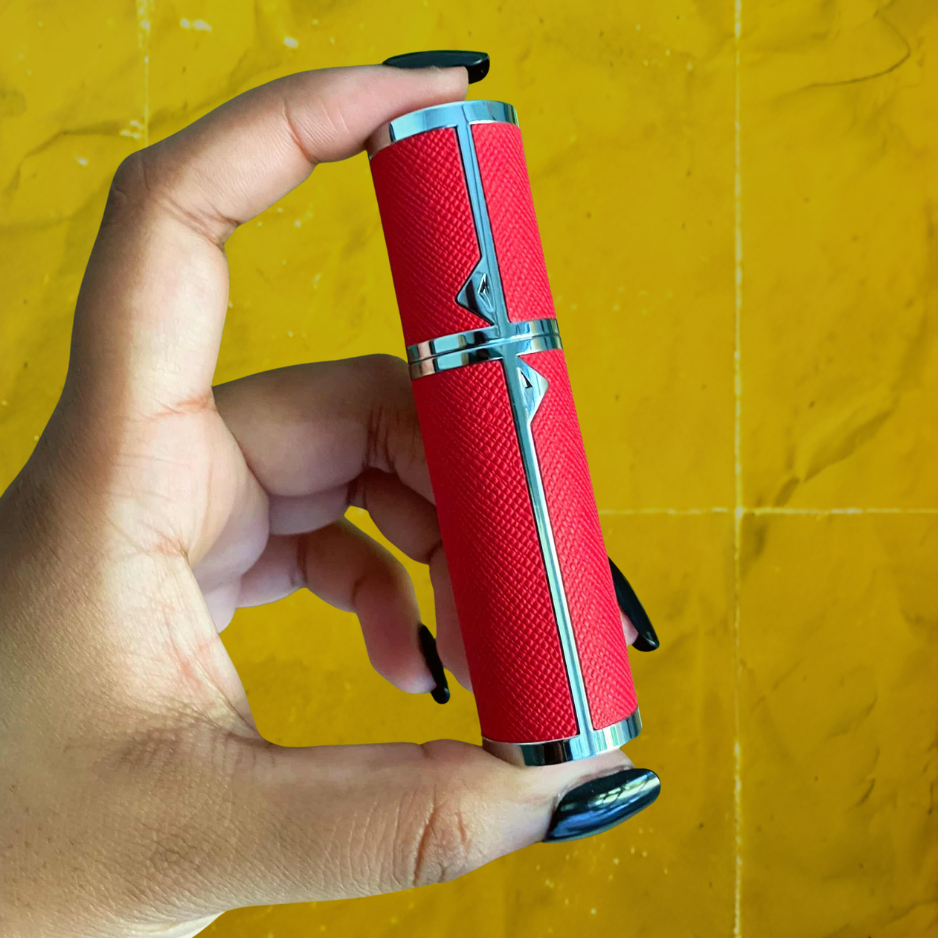
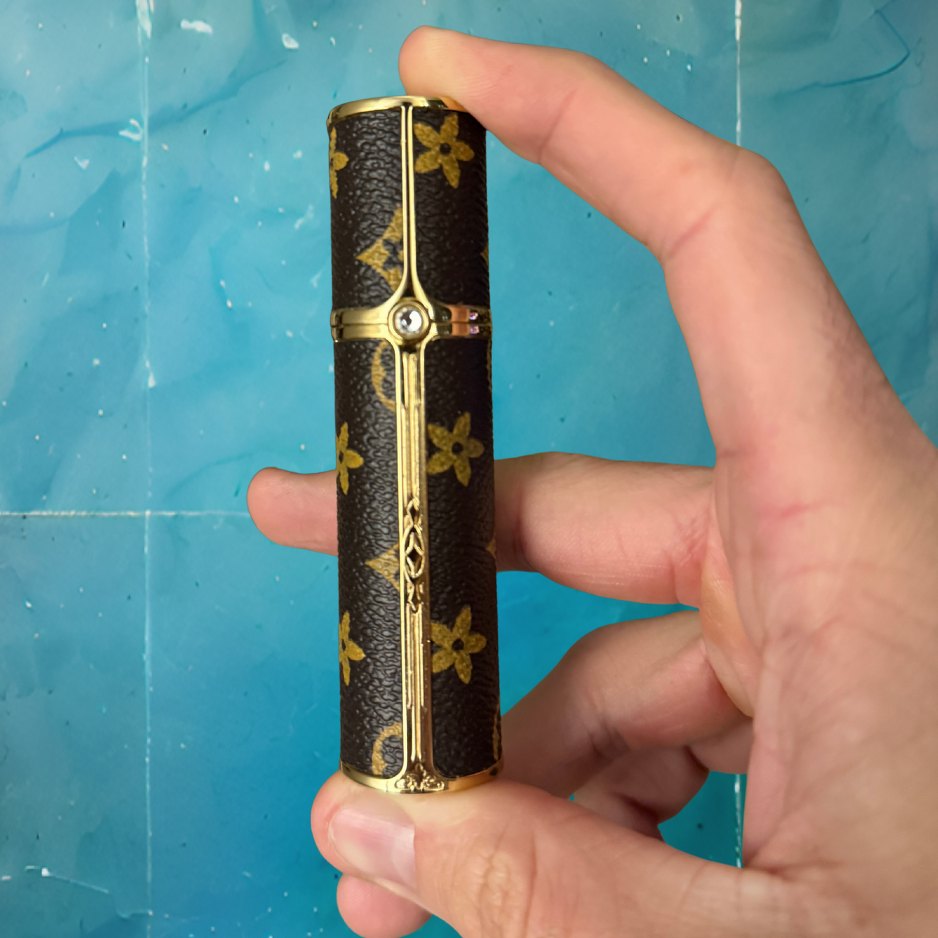
Fragrance is one category where the refillable case is easy to make. A heavy glass bottle is the part most likely to break in a suitcase, and travel minis generate a steady stream of small plastic waste. Refillable atomizers refill from any standard perfume bottle you already own, which means you’re not locked into a single brand’s refill cartridge, and the compact, pocket-friendly design is built specifically for the travel and sampling scenarios where single-use packaging piles up fastest.
That said, an atomizer solves one slice of the waste problem, not all of it. Shampoo pouches, cartridge-based skincare, and pump refills each need their own refill habits, and real impact comes from combining a few of these choices rather than treating any single product as a complete fix.
— Ash
7. Carry your favorite scent without the waste
If travel fragility and single-use minis are your main frustration, a refillable atomizer solves both at once. Fill it from any standard perfume bottle you own, slip it into a pocket or bag, and skip the breakable glass and the plastic travel sizes altogether.

- Refills from virtually any perfume bottle you already have at home.
- Compact enough for a pocket, purse, or carry-on without adding bulk.
- Designed for repeat use instead of one-trip disposal.
Browse the refillable perfume atomizer collection and pick the one that fits your travel routine.
FAQ
Which brand of refillable skincare is the best?
There’s no single best brand across every skincare need, since refill systems vary by cartridge type, material, and price point. Instead of chasing a specific name, check whether the brand discloses its life-cycle scope and offers clear refill availability, since those two factors predict real-world savings better than marketing claims.
Which makeup brands offer refillable products?
Several makeup brands now sell pressed powders, blushes, and eyeshadows in pans or cartridges that pop into a reusable compact, though availability varies by product line and region. Look for a compact explicitly sold alongside separate refill pans on the brand’s own product page before assuming a shade is refillable.
What are some refillable hair care products available?
Shampoo and conditioner pouches that refill a standard pump bottle are the most common refillable hair care format, and they ship lighter than rigid bottles. Some brands also offer concentrated refill drops you mix with water at home, which cuts shipping weight even further.
What is the most profitable beauty product?
Profitability varies widely by brand, category, and pricing strategy, and no public figure applies across the beauty industry as a whole. Fragrance and skincare tend to carry higher margins than mass-market makeup, but exact profitability depends on a brand’s specific cost structure, which isn’t publicly standardized.
Do refillable beauty products actually save money over time?
Refillable products often cost less per use once you’ve paid for the initial container, since refills are typically priced below a full new package. The savings depend on how many refill cycles a container is rated for and how often you actually replace the formula, so cost-per-use calculations are worth checking before you buy.
Sources
- Integrating circularity indicators with life cycle assessment for plastic packaging: A refill-and-reuse system case study
- Shiseido extends adoption of ”LiquiForm®” to pump dispenser containers, realizing a reduction in the environmental burden | NEWS RELEASE | Shiseido Company
- Container Closure Systems for Human Drugs and Biological Products (FDA guidance / related materials)





Share and get 15% off!
Simply share this product on one of the following social networks and you will unlock 15% off!