

Yes, you can reuse a refillable atomizer for a different scent, as long as you clean it thoroughly and let it dry completely between fills. The two things to watch for are “ghosting,” where a faint trace of the old fragrance lingers, and material damage from repeated cleaning. If you wear a signature scent and want zero chance of cross-contamination, keep one atomizer dedicated to it.
TL;DR:
- Heavy perfumes like ambers and musks are harder to fully clean from atomizers due to stronger residue buildup.
- Using glass-bodied atomizers with metal springs simplifies cleaning and reduces ghosting compared to plastic inserts.
- Letting disassembled parts dry overnight minimizes residual moisture that can cause faint scent traces after cleaning.
- Alcohol and water rinses can damage plastic and rubber components, so gentle cleaning and brief contact times are essential.
- For travel, atomizers under 3.4 ounces and protected spray heads meet TSA rules, making small refillable units ideal for compact scent rotation.
Table of Contents
- Should you reuse one atomizer or keep a dedicated one for each scent?
- The cleaning and refill method that actually works
- What damages atomizers and what you should avoid doing
- Flying with filled atomizers: TSA rules and packing tips
- When a dedicated atomizer beats reusing one
- Tested tips that save time and reduce ghosting
- Why a SPRITZ atomizer makes reuse easier
- Sources
- FAQ
Should you reuse one atomizer or keep a dedicated one for each scent?
The right answer depends less on habit and more on what you’re asking the atomizer to do. A quick gut check before you reach for the alcohol wipes can save you a disappointing spritz later.
- Scent strength matters: heavy orientals, ambers, and musks leave stronger residues than citrus or aquatic notes, so they’re harder to fully clear out.
- Consider the atomizer’s build and cost: a glass-bodied atomizer with a metal spring usually cleans better than one with a plastic insert, which can absorb oils over time.
- Know your ghosting tolerance: casual testers often don’t mind a faint trace, but anyone wearing a signature scent daily should not accept any crossover.
- Factor in travel constraints: if you’re carrying three or four scents for a week away, you’ll need either multiple small atomizers or a disciplined cleaning routine between uses.
Once you know which category you fall into, the cleaning method below tells you exactly how to get there.
The cleaning and refill method that actually works
Reusing an atomizer isn’t complicated, but skipping a step is usually what leads to a muddy, mixed scent on your next spray. According to cleaning guides for perfume atomizers, a careful sequence of emptying, rinsing, and drying handles most residue problems without damaging the parts.
- Empty the atomizer completely by spraying out the remaining perfume or decanting it into a disposable container rather than letting it sit.
- Rinse with warm water, not hot, if the manufacturer’s instructions allow it, to dissolve soluble residues clinging to the inner walls.
- Address stubborn residue with a short alcohol rinse using isopropyl or perfumer’s alcohol, keeping contact time brief, then rinse again with water if that’s safe for the materials.
- Disassemble the nozzle and cap where the design allows, and let every piece air-dry fully before you put anything back together.
- Test with an unscented spray or two to confirm no trace of alcohol or the old fragrance remains, then add your next scent.
Real-world accounts of this process, including users who flush with water and alcohol between fragrances, report that success varies by atomizer construction, so patience with the drying step matters more than the strength of your cleaning agent. For a visual walkthrough of each stage, our guide on how to clean a perfume atomizer covers the same sequence step by step.
Pro Tip: Let parts dry overnight rather than for an hour: trapped moisture is the most common reason a “clean” atomizer still smells faintly of its last fragrance.

What damages atomizers and what you should avoid doing
Not every atomizer tolerates the same treatment, and an aggressive cleaning routine can shorten a device’s life faster than the fragrance residue ever would. A 2025 guide to atomizer maintenance notes that strong alcohol can degrade certain plastics and rubber seals, especially with repeated or prolonged exposure.
- Plastic components and rubber seals can soften or crack after extended contact with strong alcohol, so keep rinses brief and infrequent.
- Hot water can warp thin plastic parts or seals, which is why warm water is the safer choice for anything beyond a glass vial.
- A clogged or physically broken sprayer usually needs replacing rather than another round of solvent soaking, since the mechanism itself, not residue, is the problem.
- When you’re unsure whether a part will hold up, replace the spray head or the whole atomizer instead of risking a permanent leak.
Light, regular maintenance, a gentle flush every few months for atomizers in frequent rotation, prevents most of the clogging that leads people to give up on a device too soon.
Flying with filled atomizers: TSA rules and packing tips
Air travel adds its own set of constraints, and the rules are about container size, not how much perfume is actually inside. The TSA liquids rule limits carry-on containers to 3.4 ounces (100 ml) or smaller, and each one has to fit inside the required quart-sized bag.
- Keep every atomizer at or under 3.4 oz (100 ml), regardless of how little perfume is left inside, since the limit applies to the container’s capacity.
- Protect the spray head with its cap, a strip of tape, or a small sleeve, and pack it with your other liquids in the clear bag to avoid an accidental release during screening.
- For a short trip, one or two atomizers in the 5 to 15 ml range usually covers a rotation of scents without adding bulk; longer trips may call for a small set.
- If you need a larger volume of a single fragrance, pack the full-size bottle in checked luggage instead of trying to carry it on.
A sturdy travel case helps too: a compression-style travel bag designed around TSA size limits keeps small liquid containers upright and protected on the way to the airport.
When a dedicated atomizer beats reusing one
The decision often comes down to what the scent means to you and how much risk of mixing you’re willing to accept.
- Signature scents deserve their own dedicated atomizer, since even a trace of another fragrance changes how the one you rely on actually smells.
- A travel capsule works well with a single atomizer reused across similar-family scents, or a small set of two or three for more varied needs.
- Testing and sampling is the ideal use case for reuse with cleaning between fills, since it conserves product, though labeling each refill clearly prevents mix-ups.
- Inexpensive atomizers can reasonably be treated as semi-disposable, which takes the pressure off getting every cleaning cycle perfect.
Tested tips that save time and reduce ghosting
I keep one atomizer permanently assigned to my everyday scent and reuse a second one for travel and sampling, which has cut down on surprises without doubling my collection. A strip of masking tape with the fragrance name written on it, stuck to the base, solves more mix-ups than any cleaning trick does. For readers who want to see the process in photos rather than read through it, our step-by-step cleaning guide walks through each stage visually.
— Ash
Why a SPRITZ atomizer makes reuse easier
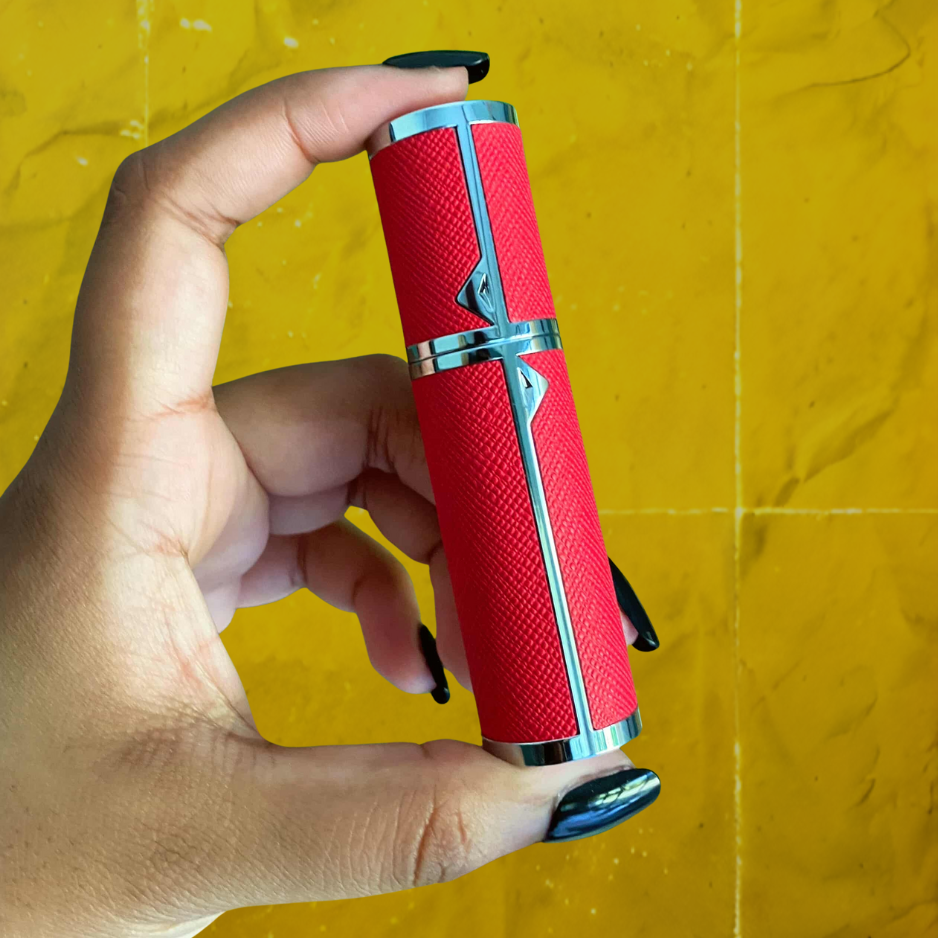
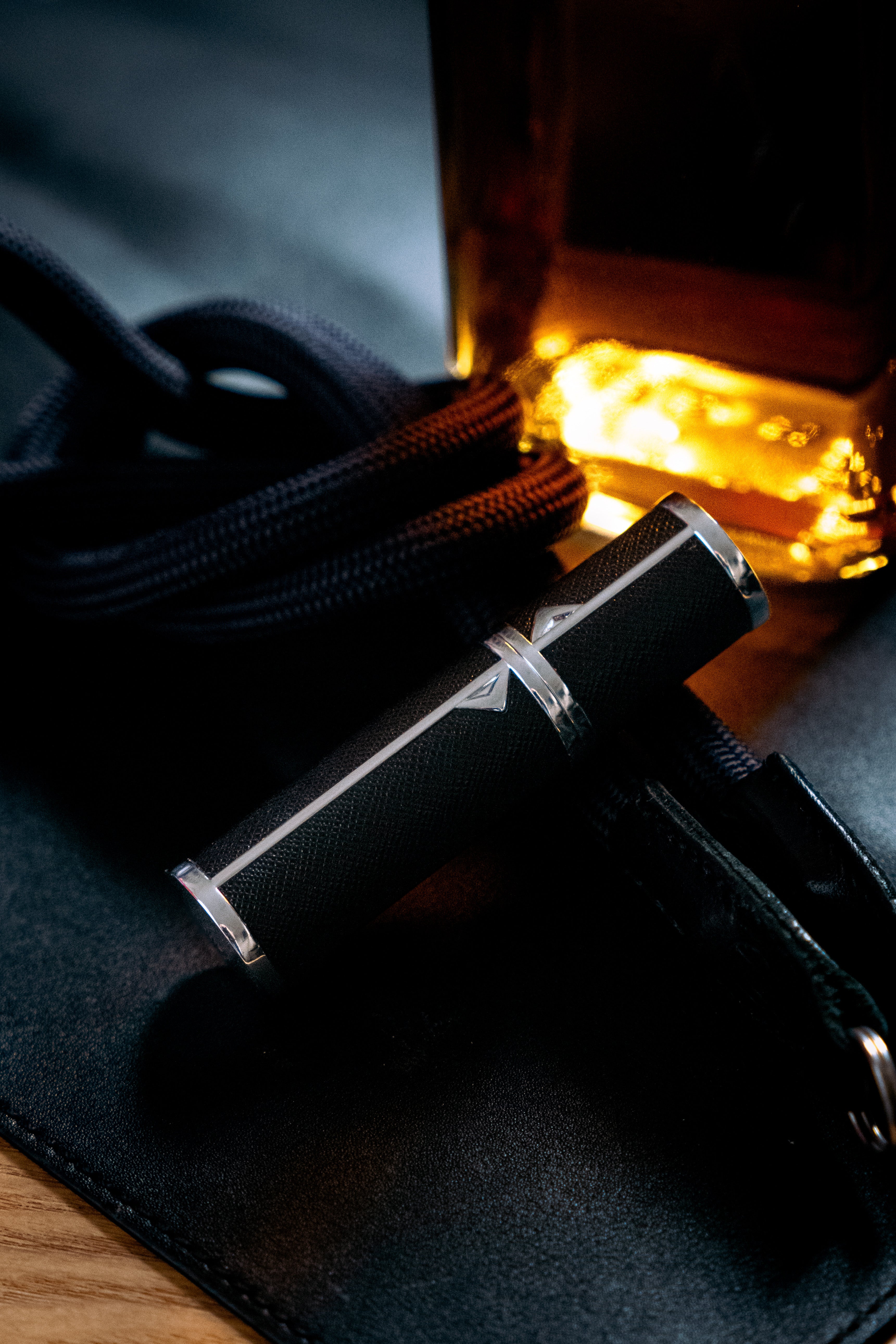
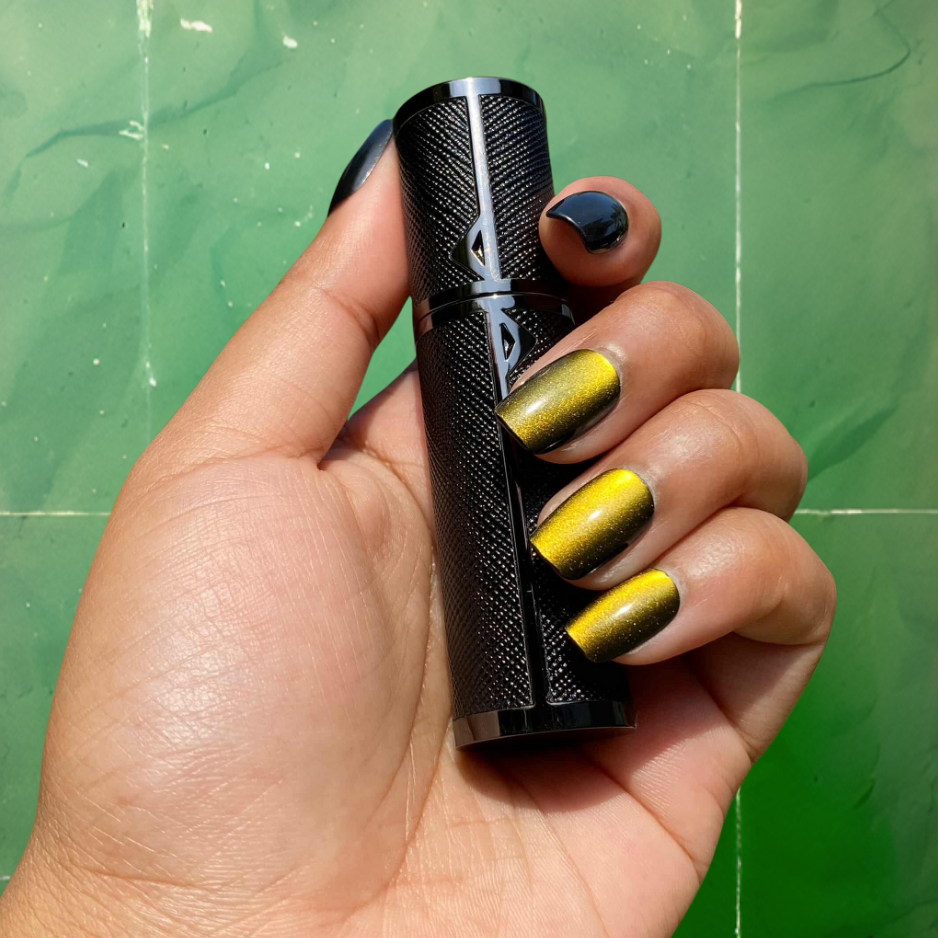
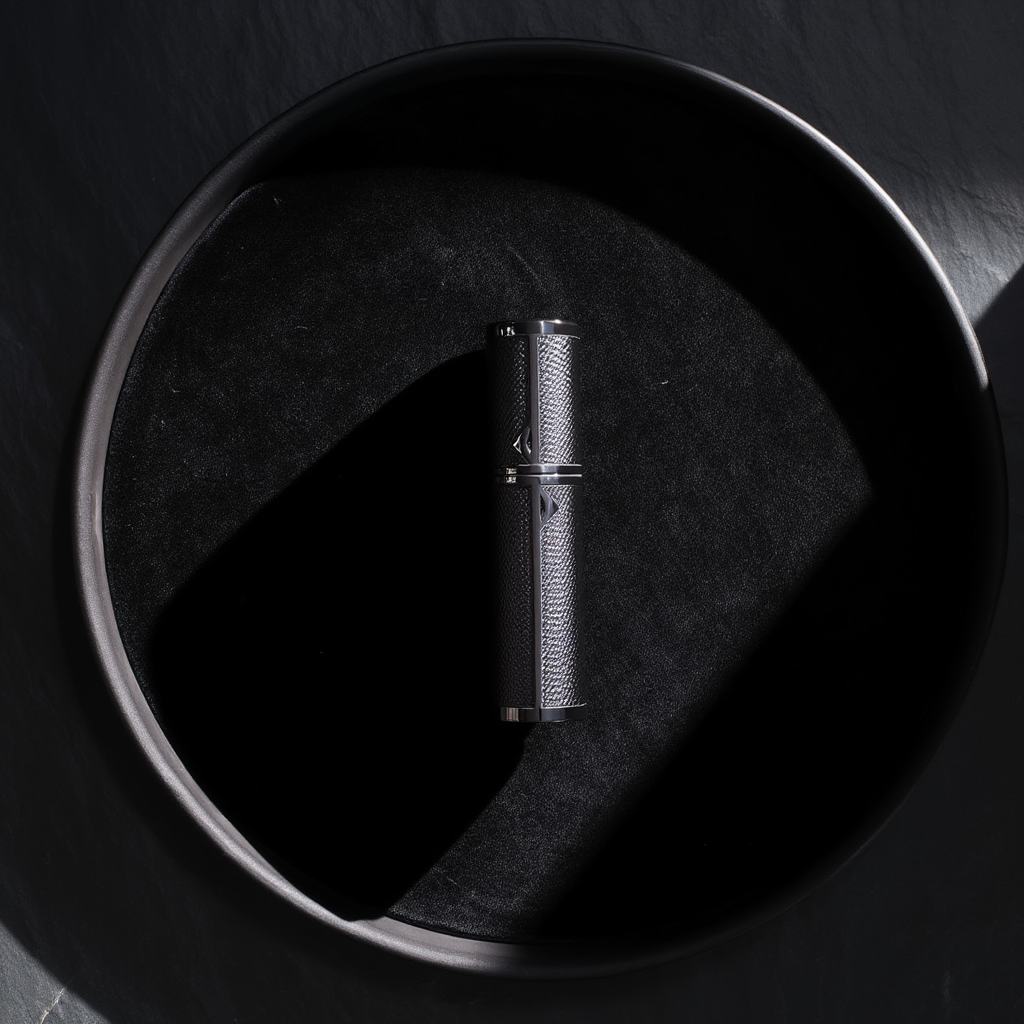
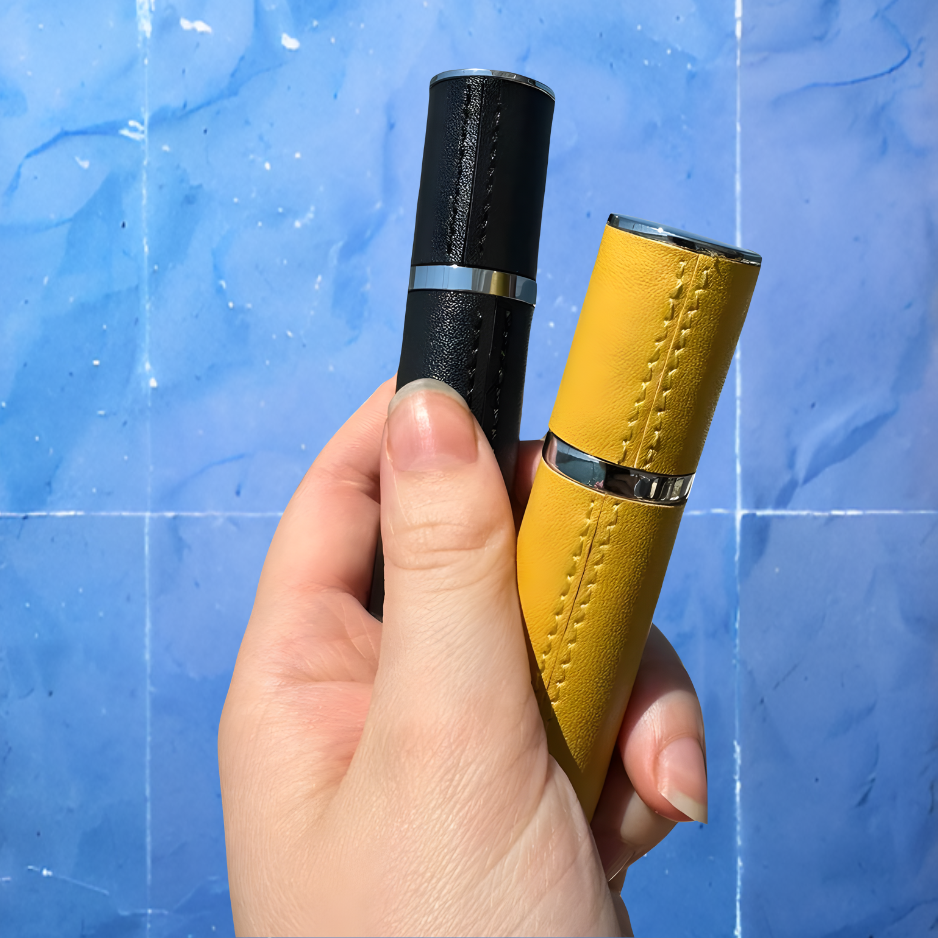
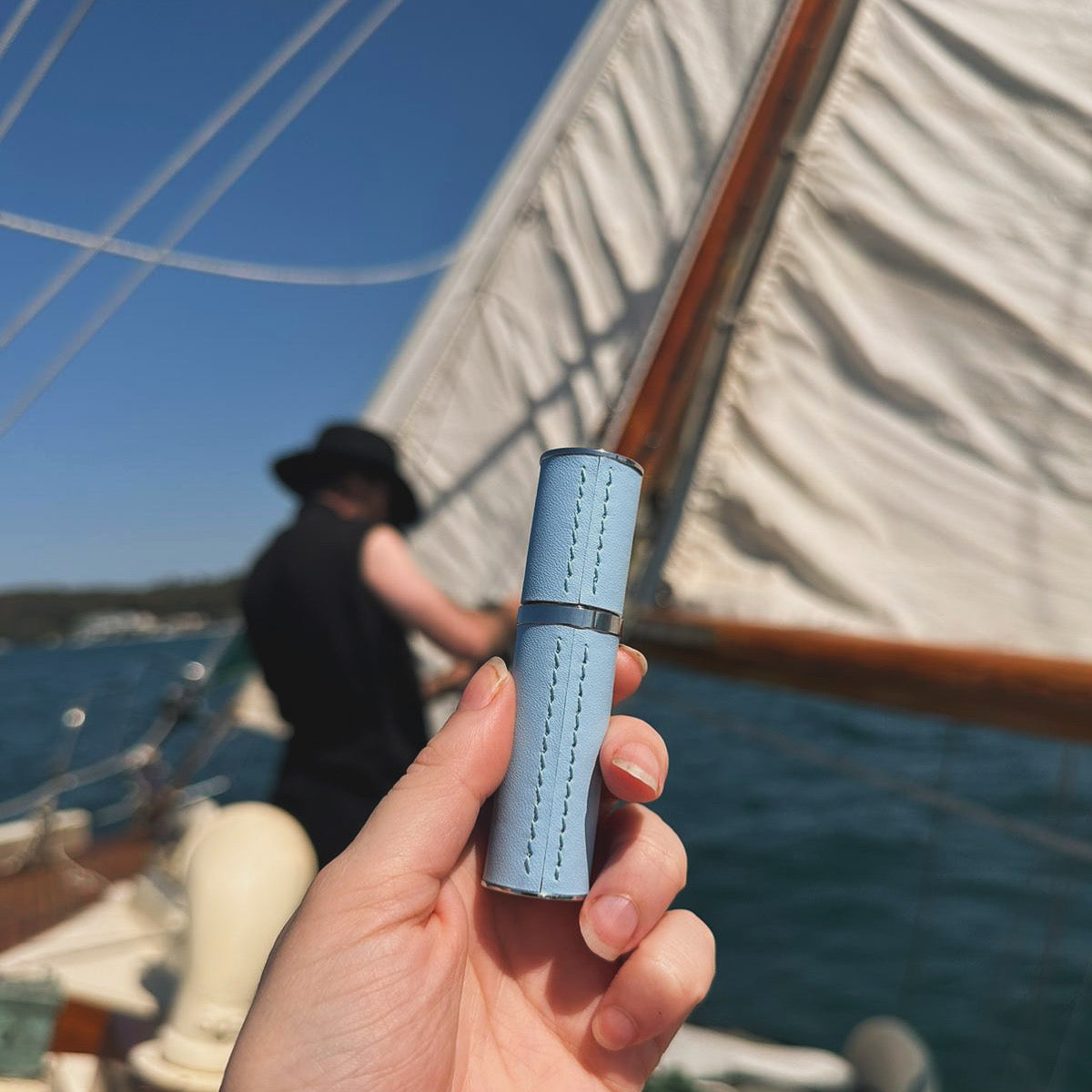
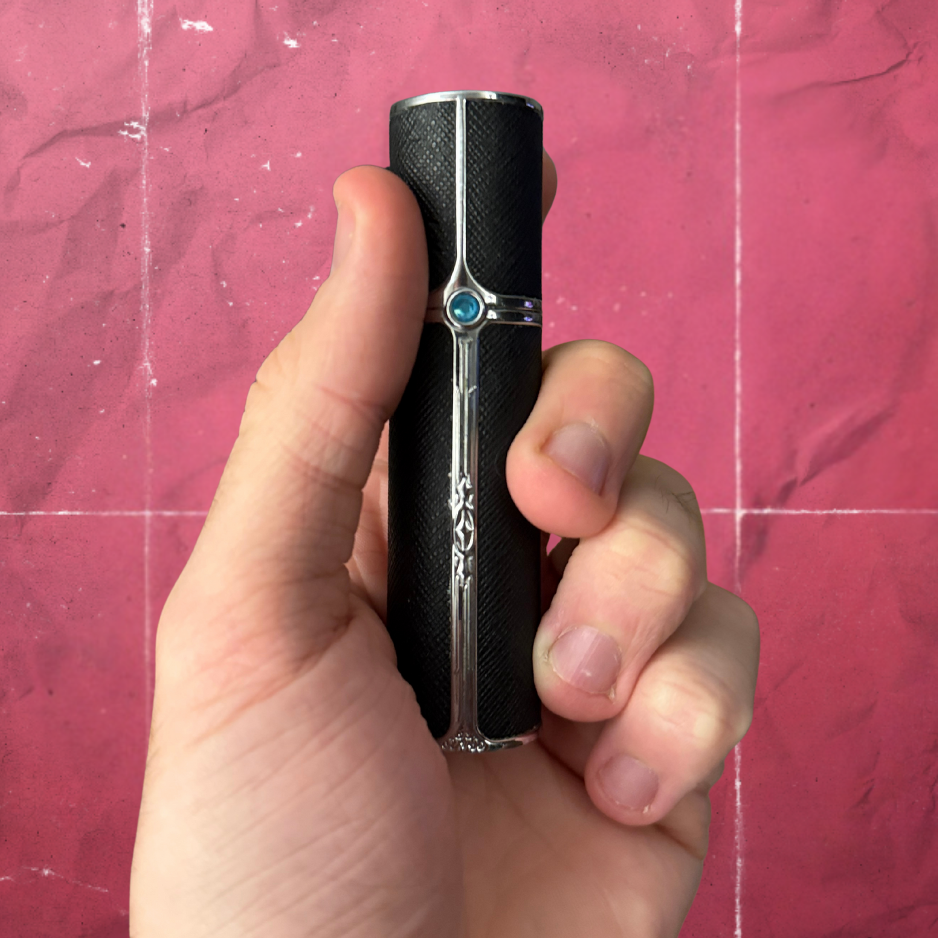
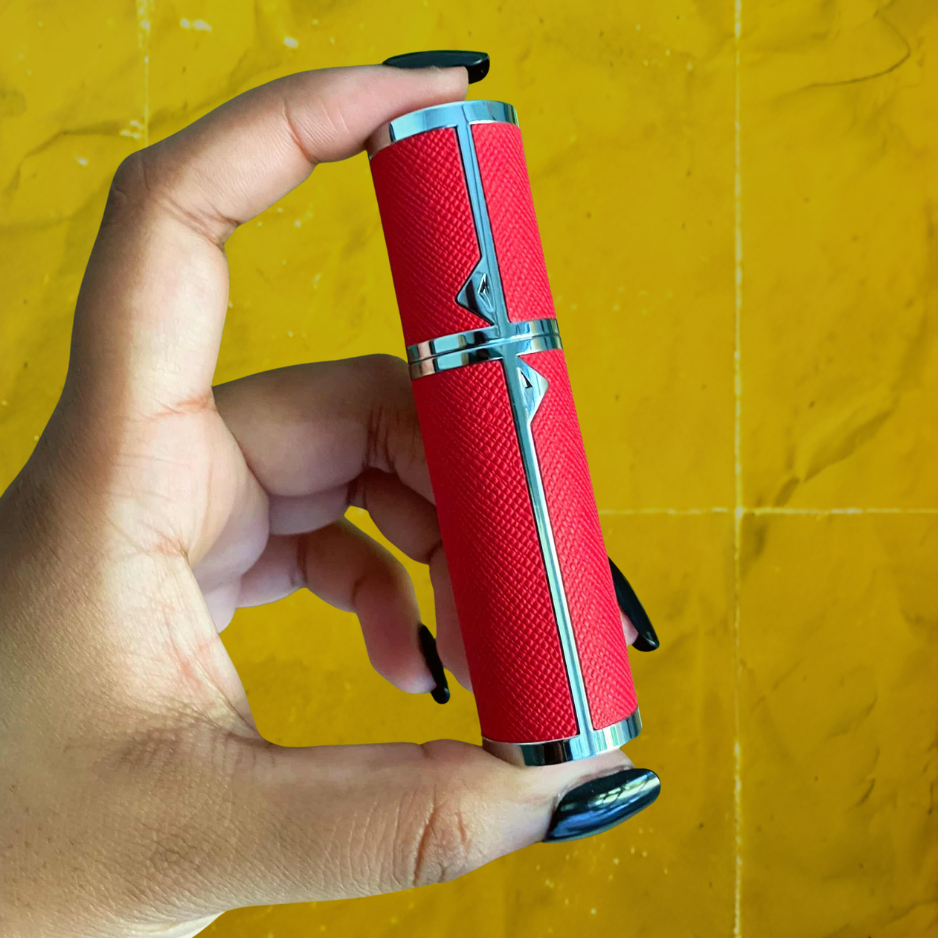
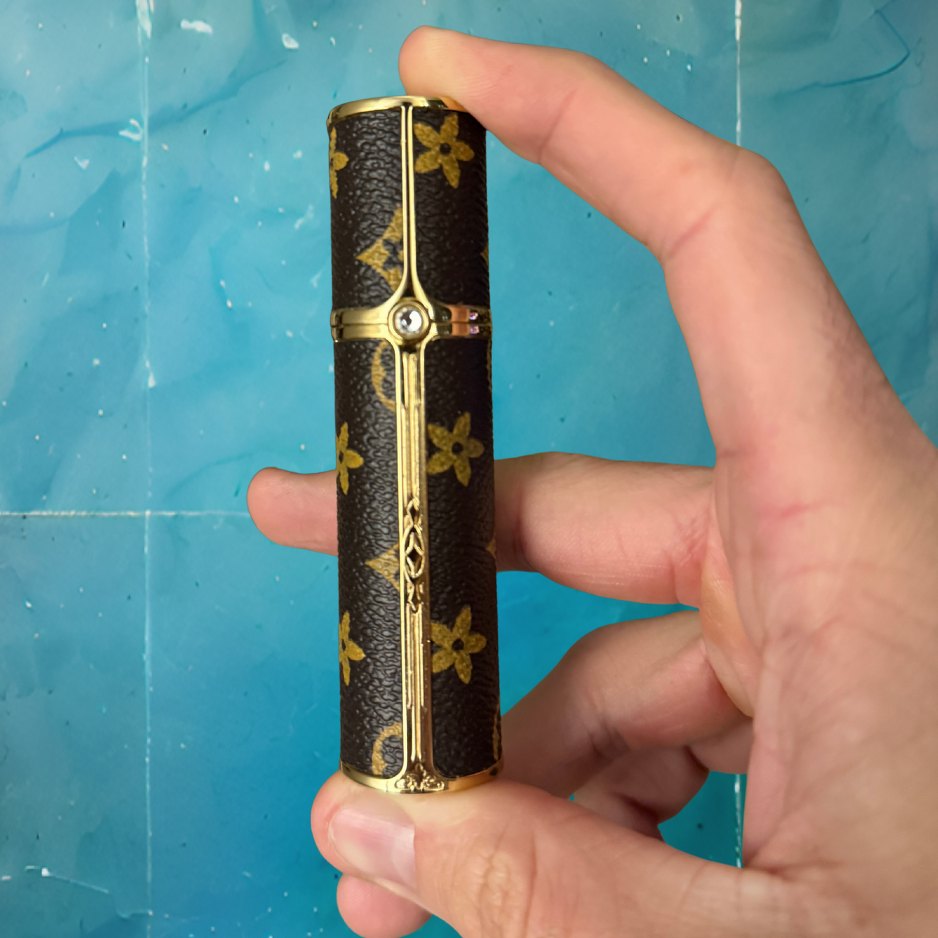
A lot of the ghosting and leak problems people run into come down to the atomizer itself, not just the cleaning routine. Some atomizers are designed for easy refilling from standard perfume bottles, with sturdy seals and a travel-ready design meant to hold up to rinsing and drying.

- Refills from any bottle you already own, so switching scents doesn’t mean buying a new container every time.
- Leak-proof seals are designed to handle regular cleaning cycles without the warping or cracking that cheaper plastic inserts often develop.
- A sleek, durable build keeps the atomizer looking and performing well trip after trip, backed by a 4.84 average rating from more than 10,000 reviews.
If you’re ready to set up a rotation that actually holds up to reuse, browse the refillable perfume atomizers collection and pick the size that fits your travel habits.
Sources
- Can you bring perfume or cologne on a plane? TSA rules explained — Fragrance Focus
- Cleaning perfume atomizers & preventing clogs — WhatScent Magazine
- Liquids, aerosols, and gels rule — Transportation Security Administration
FAQ
Can you reuse perfume atomizers for a different scent?
Yes, a refillable atomizer can be reused for another scent once it’s been emptied, rinsed, and fully dried. Cleaning guides note that results vary by construction, so an alcohol rinse may be needed for atomizers with persistent residue.
What is the 3:1:1 rule for perfume?
This isn’t a standard, sourced rule in fragrance or travel guidance, so definitions online vary and none are reliably documented. For travel purposes, the rule that actually applies is the TSA’s container size limit, not a ratio.
Is decanting perfume illegal?
No, decanting perfume for personal use isn’t illegal. It’s a common practice for travel and sampling, and the main things to get right are container size for air travel and cleaning the atomizer properly between different fragrances.
What is the 30/50/20 rule for perfume?
This isn’t a documented industry standard, and no reliable source defines it consistently. If you’ve seen it referenced for fragrance layering or longevity, treat it as informal advice rather than an established guideline.
How many atomizers should I pack for a trip?
For a short trip, one or two atomizers in the 5 to 15 ml range usually covers a rotation of scents without adding bulk to your bag. Longer trips or more varied fragrance needs may call for a small set of three, each kept under the TSA’s 3.4 oz (100 ml) carry-on limit.




Share and get 15% off!
Simply share this product on one of the following social networks and you will unlock 15% off!