

Yes, cabin pressure changes can push perfume out of a poorly sealed bottle, but a true “explosion” almost never happens. The real culprits are loose caps, worn pump gaskets, and overfilled bottles, not the altitude itself. For carry-on, your bottle needs to hold 3.4 ounces (100 ml) or less and fit in your one quart-sized bag. The fastest fix: transfer your fragrance into a leak-proof travel atomizer, cap it tight, and pack it upright.
TL;DR:
- Leakage from perfume bottles during flights is mainly caused by worn seals, loose caps, or overfilled containers, not cabin pressure itself.
- Most leaks are slow and result from mechanical weak points, with the myth of sudden explosions in-flight being unfounded.
- To pass TSA checks, perfume bottles must be 3.4 ounces (100 ml) or less, with full-sized bottles requiring early decanting into travel atomizers.
- Using a high-quality, pump-to-fill travel atomizer with a tight seal and durable casing can prevent leaks caused by cabin pressure fluctuations.
- Proper packing techniques, such as double-bagging, wrapping in clothing, and testing atomizers beforehand, significantly reduce the risk of leaks in transit.
Table of Contents
- How Cabin Pressure Affects Your Perfume Bottle
- TSA Rules for Flying With Perfume: Sizes and Screening
- Packing Perfume in Your Carry-On the Right Way
- Packing Perfume in Checked Luggage Without Losing a Bottle
- What to Look for in a Travel Atomizer That Won’t Leak
- What to Do If Your Perfume Leaks Mid-Flight or in Your Suitcase
- What Frequent Flyers Get Wrong About Packing Perfume
- A Travel Atomizer Built to Handle the Altitude Test
- Sources
- FAQ
How Cabin Pressure Affects Your Perfume Bottle
Here’s the physics in plain terms: as your plane climbs, cabin pressure drops, and the small pocket of trapped air inside your perfume bottle expands to fill that lower-pressure space. If your bottle is sealed well, nothing happens. If it isn’t, that expanding air pushes liquid out through whatever gap it can find, whether that’s a loose cap thread or a worn pump seal.
Bottles rarely fail because of pressure alone. They fail because of mechanical weak points that pressure simply exposes. Watch for these:
- A cap that doesn’t click or twist to a firm stop
- A pump gasket that’s worn thin or slightly cracked
- A damaged or bent spray nozzle
- A bottle filled to the absolute brim with no room for expansion
Changes in cabin pressure and temperature can cause trapped air inside a perfume bottle to expand and force liquid out through weak seals, and that risk climbs sharply when caps are loose or pumps are damaged. Temperature swings in the cargo hold and rough handling add vibration and compression on top of that, which is exactly the combo that turns a marginal seal into a wet sock. As for the viral idea that perfume bottles “explode” midair, testing and travel reports consistently show that’s a myth — what looks dramatic is almost always a slow leak, not a burst.
TSA Rules for Flying With Perfume: Sizes and Screening
You need to know two numbers: 3.4 and 1. TSA allows liquids in carry-on when each container holds 3.4 ounces (100 ml), and every one of those containers has to fit inside a single quart-sized clear resealable bag. That’s the full rule for airplane-safe scents in your carry-on.
Here’s where most travelers get tripped up:
- TSA checks the bottle’s printed capacity, not the amount of liquid left inside. A 200 ml bottle with just 10 ml of perfume rattling around still gets pulled, because the container itself exceeds the limit.
- Aerosol perfume sprays follow the same 3.4-ounce cap as atomizers, but they can’t be repackaged into a smaller container the way liquid perfume can, so check your can’s printed size before you pack it.
- Checked luggage has no size cap on individual containers, only general limits on total liquid volume in your bag, so full-size bottles belong there if they won’t fit your quart bag.
- Decant early. If your favorite bottle is oversized, transfer some into a travel atomizer days before your flight, not at the security line.
Follow those four steps and you’ll clear screening without a second look.
Packing Perfume in Your Carry-On the Right Way
Getting your carry-on perfume through security and off the plane intact comes down to a few habits, not luck. Start with the basics:
- Keep every container in your single quart-sized clear bag zipped shut, not loose in your purse or backpack.
- Cap the nozzle with a small piece of tape or a nozzle lock to stop accidental presses in transit.
- Leave roughly 10% headspace when filling a travel atomizer, since that’s the buffer that absorbs air expansion at altitude without forcing liquid past the seal.
- Choose a shatterproof atomizer over glass when you can, and pack it upright in a padded pocket rather than loose at the bottom of your bag.
Pro Tip: Test your atomizer at home before you travel by filling it, sealing it, and checking for leaks overnight so you can fix or replace it before flying.
Packing Perfume in Checked Luggage Without Losing a Bottle
Full-size bottles that won’t fit your carry-on quart bag belong in checked luggage, but that comes with its own risks: rougher handling, temperature swings in the cargo hold, and longer stretches without anyone checking on your bag. A few habits limit the damage if something does go wrong.
- Wrap glass bottles in a layer of clothing (a sock or T-shirt works fine) and nest them in the center of your suitcase, away from the shell.
- Double-bag every bottle in a watertight zip bag before wrapping it, since double-bagging and center placement are the two most effective ways to contain a leak if one happens.
- For a high-value flacon, use a hard-shell or padded travel case instead of relying on clothing alone. A protective carrier bag built for delicate items can do double duty here.
- Never tuck bottles into the outer pockets or edges of your suitcase, where impacts land hardest.
What to Look for in a Travel Atomizer That Won’t Leak
Most leak complaints trace back to the same weak point: a cheap valve. A pump-to-fill, closed-loop design that uses a spring-loaded or dual-silicone self-sealing valve holds up far better under pressure changes than a single-layer rubber seal, which is the kind of valve you’ll find in dollar-store sprayers.
Look for these features when you’re shopping for a fragrance atomizer built for flying:
- A pump-to-fill mechanism instead of an open-pour funnel, since a closed system limits air exposure and slows oxidation of your perfume’s top notes.
- An aluminum or metal outer casing, which resists cracking far better than thin plastic under compression in a packed bag.
- An inert internal reservoir, since cheap plastic components can leach or degrade with certain fragrance formulas over repeated fills.
- A visible fill line or enough taper at the top to leave headspace, so you’re not tempted to fill it edge to edge.
Pro Tip: Run this quick test before any trip. Fill your atomizer, cap it fully, spray once into a tissue to confirm the pump works, then let it sit overnight in your bag. No damp spot in the morning means you’re good to fly. A refillable atomizer built specifically for travel makes this test easy to pass consistently, because the whole design is built around a tight seal rather than an afterthought.
What to Do If Your Perfume Leaks Mid-Flight or in Your Suitcase
A leak isn’t a disaster if you act fast. Here’s the order of operations depending on where it happens:
- In your carry-on: Isolate the leaking container in a fresh resealable bag right away, wipe down anything nearby with a travel wipe, and flag a flight attendant if the smell is strong enough to bother nearby seats.
- In checked luggage: As soon as you land, sort any affected clothing into its own bag for laundering before it touches the rest of your things. Blot liquid out of zippers and seams before it dries and sets.
- Pack a small recovery kit for future trips: a few extra resealable bags, a pack of sanitary wipes, and a spare mini atomizer so a leak doesn’t mean losing your scent for the rest of the trip.
What Frequent Flyers Get Wrong About Packing Perfume
The pattern holds up trip after trip: it’s rarely the altitude that ruins a perfume bottle. It’s a cap that wasn’t seated right or a pump that had already started to fail before the flight even boarded. The most common mistake I see is travelers assuming a “mostly empty” full-size bottle is safe for carry-on because there’s barely any liquid left. TSA doesn’t measure what’s inside, only what the bottle is rated to hold, so that logic backfires at the checkpoint every time.
The fix isn’t complicated. Test your atomizer before you leave, leave a little headspace, and double-bag anything going in checked luggage. Those three habits stop nearly every leak before it starts.
— Ash
A Travel Atomizer Built to Handle the Altitude Test
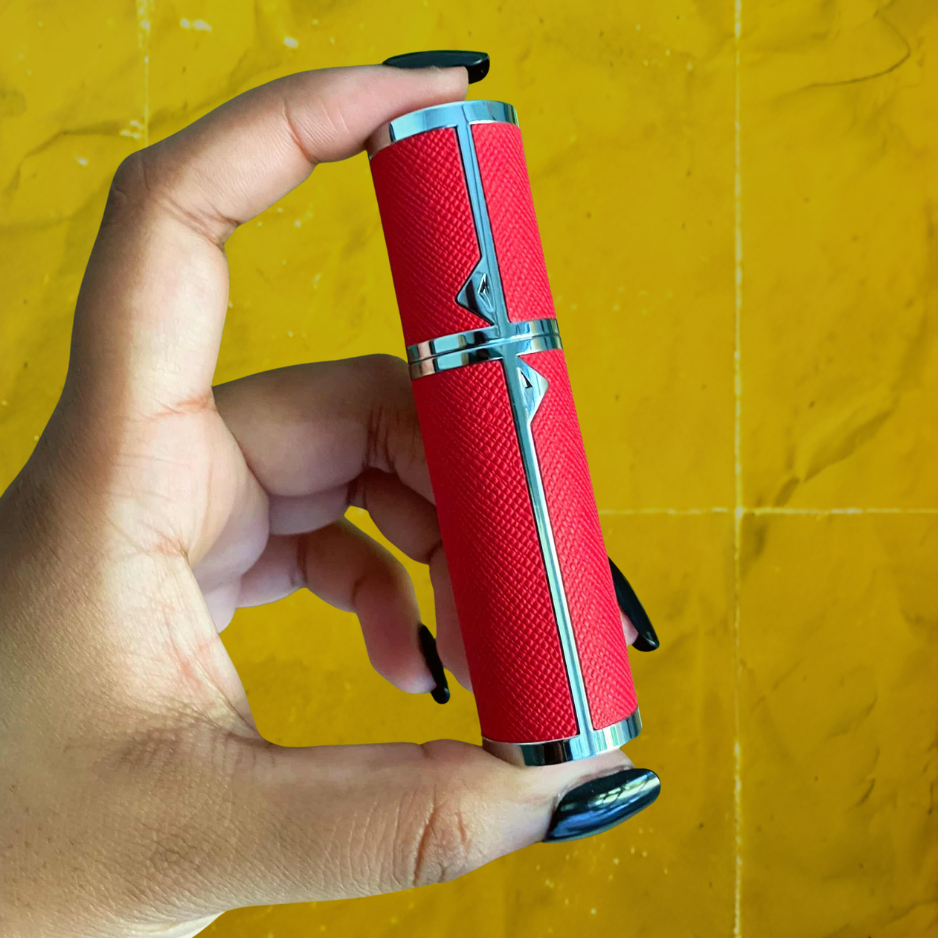
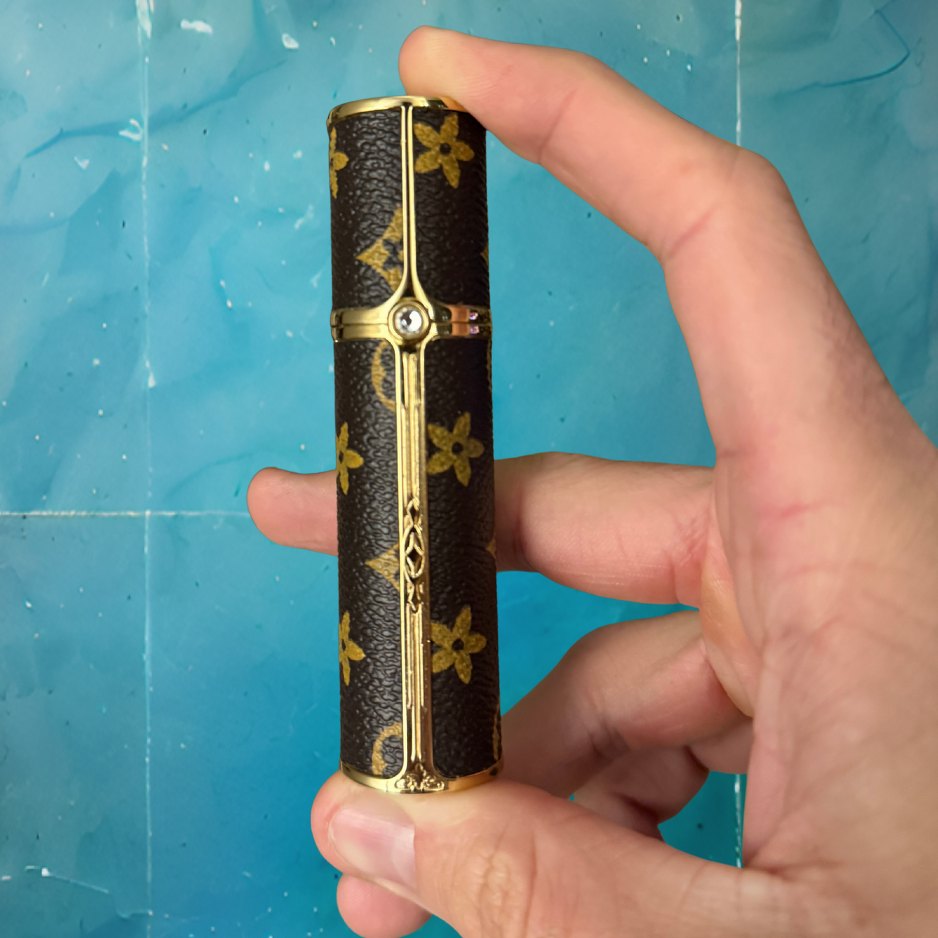
Most leak problems trace back to one part: the valve. A refillable travel atomizer with a pump-to-fill design that seals tightly after every fill helps avoid reliance on a flimsy gasket to survive pressure changes at altitude.
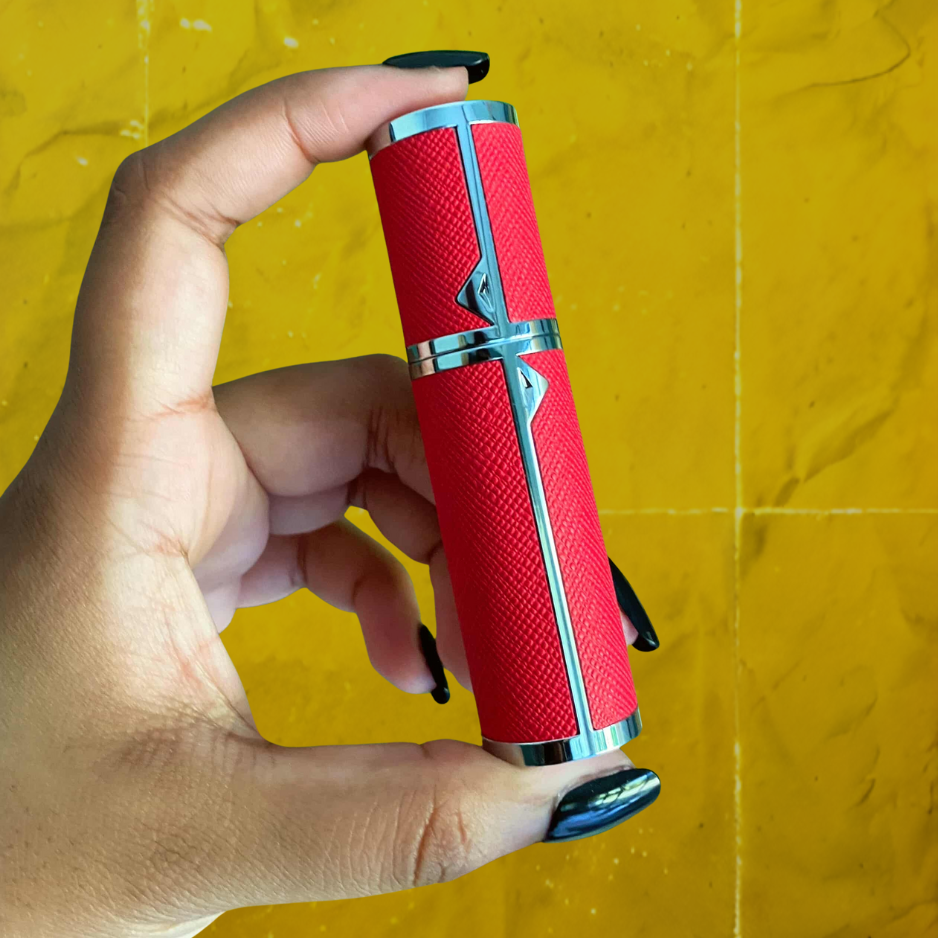
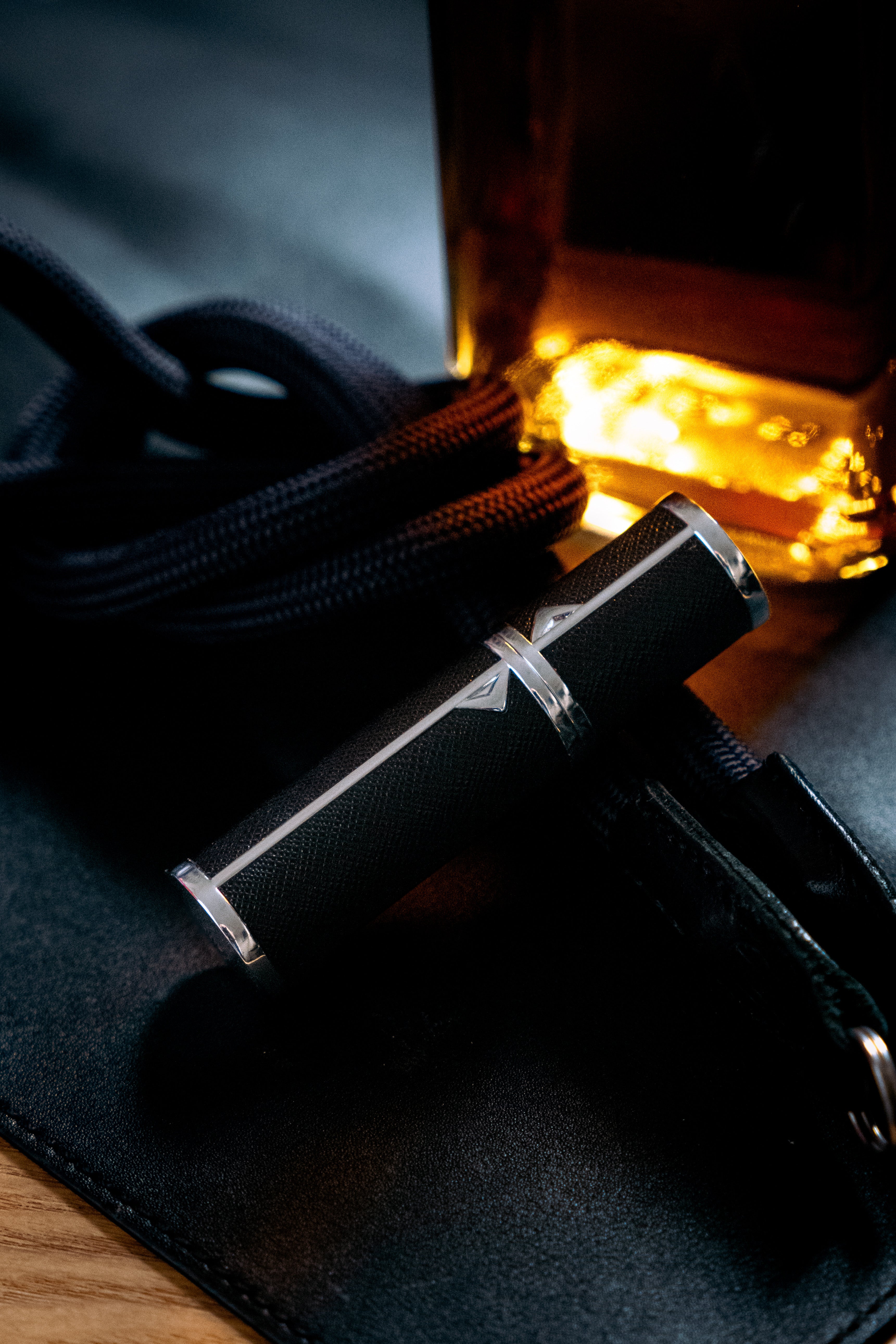
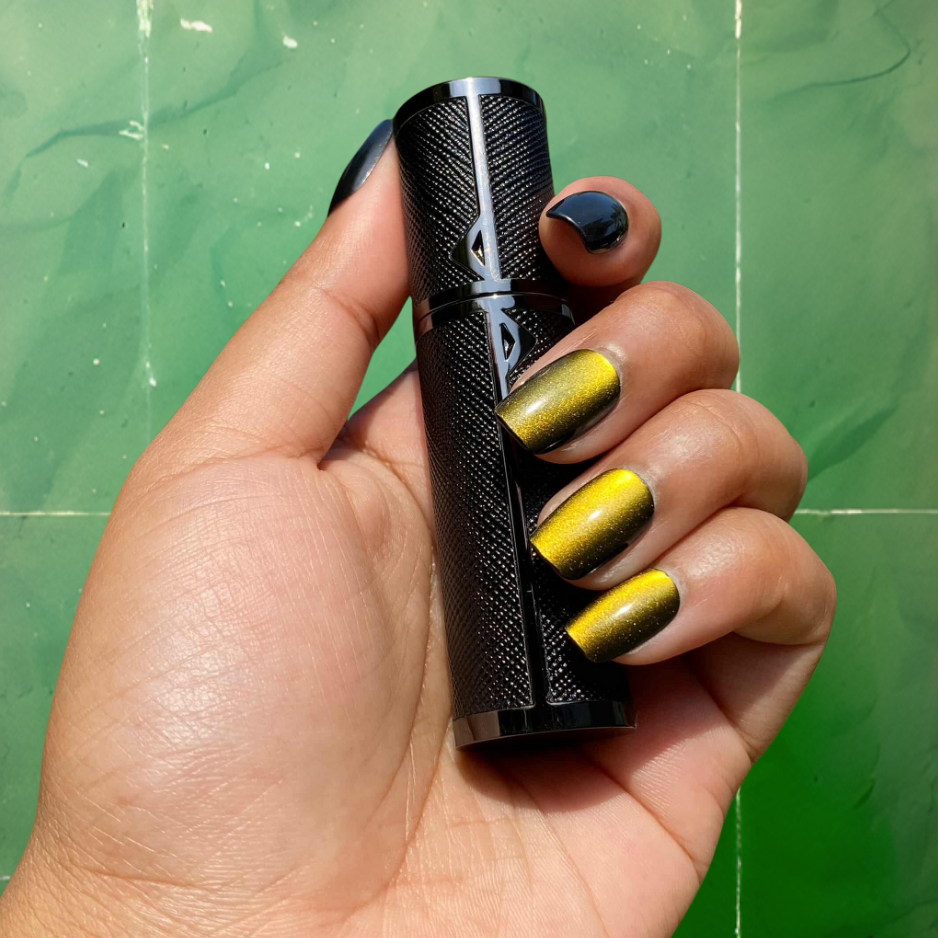
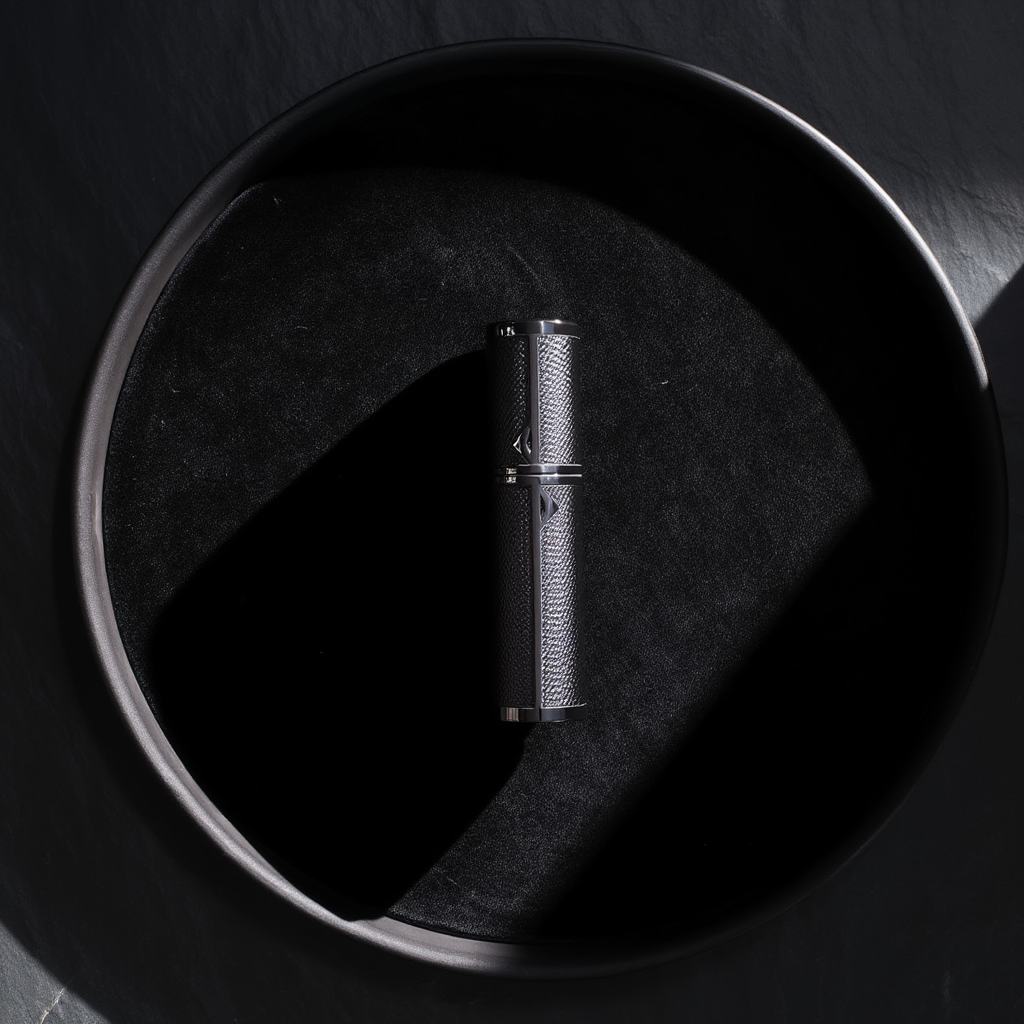
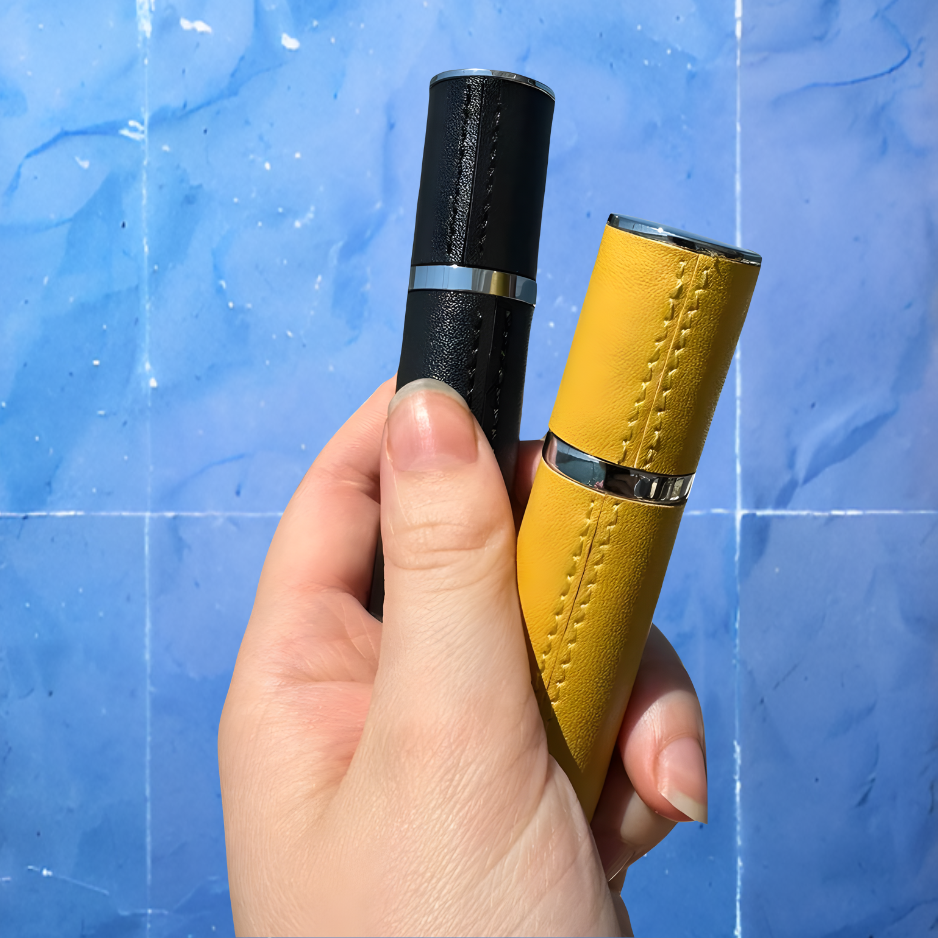
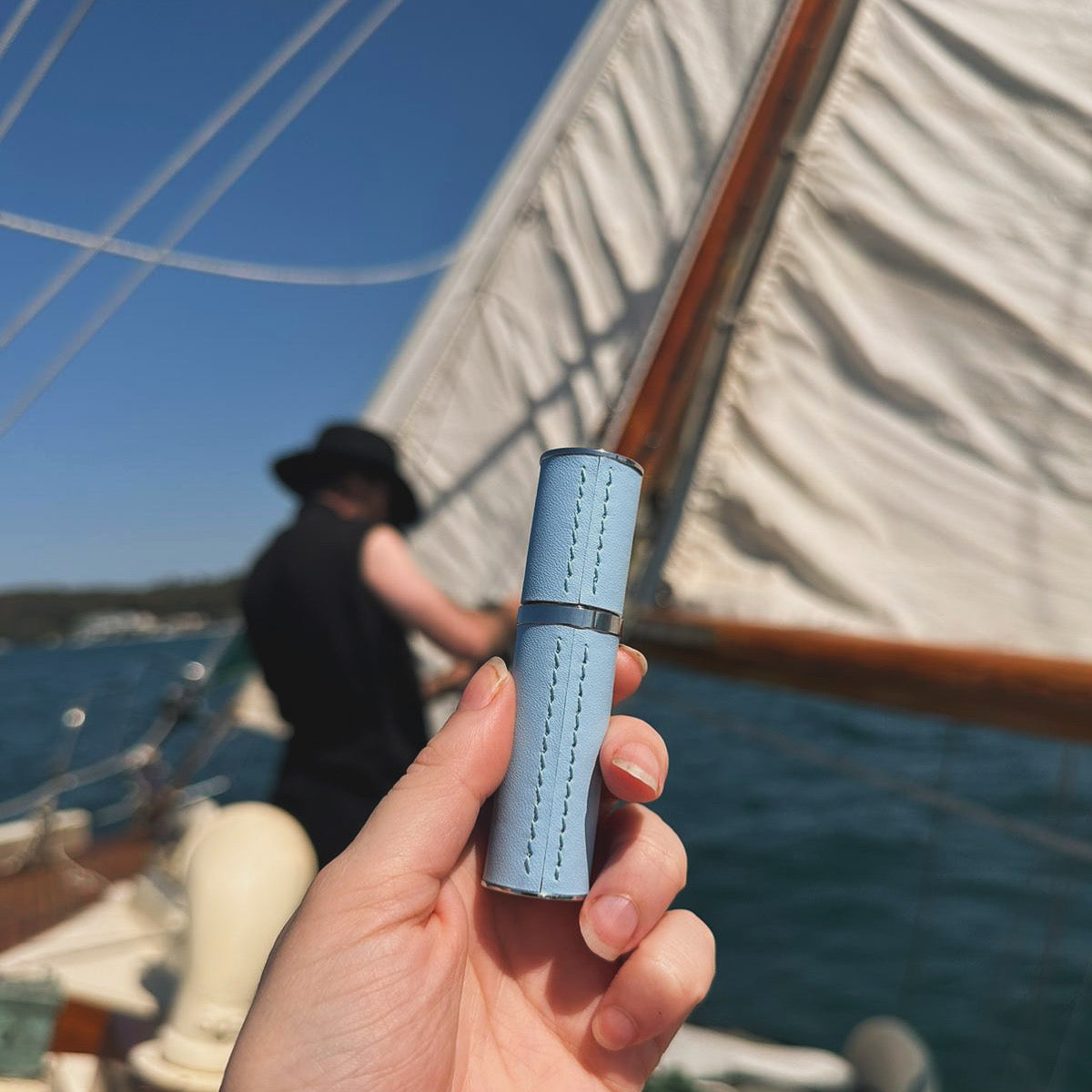
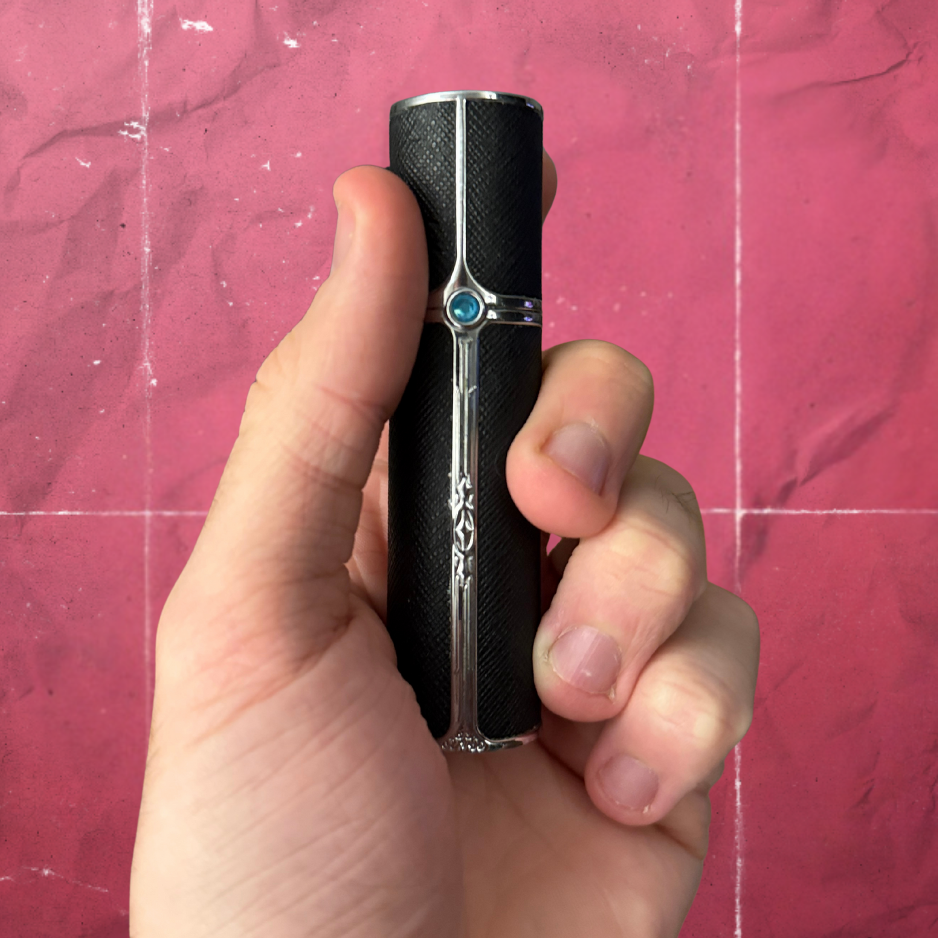
Such an atomizer can refill from any standard perfume bottle in seconds, hold an amount that fits within carry-on limits, and have a durable casing to withstand bumps during travel. Using a well-designed travel atomizer can provide a better solution than generic plastic sprayers for carrying perfume during travel. Check out the Brando perfume atomizer and pack your next trip without worrying about what you’ll find when you land.
Sources
- What Is the 3-1-1 Rule for Perfume? TSA Liquid Rules, Bottle Sizes & Travel Tips - Boyu Packaging
- How to Pack and Transfer Perfume for Travel (TSA Rules & Best Travel Perfume Bottles) - Imixx Perfumes
FAQ
Will TSA Confiscate My Cologne at the Checkpoint?
Only if the bottle’s printed capacity exceeds 3.4 ounces or less (100 ml) or it doesn’t fit inside your one quart-sized bag; TSA screens container size, not how much is left inside it.
What Air Freshener Do Airlines Use in the Cabin?
Airlines don’t publish a standard fragrance product, and most flights simply run cabin air through filtration systems rather than actively scenting the space; any “airplane smell” you notice is usually a mix of recycled air, cleaning products, and food service.
Why Shouldn’t I Wear Jeans on a Plane?
This is more comfort advice than a safety rule: rigid denim restricts movement during long sits and offers less protection than natural fibers if there’s ever an emergency evacuation, but it has nothing to do with perfume or liquid restrictions.
Can I Spray Perfume While I’m on the Plane?
You can, though it’s considerate to avoid heavy spritzing in a shared cabin since fragrance carries further in recirculated air; a compact atomizer makes it easy to apply a light touch without overdoing it.
Does a Bigger Bottle Leak More Than a Small One?
Not inherently. Leak risk comes down to seal quality and headspace, not bottle size, which is why a well-designed small refillable travel spray bottle often outperforms a larger bottle with a worn pump.



साझा करें और 15% छूट पाएं!
बस इस उत्पाद को निम्नलिखित सामाजिक नेटवर्क में से किसी एक पर साझा करें और आपको 15% की छूट मिलेगी!