
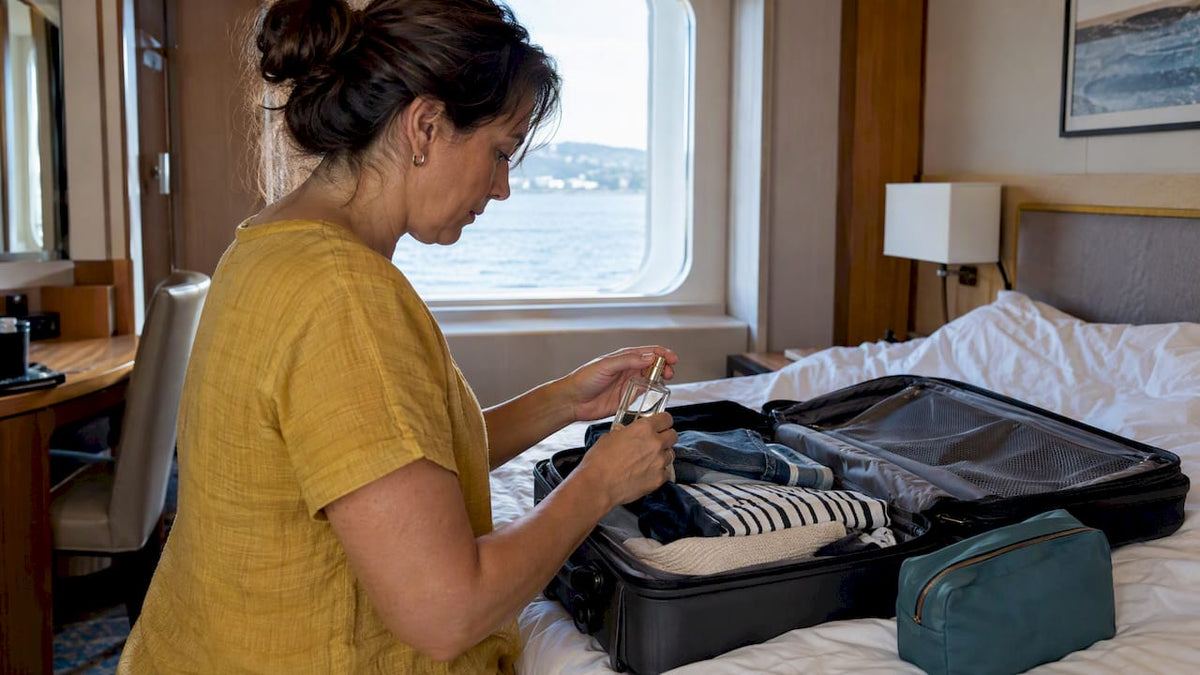
Yes, you can bring perfume on a cruise, but two rule sets apply. For the flight, carry-on bottles must be 3.4 fl oz (100 ml) or smaller. Cruise lines then set their own safety rules and can confiscate items at embarkation or onboard. Duty-free bottles travel in a sealed tamper-evident bag, and checked luggage takes larger bottles with some breakage risk.
TL;DR:
- The TSA measures each bottle, not its remaining contents, and limits cabin liquids to one clear bag holding no more than a quart.
- Cruise line policies differ, and security officers may remove questionable items, so check your operator’s prohibited items policy before packing.
- FAA rules cap toiletry aerosols in checked luggage at 2 kilograms or 2 liters total per person, with each container limited to 500 milliliters.
- Protect checked bottles by capping them, using two bags, wrapping them in clothing, and placing them in the suitcase center away from its shell.
- For a flight home, keep the receipt with the sealed duty free bag; opening it before your final destination voids the screening exception.
Table of Contents
- What the TSA allows in your carry-on for the flight
- Why cruise lines can confiscate perfume at embarkation
- How aerosol perfume sprays differ, and what the FAA allows in checked bags
- How to pack perfume so it survives the trip
- Buying perfume on board or in port without breaking the rules
- Quick checklist for packing perfume for a cruise
- What we see travelers get wrong most often
- Travel-ready atomizers for your next cruise
- FAQ
- Sources
What the TSA allows in your carry-on for the flight
Your cruise usually starts with a flight, and that is where the strictest numeric limit lives. The TSA liquids, aerosols, and gels rule caps each carry-on container at 3.4 ounces (100 ml), and everything must fit in a single quart-sized, clear plastic bag. Larger bottles belong in checked baggage.
Here is what that means at the checkpoint:
- A full-size 100 ml bottle is the largest perfume you can carry through security, and the container itself matters, not how much liquid is left inside it. A partly used larger bottle still counts as its full container size.
- Your quart bag comes out of your carry-on at screening, so keep it on top where you can reach it quickly.
- Duty-free liquids bought at the airport may exceed the limit when sealed in a secure tamper-evident bag, and they still go through screening. Do not open that bag before your final destination, or the exception no longer applies.
- Anything that alarms during screening gets extra inspection and may not be allowed through. Keep your perfume accessible so an officer can check it without unpacking your whole bag.
If you want the full walkthrough, our own guide explains TSA perfume rules for carry-on and checked bags in more detail. The short version: if your perfume is not in your quart bag or a sealed duty-free bag, it either goes in checked luggage or stays home.
Why cruise lines can confiscate perfume at embarkation
Clearing airport security does not settle anything for the ship. Cruise lines publish their own lists of banned items, and those lists typically focus on flammable liquids, hazardous chemicals and anything that poses a safety risk. Holland America’s prohibited items page is a good example of that language, and it explains that ship security inspects baggage and can remove items that pose a risk.
Personal perfume is generally tolerated, but the final call is not yours. Royal Caribbean states that its security team has sole discretion over whether an item is allowed, and that questionable items can be denied boarding or removed. Policies differ by operator and port. Cunard notes that carrying prohibited items may lead to confiscation and, in some cases, notification of authorities.
A few practical points follow from that:
- Read your own cruise line’s prohibited items page before you pack. A rule that applies to one line may not apply to another.
- Expect your bags to be screened at the terminal, and possibly again during the voyage.
- Keep sprays in their original or clearly labeled containers, so a security officer can see at a glance what they are holding.
- If an officer flags a bottle, ask whether it can be stored until the end of the cruise rather than discarded. Practice varies, so do not count on it.
The pattern across lines is consistent: ordinary perfume in modest quantities rarely causes trouble, while large aerosol cans, unlabeled liquids and anything that looks flammable draw attention. Think of the ship as a small town where the captain’s security team writes the rules, and where the rules lean toward caution.
How aerosol perfume sprays differ, and what the FAA allows in checked bags
Aerosol sprays get extra attention because the propellant counts as a flammable material in some settings. For flights, the numbers are clear. The TSA perfume page allows perfume in carry-on at 3.4 oz (100 ml) or less and in checked baggage, with FAA limits on restricted toiletry aerosols. The total across your checked bag cannot exceed 2 kg (70 ounces) or 2 L (68 fluid ounces) per person, and a single container cannot exceed 0.5 kg (18 ounces) or 500 ml (17 fluid ounces).

The same pattern shows up on related TSA pages for aerosol deodorant and hair spray: fine in carry-on at 3.4 oz or less, fine in checked bags within the FAA aggregate limits. Add up every aerosol you pack, including body spray, dry shampoo and hair spray, because they all count toward the same total.
Passing the FAA test does not guarantee the ship will agree. Cruise lines can restrict aerosols even when airlines allow them. Norwegian Cruise Line, for example, lists flammable substances as prohibited and allows aerosols only as personal care toiletries in limited quantities.
Some simple habits keep aerosols out of trouble:
- Keep the cap on every nozzle, and tape it in place if the cap is loose.
- Wrap each can or bottle in a sock or soft clothing, or use a rigid case.
- Pack only the quantity you will use during the trip.
- Choose a non-aerosol pump spray when you have the option, since it sidesteps the most common cruise line concern.
How to pack perfume so it survives the trip
Checked baggage gets tossed, stacked and squeezed. Consider keeping perfume you care about in your carry-on, where you control the handling. This can reduce the risk of breakage or loss.
Follow these steps to pack well:
- Decide what goes where: bottles at or under 3.4 oz in your carry-on quart bag, anything larger in checked luggage.
- Cap every nozzle and check that the cap clicks shut.
- Double-bag each bottle in a zip-top bag, which also protects clothing from stains if something leaks.
- Wrap the bottle in soft clothing and place it in the center of your suitcase, away from the shell.
- Keep your luggage out of hot spots such as a parked car or a sunny balcony before boarding, since heat degrades fragrance and raises pressure inside bottles.
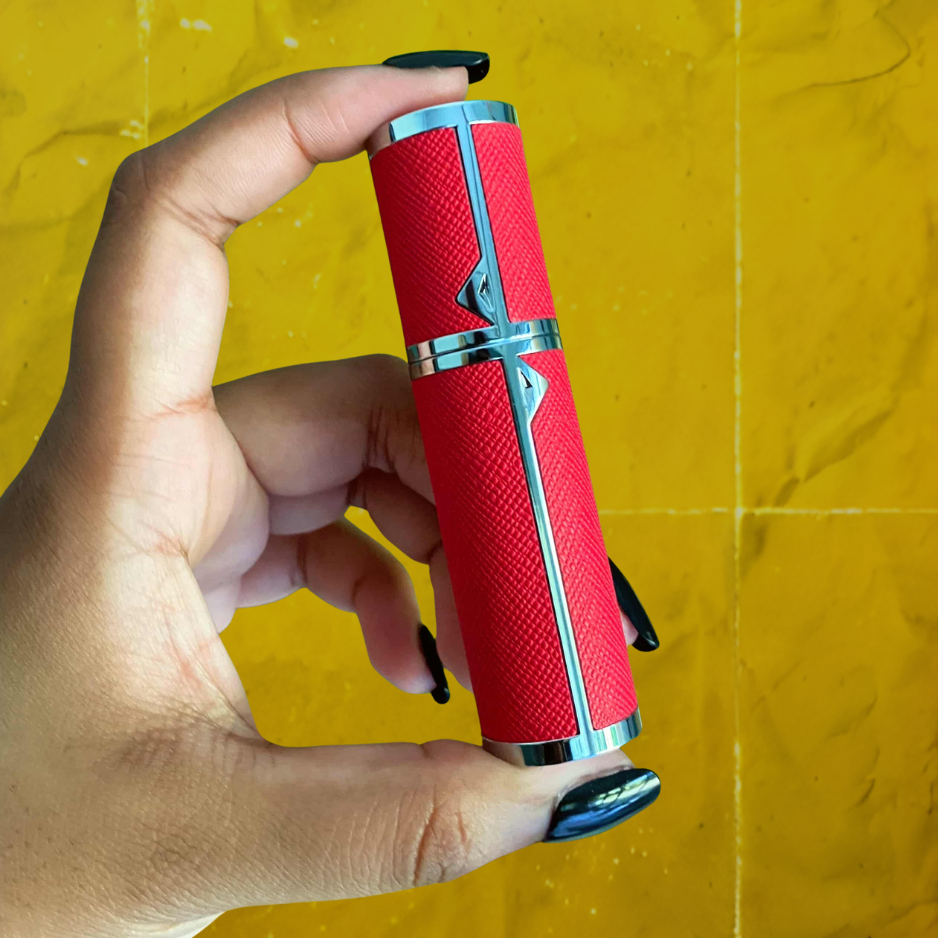
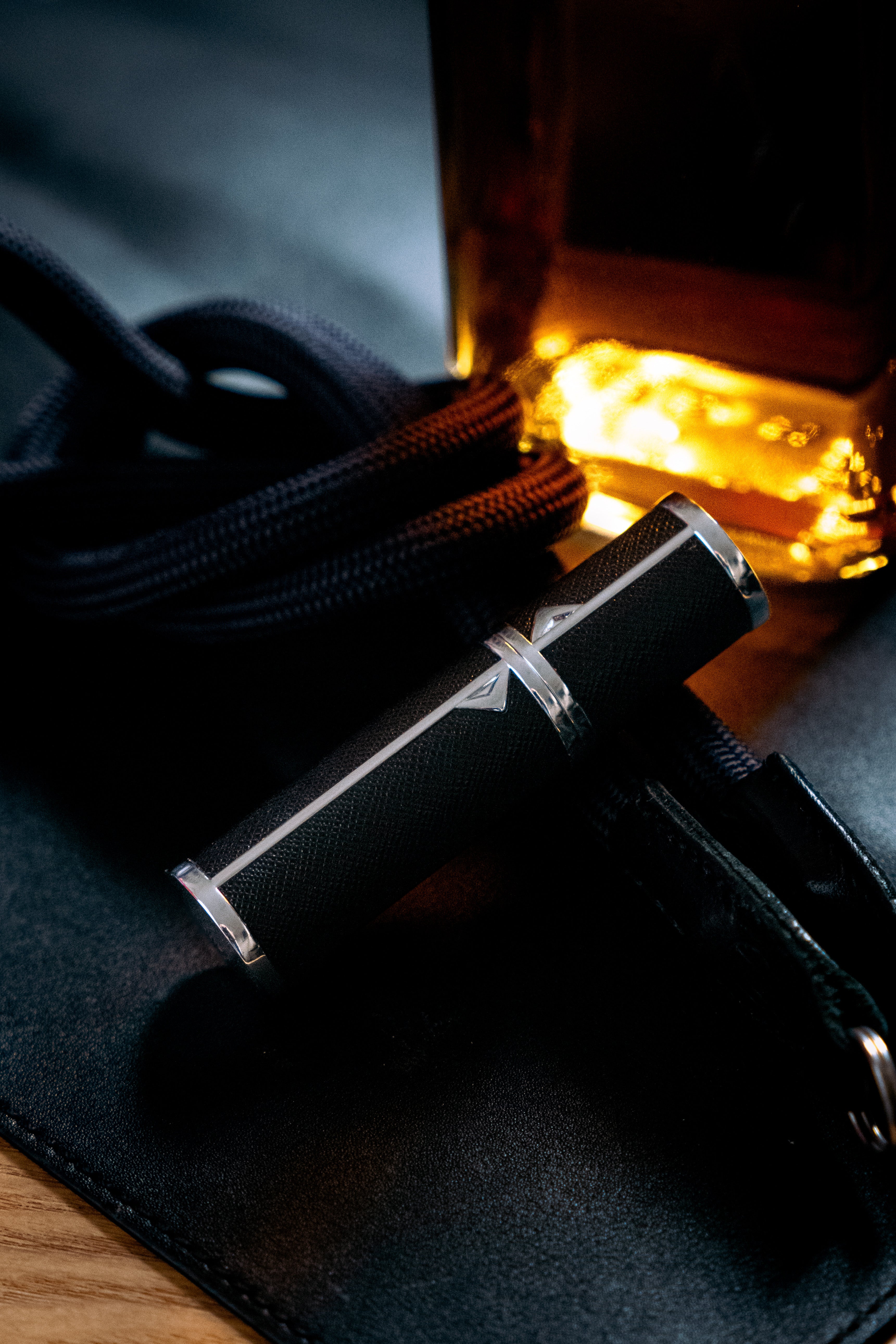
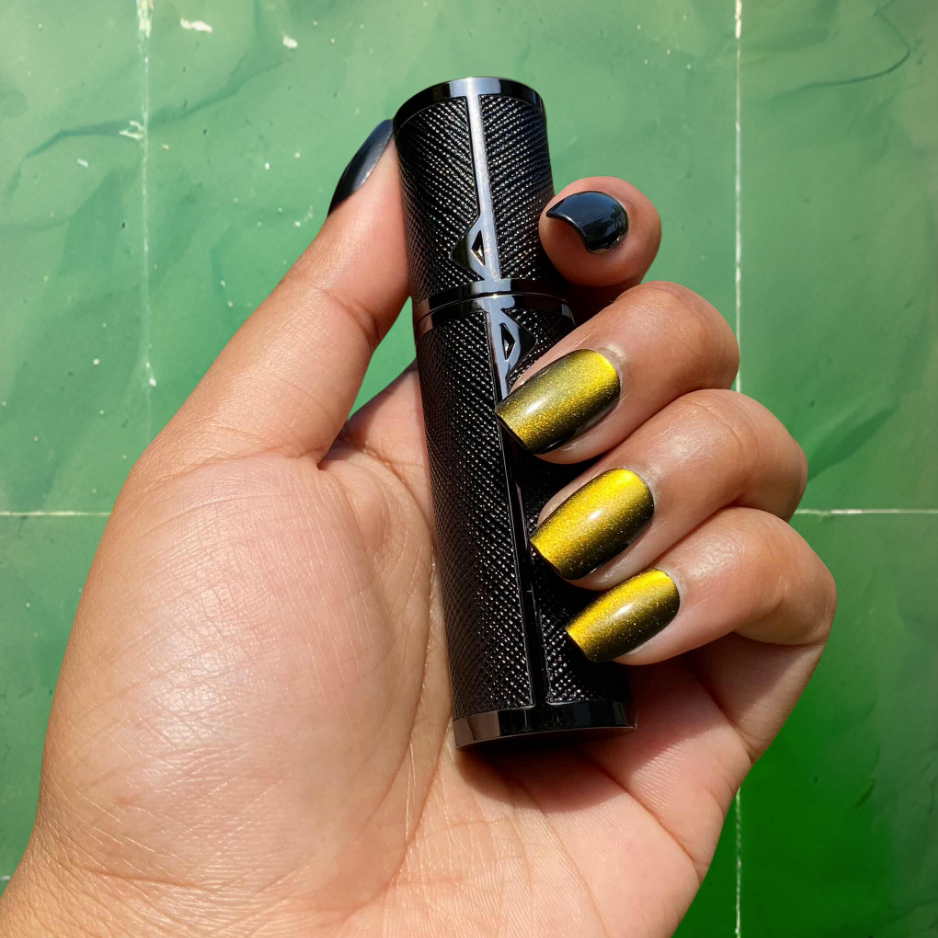
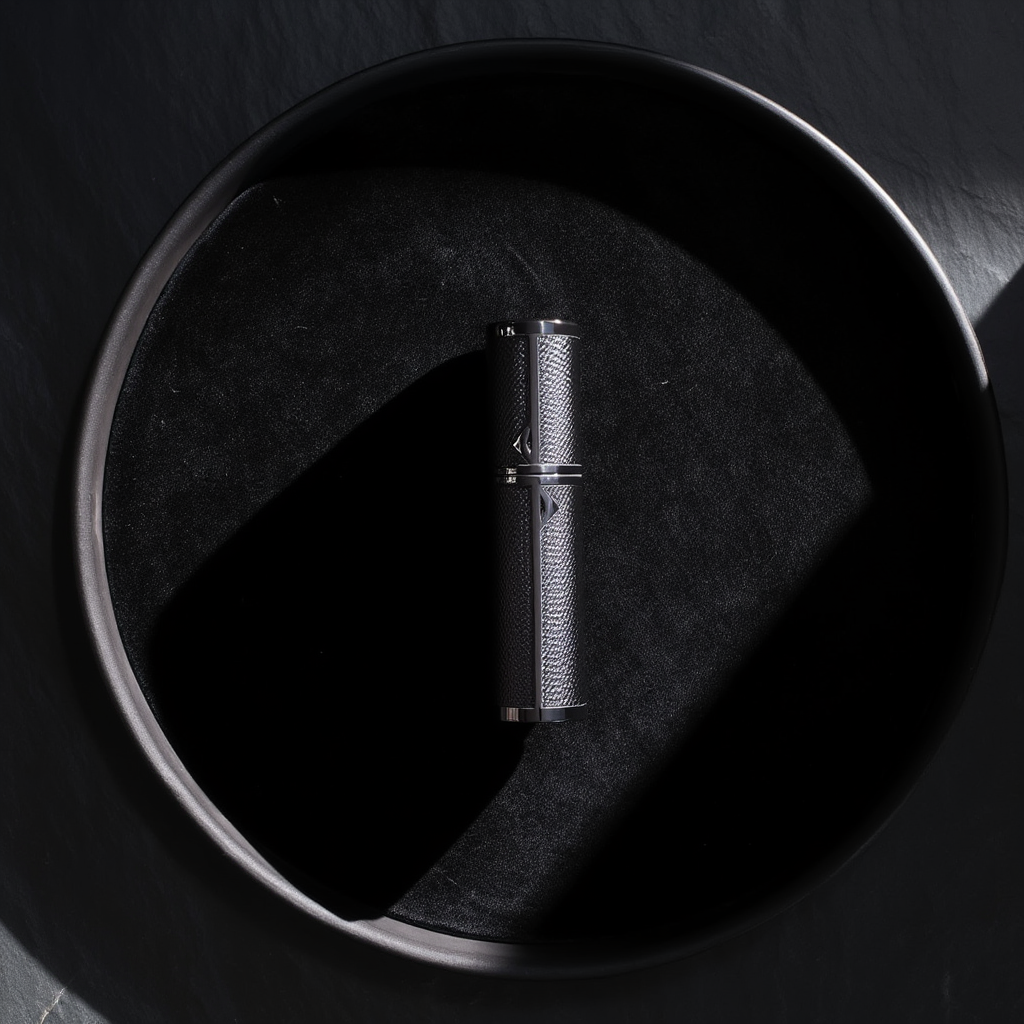
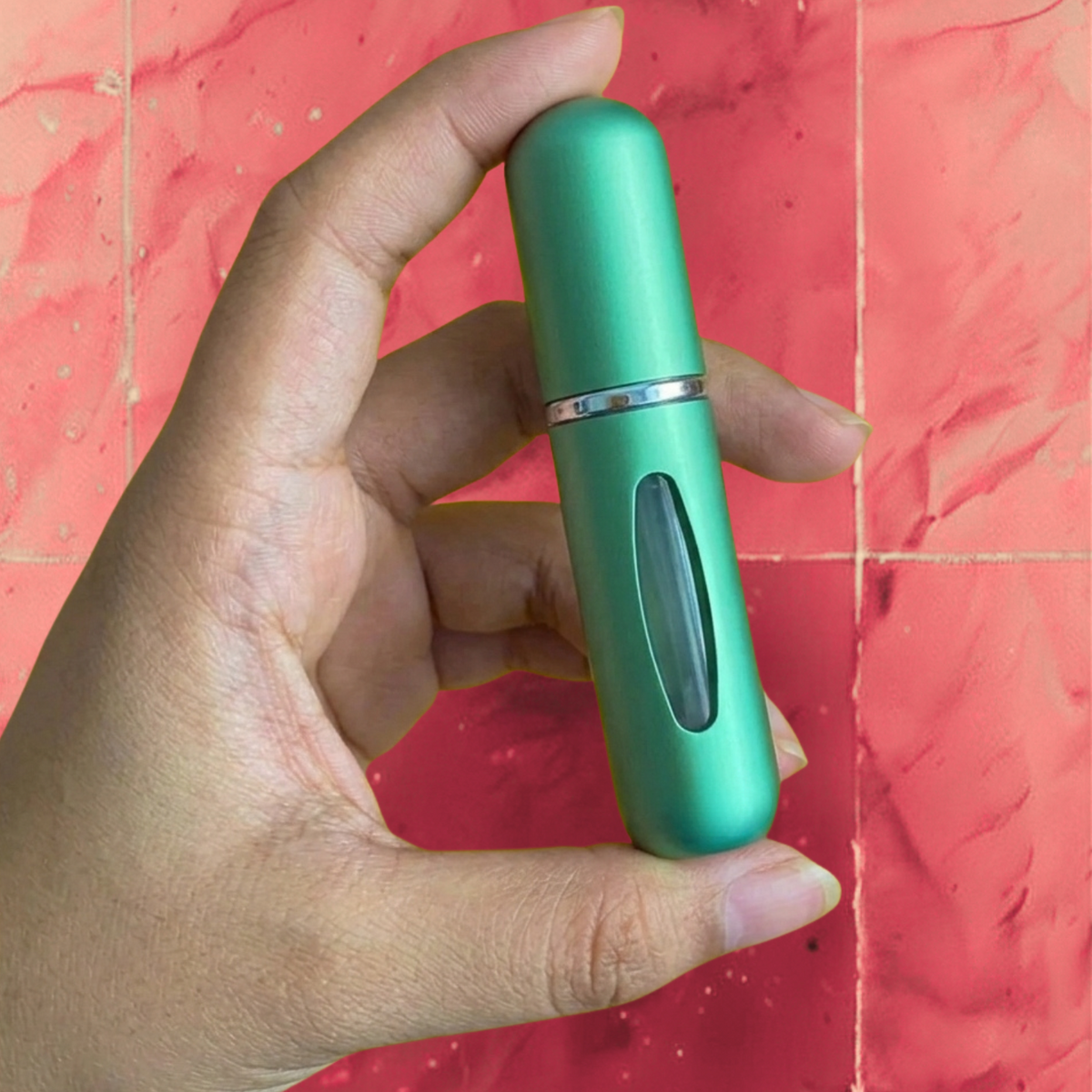
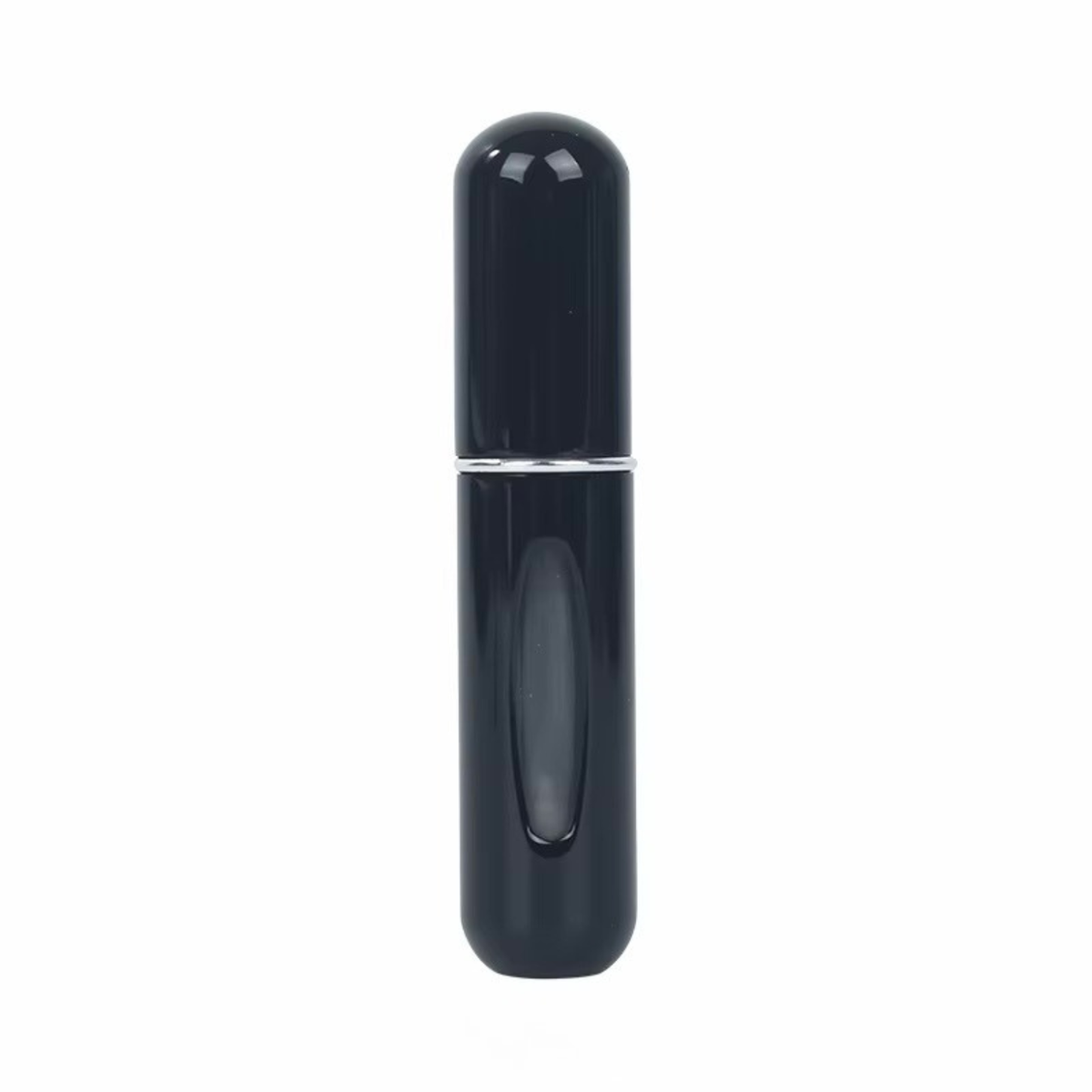
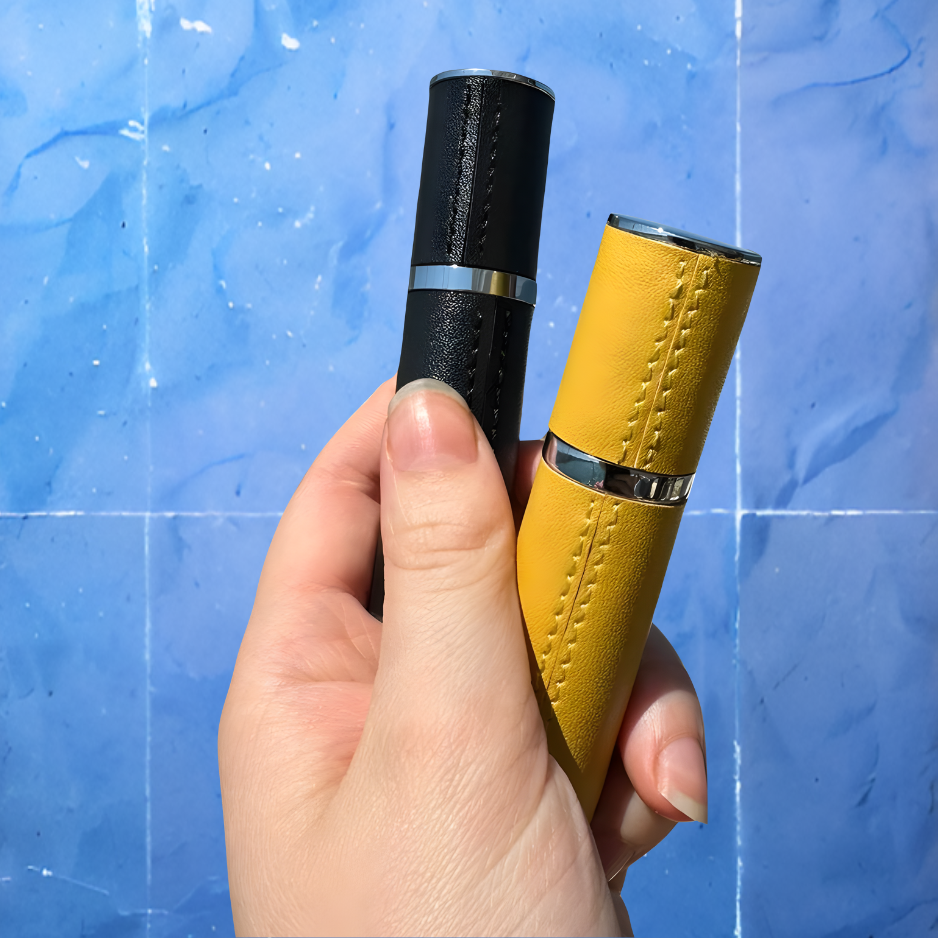
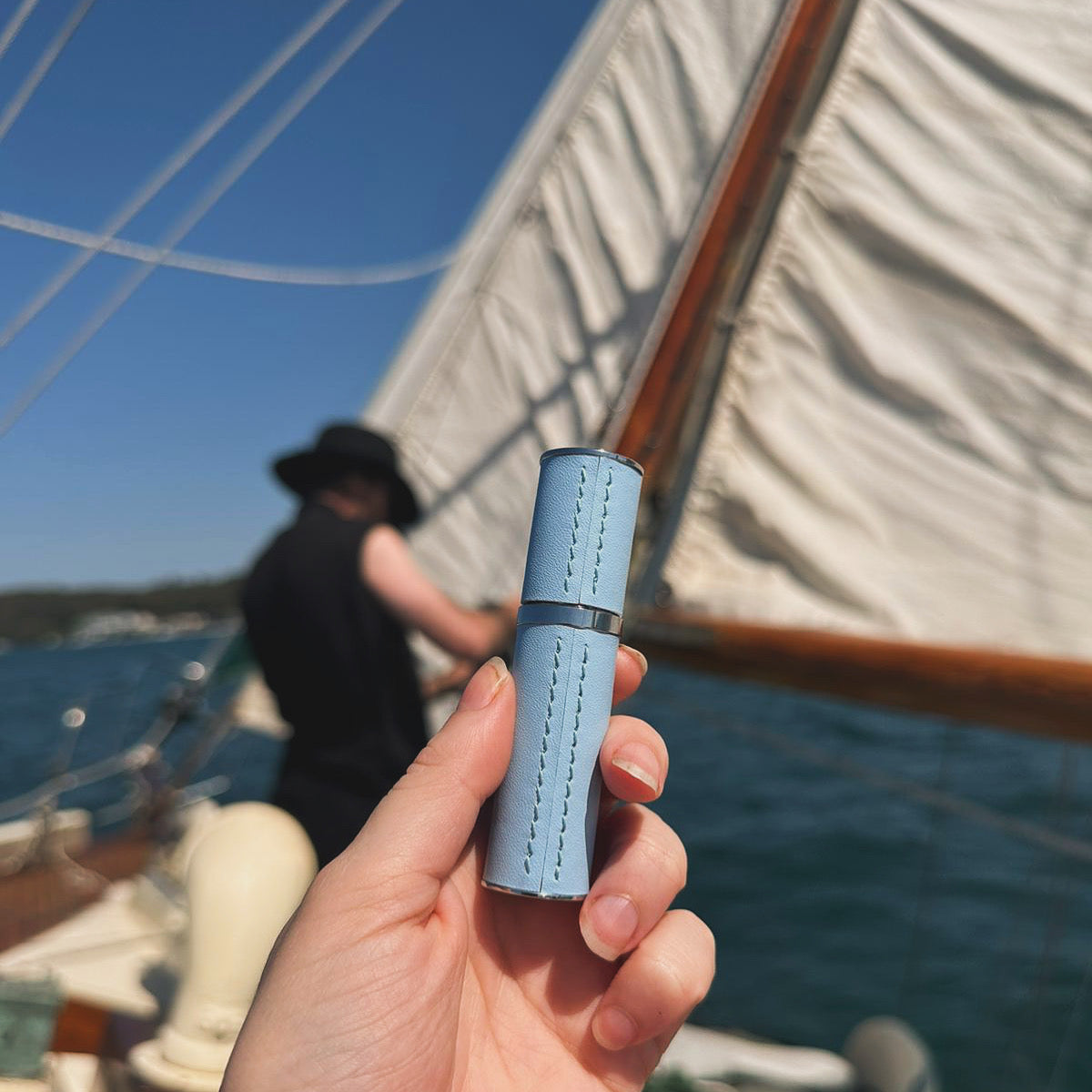
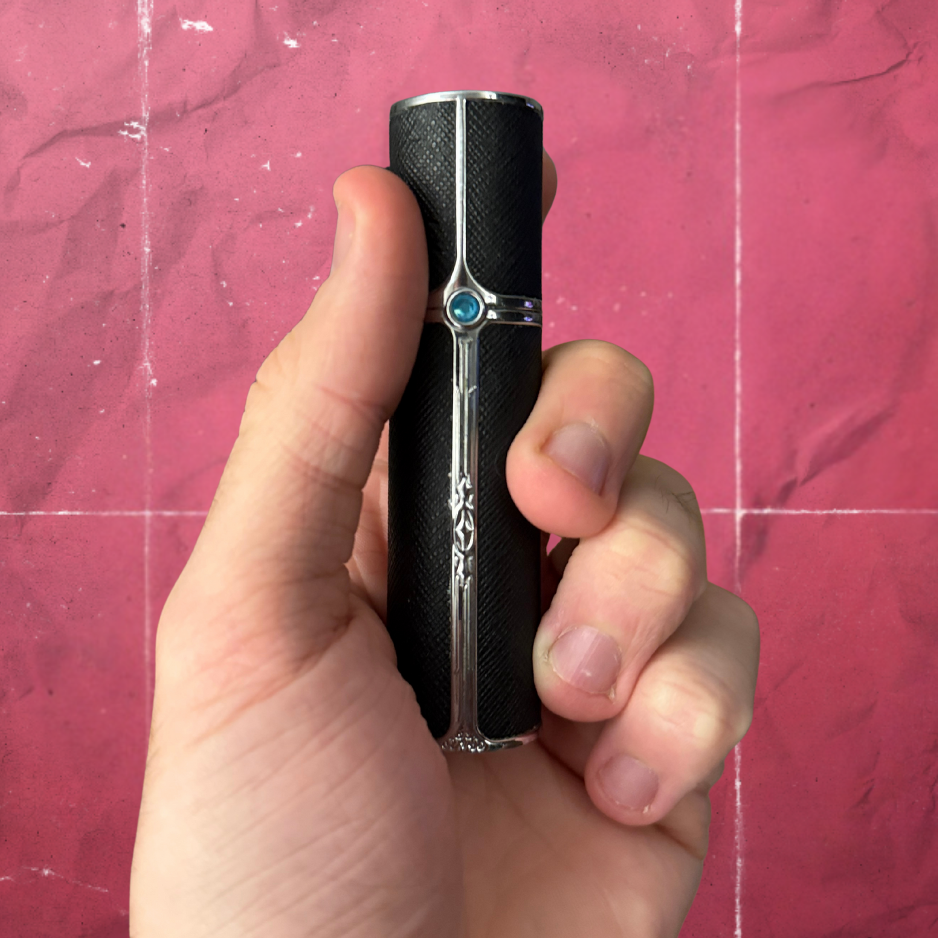
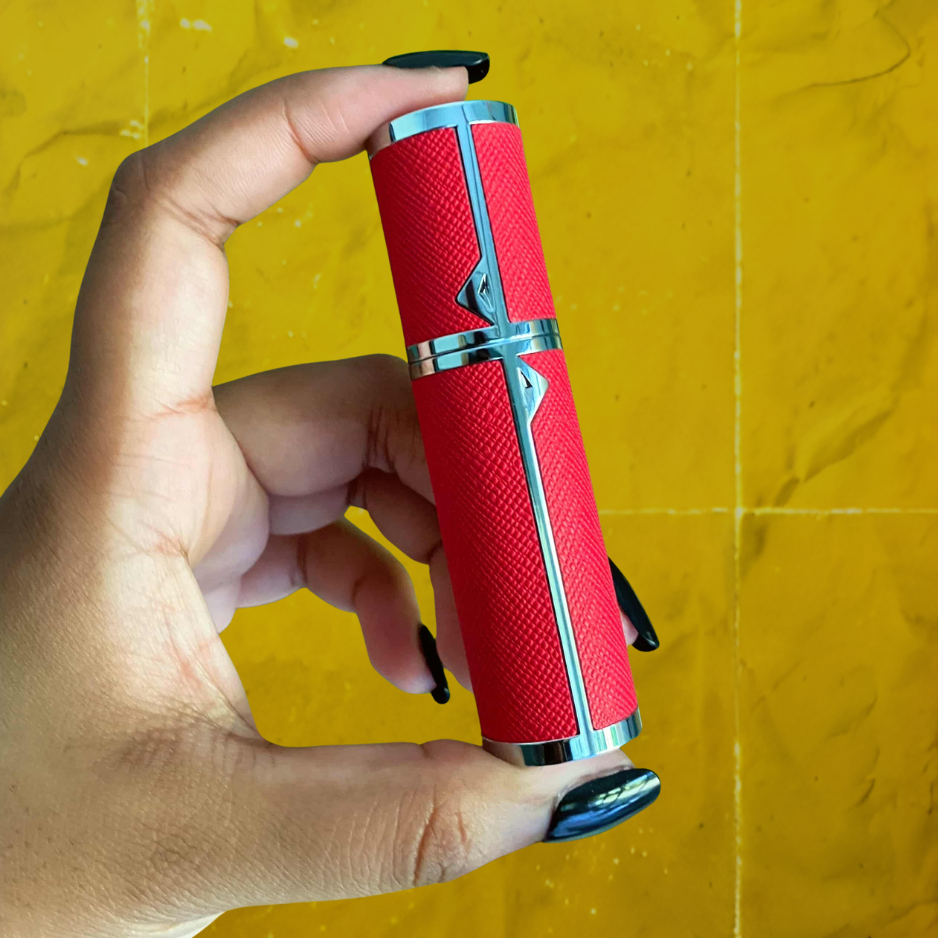
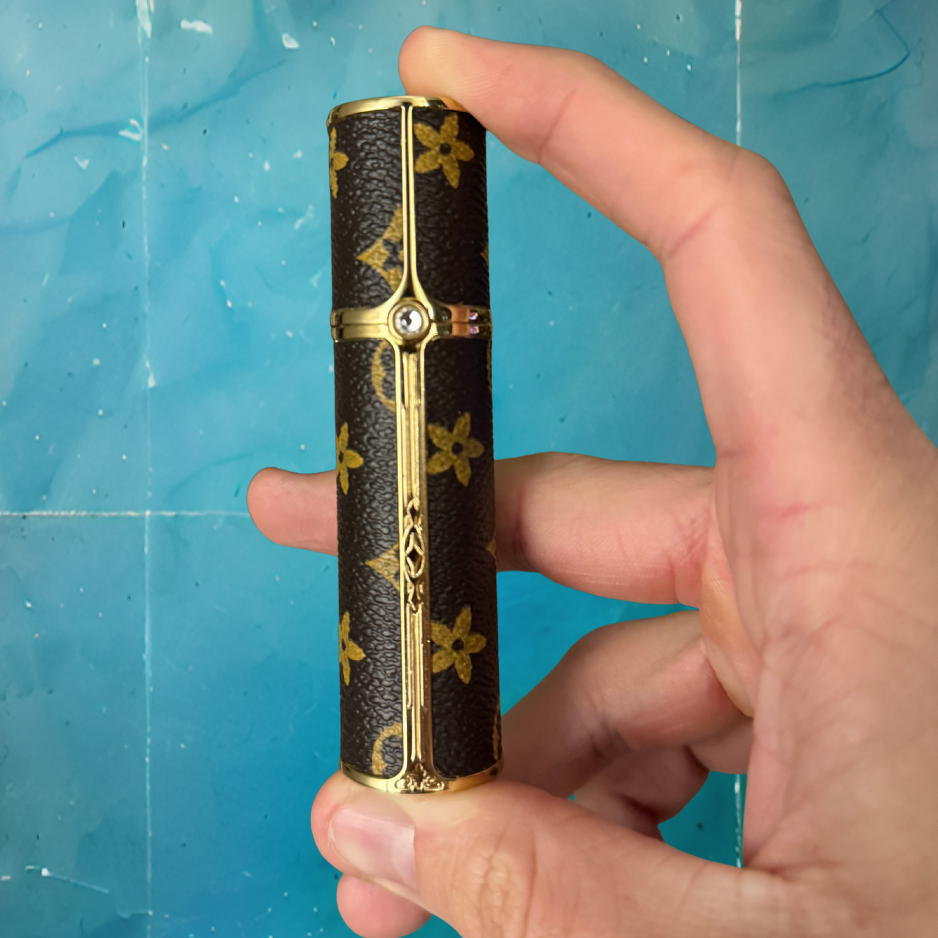
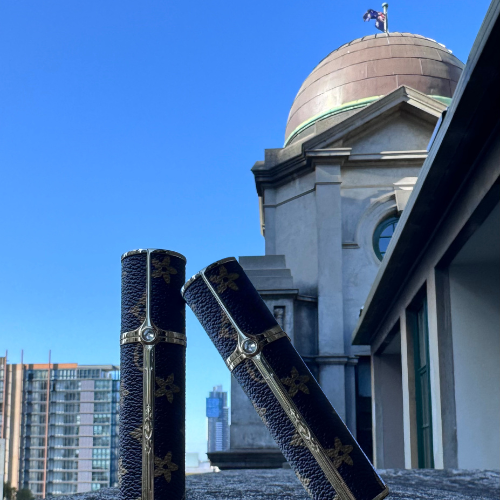
A refillable atomizer is the cleanest answer to the size limit. These are small spray bottles that let you carry samples of your favorite scents, far below the TSA cap, and they sit easily in a quart bag. Because they are sealed for travel and purpose-built, they also lower the odds of a leak in transit. Our guide to how to travel with perfume walks through the atomizer approach step by step, and our roundup of refillable travel spray bottles compares styles and capacities.
If you are packing beauty products for sun, sea and humidity, this piece on choosing cosmetics for a seaside holiday offers complementary ideas.
Pro Tip: Refill your atomizer at home using a clean funnel or a dedicated refill tool, not in a cramped cabin bathroom. A calm refill avoids spills and keeps dust out of your fragrance.
Buying perfume on board or in port without breaking the rules
Duty-free shopping can tempt you into a bottle you did not plan for, so timing and paperwork matter.
- Onboard shops often follow a schedule. Cruise ship stores are generally required to stay closed while the ship is docked, and shopping usually resumes once the vessel is underway in international waters, as the Royal Caribbean onboard shopping FAQ explains. Do not assume you can buy a bottle the moment you step aboard.
- For a flight home, a duty-free bottle must stay in its sealed tamper-evident bag with the receipt kept inside or attached. The TSA liquids rule allows these liquids through screening, but opening the bag voids the exception, so either leave it sealed or pack the bottle in checked luggage instead.
- Ship policies also control items brought back from port. Disney Cruise Line explains that ship stores and duty-free handling are tightly controlled, and that some items in checked luggage may be removed or delayed. Check your own line’s rules on port purchases, since some require items to be stored until the end of the cruise.
- Keep your receipts together in one folder. Proof of purchase answers most questions at security.
If you plan to buy a large bottle on the trip, assume it will travel home in checked luggage, wrapped well, unless you want to manage the sealed-bag rules through a connecting flight.
Quick checklist for packing perfume for a cruise
| Step | What to do |
|---|---|
| Carry-on size | Atomizer or bottle at 3.4 fl oz (100 ml) or less |
| Screening bag | One quart-sized clear bag, on top of your carry-on |
| Duty-free | Sealed tamper-evident bag, receipt attached, unopened |
| Checked bottles | Capped, double-bagged, wrapped, in the center of the suitcase |
| Cruise rules | Confirm your cruise line’s aerosol and prohibited item policy |
A few quick dos and don’ts:
- Do carry your favorite scent in a travel atomizer and keep it in your carry-on.
- Do confirm your cruise line’s policy before you leave home.
- Don’t open sealed duty-free bags before you reach your final destination.
- Don’t pack aerosol cans without capping and wrapping them.
What we see travelers get wrong most often
Most questions we hear come down to two mix-ups. First, people assume that clearing airport security means the ship will accept anything. It does not, because the cruise line decides what boards. Second, people treat aerosol rules and perfume rules as one thing, then pack a pile of spray cans and wonder why one gets flagged. The quick fixes are simple: move precious bottles into your carry-on, decant what you actually need into a travel atomizer, and read your cruise line’s page before you leave.
Our own journal covers the flight side in depth, including whether you can bring perfume or cologne on a plane, and we keep those guides current as rules change. My view is that the best cruise fragrance plan is a small one. A couple of light scents in compact atomizers beat a heavy bottle that might get confiscated, broken or left in a hot cabin.
— Ash
Travel-ready atomizers for your next cruise
Our refillable atomizers can offer a convenient way to carry your own scent without lugging the original bottle. Check the product details to confirm compatibility and size, and pack the atomizer securely to help protect your belongings during travel.
If you also want somewhere tidy to keep your atomizers and toiletries, our Travel Organisers pair well with them.

See our full range of refillable perfume atomizers and pick the one that fits your next sailing.
FAQ
Can I bring perfume on a plane?
Yes. Perfume in carry-on must be 3.4 oz (100 ml) or less and fit in your quart-sized clear bag, per the TSA perfume guidance. Larger bottles go in checked baggage.
Are perfumes cheaper on a cruise?
Sometimes, because onboard shops can sell duty-free, but prices vary by line and ship. Compare against your usual retailer before buying, and remember that shops usually open only once the ship is in international waters.
Can you bring air freshener spray on a cruise?
Usually not. Air freshener sprays are aerosols that many cruise lines restrict, and flammable products often appear on prohibited lists. Check your cruise line’s prohibited items page, and use a non-aerosol option if you want a fresh cabin.
Do I have to put my cologne in a Ziploc bag?
For a flight, yes: carry-on cologne goes in your quart-sized clear bag, under the TSA liquids rule. For the ship, a bag is not usually required, but bagging it protects your clothes from leaks.
Sources
- Liquids, Aerosols, and Gels Rule | Transportation Security Administration
- What items are prohibited on board? | Holland America
- What Items Are Prohibited Onboard A Cruise Ship? | Royal Caribbean Cruises



साझा करें और 15% छूट पाएं!
बस इस उत्पाद को निम्नलिखित सामाजिक नेटवर्क में से किसी एक पर साझा करें और आपको 15% की छूट मिलेगी!