

A well-made atomizer does not inherently change the scent of your perfume, but the process around it can. Air exposure, light, heat, contamination, and low-quality materials are the real culprits behind that “off” smell people sometimes notice after decanting. Understand those failure points, and a travel atomizer becomes a reliable everyday carry rather than a gamble.
TL;DR:
- Proper storage conditions, such as keeping fragrances away from light, heat, and humidity, are more crucial than container material for maintaining scent quality.
- Reputable atomizers with inert glass seals, quality seals, and metal components minimize oxidation and contamination risks during decanting and daily use.
- Using a clean, alcohol-rinsed atomizer in a cool, dim environment and filling it fully reduces exposure to oxygen and light that cause scent degradation.
- Comparing sprays on scent strips from the original bottle and atomizer helps diagnose whether scent changes originate from the container or the fragrance itself.
- A travel atomizer built with tight seals, minimal headspace, and odor-neutral materials are best suited for short-term use, while original bottles suit long-term storage.
Table of Contents
- How fragrances change: oxidation, evaporation, and contamination
- Do atomizer materials and design actually matter?
- How to decant and refill an atomizer without changing the scent
- Best storage and handling for atomizers and original bottles
- How to diagnose whether the perfume or the atomizer caused the change
- How Spritz atomizers are built to protect your scent
- Should you use an atomizer or keep the original bottle?
- Where to find a refillable atomizer built for travel
- Sources
- FAQ
How fragrances change: oxidation, evaporation, and contamination
Perfume is a mix of volatile molecules suspended in alcohol or oil, and each one reacts differently once it meets air. Citrus and top notes made of terpenes oxidize fastest, which is why a fragrance that opened bright and sharp can turn dull or sour after months of exposure. Base notes like musks and woods are sturdier, but even they shift when heat speeds up the chemical reactions inside the bottle.

Headspace, the pocket of air sitting above the liquid in any container, plays a bigger role than most people realize. Research on perfume release shows that headspace concentration depends on the formulation itself, including dilution, surfactant structure, and how molecules distribute between phases in the mixture. That means two fragrances poured into identical atomizers will not necessarily behave the same way, because the underlying chemistry, not just the container, determines what reaches your nose first.
A few practical failure points show up again and again:
- Oxygen exposure: every time you open a cap or squeeze a pump, fresh air enters and reacts with volatile compounds.
- Light exposure: UV rays break down aromatic molecules, which is why fragrances stored near windows fade faster.
- Heat and humidity: warm bathrooms and hot cars accelerate the same oxidation process that slowly happens at room temperature.
- Contamination: residue from a previous fragrance, dust, or skin oils on the nozzle can introduce foreign notes.
A recent analysis of perfume release systems found that headspace concentration is directly tied to formulation structure and dilution, not just to container type. Research on dilution and aging effects helps explain why identical atomizers can produce different results depending on what’s inside them.
Time compounds all of these stressors. A fragrance splashed into a clean, sealed atomizer and used within a few weeks faces a fraction of the risk that the same fragrance faces sitting half-empty in a warm bag for a year.
Do atomizer materials and design actually matter?
Yes, and this is where most scent complaints actually originate. The atomizer itself is rarely the source of an oxidation problem, but cheap materials can introduce smells that have nothing to do with the fragrance’s chemistry.
Plastic components, especially low-grade ones, can leach a faint plasticky odor into the liquid, particularly with alcohol-based perfumes that are excellent solvents. Low-grade rubber gaskets behave the same way, slowly releasing a rubbery note that mixes with the fragrance and throws off the scent you remember. This is more likely with prolonged contact and warm storage, less likely with a quick decant used within days.
Design details that matter more than most buyers expect:
- Glass with inert seals resists chemical interaction almost entirely, which is why archival-grade decants use glass vials.
- Seal and valve quality determines how much air sneaks in with each use, and a loose seal invites the same oxidation problem as leaving a bottle open.
- Metal or medical-grade components near the fill point reduce the odor transfer risk that plastic introduces.
- Spray pattern and nozzle design shape how the fragrance feels on application, not how it ages in storage.
That last point trips people up. A fine, even mist reads differently on skin than a heavy, wet spray, and nozzle mechanics affect droplet size and plume behavior. Research on spray particle distribution shows this variation is a physical, immediate effect, distinct from any actual change in the fragrance’s chemistry sitting in the container.
Pro Tip: If your atomizer ever smells faintly of plastic or rubber before you fill it, do not use it for fragrance. That smell will transfer.
How to decant and refill an atomizer without changing the scent
Decanting is simple, but a few sloppy habits account for most complaints about “ruined” perfume. Following a consistent process removes almost all of the risk.
- Clean your tools first. Rinse the atomizer with a small amount of high-proof alcohol, let it air dry completely, and do a smell-strip test to confirm it’s neutral.
- Work in a cool, dim space. Avoid decanting near a sunny window or a warm stove, since both heat and light start degrading molecules the moment the bottle is open.
- Fill slowly and fully. Use a funnel or dropper to avoid splashing, and fill close to the top to minimize the air pocket left behind, since less headspace means less oxidation over time.
- Only fill what you’ll use soon. Treat the atomizer as a short-term supply, not a long-term reserve, and refill from the original bottle rather than topping off old liquid with new.
- Test before you travel with it. Spray once on a scent strip and once on clean skin, comparing the result to the original bottle, so you catch any problem before you’re relying on it.
- Label and date it. A small piece of tape with the fill date keeps you from accidentally carrying a six-month-old decant that should have been refreshed.
Cleaning between different scents deserves its own moment of care. Flush the atomizer with a small amount of isopropyl alcohol, shake gently, empty it completely, and let it air dry upside down for a few hours before introducing a new fragrance. Skipping the dry time is the most common reason a fresh scent smells muddled on the first few sprays.
Pro Tip: Keep a dated, dedicated atomizer for each fragrance you carry regularly. It skips the cleaning step entirely and removes almost all cross-contamination risk.
Best storage and handling for atomizers and original bottles
Storage conditions do more to protect a fragrance than the container choice itself. Conservation guidance for organic materials consistently points to the same basics: dark, stable temperatures, and sealed containers slow chemical deterioration far more effectively than any single container material. Guidance on storing sensitive collections recommends minimizing light and temperature swings for exactly this reason, and the same logic applies to a bottle of perfume sitting on a shelf.
A few rules cover most situations:
- Store upright, sealed, and away from direct light, since both gravity and UV exposure work against the fragrance over time.
- Keep the room temperature stable. A bathroom cabinet that swings from steamy to cold with every shower is one of the worst places to keep any fragrance.
- Carry small amounts while traveling. A 5 to 10 milliliter fill covers most trips and limits how much fragrance is exposed to temperature swings in a bag or car.
- Reserve the original, sealed bottle for anything you plan to keep for years, since it was designed by the manufacturer specifically to limit air exchange until first use.
- Avoid leaving any atomizer in direct sun or a hot car, even briefly, since heat spikes do more damage in an afternoon than weeks of normal room storage.
A rare or discontinued bottle you’re not using daily belongs in the second category, tucked away cool and dark rather than decanted repeatedly for convenience.
How to diagnose whether the perfume or the atomizer caused the change
When a fragrance smells wrong, the fastest way to find the cause is a side-by-side comparison rather than guesswork.
- Spray the original bottle and the atomizer on separate scent strips, then compare them a few minutes apart once the alcohol has evaporated.
- Note the specific smell. A sour, metallic, or plasticky note pointing only from the atomizer usually means residue, contamination, or material odor rather than a changed formula.
- Check color and projection. A darker color or noticeably weaker throw from the original bottle itself suggests the fragrance is degrading independent of the container.
- Clean and refill, then retest. If the atomizer was the problem, a proper alcohol flush and a fresh fill from the original bottle should resolve it completely.
- Retire the fragrance if the original bottle also smells off. At that point, no amount of atomizer cleaning will fix it, and the liquid itself has oxidized past the point of use.
This isolation test takes less than ten minutes and settles the question far more reliably than smelling the atomizer alone.
How Spritz atomizers are built to protect your scent
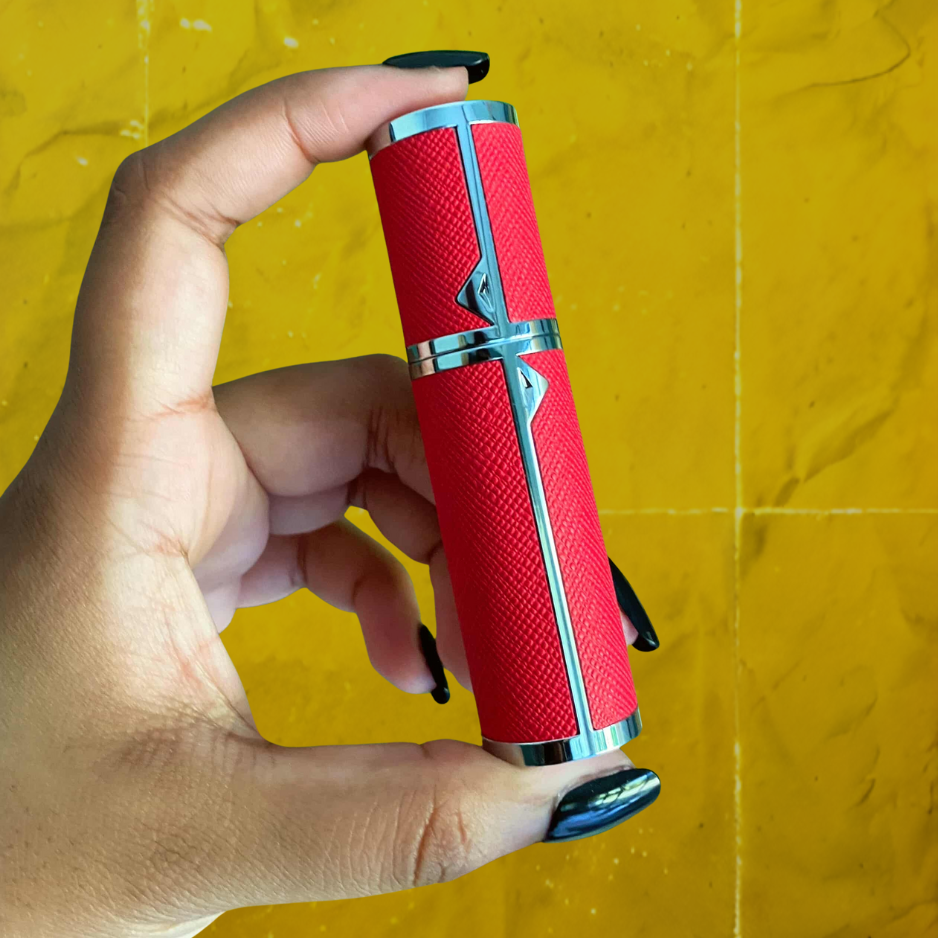
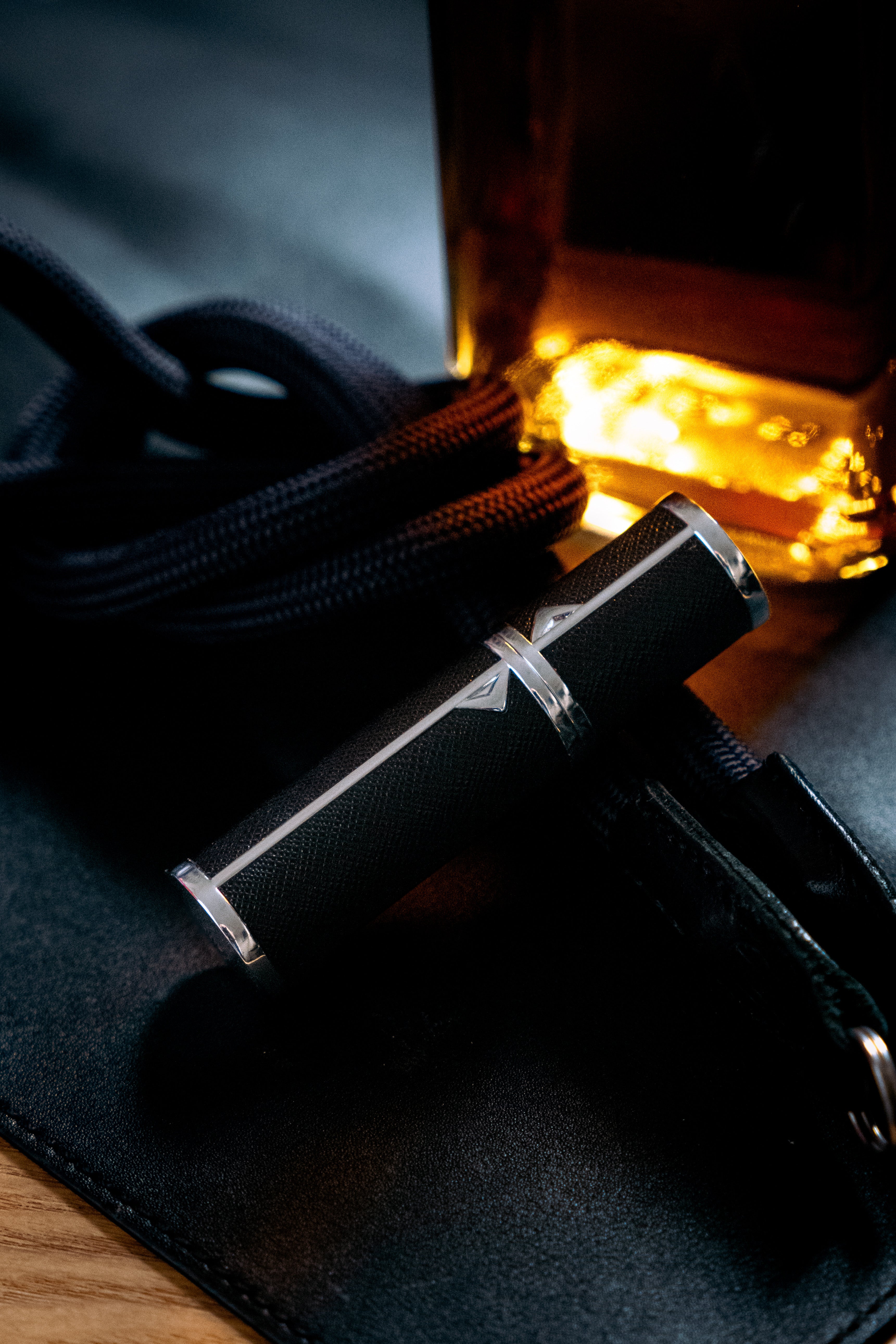
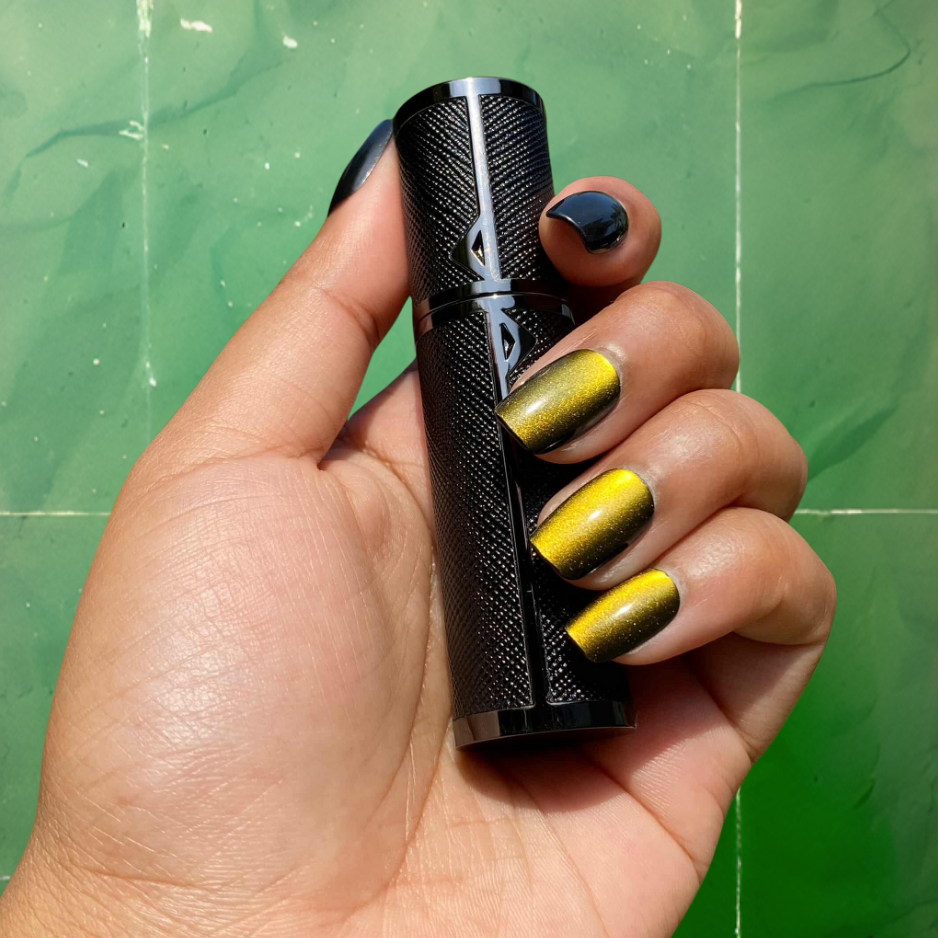
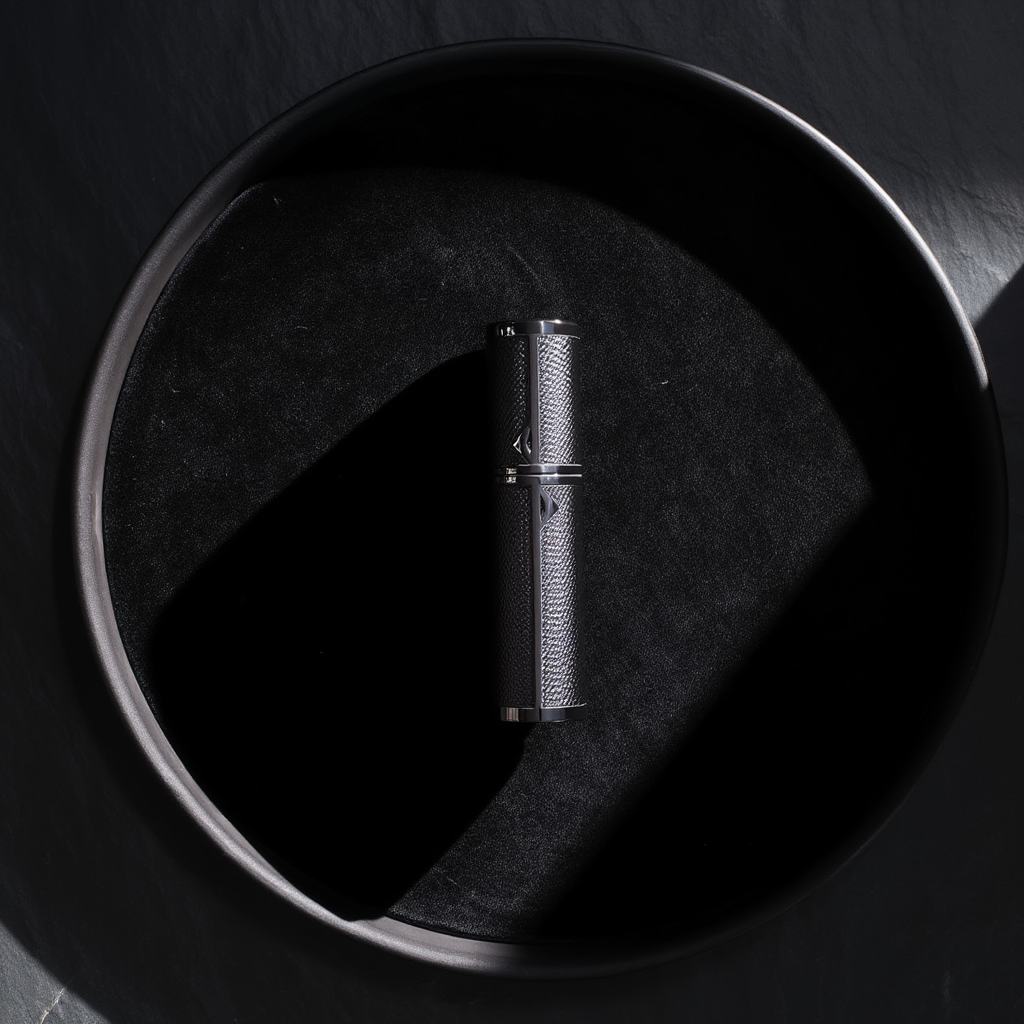
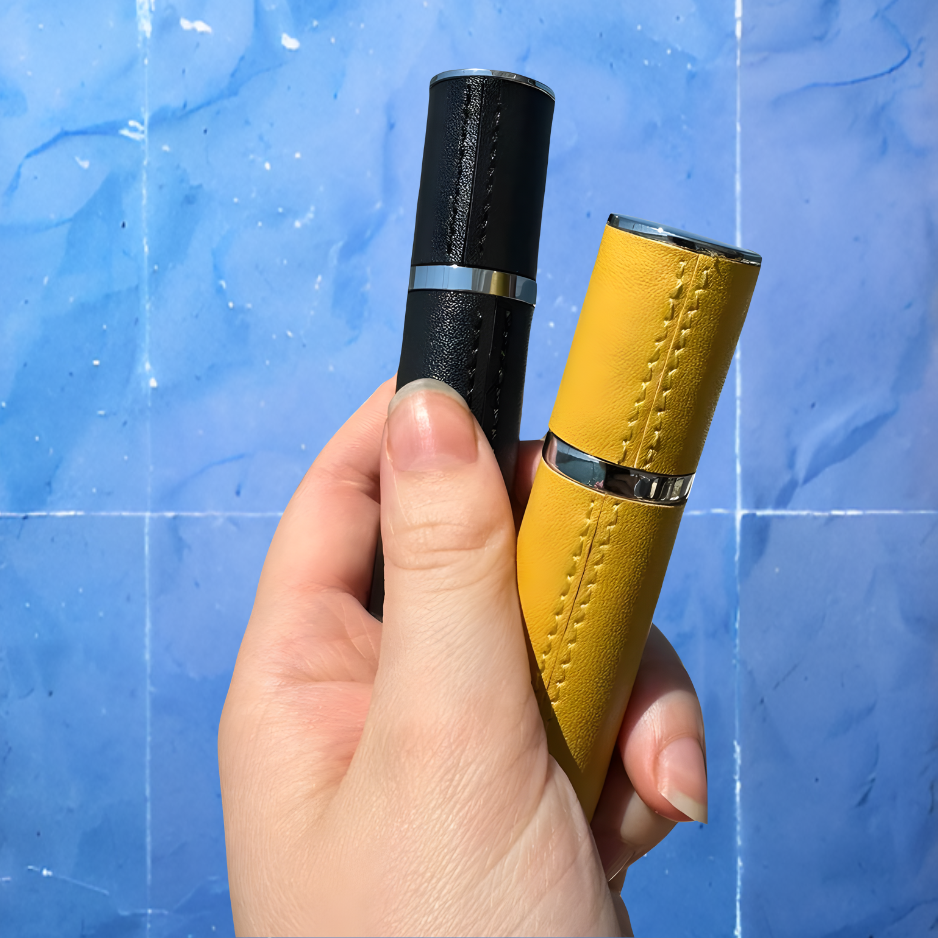
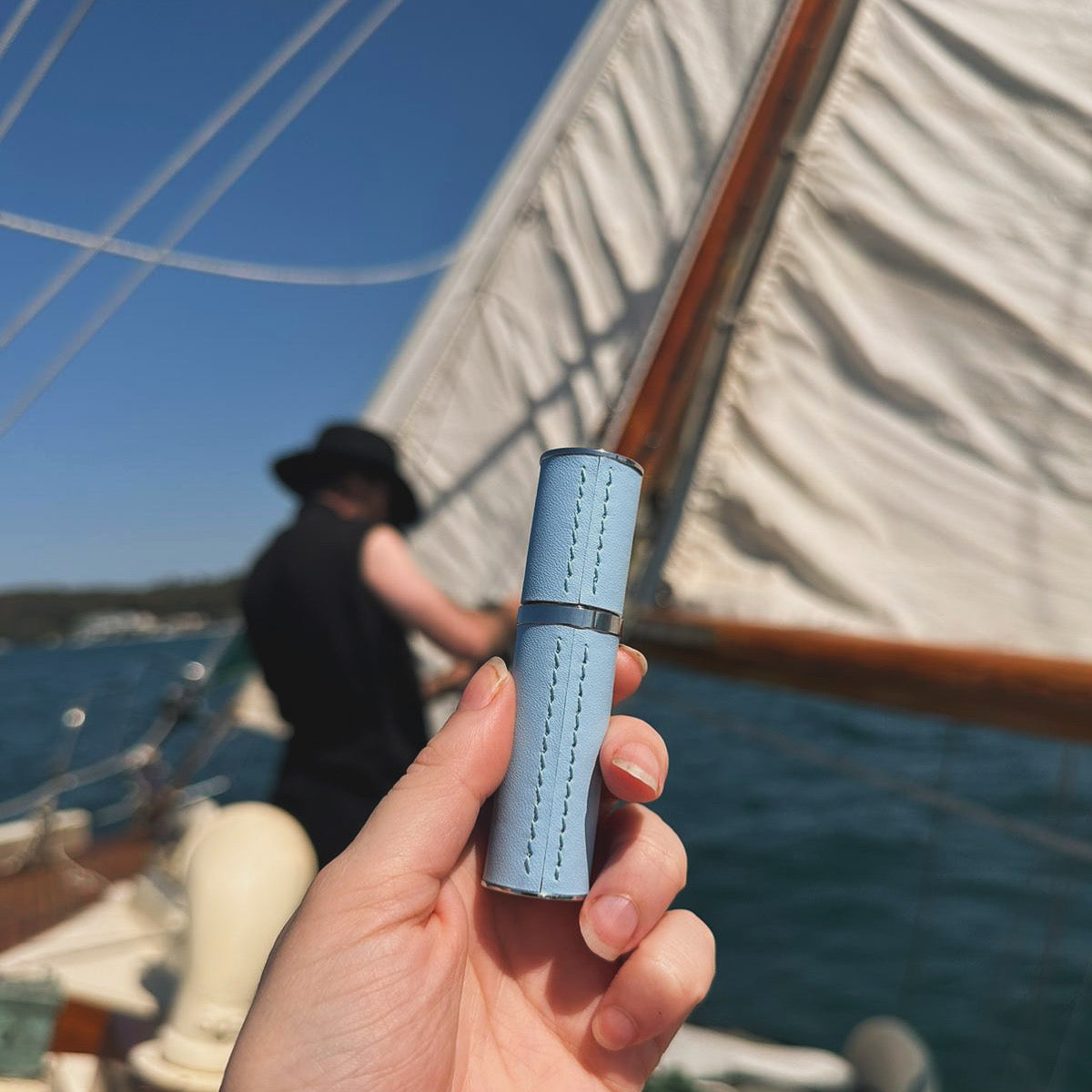
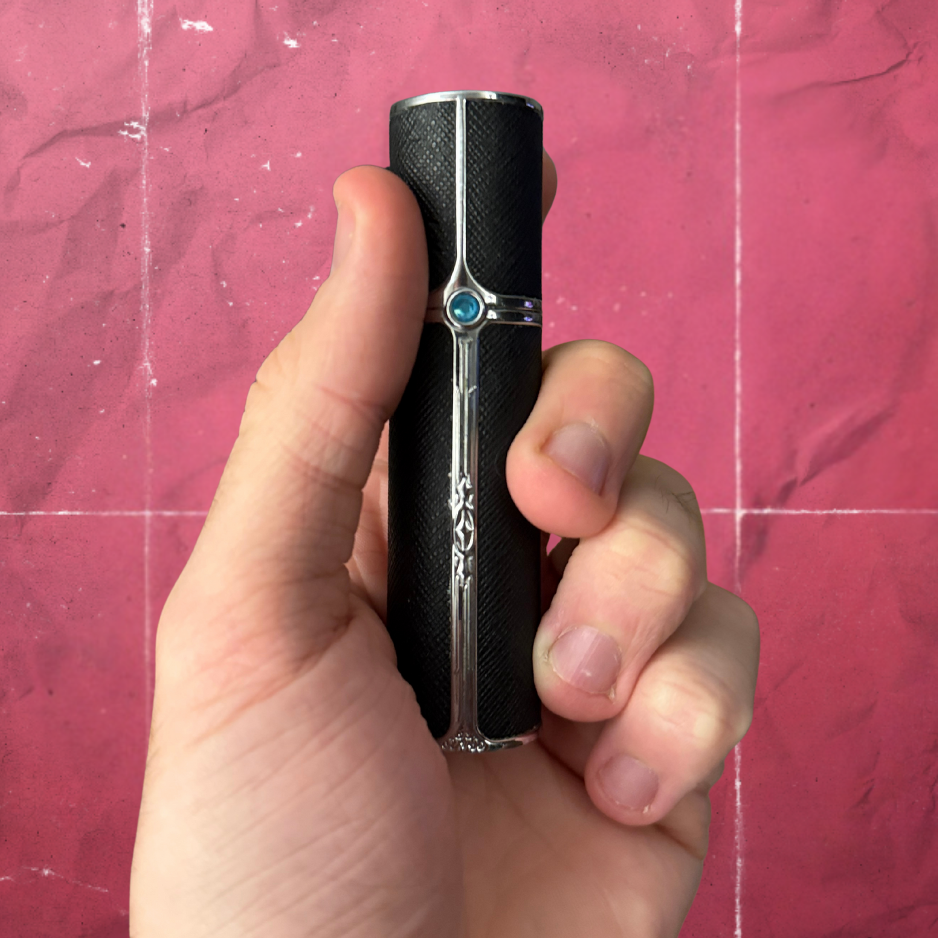
Every design decision behind our atomizers starts from the same question: what reduces the risk we just walked through? That means tight seals to limit the air exchange that drives oxidation, durable materials chosen to avoid the plastic-odor problem common in cheap decants, and a refill method built to minimize headspace during filling. The atomizers have received positive feedback from users, indicating consistent day-to-day performance rather than a single standout feature. None of that replaces good habits: clean your atomizer between fragrances, fill only what you’ll use soon, and store it away from heat, the same practices covered above.
Should you use an atomizer or keep the original bottle?
An atomizer is the right call for travel, daily carry, or sampling, provided you follow decent decanting and storage habits. It is a working supply, built for weeks of use, not a substitute for long-term preservation. The original, sealed bottle remains the better home for anything you’re collecting or holding onto for years, since it was designed to limit air exchange until you’re ready to use it. Match the container to the goal: convenience now, or preservation later.
— Ash
Where to find a refillable atomizer built for travel
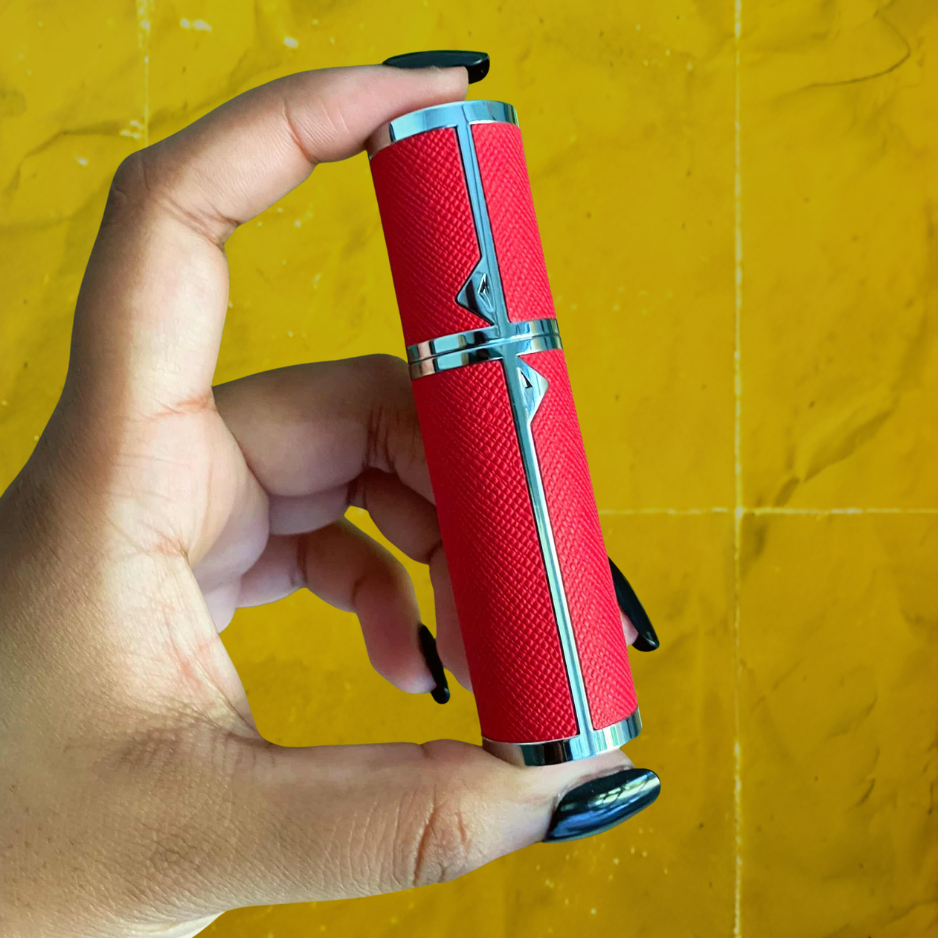
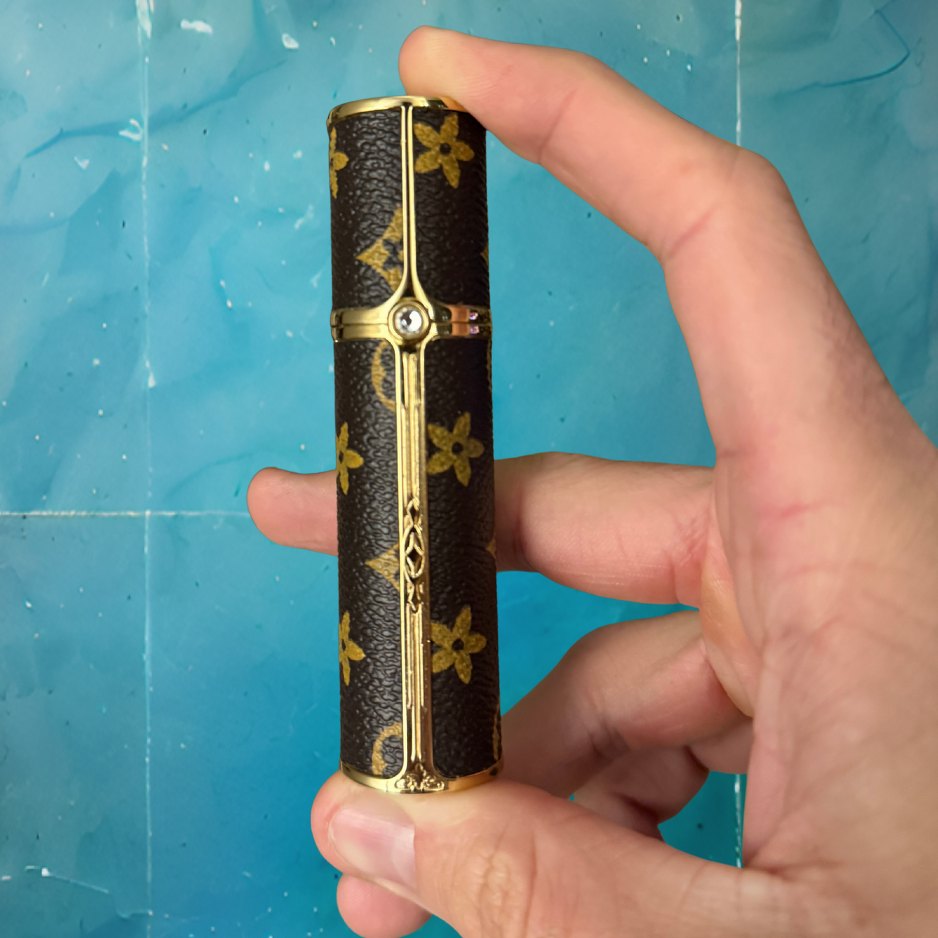
If you want an atomizer designed around the habits this article covers, tight seals, a fill method that limits headspace, and materials chosen to avoid odor transfer, our refillable perfume atomizers are built for exactly that.

Fill one from any bottle you already own, run through the decanting steps above, and you’ll have a travel-ready spray that holds up to the trip without babysitting it. For more on choosing the right features, our guide to travel atomizer features walks through what to look for before you buy.
Sources
- Effects of dilution and age on perfume release from two mixed‐surfactant systems containing hydrotropes (NIST)
- Handling of collections in storage; Cultural heritage protection handbook; Vol.:5; 2010
- Characterization and comparison of particle size distribution of nonprescription topical spray drug products to inform potential inhalation exposure: Analysis of sunscreen spray drug products - ScienceDirect
FAQ
What is the difference between a perfume bottle and an atomizer?
A perfume bottle is the manufacturer’s original, sealed container, engineered to limit air exchange until you first use it, making it the better choice for long-term storage. An atomizer is typically a smaller, refillable container meant for portability and short-term use, holding enough fragrance for daily carry or travel rather than years of storage.
Why does my perfume suddenly smell different?
The most common causes are oxidation from repeated air exposure, heat or light damage, or contamination from residue in a decant, rather than the fragrance changing on its own. Comparing a sample from the original bottle against your atomizer on a scent strip quickly shows whether the formula changed or the container is the problem.
What are the common problems with atomizers?
The most frequent issues are plastic or rubbery odors from low-grade materials, leaks from worn seals, and cross-contamination when a new fragrance is added without proper cleaning. Choosing glass or medical-grade components and flushing the atomizer with alcohol between scents prevents nearly all of these.
Can you still use 20 year old perfume?
There is no fixed expiration date for perfume, so age alone doesn’t determine whether it’s still good. Instead, check the smell, color, and performance against how it smelled originally, since proper storage matters more than the number of years on the bottle.




साझा करें और 15% छूट पाएं!
बस इस उत्पाद को निम्नलिखित सामाजिक नेटवर्क में से किसी एक पर साझा करें और आपको 15% की छूट मिलेगी!