

Nylon generally wins on abrasion resistance and flexible, soft carry, while polyester generally wins on UV stability and resisting moisture or stains when left untreated. That said, the weave, denier, and finish applied to either fabric often matter more than the polymer name on the tag, so the smartest move is reading the construction details, not just the material label.
TL;DR:
- Nylon offers superior abrasion resistance, especially in woven, higher-denier fabrics, making it ideal for heavy-use bags like gym or travel totes.
- Polyester’s UV stability and water-repellent finishes often outperform untreated nylon under prolonged sun and rain exposure, extending the bag’s lifespan outdoors.
- Construction details such as weave, coating, and denier influence durability more than fiber type, so reading specifications is crucial to choosing a long-lasting bag.
- Both fabrics shed microfibers during washing, but woven filament nylon sheds significantly fewer fibers than mechanically-treated polyester, reducing environmental impact.
- Proper maintenance, including spot cleaning, air drying, and reproofing with coatings, greatly prolongs bag life regardless of material choice.
Table of Contents
- Nylon vs Polyester at a Glance
- What Nylon and Polyester Actually Are
- Durability and Abrasion: Real-World Wear and Tear
- Water, Stain Resistance, and Sun Durability
- Comfort, Breathability, Weight, and Packability
- Microfiber Shedding: The Environmental Trade-Off
- How to Clean and Care for Nylon and Polyester Bags
- Buying Checklist: Choose Nylon or Polyester Based on Your Priorities
- Cost Comparison and Value for Money
- Aesthetic Differences and Color Retention Over Time
- Breathability and Odor Retention Characteristics
- A Practical Note on Material Choices
- SPRITZ Travel Organizers: A Durable Companion for Your Everyday Carry
- FAQ
- Sources
Nylon vs Polyester at a Glance
Before getting into the “why,” here’s the quick version for anyone who needs an answer in the next thirty seconds.
- Nylon: stronger against scuffing and repeated friction, softer and more flexible against the body, but prone to UV degradation and color fade unless treated. Best for gym bags, daily commuter totes, and anything that gets dropped, dragged, or crammed into overhead bins.
- Polyester: naturally more UV-stable and better at shedding light moisture or stains, but stiffer and slightly less forgiving under heavy abrasion unless reinforced. Best for outdoor totes, beach bags, and anything that lives in direct sun.
- Buy rule: if your bag spends more time scraping against pavement, buckles, and floors, lean nylon; if it spends more time baking in sunlight or getting rained on, lean polyester, and check for a finish either way.
What Nylon and Polyester Actually Are
Both are synthetic polymers, but how a manufacturer spins and weaves them changes performance more than the raw chemistry does. Nylon fibers are typically extruded as continuous filament strands, which is part of why woven nylon fabrics tend to resist tearing and abrasion well. Polyester shows up in two very different forms: filament yarns woven into smooth, tight fabrics, or staple fibers knitted into fleeces and jerseys that feel softer but shed more during washing, a distinction we’ll come back to in the environmental section.
Knitted constructions (common in fleece-style polyester) flex more and breathe better but hold up worse under repeated rubbing. Woven constructions, whether nylon or polyester, lock fibers tightly together and resist snags and punctures far better.
Denier, the number you’ll see listed as 210D, 420D, or 1680D on product pages, measures the thickness of the yarn, not the fabric’s quality on its own. A higher denier number generally means a heavier, tougher fabric, but a well-constructed 420D nylon pack can outlast a poorly finished 1680D polyester if the weave and coating differ. Fabric weight in grams per square meter tells a similar story: it’s a proxy for durability, not a guarantee.
The practical takeaway: a treated polyester with a durable water-repellent finish or a UV-resistant nylon can easily outperform a cheap, untreated version of the “better” material. Read the spec sheet, not just the fabric name.

Durability and Abrasion: Real-World Wear and Tear
Nylon typically rates higher for abrasion resistance because its filament structure resists the kind of surface fraying that happens when a bag scrapes against curbs, gym floors, or airplane seats. That’s one reason backpacks and duffels aimed at heavy daily use so often default to nylon.
But denier and coating change the equation. A tightly woven, coated polyester can resist scuffing nearly as well as a mid-grade nylon, while an uncoated, low-denier nylon can wear through faster than expected on rough surfaces.
Think through how you’ll actually use the bag:
- Daily commuter bag: check the base and corners first, since that’s where abrasion concentrates; look for reinforced panels or a separate wear-resistant base fabric.
- Gym bag: inspect zipper pulls and strap attachment points, which take repeated stress from stuffing in shoes and weights; our guide on choosing a gym bag that actually lasts walks through what seams and stitching to look for.
- Travel tote: examine seam binding and stitching density, since overhead-bin compression and baggage handlers are brutal on weak seams.
Buying checklist item: flip the bag over, press your thumbnail into the base fabric, and look for double-stitched seams at stress points. That five-second check tells you more than the denier number alone.
Water, Stain Resistance, and Sun Durability
Polyester holds a natural edge in UV stability. Left in direct sun for months, untreated polyester tends to retain color and tensile strength longer than untreated nylon, which can weaken and fade faster under the same exposure. UV-resistant finishes close much of that gap, letting treated nylon perform closer to polyester’s baseline in sunlight.
Water resistance comes down to finish more than fiber. A durable water-repellent (DWR) coating, a laminated lining, or a tightly woven, calendared fabric all shed light rain and splashes regardless of whether the base material is nylon or polyester. Without a coating, both fabrics will eventually soak through, though tightly woven nylon often beads water a little longer before saturating.
If you’re buying for a rainy climate or frequent outdoor use, prioritize the coating over the base fiber. Over time, expect some color fade and gradual strength loss in both materials, slower in UV-treated versions. Storing bags out of direct sunlight and reproofing DWR coatings periodically extends the life of either fabric noticeably.
Comfort, Breathability, Weight, and Packability
Nylon tends to feel softer and more pliable against the body, which matters if you’re carrying a sling bag or cross-body for hours. Polyester, especially in heavier weaves, can feel stiffer and hold its shape more, which some people prefer for structured totes but others find less comfortable pressed against skin.
At similar denier and construction, the two materials weigh in close to each other, so weight differences usually come down to lining, hardware, and padding rather than the shell fabric itself. Lighter builds pack down smaller, a real consideration for carry-on travel.
Is nylon too hot for summer? Not inherently. The softer feel and flexibility of woven nylon often make it feel cooler against skin than a stiff polyester shell, even though neither fabric breathes especially well. If heat is a concern, look for mesh panels or a looser weave rather than ruling out a polymer entirely.
Microfiber Shedding: The Environmental Trade-Off
Both materials shed microplastic fibers during washing, but not equally. A peer-reviewed study on fiber shedding from consumer apparel textiles found that mechanically-treated polyester samples, think fleeces and jerseys, released significantly more microfibers per kilogram of fabric per wash. Woven filament-type nylon samples released markedly fewer microfibers per kilogram per wash under the same conditions.
That’s roughly a six-fold difference in shedding between mechanically-treated polyester and woven filament nylon, according to the same study. Construction, not polymer chemistry alone, drives that gap: knitted, mechanically brushed fabrics shed far more than tightly woven filament yarns, regardless of whether they’re labeled nylon or polyester.
The same research noted that after market washing-machine lint traps can capture up to roughly 90% of polyester fibers in some test conditions, though they’re less effective at catching nylon fibers, so trap performance varies by polymer and mesh size.

Practical steps that help regardless of fabric: use a lint trap or filter bag, air dry instead of machine drying when possible, and spot clean rather than running a full wash cycle unless the bag is genuinely dirty. Washing less often is, in this case, also the lower-impact choice.
How to Clean and Care for Nylon and Polyester Bags
Most bags survive far longer with simple, consistent care rather than aggressive cleaning. Start by emptying pockets and checking zippers and linings for debris before you do anything else.
- Spot clean first. A damp cloth with mild soap handles most surface dirt without a full wash.
- Hand-wash when needed. Use lukewarm water and a gentle detergent, avoiding bleach or harsh solvents that degrade coatings.
- Machine-wash sparingly. If the care label allows it, use a mesh bag and cold, gentle cycle to limit fiber shedding and hardware damage.
- Air dry fully. Skip the dryer’s heat, which can warp zippers and break down DWR coatings over time.
- Reproof DWR finishes periodically with a spray-on treatment if water no longer beads on the surface.
- Store dry, away from direct sun, to prevent mildew and UV fading between uses.
Our waterproof sling bag guide covers reproofing in more depth, and our notes on removing gym bag odor are worth a look if mildew or sweat smell is the real issue rather than general dirt.
Buying Checklist: Choose Nylon or Polyester Based on Your Priorities
Match the fabric to what actually matters for your use case, not to brand reputation or assumptions about which material is “better” overall.
- Care most about durability? Choose woven, high-denier nylon with reinforced seams and a coated base panel.
- Spend lots of time outdoors in direct sun? Choose polyester, or UV-treated nylon if you prefer the softer feel.
- Need real waterproofing, not just light rain resistance? Choose a laminated or DWR-coated fabric over either base material alone.
- Want low-maintenance washing? Choose woven filament fabrics over knitted or brushed finishes, which shed and wear faster.
- Weighing environmental impact? Choose woven filament nylon construction, which sheds markedly less microfiber than mechanically-treated polyester.
For deeper guidance on sizing up comfort and construction together, our best gym sling bag guide walks through the same priorities in a specific product context.
Pro Tip: Read the construction and finish notes on a product page before the fiber name. A well-coated polyester or a UV-treated nylon will usually outperform the “better” material sold cheap and untreated.
Cost Comparison and Value for Money
Nylon and polyester bags both span a wide price range, and the fiber itself rarely explains the gap. Entry-level bags in either material tend to use lower denier fabric, basic zippers, and minimal reinforcement, while higher-priced versions add coatings, heavier-gauge hardware, and reinforced stress points.
Polyester fabric is often slightly cheaper to produce at comparable weight, which is part of why budget totes and promotional bags frequently use it. Nylon construction, especially higher-denier woven nylon with coatings, tends to command a premium because of both material cost and the manufacturing precision needed to maintain abrasion resistance.
Value for money comes down to matching the build to how hard you’ll use the bag. A $20 polyester tote that only carries a laptop to a coffee shop a few times a week may outlast a $20 nylon bag thrown into a gym locker daily, simply because the use case is gentler. For heavy daily use, spending more on a reinforced, coated option in either material usually pays off faster than replacing a cheap bag every year. The fabric name on the label is a smaller factor in long-term value than denier, seam quality, and hardware grade.
Aesthetic Differences and Color Retention Over Time
Nylon tends to take dye with a slightly richer, more saturated look, and many premium bags lean on that sheen for a higher-end appearance. Polyester often has a slightly more matte finish, which some shoppers prefer for a flatter, more understated look.
Color retention favors polyester over time when both fabrics are left untreated and exposed to sunlight, since polyester’s natural UV stability helps it resist fading longer. Nylon can fade faster under the same conditions unless it carries a UV-resistant finish, in which case the gap narrows considerably.
Wear also shows differently. Nylon tends to develop a soft sheen or slight fuzzing at friction points over years of use, while polyester is more prone to visible pilling, especially in knitted or brushed constructions. Neither flaw is a dealbreaker, but if you’re particular about how a bag looks after a year or two of regular use, factor in both the fiber and the finish rather than assuming one material will simply “look newer” longer.
Breathability and Odor Retention Characteristics
Neither nylon nor polyester breathes especially well compared to natural fibers, since both are tightly woven synthetic polymers that resist airflow by design. That said, looser weaves and mesh panels in either material improve ventilation noticeably, which matters most for bags carried against the body in warm weather.
Odor retention is where the two materials diverge more. Synthetic fibers in general tend to hold onto bacteria and sweat odors more stubbornly than natural fibers, and tightly woven or coated fabrics can trap moisture against the lining if they’re not allowed to dry fully between uses. Knitted polyester, with its larger surface area and looser fiber structure, can sometimes absorb and hold odor-causing bacteria more readily than a smooth, tightly woven nylon shell.
Practically, the fix is the same regardless of fabric: let the bag air out fully after use, avoid sealing it up damp, and wash linings periodically rather than only the exterior. If odor is a recurring issue, our notes on removing gym bag odor cover prevention steps that apply to both materials.
A Practical Note on Material Choices
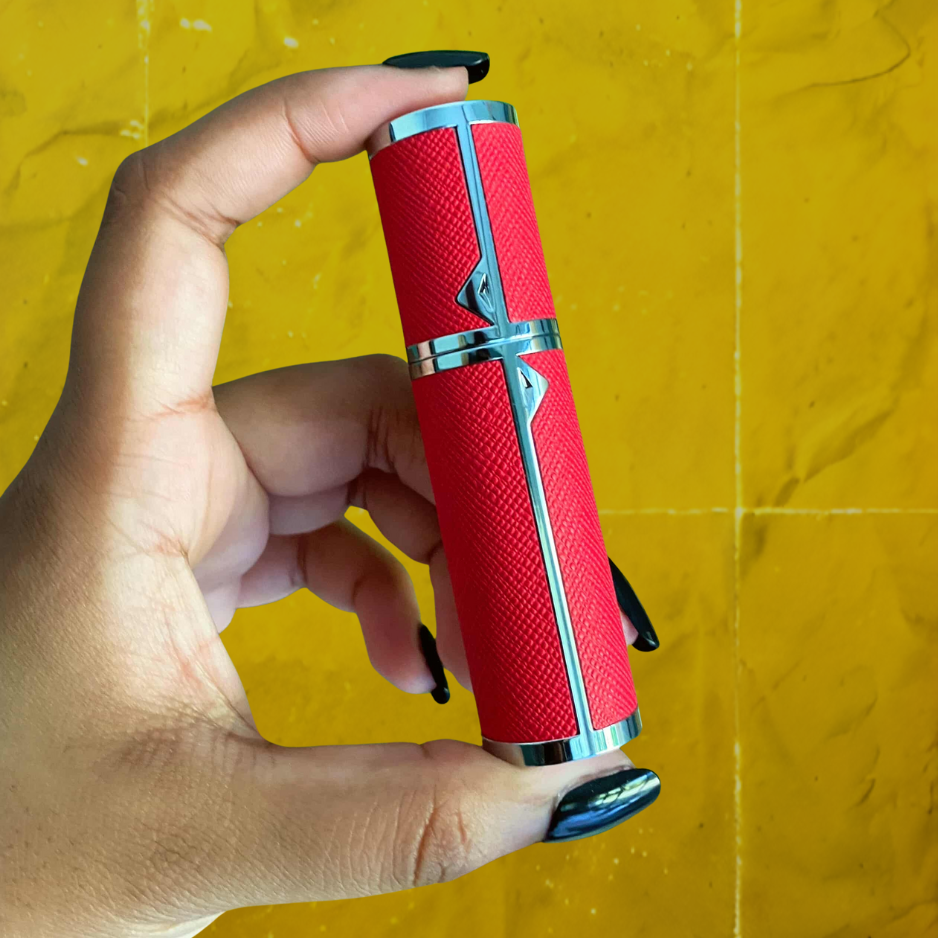
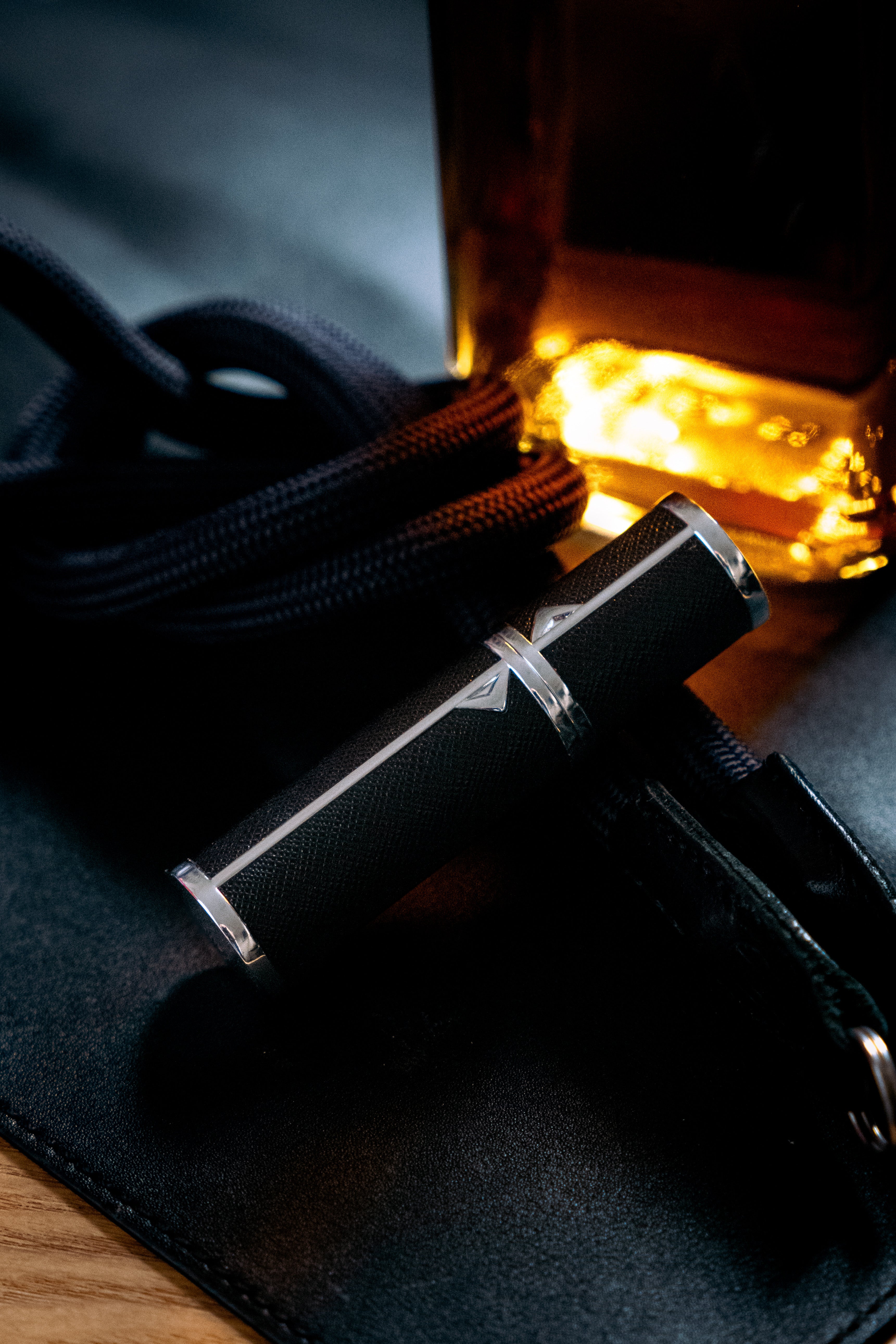
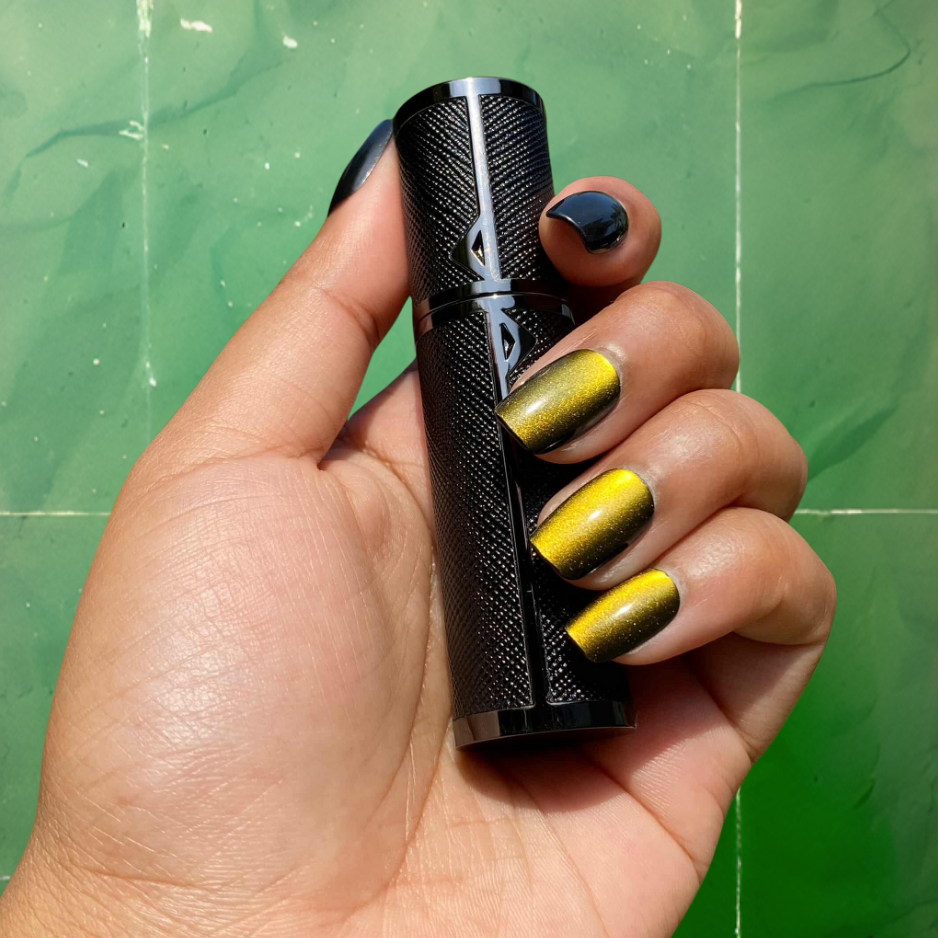
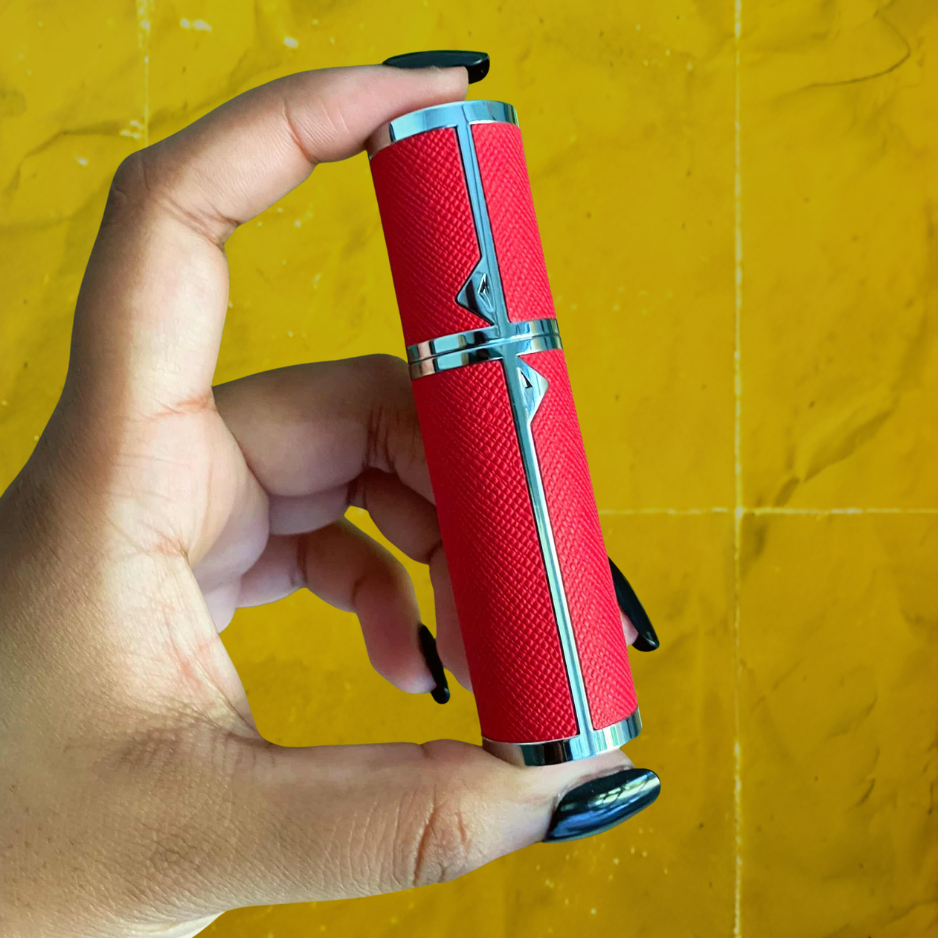
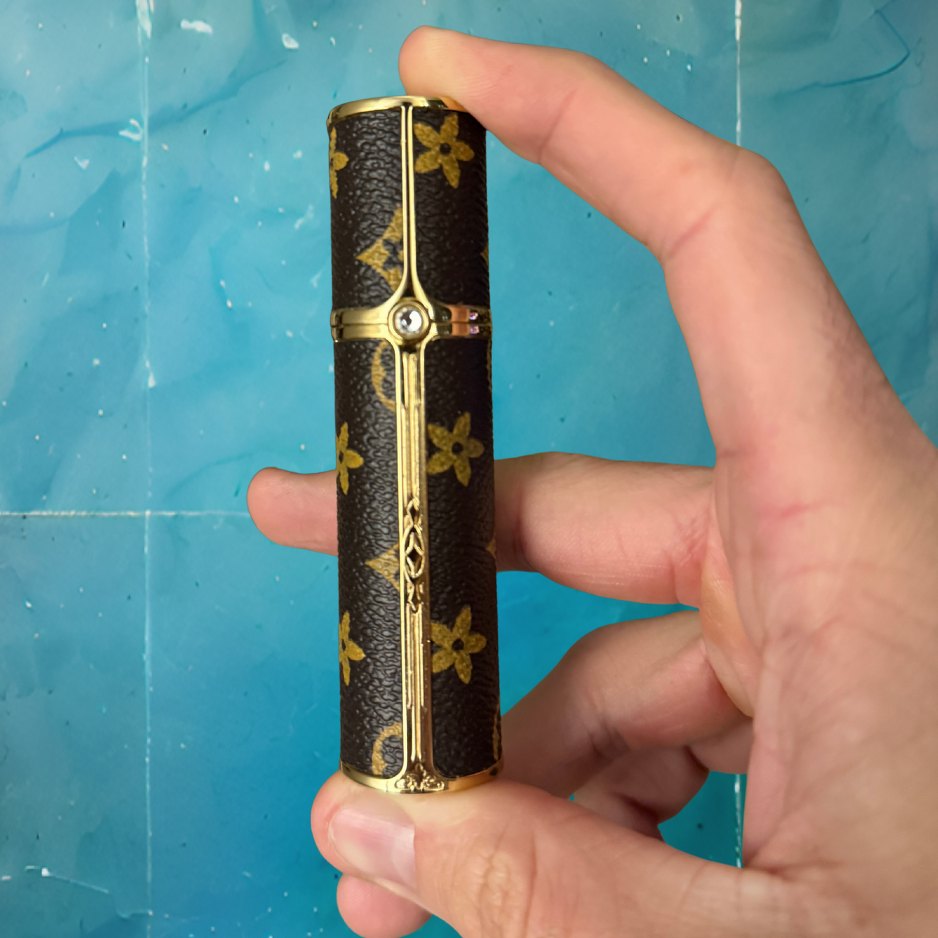
After years of recommending travel and everyday carry items to people with wildly different needs, the pattern that stands out is how often shoppers fixate on the fiber label and skip the construction details that actually predict performance. We’ve built our own travel organizers with that lesson in mind, since the small items people carry daily, atomizers included, need fabric that holds its shape and resists abrasion in a crowded bag far more than it needs a specific polymer name on the tag.
— Ash
SPRITZ Travel Organizers: A Durable Companion for Your Everyday Carry
If you’ve read this far because you’re trying to decide what to pack your gear in, our travel organizers are worth a look as an adjacent option to building your own bag from scratch. They’re built to hold up to the daily abrasion and repeated packing cycles this guide covers, so you’re not stuck guessing which fabric spec actually matters.
- You travel frequently and want a durable, ready-made organizer rather than researching fabric specs yourself.
- You’re already carrying a refillable atomizer and want a bag built to protect small essentials from scuffing.
- You’d rather pick a tested bundle than piece together separate gear.
For a packaged option, our Gym Set Pro bundle pairs a travel atomizer with gym essentials sized for daily wear and tear.
FAQ
What are the downsides of nylon bags?
Nylon can fade and lose tensile strength faster than polyester when exposed to direct sunlight for extended periods, unless it carries a UV-resistant finish. It can also be pricier at comparable denier because of the manufacturing precision needed to keep its abrasion resistance intact.
Is nylon as bad as polyester for microplastics?
No. A peer-reviewed study on textile fiber shedding found woven filament nylon released about 27 mg of microfibers per kilogram per wash, compared to roughly 161 mg per kilogram for mechanically-treated polyester. Construction matters as much as the polymer: a knitted or brushed nylon could shed more than a tightly woven polyester, though the study’s averages favor woven nylon overall.
Which is better, nylon or polyester?
Neither wins outright. Nylon generally performs better for abrasion resistance and soft, flexible carry, while polyester generally performs better for UV stability and shedding light moisture when untreated, so the right choice depends on how and where you’ll use the bag.
Is nylon too hot for summer?
Not inherently. Woven nylon’s softer, more flexible feel against the skin often makes it feel cooler to carry than a stiffer polyester shell, even though neither fabric breathes particularly well on its own.





साझा करें और 15% छूट पाएं!
बस इस उत्पाद को निम्नलिखित सामाजिक नेटवर्क में से किसी एक पर साझा करें और आपको 15% की छूट मिलेगी!