

Pack toiletries for hot climates around three priorities: broad-spectrum SPF 30+, sweat and odor control, and lightweight, non-greasy hydration. The single rule that shapes everything else is the TSA’s 100 ml (3.4 oz) liquid limit per container in a one-liter clear bag, which is why solids and travel sizes belong in your carry-on. Keep sunscreen and sweat-management products with you on the plane; save less urgent liquids for checked luggage.
TL;DR:
- Use solid toiletries like shampoo bars, soap, and deodorant sticks to bypass TSA liquid limits and save space in your carry-on.
- Pack lightweight, fast-absorbing SPF 30+ sunscreen and carry an extra bottle or stick for reapplication during extended sun exposure.
- Include solid deodorant and antiperspirant wipes to manage sweat and odor without relying on aerosol sprays that may be restricted or unpredictable in heat.
- Decant fragrances into refillable, leak-proof atomizers, storing them upright and away from heat to prevent spoilage and breakage during travel.
- Prioritize hydration products like SPF lip balm, cooling gels, and lightweight facial mists to combat rapid moisture loss in hot, humid climates.
Table of Contents
- Core Toiletries Checklist for Hot, Humid Climates
- What Are the TSA Liquid Rules for Toiletries?
- How Much SPF Do You Need for Hot, Humid Trips?
- How Do You Manage Sweat and Odor in Extreme Heat?
- Why Decant Your Fragrance Before You Travel?
- How Should You Organize Toiletries Inside Your Luggage?
- How Do You Stop Toiletries From Melting or Spoiling in Heat?
- What Are the Best Travel-Size Containers for Hot Climates?
- Which Toiletry Ingredients Break Down Fastest in Heat?
- What Hydration Products Matter Most in Hot Climates?
- A Few Tweaks From Years of Packing for Heat
- Travel-Ready Fragrance and Organizers From Spritzshop
- Sources
- FAQ
Core Toiletries Checklist for Hot, Humid Climates
Hot-weather packing rewards a different priority list than a standard trip. Humidity changes how skin behaves, sweat changes how often you need to reapply things, and heat changes what survives in your suitcase. Here’s what earns a spot in your bag and why.
- Face care: a lightweight gel cleanser (cream cleansers can feel heavy in humidity), a hydrating but non-greasy moisturizer, and a non-comedogenic facial SPF that won’t clog pores when you’re sweating.
- Body sunscreen: SPF 30 or higher, ideally a fast-absorbing lotion or stick. Budget roughly a small bottle per full-body application, which adds up fast on a beach week.
- Lip protection: an SPF lip balm, since lips burn just as easily as skin and rarely get remembered until it’s too late.
- Hair and body cleansing: a shampoo bar or travel-size shampoo, a quick-dry microfiber towel, and either a compact body wash or cleansing wipes for days when a full shower isn’t practical.
- Odor control: a solid deodorant or antiperspirant, plus a couple of spare undershirts for climates where one shirt won’t survive a full day.
- Oral care and basics: a travel toothbrush, travel toothpaste, and a small first-aid kit. Any prescription liquids should stay in their original, labeled packaging.
None of this needs to be full-size. Travel formats exist specifically because hot-climate trips demand more reapplication and less bulk.
What Are the TSA Liquid Rules for Toiletries?
Airport security is where most hot-climate packing plans fall apart, usually because someone packed a full bottle of sunscreen or a glass cologne bottle without checking the limits first. Here’s the sequence that avoids that problem:
- Know the number. Carry-on liquids and gels must be in containers of 100 ml (3.4 oz) or less, all fitting inside a single transparent, resealable one-liter bag.
- Switch to solids where you can. Shampoo bars, soap bars, and solid deodorant sticks are exempt from the liquid rule entirely, which frees up your liquid allowance for things that only come as liquids, like sunscreen and prescription medication.
- Prioritize what stays liquid. Sunscreen, facial serums, and sensitive-skin cleansers are worth keeping as liquids since solid versions can be harder to find or less effective. Bulkier items like body wash or conditioner shift easily to solid bars or checked luggage.
- Prep before you leave for the airport. Pre-fill any travel atomizers, double-bag anything prone to leaking under cabin pressure, and keep your clear liquids pouch near the top of your bag so it’s easy to pull out at the checkpoint.
For long trips, a mix works best: solid bars for hair and body, and one or two small liquid bottles reserved for facial SPF or medication, which balances effectiveness with how much you can legally carry.
How Much SPF Do You Need for Hot, Humid Trips?
Sunscreen is the toiletry most travelers underestimate, and humidity makes the stakes higher because sweat wears it off faster than dry heat does. Start with a broad-spectrum SPF 30 for daily wear, and move up to SPF 50 for anything involving hours of direct sun, like a boat trip or a day at altitude.
Formula matters as much as SPF number in humid climates. Heavy, cream-based sunscreens sit on sweaty skin and can feel unbearable by midafternoon; lightweight, fast-absorbing lotions or gel formulas hold up better. Travel SPF kits built for active outdoor use typically recommend reapplying after swimming or sweating, and at least every two hours during extended sun exposure. If you’re spending a full day at the beach, that window shrinks: some travel sunscreen sets suggest reapplying roughly every 80 to 120 minutes when you’re active.
- Carry a spare sunscreen bottle or stick in your daypack, and keep a backup in your main luggage so a high-use day doesn’t leave you stranded.
- Use a non-comedogenic mineral or chemical SPF on your face. Mineral formulas tend to suit sensitive or acne-prone skin better in heat, since chemical filters can sometimes trigger breakouts once you start sweating.
- After sun exposure, an aloe or glycerin-based gel cools skin down fast without adding weight, and a light moisturizer afterward restores hydration without feeling greasy.
Pro Tip: Keep your everyday sunscreen and your “just got sunburned” aloe gel in separate, clearly labeled pouches. Fumbling through one bag for both at 6 p.m. after a beach day is a bad time to discover you packed neither.
The CDC’s guidance on heat-related illness also flags dehydration and overheating as real risks in hot climates, which is one more reason sunscreen and hydration deserve carry-on priority rather than getting buried in checked luggage.
How Do You Manage Sweat and Odor in Extreme Heat?
Spray and aerosol deodorants create two problems on a hot-climate trip: airport security treats aerosols as liquids under the 100 ml rule, and pressurized cans can behave unpredictably in a hot cargo hold. Solid deodorant sticks and antiperspirant wipes sidestep both issues.
- Pack a solid antiperspirant stick as your daily driver, and add clinical-strength antiperspirant wipes for problem zones on especially hot or active days.
- Carry a pack of cooling or refreshing body wipes for a midday reset when a shower isn’t an option, useful after a long transit day or a sweaty market visit.
- Bring a quick-dry towel and at least one spare undershirt for trips involving hours outdoors; a fresh layer midday makes a bigger comfort difference than most travelers expect.
- In humid climates, fungal irritation shows up faster in skin folds and feet. Keep those areas dry, change out of damp swimwear promptly, and pack a small container of antifungal powder if you’re prone to it.
Why Decant Your Fragrance Before You Travel?
A full-size glass perfume bottle is one of the worst things you can pack for a hot climate. It’s fragile, it counts against your liquid limit at full volume, and it does nothing well in a suitcase that gets tossed around by baggage handlers.
Decanting into a small, durable atomizer solves both the fragility and the liquids-limit problem at once. A few practical rules make it work:
- Fill your atomizer only as much as you’ll realistically use on the trip. Minimizing empty space (headspace) in the container reduces oxidation and slows evaporation.
- Seal the cap tightly and store the atomizer upright in your carry-on rather than checked luggage, where temperature swings in the cargo hold can degrade the scent.
- Use a funnel or pipette when transferring fragrance from the original bottle to avoid spills and contamination.
- Avoid leaving any fragrance container in a hot car trunk or direct sun, even for a short stop.
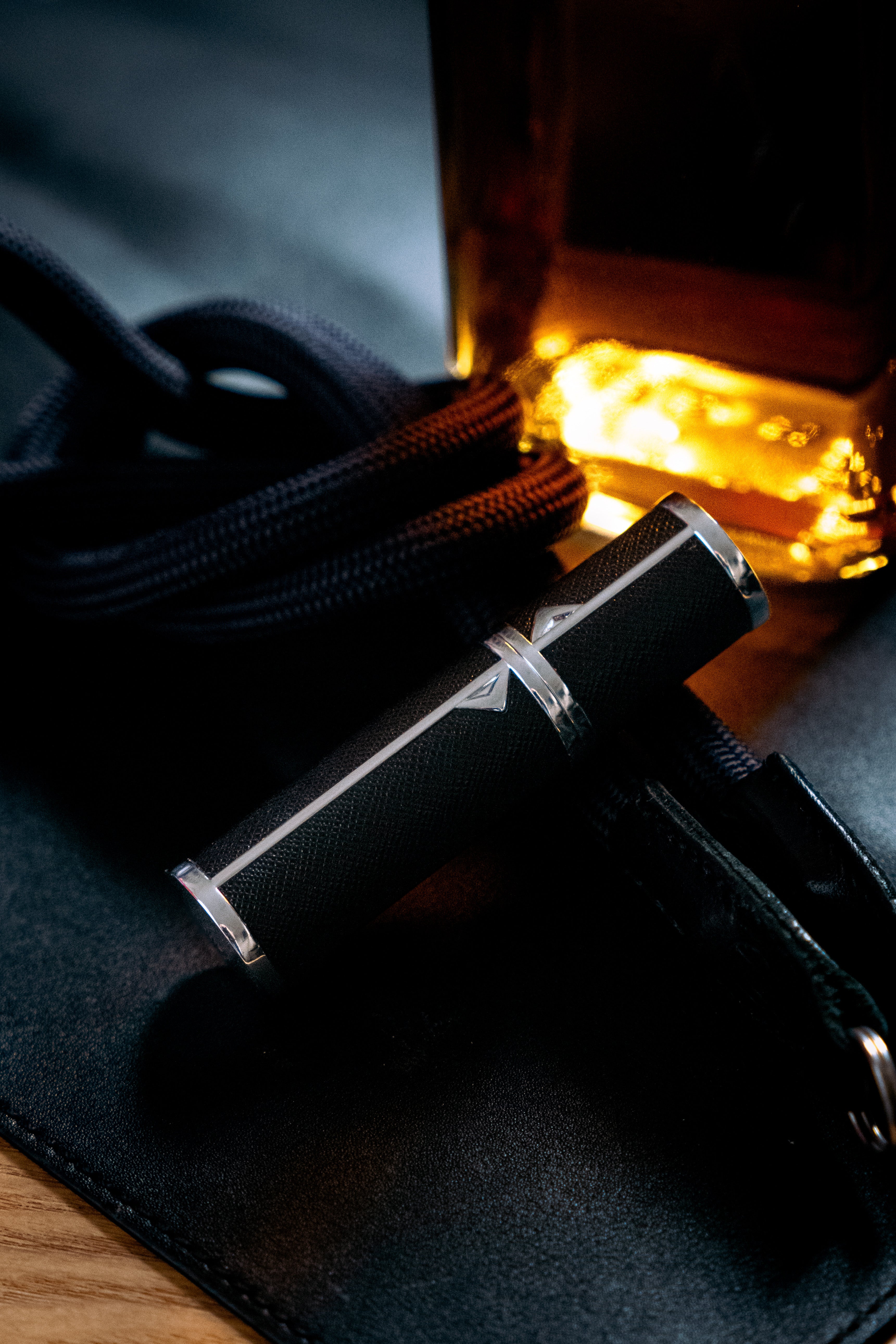
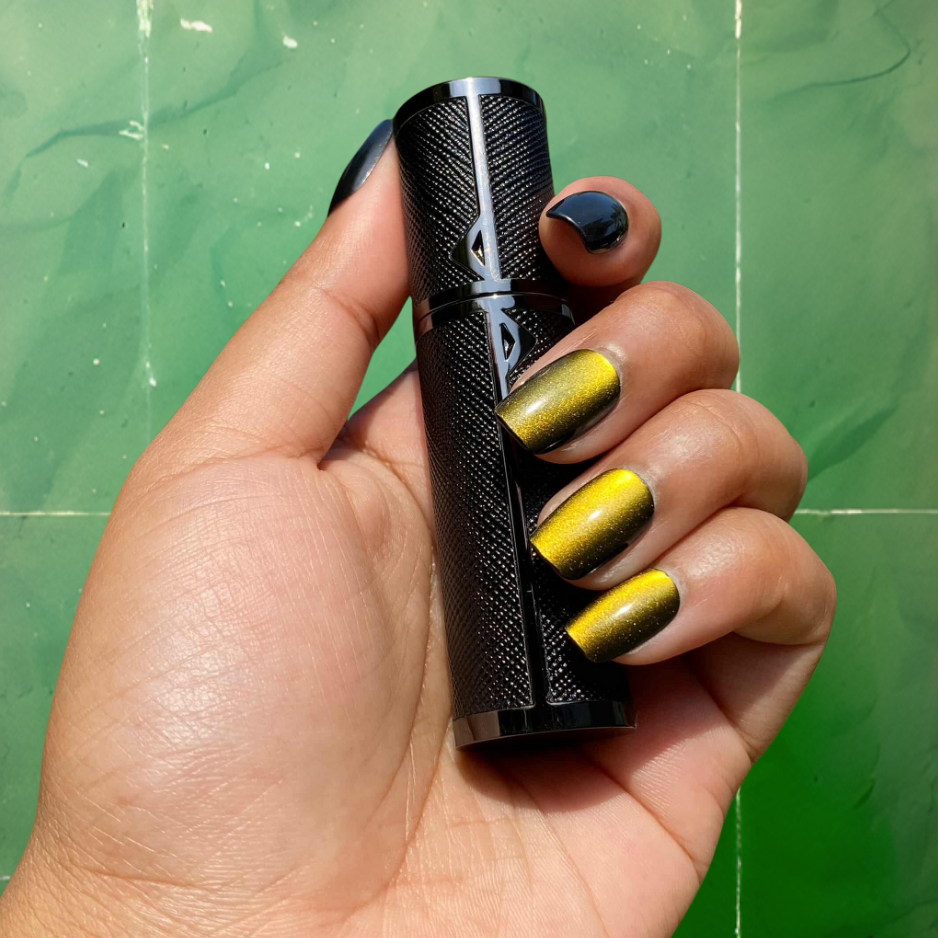
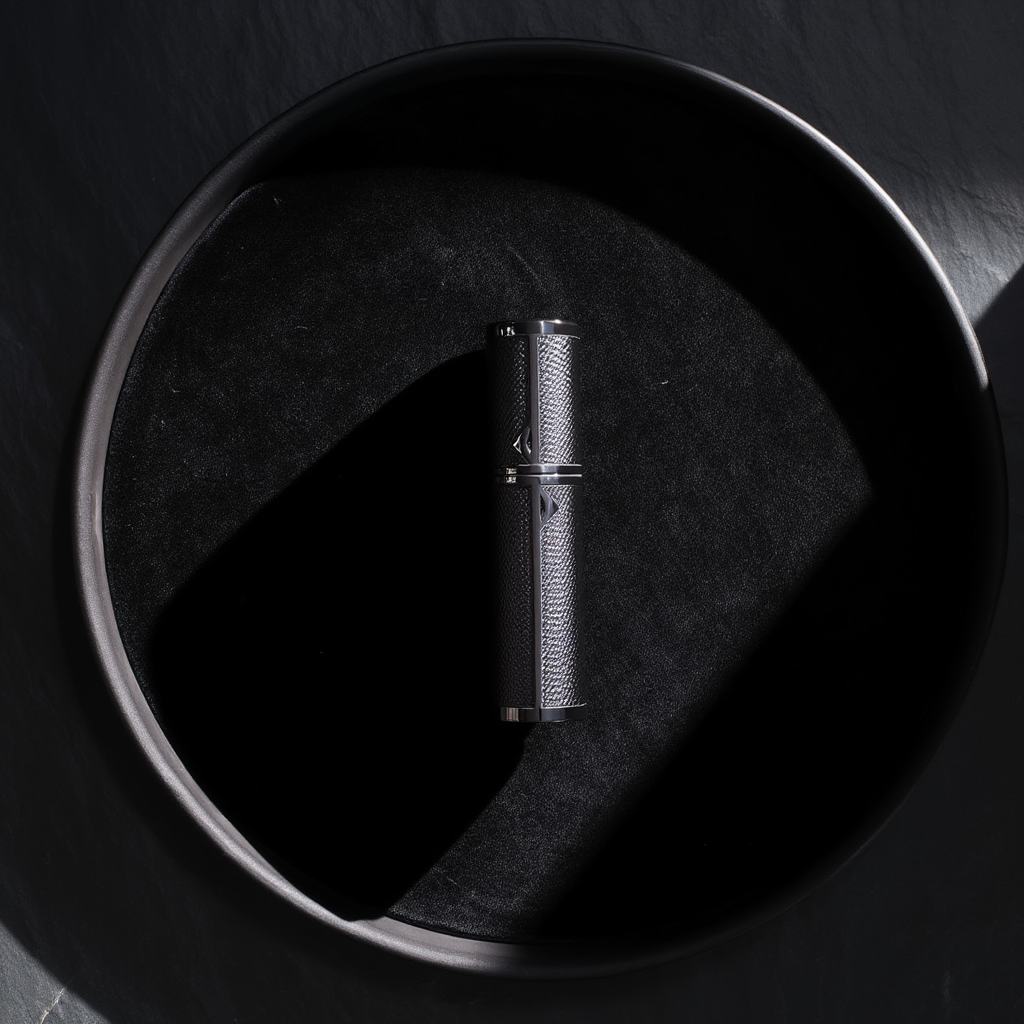
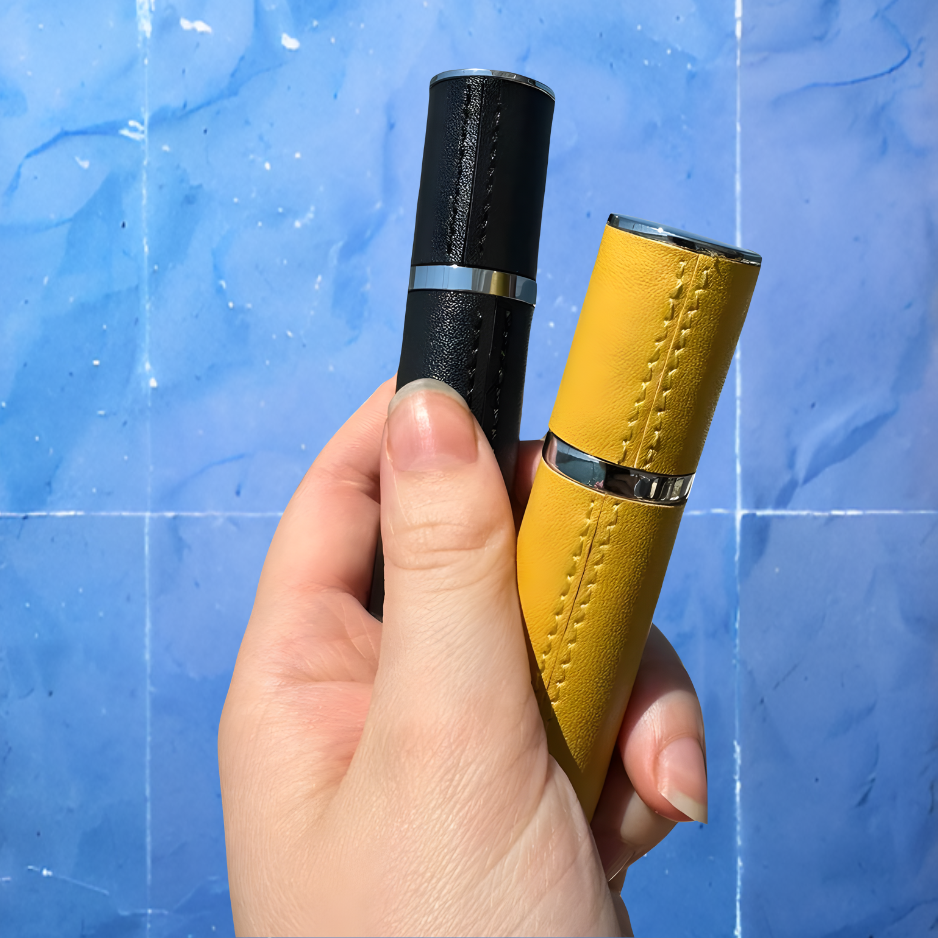
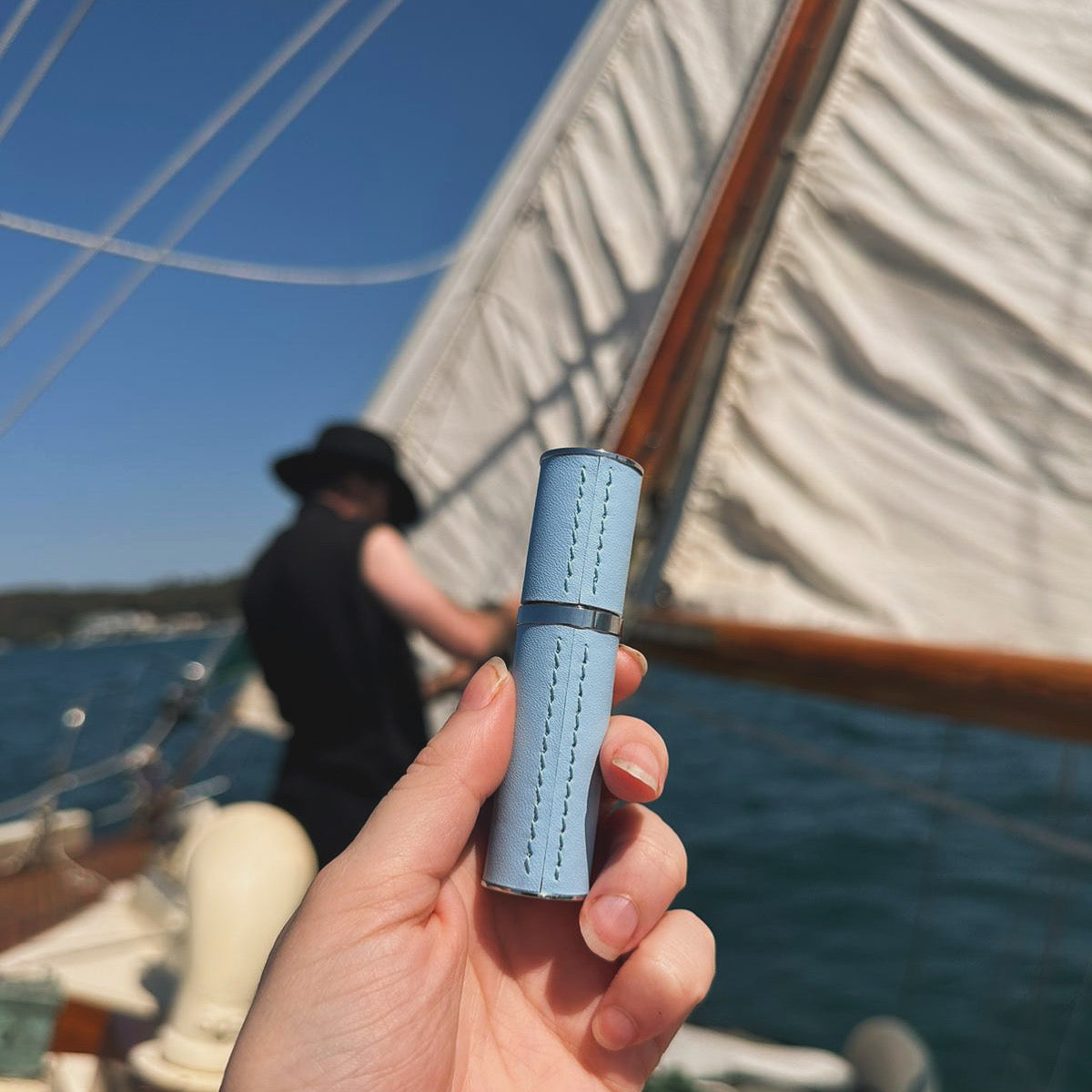
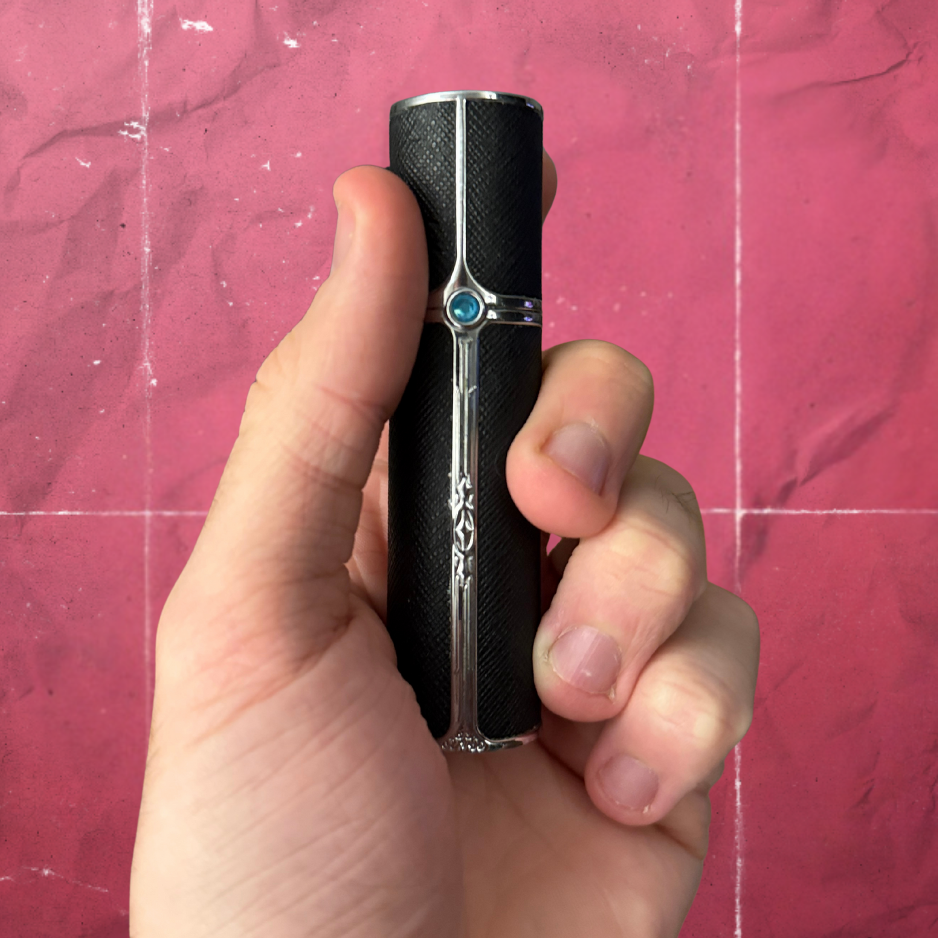
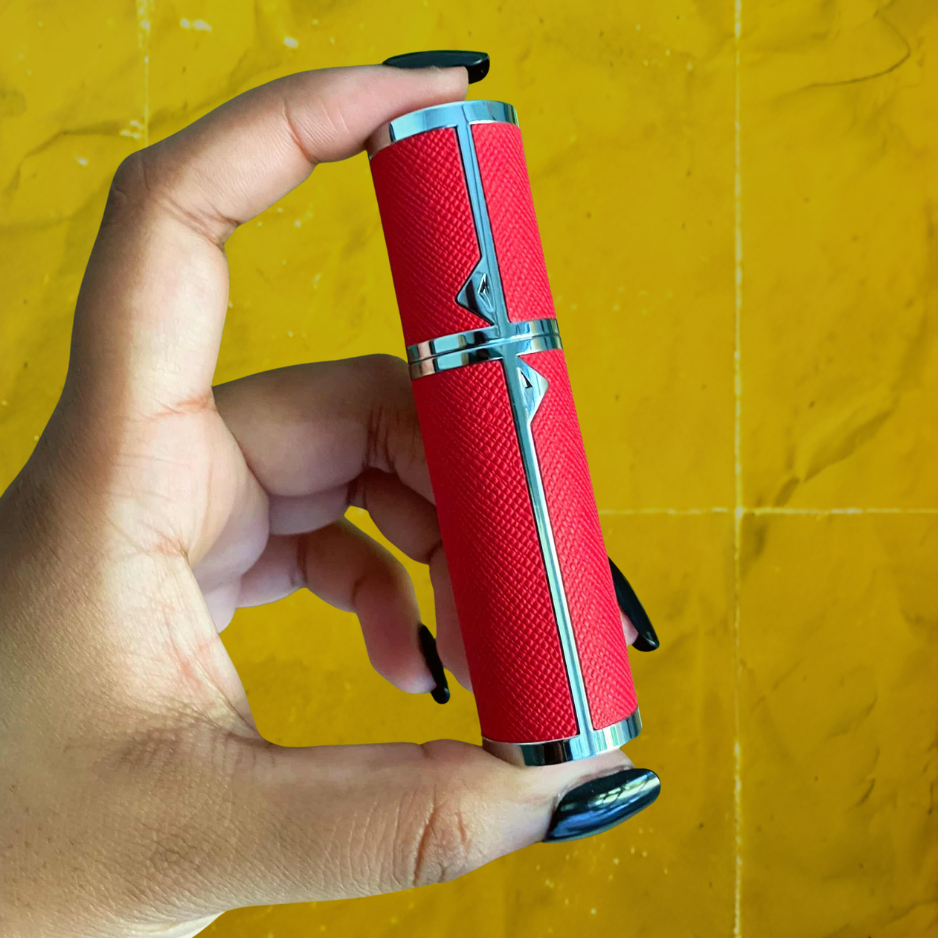
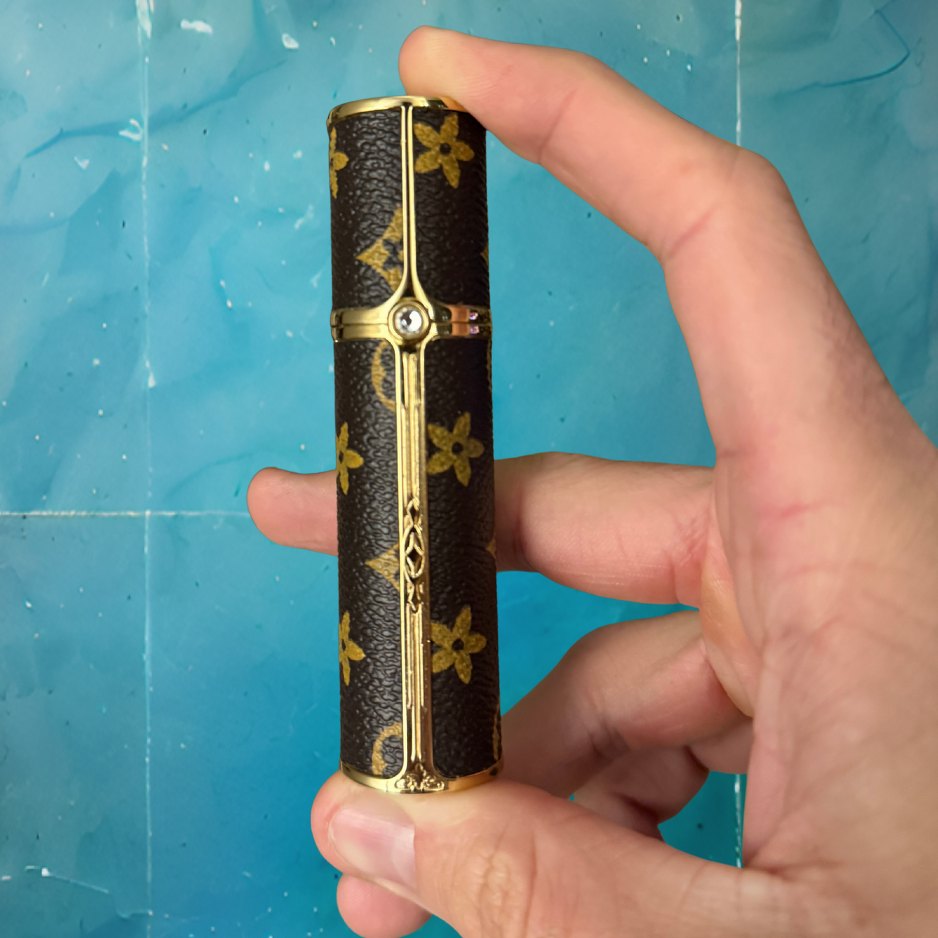
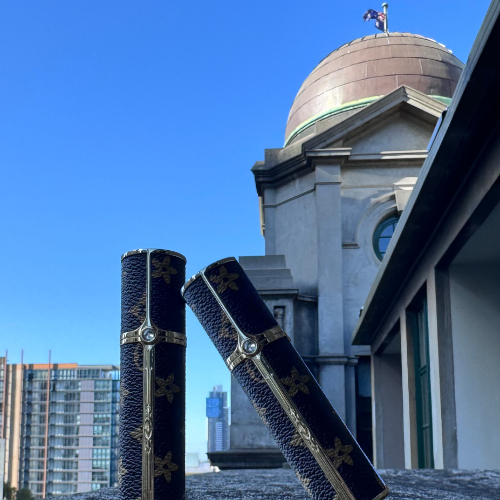
Refillable atomizers, like the ones Spritzshop makes, are built for exactly this kind of travel: refillable from any standard perfume bottle, compact enough for a pocket or purse, and far less likely to shatter than glass. For more on the mechanics of refreshing fragrance mid-trip, this practical decanting guide covers the basics well.
How Should You Organize Toiletries Inside Your Luggage?
Good organization saves you from digging through a suitcase at security or fumbling for sunscreen with sand on your hands. A few habits make a real difference:
- Use a clear, water-resistant pouch for your liquids and sunscreen, both for TSA screening and for quick beach-bag access.
- Double-bag anything prone to leaking, especially sunscreen and any glass containers you haven’t decanted yet.
- Split toiletries into labeled AM and PM bags if your routine has more than a few steps; it speeds up hotel-room mornings considerably.
- Centralize all toiletries in one zone of your luggage rather than scattering them, and keep fragile or pressurized items (atomizers, glass bottles) padded and upright.
- Never leave sunscreen or fragrance in a hot car trunk or in checked baggage during a long layover; cargo holds and closed vehicles can reach temperatures that degrade formulas fast.
| Packing Habit | Why It Matters in Heat |
|---|---|
| Clear liquids pouch | Speeds up security and beach access |
| Double-bagging | Prevents leaks from pressure and heat |
| AM/PM labeled bags | Cuts down morning routine time |
| Centralized toiletry zone | Easier to spot damage or leaks early |
| Avoid hot storage (trunks, cargo) | Prevents degradation of SPF and fragrance |
How Do You Stop Toiletries From Melting or Spoiling in Heat?
Solid toiletries have a reputation for being heat-proof, but that’s not quite true. Solid deodorant sticks, lip balms, and shampoo bars can all soften or partially melt if they sit in a hot car, a sun-exposed daypack, or a suitcase left on a tarmac in direct sun for hours.
The fix is mostly about where things ride during transit, not what you buy. Keep solids out of exterior suitcase pockets that face direct sun, and never leave toiletries in a parked car in a hot climate, even briefly. If a solid product has softened, letting it cool and re-solidify in shade usually restores it, though repeated melt-and-reset cycles can shorten a product’s usable life.
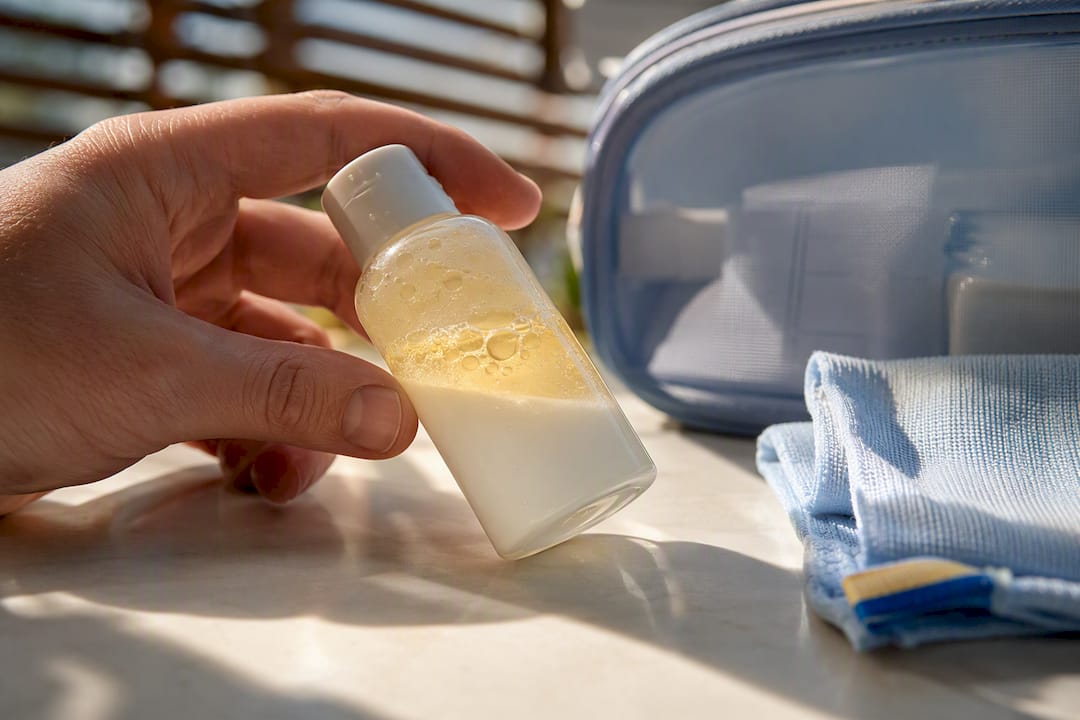
Liquid and cream products face a different risk: separation. Sunscreen, in particular, can separate into oily and watery layers when it gets too warm, which reduces even coverage. A quick shake before application usually re-blends it, but if a sunscreen has changed color, smells off, or feels grainy, it’s past the point of being reliable and should be replaced. Perishable natural ingredients, like unpreserved aloe gels or oil-based products without stabilizers, are the most heat-sensitive items in a typical toiletry bag and deserve the coolest spot in your luggage.
What Are the Best Travel-Size Containers for Hot Climates?
Container choice matters more in heat than most travelers realize. A cheap thin-walled plastic bottle can warp or crack under pressure changes and heat, leaking product into everything around it.
Look for travel bottles and jars made from thicker, rigid plastic or metal rather than flimsy squeeze tubes, especially for anything you’re decanting yourself. Silicone travel bottles handle temperature swings well and rarely crack, though they can be harder to squeeze precisely. For sunscreen and lip balm, sticks and solid formats sidestep the leak problem entirely since there’s no liquid to escape in the first place.
Screw-top lids outperform flip-caps for hot-climate travel; flip-caps can pop open under pressure changes at altitude. Whatever containers you choose, test the seal with a shake test at home before you pack, not after you discover a leak inside your bag at the destination. A water-resistant travel organizer built with separate compartments also helps contain any leak that does happen, keeping it away from clothes and electronics.
Which Toiletry Ingredients Break Down Fastest in Heat?
Certain ingredients are simply more heat-sensitive than others, and knowing which ones to watch helps you decide what to leave home versus what to pack with extra care.
Waxy, oil-heavy products (some balms, butters, and certain solid perfumes) soften and can separate at high temperatures. Vitamin C serums degrade faster in heat and light, losing potency well before their expiration date if stored somewhere warm. Retinol and other active skincare ingredients are similarly heat and light sensitive, and are generally poor candidates for a hot-climate trip unless you can guarantee cool, dark storage. Natural, preservative-free products, including some aloe gels and DIY-style balms, spoil faster in heat and humidity than products with stabilizing preservatives.
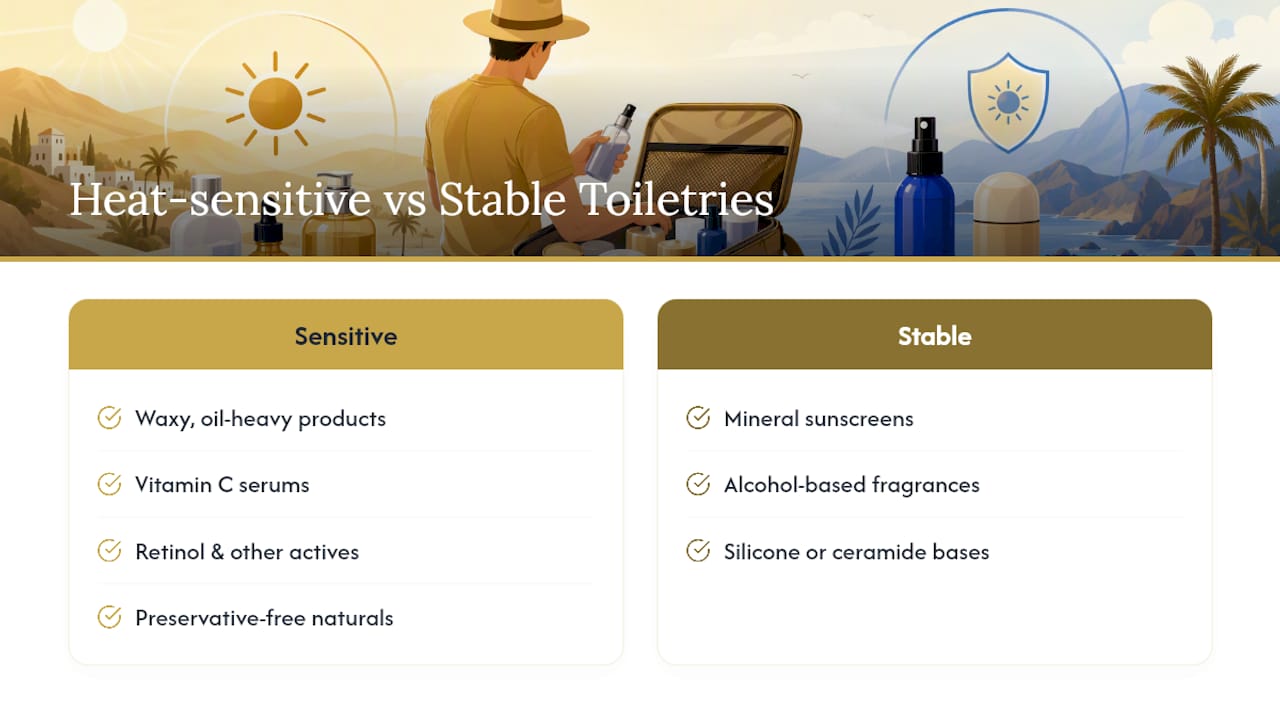
The safer bet for hot climates is favoring simpler, more stable formulas: mineral sunscreens, alcohol-based fragrances (which resist microbial growth better than water-based ones), and skincare with silicone or ceramide bases rather than heavy natural oils. If a product’s texture, smell, or color changes noticeably after a hot travel day, treat that as a sign to replace it rather than risk irritation.
What Hydration Products Matter Most in Hot Climates?
Heat pulls moisture out of skin and lips faster than most people account for, which is why hydration-focused toiletries deserve their own space in a hot-climate packing list, separate from general skincare.
An SPF lip balm covers two jobs at once: sun protection and moisture retention, and it’s genuinely one of the most forgotten items on any packing list. After-sun cooling gels, typically aloe or glycerin-based, calm overheated or sunburned skin and rehydrate without the heaviness of a standard lotion. A lightweight hydrating facial mist is worth the small suitcase space it takes up; a few spritzes during a hot afternoon can cut through the sluggish, overheated feeling that builds up on humid days. For body hydration, a gel-based moisturizer absorbs faster than a cream and won’t leave the greasy film that heavy lotions create in humidity. A travel-size facial oil can also work well for drier skin types that still need richness without a heavy cream base.
A Few Tweaks From Years of Packing for Heat
Two habits save more suitcase space and skin trouble than anything else: always carry facial mist and wipes, and never assume yesterday’s sunscreen application will cover today. Both fix small problems before they become bigger ones.
Scale the list by trip type. Day trips need just sunscreen, wipes, and a lip balm in a small pouch. Beach weeks call for the full suncare rotation and spare undershirts. Adventure travel with heavy sweat and dirt exposure benefits most from solids over liquids, since bars survive rough handling better than bottles ever will.
— Ash
Travel-Ready Fragrance and Organizers From Spritzshop
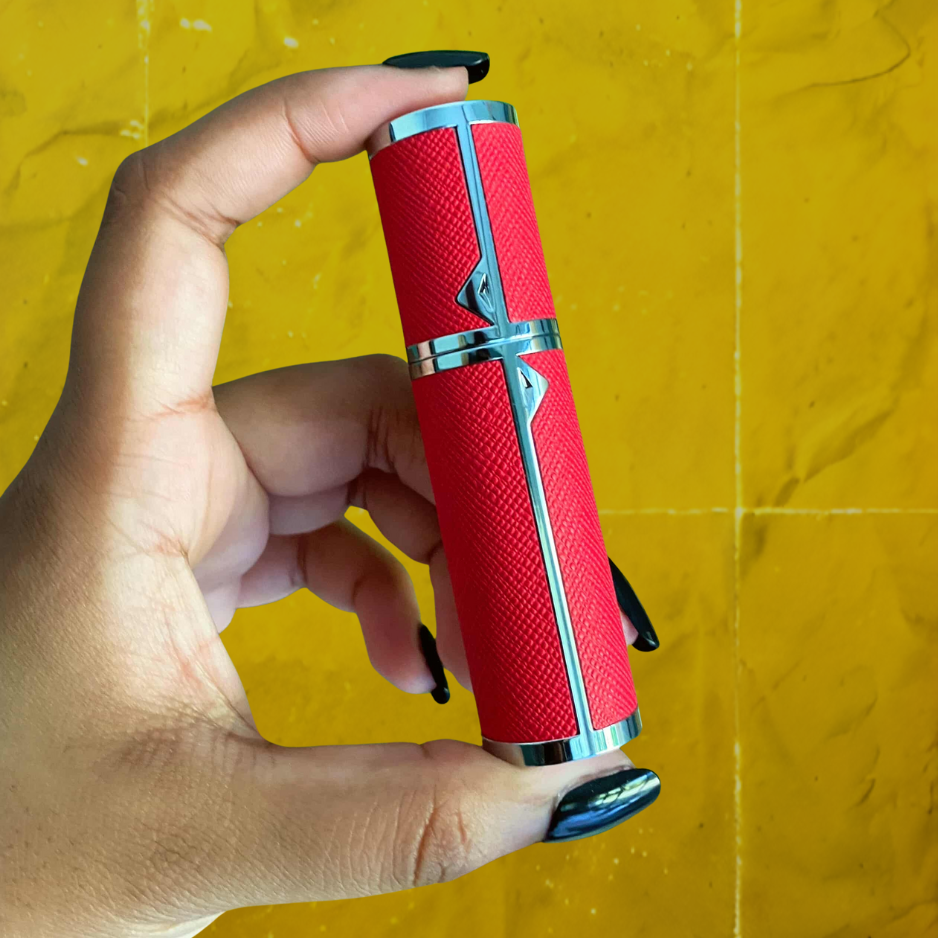
Refillable atomizers solve the common problem of glass perfume bottles being fragile, heavy, and awkward against the TSA liquids limit, while a compact refillable atomizer sidesteps all three.
Each atomizer refills from standard perfume bottles, eliminating the need to buy separate travel-size versions of scents. The design resists leaks and handles pressure and temperature changes during travel, and is small enough to fit into a pocket, purse, or dopp kit without adding bulk. If you’re organizing a full toiletry kit for a hot-climate trip, pairing an atomizer with one of Spritzshop’s travel organizers keeps everything contained in one water-resistant zone instead of loose across your suitcase.
Before your next trip, pick an atomizer size that matches how long you’re traveling (a compact option like the Olivier 10ml suits a week or two), fill it using a funnel or pipette to avoid spills, and store it upright and away from direct heat. Browse the full refillable atomizer collection to find the style that fits your bag.
Sources
- TSA: Liquids, aerosols and gels rule
- CDC: Signs and symptoms of heat-related illness
- Oars + Alps: Summer Travel Essentials kit
FAQ
What Is the 5-4-3-2-1 Rule for Packing?
It’s a common carry-on packing framework: a set number of tops, bottoms, pairs of shoes, accessories, and a single hat or swimsuit as a rough item cap. It’s meant to prevent overpacking clothes, but the same discipline works for toiletries by capping how many products you bring per category.
What Is the Most Forgotten Item When Packing for Vacation?
SPF lip balm and a spare sunscreen bottle top the list of commonly forgotten toiletries. Both matter more in hot climates, where sun exposure and sweat wear off protection faster than travelers expect.
What Should You Pack for a Hot-Weather Vacation?
Prioritize SPF 30+ sunscreen, a solid deodorant, a lightweight non-greasy moisturizer, and a quick-dry towel, keeping liquids to the TSA’s 100 ml limit in a clear one-liter bag. A refillable fragrance atomizer from Spritzshop is a practical swap for a fragile glass perfume bottle.
What Is the 3-3-3 Rule for Packing for a Trip?
It generally refers to packing 3 tops, 3 bottoms, and 3 pairs of shoes for a trip, though some travelers apply it to toiletries as 3 skincare products, 3 hair products, and 3 miscellaneous items. Either way, the point is capping quantity so you don’t overpack.
Can You Bring Solid Deodorant and Shampoo Bars in a Carry-On?
Yes. Solid toiletries like shampoo bars, soap bars, and solid deodorant sticks are exempt from the TSA’s liquid restrictions, which makes them one of the easiest ways to free up space in your one-liter liquids bag for sunscreen or medication.



साझा करें और 15% छूट पाएं!
बस इस उत्पाद को निम्नलिखित सामाजिक नेटवर्क में से किसी एक पर साझा करें और आपको 15% की छूट मिलेगी!