

The easiest way to protect a perfume atomizer is to decant into a leak-proof travel container under 3.4 ounces (100 ml), tighten the cap fully, and secure it in a padded pouch or quart-sized bag for flights. For daily carry, keep the nozzle covered and the bottle upright in a dedicated slot in your bag. A quick monthly rinse with warm water (never hot) keeps the spray mechanism working.
TL;DR:
- Using a metal or reinforced plastic travel atomizer with a leak-proof valve greatly reduces the risk of leaks and breakage during transit.
- Proper packing involves testing the spray, tightening the cap securely, covering the nozzle, and decanting into a container no larger than 3.4 ounces.
- Cleaning a clogged atomizer with warm water and isopropyl alcohol can often restore function in just a few minutes without needing replacements.
- Avoid storing perfume in exterior pockets or in direct sunlight, as heat and light accelerate degradation and increase pressure-related leaks.
- Pairing a refillable, screw-filling atomizer with a padded case offers the best balance of durability, convenience, and safety for frequent travelers.
Table of Contents
- Why Perfume Atomizers Leak, Clog, or Break in the First Place
- How Do You Pack a Perfume Atomizer for a Flight?
- What Atomizer Features Actually Prevent Damage?
- How Do You Fix a Clogged or Leaking Atomizer?
- Atomizer, Rollerball, or Decant: Which Format Travels Best?
- How Should You Clean and Store an Atomizer to Keep Fragrance Fresh?
- Does the Atomizer’s Material Change How Well It Protects Your Fragrance?
- How Do Heat and Light Affect Perfume During Travel?
- What I’ve Learned From Years of Carrying Fragrance on the Road
- Simplify Atomizer Protection With a Refillable SPRITZ Kit
- Sources
- FAQ
Why Perfume Atomizers Leak, Clog, or Break in the First Place
Glass atomizers fail for three reasons: physics, chemistry, and bad habits. Once you know which one is working against you, the fix becomes obvious.
Mechanical shock is the most visible culprit. A glass bottle rattling loose in a purse or gym bag against keys, phones, or a water bottle eventually chips or cracks, especially at the shoulder where the neck meets the body. Cushioning isn’t optional for glass; it’s the only thing standing between your fragrance and a shattered bottle.
Pressure and temperature swings cause the leaks nobody expects. Airplane cabins pressurize and depressurize during ascent and descent, and that pressure change can force liquid past an imperfect seal. A hot car trunk does something similar: heat expands the liquid and the air pocket inside the bottle, pushing fragrance out through the spray nozzle or a loose cap. This is also why FAA hazmat guidance requires aerosol release devices to be protected from accidental discharge in transit.
Accidental discharge happens when a nozzle rides exposed in a bag pocket and something presses the actuator. Chemical degradation is slower but just as damaging: perfume oils and fixatives crystallize at the spray orifice over time, and that buildup accelerates in humid bathrooms or during temperature swings while traveling, according to The Kingdom Scents.
Four failure points to watch for:
- Unpadded glass bouncing against hard objects in a bag
- Cabin pressure changes forcing liquid past a worn seal
- An uncovered nozzle catching on fabric or another item
- Oil and fixative residue crystallizing inside the spray tube
How Do You Pack a Perfume Atomizer for a Flight?
Packing correctly takes about five minutes, and skipping a step is usually what causes the mid-flight surprise of a soaked cosmetics bag.
- Test-spray before you pack. A quick spritz into the air confirms the nozzle works and the seal isn’t already compromised. A weak or sputtering spray now means a bigger problem at 30,000 feet.
- Tighten the cap by hand, then check it again. Caps that feel snug can still loosen slightly from vibration during handling. If your atomizer has a screw cap, give it one extra quarter turn.
- Cover the nozzle. Some travel atomizers include a nozzle cap or sleeve; if yours doesn’t, a small piece of tape over the spray tip prevents accidental discharge in a crowded bag.
- Decant if you’re carrying a full-size bottle. Fill a travel atomizer carefully, pouring slowly to avoid drips, and leave a small air gap at the top rather than filling to the brim.
- Follow the size rule. TSA allows containers of 3.4 ounces (100 ml) or less in carry-on luggage, and every one of those containers has to fit inside a single quart-sized clear bag.
- Place the bag where it’s accessible. Screening staff may pull your quart bag out separately, so keep it near the top of your carry-on rather than buried under clothing.
- Pack anything larger in checked luggage. TSA’s liquids rule notes that containers exceeding the 3.4-ounce limit should go in checked bags, and items that trigger an alarm during screening face additional inspection.
Pro Tip: Skip storing your atomizer in an exterior bag pocket during travel. Exterior pockets absorb the most direct sunlight and heat when your bag sits on hot pavement or a car trunk, and that heat is exactly what pushes fragrance past a stressed seal.
FAA hazmat guidance also caps the total volume of toiletries per traveler: an aggregate of 2 kg or 2 liters, with no single container over 0.5 kg or 500 ml. A pocket-sized atomizer will never come close to that ceiling, which is one more reason decanting beats hauling a full bottle through security.

What Atomizer Features Actually Prevent Damage?
Not all travel atomizers are built the same, and the differences show up the first time you drop your bag or fly with a full one.
Look for these features when choosing or evaluating an atomizer:
- A metal or reinforced polycarbonate body instead of thin glass, since it survives drops that would shatter glass
- A screw-fill design rather than a needle-refill system, which fills faster and seals more reliably
- A leak-proof valve that stays closed under pressure changes, not just a friction-fit nozzle
- A cap that clicks or screws into place rather than one that simply rests on top
Case choice matters just as much as the atomizer itself. A rigid travel case protects against crushing in a packed suitcase, while a padded fabric sleeve works better for a purse or daily bag where flexibility matters more than crush resistance. A resealable waterproof bag is a smart backup layer for either, especially for checked luggage where handlers aren’t gentle.
There’s a real trade-off between weight and protection. A hard case adds bulk you’ll notice in a small bag, while a soft sleeve saves space but offers less crush protection. For most daily carry situations, a compact metal atomizer with a padded sleeve strikes the better balance than a rigid case built for checked baggage.
Carrying a purpose-built travel atomizer instead of an original full-size glass bottle is one of the more overlooked safety upgrades available to frequent flyers. A reputable leak-proof atomizer reduces the odds of an alarm at the checkpoint and keeps your full-size bottle safely at home instead of rattling around in a suitcase where it can shatter.
How Do You Fix a Clogged or Leaking Atomizer?
A clog or leak doesn’t mean the atomizer is done. Most problems trace back to residue buildup or a loose part, and both are fixable in under ten minutes.
- Flush with warm water first. Run warm (not hot) water through the nozzle and spray tube several times. Hot water warps plastic parts and rubber seals, so stick to warm even if the clog feels stubborn.
- Move to isopropyl alcohol for resinous buildup. If warm water doesn’t clear it, a high-concentration isopropyl alcohol (90% or higher) dissolves crystallized fragrance oils and fixatives that plain water can’t touch. Let it sit briefly in the tube before flushing again.
- Tighten every component. Leaks often come from a cap or fill mechanism that’s simply not seated fully; a firm quarter turn resolves more leaks than any repair.
- Replace small O-rings if your atomizer has them. A worn O-ring is a cheap, common failure point, and a spare can extend the life of an otherwise good atomizer.
- Use temporary sealing in a pinch. A strip of tape or a layer of plastic wrap under the cap can hold you over until you’re home, though it’s not a permanent fix.
- Store it right between uses. Keep atomizers in a cool, dark spot rather than a steamy bathroom, since humidity accelerates the same residue buildup that causes clogs in the first place.
- Know when to stop repairing. If a leak returns after tightening and cleaning more than twice, or if the pump no longer builds pressure, the valve itself has likely failed, and it’s time to retire the atomizer rather than keep patching it.
Clogging is more often chemical than mechanical: oil residue, not a broken part, is behind most weak sprays. That’s genuinely good news, since it means a $2 bottle of isopropyl alcohol solves what feels like a hardware problem. For more on stopping leaks before they start, see why atomizers leak and how to stop it.
Atomizer, Rollerball, or Decant: Which Format Travels Best?

Not every fragrance container handles travel the same way, and picking the right format up front prevents most of the problems this guide covers.
Spray atomizers remain the most popular travel format because they deliver a consistent mist without direct skin contact, which keeps the fragrance from oxidizing against your hand before it hits the air. Their weak point is the pump mechanism itself, since it’s the one moving part that can fail from pressure changes or clogging.
Rollerballs trade spray coverage for near-zero leak risk. There’s no pressurized mechanism to fail, which makes them a solid backup for a gym bag or purse where you want zero mess tolerance. The tradeoff is less even coverage and more direct oil contact with skin, which some fragrances handle better than others.
Decants (fragrance transferred from a full-size bottle into a smaller container) give you flexibility to carry exactly the amount you need without hauling the original bottle. The catch is quality control: a poorly sealed decant vial is the single most common source of travel leaks, because generic vials rarely match the sealing engineering of a purpose-built atomizer.
For most travelers, a refillable atomizer beats both a rollerball and a generic decant vial, since it combines spray delivery with a sealing system actually designed for pressure and motion.
How Should You Clean and Store an Atomizer to Keep Fragrance Fresh?
Cleaning and storage habits affect how a fragrance smells six months from now just as much as how well the atomizer sprays today.
Rinse the nozzle and spray tube with warm water every few weeks, especially if you notice the mist weakening or turning uneven. Skip hot water entirely, since it’s the fastest way to warp the small plastic and rubber components inside the pump. For fragrances with heavy resin or amber notes, an occasional pass with high-concentration isopropyl alcohol clears buildup that water alone leaves behind.
Storage location matters more than most people realize. Keep atomizers in a cool, dark drawer rather than a bathroom cabinet, since heat and humidity both accelerate the chemical breakdown that changes how a fragrance smells over time. Light exposure is just as damaging, particularly for lighter citrus and floral compositions, which is why most fine fragrance bottles come in tinted or opaque glass in the first place.
Before you put an atomizer away for an extended period, give it one last test-spray. An atomizer that sits unused for months can develop a stubborn clog from settled residue, and catching that now beats discovering it right before your next trip.
Does the Atomizer’s Material Change How Well It Protects Your Fragrance?
Material choice affects durability, weight, and how well an atomizer holds up to the exact stresses covered above: drops, pressure changes, and repeated refills.
Glass is the traditional standard and looks great on a vanity, but it’s also the most breakable option for a bag that gets tossed around daily. Metal atomizer bodies, often aluminum, survive drops that would crack glass outright, and they tend to hold up better to repeated screw-fill refilling since the threading doesn’t wear down as fast.
Reinforced polycarbonate plastic splits the difference: lighter than metal, more impact-resistant than glass, though it can degrade faster if repeatedly exposed to alcohol-based cleaning solutions or high heat. That’s part of why the earlier cleaning advice steers you toward warm water and away from hot water specifically. The internal seal material matters just as much as the outer shell. A silicone or rubber gasket that’s worn or slightly misshapen is often the real reason an otherwise sturdy atomizer starts leaking, regardless of what the outer body is made from.
For anyone who refills the same atomizer repeatedly, a metal body with a reliable screw-fill mechanism holds up better over months of use than lightweight plastic designed for occasional use.
How Do Heat and Light Affect Perfume During Travel?
Temperature swings do more damage to fragrance than most travelers expect, and it happens faster than you’d think.
A car trunk in direct sun can exceed 120°F within an hour, and that heat doesn’t just risk leaks by expanding the liquid inside the bottle. It also accelerates the breakdown of top notes, the lightest and most volatile part of a fragrance, which means a bottle that’s baked in a hot trunk repeatedly can smell noticeably flatter than it did when new.
Light exposure works on a slower timeline but is just as real. UV light breaks down the aromatic compounds in fragrance oils, which is why perfumers package fine fragrance in tinted or opaque glass rather than clear bottles. A travel atomizer left on a sunny windowsill or in a mesh bag pocket facing outward is getting a daily dose of the same degradation.
The practical fix is simple: treat your atomizer the way you’d treat a phone you don’t want to overheat. Keep it in an interior bag pocket, away from windows, and out of any trunk or car seat baking in direct sun. Cold isn’t nearly as damaging as heat, but extreme cold followed by rapid rewarming (checked luggage in winter, for instance) can also stress seals through repeated contraction and expansion.
What I’ve Learned From Years of Carrying Fragrance on the Road
Most fragrance damage isn’t dramatic. It’s not a shattered bottle in a suitcase; it’s a slow, boring failure: a slightly loose cap, a nozzle that’s been rubbing against a phone charger for six months, a bottle that’s spent one too many afternoons in a hot car. The fixes people search for tend to be reactive, but the atomizers that actually last are the ones that got a five-second cap check before every single trip, not the ones that got an emergency fix after a leak already ruined a makeup bag.
The habit that’s saved me the most grief is dead simple: test-spray before packing, every single time, no exceptions. It takes three seconds and catches a failing seal before it becomes a stain on your favorite shirt. Pair that with a dedicated pocket for the atomizer, not wherever it happens to fit, and most leak stories never happen in the first place.
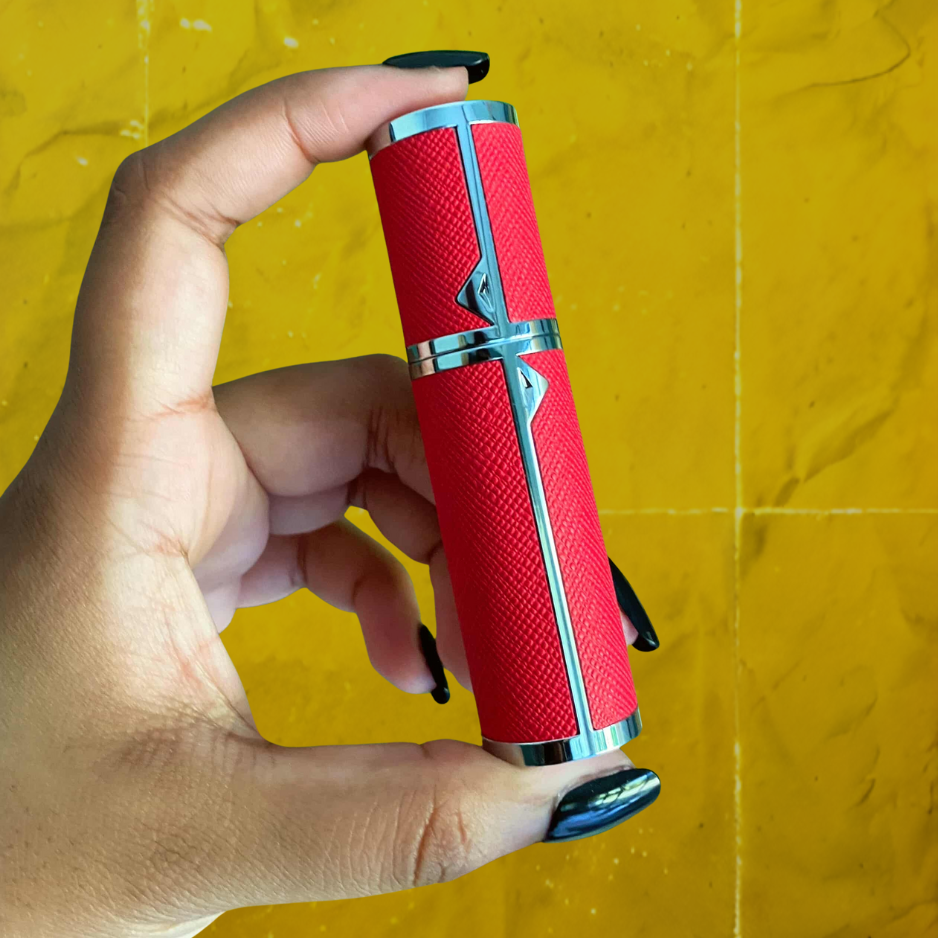
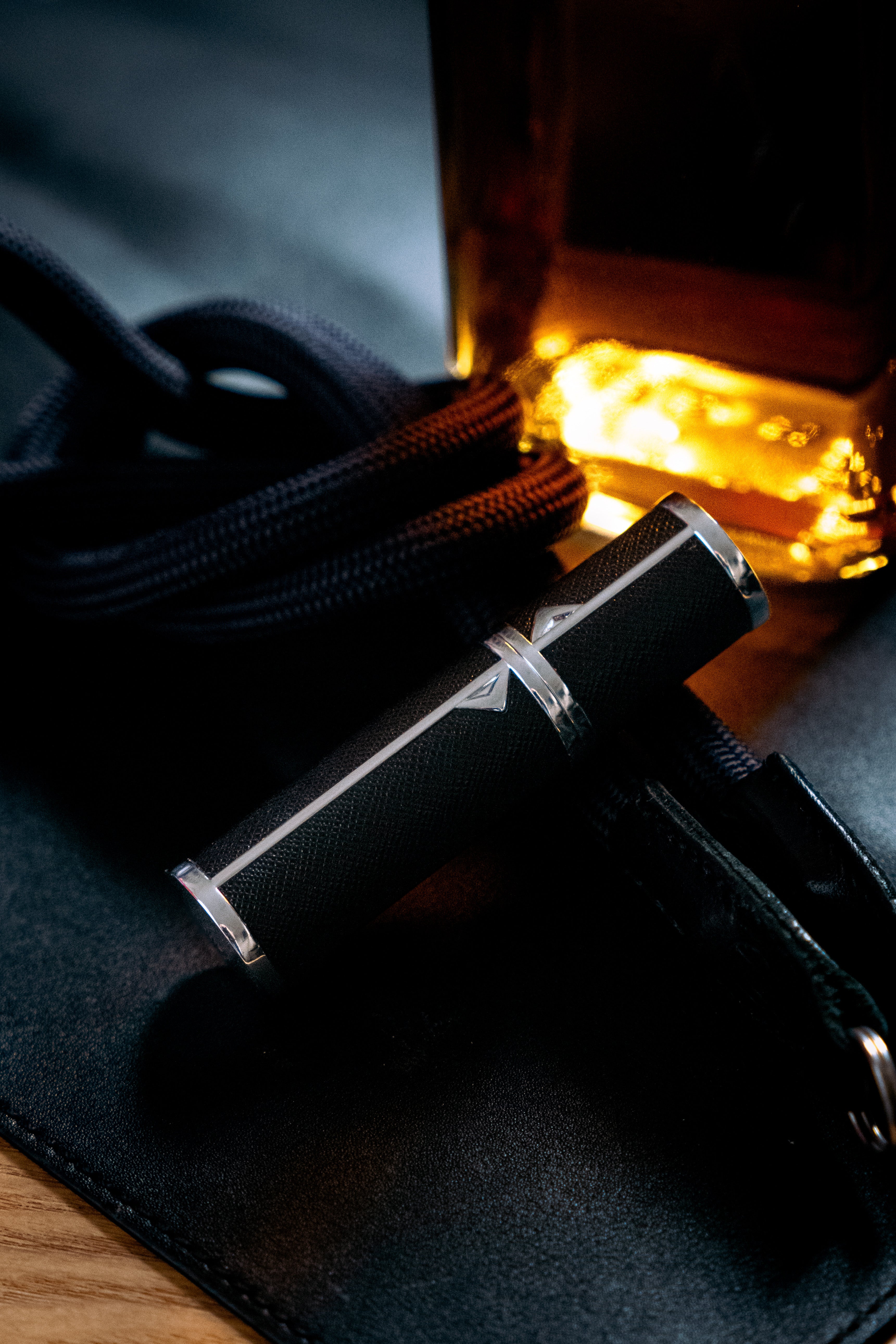
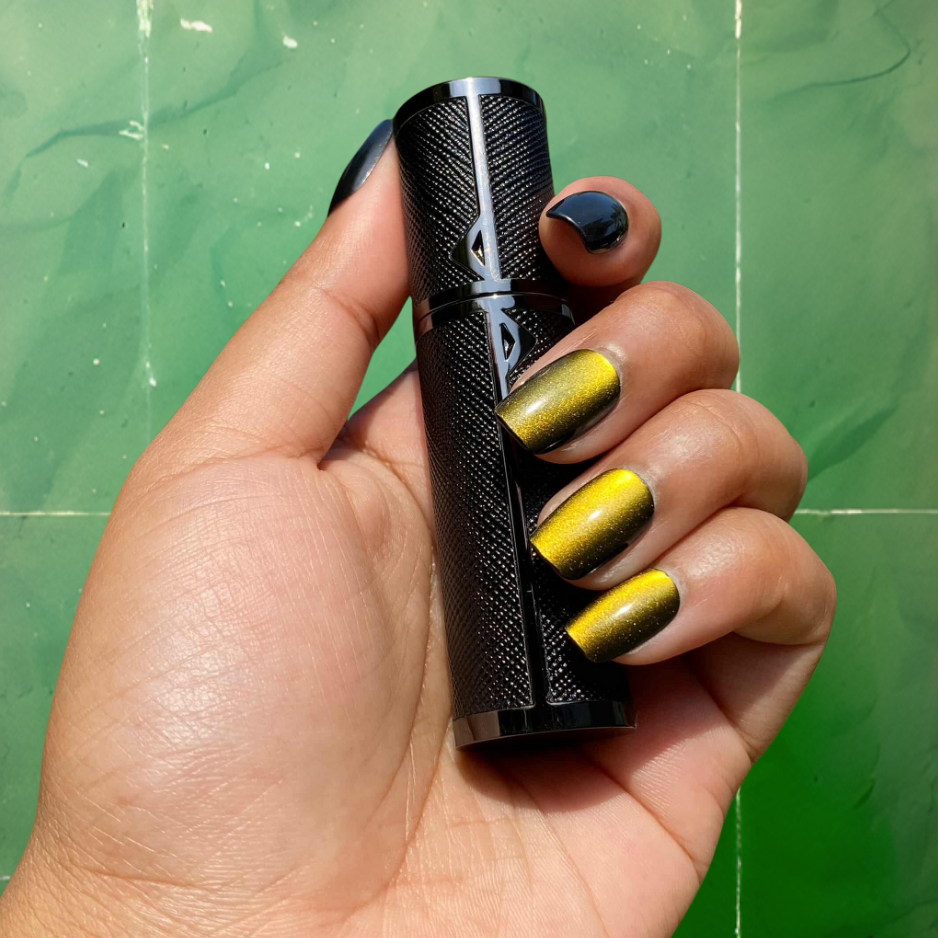
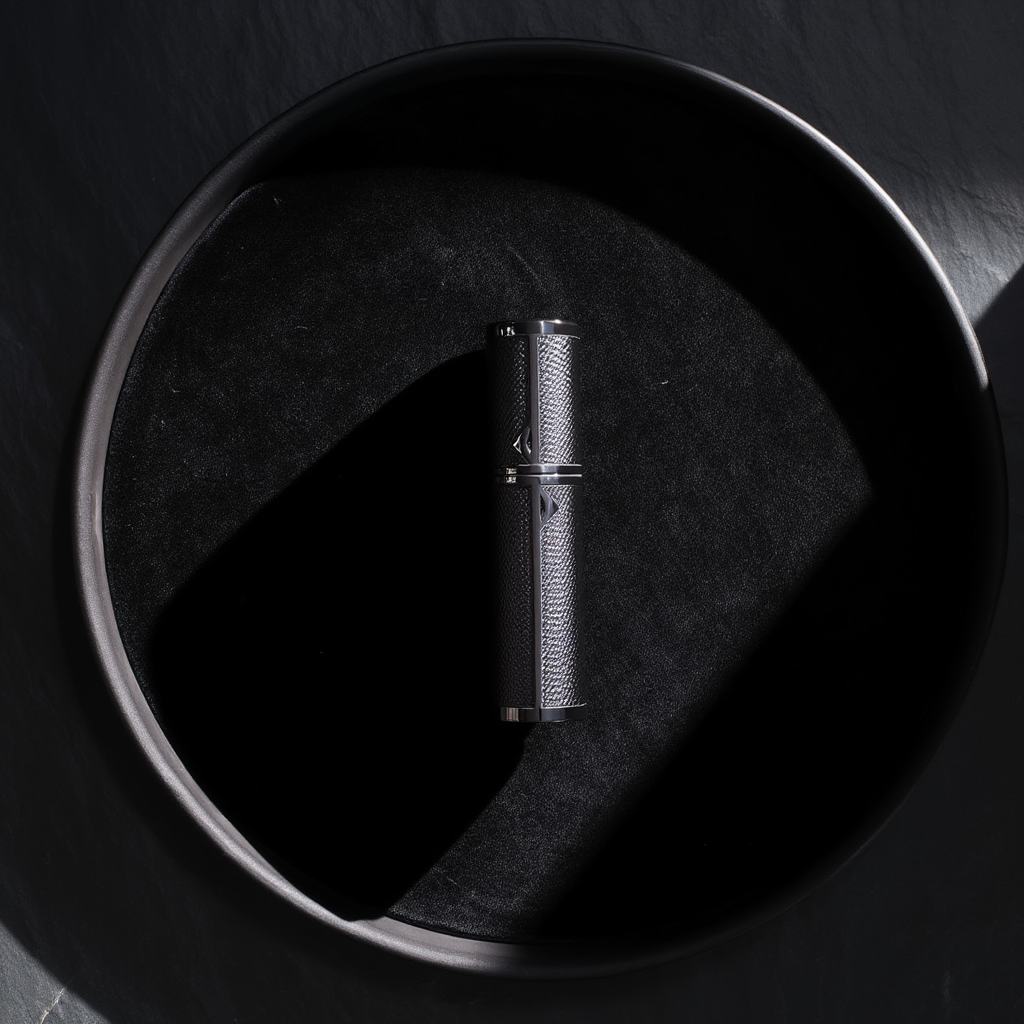
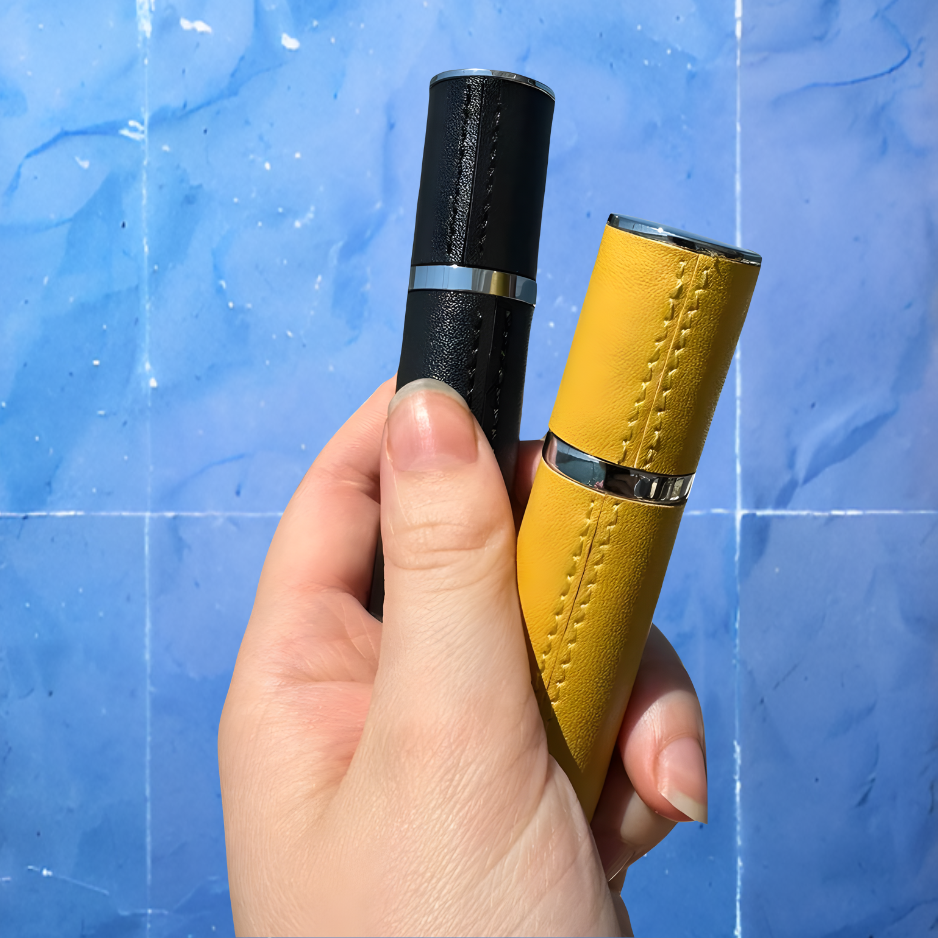
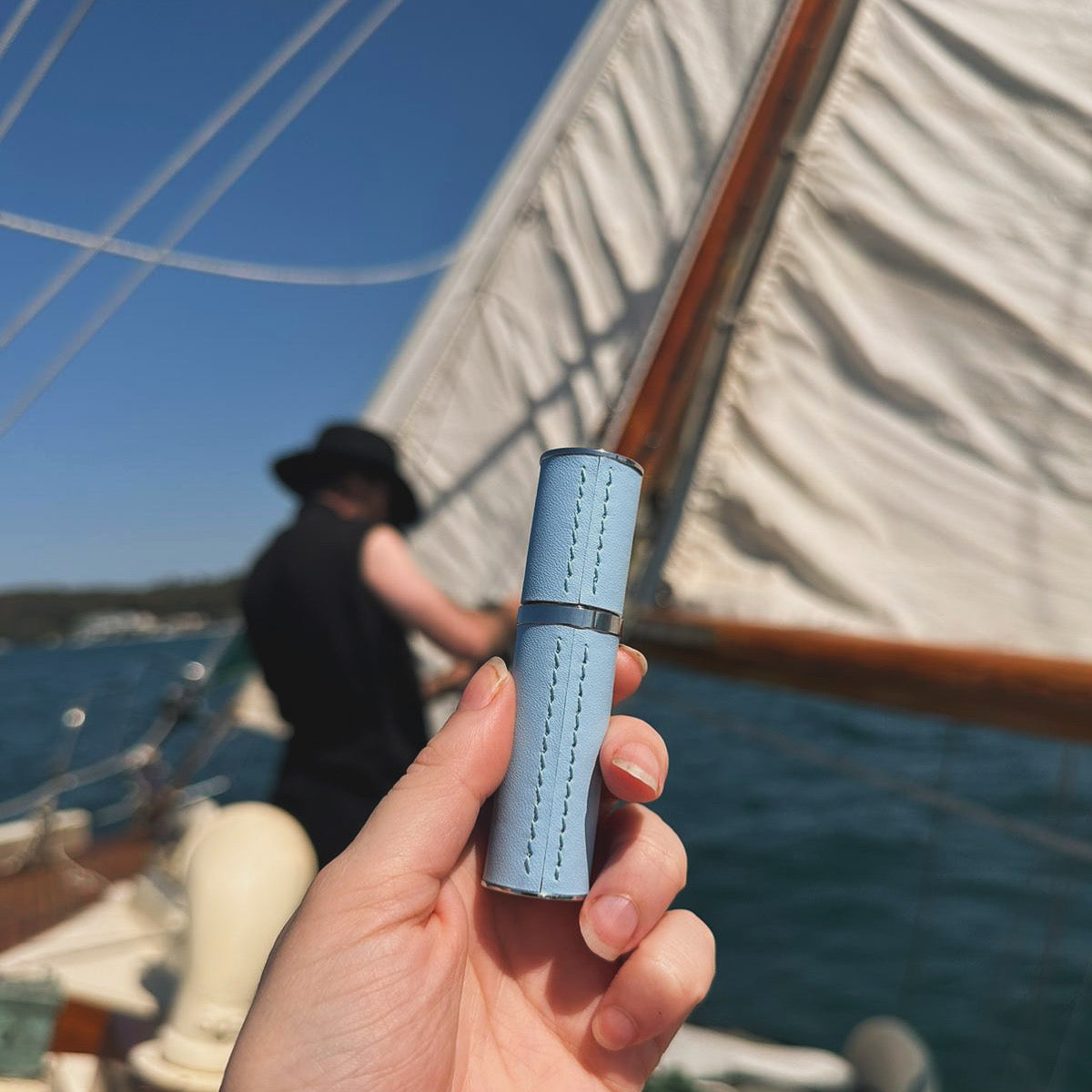
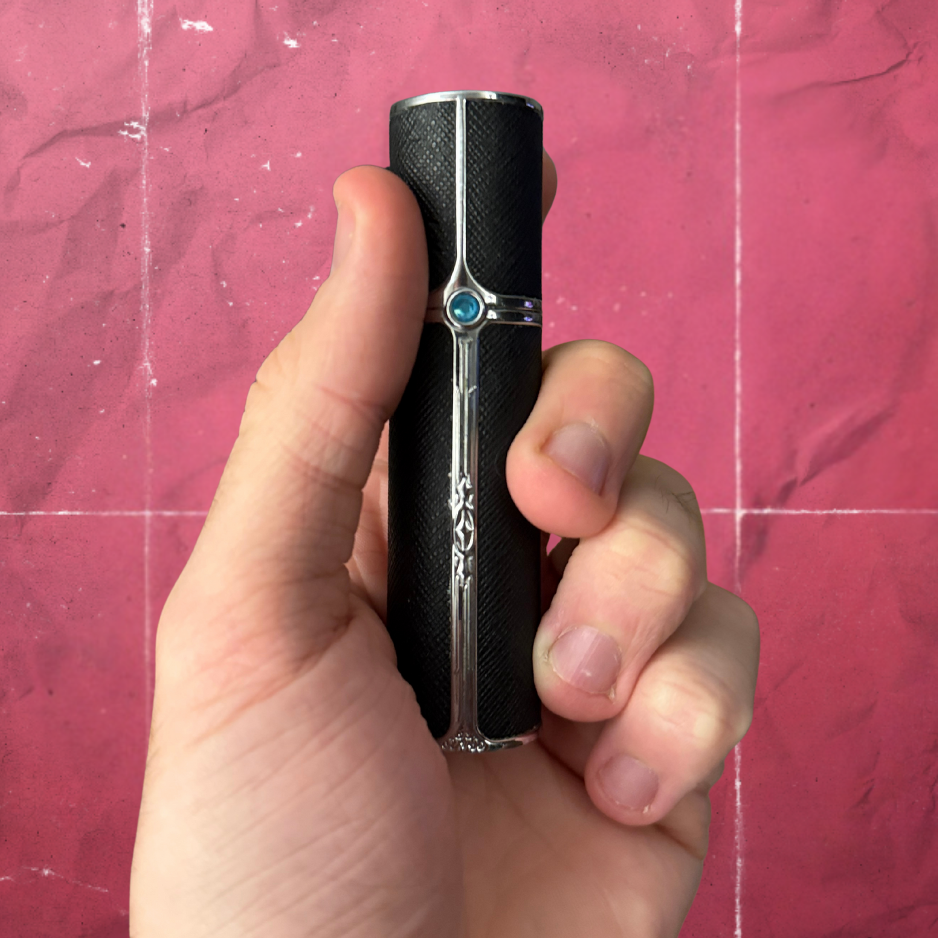
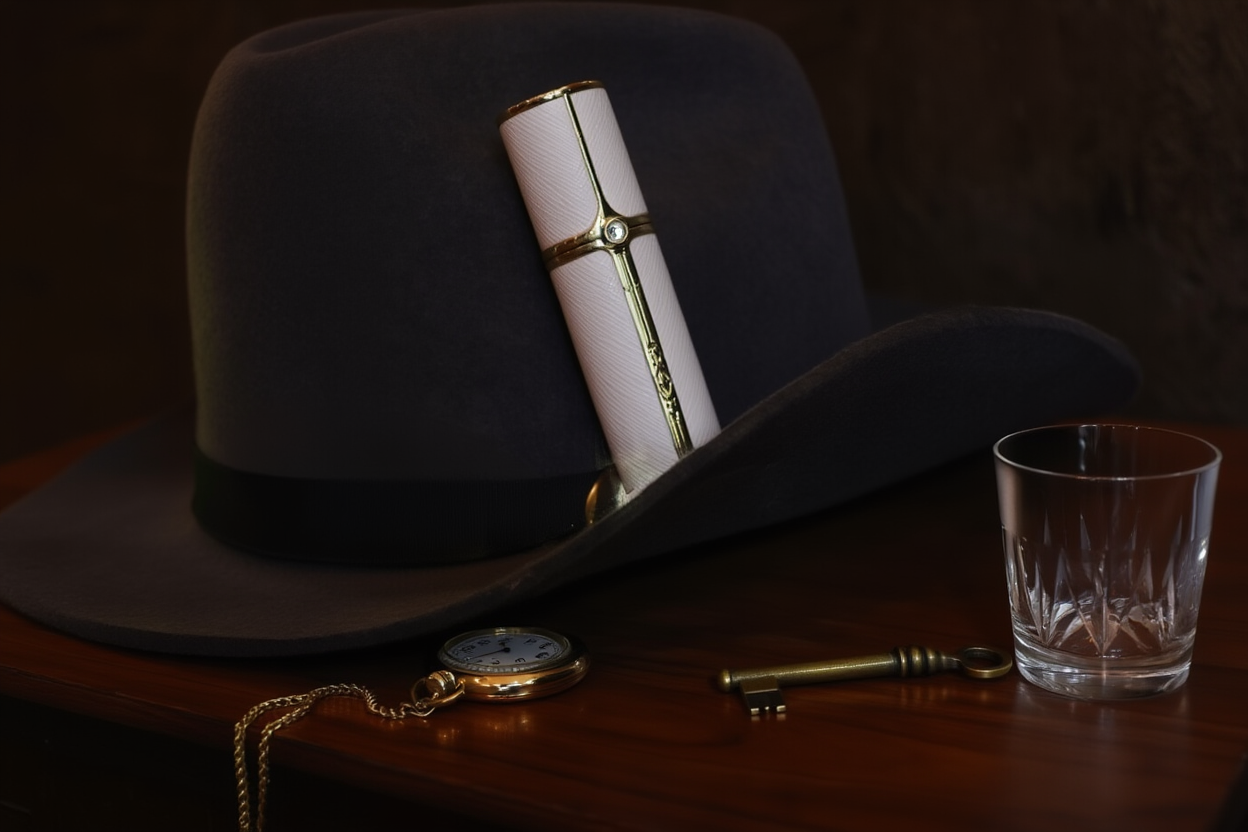
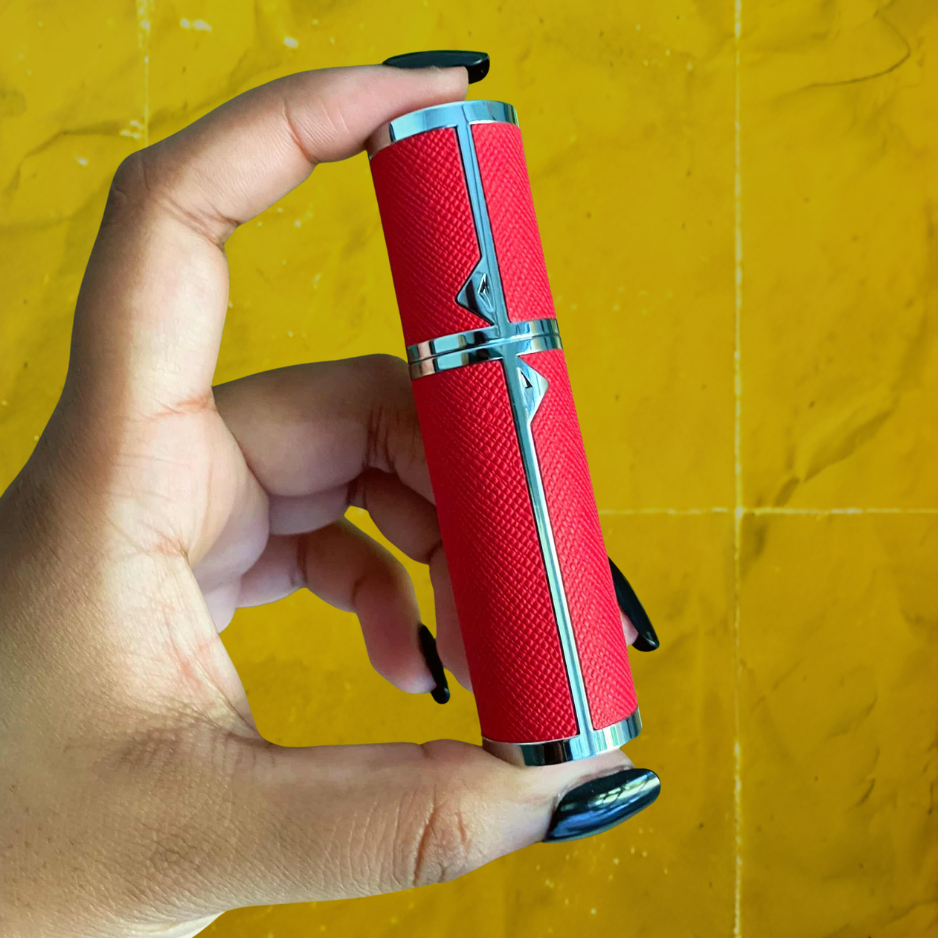
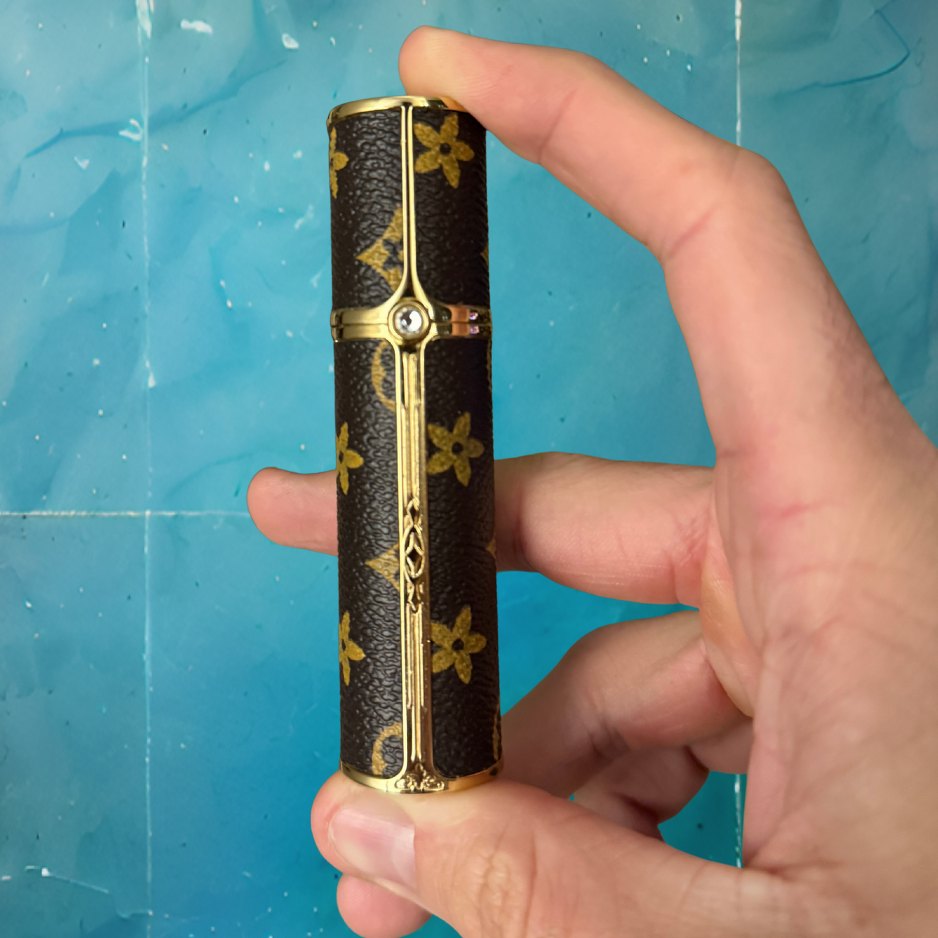
This refillable atomizer line is designed around common everyday failure points, featuring a leak-resistant seal and a screw-fill design that endures repeated refilling by frequent travelers. If you want more packing specifics, the TSA travel guide walks through the checkpoint side in more detail.
— Ash
Simplify Atomizer Protection With a Refillable SPRITZ Kit
Most of the packing and maintenance steps above exist to compensate for a bottle that wasn’t built for travel in the first place. SPRITZ solves that at the source: a refillable, leak-resistant atomizer you fill from any standard perfume bottle in seconds, so you’re never packing fragile glass or guessing whether a cap will hold at altitude.

If you carry one scent daily, the Refillable Perfume Atomizers collection covers the basic pocket-sized option. Frequent flyers who want backup bottles on longer trips tend to prefer SPRITZ The Set, which packs three atomizers together for multiple scents or extended travel. If you’re packing for the gym as often as the airport, the Gym Set Pro bundle pairs an atomizer with travel and gym essentials in one purchase. Pick based on how you actually travel: one atomizer for daily carry, a multi-pack for longer trips, or a bundle if fragrance is just one piece of what you’re packing.
Sources
Verify current limits directly: TSA’s perfume guidance, the TSA liquids rule, FAA PackSafe hazmat guidance, and cleaning guidance for atomizers.
- Perfume | Transportation Security Administration
- Liquids, aerosols, and gels rule | Transportation Security Administration
- PackSafe for Passengers (FAA hazmat guidance)
- Whatscent
FAQ
How Do You Fix a Perfume Atomizer That Won’t Spray?
Flush the nozzle with warm water first to clear light residue, then follow with high-concentration isopropyl alcohol (90% or higher) if the spray stays weak, since crystallized oils are the most common cause. Avoid hot water, since it can warp plastic parts and rubber seals rather than fix the clog.
Do Perfume Atomizers Actually Work as Well as the Original Bottle?
Yes, a quality atomizer delivers the same fragrance and spray pattern as the original bottle, since you’re simply transferring the same liquid into a different pump mechanism. The performance difference comes down to the atomizer’s build quality, not the fragrance itself, which is why a reliable leak-proof design matters more than brand names.
What Is the Vaseline Trick for Perfume Atomizers?
Some people rub a thin layer of petroleum jelly on the threads of a cap or the seal of a fill valve to help it close more snugly and reduce minor leaks. It’s a temporary workaround, not a real fix, and a properly sealed atomizer with intact O-rings shouldn’t need it.
What Should You Look for in the Best Perfume Atomizer for Travel?
The best travel atomizer has a leak-proof valve, a durable metal or reinforced body, and an easy screw-fill refill system rather than a slow needle-fill process. SPRITZ’s refillable atomizer collection is built around exactly these features for readers who want a purpose-built travel option instead of carrying a full-size glass bottle.
How Small Does a Perfume Container Need to Be for Carry-On?
TSA requires each container to hold 3.4 ounces (100 ml) or less, and every liquid container in your carry-on must fit together inside one quart-sized clear bag. Anything larger needs to go in checked luggage instead.



साझा करें और 15% छूट पाएं!
बस इस उत्पाद को निम्नलिखित सामाजिक नेटवर्क में से किसी एक पर साझा करें और आपको 15% की छूट मिलेगी!