

For beaches, boats, and rain-soaked treks, the right waterproof travel pouch comes down to three things: a verified IP rating, welded seams, and a closure type matched to your activity. Here are the top picks right now, each matched to a specific trip scenario:
- Booe 3-1-1 (311) Waterproof Travel Pouch — IP67-rated, clear TPU, TSA quart-size compliant; best for carry-on toiletries and airport security.
- Nite Ize RunOff Waterproof Travel Pouch — airtight TRU® Zip closure, touchscreen-friendly window; best for day hikes, festivals, and keeping your phone dry and accessible.
- OverBoard IP68 Waterproof Pouch — submersible to a depth suitable for typical recreational water activities for about an hour, floats when sealed; best for kayaking, boating, and any activity where gear can go overboard.
- TSA-Friendly Clear Quart Pouch (mainstream options) — budget-friendly, clear PVC or TPU, quart-size; best for toiletries, cosmetics, and travelers who need a simple carry-on organizer without a high IP requirement.
Quick comparison pointers: IP68 beats IP67 for deeper submersion; roll-top or TRU® Zip closures outperform standard zippers; floatation matters for water sports; and TSA compliance requires a clear, quart-size bag.
Table of Contents
- Side-by-side specs that actually matter when comparing pouches
- Short profiles for each recommended pouch
- How to choose the right waterproof pouch for your trip
- How to test, use, and maintain a waterproof pouch
- What IP ratings and construction terms really mean
- Key Takeaways
- The trade-off most travelers get wrong
- A compact travel accessory that pairs with your waterproof pouch
- Sources and manufacturer pages to verify specs
Side-by-side specs that actually matter when comparing pouches
| Feature | Booe 3-1-1 (311) | Nite Ize RunOff | OverBoard IP68 | TSA Clear Quart Pouch |
|---|---|---|---|---|
| IP rating / submersion | IP67 (1 meter submersion for 30 minutes) | Not IP-rated | IP68 (19 ft / 6 m for 60 minutes, manufacturer-stated) | None |
| Closure type | Sealed zipper | TRU® Zip airtight | Roll-top or sealed zipper | Standard zipper |
| Material & seams | Clear TPU, welded seams | TPU, welded construction | TPU, welded seams | PVC or TPU, stitched |
| Capacity / size | Quart / TSA-compliant | Phone + essentials | Medium (phone, passport) | Quart / TSA-compliant |
| Floatation | Yes (sealed) | Yes (sealed with air) | Yes (manufacturer-stated) | No |
| Best use case | Toiletries, carry-on | Phone, day hike, festival | Kayaking, boating, diving | Toiletries, airport security |
| Price band | Budget–mid | Mid | Mid–premium | Budget |
| Warranty / return | Manufacturer warranty | Manufacturer warranty | Manufacturer warranty | Varies by seller |
| TSA compliant | Yes | No | No | Yes |
IP67 vs IP68 at a glance: IP67 certifies submersion at 1 meter for 30 minutes; IP68 indicates deeper and longer submersion, with the exact parameters set by the manufacturer. The difference matters most when you’re on a boat or paddling — a splash is IP67 territory, but going overboard is IP68 territory.
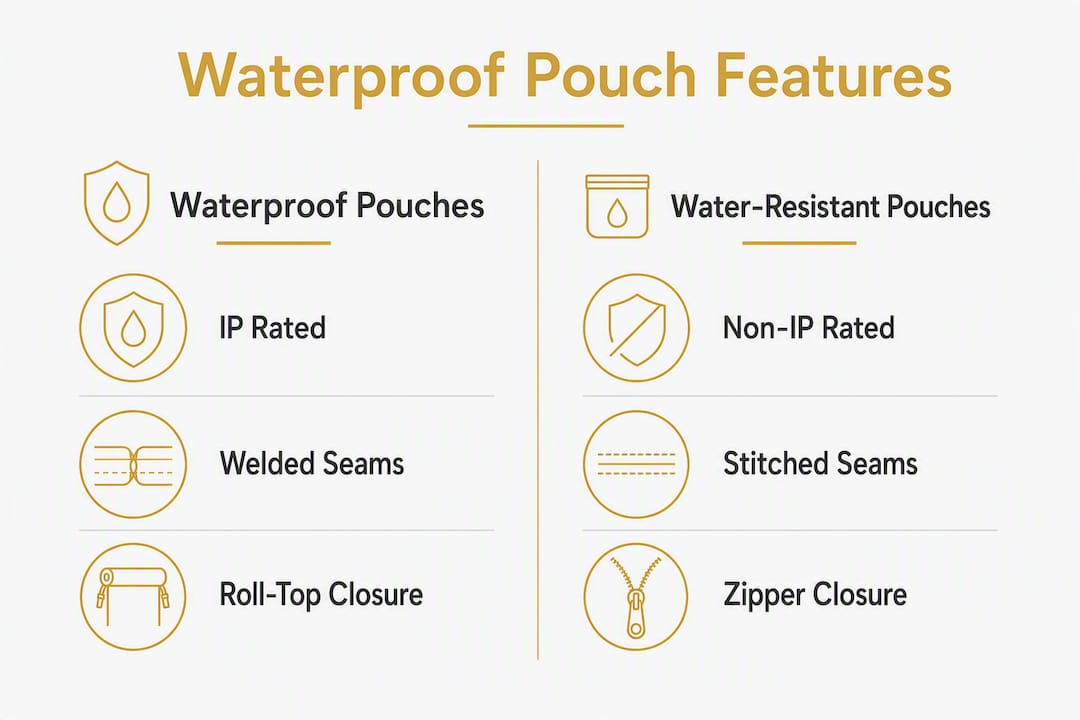
Two construction signals separate a genuinely waterproof pouch from a water-resistant one. Welded seams eliminate needle holes and form a continuous bond that stitched seams cannot replicate. And the term “waterproof” itself carries no legal definition in the US, EU, or UK, so the IP rating is the only verifiable standard you can rely on when shopping.
Short profiles for each recommended pouch
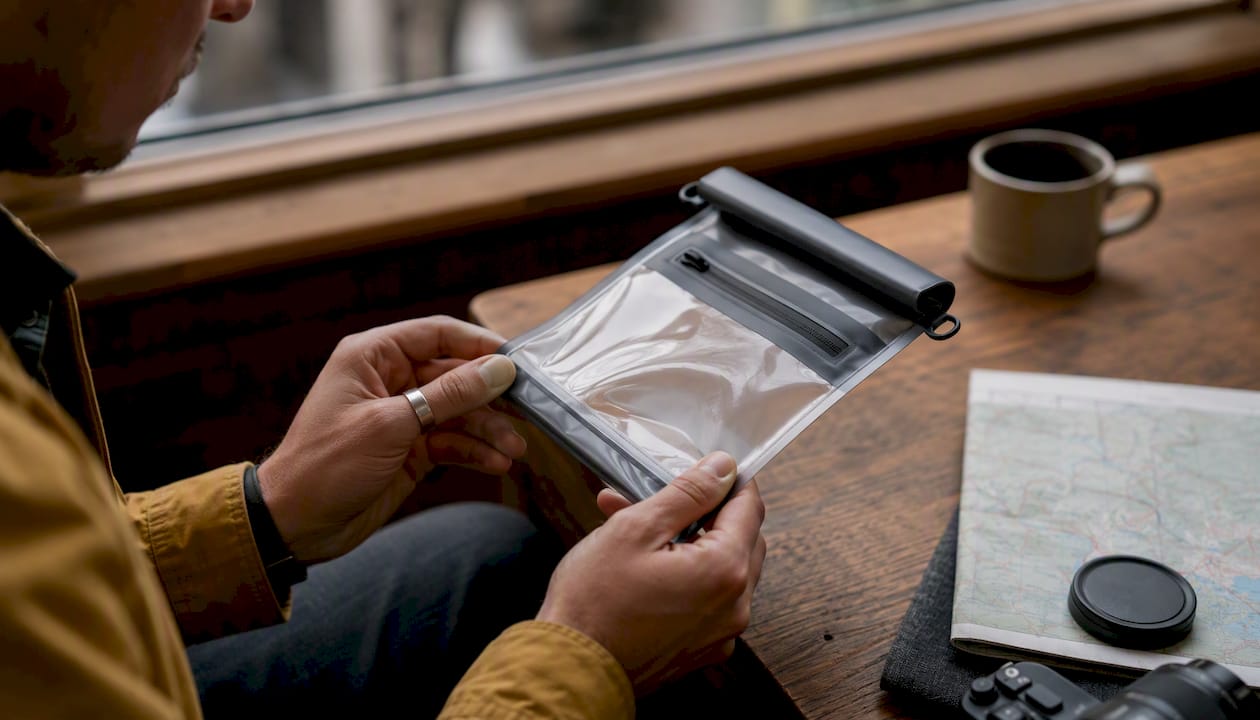
Booe 3-1-1 Waterproof Travel Pouch
The Booe 311 is built around one job: getting your liquids through airport security without a leak or a spill. It’s IP67-rated, meaning it handles a brief accidental drop in water, and the clear TPU film bottom lets TSA agents see your contents without you opening the bag. Welded seams and a sealed zipper keep toiletries contained even if a shampoo cap pops mid-flight.
- Standout features: IP67, clear TPU, welded seams, quart-size, floats when sealed
- Pros: TSA-compliant, durable clear material, leak-proof for toiletries
- Cons: Not suited for deep submersion; standard zipper requires care
- Best for: Carry-on toiletries, cosmetics, and travelers who pass through security regularly
- Price band: Budget to mid
The Booe Large version adds capacity for bigger kits and works as a compression packing aid, which is a genuinely useful bonus for anyone trying to pack light without sacrificing organization.
Nite Ize RunOff Waterproof Travel Pouch
The RunOff’s defining feature is its TRU® Zip closure, an airtight zipper system that creates a watertight seal without the bulk of a roll-top design. A clear, touchscreen-compatible window means you can use your phone through the pouch, which matters when you’re navigating trails or checking a boarding pass in the rain. Nite Ize recommends regular zipper maintenance with the included lubricant wipes to preserve the airtight seal, especially after sand or salt exposure.
- Standout features: TRU® Zip airtight closure, touchscreen window, welded TPU construction, two sizes
- Pros: Phone-accessible, compact, rated 5.0 out of 5 by verified buyers
- Cons: No official IP rating; not designed for deep submersion
- Best for: Day hikes, festivals, beach days where you need phone access
- Price band: Mid
OverBoard IP68 Waterproof Pouch
OverBoard’s IP68 pouch is the choice when the stakes are highest. It’s rated for submersion to a depth and duration appropriate for typical water exposure and floats when properly sealed, giving you a recovery window if it goes overboard on a kayak or sailboat. The welded TPU construction means there are no stitched seams to degrade over time.
- Standout features: IP68, floats, welded seams, fits phone and passport
- Pros: Highest submersion rating in this group, floatation safety margin, durable build
- Cons: Pricier than budget options; roll-top or sealed zipper requires deliberate closing technique
- Best for: Kayaking, boating, snorkeling, and any trip where gear could be fully submerged
- Price band: Mid to premium
TSA-Friendly Clear Quart Pouch
These are the mainstream clear pouches you’ll find widely available online, typically made from PVC or thin TPU with a standard zipper. They meet TSA’s quart-size requirement and keep toiletries visible, but they carry no IP rating and use stitched rather than welded construction. Fine for a city trip or a short flight; not appropriate for protecting electronics or anything you can’t afford to get wet.
Pro Tip: Before your first trip with any new pouch, run the paper towel test: fold a dry paper towel inside, seal the pouch, and submerge it briefly in a sink. If the towel stays dry, the seal is good. This method, recommended by Booe, lets you verify integrity without risking your actual gear.
How to choose the right waterproof pouch for your trip
The single most useful question to ask before buying is: what’s the cost if this pouch fails? A soaked toiletry bag is an inconvenience. A soaked passport or camera is a trip-ending problem. That distinction should drive every spec decision you make.
IP rating first. If you’re protecting electronics, documents, or anything irreplaceable, you need a pouch with a manufacturer-stated IP67 or IP68 rating. Water-resistant gear uses DWR coatings and tightly woven fabrics but lacks the welded seams and sealed closures needed for sustained exposure. For clothes and low-value items, a water-resistant organizer is fine. For valuables, it’s not.
Seam construction. Welded, stitchless seams are the structural baseline for genuine waterproofing. Stitched seams create needle holes that let water in under pressure, no matter how thick the fabric coating. Check product pages for “welded seams,” “high-frequency welded,” or “stitchless construction” before buying.
Closure type. Roll-top closures combined with welded construction are the gold standard for full submersion. Airtight zippers like TRU® Zip work well for daily use and phone access but require regular maintenance. Standard zippers are a weak point under sustained water pressure.
Floatation. For water sports, a pouch that floats when sealed is a meaningful safety feature. If your kayak tips, a floating pouch gives you a chance to recover it. Check whether the manufacturer explicitly states floatation capability.
TSA compliance. If you’re packing liquids in carry-on luggage, the pouch must be clear and quart-size (approximately 1 liter). The Booe 311 and standard clear quart pouches both qualify. Check the TSA’s carry-on liquids rules before packing.
Weight and packability. TPU pouches are generally lighter and more packable than PVC. For multi-day trips where every ounce counts, this matters. A mid-size TPU pouch typically weighs under 3 oz, which is negligible in a pack.
Red flags to avoid: any product labeled “waterproof” with no IP rating, stitched seams on a pouch marketed for submersion, vague “splash-proof” claims, and no stated warranty or return policy.
Pro Tip: Layer your protection. Use an IP-rated pouch for electronics and documents, and a lighter water-resistant organizer for clothes and low-risk items. This approach, common among experienced travelers, keeps total weight down without compromising where it counts.
How to test, use, and maintain a waterproof pouch
A pouch that worked perfectly in the store can fail on a trip if the seal degrades from sand, salt, or improper storage. These steps keep it reliable.
Before every trip:
- Run the paper towel test: place a dry paper towel inside, seal the pouch completely, and submerge it in a sink for 30 seconds. Check the towel for moisture. If it’s damp, the seal has failed.
- Inspect the zipper or roll-top closure for visible debris, salt crystals, or sand particles before sealing.
- For TRU® Zip or airtight zippers, apply the manufacturer-recommended lubricant wipe before the trip.
During use:
- Never force a zipper closed over debris. Clear the track first.
- Keep sharp objects (keys, pens, nail files) away from TPU film, which can puncture.
- Don’t store wet items inside a sealed pouch for extended periods; moisture trapped inside promotes mildew.
After salt or sand exposure:
- Rinse the exterior with fresh water and let it air dry fully before storing.
- Lubricate airtight zippers after heavy salt or sand use to prevent abrasion and seal failure.
- Inspect welded seams for any separation or bubbling, which signals the bond is weakening.
Long-term care:
- Store pouches flat or loosely rolled, not compressed under heavy gear.
- Avoid prolonged sun exposure, which degrades TPU over time.
- Follow the manufacturer’s specific care instructions, which often include guidance on cleaning agents to avoid (harsh solvents can break down TPU coatings).
What IP ratings and construction terms really mean
The word “waterproof” on a product label means nothing legally. In the US, EU, and UK, no regulation governs its use, which is why two products can both claim to be “waterproof” while one survives a kayaking trip and the other fails in a light rain.
The IP (Ingress Protection) rating is the standard that actually measures performance. The second digit in an IP code indicates water resistance: IP67 certifies full submersion at 1 meter for 30 minutes; IP68 indicates deeper and longer submersion, with the exact parameters set by the manufacturer (such as 19 ft / 6 m for 60 minutes on OverBoard’s IP68 pouch). The first digit covers dust and solid particle protection, which matters for beach and desert travel.
Construction reality: Stitching creates needle holes that defeat waterproofing. A genuinely waterproof pouch must use welded or fully sealed construction at every seam. High-frequency welded seams bond the material without puncturing it, creating a continuous seal that coated fabrics and taped seams can’t match over repeated use.
DWR (Durable Water Repellent) coatings and tightly woven fabrics make gear water-resistant, not waterproof. They shed light rain and brief splashes well, but they fail under sustained pressure or full submersion. For clothes and low-value items, DWR is adequate. For a phone, camera, or passport, it’s not a substitute for an IP-rated pouch with welded seams.
Pro Tip: Reserve IP-rated pouches for electronics, cameras, and documents. For everything else, a quality water-resistant organizer keeps weight down and still handles the rain. The layered approach is what experienced travelers actually use.
Key Takeaways
The most reliable waterproof travel pouch combines a manufacturer-stated IP rating (IP67 or IP68), welded stitchless seams, and a closure type matched to your activity level.
| Point | Details |
|---|---|
| IP rating is the only verifiable standard | “Waterproof” is unregulated; IP67 covers 1 m/30 min, IP68 covers 6 m/60 min (manufacturer-stated for OverBoard). |
| Welded seams are non-negotiable for submersion | Stitched seams create needle holes; only welded or stitchless construction holds under water pressure. |
| Match closure to activity | Roll-top for kayaking/boating; TRU® Zip for phone access on hikes; standard zipper for TSA toiletry pouches. |
| Test before every trip | The paper towel submersion test reveals seal failures before your electronics are at risk. |
| Spritzshop travel organizers | Spritzshop’s travel accessories, including compact atomizers, pair naturally with waterproof pouches for a complete, TSA-ready kit. |
The trade-off most travelers get wrong
The conventional wisdom says: buy the most waterproof pouch you can find and use it for everything. In practice, that approach adds weight, bulk, and friction to every packing decision.
The smarter frame is cost-of-failure thinking. Your phone, camera, and passport deserve an IP68 pouch with welded seams and floatation. Your socks and t-shirts do not. Treating every item as equally at risk leads to overpacking protection gear and under-protecting the things that actually matter.
There’s also a usability gap that most reviews skip. A roll-top IP68 pouch is excellent for a kayak trip and genuinely annoying for a beach day where you’re opening and closing it every ten minutes. The Nite Ize RunOff’s TRU® Zip closure exists precisely because daily-use scenarios demand quick access, not maximum submersion depth. Choosing the right pouch means being honest about how you’ll actually use it, not how you imagine the worst-case scenario.
One more thing: zipper maintenance is the most commonly neglected part of pouch ownership. An airtight zipper that isn’t lubricated after salt exposure will degrade faster than any other component. That single habit extends the life of a mid-range pouch by years.
A compact travel accessory that pairs with your waterproof pouch
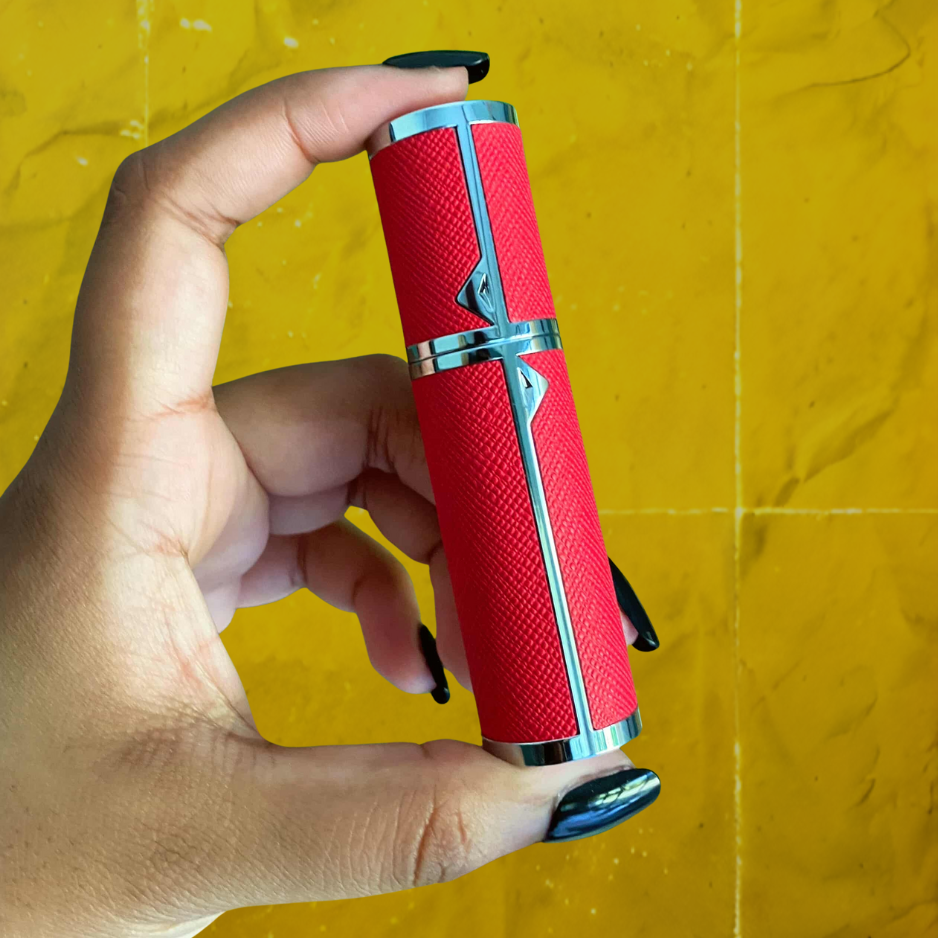
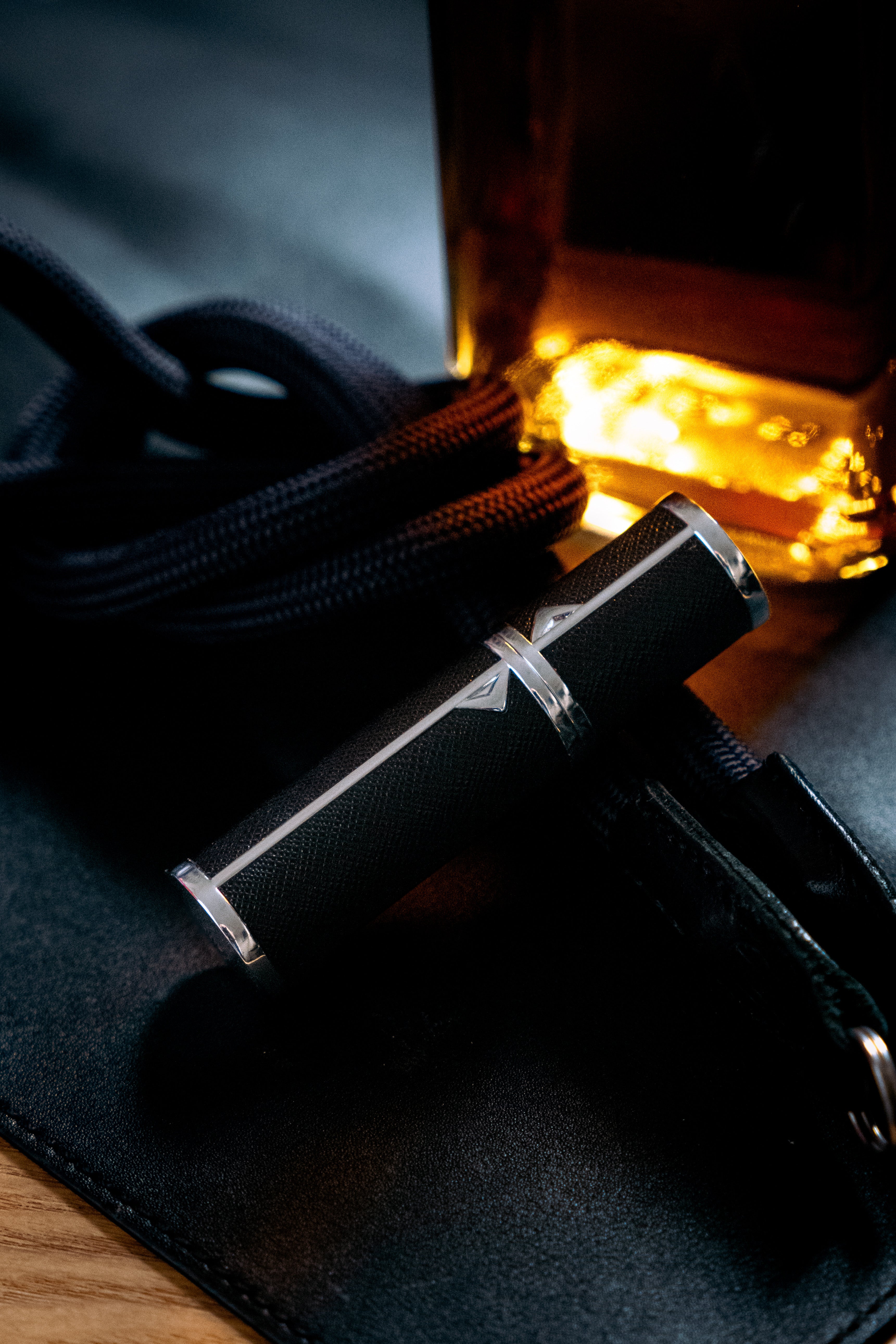
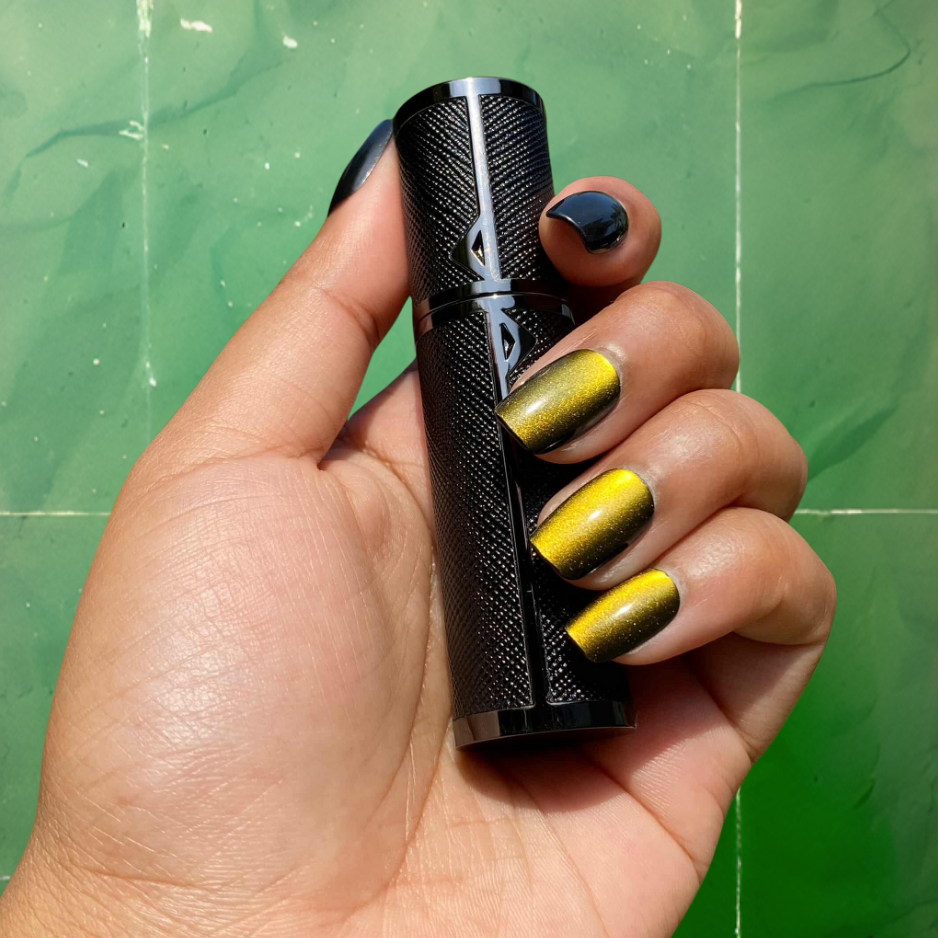
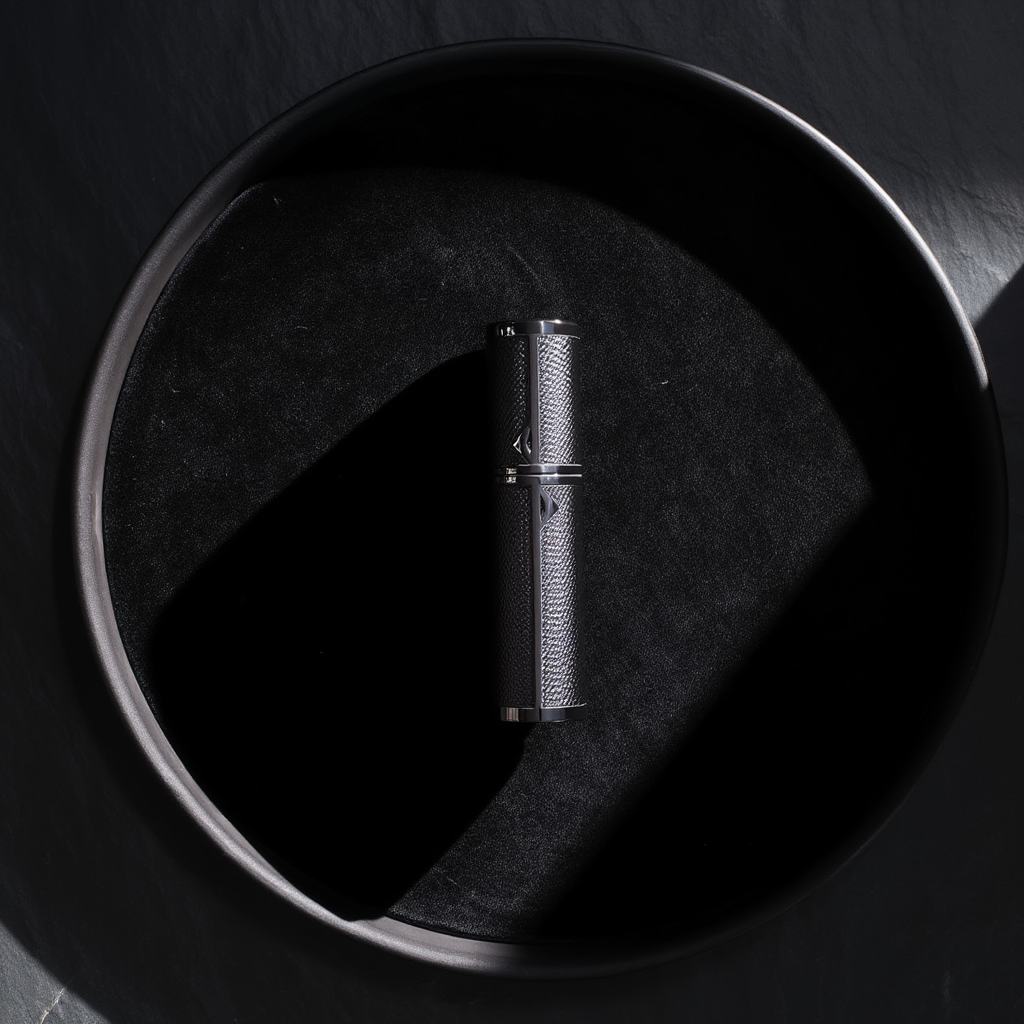
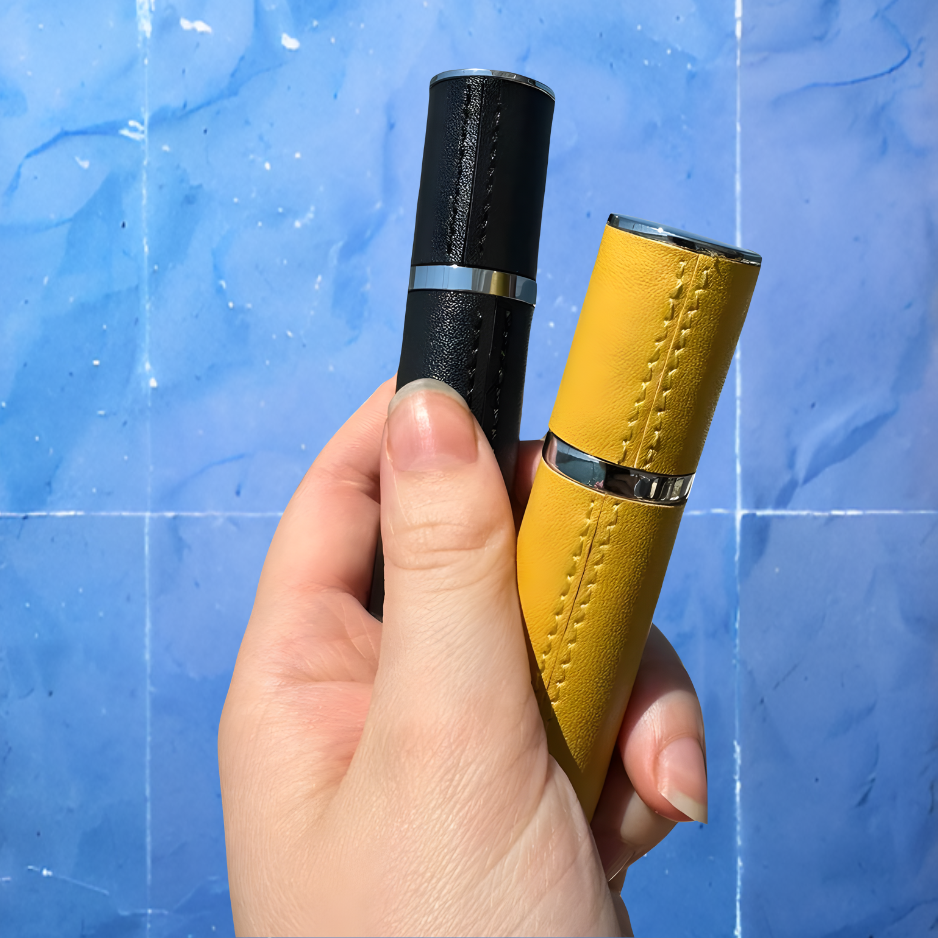
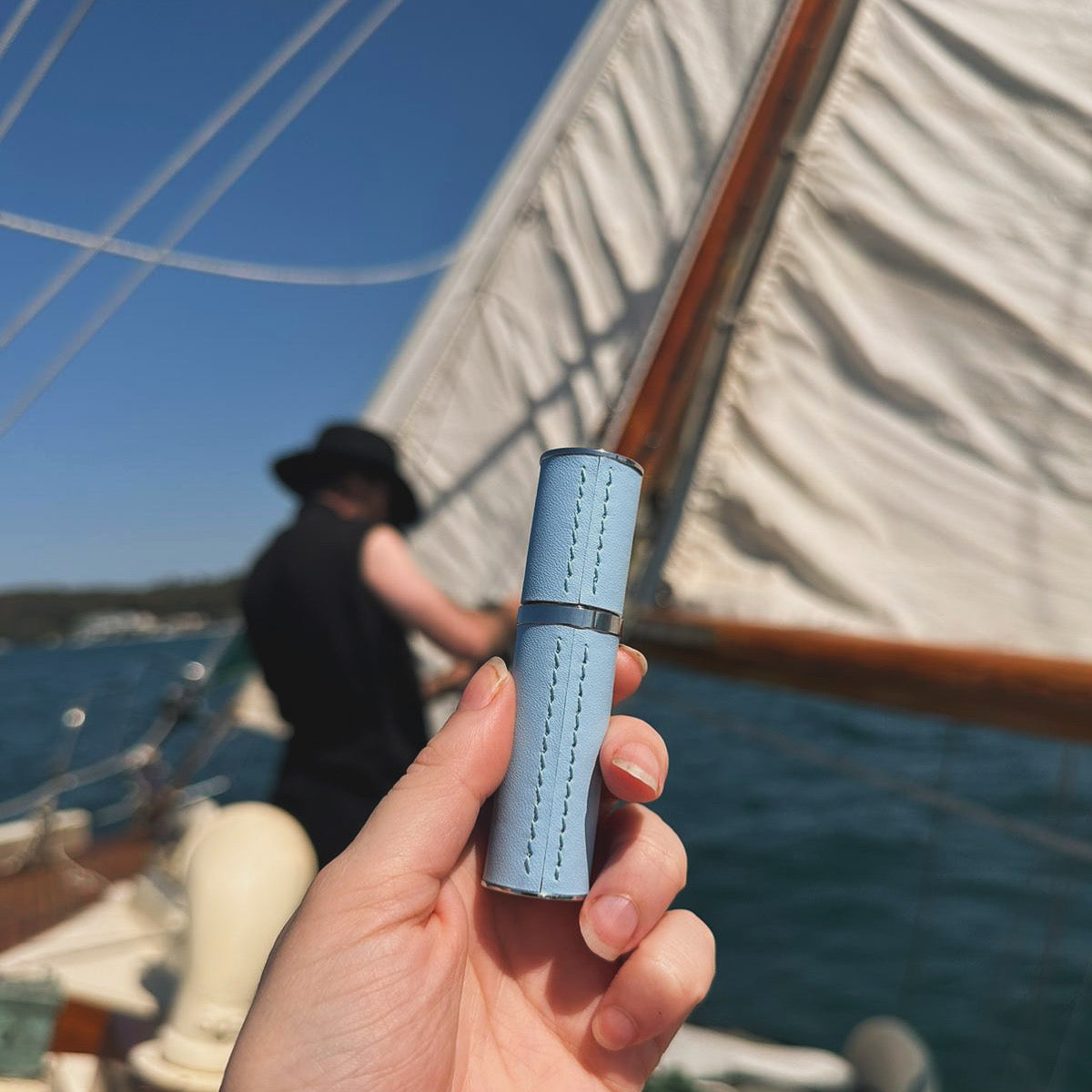
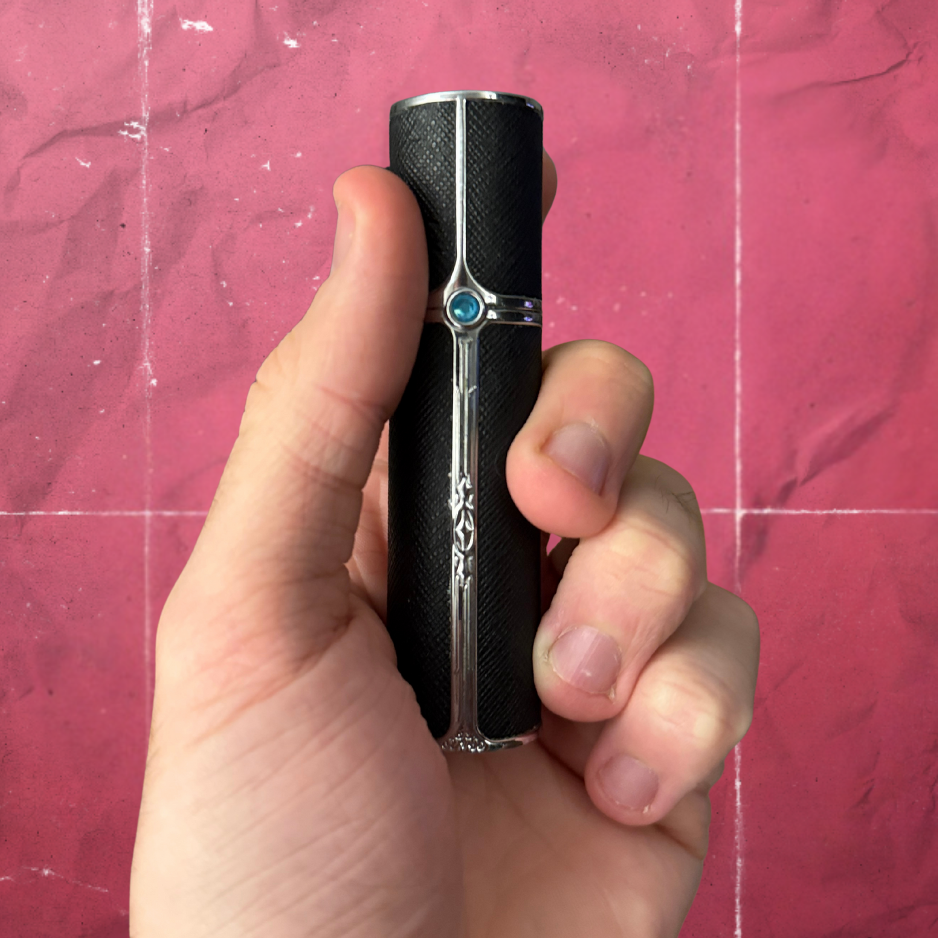
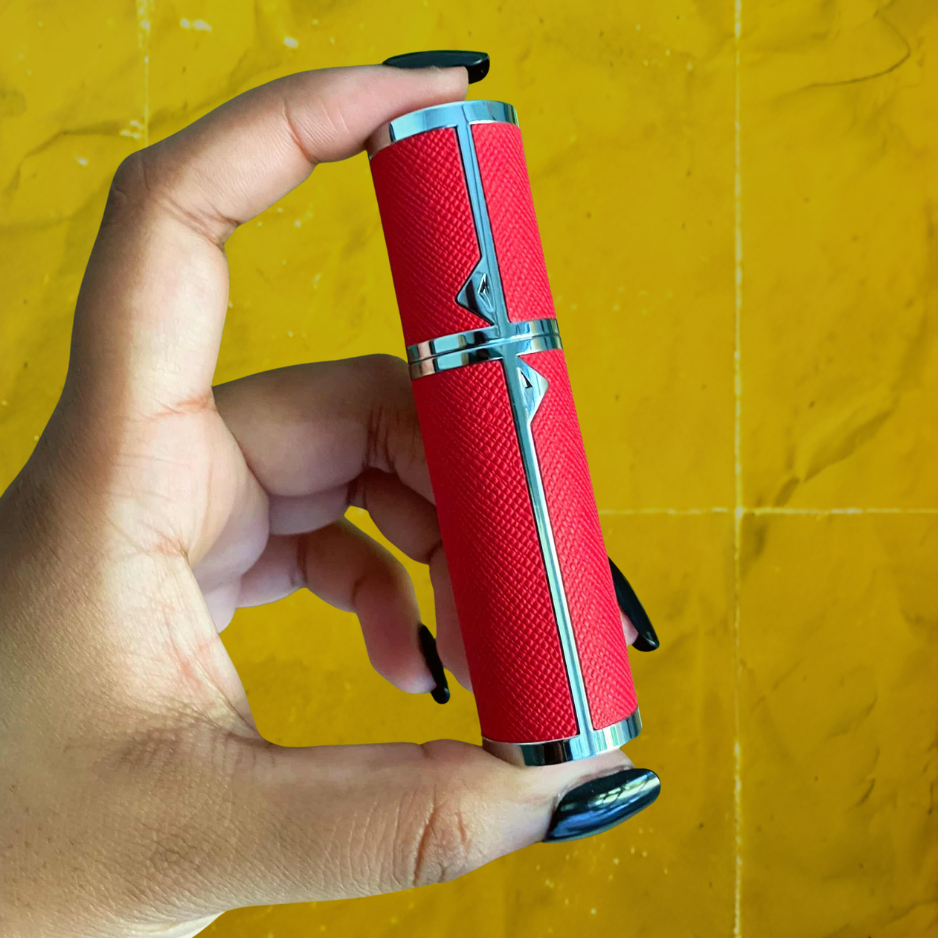
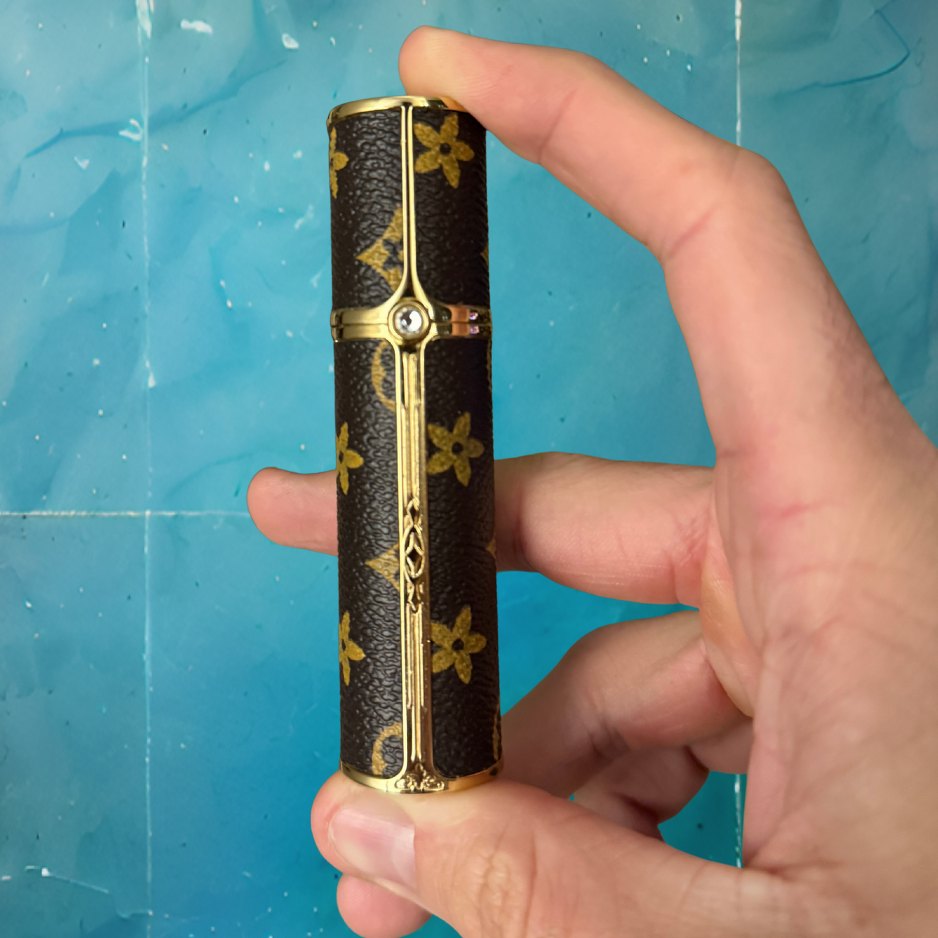
A waterproof pouch protects what’s inside. What you put inside is worth thinking about too. Spritzshop’s refillable perfume atomizers are built for exactly this kind of travel kit: compact enough to slip into a quart-size pouch, TSA-friendly, and fillable from any standard perfume bottle so you’re not checking a full fragrance bottle or risking a broken glass container in your bag.
The Olivier 10ml atomizer is the natural companion to a waterproof organizer. It’s small enough to sit alongside your other liquids in a clear TSA pouch, and the sealed design means no leaks even if the pouch takes a knock. For travelers who want their full fragrance routine without the bulk, it’s a straightforward upgrade. Spritzshop carries a full range of refillable travel spray bottles to match every packing style. Browse the collection and add one to your kit before your next trip.
Sources and manufacturer pages to verify specs
- OverBoard Waterproof Multipurpose Case (IP68 specs) — manufacturer page for IP68 rating, 19 ft/6 m submersion depth, and floatation claim.
- Nite Ize RunOff Waterproof Travel Pouch (TRU® Zip and care guidance) — product page covering TRU® Zip closure specs, zipper maintenance instructions, and available sizes.
- OverBoard: Waterproof vs Water-Resistant Backpacks — independent explainer on welded seams, roll-top construction, and closure trade-offs.
- Sealock Outdoor: Water-Resistant vs Waterproof — practical breakdown of DWR coatings, fabric construction, and when water-resistant gear fails.
- RS Online / DesignSpark: IP Ratings Explained — authoritative reference for understanding IP67 vs IP68 and the ingress protection scale.
- Carryology: Waterproof vs Water-Resistant — gear-focused explanation of stitching, needle holes, and why seam construction determines true waterproofing.



साझा करें और 15% छूट पाएं!
बस इस उत्पाद को निम्नलिखित सामाजिक नेटवर्क में से किसी एक पर साझा करें और आपको 15% की छूट मिलेगी!