A meaningful part of what you pay for a logo-heavy hoodie has nothing to do with the garment itself. Brand marketing, hang tags, branded packaging, and the recognition value of the logo all get baked into the price, on top of whatever the actual fabric and construction cost. Strip those out and you're left with what the piece is genuinely worth to make well.
In this article
- The myth: logo equals quality
- What you're actually paying for in a branded piece
- What actually determines a garment's quality
- A different model: price the garment, not the name
- Branded markup vs no-markup, side by side
- What buyers say once they make the switch
- FAQ
The myth: logo equals quality
It's an easy assumption to make: a recognizable logo costs more, so it must be made better. In reality, a logo is a marketing asset, not a fabric spec. Plenty of unbranded or quietly-branded pieces are constructed in the exact same first-tier facilities as logo-driven ones, sourced from the same category of mills, finished with the same pre-shrink and colourfast processes. The logo doesn't change any of that. It changes the price.
What you're actually paying for in a branded piece
When you buy from a brand with heavy visible branding, a chunk of the price covers things that never touch the fabric: the hang tag, the branded box or bag it ships in, the marketing campaign that built the brand's name, and sometimes a celebrity collaboration fee. None of that makes the hoodie warmer, more durable, or better cut. It makes it more recognizable, which is a different kind of value, but one that's separate from the garment's actual construction.

Nothing printed on the outside, no hang tags, no branded packaging. You pay for the garment, not the name.
What actually determines a garment's quality
Three things drive real quality, and none of them require a logo. The fabric itself, measured by GSM and where it's sourced from. The construction, meaning whether cutting, sewing, and quality checks happen under one controlled roof or get spread across disconnected facilities. And the finishing process, specifically whether the fabric is pre-shrunk so it holds its size and colourfast so it holds its colour wash after wash. A brand can nail all three without ever putting a name on the chest.
"This is the kind of quality I expected at three times the price."
Verified buyer
A different model: price the garment, not the name
The No BS Basics line is built around the opposite bet: source from first-tier textile mills with GSM verified on every batch, make everything in an end-to-end controlled facility, pre-shrink and colour-treat it properly, skip the hang tags and branded packaging entirely, and price it at what the garment actually costs to make well. No logo on the chest, no sleeve label, no packaging tax baked into the number you see at checkout.
"Feels expensive. Isn't."
Rhys C., Verified buyer
"No packaging nonsense. Just a great piece of clothing."
Cassie M., Verified buyer

Branded markup vs no-markup, side by side
| What you're paying for | Heavy-logo brand | No BS Basics |
|---|---|---|
| Fabric and construction | Included | Included, GSM-verified |
| Hang tags and branded packaging | Often included in price | Skipped entirely |
| Visible logo / brand recognition | Yes | No exterior branding |
| Pre-shrunk, colourfast finishing | Varies by brand | Standard on every piece |

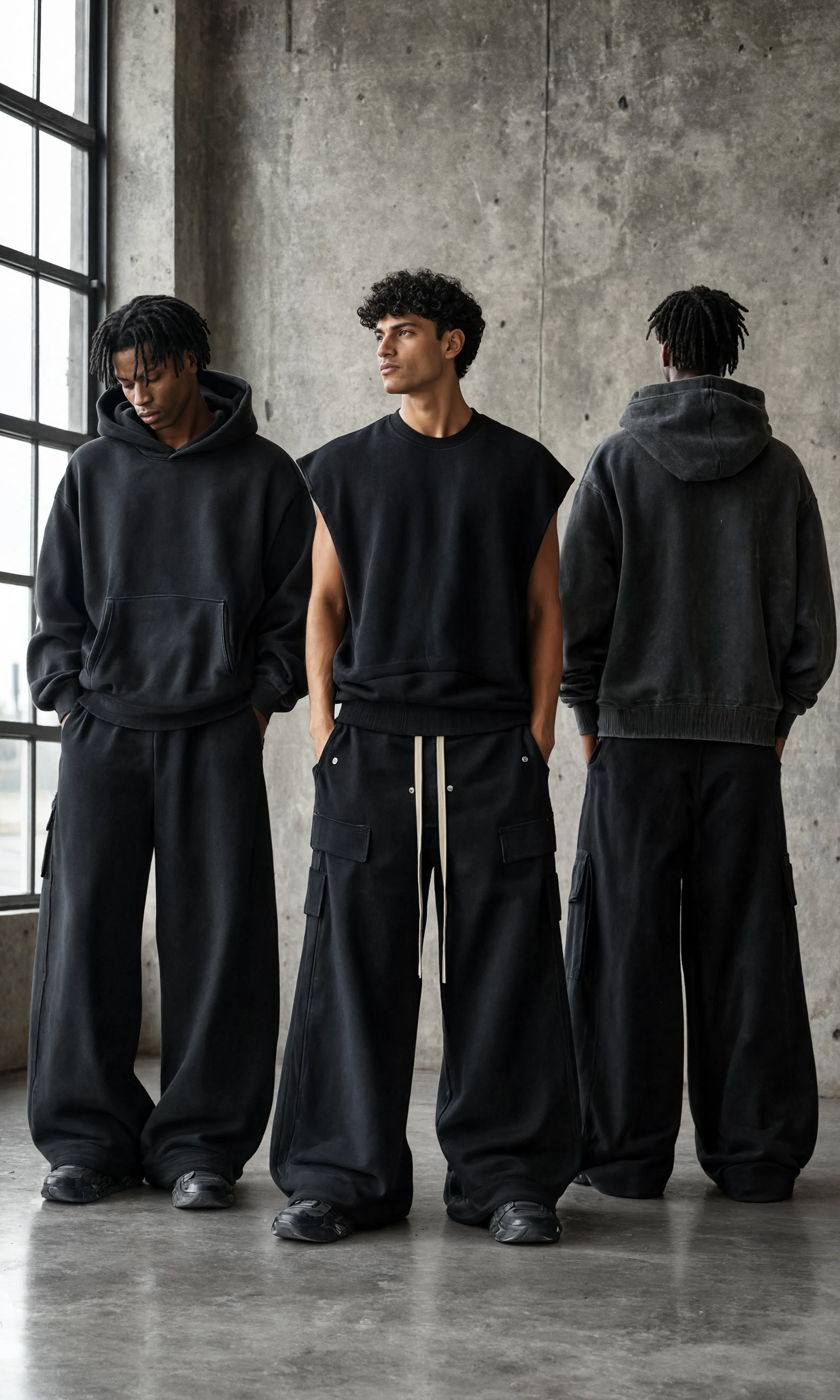
Same first-tier mill sourcing and no-logo pricing model, in a sweatpant.
What buyers say once they make the switch
The pattern in customer feedback isn't about the absence of a logo, it's about people expecting a tradeoff for going unbranded and not finding one. That's the actual test of the no-markup model: does the garment hold up once the brand name stops doing the talking.
"I've bought multiple pieces. Won't go back to other brands for basics."
Marcus L., Verified buyer
"These guys are killing it! Exactly what I wanted."
Jordan K., Verified buyer
"Fits perfectly. Great hoodie, great brand. Glad I found you."
Owen B., Verified buyer
None of those reviews mention a logo. They mention fit, repeat purchases, and the piece doing what it's supposed to do, which is exactly the case for pricing the garment instead of the name on it.
Frequently asked questions
Why is streetwear so expensive?
A meaningful part of the price covers things that have nothing to do with the garment itself: brand marketing, hang tags, branded packaging, and the logo recognition the brand is charging you for, not just the cotton and the stitching.
Does a logo mean better quality?
No. A logo signals brand recognition, not fabric weight, mill sourcing, or construction quality. Two hoodies can be made in similar facilities with similar fabric, with the only real difference being the name printed on one of them.
What's actually driving the cost of a basics piece without a logo?
The fabric (its GSM and mill source), the cut and construction, and the finishing process (pre-shrunk, colourfast). Strip out branding and packaging costs and what's left is the actual cost of making the garment well.
What does "no markup" actually mean for a clothing brand?
It means the brand skips hang tags, branded boxes, and the price premium that comes with visible logos, and prices the garment closer to what it actually costs to make well.
Are unbranded basics lower quality than logo brands?
Not inherently. Quality comes from the mill, the GSM, and the construction process, none of which require a visible logo. A well-made unbranded piece can match or exceed a logo-driven one on those measures.
Luxury without the BS
First-tier mills, GSM-verified, zero exterior branding. You pay for the garment, nothing else.
Shop No BS Basics →30-day guarantee on every order. Free worldwide shipping.


साझा करें और 15% छूट पाएं!
बस इस उत्पाद को निम्नलिखित सामाजिक नेटवर्क में से किसी एक पर साझा करें और आपको 15% की छूट मिलेगी!