

Organize your gym bag with a two-zone system: keep clean, dry items separate from sweaty, wet ones, carry a small essentials pouch you can grab in seconds, and never let damp gear sit overnight. Stash your water bottle, phone, and access card in an easy outer pocket, and treat a weekly reset as the habit that keeps everything fresh.
TL;DR:
- Using a two-zone system helps prevent odors and bacterial buildup by keeping clean items separate from sweaty gear, especially if wet zone pouches are washable.
- A well-designed gym bag features wide openings, external quick-access pockets, a vented shoe compartment, and durable zippers to support efficient organization and reduce frustration.
- A weekly cleaning routine that involves airing out, disinfecting interior surfaces, and laundering wet pouches is essential to maintain freshness and hygiene.
- Carry only session-specific gear, like shoes and clothes for the day, and remove unused items regularly to avoid overpacking and reduce bag weight.
- Small daily habits, like immediate laundry of wet items and using designated external pockets, significantly extend freshness and simplify maintenance routines.
Table of Contents
- Master Checklist: The Essentials to Carry (and What to Skip)
- Two-Zone Packing and Pouch Strategy: Set Up Your Bag for Freshness and Speed
- Bag Features That Make Organization Reliable
- Cleaning and Weekly Reset: A Short, Evidence-Backed Routine
- Fast Routines: 90-Second Pack and 2-Minute Reset
- Why a Simple System Beats a Gadget-Heavy One
- How SPRITZ Products Help You Implement This System
- Sources
- FAQ
Master Checklist: The Essentials to Carry (and What to Skip)
A good gym bag isn’t the one with the most compartments. It’s the one where you know exactly what’s inside without digging. Most gym-goers overpack out of habit, then wonder why their bag feels like a junk drawer by Thursday.
Start with a core list that covers almost every session, then add or subtract based on what you’re actually doing that day.
- Workout clothes (top, bottom, socks) sized to the session, not the whole week
- Training shoes, ideally in their own compartment or bag
- A refillable water bottle and a small towel
- Phone, headphones, and any wired accessories you actually use
- Membership card, locker key, or fob, kept in one dedicated spot
- Quick toiletries: deodorant, a hair tie, maybe a small fragrance option for after
Session-specific gear is where most people go wrong. A lifting belt, wrist straps, or a foam roller only earns a spot in the bag if that day’s plan calls for it. The TRX lifter’s checklist makes a strong case for packing to match the workout rather than carrying a static kit every time. It keeps the bag lighter and, just as important, keeps you from hunting through gear you don’t need to find the one thing you do.
If you’re new to building a system at all, a simple starter checklist is a reasonable place to begin before you add complexity. The rule for trimming down is simple: if you haven’t used it in the last two weeks of sessions, it doesn’t live in the bag anymore. It lives in your locker, your car, or at home.
Two-Zone Packing and Pouch Strategy: Set Up Your Bag for Freshness and Speed
The two-zone system is the backbone of a gym bag that doesn’t smell by Wednesday. One zone holds clean, dry items. The other holds anything sweaty, wet, or used. Keeping those separate is the single biggest factor in whether your bag stays pleasant to open.
- Clean and dry zone: fresh clothes, a spare shirt, your towel before use, and any electronics
- Wet and used zone: worn clothes, a damp towel, used socks, anything that touched sweat
- Toiletry zone: deodorant, small fragrance atomizer, or grooming items kept upright and sealed
- Access zone: phone, keys, wallet, and locker card in an external pocket you can reach without opening the main compartment
Pouches make this system work in practice rather than just on paper. A washable laundry pouch for the wet zone means you can toss the whole thing in the wash instead of scrubbing bag lining. A ventilated shoe bag keeps footwear from sweating onto everything else, something the TRX training checklist flags as a common source of cross-contamination in an unsorted bag. A leak-proof toiletry pouch matters more than people expect: one loose cap on a bottle can soak through clothes and ruin a phone before you’ve even reached the locker room.
Pro Tip: Keep your phone, keys, and card in the same external pocket every single time. Muscle memory beats searching, especially when you’re rushing to catch a session.
Pocket placement should follow how often you touch something. Daily items go in the fastest, easiest pocket. Occasional items can sit deeper in the bag.
Bag Features That Make Organization Reliable
A system only works if the bag supports it. Some bags fight you at every step: narrow openings, no shoe pocket, a single cavernous compartment where a sock and a phone charger end up in the same tangle. The right features remove that friction entirely.
Look for:
- A wide-mouth opening so you can see and reach everything without unpacking half the bag
- A vented or separate shoe compartment to isolate footwear and cut down on smell transfer
- A washable or wipeable interior lining, since spills and sweat happen no matter how careful you are
- External quick-access pockets for phone, keys, and cards
- A dedicated water-bottle sleeve so it’s not rolling around loose against your clothes
Size matters more than people think. Most gym-goers do fine with a moderately sized bag, enough for a change of clothes, shoes, and a toiletry pouch without extra bulk. If you shower at the gym or commute straight from work, you’ll likely need something larger to fit a towel and a full outfit change. A shoe-compartment bag guide is worth a look if footwear separation is your main pain point.
Construction quality isn’t cosmetic. Reviews of well-designed bags, including Esquire’s breakdown of a heavily compartmentalized duffel, point to the same conclusion: layout and durable zippers are what make a system easy to maintain over months, not just on day one. A zipper that jams or a seam that splits turns a good system into a daily annoyance, and annoyance is usually what kills a habit.

Cleaning and Weekly Reset: A Short, Evidence-Backed Routine
Sweat, damp fabric, and a closed bag are close to ideal conditions for bacteria and mildew. The fix isn’t complicated, but it does need to happen on a schedule rather than whenever the smell gets bad enough to notice.
- Empty the entire bag, including every pocket, and shake out loose debris
- Air it out fully, ideally overnight, before anything goes back in
- Wipe interior surfaces with detergent or an EPA-registered disinfectant, following the same principle the CDC recommends for athletic facilities to reduce the spread of bacteria like MRSA
- Launder your washable pouches and towels separately from other laundry
- Let everything dry completely before repacking
Weekly resets, paired with daily small habits, are widely recommended as the most effective way to prevent odor and microbial buildup in gym bags, based on CDC hygiene guidance for athletic settings.
Soiled laundry needs its own handling. NIOSH and CDC guidance on laundering soiled textiles recommends bagging wet items separately, using gloves for anything heavily soiled, washing at the warmest setting the fabric allows, and machine drying completely before storage. That last step matters: damp fabric sealed back into a bag is exactly how odor returns within a day.
Daily habits close the gap between resets. Leave the bag open when it’s not in use, pull damp items out the moment you get home, and rely on washable pouches so the bag itself rarely needs deep cleaning. More detail on tackling stubborn smells is in this odor prevention guide.
Fast Routines: 90-Second Pack and 2-Minute Reset
A system that takes ten minutes to run will get skipped on busy days. These two routines are built to survive that.
- 90-second pack: Grab your pre-filled essentials pouch, pick shoes and clothes for the day’s specific session, drop in your water bottle, and check your phone for a saved session template so you’re not guessing what gear the workout needs
- 2-minute reset: As soon as you’re home, move wet items straight into the laundry pouch, wipe down any spills, drop valuables into the external pocket for tomorrow, and leave the bag unzipped to air out
Small triggers keep this consistent. A laundry reminder on your phone, or a spare towel kept in the car, removes the excuse of “I’ll deal with it later.” Later is how bags start smelling.
Why a Simple System Beats a Gadget-Heavy One

I’ve watched people buy five single-use pouches, three compression cubes, and a separate case for socks, then abandon the whole setup within a month because it’s too much to manage.
Style still matters. Pick a bag you’ll actually want to carry, because the best organizational system in the world does nothing if the bag stays in the closet.
— Ash
How SPRITZ Products Help You Implement This System
Once you’ve settled on the two-zone approach, the right gear makes it near effortless. SPRITZ’s Travel Organisers are built around exactly this kind of washable-pouch, wet-versus-dry separation, so you’re not improvising with plastic bags from the kitchen drawer. The Gym Essentials line adds small, washable pouches sized for shoes, socks, and damp towels, the kind of compact compartment logic that organized golf bag systems rely on too.
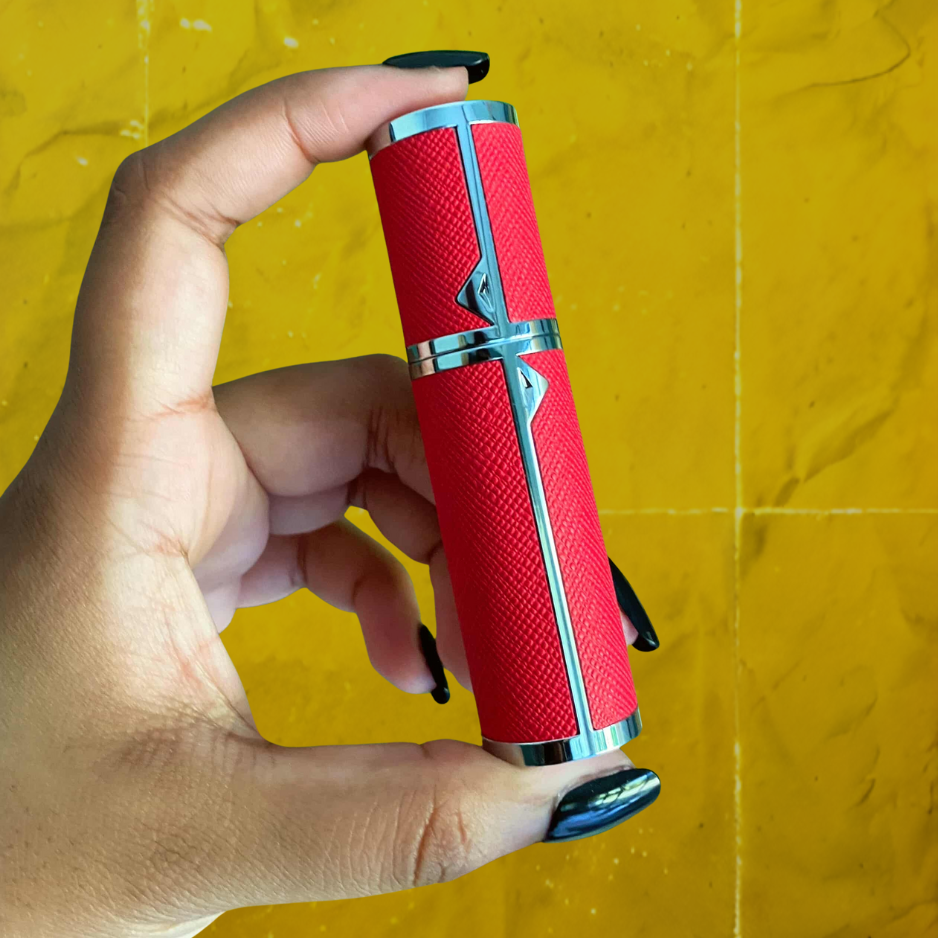
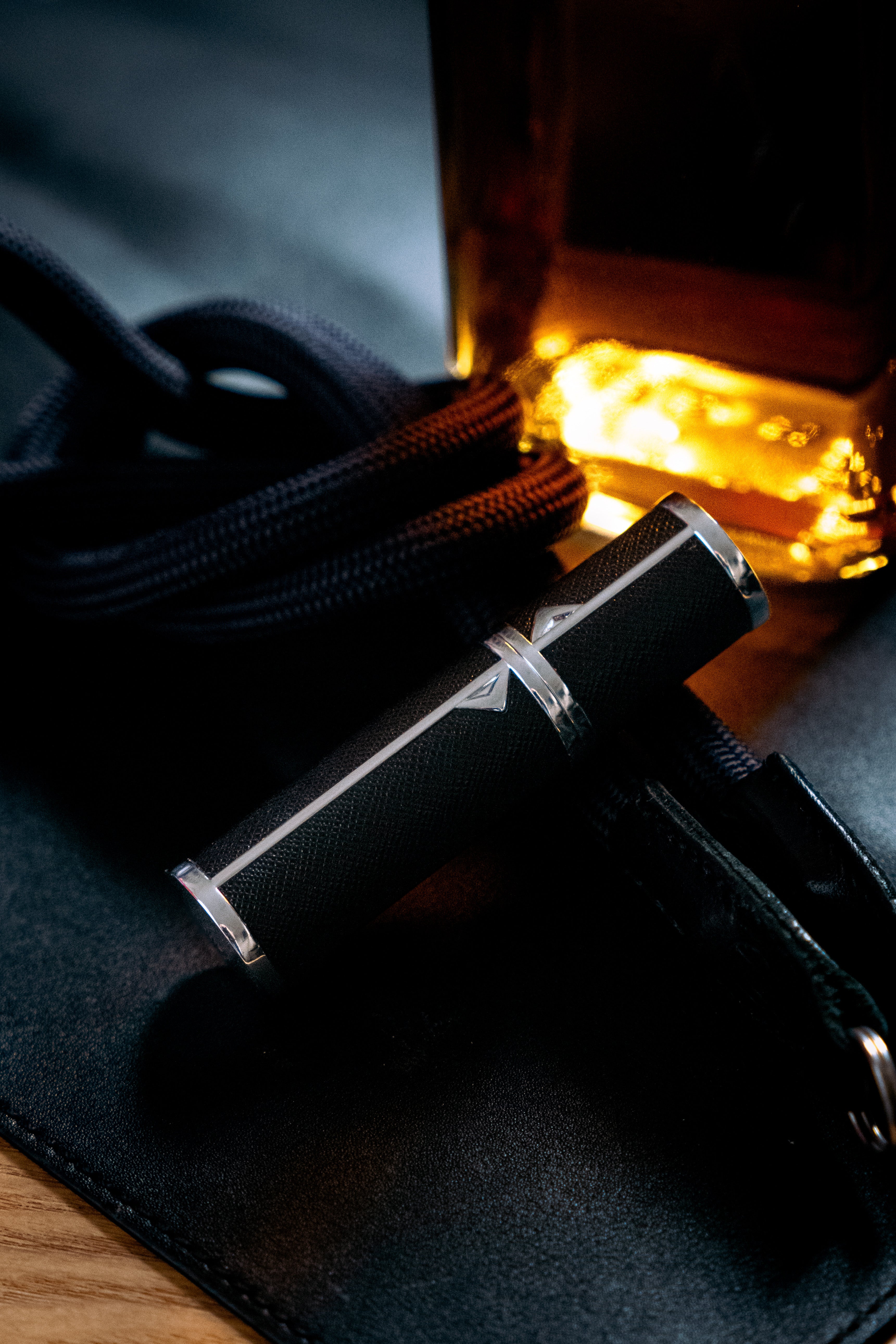
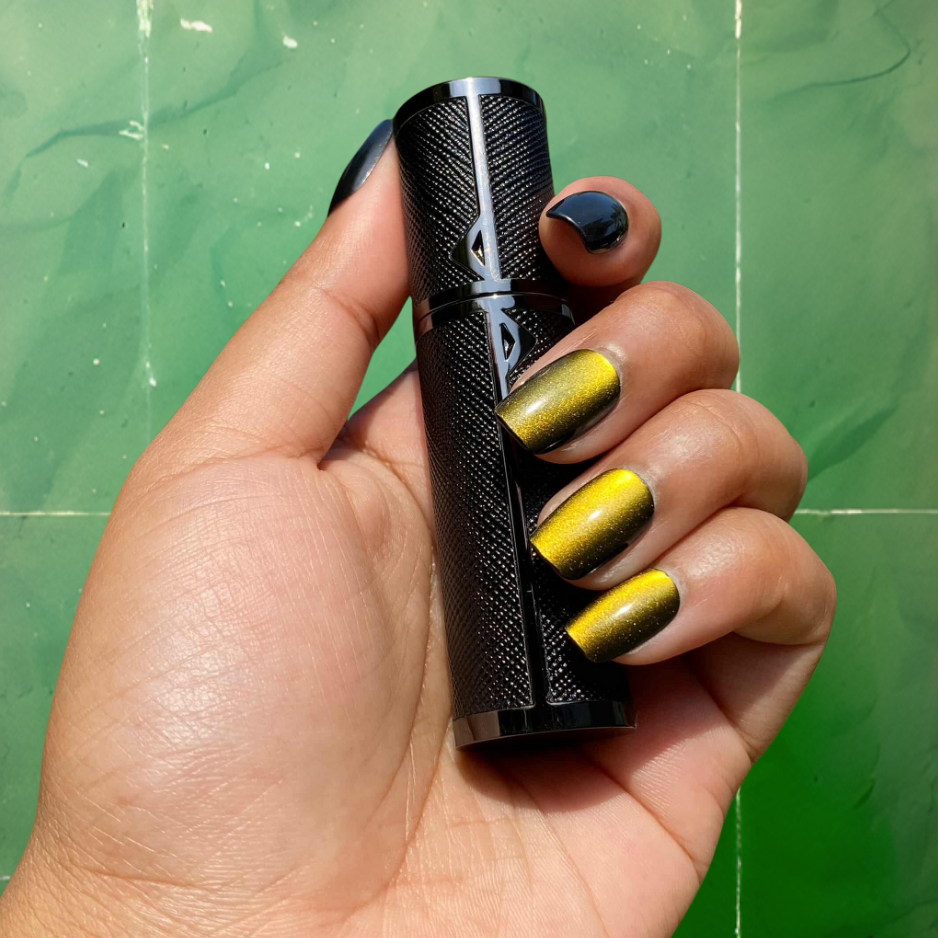
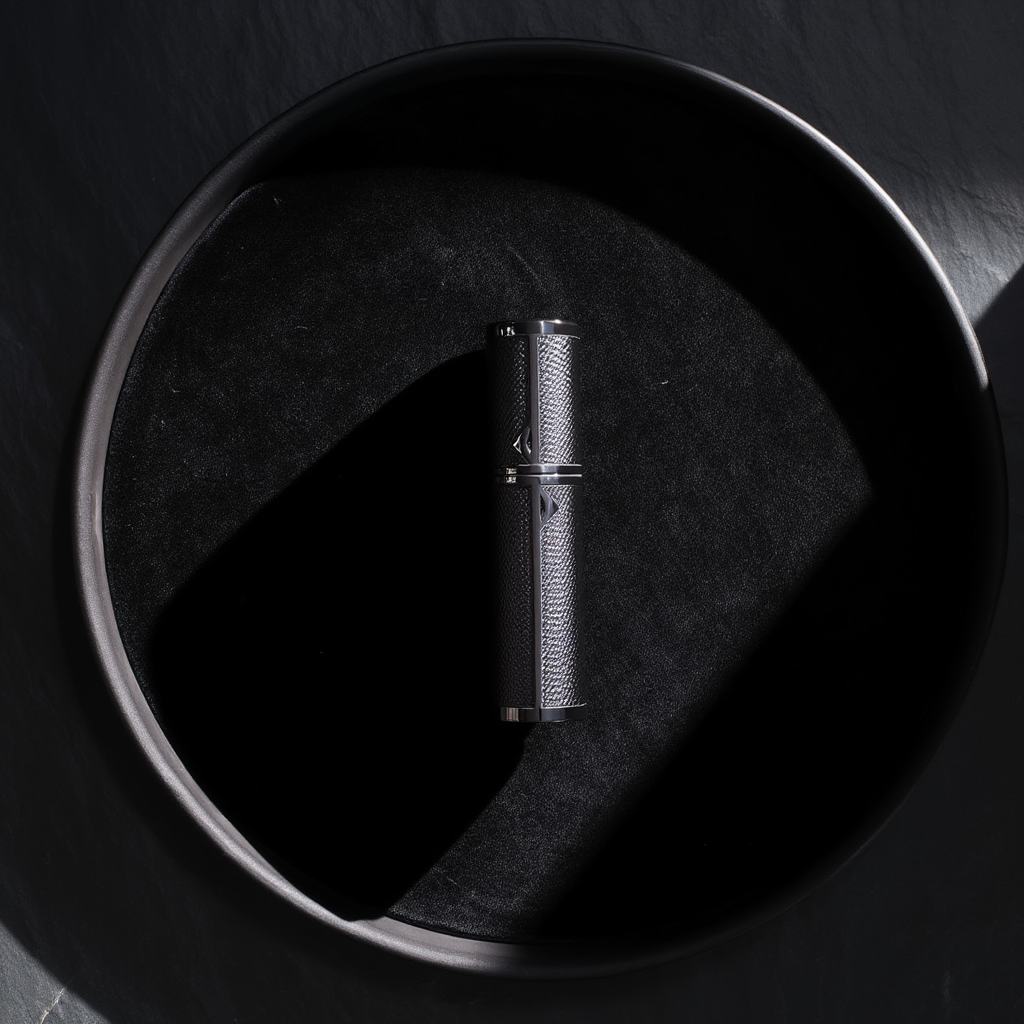
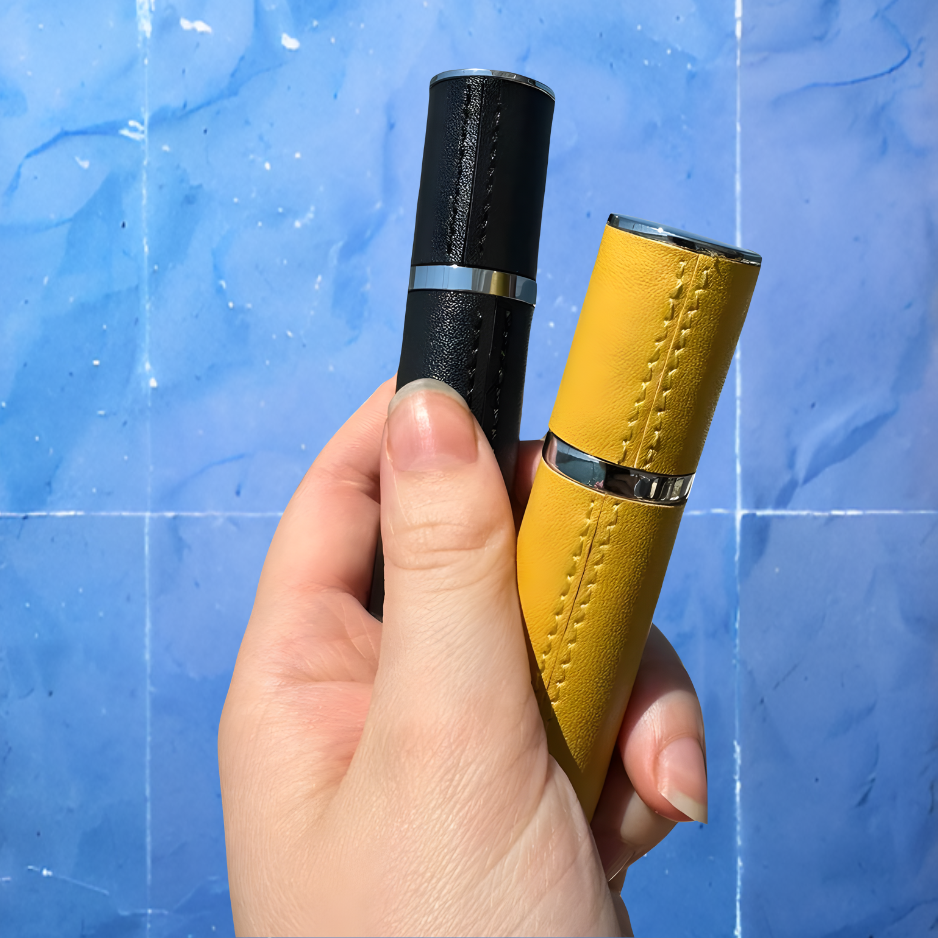
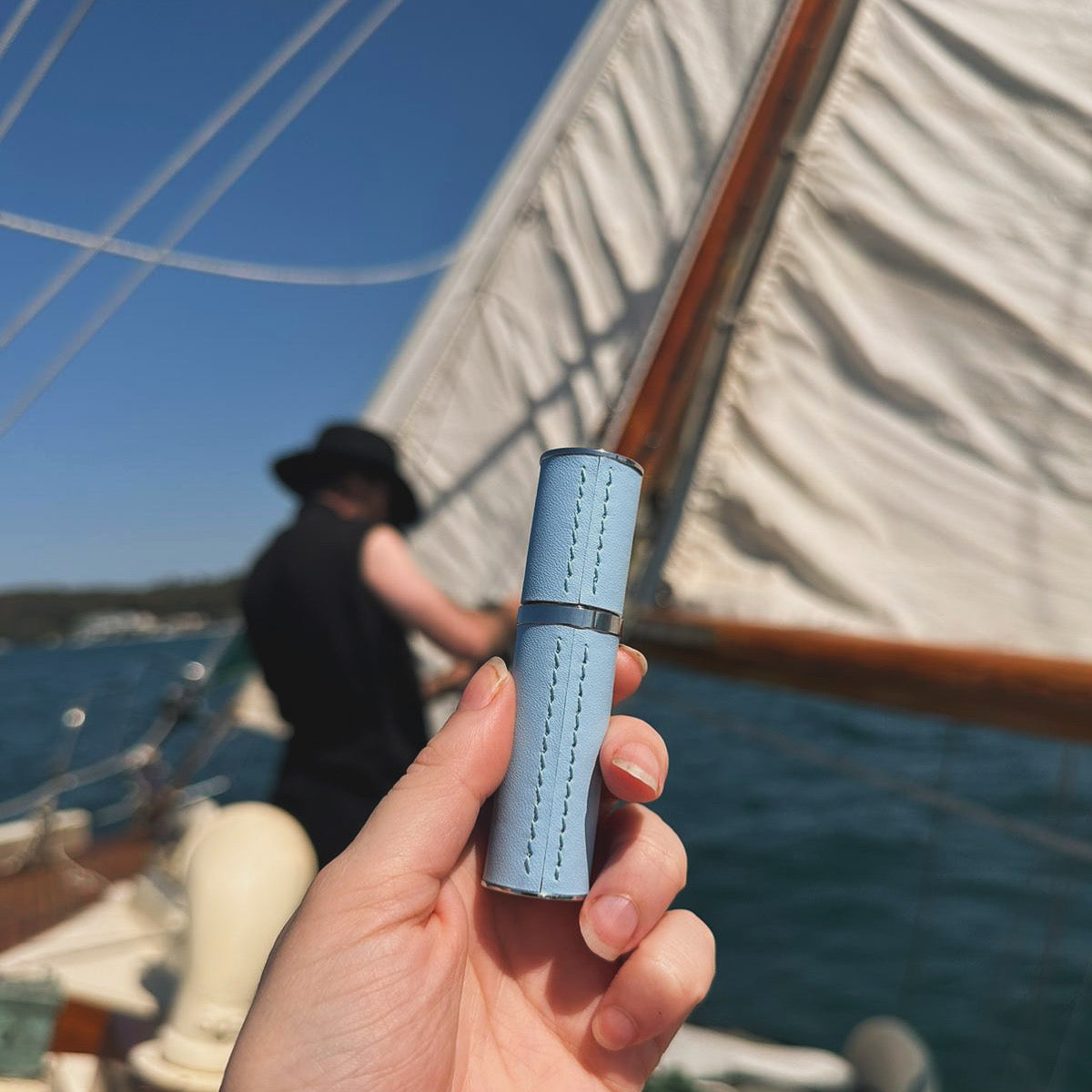
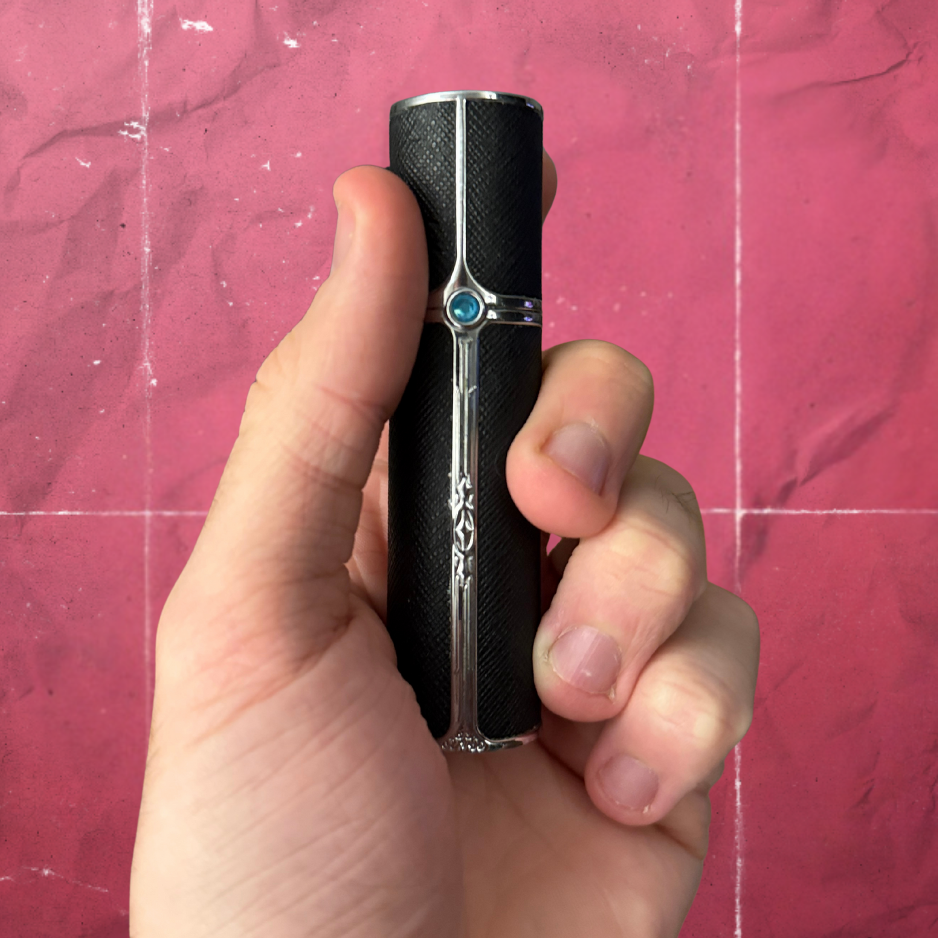
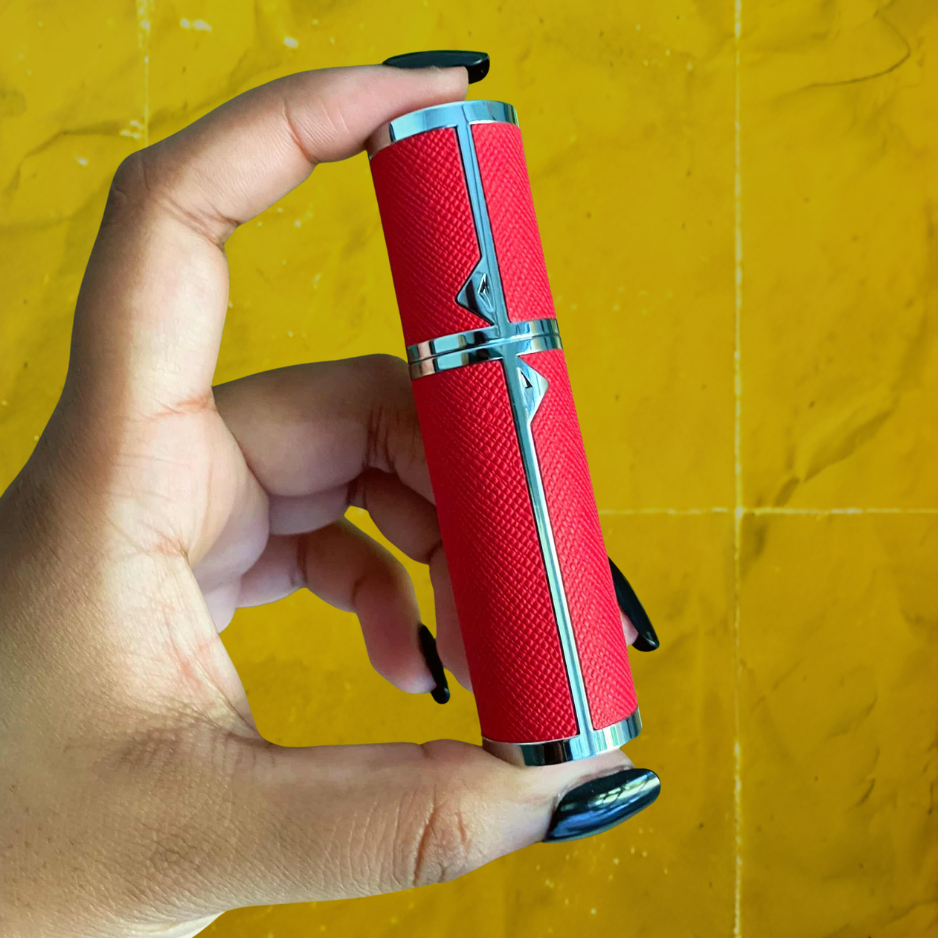
For your toiletry zone, a refillable perfume atomizer solves the leak-proof problem directly: no full-size glass bottle rolling around, just a compact refill you top up from any bottle at home.
- Travel Organisers for washable wet and dry pouches
- Gym Essentials for shoe bags and small compartment pouches
- Refillable atomizers for a leak-resistant toiletry option
- No BS Basics if you’re rebuilding your gym wardrobe alongside your bag
If you’re setting up a bag from scratch, the McQueen Best Seller Set bundles a travel atomizer with a bag, a straightforward starting point rather than piecing gear together one item at a time. Browse the Gym Essentials collection to see what fits your routine.
Sources
- Athletic Facilities: MRSA Prevention and Control | MRSA | CDC
- The Only Bag You Can Really, Honest to God, Take Anywhere | Esquire
FAQ
What does every gym bag need?
Every gym bag needs workout clothes sized to the session, training shoes, a water bottle, a small towel, and your locker or membership access items. A washable pouch for wet or used gear and a leak-proof toiletry pouch round out the core checklist most training guides recommend.
What is a good gym bag with multiple compartments?
A good multi-compartment gym bag has a wide-mouth opening, a separate vented shoe pocket, a wipeable interior lining, and external pockets for phone and keys. Reviews of well-organized duffels, including Esquire’s look at compartment design, show that layout affects how consistently people actually use the bag.
What is the best way to keep my gym bag fresh?
Run a weekly reset: empty the bag, air it out, wipe interior surfaces with detergent or an EPA-registered disinfectant, and launder your pouches and towels separately. This routine follows CDC guidance for athletic hygiene and prevents the bacterial and mildew buildup that causes lingering odor.
Is it okay to carry a gym bag around the gym?
Yes, most gyms allow bags on the floor as long as they’re kept out of walkways and away from shared equipment. Using an external pocket for your phone and keys means you don’t need to open the main compartment mid-session, which keeps both your gear and the gym floor tidier.






Share and get 15% off!
Simply share this product on one of the following social networks and you will unlock 15% off!