
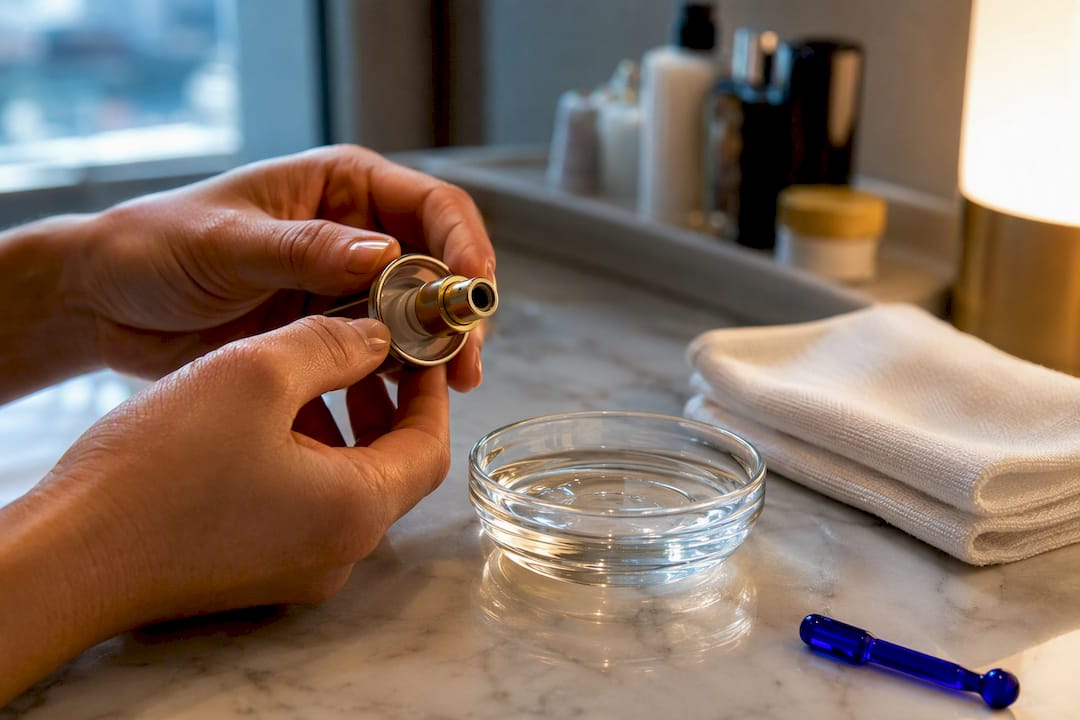
Prevent perfume contamination by working fast with clean, dry tools, sealing every container the moment you’re done, and tossing any decant that turns cloudy, smells sour, or shows floating particles. A dedicated refillable atomizer cuts a lot of this risk before it starts because it’s built for exactly this job. The rest comes down to habits: dry hands, dry tools, quick transfers, and no guesswork when something looks or smells off.
TL;DR:
- Using a transfer pump or spray-to-spray method significantly reduces air exposure, spills, and contamination risk during refilling compared to pouring directly.
- Cleaning a perfume atomizer with alcohol pre-rinse, warm soap wash, water rinse, final alcohol flush, and proper air-drying prevents ghosting and microbial growth, extending its usability.
- Glass atomizers are less likely to retain scent residue after cleaning, unlike plastic or rubber components, which may require replacing to prevent ghosting.
- Storing filled atomizers upright, capped, and away from heat or humidity minimizes leaks and preserves the perfume’s integrity during travel.
- Discard a decant immediately if it becomes cloudy, develops particles, or emits a sour smell, as these are signs of contamination or spoilage.
Table of Contents
- Quick checklist for safer refills
- Step-by-step refill methods that keep things clean
- The cleaning sequence that actually removes residue
- Which materials hold onto scent, and which don’t
- Storing and handling atomizers on the road
- When to stop using a decant and start over
- Why a dedicated atomizer makes this easier
- A simpler way to carry your perfume safely
- Sources
- FAQ
Quick checklist for safer refills
Before you fill or pack an atomizer, run through a short mental list. Each habit below closes off a specific way contamination sneaks in, whether that’s bacteria from your hands or a scent that bleeds into the next fragrance you carry.
- Wash your hands first: skin oils and bacteria transfer easily to nozzles and openings.
- Use a transfer pump or spray-to-spray method: pouring invites spills and unnecessary air exposure.
- Keep every surface bone dry: leftover water dilutes perfume and encourages microbial growth.
- Skip the bathroom sink: steam and standing moisture are the two things you’re trying to avoid.
- Cap containers immediately: an open bottle is an invitation for dust, humidity, and evaporation.
- Label the scent and fill date: this prevents mystery mixes and helps you rotate older decants first.
- Leave a little headspace: a fully packed atomizer can leak or malfunction under pressure changes.
- Retire any tool you’re unsure about: a syringe or pump that touched a spoiled batch isn’t worth the risk.
Step-by-step refill methods that keep things clean
Three refill methods cover almost every situation you’ll run into: a transfer pump, direct spray-to-spray decanting, and a syringe for small, precise amounts. Each one minimizes the time your perfume spends exposed to air, hands, and whatever’s on the counter.
- Transfer pump: Attach the pump to your source bottle’s sprayer, then pump directly into the atomizer until it’s full. This method keeps air exposure low and avoids spills entirely, which matters because transfer pumps and spray-to-spray decanting are the two lowest-exposure refill options available to home users.
- Spray-to-spray: Line up the nozzles of both atomizers and press. This works best for quick top-ups and travel-day refills when you don’t have a pump handy, though it takes a steady hand to avoid overspray.
- Syringe or small funnel: Sanitize and fully dry the syringe first, then draw small, precise amounts for sample vials or unusually narrow atomizer openings. This is the slowest method but gives you the most control over volume.
Whichever method you use, speed matters. Keep your source bottle open for as little time as possible, and cap both containers the second you’re done. A decanting guide focused on hygiene also recommends labeling every decant with the scent name and fill date right away, since it’s easy to forget which bottle is which once you’ve filled three or four for a trip.
Pro Tip: Fill your travel atomizers the night before a trip, not the morning of. It gives you time to check for leaks before you’re rushing out the door.
For a fuller walkthrough of refilling without spills, see this guide on refilling a perfume atomizer without making a mess.
The cleaning sequence that actually removes residue
A perfume atomizer that’s never been properly cleaned is a common source of scent contamination, especially if you switch fragrances often. The sequence that perfumers and hobbyists rely on has five steps: an alcohol pre-rinse, a warm soapy wash, a thorough water rinse, a final alcohol flush, and complete air-drying before you refill anything.
- Alcohol pre-rinse: Loosens old fragrance oil clinging to the inside walls.
- Warm soapy wash: Removes residue the alcohol alone won’t lift; avoid hot water, which can warp plastic parts or loosen glued seals.
- Water rinse: Clears out soap so it doesn’t end up in your next fill.
- Final alcohol flush: This is the step that actually prevents ghosting, since perfumery cleaning routines treat the last alcohol rinse and full air-dry as the two actions that decide whether old scent carries over.
- Air-dry inverted: Set the atomizer upside down somewhere ventilated and leave it alone.
Use 70 to 90% ethanol or 99% isopropyl alcohol for the flush steps, but go easy on rubber seals and softer plastics, since prolonged solvent contact can degrade them over time. If you’re not sure how a part will hold up, test it on a spare piece first rather than your only travel atomizer.
Drying is where most people get impatient. Skip the hairdryer, skip the radiator, and just let it sit inverted for a few hours. Residual water is easy to miss, and it does two things at once: it dilutes the fragrance you’re about to add, and it gives any lingering microbes exactly the damp environment they need to multiply, a risk the FDA’s cosmetics fact sheet flags directly when it comes to at-home product handling.
Pro Tip: Touch the inside of the nozzle with a clean fingertip before refilling. If it feels even slightly cool or damp, give it another hour.
More detail on this routine, including how to handle stubborn clogs, is in this piece on cleaning a perfume atomizer between scents.
Which materials hold onto scent, and which don’t
Glass is the safest bet if you’re rotating fragrances often, since it’s the least likely material to retain smell after a proper cleaning. Plastic bodies and rubber seals are a different story: they’re porous enough at a microscopic level that fragrance oils can linger even after you’ve run through the full cleaning sequence.

Check your seals, spray stems, and caps for wear every so often. A stem that’s gone slightly tacky or a seal that’s lost its snug fit is a sign it’s time to replace that part rather than keep cleaning around it. And if you’re using alcohol flushes on plastic or rubber components, test a small area first. Prolonged solvent contact can dry out rubber and make it brittle, which leads to leaks down the line.
If a particular atomizer keeps ghosting no matter how carefully you clean it, the more reliable fix is dedicating that one to a single scent family instead of cycling fragrances through it. For more on choosing the right body material from the start, see this comparison of refillable travel spray bottles.
Storing and handling atomizers on the road
How you store a filled atomizer matters almost as much as how you filled it. Heat, humidity, and gravity all work against you if you’re careless about where a bottle spends its time in a suitcase or gym bag.
- Store upright and capped: Prevents leaks from pressure buildup or a sprayer mechanism that’s slightly loose.
- Use a protective case: A hard-sided pouch or dedicated atomizer sleeve keeps pressure off the nozzle in a packed bag.
- Avoid heat and humidity: Skip glove compartments, direct sun, and steamy bathrooms.
- Leave headspace: An atomizer filled to the very top has nowhere for pressure to go and is more prone to leaking.
- Skip sweaty pockets: Body heat and moisture work against everything the cleaning routine just fixed.
- Label and rotate: Use the fill date to work through older decants before newer ones.
When to stop using a decant and start over
Three signs mean it’s time to empty and clean an atomizer rather than keep using it: cloudiness, visible particles or film, and a smell that’s turned sour or rotten instead of just fading. These are the same markers the FDA points to when describing signs of spoilage in home-mixed or decanted cosmetic products, and the Bacteriological Analytical Manual uses similar visual and olfactory cues as contamination indicators in its lab methods for cosmetics.
If you notice any of these, don’t try to fix it by adding fresh perfume on top or diluting it with alcohol. Empty the atomizer, run it through the full cleaning sequence, and start fresh with a new fill. For anything you’d spray near your face or eyes, hold yourself to a stricter standard: when you’re not sure, throw it out rather than risk it. A full walkthrough of safely emptying a travel atomizer is available in this 10 to 15 minute emptying guide.

Why a dedicated atomizer makes this easier
The fewer times a container changes hands or switches scents, the fewer chances contamination has to sneak in. That’s the logic behind dedicating an atomizer to one fragrance rather than cycling five different perfumes through the same plastic body. A well-sealed, durable atomizer with easy-to-clean parts removes several of the failure points covered above before you even start your travel routine. This kind of design is reflected in a high average rating across many customer reviews.
— Ash
A simpler way to carry your perfume safely
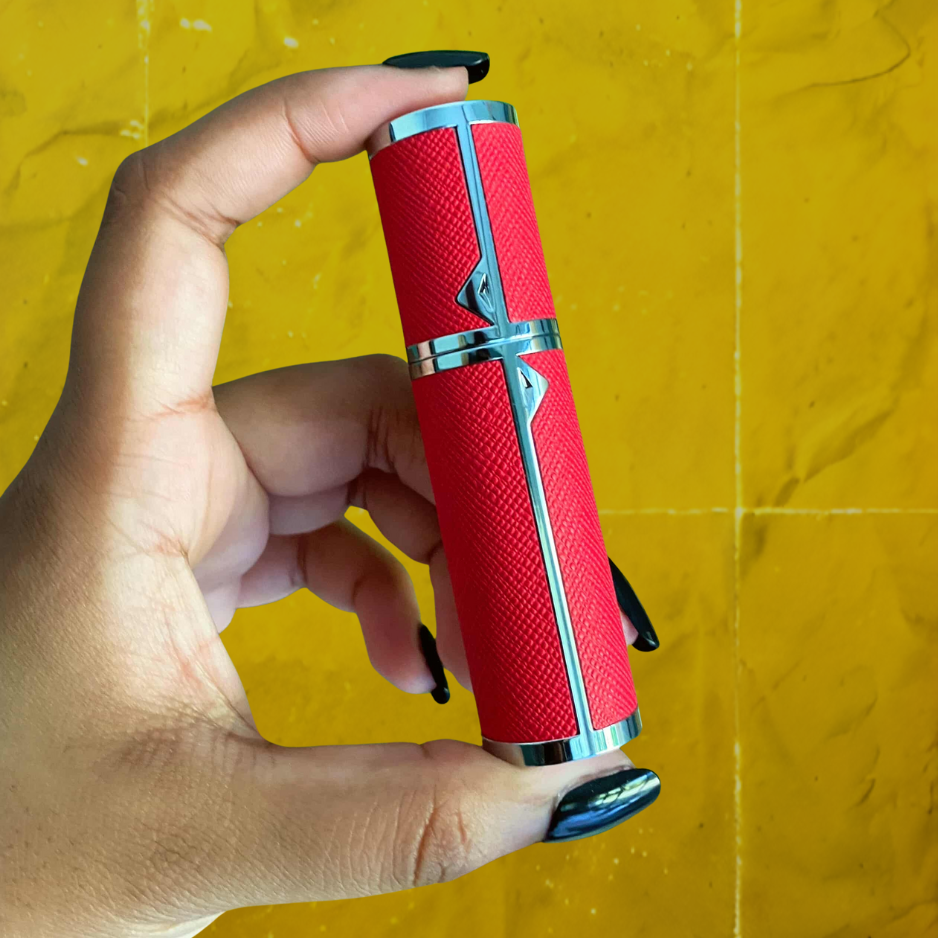
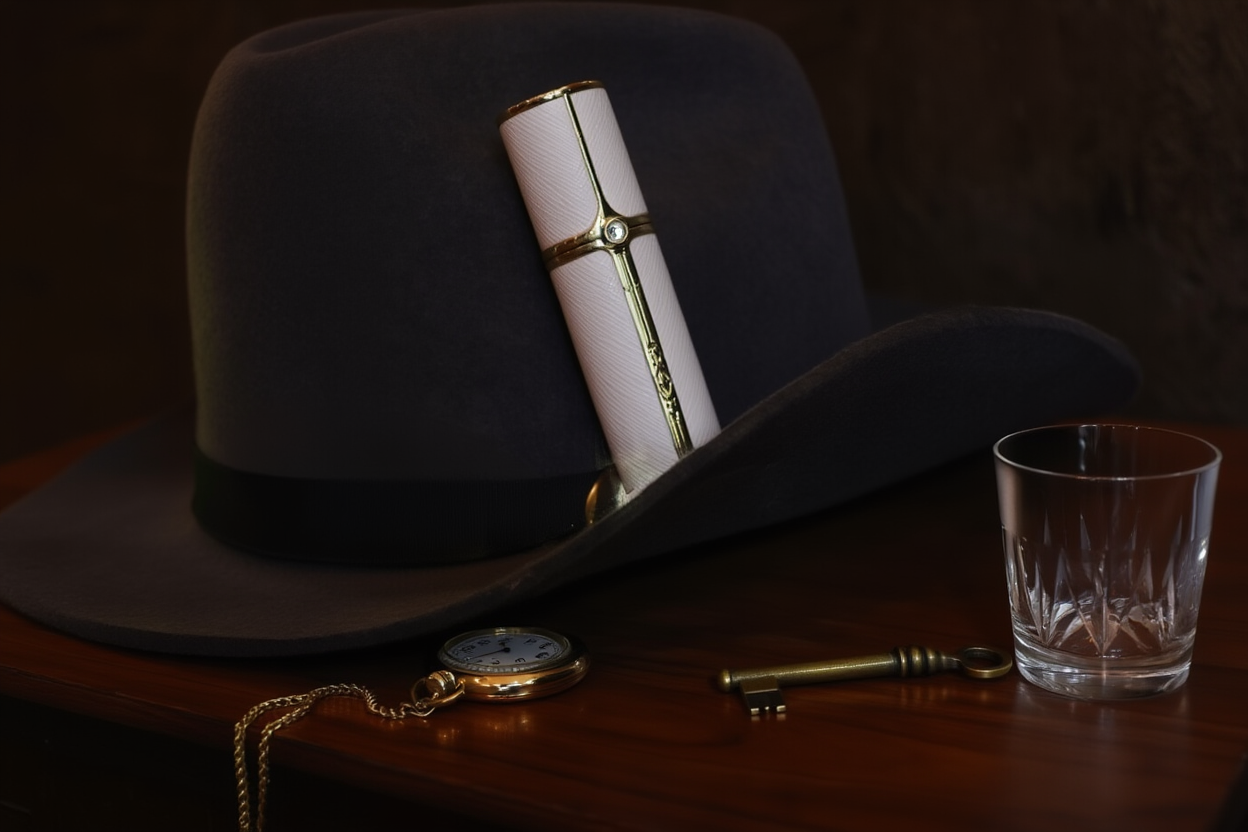
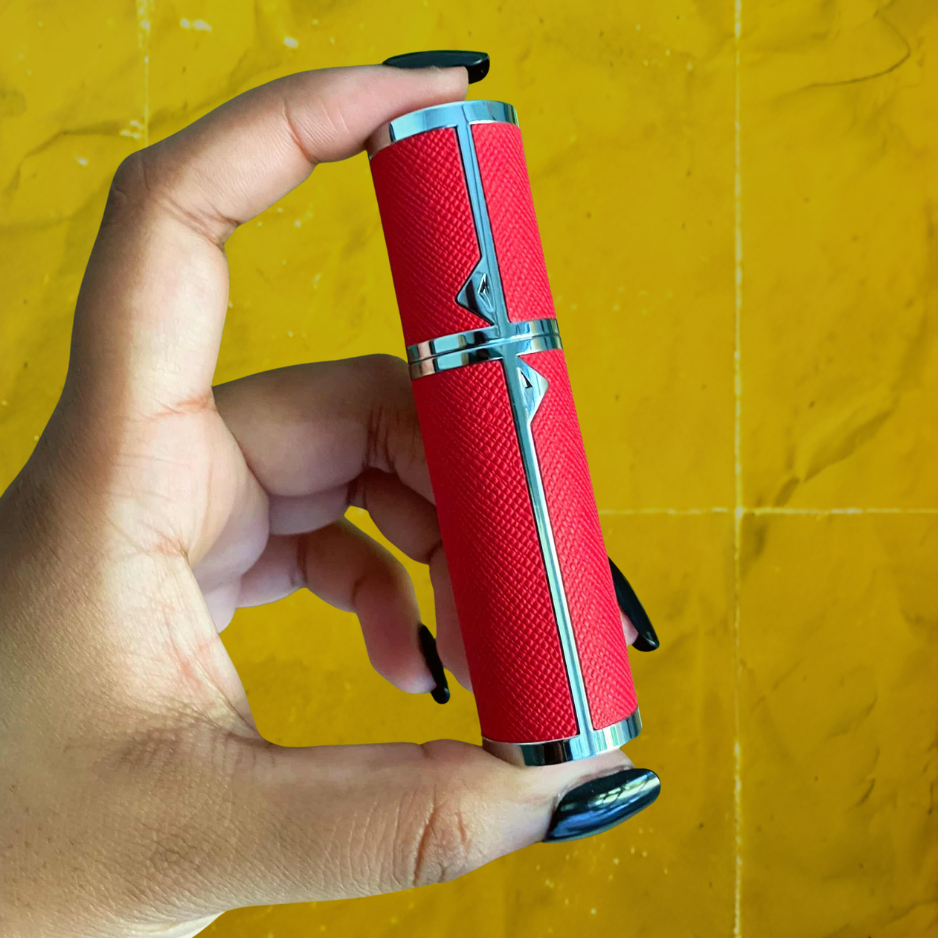
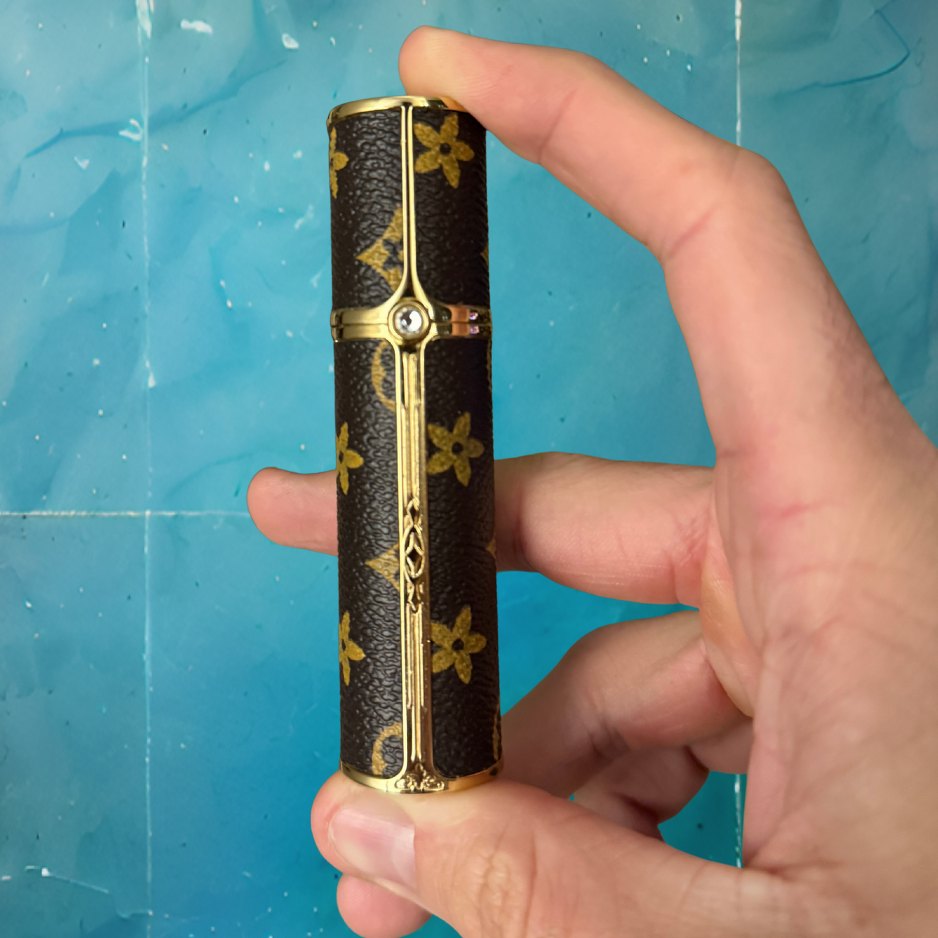
These atomizers are designed around the exact habits this guide covers: quick refills, durable seals that resist leaking, and a compact body that’s easy to keep clean between fills. That combination matters more than most travelers realize, since a leak-prone or hard-to-clean atomizer undoes half the work of careful transferring.

- Browse the full Refillable Perfume Atomizers collection for a range of styles and sizes.
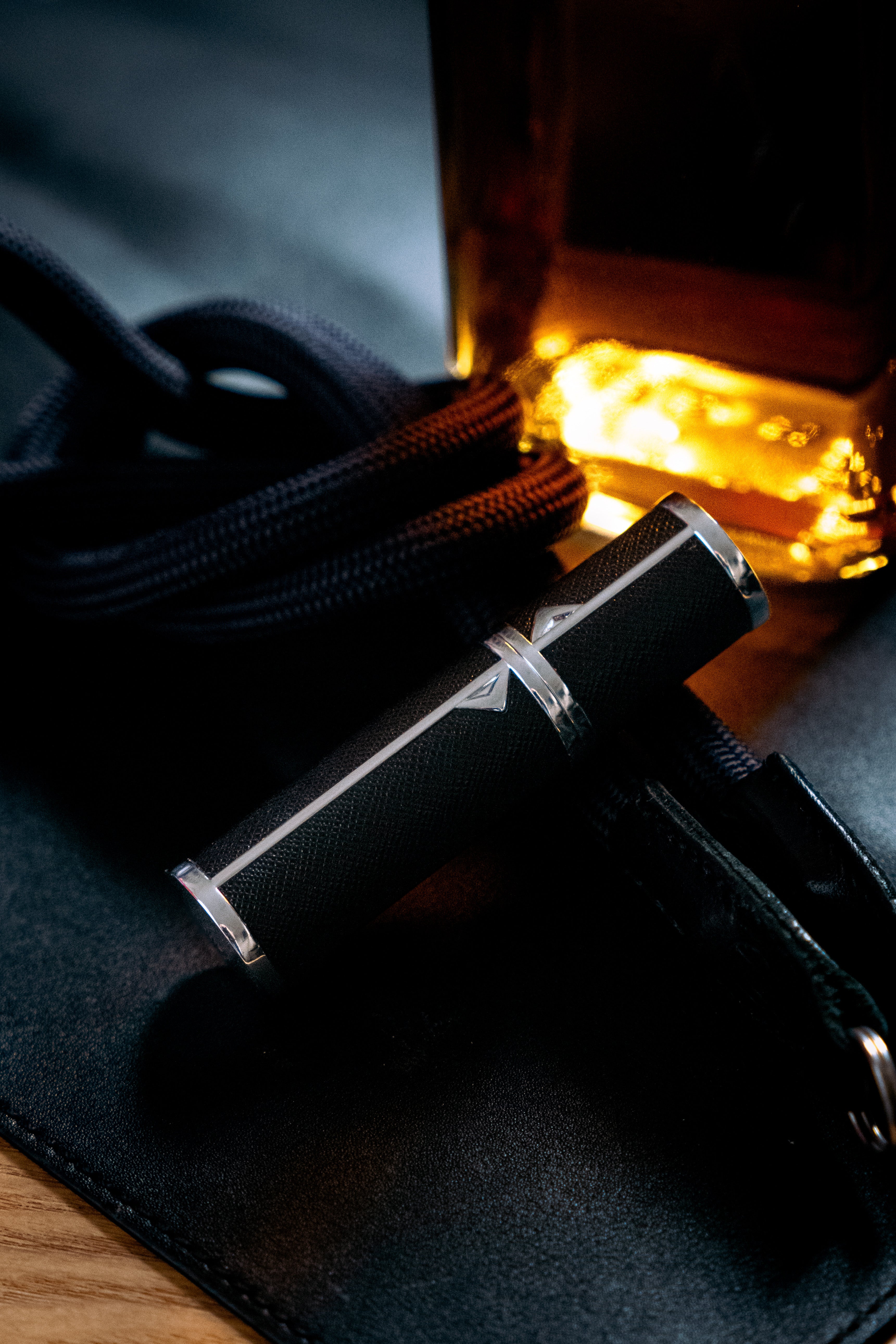
- Grab the McQueen Best Seller Set if you want an atomizer and travel bag paired together.
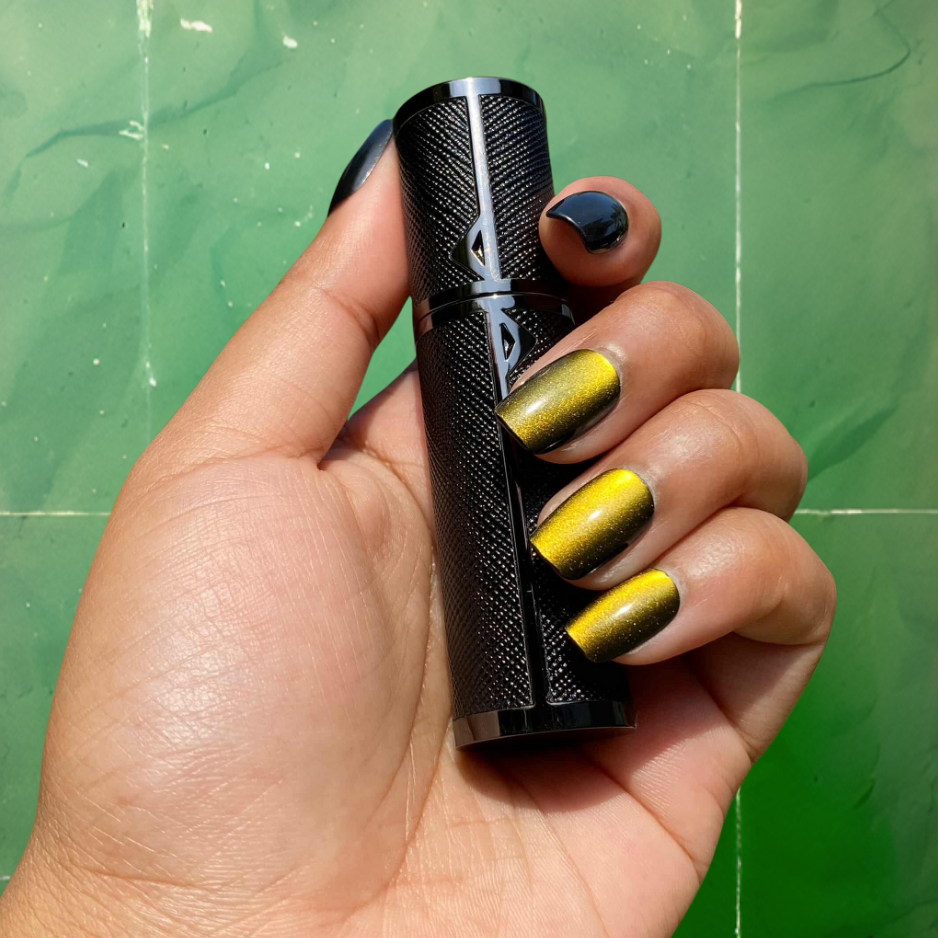
- Try the Monroe atomizer for a compact, single-scent option that’s easy to dedicate to a favorite fragrance.
If you’re tired of decants that leak, ghost, or spoil before your trip is over, a dedicated refillable perfume atomizer is a straightforward way to fix that.
Sources
- Small Businesses & Homemade Cosmetics: Fact Sheet | FDA
- How to Clean Perfumery Tools | BENSCENTS
- Cleaning perfume atomizers & preventing clogs | WhatScent
FAQ
How often should I clean a refillable perfume atomizer?
Clean it every time you switch fragrances, and give even a single-scent atomizer a full cleaning every few refills to clear out residue. If you notice any dulling of the scent or a slight off note, that’s a sign it’s overdue.
Can I use rubbing alcohol to clean a perfume atomizer?
Yes, 70 to 90% ethanol or 99% isopropyl alcohol works well for both the pre-rinse and final flush steps in a standard cleaning sequence. Go easy on rubber seals and softer plastics, since repeated solvent exposure can dry them out over time.
Why does my atomizer smell like the old perfume after cleaning?
Some plastics and rubber seals hold onto fragrance oil even after a thorough wash, a phenomenon often called ghosting. If cleaning doesn’t fix it, dedicating that atomizer to one scent family, or switching to a glass-bodied option, tends to solve the problem for good.
What should I do if my perfume decant looks cloudy?
Stop using it right away. Cloudiness, particles, or a sour smell are signs of spoilage the FDA associates with contamination risk, so empty the container, clean it fully, and start with a fresh fill rather than trying to mask the change.
Is a transfer pump better than pouring perfume directly?
Yes, a transfer pump keeps air exposure and spills to a minimum compared with pouring, which is part of why consumer atomizer guides recommend it as a low-risk refill method. Spray-to-spray decanting is a close second when you don’t have a pump on hand.




Share and get 15% off!
Simply share this product on one of the following social networks and you will unlock 15% off!