
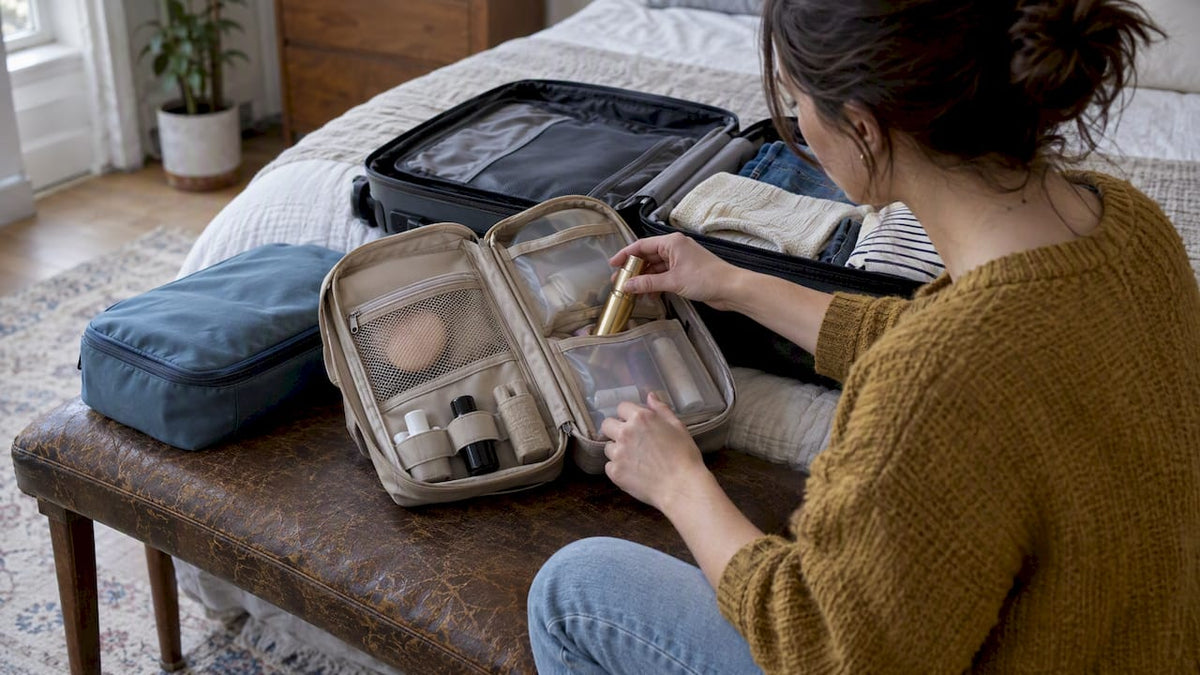
For most travelers, clamshell bags that open fully flat and ideally can hang are highly praised since they show all contents at once and help contain spills effectively. Hanging organizers win in cramped hotel bathrooms, while a simple tri-fold or divided pouch suits light grooming kits or backpacking. The right pick depends on your liquids, your trip length, and how much counter space you can count on, which is what the rest of this guide to how to style your carry-on essentials like a pro walks through.
TL;DR:
- Clamshell bags with full visibility and hanging capability are ideal for quick access and dealing with wet surfaces during travel.
- Compartments designed for liquids should include water-resistant liners, clear mesh panels, and sturdy zippers to withstand frequent use.
- The choice of bag layout depends on trip length, primarily balancing capacity needs for liquids versus grooming tools.
- Refillable perfume atomizers compactly fit into mesh pockets or elastic loops, avoiding the bulk of full-size bottles.
- Durability relies on water-resistant materials, welded seams, reinforced mesh, and a structured base to maintain organizational shape over time.
Table of Contents
- Common compartment layouts and how they work
- How do you choose the right compartments for your trip?
- Packing templates by trip length
- Features that actually matter in a compartment
- Packing liquids to clear TSA screening without delays
- Where perfume fits in a compartmented bag
- Materials and durability that affect how long compartments last
- Cleaning and maintenance that keep compartments working
- Brands known for strong compartment design
- Price ranges and what you actually get for the money
- A quick rule for last-minute packing decisions
- A simpler way to pack perfume alongside your toiletries
- FAQ
- Sources
Common compartment layouts and how they work
Every toiletry bag compartment style solves a different packing problem, and knowing the mechanics behind each one helps you match the bag to your habits instead of your habits to the bag.
A clamshell bag unzips along three sides and lies flat like an open book, putting both halves on display at once. That full-width visibility is the main reason reviewers keep coming back to it: you see every bottle instead of digging through a single deep pouch. Many clamshell designs add a hook at the top, letting the bag hang on a towel bar or door, which solves the second-biggest bathroom problem: nowhere clean to set your kit down.
Hanging organizers take that idea further, built with stacked, shelf-like compartments meant to stay vertical. They shine in small or shared bathrooms where counter space disappears fast, since everything stays off wet surfaces and visible at eye level.
Tri-fold and roll-up bags fold down into a compact rectangle, usually with small elastic loops sewn across one panel for brushes, tweezers, or a razor. They’re light and narrow, which makes them a strong fit for grooming tools rather than liquids, since the folded panels can press against bottles and strain their seals.
Accordion-style or divided mesh bags use stiff partitions or mesh walls to keep bottles upright and separated, which matters if you’re carrying several liquids that shouldn’t touch or tip into each other.
Dump pouches with internal pockets are the simplest option: one main compartment plus a few slip pockets. They’re light and flexible, forgiving for travelers who pack differently every trip, though they offer the least structure for keeping liquids from migrating.
- Clamshell: full visibility, flat profile, often hangable.
- Hanging organizer: shelf-style compartments, ideal for shared or tiny bathrooms.
- Tri-fold or roll-up: compact, best for tools rather than bottles.
- Accordion or divided mesh: keeps bottles upright and separated.
- Dump pouch: light, flexible, least structured.
How do you choose the right compartments for your trip?
Picking a layout gets easier once you break it into a few concrete questions rather than browsing by looks.
- How long is the trip? A weekend needs fewer, larger compartments; a week or more needs room for rotation and backups.
- Are you carrying mostly liquids or mostly tools? Liquids want upright, separated slots; brushes and razors want elastic loops or small zip pockets.
- Will you need to hang the bag? If counter space is unreliable, a hook or hanging panel is close to mandatory.
- Are you sharing the bag with a partner or family member? Multiple small, labeled compartments beat one big communal pouch.
- How often will you be in and out of the bag per day? Frequent access favors a full clamshell opening over a narrow dump pouch you have to root through.
Watch for a few warning signs on product pages: pockets so shallow that bottles poke out, zippers without a brand name like YKK, or a lining described only as “nylon” with no mention of water resistance. A bag that can’t stand upright on its own usually can’t keep compartments upright either.
Pro Tip: Before buying, picture your messiest travel day, early flight, no counter space, and ask whether the bag’s compartments would still keep your liquids separated from your toothbrush.
Packing templates by trip length
How you fill a compartment matters as much as the compartment itself, and the right template changes with trip length.
- Day trip: one or two small compartments cover it, a travel atomizer, a mini deodorant, and maybe a toothbrush in an elastic loop.
- Weekend: a clamshell with two or three bottle slots plus a mesh pocket for a toothbrush and tweezers handles a standard overnight kit without overpacking.
- Week-long trip: a larger divided bag works best paired with one or two small removable pouches you can pull out daily, so you’re not unpacking the whole kit every morning.
- Backpacking or camping: prioritize weight over structure, a lightweight dump pouch or small divided pouch with a waterproof liner and a couple of elastic loops beats a rigid clamshell that adds bulk for little benefit.
Perfume deserves its own line in each template. A refillable atomizer, filled from your usual bottle before you leave, slides into almost any small mesh pocket or elastic loop, which means you rarely need to dedicate a full compartment to a fragile glass bottle. On a week-long trip, that frees up a slot for something bulkier, like a hairbrush or a larger sunscreen tube.
Features that actually matter in a compartment
Reviewers consistently point to a handful of features that separate a toiletry bag that lasts from one that falls apart after a few trips. Pack Hacker’s testing found that mesh pockets, elastic loops, and a structured base do more for day-to-day usability than a high pocket count, since a bag with dozens of shallow slots tends to bury items rather than organize them.
- Water-resistant or welded liners keep a leak in one compartment instead of letting it soak through the whole bag.
- Clear mesh panels let you spot a bottle without unzipping anything, which saves real time at a sink or airport gate.
- Full clamshell access, removable pouches, and elastic loops for razors or toothbrushes cut down on the searching that slows most people down.
- YKK zippers and reinforced stitching at stress points are a quick way to judge whether a bag will survive a year of travel.
- A structured, flat base lets the bag stand upright on a counter or in a sink, keeping every compartment level instead of slumping into a pile.
A small number of well-placed elastic loops and one clear pocket often outperforms dozens of tiny, shallow pockets that bury items, according to Pack Hacker’s hands-on testing, which is a useful reminder that more pockets isn’t automatically better organization.
Stated capacity, usually given in liters, is a fast way to compare bags at a glance, though it only tells part of the story. A 3-liter bag with one deep pocket holds less usable gear than a 3-liter bag split into four shallow, visible ones.
Packing liquids to clear TSA screening without delays
The TSA liquids rule caps each carry-on liquid, gel, aerosol, cream, or paste at 3.4 ounces (100 ml), and all of them together must fit inside a single quart-sized clear bag per passenger. Anything larger needs to go in checked luggage, with a few exceptions for medically necessary liquids.
Your compartment strategy should work with that rule, not against it. Keep your quart-size bag in a flat, shallow pocket near the top of your toiletry bag, ideally one that’s removable, so you can pull it out at screening without unpacking everything else. For more detail on building that system, see this guide to organizing carry-on liquids.
- Keep the TSA quart bag in its own shallow, easy-access compartment.
- Double-bag anything prone to leaking, like sunscreen or hair product.
- Store atomizers or small bottles in a sealed internal pocket rather than loose in the main compartment.
- Choose a bag with a waterproof liner so a leak stays contained to one zone.
Duty-free liquids bought after security can exceed the 3.4-ounce limit on a connecting flight, but only if they stay sealed in their tamper-evident bag with the receipt visible, per TSA’s exemption guidance. Keeping that bag in its own clear compartment, separate from your regular quart bag, makes it easy to present at a second screening point. For a full TSA-focused packing checklist, this travel toiletries packing list walks through it step by step.
Where perfume fits in a compartmented bag
Perfume is one of the trickiest items to place in any toiletry bag, since a full-size bottle is heavy, breakable, and often over the TSA limit on its own. A refillable atomizer, filled ahead of time from your usual bottle, solves that by shrinking your fragrance down to a size that slides into a mesh pocket or elastic loop instead of eating up a main compartment. SPRITZ’s guide to flying with perfume covers the rules in more detail, and the atomizer size guide breaks down which sizes clear screening without issue.
Where you place it depends on the atomizer’s shape: a slim one fits an elastic loop meant for a pen or toothbrush, while a short, wider one is safer in a zippered mesh pocket where it can’t roll around. Either way, keeping it separate from fabric or paper items protects against the occasional spray that escapes a worn seal.
— Ash
Materials and durability that affect how long compartments last
The material behind a compartment decides whether it protects your gear for one trip or five years of them. Condé Nast Traveler’s coverage of toiletry bags repeatedly points to water-resistant linings and sturdy zippers as the clearest signals of durability, since these are the parts that take the most wear from spills, friction, and constant zipping.
Nylon and polyester blends with a polyurethane coating resist moisture without adding much weight, which is why they show up in most clamshell and hanging designs. A welded seam, where panels are heat-sealed rather than stitched, blocks leaks far better than a sewn seam, since needle holes are tiny entry points for liquid over time.
Mesh panels need their own scrutiny: a tightly woven mesh holds its shape and resists tearing, while a loose, stretchy mesh sags and eventually rips at the stitching. Elastic loops lose their grip after repeated stretching, so a bag with replaceable or reinforced loops holds up better than one with elastic sewn directly into thin fabric.
A structured base, often a stiffened panel or light foam insert, keeps the bag’s shape over time and protects the compartments above it from collapsing under the weight of a full bottle. Bags that skip this detail tend to slump after a few months, pulling pockets out of shape and making organization harder than it was on day one.

Cleaning and maintenance that keep compartments working
A toiletry bag collects more residue than most people realize, between leaked lotion, toothpaste smears, and the dust that settles in mesh pockets. Keeping compartments functional over time comes down to a short, regular routine rather than a deep clean after something spills.
Wipe down water-resistant liners with a damp cloth and mild soap every few trips, paying extra attention to seams and corners where residue pools. Most welded or coated bags handle this fine, but check the product page first, since some fabric exteriors are machine-washable while coated interiors are not.
Empty every compartment between trips, including small internal pockets that are easy to forget. Leftover product left to sit can stain mesh or degrade elastic loops faster than regular use does. Letting a bag air dry fully before zipping it shut and storing it prevents the musty smell that builds up in damp, sealed compartments.

Check zippers periodically for grit or product buildup, since a sticking zipper often means a loose or torn seam is close behind. A quick rinse under lukewarm water, followed by full air drying, usually resolves it before it becomes a structural problem. For bags with removable pouches, washing those separately extends their life well past the main shell, since they take the most direct contact with liquids.
Brands known for strong compartment design
A handful of names come up again and again in toiletry bag reviews, largely because their compartment layouts solve real packing problems rather than just adding pockets for the sake of it. Wirecutter’s testing has found that clamshell and hanging designs consistently score well for visibility and organization, though no single bag fits every traveler’s routine.
Bags built around a full clamshell opening tend to earn praise for letting users see and reach every item without digging, which matters most for travelers managing a multi-step skincare routine or a shared family kit. Hanging organizers with shelf-style compartments get singled out for small hotel bathrooms, where a hook and vertical layout beat a bag that needs counter space it won’t get.
Lightweight dump pouches with a few internal slip pockets show up often in backpacking and minimalist packing guides, prized for low weight over heavy structure. The common thread across well-reviewed bags isn’t a brand name so much as a design choice: visible, separated compartments with a liner that can handle a spill, which is a detail worth checking regardless of which name is on the tag.
Price ranges and what you actually get for the money
Toiletry bag prices span a wide range, and the jump in price usually buys you specific compartment features rather than just a nicer logo. Budget bags typically stick to a single main compartment with one or two slip pockets, using basic nylon without a true waterproof coating, which is fine for occasional short trips but risky for anything liquid-heavy.
Mid-range bags add the features that matter most day to day: a water-resistant or welded liner, a mix of mesh and zippered pockets, and often a hanging hook. This tier is where most frequent travelers find the best balance, since the extra compartments and liner quality directly reduce leak risk and searching time.
Premium bags push further into reinforced stitching, YKK zippers, and multiple removable pouches, aimed at travelers who want a bag that holds up for years of regular use rather than a few trips. The value question isn’t about spending more, it’s about matching the compartment features to how often and how hard the bag gets used; a lightly used dump pouch doesn’t need premium hardware, but a bag unpacked every week benefits from it.
A quick rule for last-minute packing decisions
If you’re short on time and can only pick one layout, pick a clamshell that hangs. It gives you full visibility and keeps your kit off a wet counter, covering the two biggest sources of packing frustration at once. Break the rule only for ultralight trips, where a small divided pouch saves more weight than the clamshell’s structure is worth.
A simpler way to pack perfume alongside your toiletries
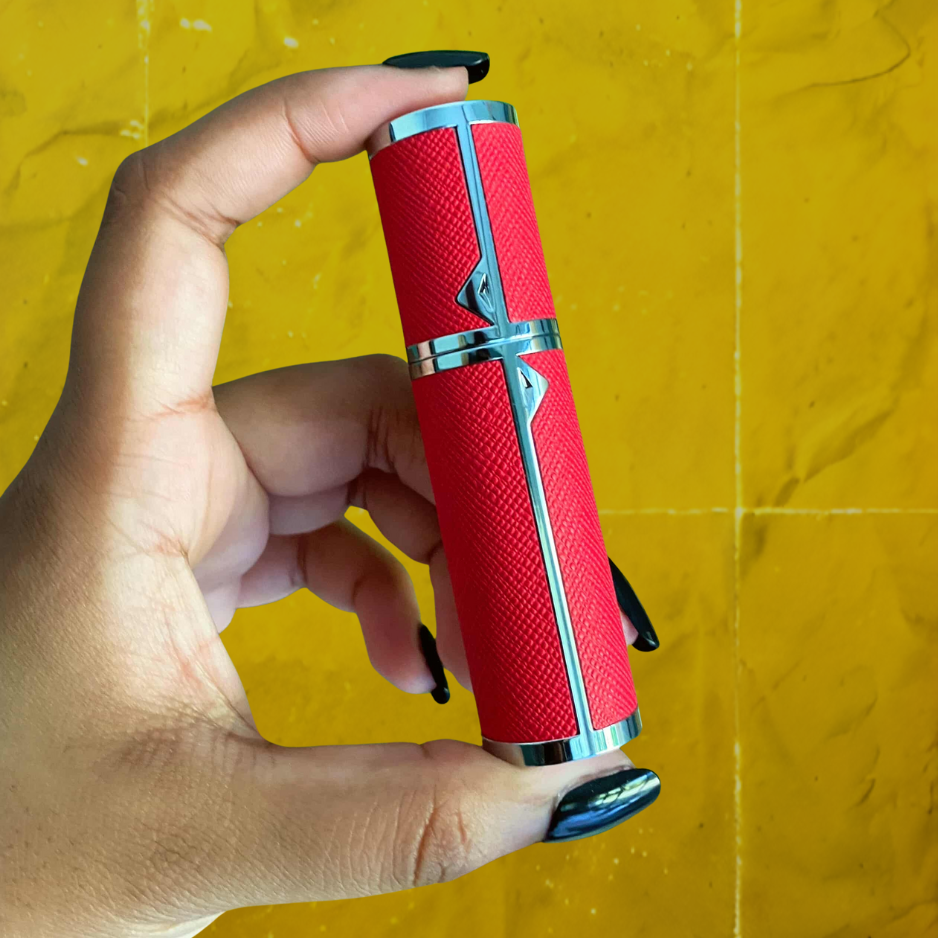
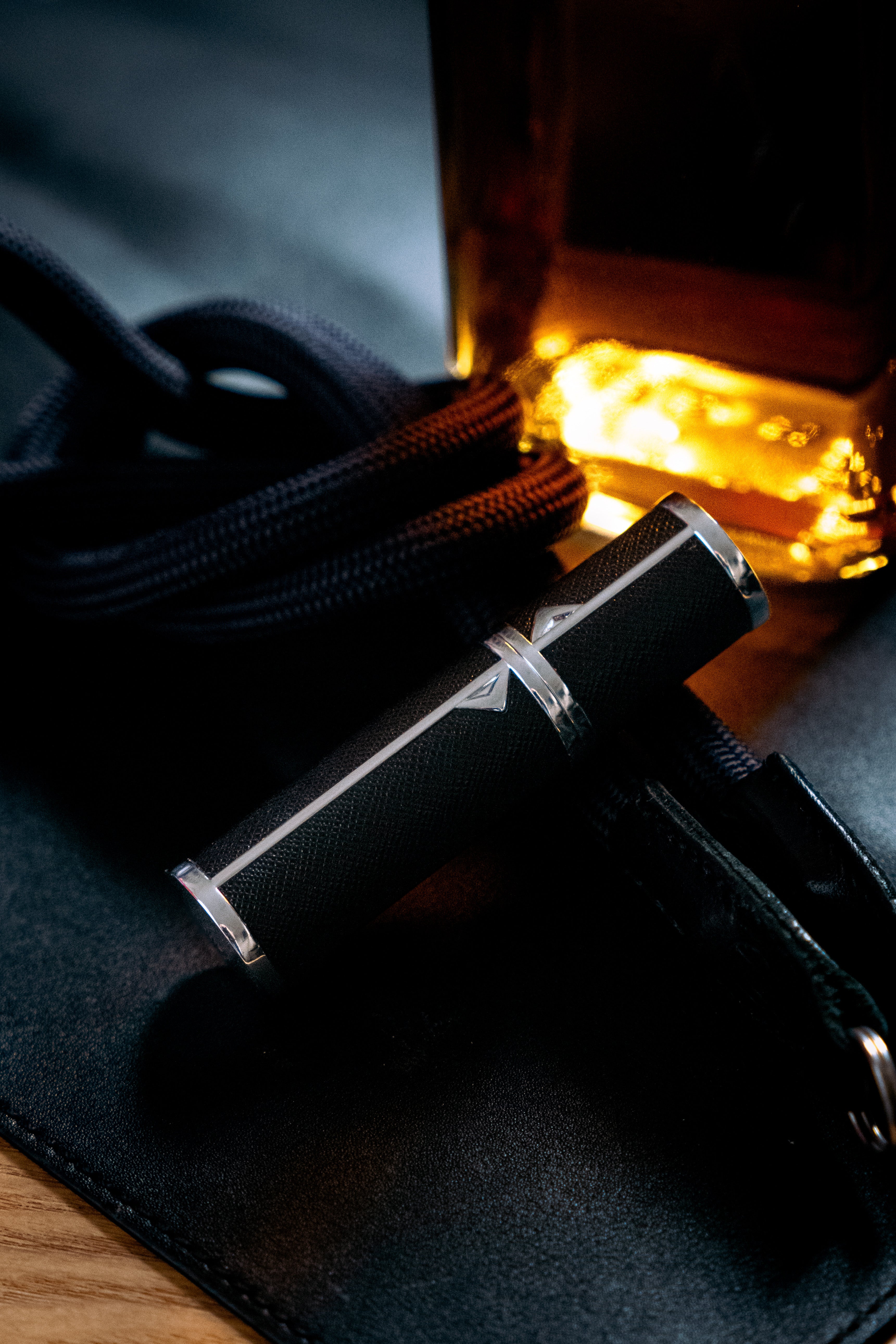
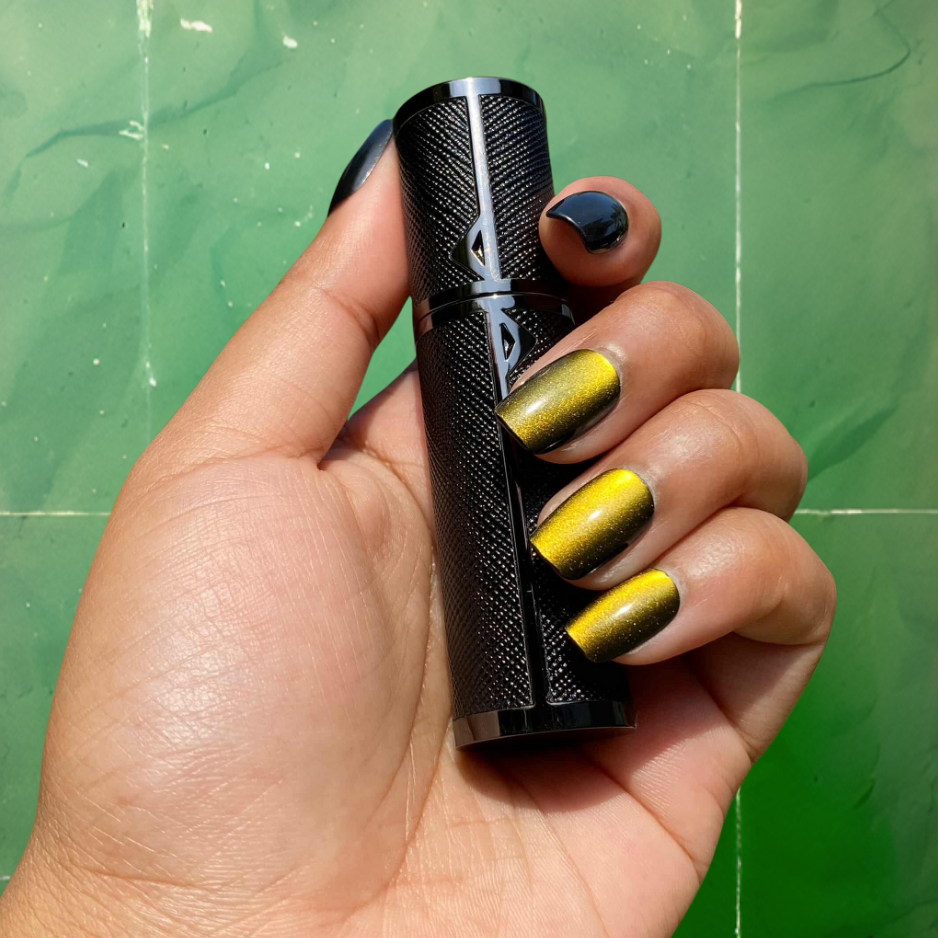
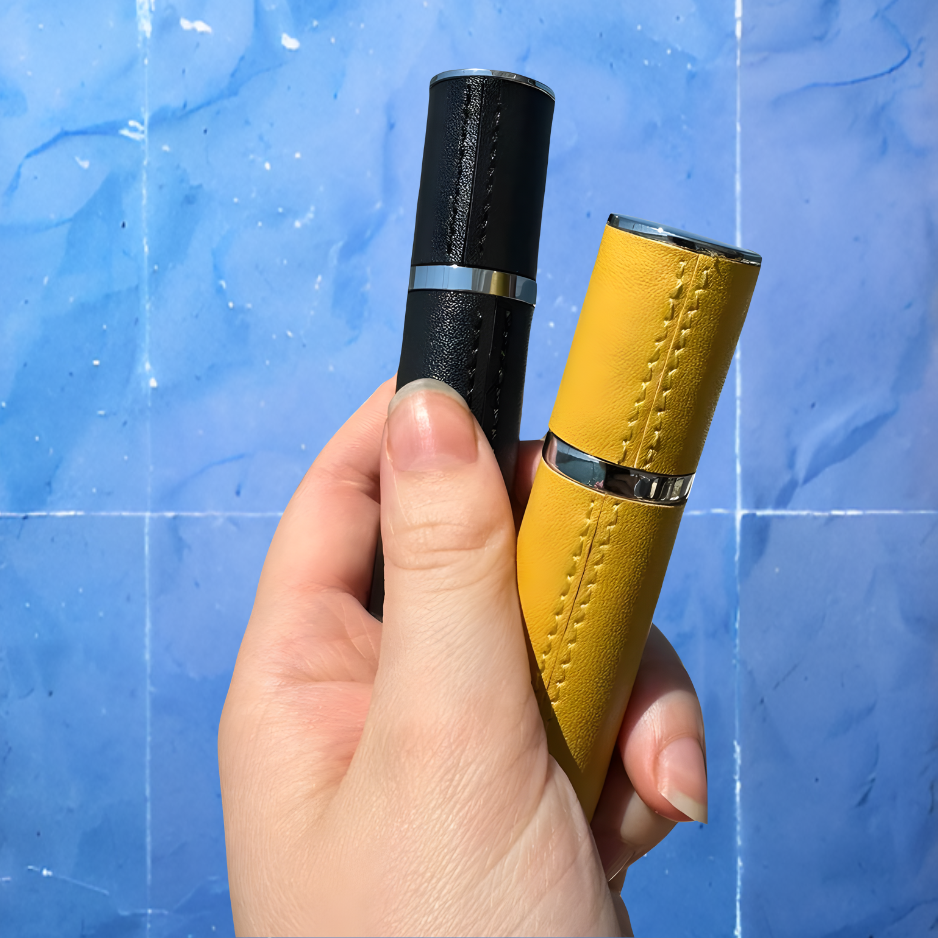
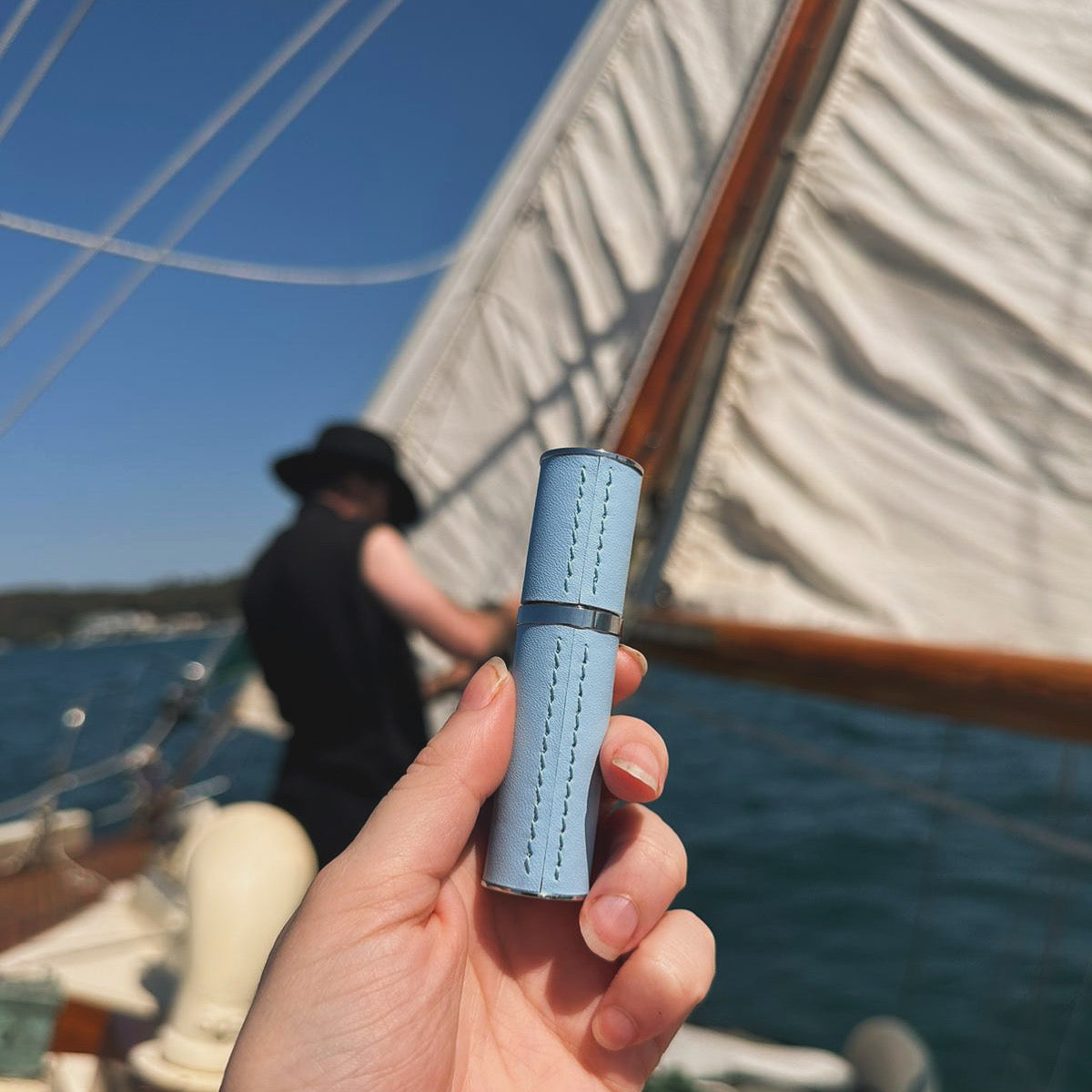
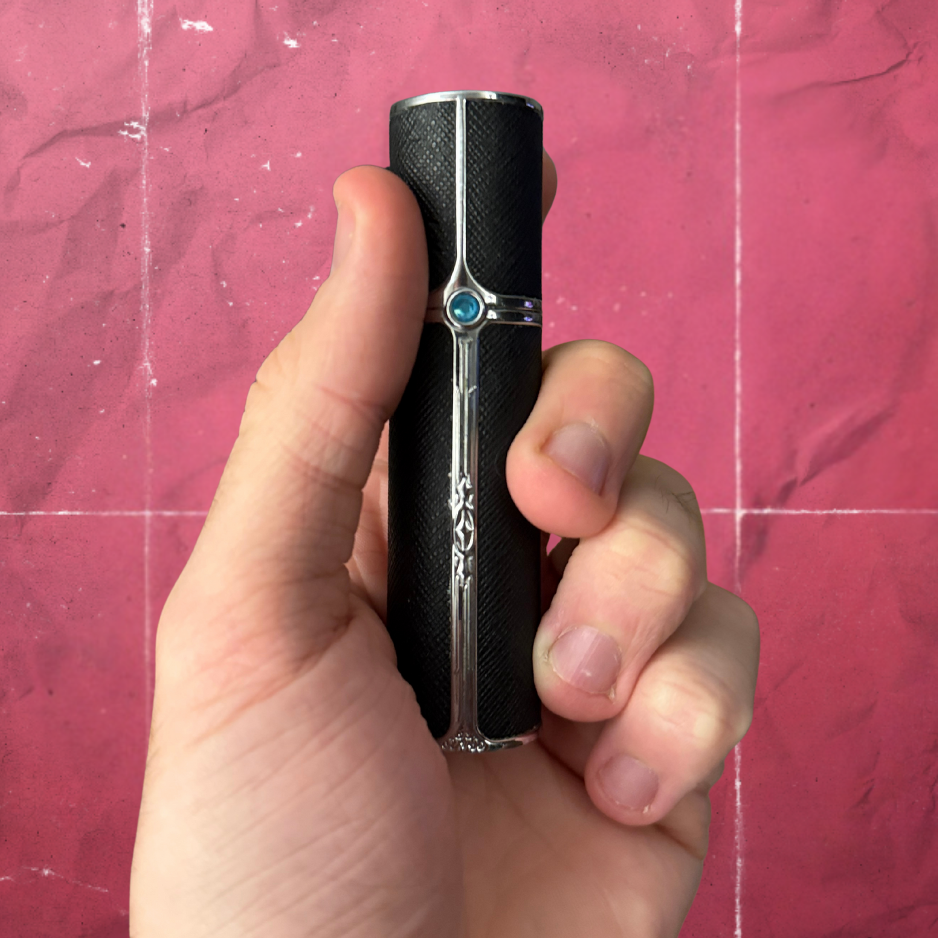
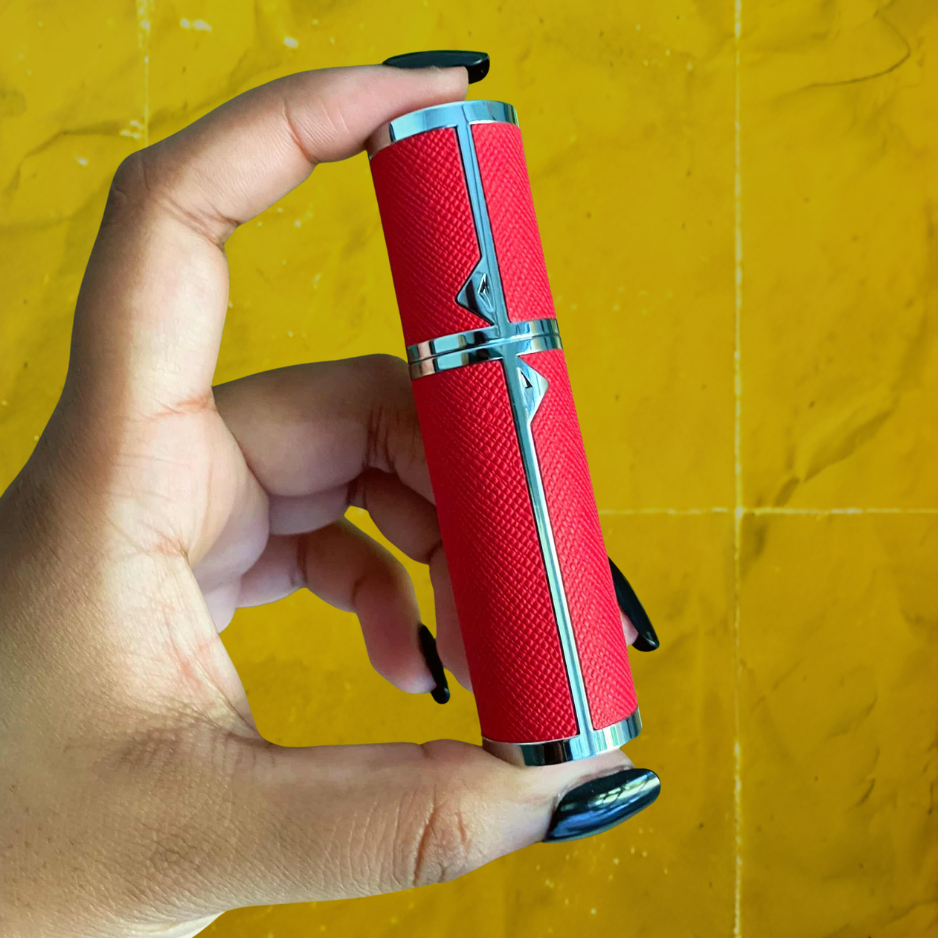
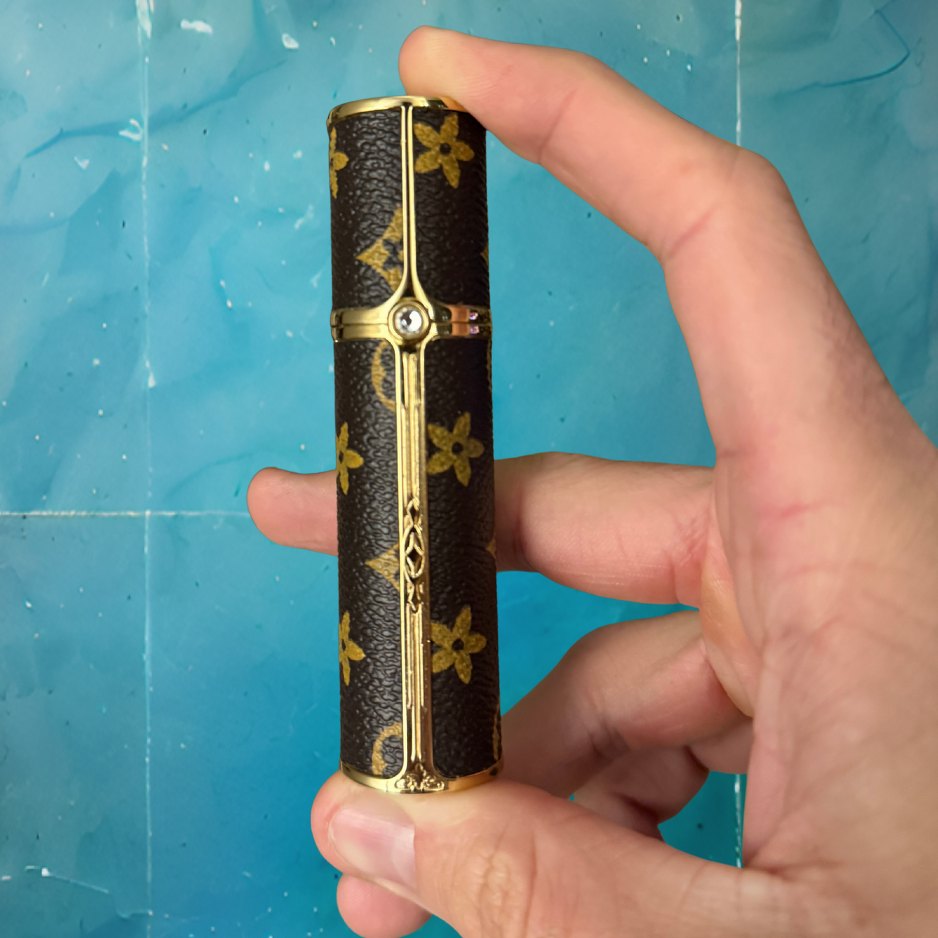
A full-size perfume bottle is one of the heaviest, most breakable things in most toiletry bags, and it often eats up a compartment that could hold something more useful. SPRITZ’s Refillable Perfume Atomizers solve that problem directly: fill one from any standard bottle at home, and it slides into a mesh pocket or elastic loop instead of claiming a main compartment. The brand’s Travel Organisers are built around that same idea, pairing divided compartments with slim atomizer slots so your fragrance stays upright and separated from everything else.
| Need | SPRITZ option | Fits in |
|---|---|---|
| Carry fragrance without a full bottle | Refillable Perfume Atomizers | Mesh pocket or elastic loop |
| A bag built for compartmented packing | Travel Organisers | Main compartment or carry-on |
| A structured extra for gym or daily kit | Gym Essentials | Side compartment or tote |
If you’re ready to see how an atomizer fits your own routine, start with the Refillable Perfume Atomizers collection or browse the full Travel Organisers lineup for a bag designed around that same compartment logic.
FAQ
How do you organize a toiletry bag with multiple compartments?
Group items by type, liquids in upright, separated slots, tools like razors or tweezers in elastic loops, and keep your TSA quart bag in its own shallow, easy-access pocket. Placing the items you use most, like a toothbrush or atomizer, in the most visible compartment cuts down on digging each morning.
What is the name of an extra-large toiletry bag with many compartments?
There’s no single industry-standard name for this style, brands market similar large, multi-compartment designs under different product names, so the layout (clamshell with several divided panels) matters more than the label. Look for stated capacity in liters and a full clamshell opening if volume and visibility are your priority.
What does a toiletry bag typically include?
A toiletry bag itself is just the case, but most travelers fill it with a toothbrush, toothpaste, deodorant, skincare items, a razor, and a small perfume atomizer or two. The right mix of compartments, mesh pockets for visibility, elastic loops for tools, and a flat liquids pocket, keeps all of that separated and easy to find.
What should be on a toiletries packing list?
A solid list covers oral care, skincare, hair products, deodorant, a razor, and fragrance, sized to fit within the TSA’s 3.4-ounce liquid limit for carry-on. A more detailed, trip-length-specific breakdown is available in this travel toiletries packing list.





Share and get 15% off!
Simply share this product on one of the following social networks and you will unlock 15% off!