
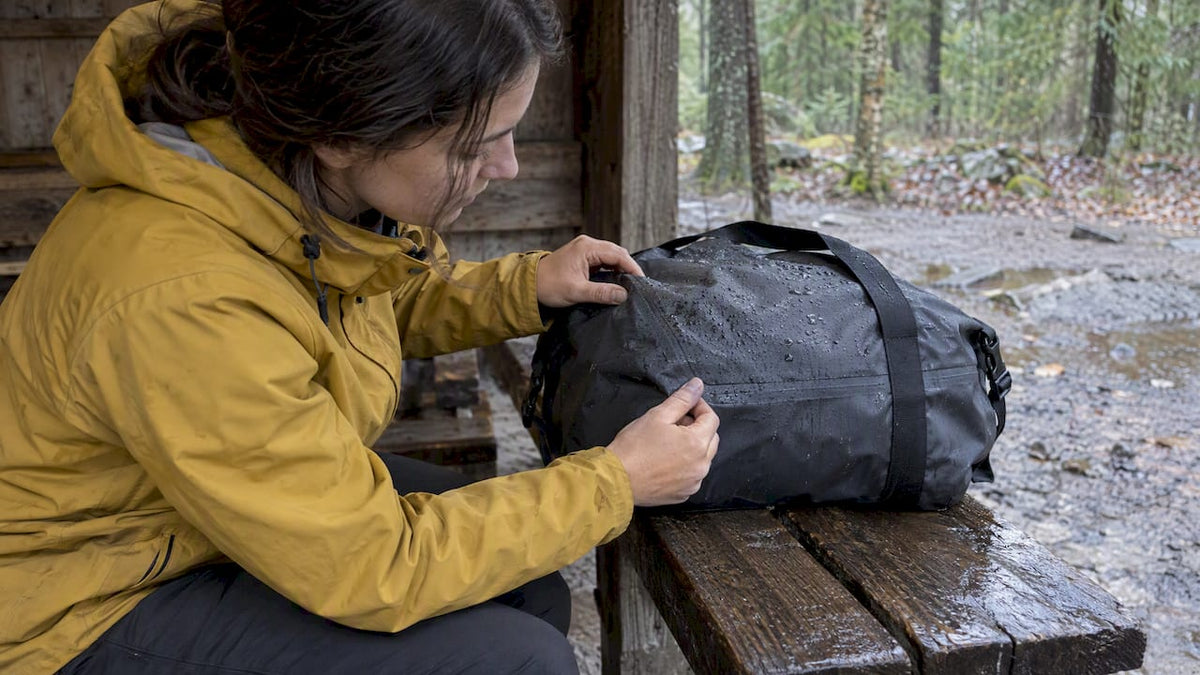
Water resistant bags repel light rain and splashes through coated fabric, while waterproof bags are sealed systems with welded seams and closures built for sustained wet conditions or submersion. For commuting and daily use, a water resistant bag is enough. Choose waterproof when exposure is heavy or long, and pack electronics in an internal liner or dry bag no matter which bag you own.
TL;DR:
- Check the seams for tape or welded joins, and inspect closures; standard zippers and exposed stitching indicate water resistance, regardless of a waterproof label.
- A hydrostatic head figure measures fabric pressure resistance, while an IPX rating clarifies specified protection; never submerge a bag unless its manufacturer approves that use.
- For hikes in downpours, pair a water resistant pack with a liner; boating, river crossings, and prolonged exposure call for waterproof construction or dry bags.
- A rain cover protects the outer fabric but leaves the harness side, zippers, and pockets exposed, so seal contents inside a liner or dry bag.
- Refresh the DWR coating when water stops beading and inspect seam tape for peeling, because surface repellency wears with abrasion and repeated use.
Table of Contents
- What do water resistant and waterproof mean in a bag’s materials and construction?
- How can you tell if a bag is truly waterproof?
- Which protection level fits your commute, travel, hike, or boat trip?
- How do you build a layered protection system with liners, dry bags, and rain covers?
- What should you check before buying a bag?
- Why a good water resistant bag plus internal dry bags is the sensible default
- Which of our travel bags help keep liquids and perfume protected?
- FAQ
- Sources
What do water resistant and waterproof mean in a bag’s materials and construction?
The difference starts with the fabric but does not end there. Most water resistant bags rely on a DWR coating, short for Durable Water Repellent, which makes water bead and roll off the surface. That is a surface-level defense, and it can wear off through abrasion and repeated use.
Truly waterproof bags are built as a complete system. Hydrostatic head, a measure of how much water pressure a fabric can resist before it leaks, gives a way to compare fabrics. Construction then decides what happens in real conditions, as seams and closure design matter as much as the face material.
- Seams: seam taping and welded construction can help improve water protection.
- Zippers: closure design matters to how well a bag protects against water.
- Closures: roll-top and submersible closures create a much stronger seal than a standard zipper.
- Denier: a thick, tough fabric is not automatically a waterproof one. Coating, laminate, seams, and closures do the work.
A waterproof claim on the fabric alone means little without sealed seams and a protective closure.
How can you tell if a bag is truly waterproof?
Start with a hands-on inspection. Look inside the bag for seam tape or welded joins, then check the zipper style and closure type. A plain zipper with sewn seams is a strong sign you are holding a water resistant bag, whatever the tag says.
Then read the specs. A hydrostatic head number tells you how tall a column of water the fabric can hold before it leaks, so a higher number means more pressure resistance. Check the product specifications to understand what water protection its IPX rating indicates.
Beading is not waterproofing. Water rolling off the surface comes from a DWR coating, and that is not the same as a structurally sealed bag.
You can run simple checks at home:
- Bead test: sprinkle water on the fabric. If it beads and rolls off, the DWR is working. If it soaks in and darkens the fabric, the coating is spent.
- Contained pour test: follow the manufacturer’s guidance for checking the bag’s water resistance.
- Submersion: do not submerge a bag unless its manufacturer says it is designed for that use.
Red flags that point to water resistant only: exposed stitching with no tape, standard coil zippers with no flap, a marketing claim with no rating, and “waterproof” printed on the fabric tag but not on the seams.
Which protection level fits your commute, travel, hike, or boat trip?
Match the bag to the worst exposure you expect, not the average day.
- Daily commute and light showers: water resistant is fine. Add a quick-dry pocket for anything wet, like an umbrella or gym clothes.
- Day hikes with possible downpours: water resistant plus a pack liner or rain cover. Mist and spray are manageable, but a long soaking is not.
- Overnight or backcountry hiking, river crossings, and boating: use a purpose-built waterproof bag or dry bags for critical items. A wet deck or a slip into the water can overwhelm any coated fabric.
- Air travel and checked luggage: pack toiletries, liquids, and fragile items inside internal waterproof pouches. A durable water resistant shell also helps with abrasion on conveyor belts.
If you want ideas for small organizers that handle beach or boat splashes, our guide to waterproof travel pouches covers the options. Planning for wet weather also means dressing for it, and our friends at Shop Nova Online show how to build rain-ready outfits that pair well with a protected bag.
How do you build a layered protection system with liners, dry bags, and rain covers?
Think from the inside out. Experienced hikers treat the liner as the non-negotiable defense and the cover as a convenience layer on top.
- Place a pack liner or dry bag inside the bag first, and roll or seal it closed.
- Isolate critical items in their own sealed pouches inside that liner.
- Close the bag’s main compartment with its best available closure.
- Add a rain cover last, to keep the outer fabric from soaking up water.
A rain cover protects the outside but does not seal the harness side, zippers, or pockets. So rely on the liner to protect contents. A heavy-duty contractor bag can serve as a liner, while a purpose-made dry bag is another option.
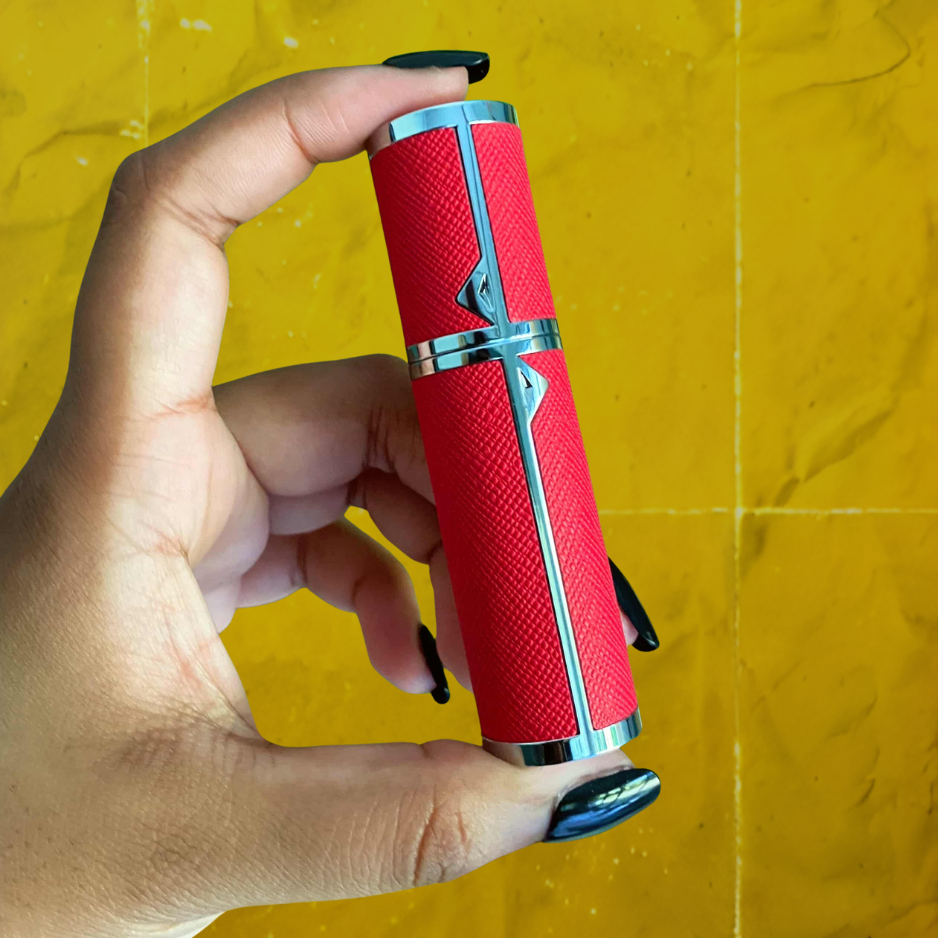
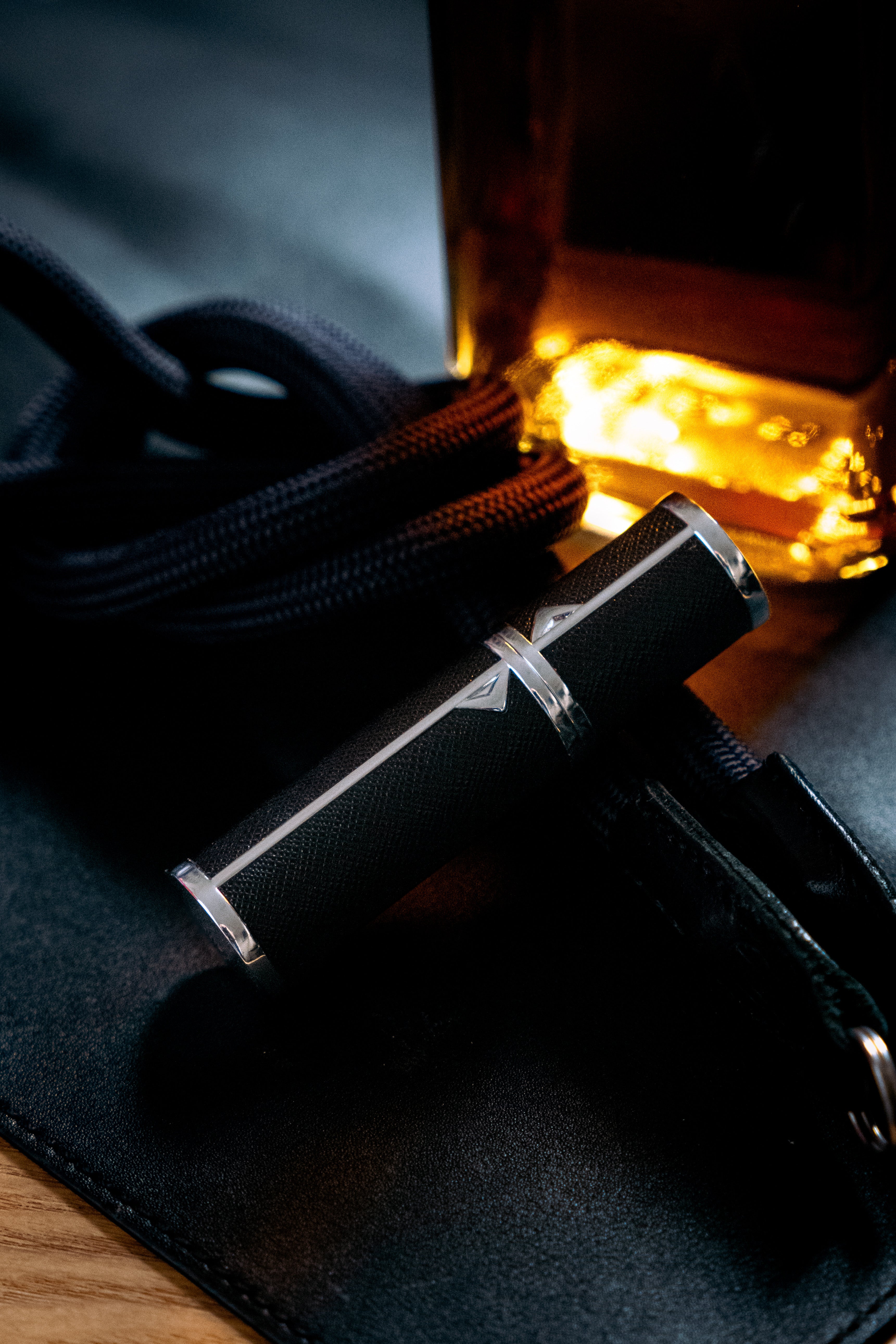
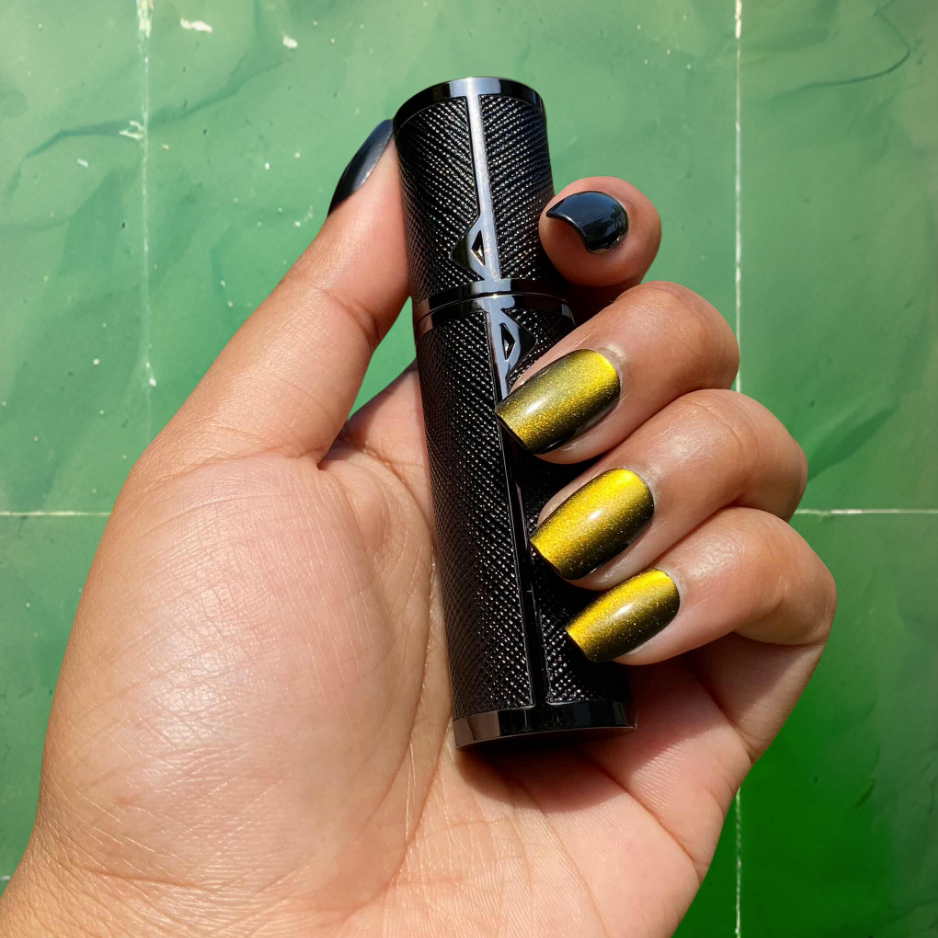
Isolate electronics, sleeping insulation, medication, and anything liquid, including perfume atomizers.
Pro Tip: Pack your liner before you add gear, then twist and fold the top rather than just tying it. A folded seal holds up better under pressure.

What should you check before buying a bag?
Run through this list in the store or online.
- Worst-case exposure: decide whether you face drizzle, a downpour, or possible submersion, then pick the protection level that fits.
- Construction details: look for taped or welded seams, the zipper or closure type, and any stated hydrostatic head or IPX rating.
- Your system: decide whether you will add an internal liner or dry bags, and budget for them alongside the bag.
- Daily use: weigh the bag’s weight, how easily you can reach your gear, and how well the fabric resists abrasion.
- Longevity: check the warranty and how to refresh the DWR coating, since the coating can wear off.
Professionals recommend an internal waterproof liner or dry bags for valuables even when the outer pack is sold as waterproof. Factor that into your total cost.
Why a good water resistant bag plus internal dry bags is the sensible default
For most people, the smart move is a solid water resistant bag with critical items packed in internal dry bags. A fully waterproof system is worth the extra cost and weight only if you routinely face heavy, prolonged wet conditions, like marine work or serious backcountry travel. Keep the bag working by refreshing the DWR coating when water stops beading and by checking seam tape for peeling. Marketing terms sound more absolute than the engineering behind them, so trust construction and your own packing habits over a label.
— Ash
Which of our travel bags help keep liquids and perfume protected?

We designed our travel gear for organized, protected packing. Our Travel Organisers and the McQueen toiletry bag keep liquids and small items contained in one place. For extra protection, pair them with a sealed pouch or small dry bag.
- Use a toiletry bag to group liquids and keep them away from clothes and electronics.
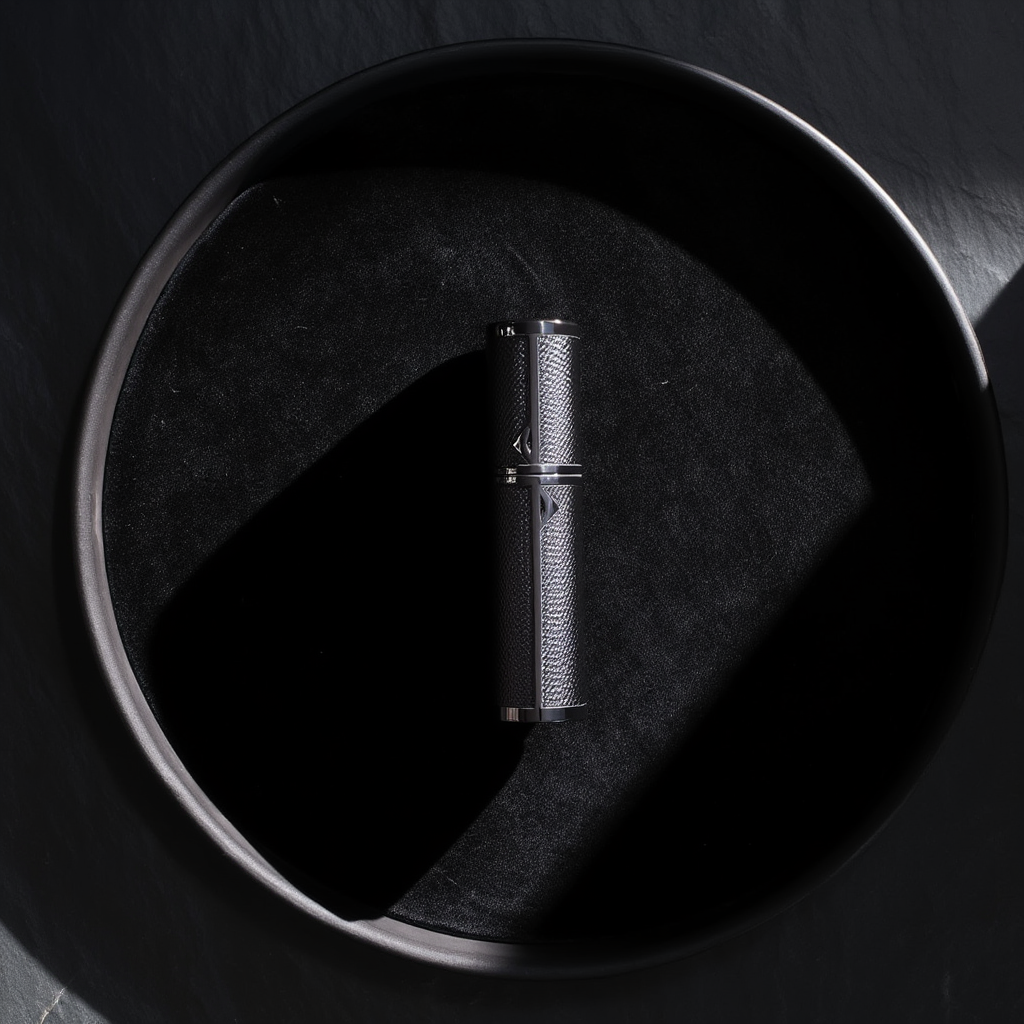
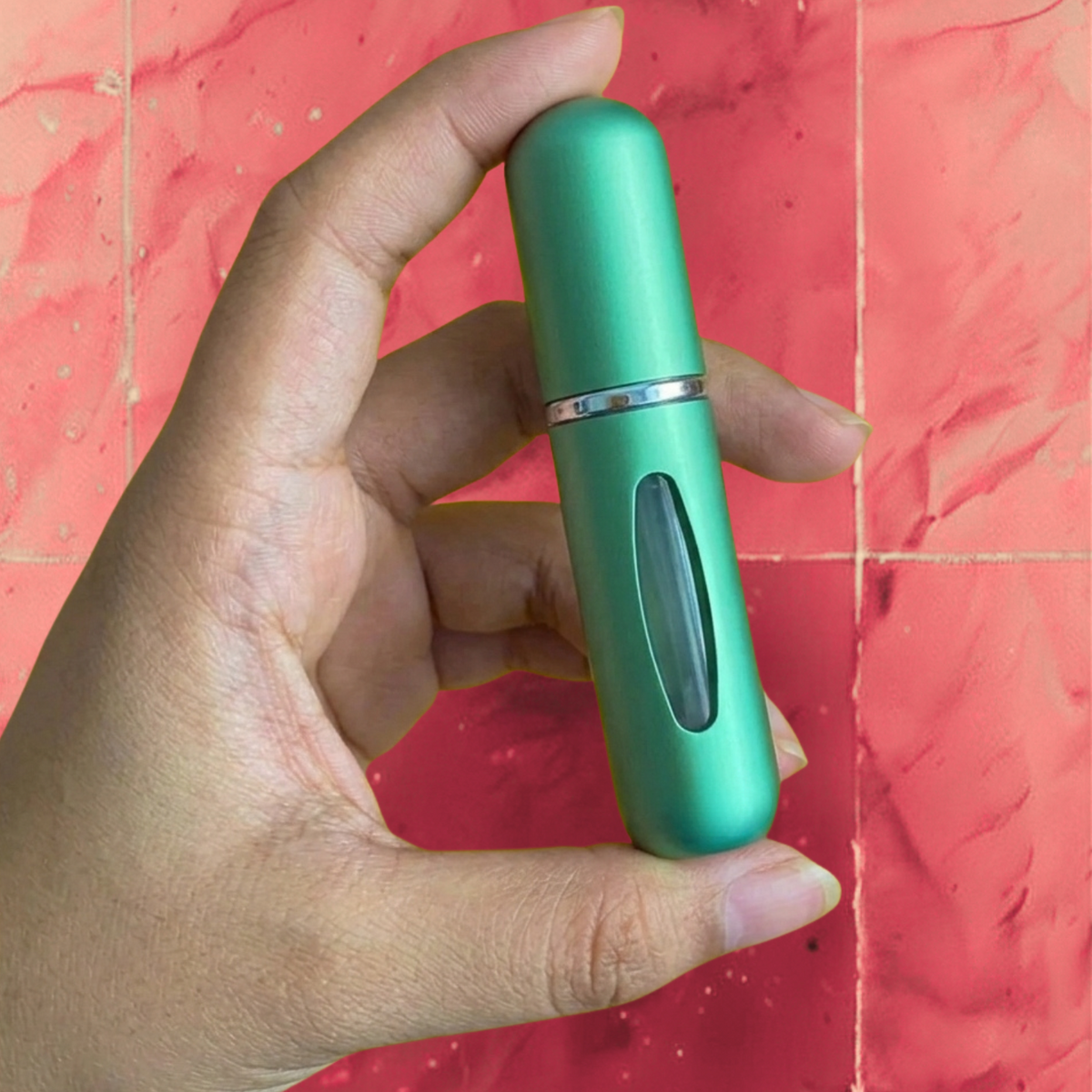
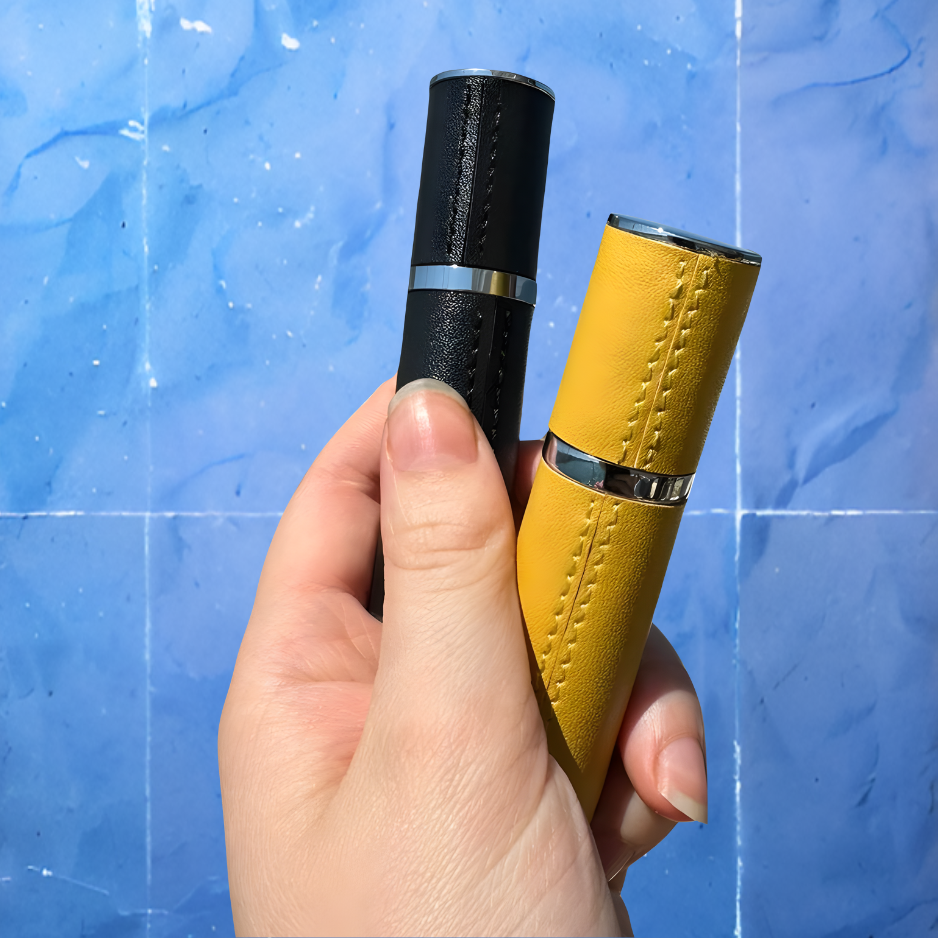
- Add a sealed pouch for perfume atomizers and other items that could leak.
- Browse the full Travel Organisers collection to find the layout that fits your trips.
FAQ
Is water resistant fabric the same as waterproof?
No. Water resistant fabric repels light moisture, usually through a DWR coating, while waterproof describes a sealed system with welded seams and closures. The coating can wear off, so the two are not interchangeable.
Are canvas backpacks waterproof?
Canvas may need treatment or a liner for added protection from rain. A water resistant treatment helps with light showers, but pack valuables in a liner or dry bag.
Is water resistant OK in rain?
Yes, for light rain and short exposure. For heavy or long rain, add a pack liner, since a rain cover alone does not seal the zippers or pockets. If your gear includes electronics, use dry bags inside regardless.
Do waterproof bags need extra protection for electronics?
Yes, it is still smart. Even bags marketed as waterproof can fail at a worn seam or a left-open closure, which is why professionals recommend an internal liner or dry bags for critical items. It is a low-cost backup for expensive gear.
Sources
- Mustangsurvival
- How To Use A Rain Cover For Backpack: Easy Steps & Pro Tips
- Why a Rain Cover Won’t Waterproof Your Backpack
- Waterproof vs Water-Resistant Backpacks Explained | Recon Carry
- Aettactical





Share and get 15% off!
Simply share this product on one of the following social networks and you will unlock 15% off!