
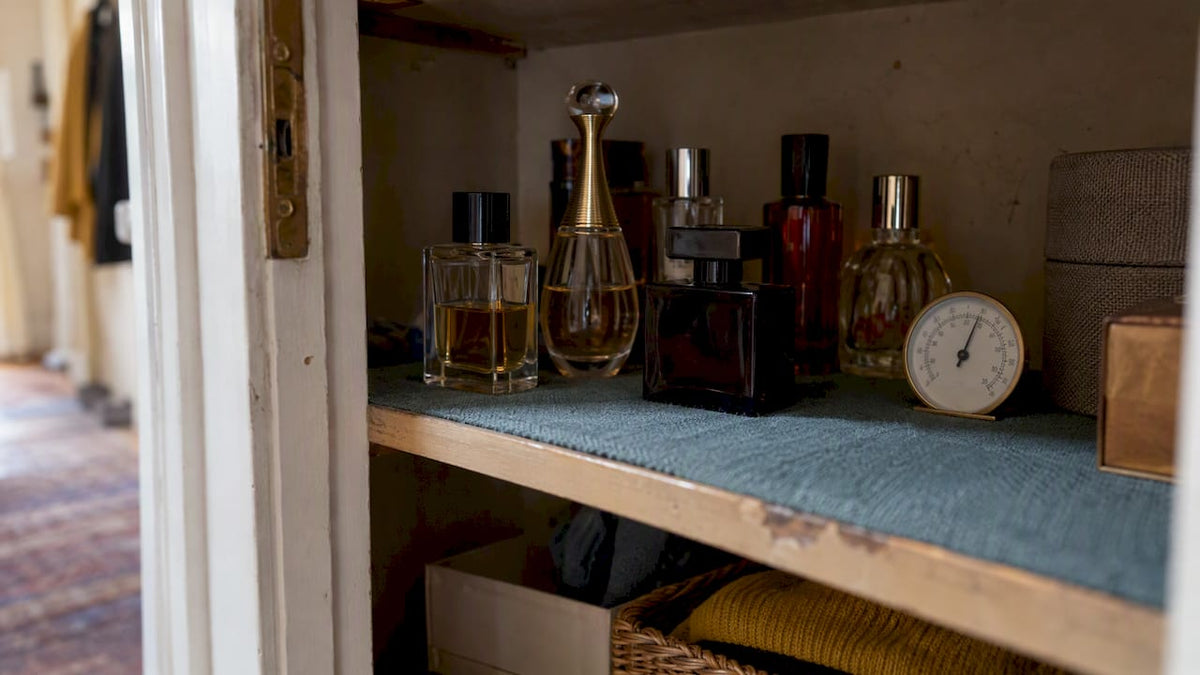
Ordinary kitchen fridges usually do more harm than good for perfume, and the rule collectors rely on is stability rather than cold: a steady 15 to 20°C (59 to 68°F), kept dark and dry, protects fragrance far better than a chilly, humid, constantly-opened appliance. Controlled cool storage has its place in a few specific setups. Below, we walk through when refrigeration helps, when it hurts, and how to store decants and atomizers so your collection lasts.
TL;DR:
- A dedicated wine fridge helps only when it stays dark and stable; double seal bottles and keep them away from the door.
- Store bottles upright in original boxes or opaque containers at a steady 15 to 20°C, away from sunlight, bathrooms, vents, and radiators.
- A bottle held at 30°C degrades about twice as fast as one kept at 20°C, while daily temperature swings also speed deterioration.
- Decants oxidize faster because they hold more air; fill atomizers nearly full, date them, and use them within months or a couple of years.
- After refrigeration, let a bottle return to room temperature before spraying, since cold application can affect projection and risk damage to glass or seals.
Table of Contents
- When a fridge makes sense and when it harms perfume
- Ideal storage conditions: temperature, light, humidity, and bottle handling
- Decants, travel atomizers, and short-term vs long-term storage
- Long-term archival practices collectors use
- Balancing preservation and everyday use
- A practical companion for rotating and traveling with scent
- FAQ
- Sources
When a fridge makes sense and when it harms perfume
Refrigeration can work when the unit itself holds a steady temperature, stays dark, and never gets opened and closed all day. That describes a dedicated mini-fridge or wine fridge set up purely for fragrance, or a situation where ambient heat (think a poorly insulated apartment in summer) makes a controlled cool space the lesser evil. For most people, though, that is not what’s sitting in the kitchen.
A standard kitchen fridge introduces several problems at once:
- Humidity from food and drink can creep into bottle caps and labels over time.
- Food odors can transfer to porous packaging, even if the juice itself stays sealed.
- Frequent temperature swings happen every time the door opens, which works against the stability perfume actually needs.
- Vibration from the compressor and door slamming can agitate the liquid more than sitting still on a shelf ever would.
If you’re set on using a fridge anyway, double-seal bottles in a zip-top bag or airtight container, keep them away from the door where temperature swings are worse, and never put perfume in the freezer. Extreme cold can cause essential oils to separate or crystallize even though the alcohol content keeps most perfumes from freezing outright.
Pro Tip: If you want refrigeration without the kitchen-fridge drawbacks, a small, dedicated wine fridge with a steady setpoint solves most of the humidity and odor issues in one move.
Ideal storage conditions: temperature, light, humidity, and bottle handling
The expert consensus points to a narrow, steady band: 15 to 20°C (59 to 68°F), away from light and moisture. That range matters less for being “cold” and more for being consistent day after day. A storage guide from Southern Living backs this up, noting that a dry, dark closet or cabinet is generally the better call, and that refrigeration only helps in specific cases because ordinary kitchen fridges tend to run too humid and variable to be reliably beneficial.
For everyday bottle handling, a few habits go a long way:
- Store bottles upright in their original boxes or an opaque container to block light.
- Keep them away from windowsills, bathroom counters, and anywhere humidity or sunlight builds up.
- Avoid shelves near vents, radiators, or appliances that generate heat and vibration.
The chemistry behind all this comes down to the Arrhenius principle: reaction rates roughly double for every 10°C rise in temperature, so a bottle sitting at 30°C degrades about twice as fast as one held steady at 20°C. That’s the statistic worth remembering when you’re deciding between a sunny shelf and a closed, dark drawer.
Fluctuation, not just heat, is the enemy. A bottle that swings between warm and cool all day accumulates stress faster than one that sits at a slightly higher but unchanging temperature.
Decants, travel atomizers, and short-term vs long-term storage
Decanting perfume into a smaller atomizer introduces more air into the container relative to the liquid, and that extra headspace accelerates oxidation. Add in more frequent light exposure from being carried around, and a decant simply ages faster than the full bottle it came from. Treat decants as something to use, not something to shelve for years.
A few practical habits make rotation safer:
- Fill atomizers close to the top to minimize the air pocket that speeds up oxidation.
- Label and date each decant so you know how long it has been out of the original bottle.
- Use smaller atomizers for travel and rotate them often rather than letting one sit half-full for months.
- Refill from the main bottle only when needed, keeping the source bottle sealed the rest of the time.
As a loose guideline, many collectors aim to use decants within a few months to a couple of years depending on how they’re stored, though this varies with the fragrance concentration and how often the container gets opened. This is guidance, not a hard rule.
Pro Tip: Keep your main bottles in dark, stable storage and use a refillable atomizer for the version that actually leaves the house. That split alone prevents most of the damage decanting causes.
This is exactly the gap refillable atomizers are built for: a tool for rotation and travel, not for long-term archiving. Our guide to traveling with perfume covers how to pack a decant for a flight without compromising it further.

Long-term archival practices collectors use
Professional fragrance archives aim for a combination most home setups can’t fully replicate: constant low temperature, total darkness, no vibration, and sometimes an inert atmosphere to slow oxidation even further. Collections like those preserved by institutions dedicated to fragrance history lean on cellar-like, climate-controlled conditions year-round.
At home, you can get close without specialized equipment:
- A dedicated wine fridge with a steady setpoint, used only for fragrance, avoids the food-odor and humidity problems of a kitchen fridge.
- A secondary airtight container around each bottle adds a buffer against moisture.
- A dark, low-vibration cabinet, away from exterior walls and appliances, works well for collectors who don’t want a dedicated fridge at all.
Check bottles periodically for signs of change: a darkening color, visible separation of oils, or an off smell that wasn’t there before. Once a perfume shifts like this, it’s usually not reversible, so catching early. If you refrigerate anything, always let the bottle return to room temperature before spraying. Applying perfume straight from the cold can throw off how it projects and risks thermal shock to the glass or atomizer seal.
Balancing preservation and everyday use
If you reach for a bottle daily, convenience should win: keep it accessible, rotate it through a travel atomizer, and don’t worry about archival-grade conditions for something you’re using up anyway. If you’re building a collection meant to last decades, stability matters more than anything else, and a sealed, dark cabinet usually beats a kitchen fridge for the bulk of your shelf. Before choosing a storage method, ask yourself plainly: am I preserving this, or am I living in it? The answer changes everything downstream.
— Ash
A practical companion for rotating and traveling with scent
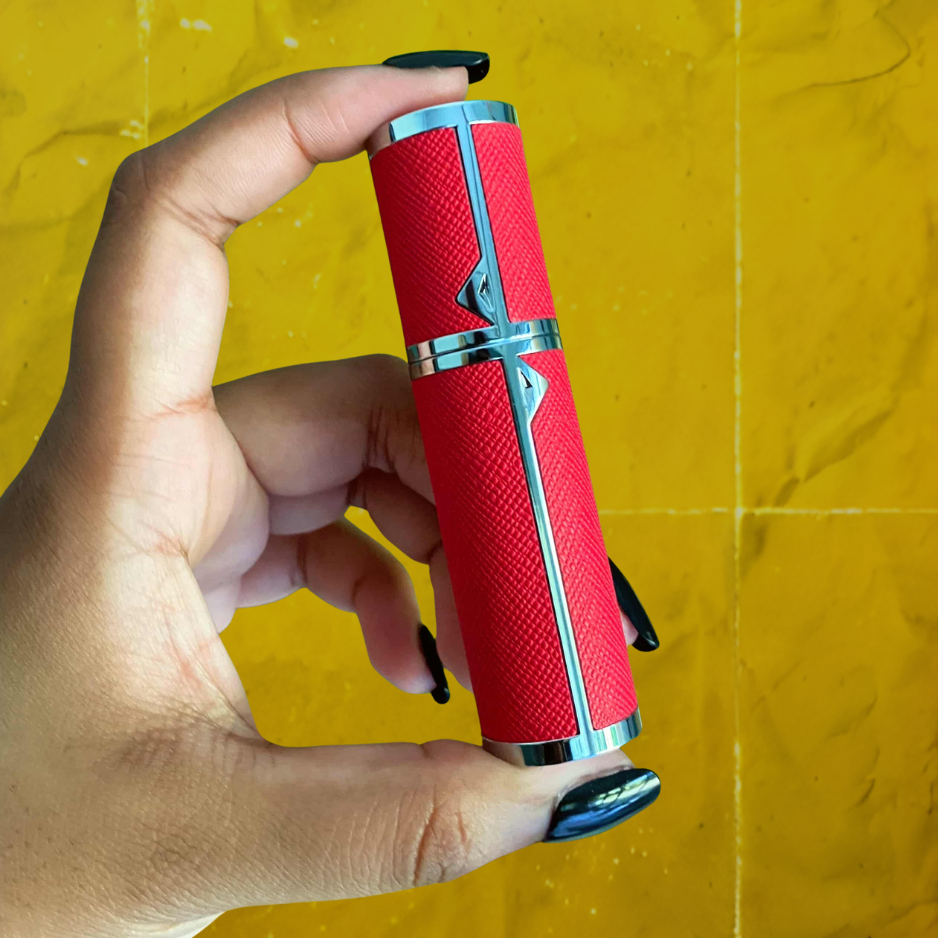
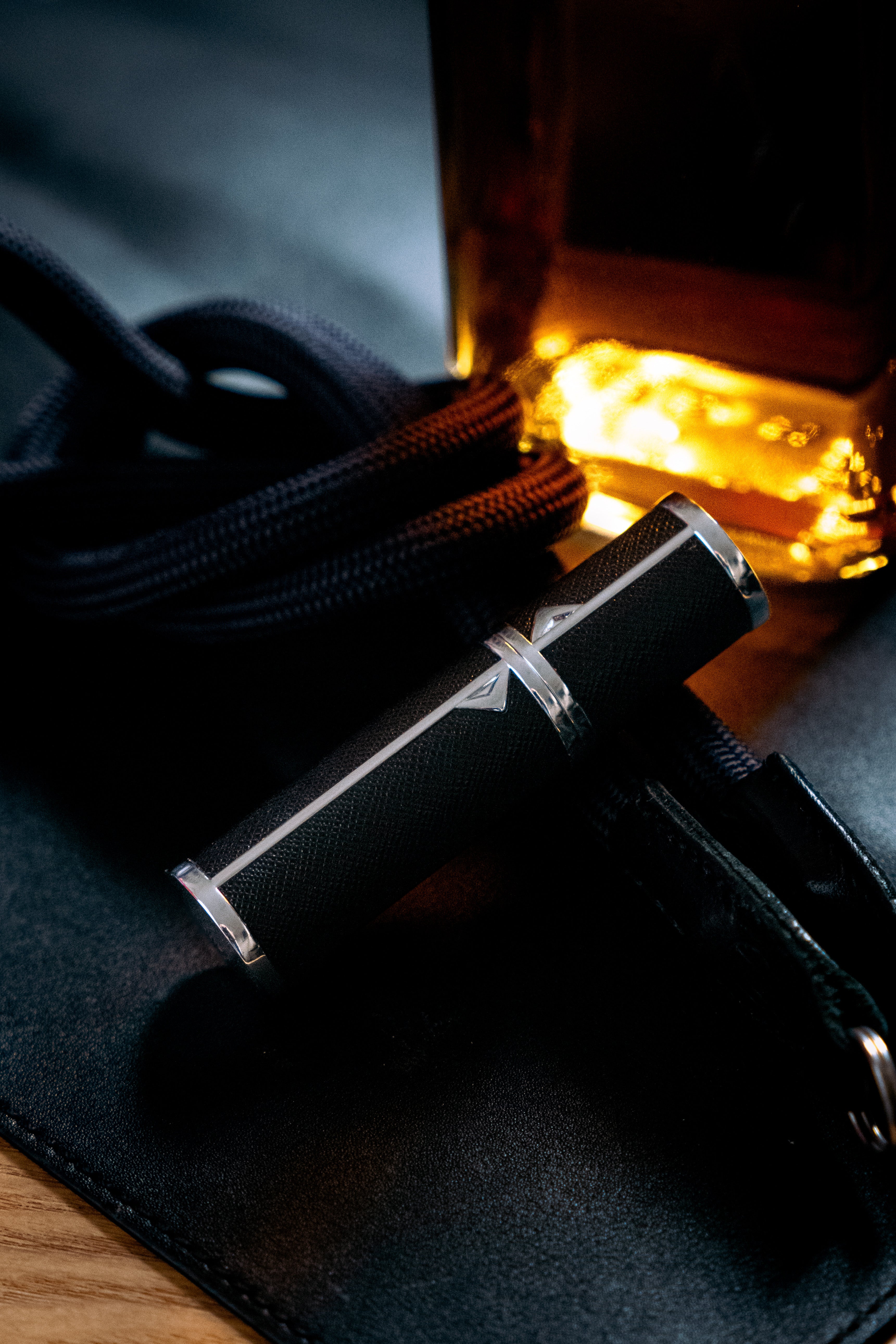
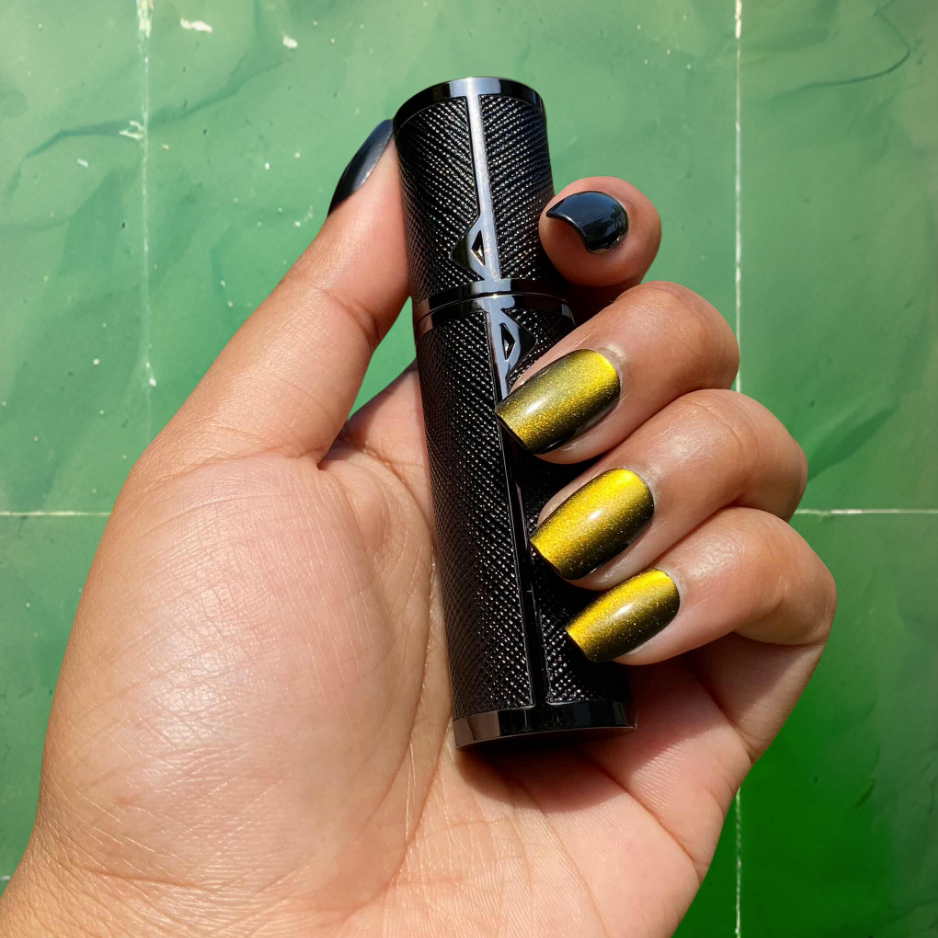
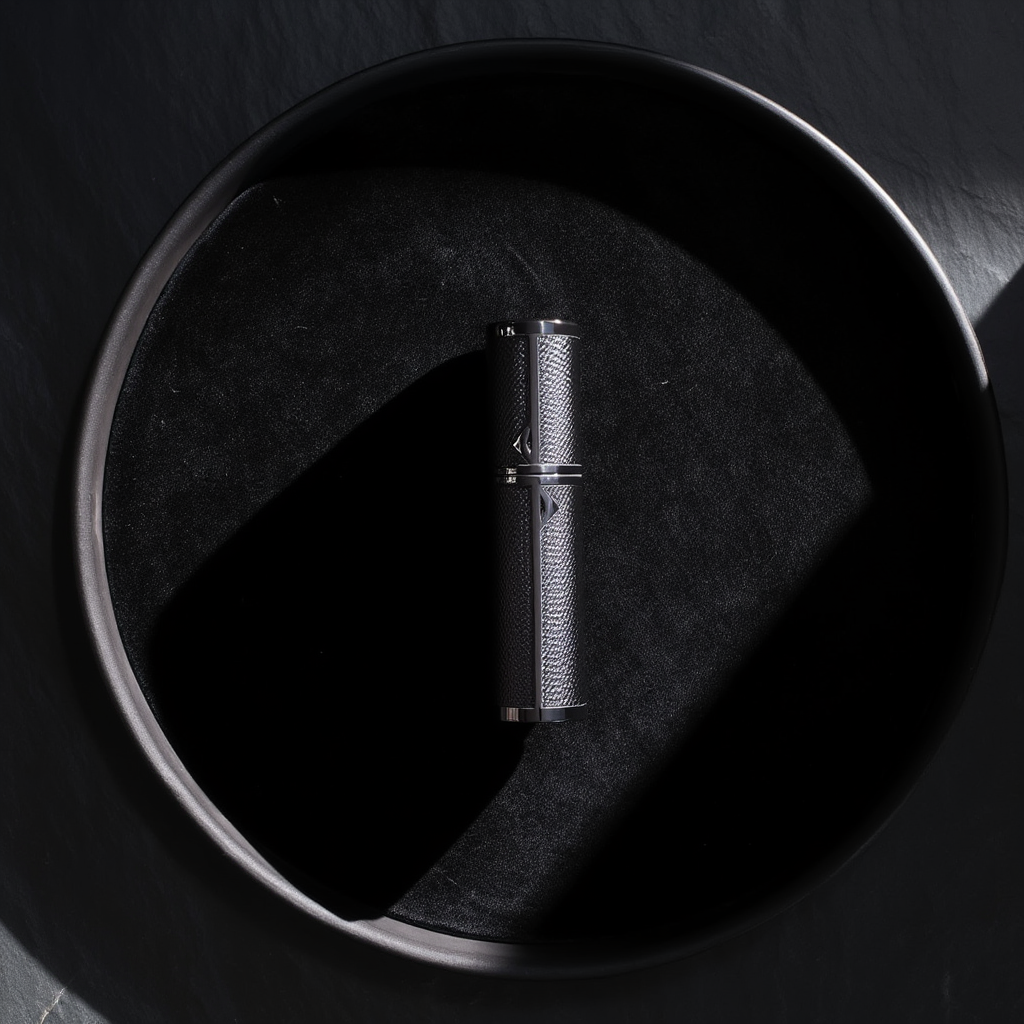
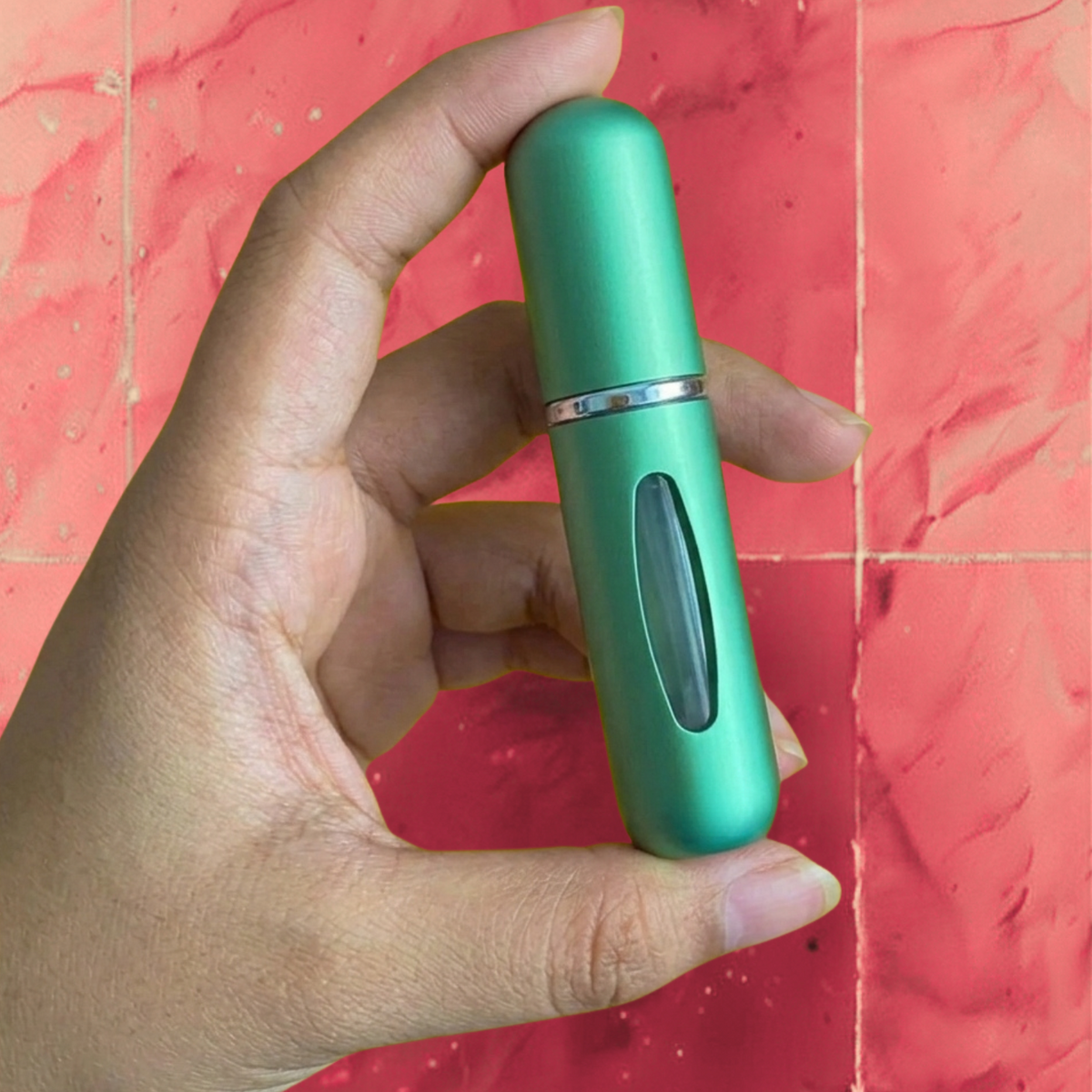
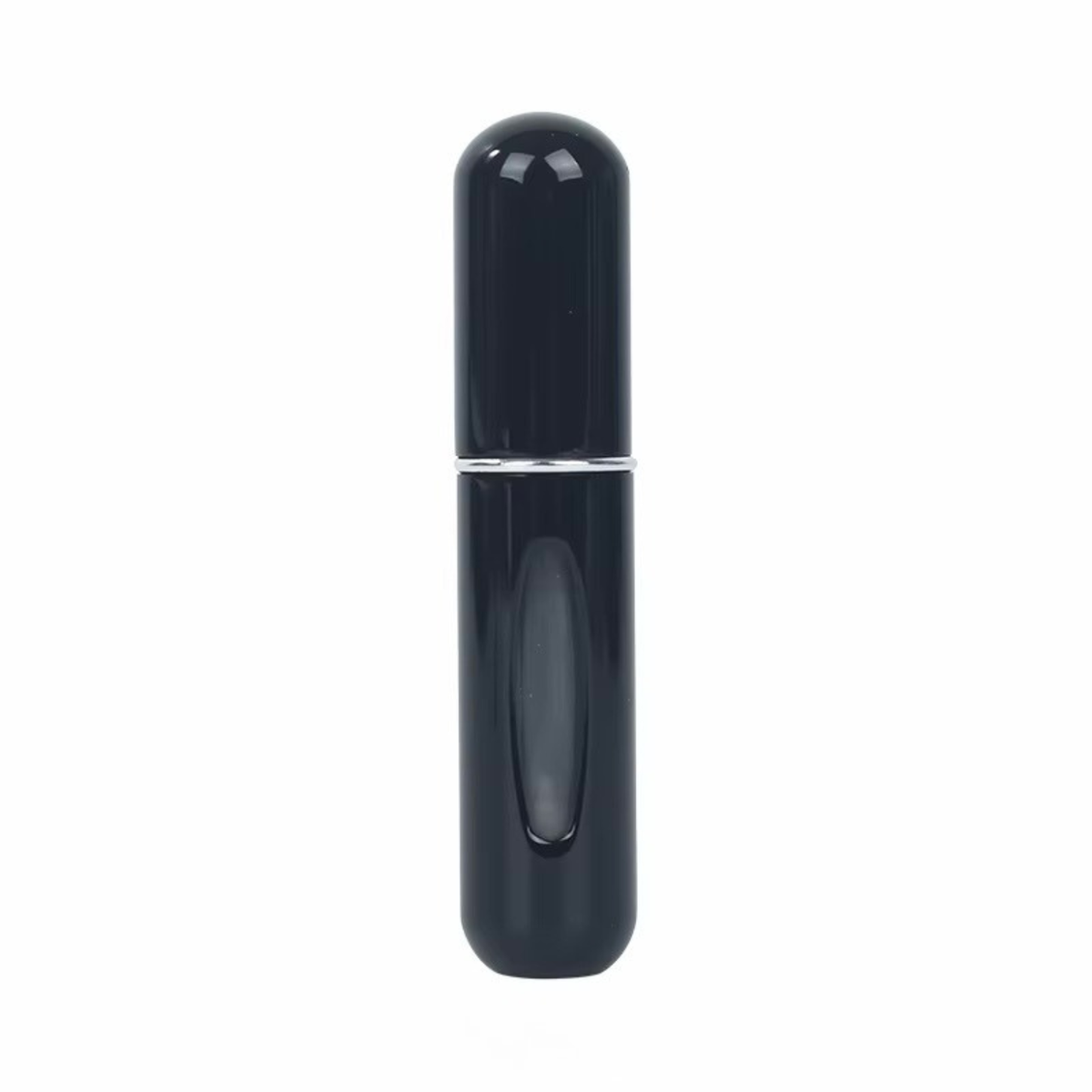
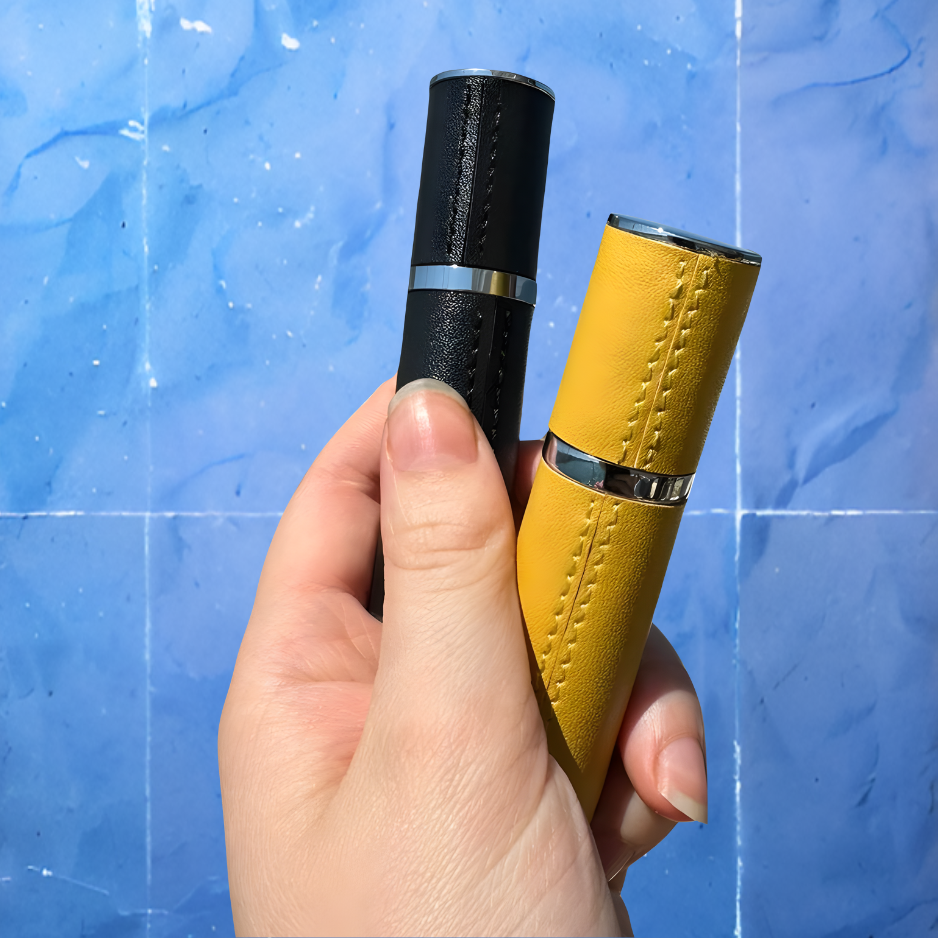
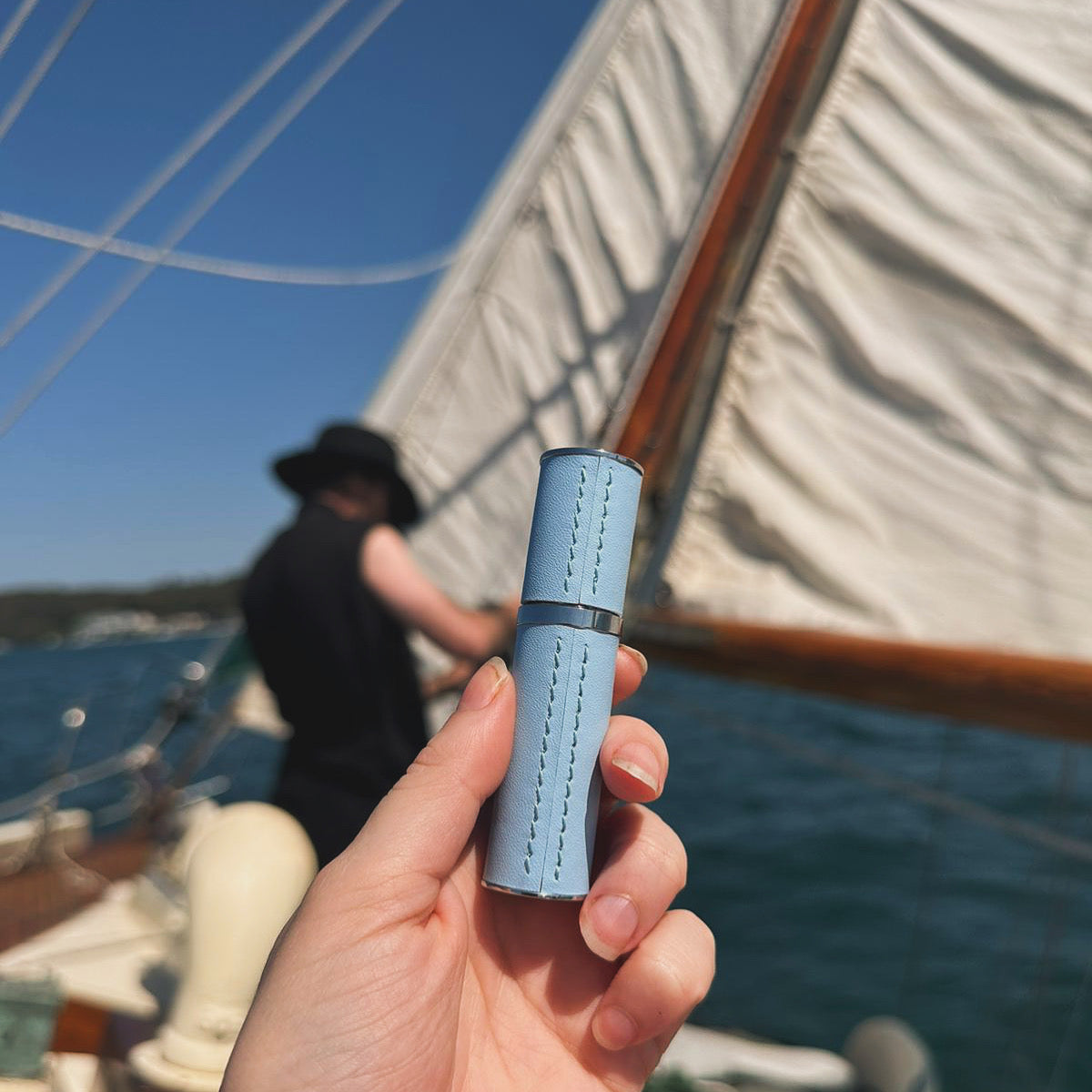
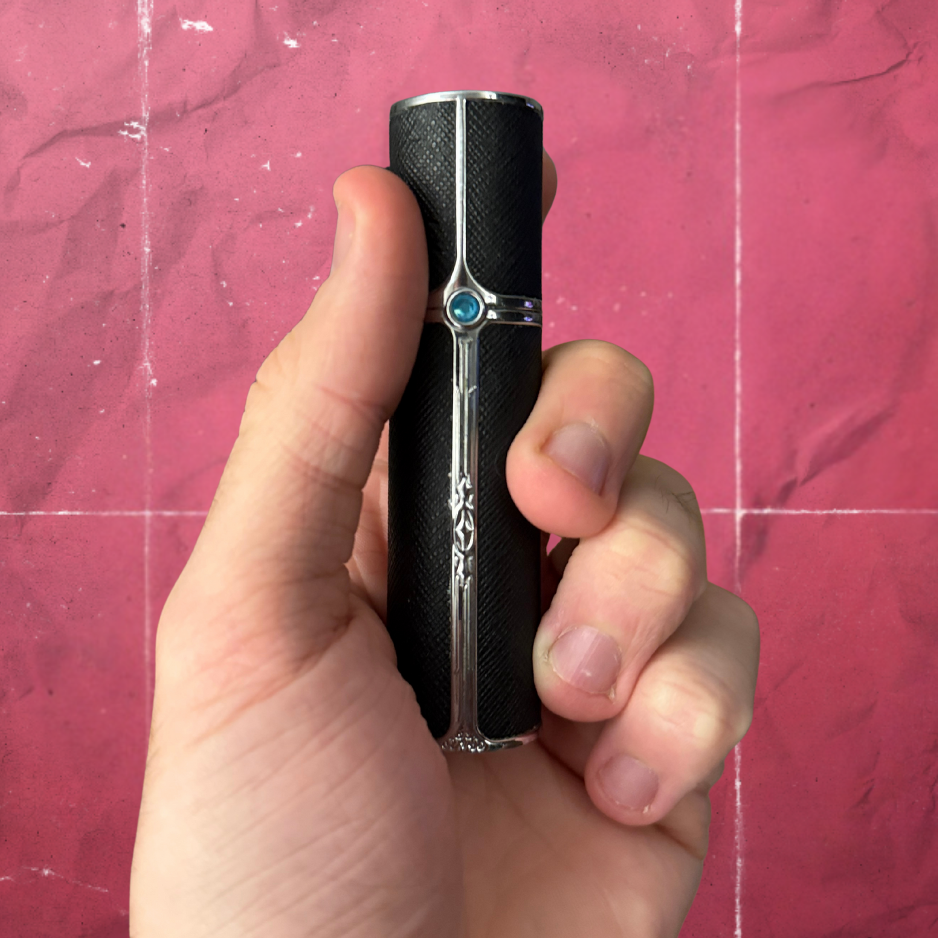
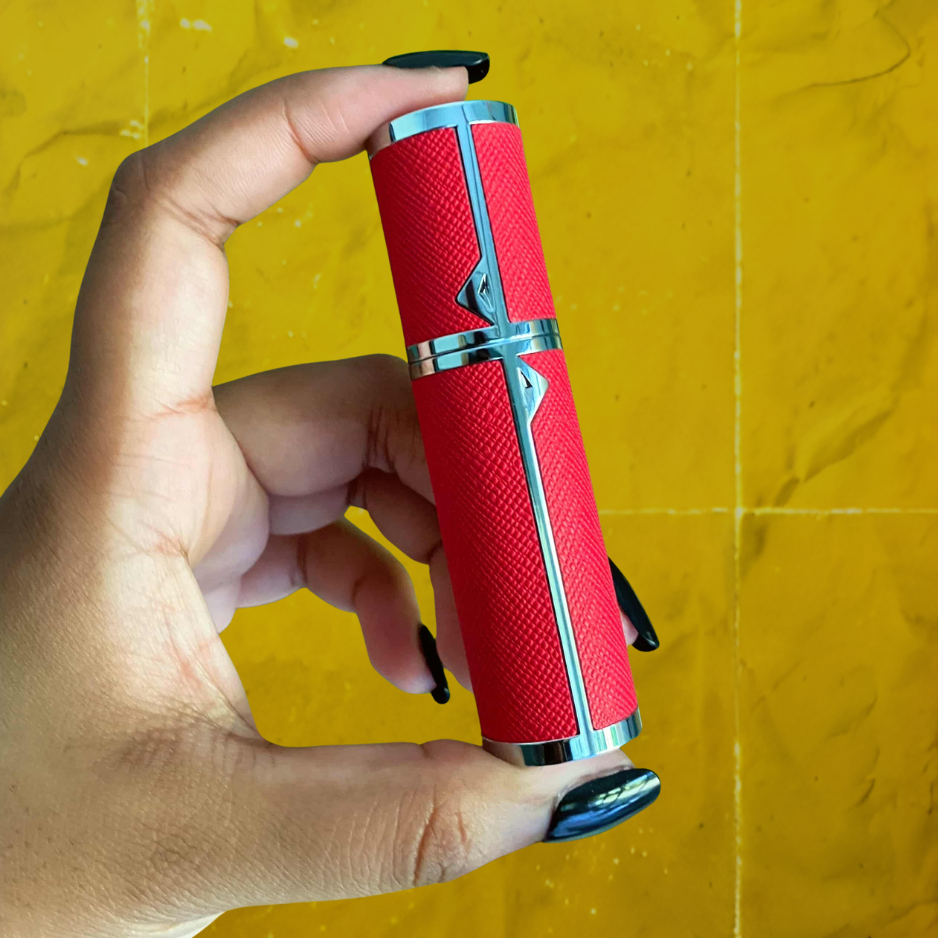
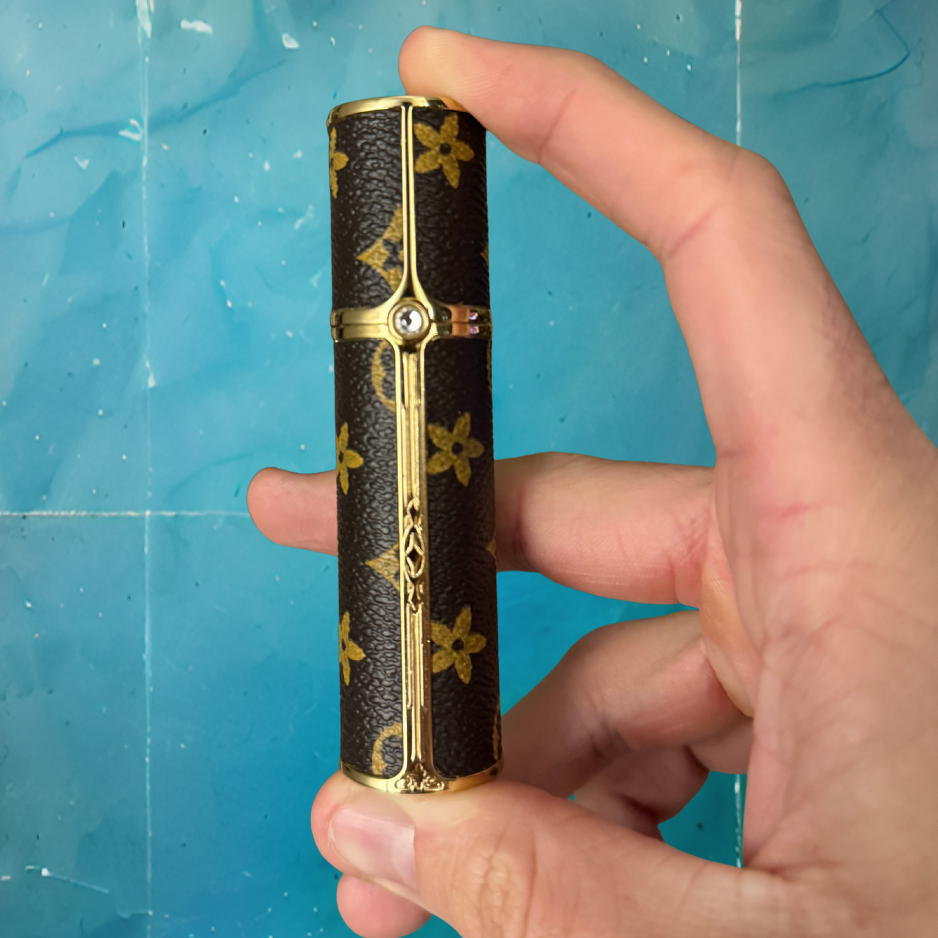
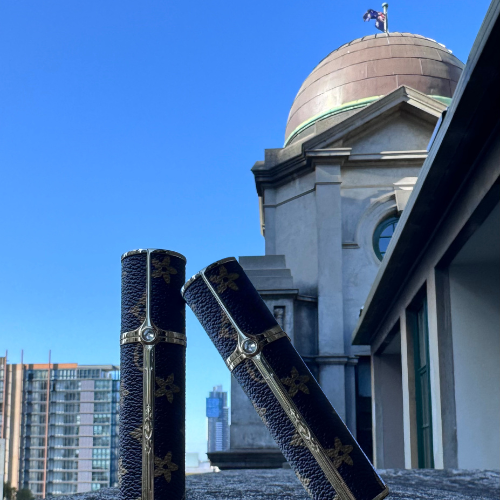
Preservation and daily use pull in different directions, and that’s exactly the gap we built our refillable atomizers to fill. Instead of carrying a bulky glass bottle (or decanting into something flimsy that leaks in a bag), you refill a durable, leak-resistant atomizer from any standard bottle and leave the original sealed and resting in stable storage.

A few reasons collectors reach for this setup:
- Refilling from your own bottle keeps the main stock sealed and out of circulation, which cuts down on the oxidation that comes from frequent opening.
- A compact, durable atomizer handles gym bags, carry-ons, and daily pockets far better than fragile retail packaging.
- Our design aims to hold up well to daily use, reflected in positive customer feedback.
Browse our refillable perfume atomizers if you want a practical way to carry your rotation without putting your archival bottles at risk, and pair one with our travel organizers if you’re packing for a flight soon.
FAQ
Is it a good idea to store perfume in the fridge?
For most people, no. Ordinary kitchen fridges run too humid and get opened too often, which works against the steady conditions perfume needs, though a dedicated, stable mini-fridge can work in specific setups.
What is the 3:1:1 rule for perfume?
This isn’t a recognized fragrance-preservation standard, and definitions of it vary widely online. The guidance that actually holds up across expert sources is simpler: aim for a steady 15 to 20°C (59 to 68°F), kept dark and dry.
Does keeping perfume in the fridge make it stronger?
No, cold storage doesn’t intensify a fragrance’s strength. It can temporarily slow the rate of chemical breakdown if the temperature stays constant, but it doesn’t change how concentrated or potent the scent is once applied.
What is the best way to store perfume to keep it fresh?
Keep bottles upright, in their original box or an opaque container, away from light, heat, and humidity, in a space with a steady temperature. A closet or cabinet usually works better than a bathroom shelf or a kitchen fridge.
Can I bring perfume in my carry-on when I travel?
Yes, as long as the container holds 3.4 ounces (100 ml) or less and fits within your quart-size bag of liquids. Checked bags allow larger bottles, though aerosol perfumes have their own size and quantity limits.
Sources
- Arrhenius equation | Britannica
- How To Properly Store Perfume, According To An Expert | Southern Living
- Perfume | Transportation Security Administration



साझा करें और 15% छूट पाएं!
बस इस उत्पाद को निम्नलिखित सामाजिक नेटवर्क में से किसी एक पर साझा करें और आपको 15% की छूट मिलेगी!