
The 3-1-1 rule is the backbone of it: liquids go in containers of 3.4 ounces or less, all packed into one clear quart-sized bag. Beyond that, the fastest way to organize toiletries for flights is to separate liquids into that bag, decant perfume into a refillable atomizer instead of packing the bottle, and keep a pre-packed toiletry pouch ready so you’re never assembling one at midnight before a 6 a.m. flight.
TL;DR:
- The 3-1-1 rule limits liquids to 3.4 ounces and requires them to be packed in a clear quart-sized bag, with exceptions for medications, breast milk, and duty-free liquids.
- Using solid toiletries and decanting liquids into refillable atomizers significantly reduces space, weight, and breakage risks during travel.
- Pack your quart bag in an easily accessible pocket of your carry-on to streamline security checks and avoid delays.
- Securing caps with tape or plastic wrap and packing bottles upright helps prevent leaks caused by cabin pressure changes.
- Refillable atomizers are a practical alternative to full perfume bottles, especially for short trips or red-eye flights, reducing breakage and excess weight.
Table of Contents
- Quick Packing Checklist: What to Pack in Travel Size
- What Are the TSA Rules for Carry-On Toiletries?
- Which Toiletry Bag Actually Works Best for Flying?
- How Do You Stop Toiletries From Leaking on a Flight?
- How Do You Pack Medications, Baby Supplies, and Perfume for Flights?
- What’s the Fastest Way to Get Through Security With Toiletries?
- Why Atomizers Changed How I Think About Packing Perfume
- A Simpler Way to Carry Your Signature Scent
- Where to Verify These Rules Yourself
- Sources
- FAQ
Quick Packing Checklist: What to Pack in Travel Size
A good toiletry kit is built by category, not by whatever you grab off the bathroom shelf. Start with shower basics, then narrow everything else down to what actually earns its spot in a quart bag.
- Shower items: travel shampoo, conditioner, and a bar of soap or solid shampoo to cut down on bottles.
- Skincare: cleanser, moisturizer, and sunscreen, each in a 3.4 oz or smaller container.
- Oral care and grooming: travel toothpaste, a toothbrush, a razor, and solid or stick deodorant (sticks aren’t liquids, so they skip the quart bag entirely).
- Makeup basics: multi-use products like a tinted moisturizer with SPF, plus blotting papers instead of liquid setting spray.
- Travel-specific swaps: a refillable atomizer for perfume, a solid shampoo bar, and travel-size dental floss.
Multi-use products are the real space-savers here. A BB cream with SPF replaces two bottles, and a bar of shampoo replaces a container that would otherwise eat into your liquid allowance.
What Are the TSA Rules for Carry-On Toiletries?
The 3-1-1 liquids rule limits carry-on liquids, gels, aerosols, creams, and pastes to 3.4 ounces (100 milliliters) per container, all fitting into a single quart-sized bag per passenger. Anything larger has to go in checked luggage unless it falls under an exception.
Three exceptions matter most for travelers:
- Medications: liquid medications are allowed in reasonable quantities above 3.4 ounces once you declare them to the officer.
- Breast milk and formula: these are exempt from the 3-1-1 rule entirely and can be carried in reasonable quantities, though they’re screened separately.
- Duty-free liquids: allowed through security in a tamper-evident bag with the receipt visible, as long as the purchase happened after screening.
The decision rule is simple: if an item is over 3.4 ounces and doesn’t fall into one of those three categories, check it. If you need it in-flight, carry it and declare it at the checkpoint.
Which Toiletry Bag Actually Works Best for Flying?
Three systems cover almost every travel style, and picking the right one depends on how you pack more than what you’re packing.
The clear quart bag is non-negotiable. It’s not optional gear, it’s the TSA requirement, and it should hold only your liquids, gels, and pastes under 3.4 ounces. A structured toiletry pouch sits around or outside that quart bag and holds everything else: your razor, deodorant, floss, and any solid items that don’t need TSA screening as liquids. For longer trips or checked-bag toiletries, a hanging kit with multiple compartments keeps bottles upright and separated, which matters more than people think once cabin pressure gets involved.

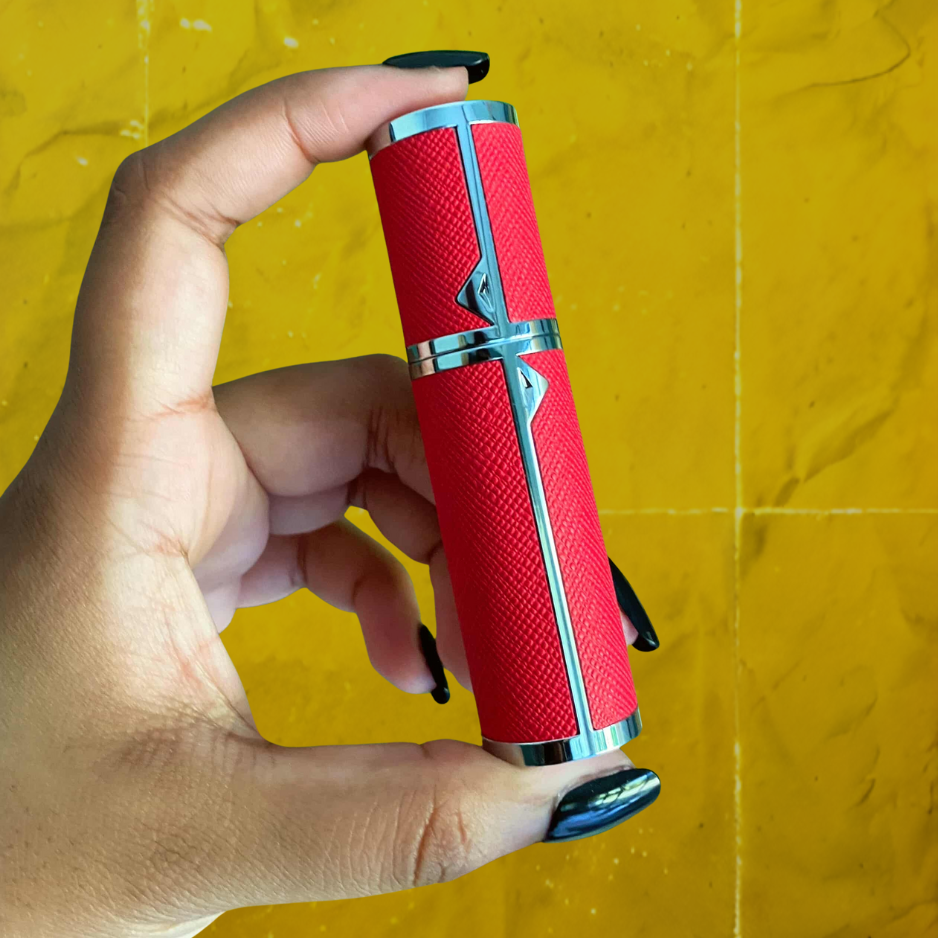
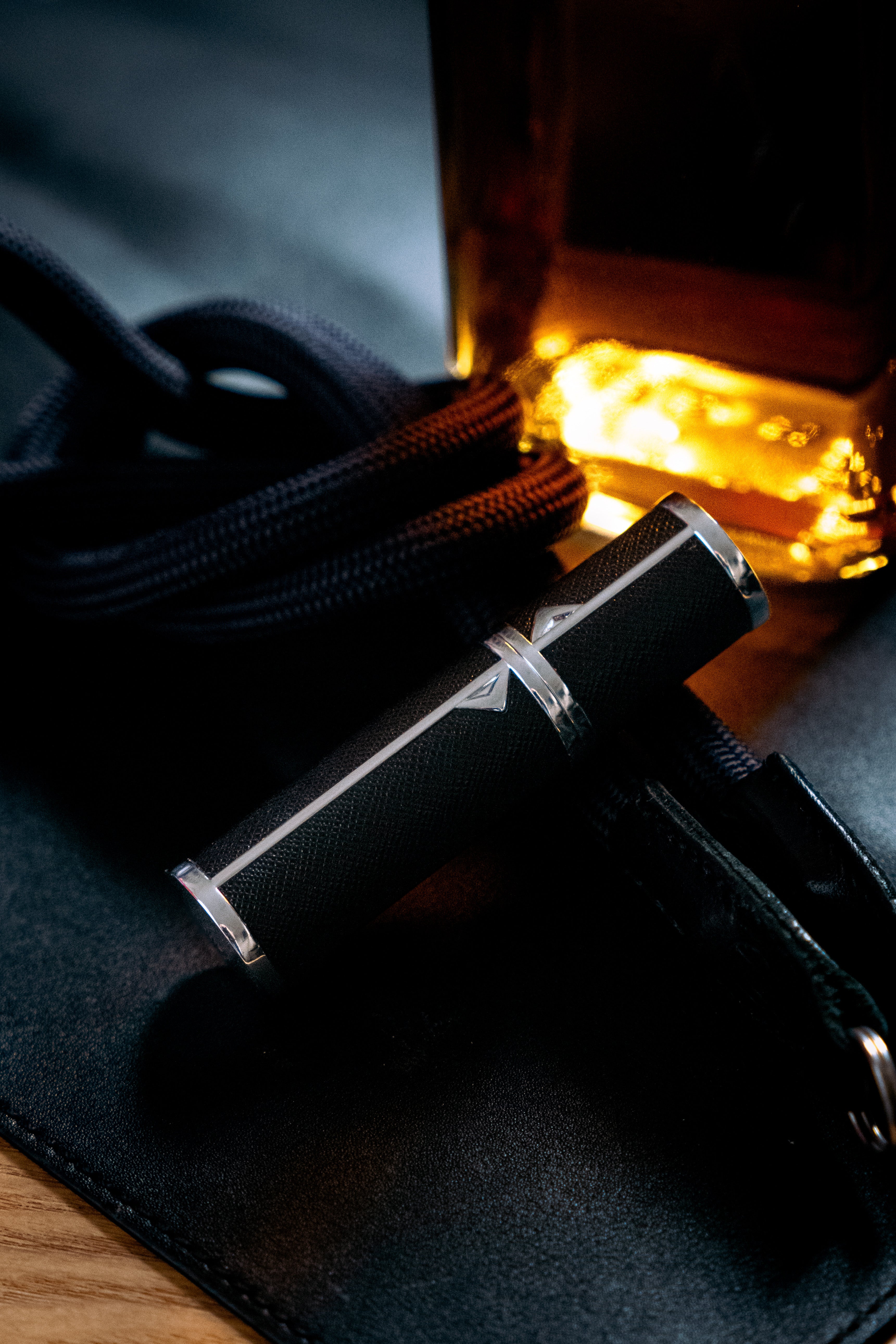
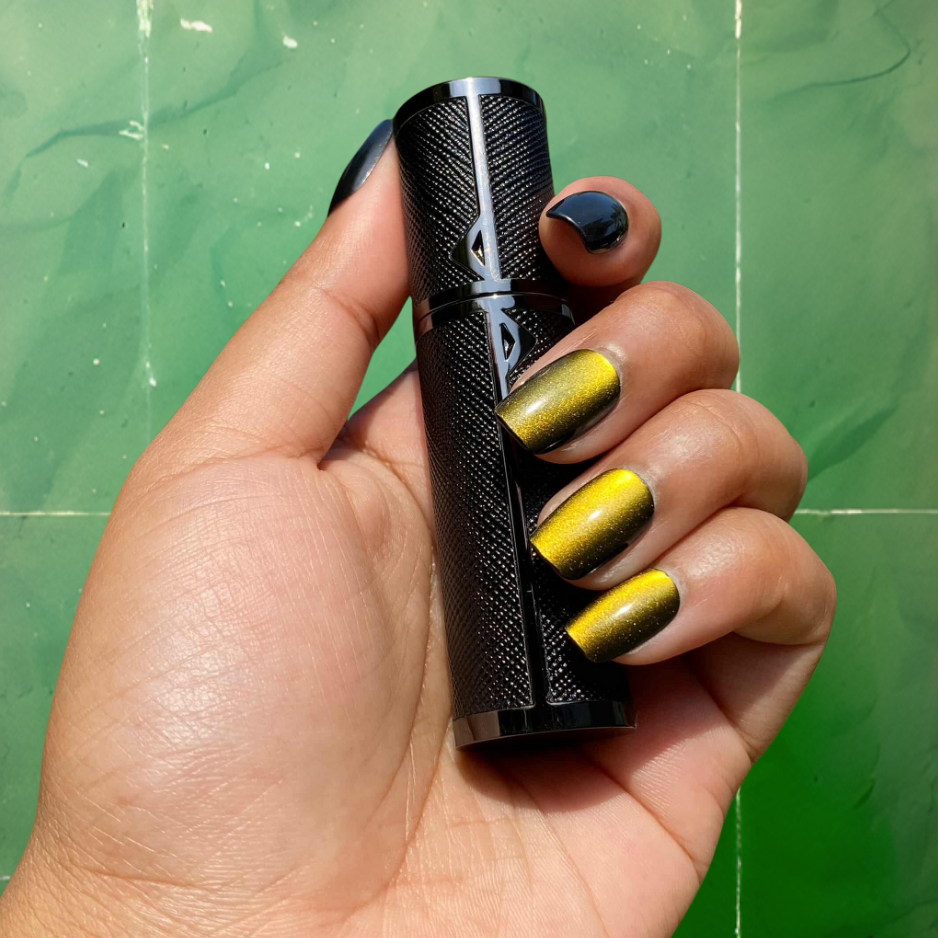
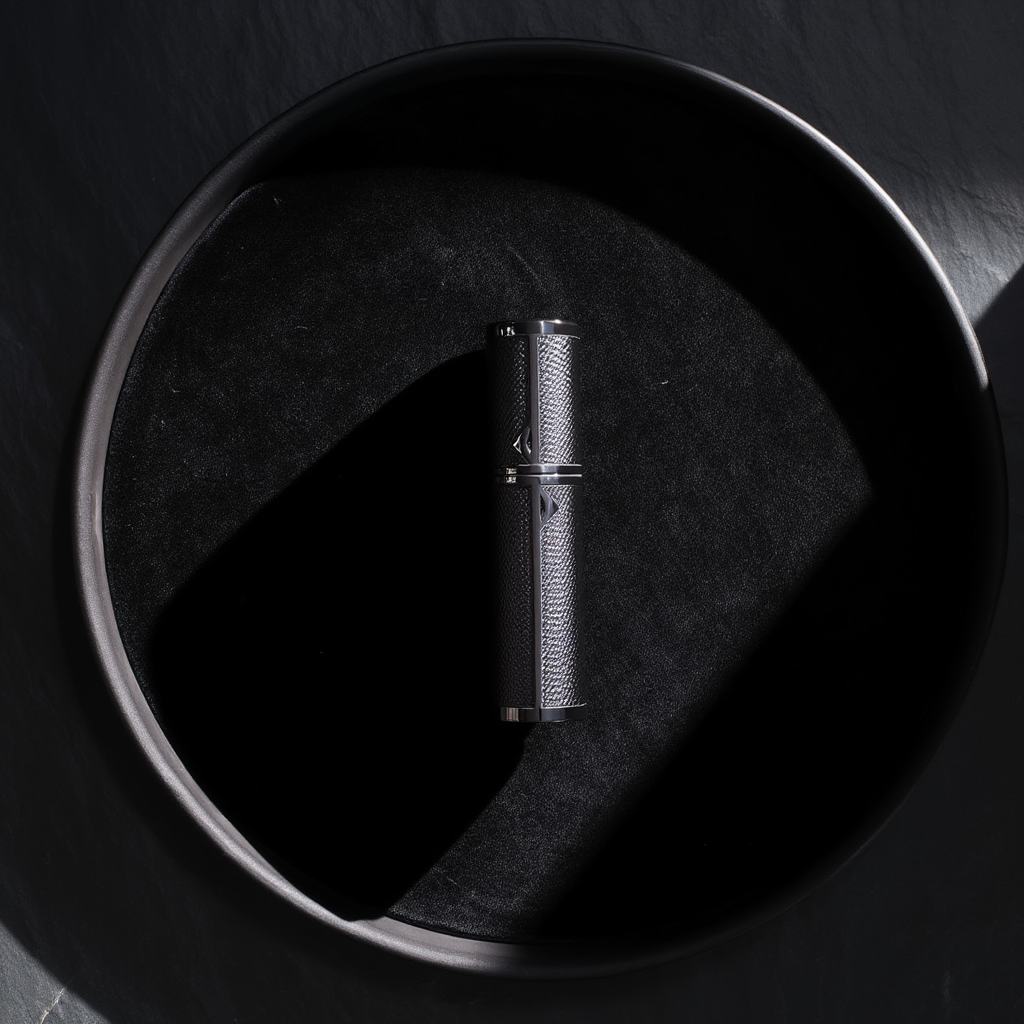
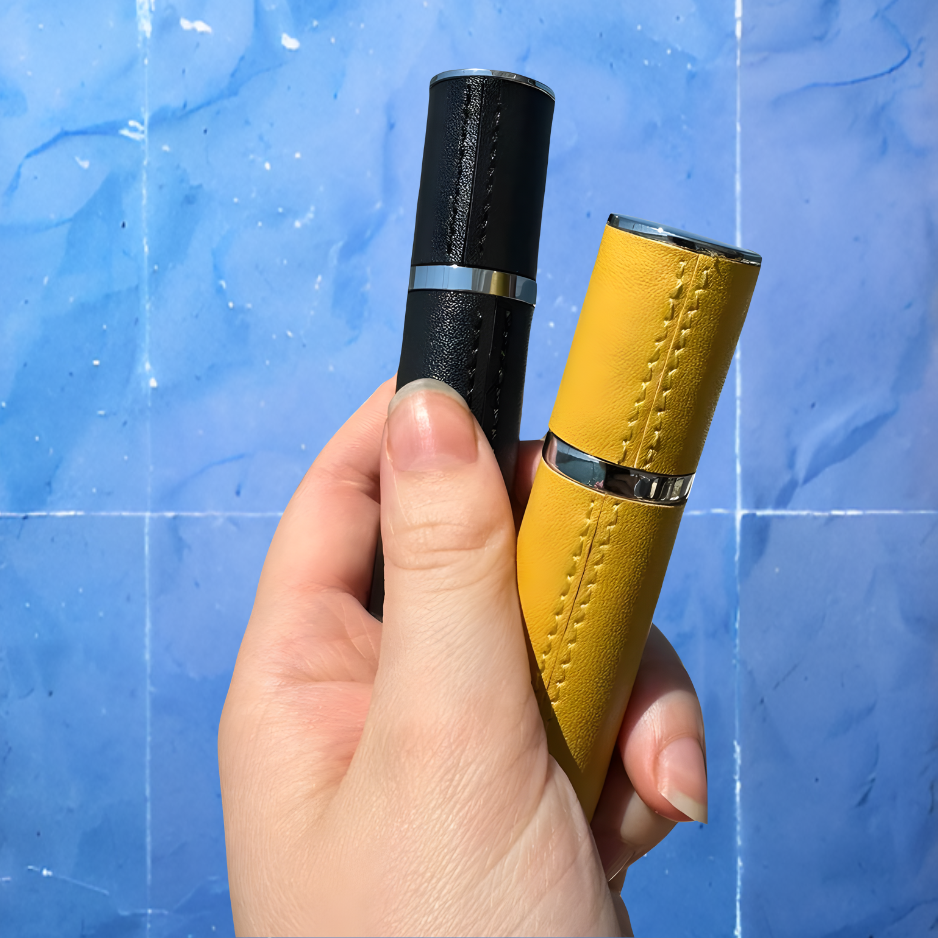
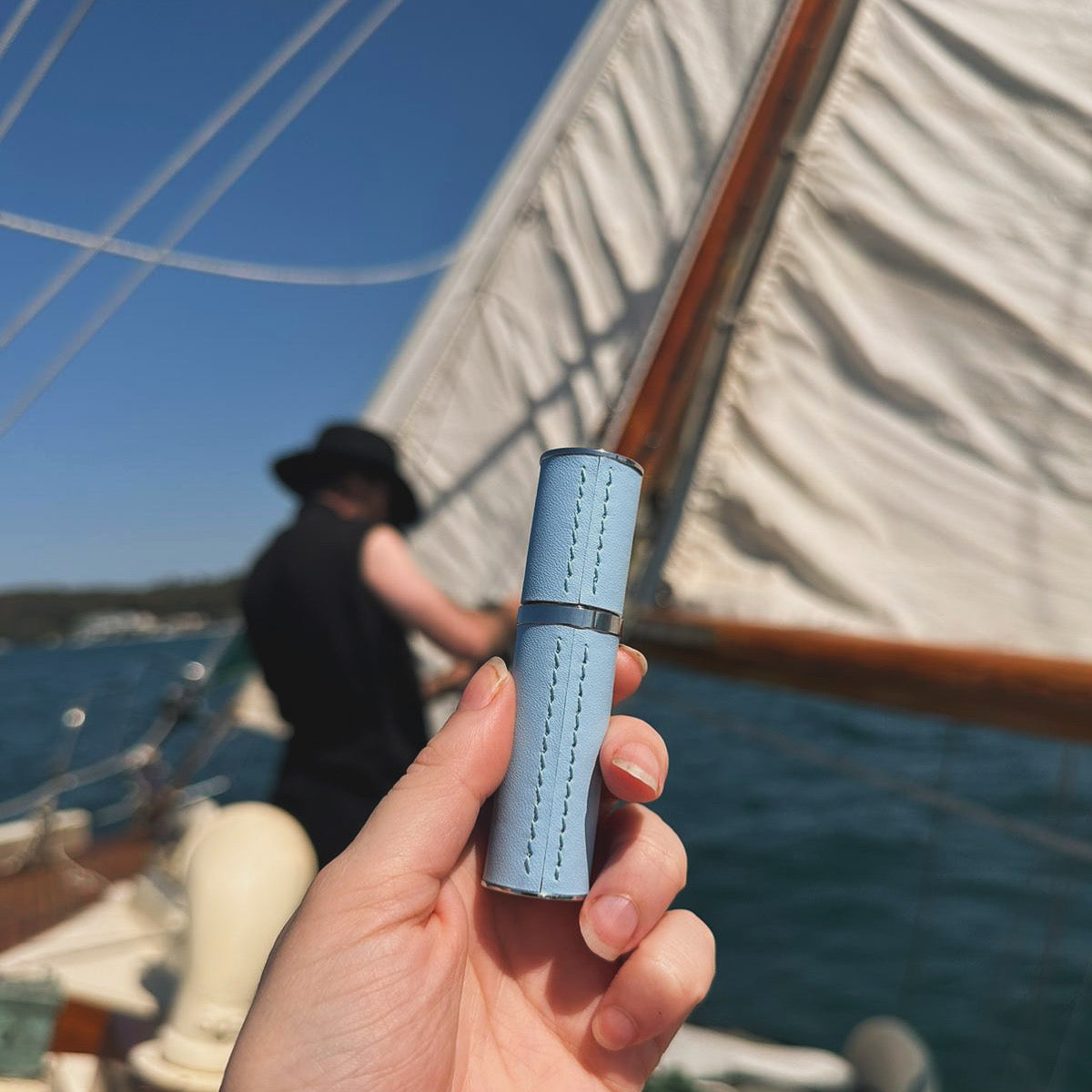
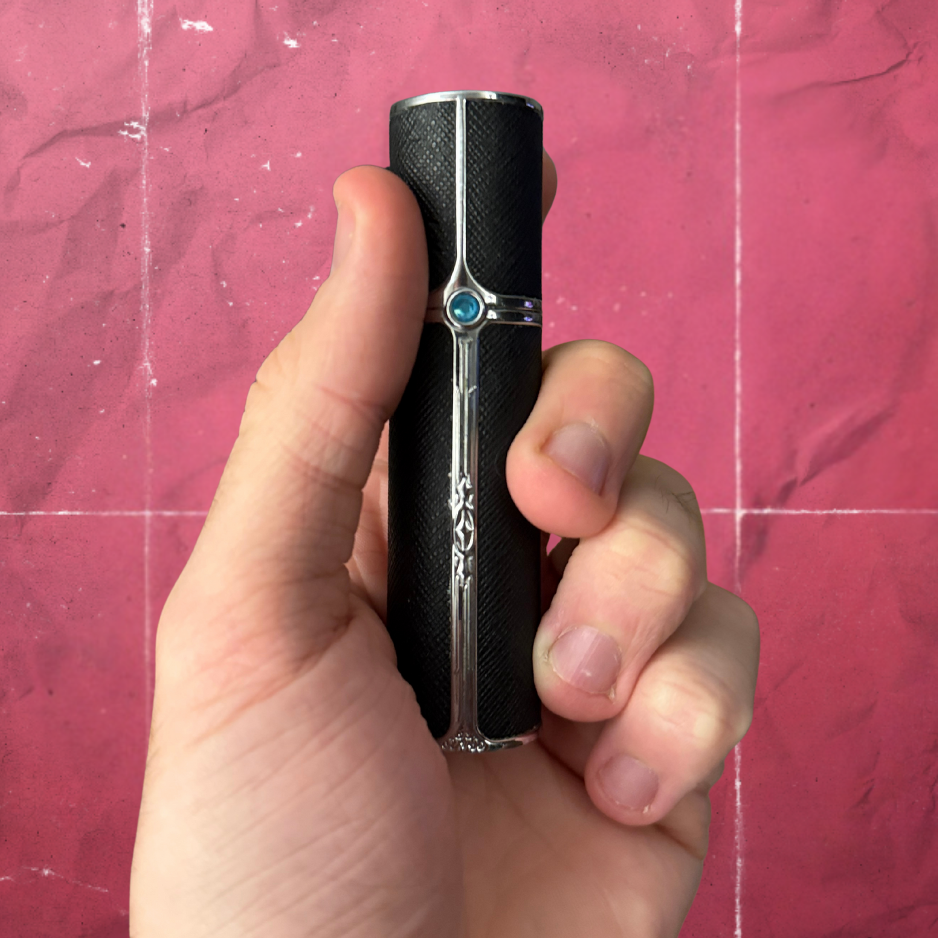
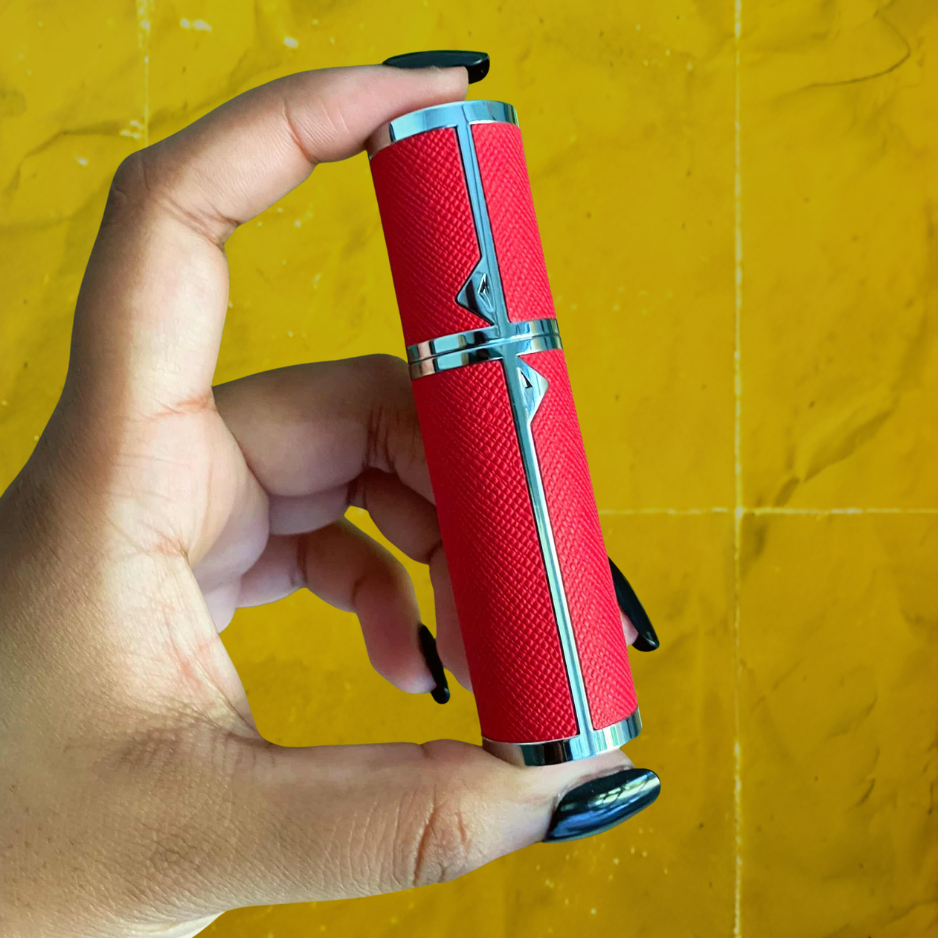
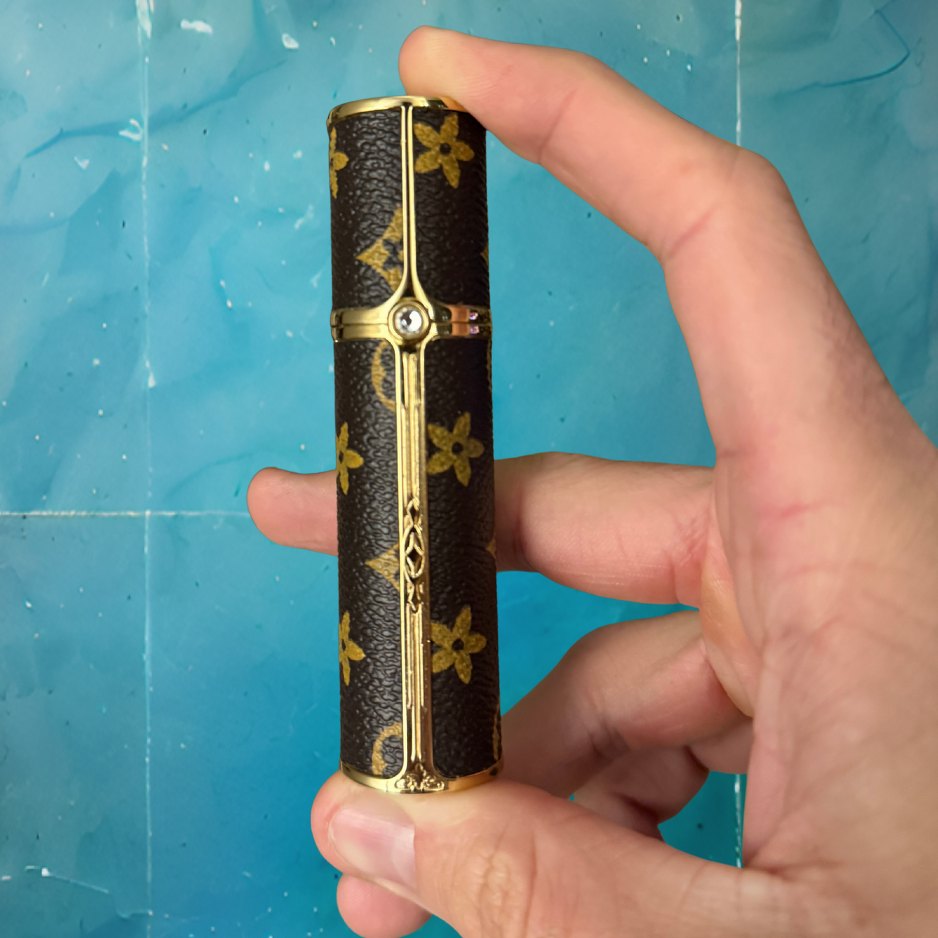
Refillable atomizers solve a specific problem inside this system: full perfume bottles are heavy, breakable, and often exceed 3.4 ounces once you count the packaging. A 5 to 10 milliliter atomizer refilled from your regular bottle at home sidesteps both issues and takes up a fraction of the space.
Look for pouches with a wipeable, waterproof lining and sealed zippers. As a rule of thumb, cap each compartment at one or two travel bottles. Packing more than that in a single pocket is how caps get knocked loose mid-flight.
Pro Tip: Keep your quart bag in an outer, easy-access pocket of your carry-on, not buried under clothes. It saves real time at the checkpoint and keeps you from repacking your whole bag on the conveyor belt.
How Do You Stop Toiletries From Leaking on a Flight?
Cabin pressure changes are the main cause of in-flight leaks, and most of them are preventable with a few extra minutes before you zip the bag closed.
- Decant liquids into small travel bottles or an atomizer rather than trusting a half-used full-size bottle to survive the trip.
- Check every cap twice, then place a small piece of plastic wrap under the cap before screwing it back on to create an extra seal.
- Tape lids that have a history of loosening, especially on pump or flip-top bottles.
- Swap liquids for solids where you can. A shampoo or soap bar removes an item from the 3-1-1 calculation entirely and can’t leak.
- Pack bottles upright, and load your quart bag near the top of your carry-on so pressure changes have less impact and screening staff can reach it fast.
Pro Tip: Stand bottles in the pouch the way they’d sit on a bathroom shelf, not on their sides. Gravity does a surprising amount of leak prevention on its own.
How Do You Pack Medications, Baby Supplies, and Perfume for Flights?
Special-category items follow different rules than your everyday shampoo, and knowing them ahead of time keeps the screening line moving.
- Medications: liquid prescriptions and medically necessary items over 3.4 ounces are allowed if you declare them to a TSA officer for separate screening.
- Breast milk and formula: exempt from the quart-bag limit and screened separately from other liquids, even in larger quantities.
- Aerosols: the FAA’s PackSafe guidance permits most toiletry aerosols for personal use within quantity limits, and recommends keeping caps secured to prevent accidental spraying in transit.
- Duty-free liquids: keep them sealed in the tamper-evident bag with the receipt attached until you’re through your final checkpoint.
- Perfume: a full bottle either gets checked or decanted. A refillable atomizer avoids both problems and keeps your fragrance under the liquid limit without giving it up entirely.
What’s the Fastest Way to Get Through Security With Toiletries?
A repeatable routine beats reinventing your packing process every trip. Before you leave for the airport, confirm your quart bag is sealed, sitting at the top of your carry-on, and easy to pull out without digging.
- Verify every liquid container is 3.4 ounces or under and fits in the bag.
- Keep medications and their documentation in a separate, visible pocket.
- Have duty-free receipts accessible if you’re carrying any tamper-evident bags.
- Load your bag so the quart bag comes out first, before laptops or other electronics.
- Do a final check: meds declared, quart bag visible, nothing loose in outer pockets.
Running this same routine every flight is what actually cuts down on TSA delays, more than any single product does.
Why Atomizers Changed How I Think About Packing Perfume
Full perfume bottles are the single most breakable, most wasteful item in most people’s carry-ons. A refillable atomizer solves that by letting you decant a few sprays’ worth from any standard bottle instead of hauling glass through security. For a short trip, a 5 ml size covers you; for two weeks, size up. It matters most on red-eye flights, when the last thing you want is a broken bottle inside your favorite bag.
— Ash
A Simpler Way to Carry Your Signature Scent
Refillable atomizers exist for exactly the packing headache this article just walked through: full bottles that break, take up space, and often exceed carry-on liquid limits once you account for the glass. Refill one from any perfume bottle you already own, and you get your actual scent in a leak-resistant, pocket-sized container instead of a travel dupe. The Refillable Perfume Atomizers collection covers sizes for a weekend trip or a month abroad, and the Travel Organisers line gives you a compartmented pouch built to keep those atomizers upright and separated from everything else in your bag. If you’re assembling a pre-packed kit for your next flight, start with one of these and build the rest of your toiletry bag around it.

Where to Verify These Rules Yourself
Confirm current limits directly through the TSA’s liquids rule, the FAA’s PackSafe guidance on aerosols, and this non-toxic oral care guide for choosing travel-size dental products.
Sources
- Liquids, Aerosols, and Gels Rule | Transportation Security Administration
- Medications (Liquid) | Transportation Security Administration
- Is breast milk, formula and juice exempt from the 3-1-1 liquids rule? | Transportation Security Administration
- PackSafe - Medicinal & Toiletry Articles | FAA
FAQ
How Should I Pack My Toiletries for a Flight?
Separate anything liquid, gel, or paste under 3.4 ounces into one clear quart-sized bag, per the TSA’s 3-1-1 rule. Pack solids like bar soap or stick deodorant outside that bag since they aren’t subject to the liquid limit at all.
What Is the Best Way to Organize Toiletries for Travel?
Use a structured pouch for your quart bag plus non-liquid items like your toothbrush and razor, and decant perfume into a refillable atomizer to cut weight and breakage risk. Keeping a pre-packed kit ready between trips, refreshed instead of rebuilt each time, saves the most packing time.
Where Do You Put Your Toiletries When Flying?
Your quart bag of liquids belongs in an easy-access pocket of your carry-on, ideally near the top, so it comes out fast at screening. Larger toiletries that exceed 3.4 ounces and aren’t exempt need to go in checked luggage.
Does TSA Still Require Clear Bags for Toiletries?
Yes, the quart-sized clear bag requirement is still standard for carry-on liquids over 3.4 ounces in aggregate. Medications, breast milk, and formula are exempt from the bag requirement, though they still get screened separately.



साझा करें और 15% छूट पाएं!
बस इस उत्पाद को निम्नलिखित सामाजिक नेटवर्क में से किसी एक पर साझा करें और आपको 15% की छूट मिलेगी!