

The simplest way to prevent perfume stains is to avoid spraying directly on clothing: spray on skin or use a refillable atomizer and let the fragrance fully dry before dressing. If a wet spot does land on fabric, blot it immediately with a clean cloth, never rub, and keep heat away. Check the garment’s care label before treating anything, and send dry-clean-only or high-value pieces straight to a professional.
TL;DR:
- Applying perfume to skin or using a refillable atomizer prevents most fabric stains by reducing overspray and ensuring full dryness before dressing.
- Immediate blotting and cold water rinsing are effective for washable fabrics, but heat and hot water can set permanent dye or finish damage on delicate or sensitive materials.
- Oily perfume stains on washable fabrics can often be lifted with dish soap and vinegar solution, while alcohol or solvent use on delicate fabrics like silk should be avoided or left to professionals.
- Perfume contact with silk, acetate, or dry-clean-only garments typically causes permanent damage, so professional cleaning is recommended for such delicate fabrics.
- A refillable atomizer paired with careful spray habits provides a practical way to control fragrance application and prevent stains during daily wear or travel.
Table of Contents
- Why perfume stains happen in the first place
- Prevention habits that actually cut stain risk
- What to do the moment you spot a wet spot
- Home treatments that work on washable fabrics
- Delicate fabrics: when a perfume mark becomes permanent
- Your quick-reference do’s and don’ts
- Balancing fragrance enjoyment with garment care
- A refillable atomizer as a practical prevention tool
- FAQ
- Sources
Why perfume stains happen in the first place
Perfume is not just scent. It carries fragrance oils and solvents, usually some form of alcohol, designed to help the scent spread and then evaporate. When that mix lands on fabric instead of skin, the alcohol can dissolve finishes or sizing, while the oils soak into fibers and sometimes pull dye along with them.
That distinction matters for how you respond. An oily deposit sitting on top of the fibers is often liftable with the right soak or pretreatment. Immediate discoloration, a spot that looks lighter or darker the moment the perfume hits the fabric, usually means something structural happened: dye loss or a change in the fabric’s finish. According to textile care guidance, alcohols and fragrance oils can strip dye or permanently alter finishes, which is why some perfume marks never fully disappear no matter how carefully you treat them.

Prevention habits that actually cut stain risk
Most perfume damage is avoidable before it ever happens. The fix is less about products and more about where and how you spray.
- Apply perfume to skin, especially pulse points like your neck and wrists, rather than onto fabric.
- Use a refillable atomizer or small spritz bottle when you’re dressed in something delicate or packing for travel, since it helps give you more control than a factory nozzle.
- Hold the bottle several inches from your skin and let the fragrance dry fully before you put on clothing.
- Keep sprays away from collars, cuffs, and seams, where fabric sits closest to skin and catches overspray first.
- Treat light-colored fabrics, sequined or metallic finishes, and freshly laundered garments with extra caution, since they show oil and alcohol damage fastest.
Pro Tip: Spray your perfume, wait about 30 seconds, then step into your outfit instead of dressing first and spraying last.
What to do the moment you spot a wet spot
Speed and the right order of operations make the difference between a stain that disappears and one that sets permanently.
- Blot the excess immediately with a clean white cloth or paper towel. Never rub, since rubbing spreads the oils deeper into the weave and can damage delicate fibers.
- If the fabric is washable, rinse from the back with cold water. Skip hot water and any heat source, including a hair dryer, since heat sets the stain into the fibers.
- Pre-test any cleaner on an inside seam first, then pretreat the spot with a dab of dish soap or liquid laundry detergent before running it through the wash.
- Stop immediately if the garment is dry-clean-only, or if the spot visibly darkens or lightens the moment you touch it. That is your signal to call a professional rather than keep working on it at home.
Home treatments that work on washable fabrics
For cotton, polyester blends, and other machine-washable pieces, a few tested methods handle most perfume spots without damaging the fabric.
Start with a soak rather than scrubbing. The University of Georgia Extension recommends mixing 1 quart of warm water with half a teaspoon of liquid detergent and 1 tablespoon of white vinegar, then letting the garment sit for 15 minutes before rinsing and laundering as usual. Pre-test the solution on a hidden seam first to confirm the fabric won’t lose color.
- For oily perfume marks, work a single drop of liquid dish soap into the stain, let it sit a few minutes, then launder in the hottest water the fabric’s care label allows.
- For stubborn oily spots that survive the soap treatment, rubbing alcohol can help, but test it on an inside seam first and rinse thoroughly afterward.
- Avoid solvents like rubbing alcohol or acetone on acetate and some synthetics, which can dissolve or cloud the fiber itself.
- Never mix bleach and ammonia, and skip chlorine bleach entirely on silk, wool, or spandex; use color-safe, all-fabric bleach only if the care label permits it.
Soaking for a short period in a vinegar and detergent solution is the extension-recommended standard for cologne and perfume stains on washable fabrics, and it’s worth trying before anything stronger, according to Kansas State University Extension.
If you’re treating a colored item and worried about fading during any of these steps, it helps to understand how the garment was dyed in the first place. Pigment-dyed pieces tend to fade and react differently to solvents than reactive-dyed fabric, which is one more reason the seam test matters before you commit to a full treatment.
Delicate fabrics: when a perfume mark becomes permanent
Some fabrics simply don’t forgive perfume contact the way cotton does. Silk is the clearest example: alcohol-based products, including perfume and hairspray, can permanently damage both the fiber and its dye, according to Ohio State’s silk care guidance. Acetate behaves similarly, often showing immediate color change rather than a removable surface stain.
- Never rub silk when it’s wet with perfume; blot only, and stop there.
- Take the garment to a reputable dry cleaner if the spot changes color or texture on contact, since that usually signals dye or finish damage rather than a surface deposit.
- Treat the care label as the final word, not a suggestion. Extension stain removal guidance notes that methods safe for cotton can ruin acetate or silk, so use only what the label allows.
- Lean toward professional cleaning for anything expensive or irreplaceable rather than experimenting at home.
Your quick-reference do’s and don’ts
Keep this nearby for the mornings you’re getting dressed in a hurry or packing for a trip.
- Do: spray on skin or use an atomizer, blot any spill immediately, pre-test cleaners on a seam, follow the care label, and let fragrance dry before dressing.
- Don’t: rub a stain, apply heat, mix cleaning products, or attempt home treatment on irreplaceable delicates.
- Pack: a small refill atomizer, a travel-sized cloth, and a tiny stain-treating solution whenever you’re commuting or traveling with fragrance.
| Situation | Safe action | Avoid |
|---|---|---|
| Fresh spot on washable fabric | Blot, cold rinse, pretreat with dish soap | Rubbing, hot water, heat |
| Oily mark that won’t lift | Rubbing alcohol after a seam test | Using it on acetate or synthetics untested |
| Spot on silk or acetate | Blot only, consult a dry cleaner | Rubbing, home solvents |
| Colored stain on light fabric | Soak in detergent and vinegar solution | Skipping the colorfastness test |
Balancing fragrance enjoyment with garment care
We love wearing fragrance, and we also know the sinking feeling of pulling on a favorite shirt and spotting an old perfume mark near the collar. Those two things don’t have to fight each other. Controlled application, whether that’s a pulse-point spray or a refillable atomizer that limits overspray, solves most of the problem before it starts. If you travel often or wear delicate fabrics regularly, it’s worth reading our guide on cleaning a perfume atomizer between scents to keep your tools working the way they should.
— Ash
A refillable atomizer as a practical prevention tool
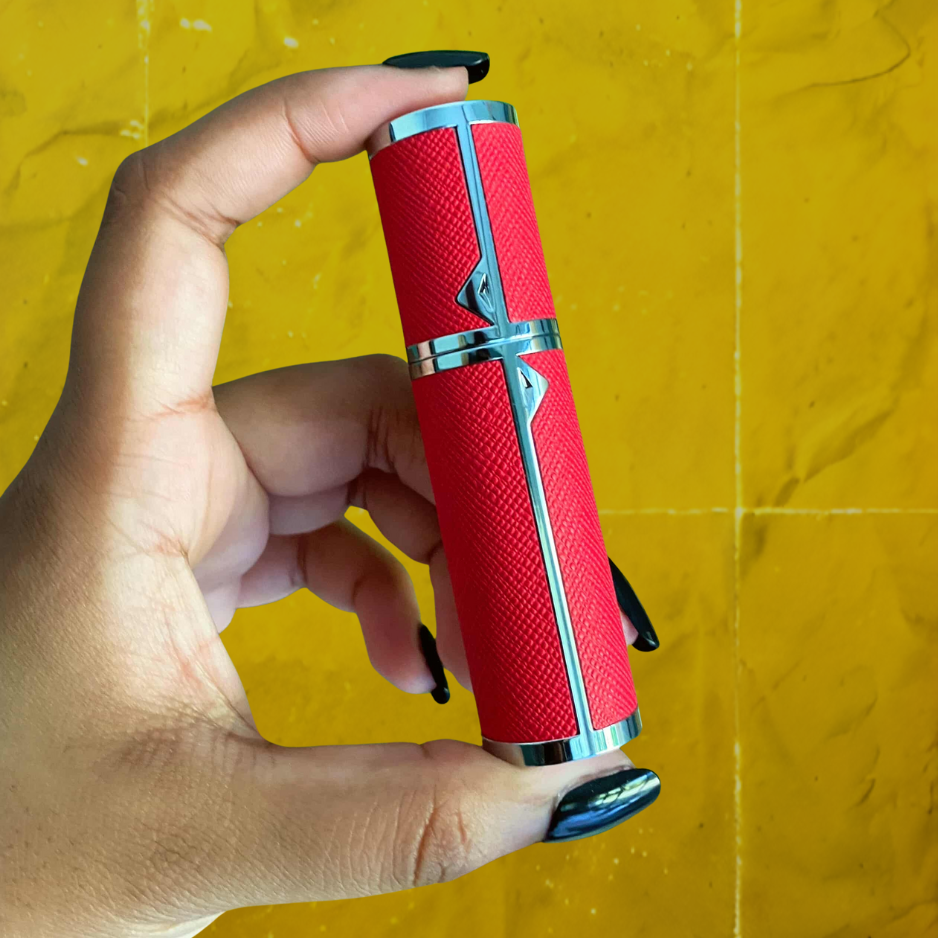
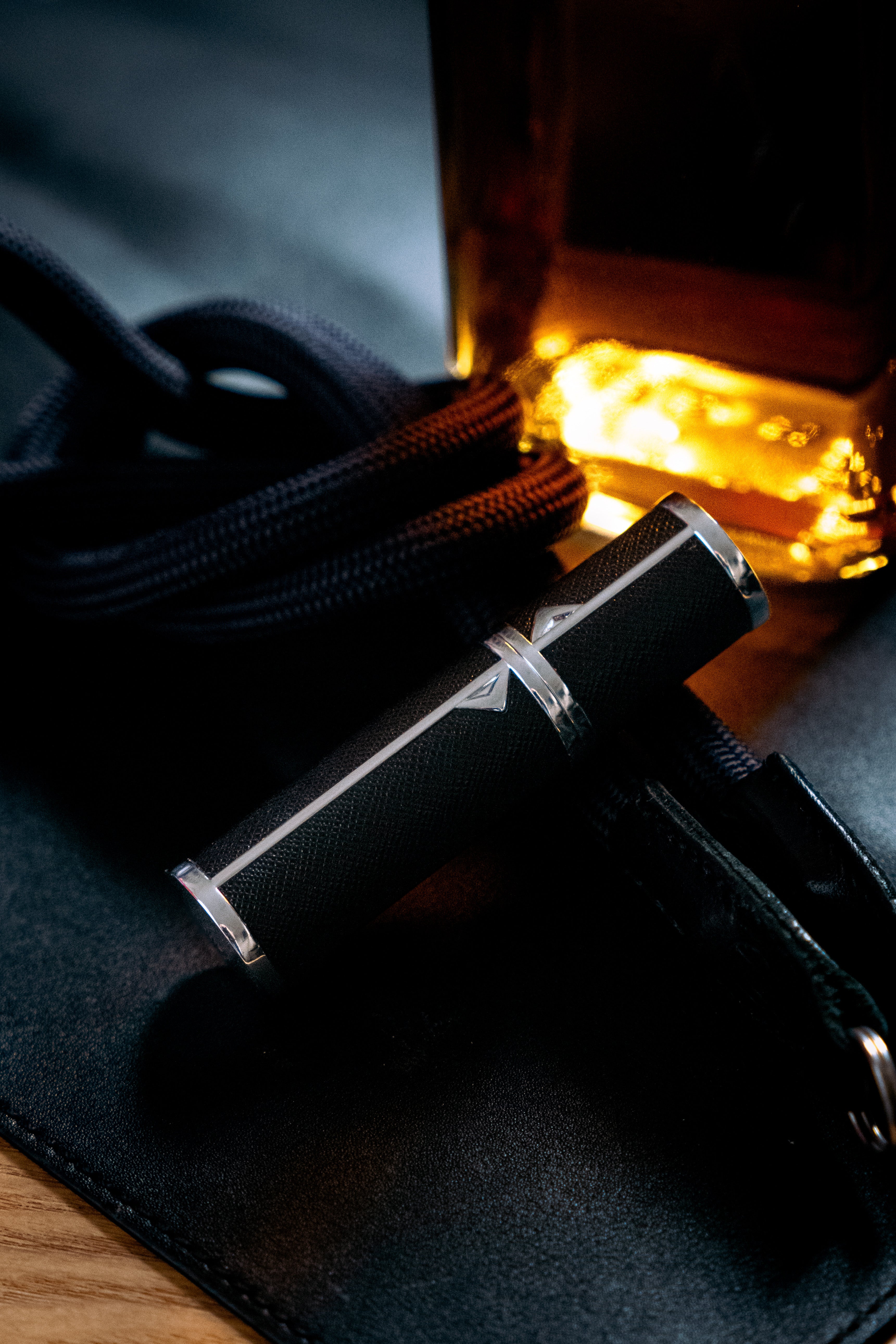
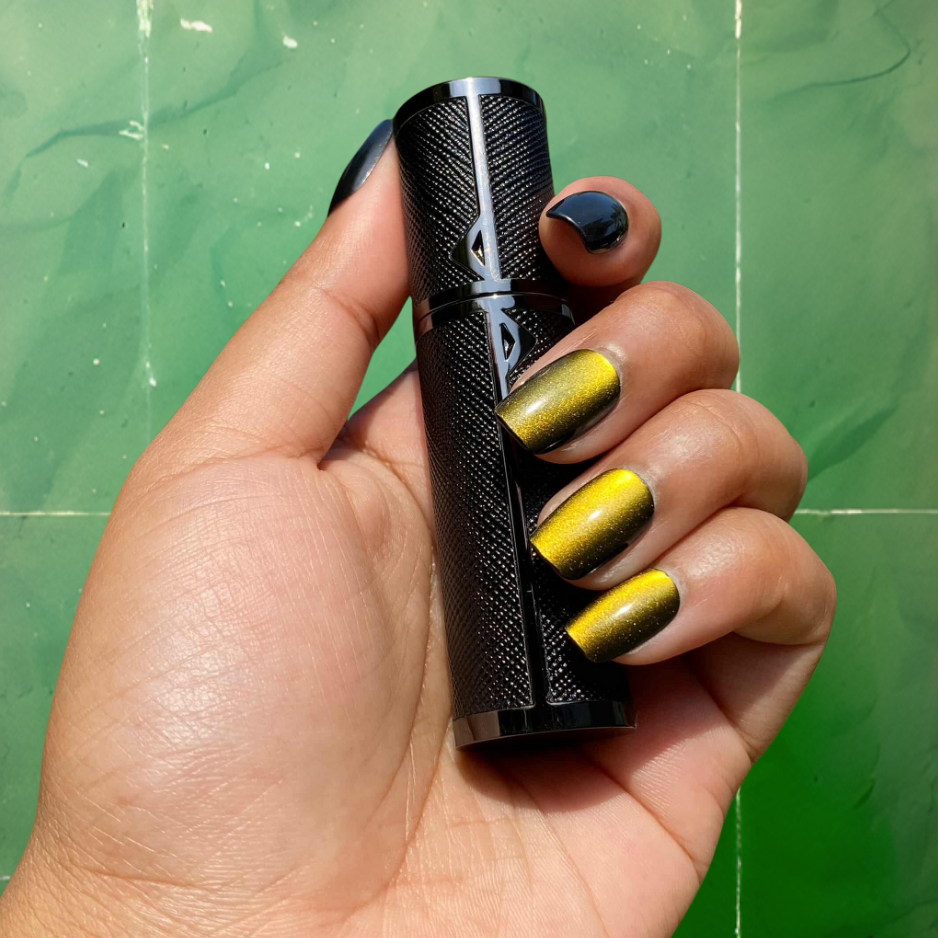
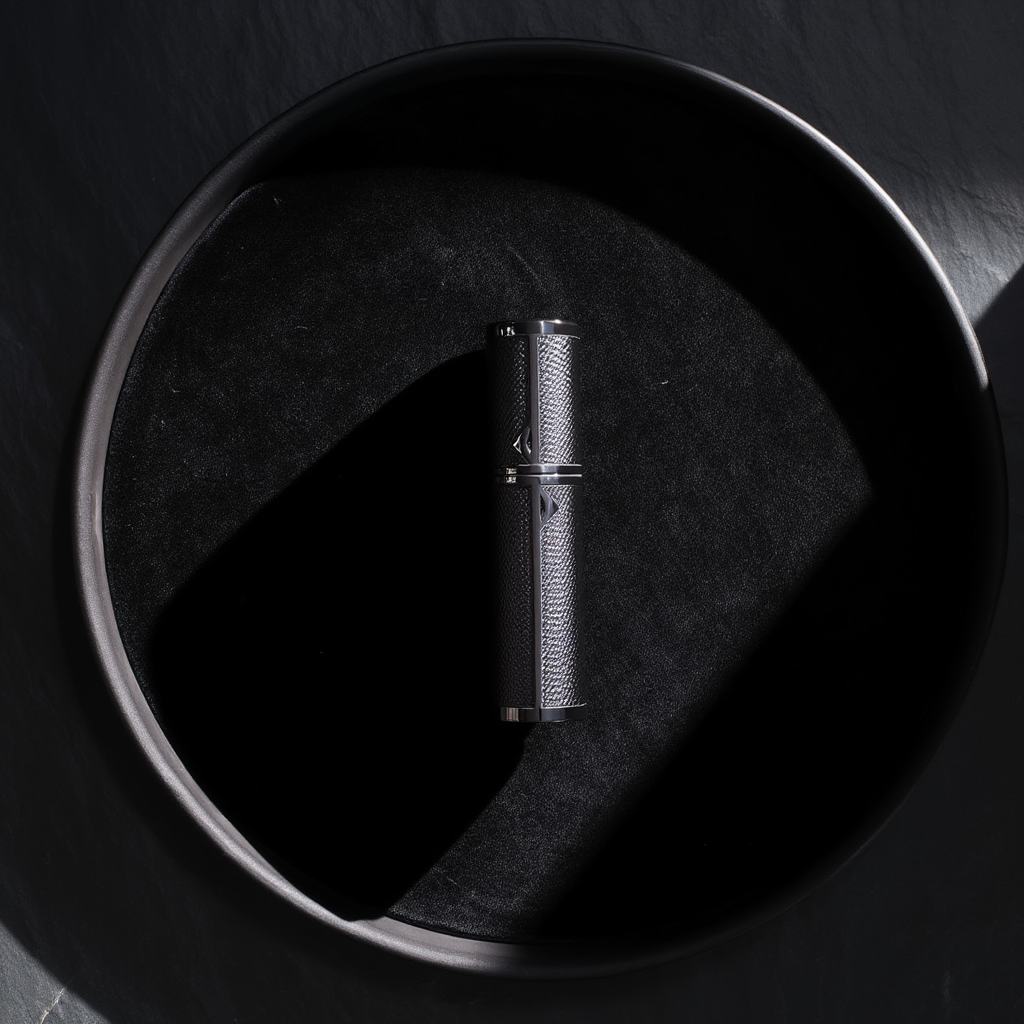
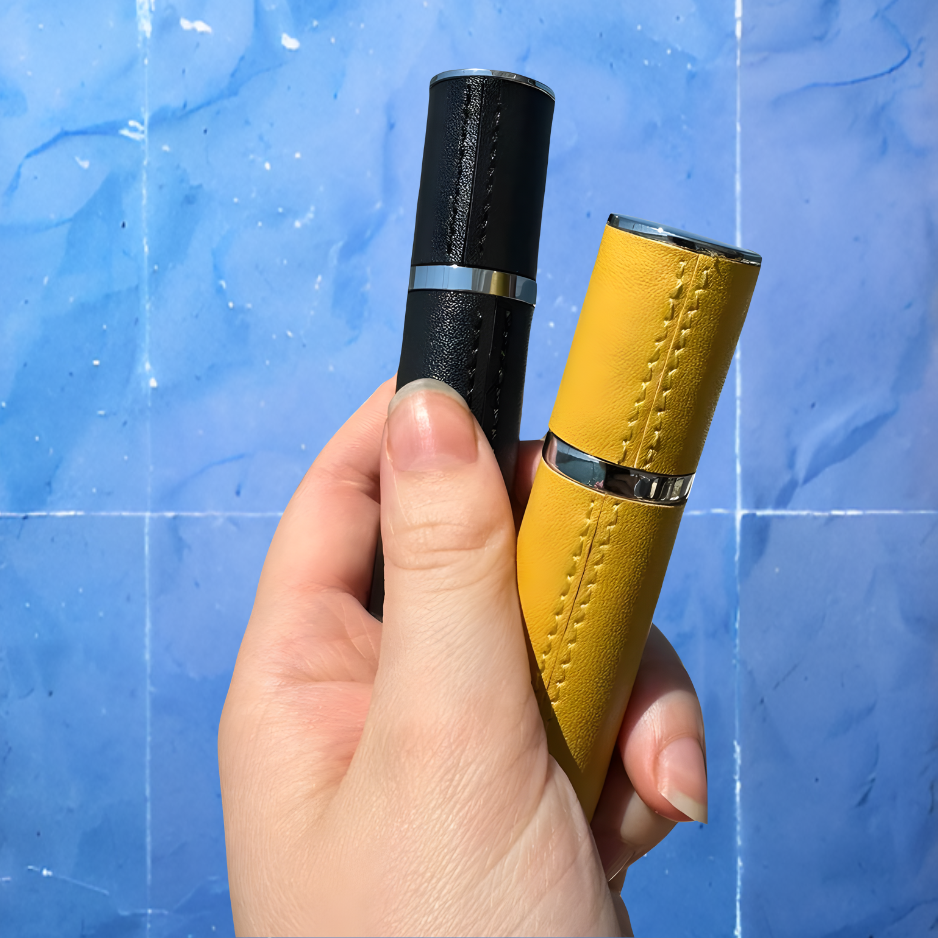
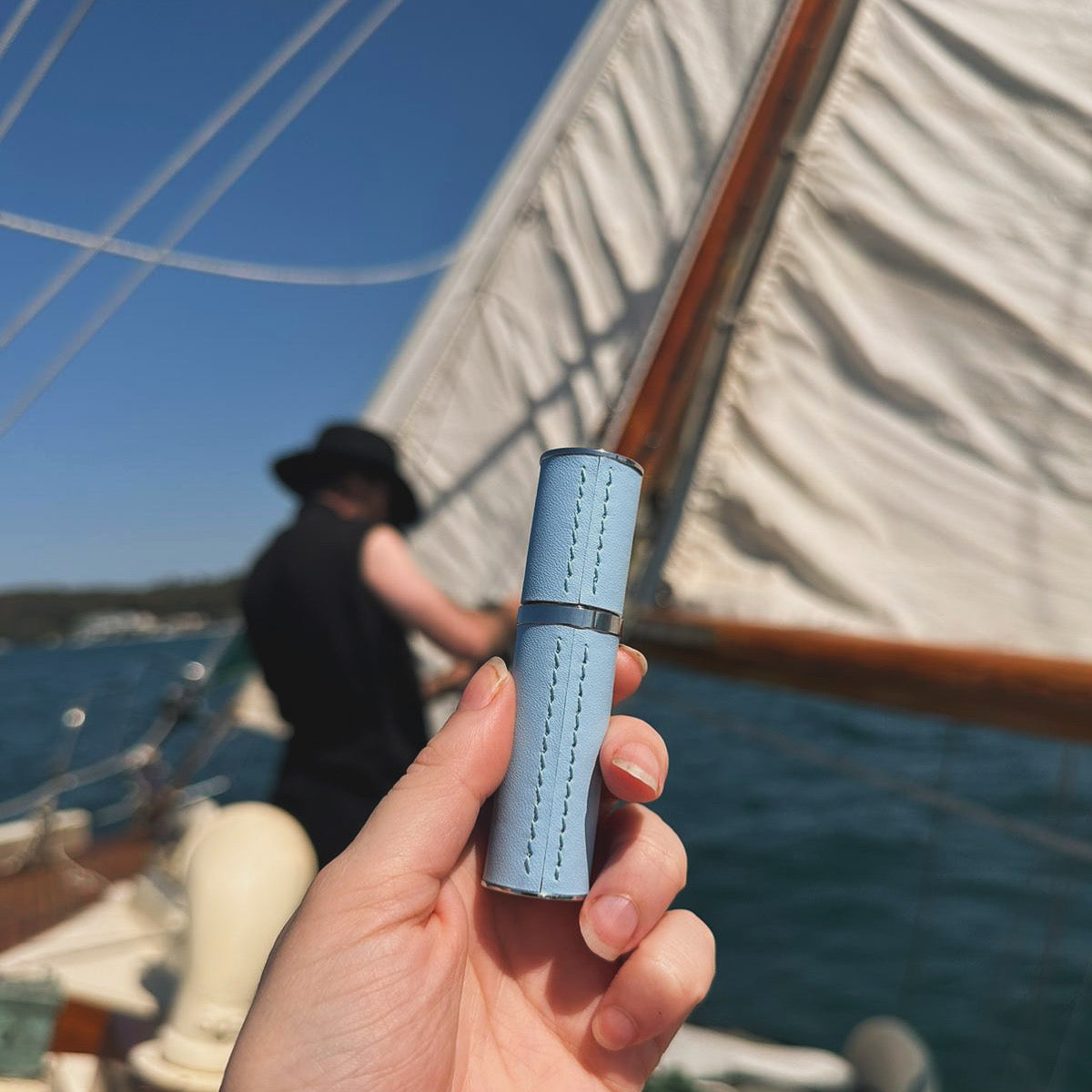
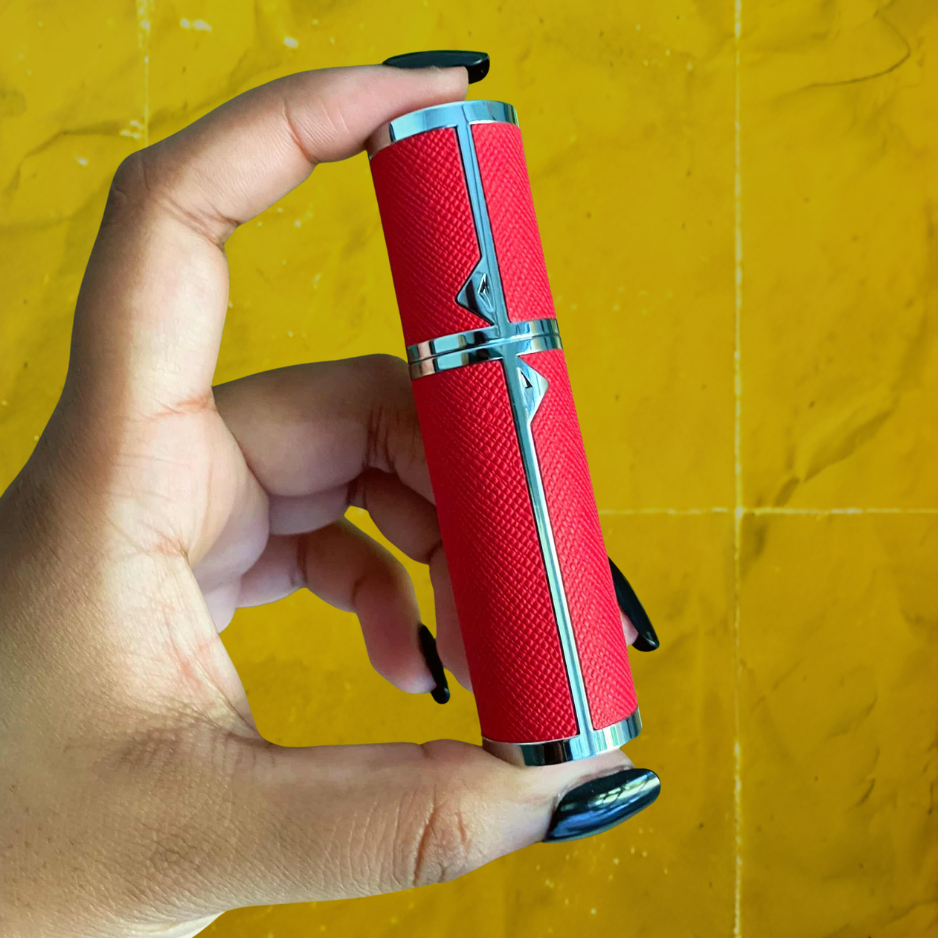
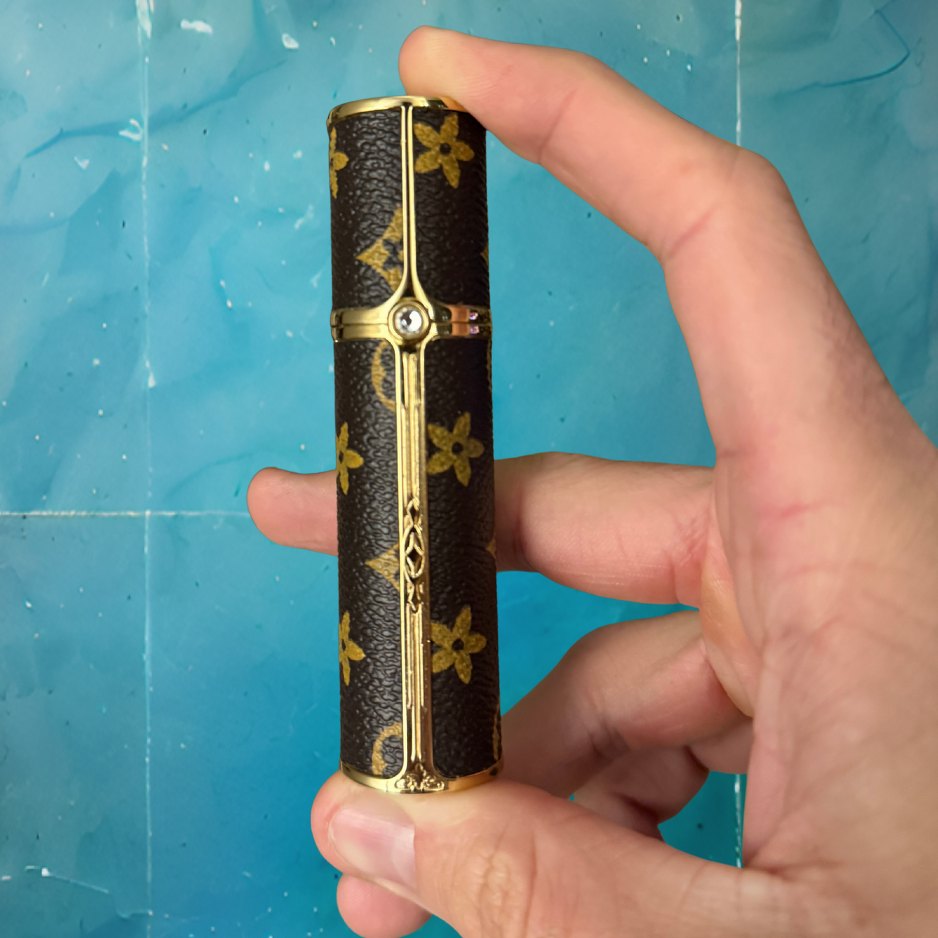
A big part of preventing perfume stains comes down to control, and that’s exactly what a refillable atomizer gives you. Instead of a wide, unpredictable factory spray, our Refillable Perfume Atomizers let you aim precisely at skin, pulse points, and the distance that keeps fragrance off collars and cuffs entirely.

- Refill from any standard perfume bottle, avoiding the need to use a bulky bottle over an outfit you care about.
- Pair an atomizer with one of our Travel Organisers to keep it upright and leak-contained in a bag or suitcase.
- Check our guide on where to spray perfume so it lasts for the application habits that work best alongside a smaller, more controlled bottle.
If you’re ready to put better control in your pocket, browse the Spritz atomizer collection and pick the one that fits your routine.
FAQ
How to stop perfume from staining clothes?
Spray perfume on your skin or use a refillable atomizer with a controlled, narrow spray, then let it dry fully before dressing. Keep sprays away from collars, cuffs, and light-colored or delicate fabrics, where overspray shows up fastest.
Will perfume stains come out?
It depends on what caused the mark. Oily deposits on washable fabric often lift with a soak in warm water, detergent, and white vinegar, as recommended by the University of Georgia Extension, but immediate dye loss or finish damage on fabrics like silk is frequently permanent.
Why does perfume leave stains?
Perfume contains fragrance oils and alcohol-based solvents that can dissolve fabric finishes or carry colored oils into the fibers on contact. Textile care research notes this is why some marks are structural damage rather than simple surface soil.
Where should you never spray perfume?
Avoid spraying directly onto silk, acetate, or any garment labeled dry-clean-only, since alcohol-based products can cause permanent dye or finish damage on these fabrics. It’s also worth skipping sprays near collars and cuffs, where fabric sits closest to skin and catches the most overspray.
Sources
- Remove Stains From Cologne/Perfume | Textiles
- Textile care guidance (silk and fabric education excerpt)
- Spot and Stain Removal Guide for Washable Fabrics (C638)
- Removing Clothing Stains (C-502)






साझा करें और 15% छूट पाएं!
बस इस उत्पाद को निम्नलिखित सामाजिक नेटवर्क में से किसी एक पर साझा करें और आपको 15% की छूट मिलेगी!