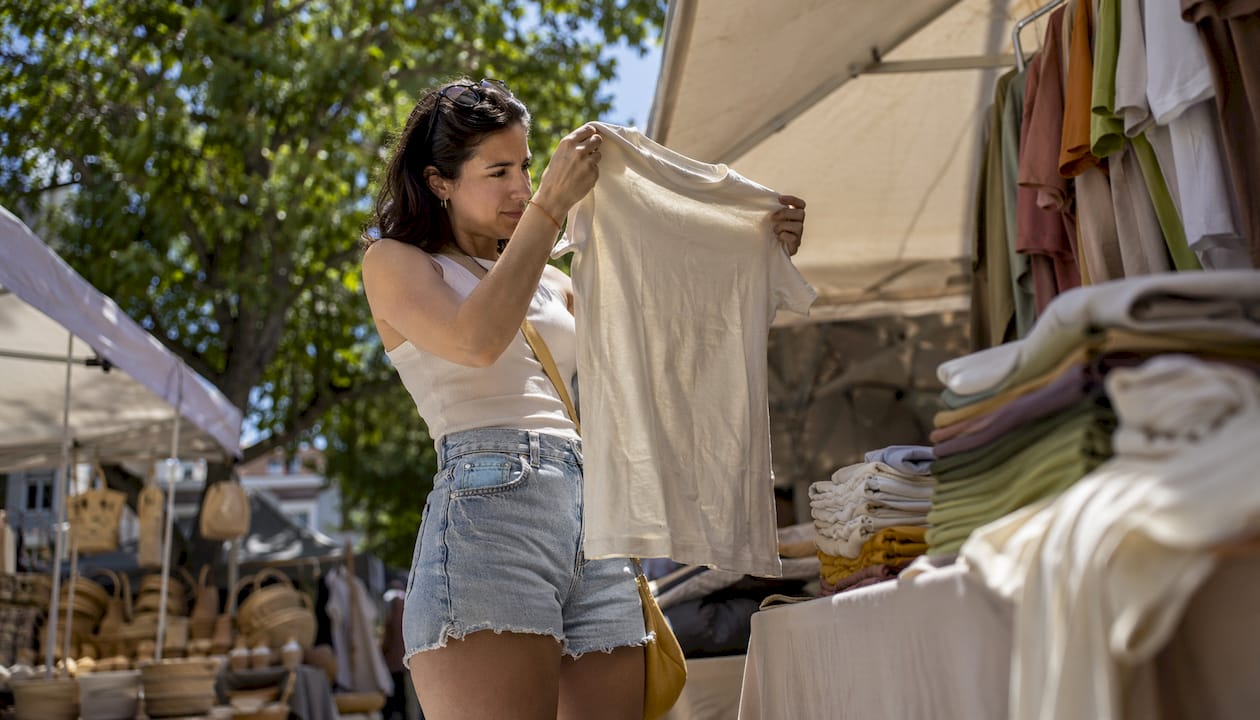
Unbranded basics are clothing essentials without brand labels, and they are worth buying for most budget-conscious shoppers. They typically cost 20–50% less than branded equivalents because they carry no marketing fees, licensing costs, or packaging budgets. That savings is real money back in your pocket, not a sign of lower quality. Many unbranded items use the same fabrics and even the same factories as their branded counterparts. If you want to know whether unbranded basics are worth it, the short answer is yes, with a few conditions worth understanding before you buy.
Are unbranded basics worth it compared to branded clothing?
The quality gap between unbranded and branded basics is smaller than most shoppers expect. Many branded clothing items are produced in the same factories as unbranded counterparts. The brand premium pays for marketing and status, not superior fabric or construction.
That said, quality in unbranded basics is not automatic. It depends on the specific product, the retailer, and the materials used. Shoppers who know what to look for can find unbranded items that outperform branded options at a fraction of the price.
The key quality signals to check are:
- Fabric weight (GSM): GSM stands for grams per square meter. A higher GSM rating means thicker, more durable fabric. A 200 GSM cotton tee lasts significantly longer than a 140 GSM fast fashion version, even if the fast fashion version carries a recognizable logo.
- Fiber content: 100% combed cotton or cotton-polyester blends with tight weave construction hold their shape better over time than loosely woven alternatives.
- Construction details: Reinforced stress points at seams, double-stitched hems, and taped shoulders all extend garment life. These details appear in quality unbranded items just as often as in branded ones.
- Finishing treatments: Sanforized fabric (pre-shrunk using a mechanical process) reduces post-wash shrinkage. This matters for fit consistency across washes.
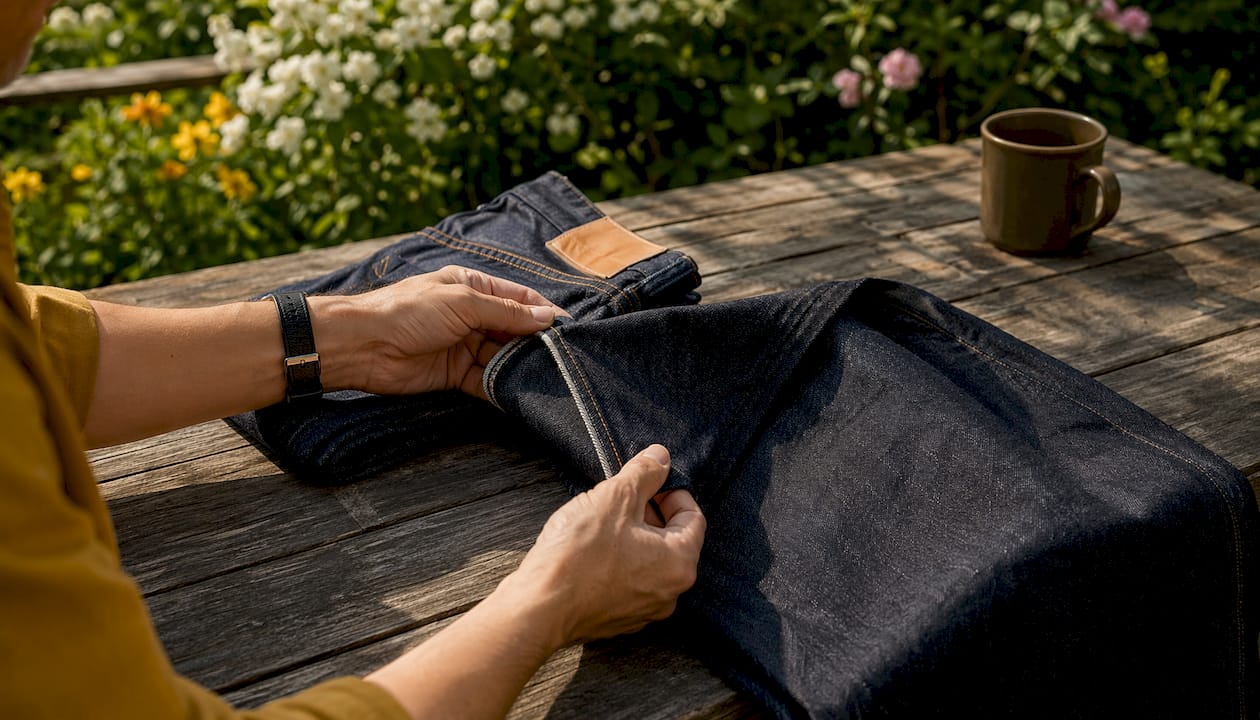
A strong example of unbranded quality is raw selvedge denim. Models like the UB322 use 14.5oz Japanese selvedge fabric and sell for under $100, mimicking the construction of jeans that cost three to five times more. The fabric is identical in origin to premium designer denim.
Pro Tip: Check the product listing for GSM and fiber content before buying any unbranded basic. If those specs are missing, that is a red flag worth taking seriously.
The limitation of unbranded basics is consistency. A branded manufacturer controls quality across every production run. Unbranded suppliers vary more, so the same product from the same retailer can differ slightly between batches. Testing before committing to bulk purchases solves this problem.
What are the cost savings of choosing unbranded basics?
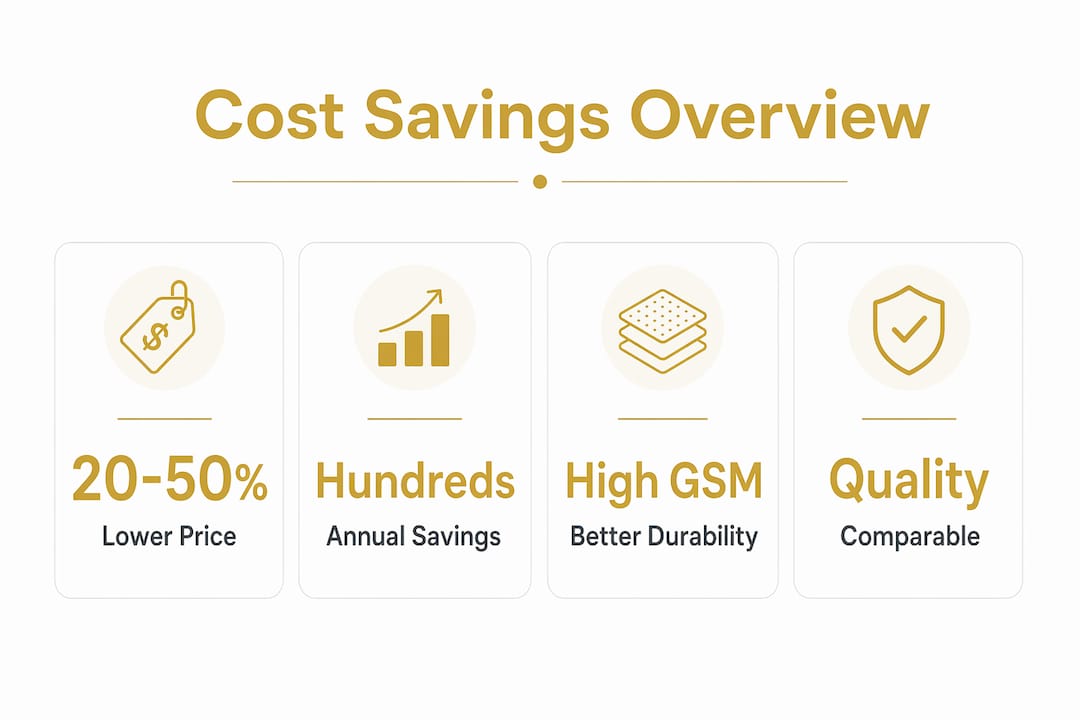
The financial case for unbranded basics is straightforward. Unbranded basics typically cost 20–50% less than branded equivalents. That gap exists because branded products bundle in advertising budgets, retail markups, licensing fees, and premium packaging. None of those costs improve the garment itself.
To understand where the fashion markup actually comes from, consider what you are paying for when you buy a branded basic tee. A significant portion of that price covers the cost of the brand’s marketing campaigns, celebrity endorsements, and retail store presence. The fabric cost is often a small fraction of the retail price.
Here is how the savings add up in practical terms:
- T-shirts: A quality unbranded heavyweight tee in the 200–220 GSM range costs $15–$25. A comparable branded version from a lifestyle label runs $40–$60. Buy five tees a year and you save $100–$175 annually.
- Hoodies: Unbranded heavyweight zip hoodies with reinforced stitching sell for $35–$55. Branded equivalents with similar fabric specs retail at $80–$120. The savings on a single hoodie cover two or three unbranded tees.
- Selvedge denim: Entry-level selvedge denim ranges from $30 to $150 in the unbranded market, significantly undercutting designer labels that use comparable Japanese fabric.
Total cost of ownership matters here. Cheap unbranded items with poor durability can carry a higher cost-per-wear than better-made branded products that last longer. A $15 tee that falls apart after 10 washes costs more per wear than a $40 tee that lasts 100 washes. The goal is not the lowest price. The goal is the best value per wear, which unbranded basics deliver when you choose the right fabric weight and construction.
Switching to unbranded daily items can save hundreds of dollars annually for shoppers who buy basics frequently. That is money better spent on the few categories where brand quality genuinely matters.
When are unbranded basics most and least worth it?
Unbranded basics deliver the strongest value in specific use cases. Understanding where they excel and where they fall short saves you from a bad purchase.
Where unbranded basics win:
- Casual daily wear: T-shirts, hoodies, joggers, and basic denim are the ideal category. These items do not require certified performance features, and fabric quality is easy to verify before buying.
- High-frequency items: The more often you wear something, the more the cost savings compound. Basics you reach for every day deserve the most scrutiny on fabric quality, not brand name.
- Wardrobe building: Shoppers building a capsule wardrobe on a budget get the most from unbranded basics. A core wardrobe of neutral, well-made pieces does not require a logo to look good.
- Minimalist styles: Plain, unbranded garments in neutral colors age better visually than trend-driven branded pieces. A solid navy tee looks current for years.
Where branded options may be worth the premium:
- Safety-critical apparel: Work boots, protective gear, and performance athletic wear with certified safety ratings require brand accountability. Reserve premium spending for categories where safety features are non-negotiable.
- Technical performance gear: Moisture-wicking running shirts, compression tights, and waterproof outerwear rely on proprietary fabric technologies that unbranded suppliers rarely replicate accurately.
- Fit-sensitive categories: Branded manufacturers maintain consistent sizing across production runs. Unbranded sizing can vary, which matters most for tailored or fitted silhouettes.
Raw selvedge denim sits in an interesting middle ground. Unbranded raw denim requires a break-in period where the initially rigid fabric softens and molds to the wearer over time. Sizing must be measured carefully because vanity sizing inconsistencies are common. Shoppers who understand this dynamic get a genuinely premium product at an accessible price. Those who do not may find the experience frustrating.
Pro Tip: Start with one unbranded item in a category before buying multiples. Wash it twice, wear it for two weeks, and assess shrinkage, color retention, and comfort before scaling up.
The value of affordable basics depends on matching the product to the right use case. Brand loyalty often pays a premium without delivering a commensurate quality gain in casual apparel. Knowing the difference is the skill that separates smart shoppers from everyone else.
How to shop for and evaluate unbranded basics
Evaluating unbranded basics requires a different approach than buying branded clothing. You cannot rely on brand reputation as a quality proxy, so you need to read the product specs directly.
The most useful quality indicators are:
- GSM rating: Look for 200 GSM or higher for t-shirts and 300 GSM or higher for hoodies. Anything below these thresholds tends to feel thin and wear out faster.
- Fiber content: Combed cotton and ring-spun cotton produce softer, more durable fabric than carded cotton. Look for these terms in the product description.
- Finishing treatments: Sanforized fabric resists shrinkage. Pre-washed fabric has already gone through its initial shrink cycle, so what you buy is what you keep.
- Customer reviews: Focus on reviews that mention wash performance, shrinkage, and durability after multiple wears. Single-wash reviews tell you very little about long-term quality.
- Return policy: Some unbranded retailers have restrictive return policies. Confirm the return window before buying, especially for items you cannot try on first.
| Quality signal | What to look for | Why it matters |
|---|---|---|
| GSM rating | 200+ for tees, 300+ for hoodies | Indicates fabric thickness and durability |
| Fiber content | Combed or ring-spun cotton | Softer feel and longer wear life |
| Finishing | Sanforized or pre-washed | Reduces post-purchase shrinkage |
| Seam construction | Double-stitched, reinforced stress points | Extends garment life at high-wear areas |
| Customer reviews | Mention wash performance and longevity | Real-world durability data from actual buyers |
The test-and-scale approach is the most reliable method for buying unbranded basics. Buy one unit, evaluate it through two wash cycles, then decide whether to buy more. This method eliminates the risk of committing to a bulk order from a supplier with inconsistent quality.
Checking the quality of unbranded essentials against fast fashion alternatives reveals a clear pattern. Fast fashion branded items often use lower GSM fabrics than unbranded basics from quality-focused suppliers. The logo does not guarantee the fabric.
Key Takeaways
Unbranded basics are worth buying for casual daily wear when you verify fabric weight, fiber content, and construction quality before purchasing.
| Point | Details |
|---|---|
| Cost savings are real | Unbranded basics cost 20–50% less by eliminating marketing and licensing fees. |
| Fabric specs matter most | Check GSM rating and fiber content, not brand name, to assess quality. |
| Use case determines value | Casual wear favors unbranded basics; safety-critical apparel warrants branded options. |
| Test before scaling | Buy one item, wash it twice, and assess fit and durability before buying more. |
| Cost-per-wear is the metric | A durable $25 unbranded tee beats a $15 tee that falls apart after 10 washes. |
What I’ve learned from years of buying unbranded basics
Brand loyalty in apparel is largely a marketing achievement, not a quality guarantee. I have worn unbranded heavyweight tees that outlasted branded versions costing three times as much. The difference was always in the fabric weight and seam construction, never the logo.
The most common mistake I see budget shoppers make is treating “unbranded” as a synonym for “cheap.” The category includes both excellent and poor products. The shoppers who get burned are the ones who skip the specs and buy on price alone. The shoppers who win are the ones who read the GSM, check the fiber content, and test one item before buying five.
There is also an environmental angle worth considering. Choosing durable unbranded basics over disposable fast fashion reduces the frequency of replacement purchases. A well-made 220 GSM tee worn 150 times has a lower environmental footprint per wear than a 140 GSM tee replaced every season.
My one caution: do not apply the unbranded logic to everything. Technical running gear, safety workwear, and waterproof outerwear are categories where proprietary fabric technologies and certified performance standards genuinely justify the brand premium. Know the difference, and spend accordingly.
— Ash
Quality basics without the brand markup, at Spritzshop
Spritzshop’s No BS Basics collection is built around exactly this philosophy: durable fabrics, clean designs, and prices that reflect the garment, not the label.
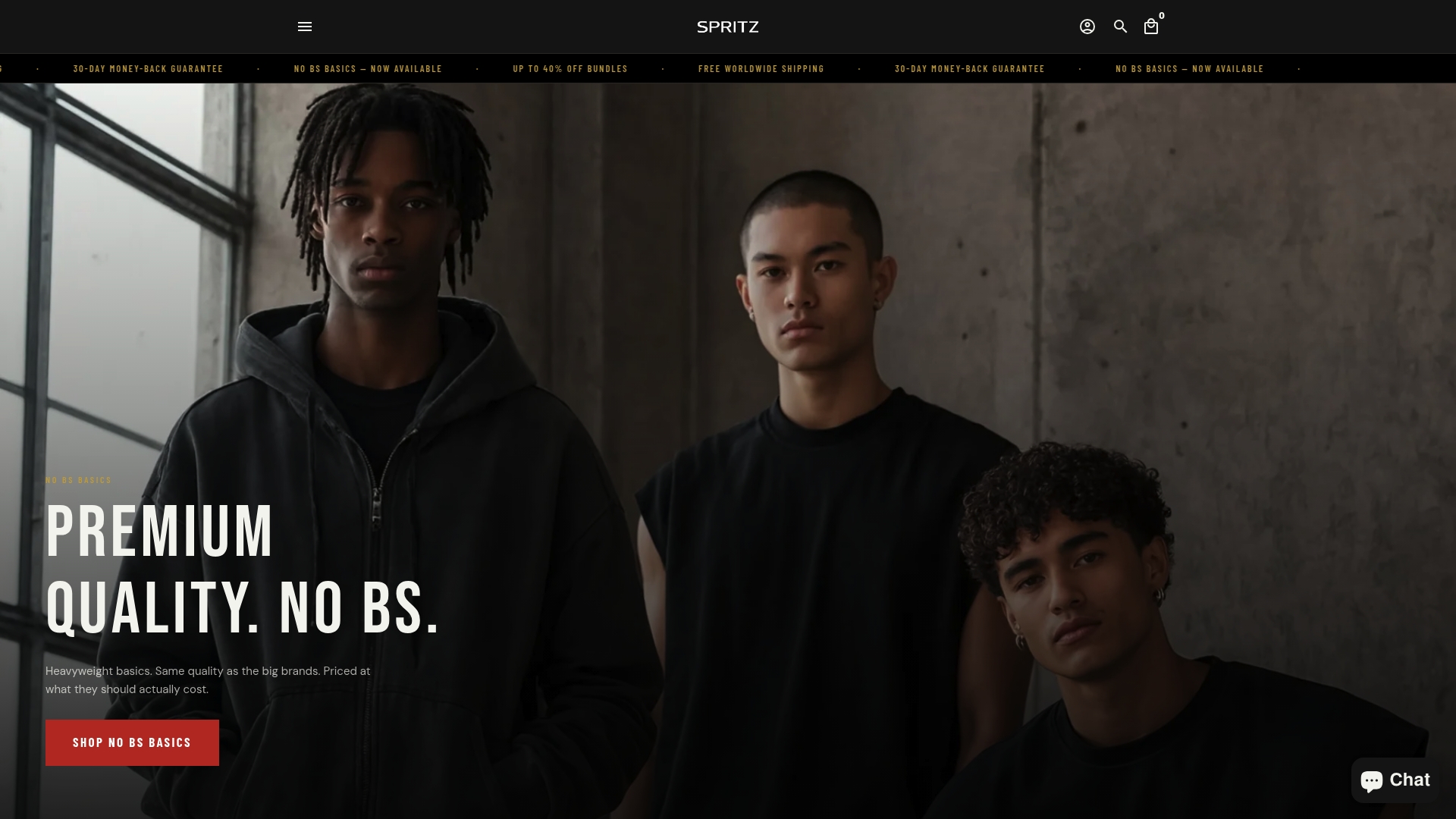
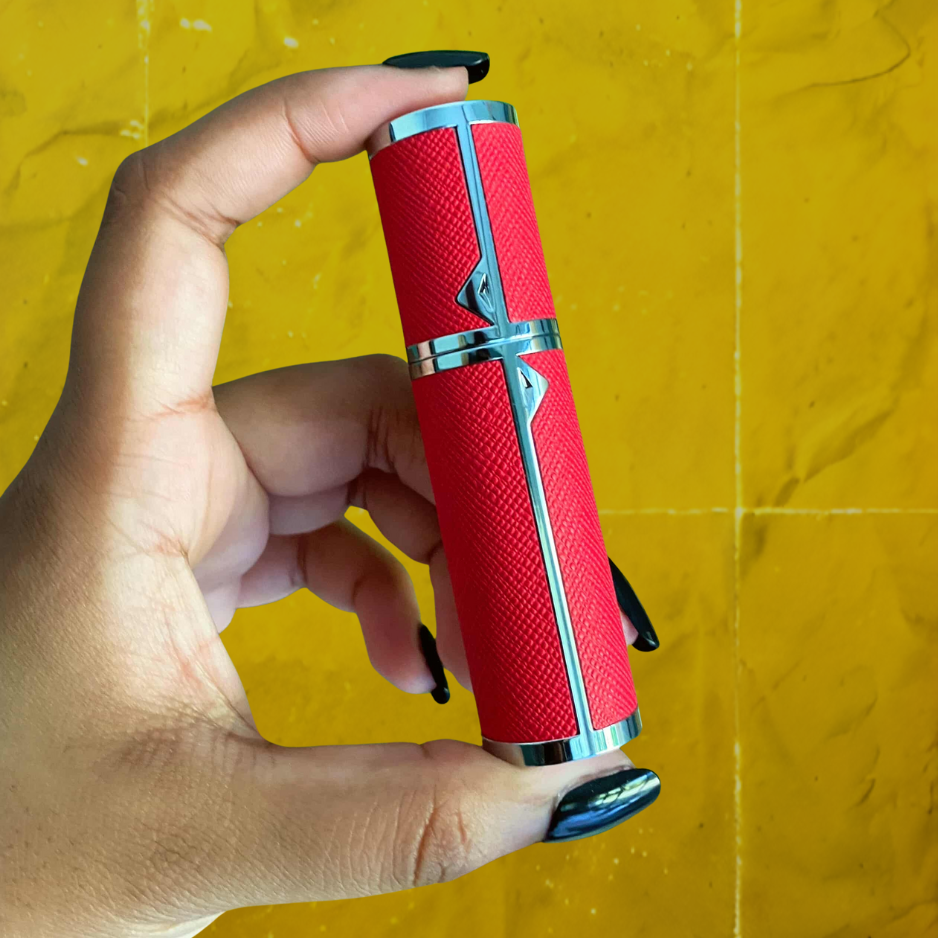
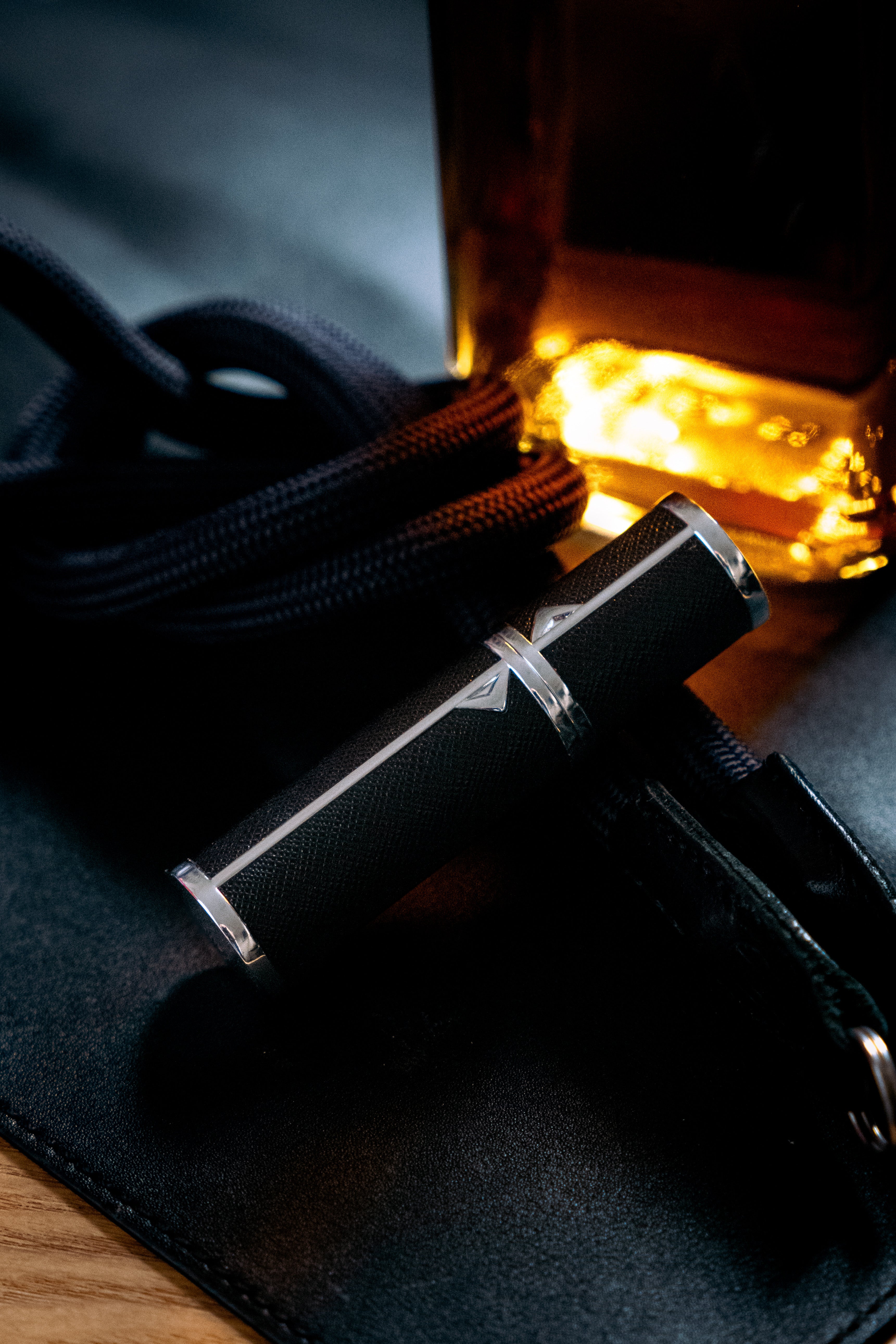
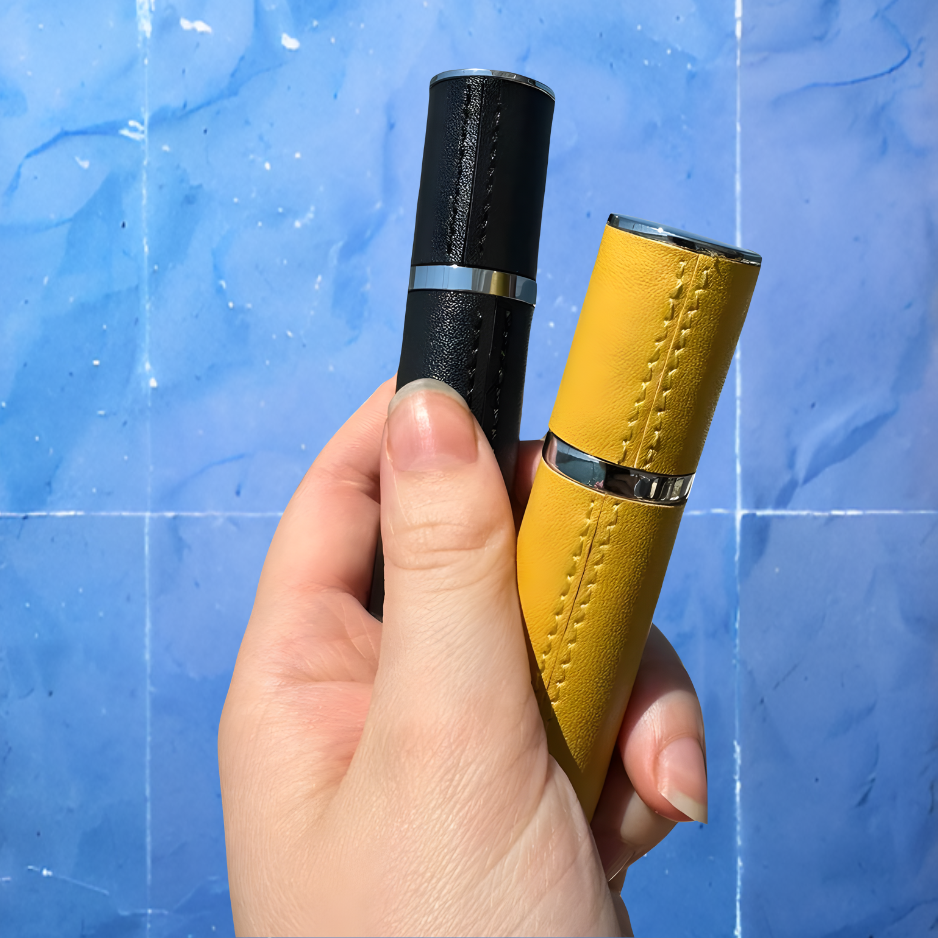
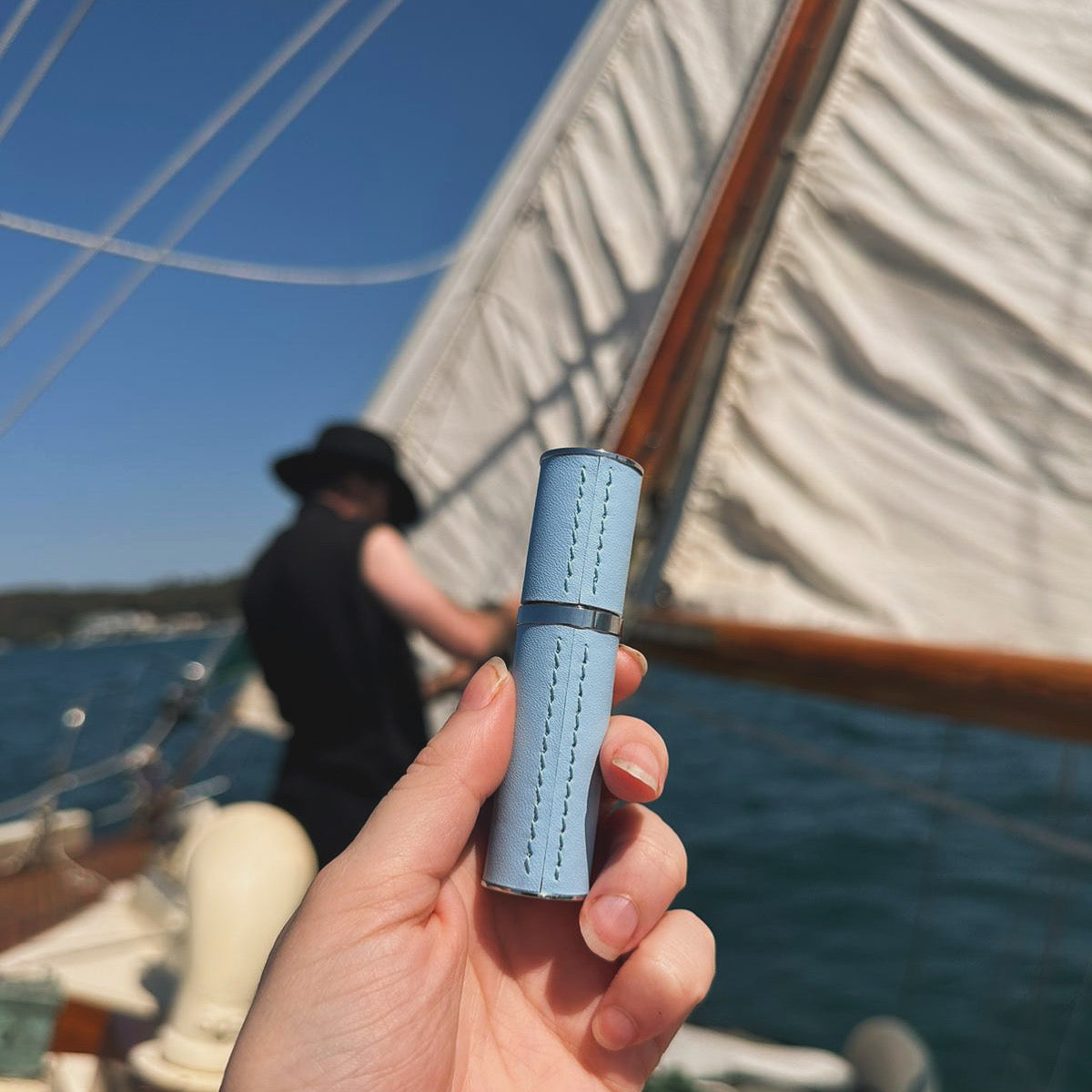
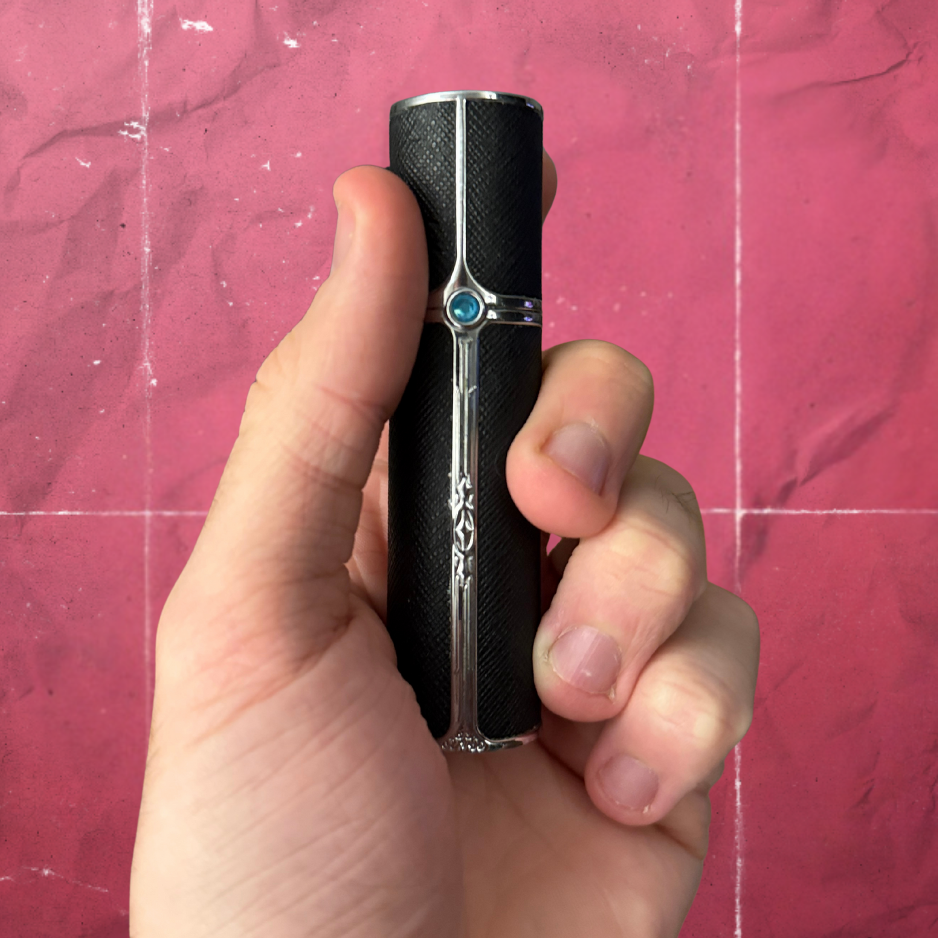
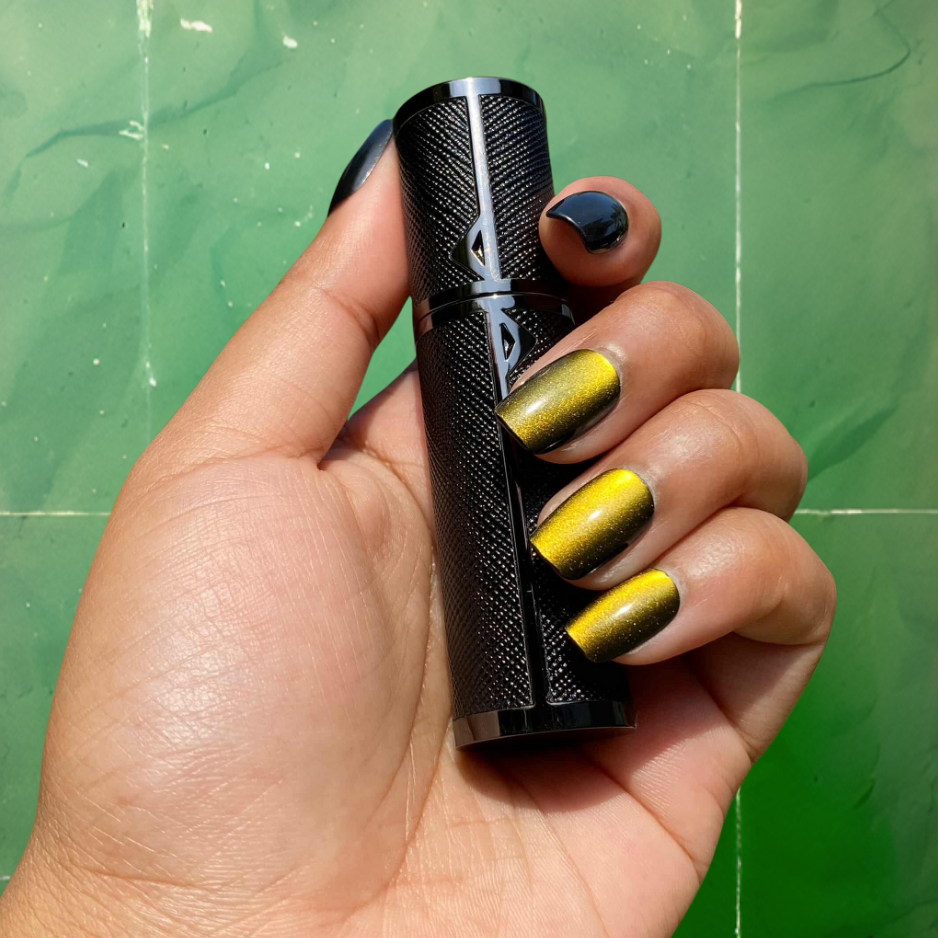
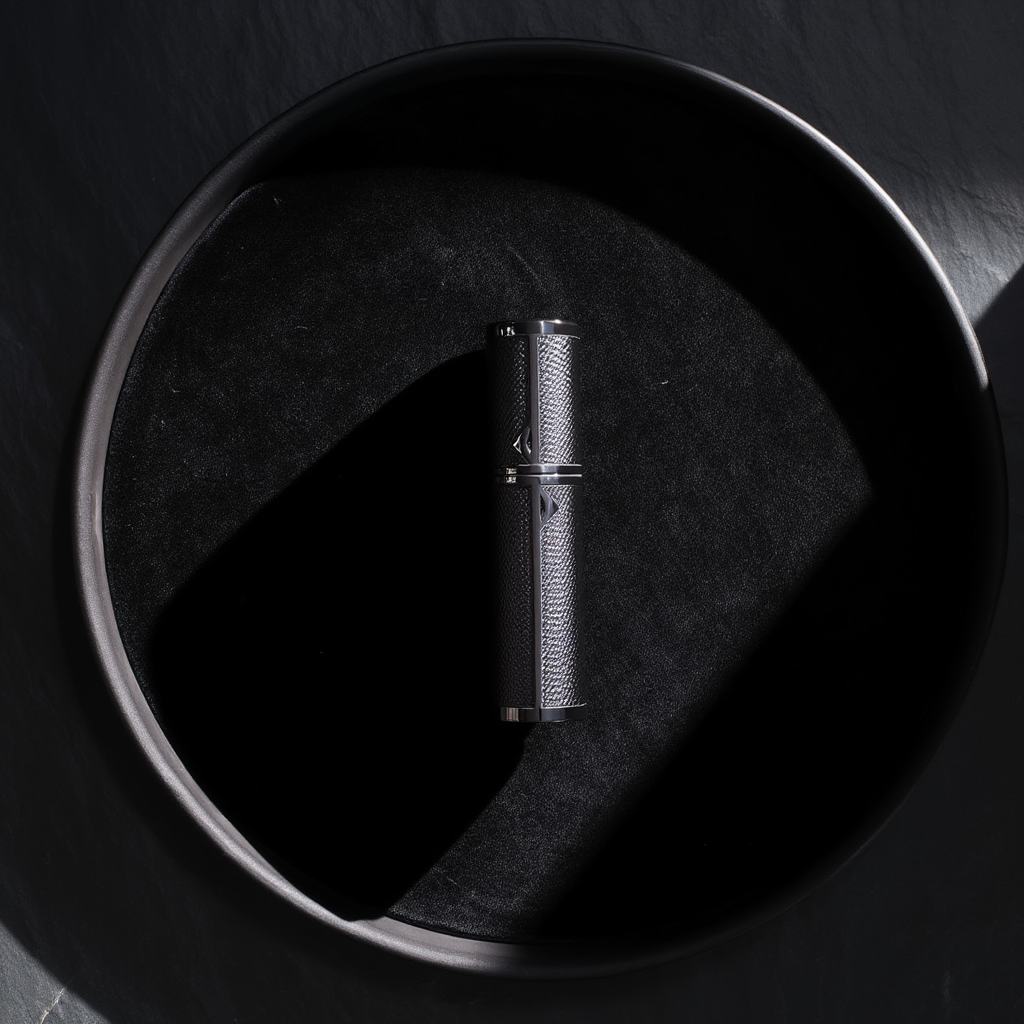
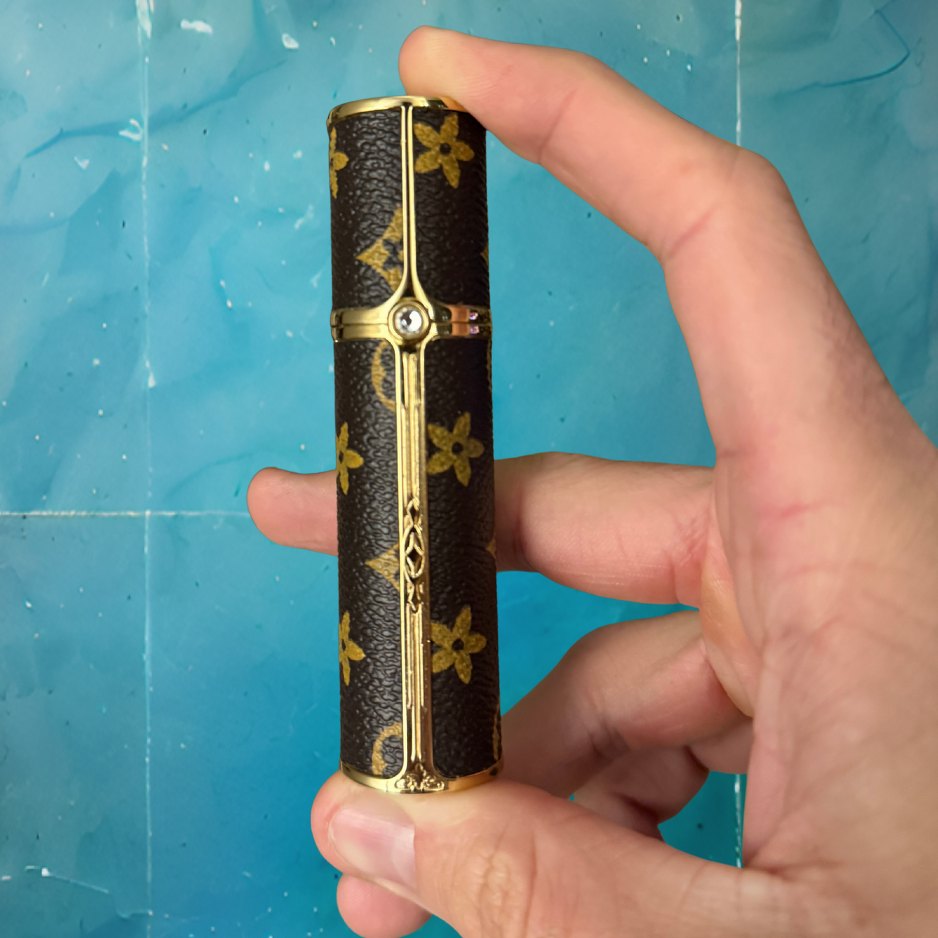
The Essential Heavyweight Zip Hoodie is a strong starting point if you want to test the quality difference firsthand. The No BS Basics collection covers the core wardrobe categories with fabric specs listed upfront, so you can evaluate quality before you buy. Spritzshop also carries the Brando refillable atomizer for shoppers who apply the same value-first thinking to their fragrance routine. Every product reflects the same principle: pay for quality, not for the name on the label.
FAQ
Are unbranded basics actually good quality?
Unbranded basics can match or exceed branded quality when you choose items with high GSM ratings, combed cotton fiber, and reinforced seam construction. The key is reading the product specs rather than relying on brand reputation.
How much can I save by switching to unbranded basics?
Unbranded basics typically cost 20–50% less than branded equivalents. Shoppers who buy basics frequently can save hundreds of dollars annually by switching to quality unbranded options.
What does GSM mean on a clothing label?
GSM stands for grams per square meter and measures fabric weight. Higher GSM means thicker, more durable fabric. For t-shirts, 200 GSM or above signals good durability; for hoodies, look for 300 GSM or higher.
When should I choose branded clothing over unbranded basics?
Choose branded clothing for safety-critical apparel, certified performance gear, and technical sportswear where proprietary fabric technologies and safety ratings matter. For casual daily wear, unbranded basics deliver comparable quality at lower cost.
How do I avoid buying low-quality unbranded basics?
Use the test-and-scale method: buy one item, wash it twice, and assess shrinkage, color retention, and comfort before buying more. Always check the GSM rating, fiber content, and customer reviews that mention long-term durability.




Share and get 15% off!
Simply share this product on one of the following social networks and you will unlock 15% off!