
How to Build a Capsule Wardrobe Without Getting Ripped Off
The capsule wardrobe concept gets talked about endlessly, but most of the advice comes from people trying to sell you $150 t-shirts. Here's the version that actually makes sense.
What a capsule wardrobe actually is
A capsule wardrobe is a small collection of versatile, well-made pieces that work together and don't go out of style. The idea is to buy less, buy better, and stop replacing things every season.
The original concept, coined by Susie Faux in the 1970s, was about quality over quantity. Somewhere along the way it got hijacked by brands as a justification for charging more for less. A "capsule" became shorthand for expensive minimalism. It doesn't have to be.
The pieces that actually matter
A functional capsule wardrobe for most people doesn't need more than 15–20 pieces for everyday wear. The foundation is basics — and basics done right are the most cost-effective investment you can make in a wardrobe.
Tops
- 3 heavyweight tees (white, black, grey)
- 1–2 long-sleeve tees
- 1 crewneck sweatshirt
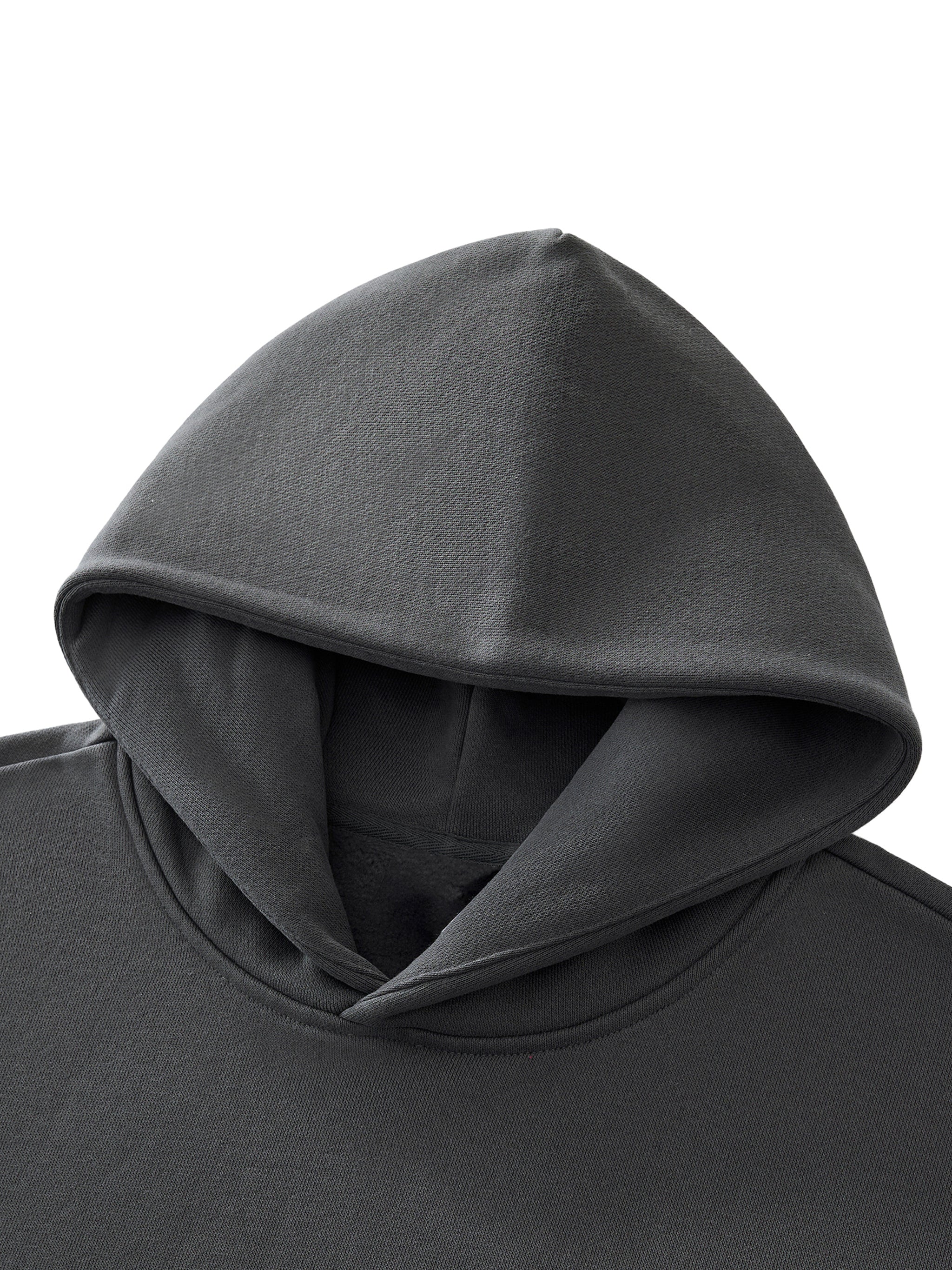
- 1 hoodie
Bottoms
- 2 pairs of well-fitting jeans (dark wash and light)
- 1 pair of chinos or tailored trousers
- 1 pair of shorts
- 1 pair of sweatpants (high quality — these can go from home to everywhere)
Outerwear
- 1 versatile jacket that works across seasons
Shoes
- Clean white trainers
- One smarter option
- One casual shoe
Everything else is optional. Additions should earn their place. If you can't think of three different outfits that piece works in, it's not a capsule piece.
Why basics are where the money should go
Statement pieces — bold prints, seasonal trends, anything that's very obviously of-the-moment — have a short lifespan in a wardrobe. You wear them a few times, they feel dated, they get pushed to the back.
Basics don't date. A heavyweight white tee looks the same this year as it did five years ago. If it's well-made, it'll look the same in five more. This is where spending more on quality actually makes sense — because the cost-per-wear is extraordinarily low over time.
A $90 tee worn 200 times over three years costs $0.45 per wear. A $20 tee that goes thin after 30 washes costs $0.67 per wear. The "cheap" option is almost always more expensive over time.
The basics trap: paying for the label
Here's the problem: many brands that have built reputations for quality basics are charging for recognition, not for a fundamentally better garment. The cotton doesn't know what logo is on the hem. What matters is the GSM of the fabric, whether it's been pre-shrunk, whether the dye is colourfast, and whether manufacturing is consistent.
For a full breakdown of what actually separates good basics from bad ones, see: What Is GSM in Fabric?
How to buy basics the right way
Before buying any basic for your capsule, ask these questions:
- What's the GSM? Aim for 220gsm minimum for tees, 300gsm+ for hoodies and sweatshirts.
- Is it pre-shrunk? If it isn't, it will shrink. Buy the size you want to wear after washing.
- Is it colourfast? Basics in rotation get washed regularly. Dye that fades defeats the purpose of buying quality.
- Where is it manufactured? End-to-end controlled manufacturing produces more consistent results.
Brands confident in their product answer these questions directly. Brands that aren't tend to change the subject to brand heritage or celebrity endorsements.
What to build it from
The No BS Basics range is built around capsule wardrobe logic. First-tier textile mills, GSM-verified on every batch, pre-shrunk and colourfast. Priced at what the garment should actually cost without the overhead stack of retail space, hang tags, and brand marketing.
- Loose Boxy Tee — The heavyweight t-shirt that holds its shape. White, black, grey.
- Boxy Fleece Crewneck — The crewneck sweatshirt that works everywhere.
- Heavyweight Boxy Hoodie — For when you need it. Built to last, not to be replaced each season.
- Raw Edge Sweatpants — The sweatpant that graduates out of the house.
Build it over time
You don't need to buy everything at once. A capsule wardrobe built well over six months is better than one bought badly in a weekend. Start with what you wear most and replace pieces as they wear out or as gaps appear. The goal is a wardrobe where almost everything works with almost everything else, lasts longer than a season, and doesn't require constant replacement.
That's the capsule wardrobe. Not a marketing concept. A practical approach to owning fewer things that do more.
Related reading: Why Are Basic T-Shirts So Expensive? · What Is GSM in Fabric? · Premium Basics vs Fast Fashion




Share and get 15% off!
Simply share this product on one of the following social networks and you will unlock 15% off!