
A reliable gym bag needs six non-negotiables: a quick-dry microfiber towel, deodorant, a face or body cleanser (liquid or wipes), flip-flops for the shower, a spare top and underwear, and a travel fragrance atomizer. Pack those six and you’re covered for any transition, whether you’re headed back to a desk or straight into your evening plans. Everything below breaks down why each item earns its spot, how to pack it, and how to use it safely.
TL;DR:
- Keep a duplicate toiletry kit permanently in a labeled pouch, choose screw top bottles, and isolate liquids in a zip pouch to contain leaks.
- Separate wet clothes and towels from clean gear, empty the wet bag promptly, and wash both weekly with a hot cycle and full dryer cycle.
- A wipe, deodorant, dry shampoo, and clean top support a refresh in under four minutes, but visible sweat or formal plans call for a shower.
- CDC guidance recommends showering after exercise, covering cuts, and never sharing towels or razors to reduce the risk of skin infections.
- Choose stick deodorant for bag durability, a 2 oz cleanser when you have sink access, or wipes when time or facilities are limited.
Table of Contents
- 1. Prioritized checklist: what to carry and why
- 2. Pack smart: the 5-Zone Pack Method and wet/dry separation
- 3. The under-4-minute quick-refresh routine for tight transitions
- 4. Hygiene and skin-protection rules backed by CDC and dermatology guidance
- 5. Choosing the right format for each gym grooming product
- 6. Hair grooming essentials for gym sessions
- 7. Nail care basics after your workout
- 8. Hydration and oral care essentials for your gym bag
- 9. Fabric choices and clothing care that keep you fresher longer
- 10. Exercise-specific grooming: foot odor and chafing prevention
- Short habits that made my gym bag reliable
- A refillable atomizer built for your gym bag
- FAQ
- Sources
1. Prioritized checklist: what to carry and why
Every item in your bag should earn its place by solving a specific problem: sweat, odor, bacteria, or time pressure. Here’s the order that matters most, with the compact format to buy for each.
- Microfiber towel: dries faster than cotton and packs into a fraction of the space, which matters when your bag already holds clothes and shoes.
- Stick or travel-size deodorant: a travel-size stick deodorant survives a gym bag without leaking and lasts through multiple sessions.
- Face or body wash: a 2 oz travel bottle or a pack of individually wrapped wipes, whichever fits your post-workout time window.
- Flip-flops or shower sandals: non-negotiable for any shared shower floor.
- Spare underwear and a clean top: sweat-soaked fabric left on skin invites irritation and odor.
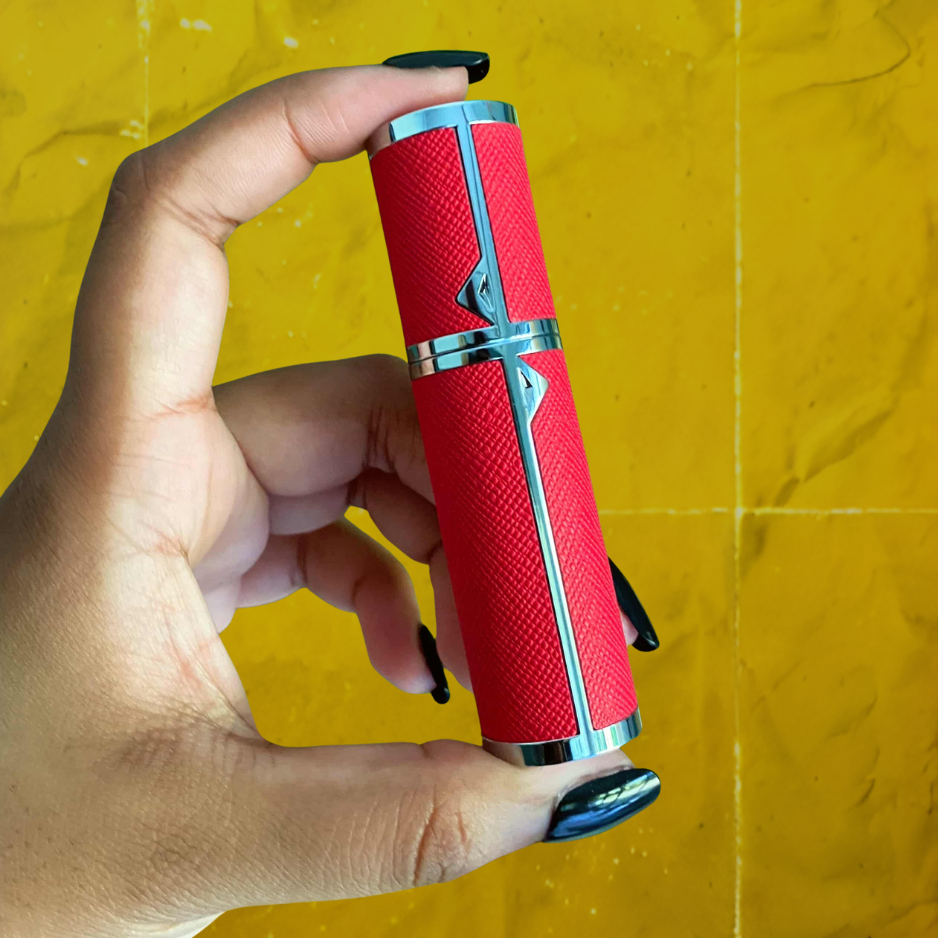
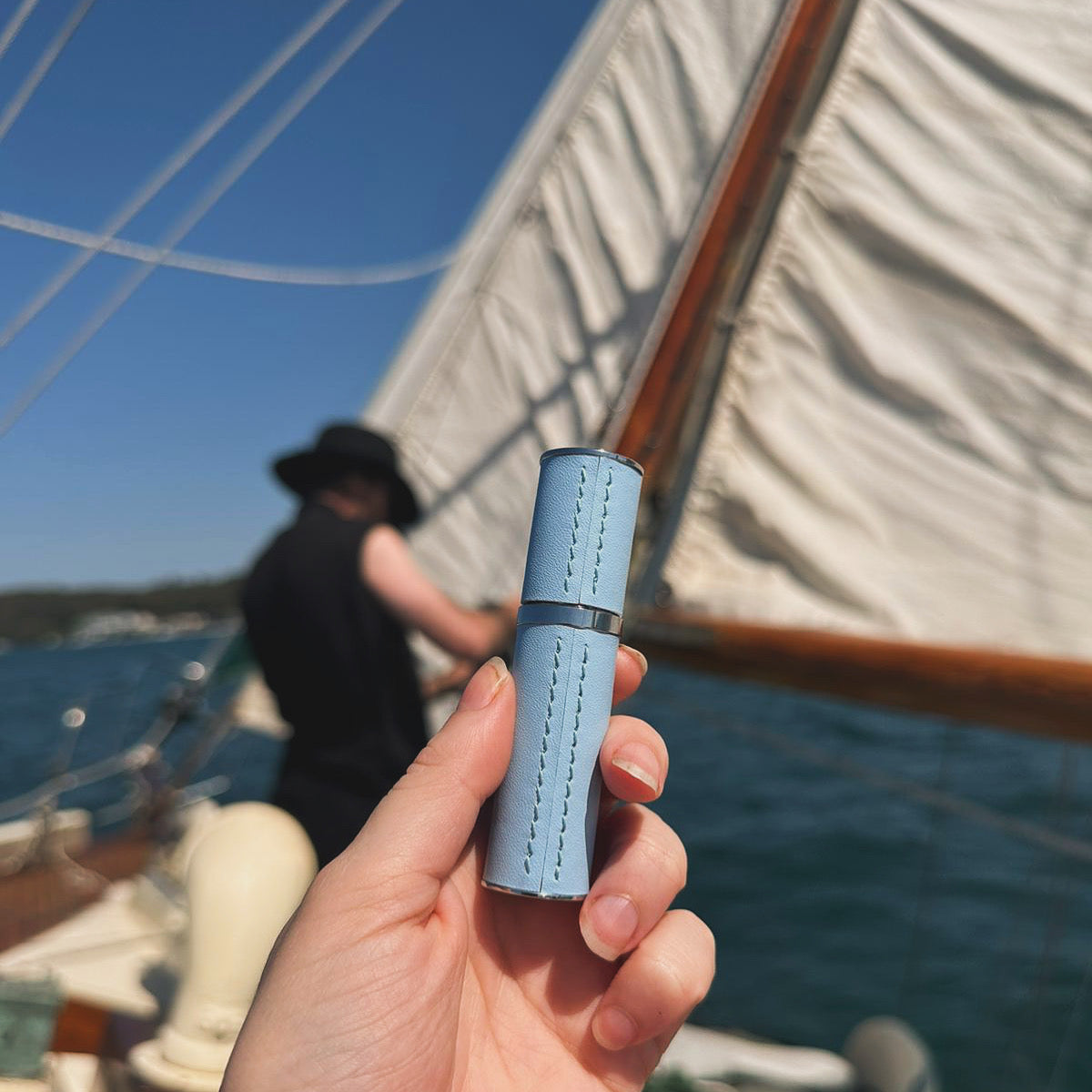
- Travel fragrance atomizer: a small refillable sprayer, like the ones we build at SPRITZ, avoids carrying a full-size bottle that can crack in a gym bag.
- Nail clippers: small enough to live permanently in a side pocket.
- Travel-size mouthwash and lip balm: easy to forget, easy to regret forgetting.
- Salicylic acid wipes: a backup for days a shower isn’t possible.
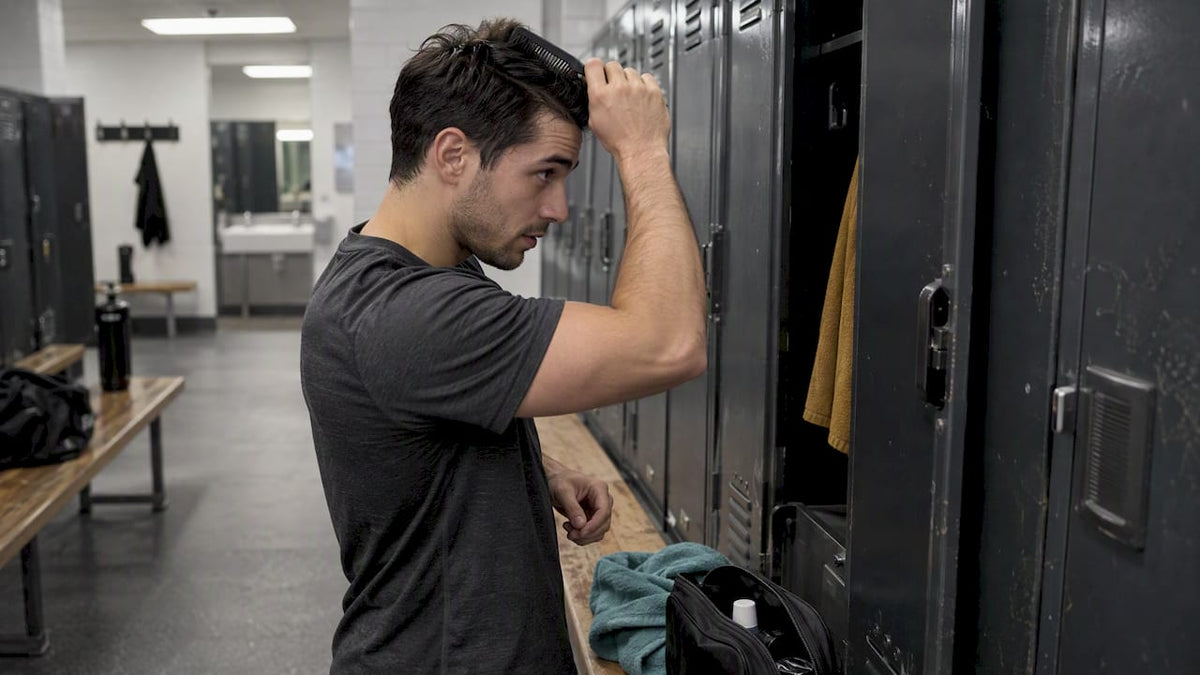
- Compact comb or brush: flat designs slide into a toiletry pouch without adding bulk.
The smartest move is building a duplicate kit that never leaves your bag. Keep a second set of travel-size everything zipped into a labeled pouch, separate from your at-home products, so you’re never caught packing at the last minute. Leak-prevention is simple: use screw-top bottles over flip-caps, and store anything liquid in its own zip pouch so a leak stays contained instead of soaking your clothes.
2. Pack smart: the 5-Zone Pack Method and wet/dry separation
Organizing a gym bag by function beats throwing everything in loose. The 5-Zone Pack Method splits your bag into five sections, each with a job.
- Apparel zone: your workout clothes and the spare top and underwear you’ll change into.
- Performance zone: gloves, straps, or any equipment specific to your training.
- Hygiene zone: towel, deodorant, cleanser, nail clippers, and your fragrance atomizer.
- Fuel zone: water bottle, snacks, or supplements.
- Recovery zone: foam roller, resistance band, or anything post-workout.
Keep wet and dry items physically separated. A dedicated wet bag for sweaty clothes and a used towel stops moisture from reaching your clean gear and slows bacterial growth during the ride home. Once you’re back, pull everything out of the wet bag immediately. Hang the towel to air out rather than leaving it balled up, and aim for a weekly hot wash and full dryer cycle for towels and gym clothes, since heat does more to kill lingering bacteria than air-drying alone.
Pro Tip: Label your gym towel with a marker or tag so it never gets mixed into household laundry, and keep one spare top permanently stashed in the apparel zone for the days you forget to restock.
3. The under-4-minute quick-refresh routine for tight transitions
When you’re going straight from a workout to a meeting or dinner, you don’t need a full shower routine, you need a sequence that works in under four minutes.
- Wipe down with a face or body wipe, focusing on your underarms, neck, and face.
- Apply deodorant while your skin is still slightly damp for better grip.
- Use dry shampoo at the roots if your hair looks flat or oily.
- Change into your spare top and underwear.
- Add a light spray of fragrance from a travel atomizer, applied to pulse points rather than clothing.
A minimalist kit of just four items, a wipe, deodorant, dry shampoo, and a spare top, covers most quick turnarounds and saves real time compared to packing a full toiletry bag. That said, a quick refresh isn’t a substitute for a shower if you’ve trained hard enough to be visibly sweaty or if you’re heading somewhere that calls for a full clean reset.
4. Hygiene and skin-protection rules backed by CDC and dermatology guidance
Gyms are shared spaces, and the habits that protect your skin aren’t optional extras, they’re the difference between a normal workout and a skin infection. The CDC’s guidance for athletes is specific: shower after exercise, never share towels or razors, cover any cuts or scrapes before training, and dry your laundry fully in a dryer rather than air-drying, since heat helps kill lingering bacteria.
Dermatologists add a layer of detail for skin that’s prone to breakouts. The American Academy of Dermatology recommends patting sweat away instead of rubbing it, since friction irritates skin and can worsen acne mechanica. Oil-free, non-comedogenic cleansers keep pores from clogging after a sweaty session, and salicylic acid wipes are a solid stand-in on days you can’t shower right away.
A short checklist covers most of the risk:
- Wear shower shoes on any shared gym floor.
- Wipe down equipment before and after use.
- Change out of sweat-soaked clothing as soon as you reasonably can.
- Cover any open cuts or scrapes before and during your workout.
One habit stands out above the rest: the CDC specifically flags not sharing towels or razors as a primary prevention step against skin infections picked up in shared athletic spaces, alongside showering after exercise.
5. Choosing the right format for each gym grooming product
Not every product works the same way in a gym bag. Picking the right format saves you from leaks, waste, and wasted time.
- Deodorant: stick formats survive heat and movement better than sprays, and they’re easier to reapply precisely. If scent control matters more to you than sweat control, a travel spray antiperspirant works, but expect to reapply more often.
- Face or body wash: a travel liquid in a 2 oz bottle works well if you have sink access; wipes are faster and better for locker rooms without a shower. For acne-prone skin, alternate a gentle oil-free cleanser on shower days with salicylic acid wipes on days you’re pressed for time.
- Towel: microfiber over cotton, every time, for faster drying and a smaller pack size.
- Shower sandals: pick a pair with drainage holes so they dry between uses instead of trapping moisture.
- Fragrance: a refillable atomizer solves the locker-room problem of full-size bottles cracking or taking up space. Refill it from any bottle you already own at home, so you’re never carrying more than you need.
Pro Tip: Keep your toiletry format choices consistent across your gym bag and your travel bag so restocking one restocks both.
6. Hair grooming essentials for gym sessions
Sweat undoes most hairstyling products within the first ten minutes of cardio, so the goal is managing hair through a workout rather than fighting it after. A sweat-resistant styling cream or a light, water-based pomade holds better than gel, which tends to break down and leave hair looking greasy once you start sweating.
For longer hair, a stretchy headband or a few small elastics kept in your hygiene zone prevent mid-set adjustments. A compact, flat comb or a travel-size brush takes up almost no space and makes a real difference during your quick-refresh routine, especially if you’re heading somewhere that calls for a put-together look right after training.
Dry shampoo deserves a permanent spot in your kit. A light dusting at the roots absorbs oil and sweat residue, restoring volume without a full wash, and it’s one of the fastest ways to look reset in under a minute. If you train daily, alternate dry shampoo days with full washes to avoid buildup at the scalp.
For anyone training outdoors, a broad-spectrum SPF 30 or higher sunscreen that’s oil-free and water-resistant protects both skin and hairline, and it’s worth reapplying every two hours or sooner if you’re sweating heavily.
7. Nail care basics after your workout
Gym equipment passes through a lot of hands, and nails collect bacteria and buildup under the free edge faster than most people expect. Keeping nails trimmed short reduces the surface area where dirt and sweat can accumulate, and it lowers your risk of scratching yourself or a training partner during contact sports or heavy lifting.
A small pair of clippers kept permanently in your hygiene zone means you’re never tempted to skip this step. Trim nails straight across, then round the corners slightly to avoid snagging on gloves, wraps, or gym equipment. After training, a quick scrub under the nails with soap and water, or a nail brush if you keep one in your kit, clears out sweat and grip chalk that builds up during lifting sessions.
If you notice redness, swelling, or tenderness around a nail bed after training, that’s worth attention before it worsens, since broken skin near the nail is one of the entry points the CDC flags for skin infections in athletic settings. Covering any cut or hangnail with a bandage before your workout is a simple step that prevents a bigger problem later.
8. Hydration and oral care essentials for your gym bag
A workout dehydrates more than your muscles, it dries out your mouth and lips too, which is why oral care belongs in the same kit as your deodorant and towel. A travel-size mouthwash bottle, something small enough to tuck into a side pocket, handles the post-workout dry mouth and odor that a water bottle alone won’t fix.
Lip balm is easy to forget and easy to miss once you do. Breathing harder during cardio dries out lips fast, and a balm with SPF doubles as sun protection if you train outdoors. Keep one in your hygiene zone rather than loose in a bag pocket, since loose balm tends to get lost or melted.
Water intake matters just as much as what you pack. Bringing a reusable bottle and refilling it through your session keeps you hydrated enough that your skin and mouth don’t feel the effects of a hard workout for hours afterward. A few sips before you even start, rather than waiting until you’re thirsty mid-set, makes the biggest difference.
9. Fabric choices and clothing care that keep you fresher longer
What you wear affects how much grooming work you need to do afterward. Moisture-wicking synthetic fabrics pull sweat away from skin and dry faster than cotton, which cuts down on the “greenhouse effect” that traps heat and moisture against skin and contributes to breakouts and odor. Cotton feels soft but holds onto sweat, which means more bacterial growth and a longer dry time once it’s off your body.
Changing out of sweat-soaked clothing as soon as reasonably possible is one of the simplest ways to prevent both skin irritation and the kind of lingering odor that survives a normal wash. A quick change on its own, even before a shower, breaks that cycle.
Washing routine matters as much as fabric choice. A hot wash followed by a full dryer cycle does more to eliminate bacteria and odor-causing residue in gym clothes and towels than a cold wash or air-drying, since heat is what actually breaks down what’s left behind on the fabric. If you’re building a gym wardrobe from scratch, it’s worth looking at how moisture-wicking fabric actually performs before assuming “breathable” on a label means it handles sweat the way you’d expect.

10. Exercise-specific grooming: foot odor and chafing prevention
Different workouts create different grooming problems, and foot odor and chafing are the two most common complaints that have nothing to do with how hard you trained and everything to do with prevention steps most people skip.
Foot odor builds from sweat trapped in shoes and socks over hours, not minutes, so moisture-wicking socks and letting shoes fully air out between sessions make a bigger difference than any spray applied after the fact. Shower shoes in any shared locker room or shower area protect against more than odor, they’re a basic barrier against the kind of fungal and bacterial exposure that comes with bare feet on wet, shared floors.

Chafing shows up wherever skin rubs against skin or fabric repeatedly, typically inner thighs, underarms, and under sports bra bands. A thin layer of anti-chafe balm or body glide applied before a long run or heavy lifting session prevents the friction before it starts, which is far easier than treating irritated skin afterward. Looser-fitting shorts or moisture-wicking compression gear both reduce chafing risk, depending on which fits your training style better.
Short habits that made my gym bag reliable
The single habit that changed my gym bag from chaos to reliable was the duplicate-kit rule: a second, dedicated set of travel toiletries that never comes home, never gets borrowed, and never runs out because I restock it the same day I notice it’s low. On rushed mornings, that’s the difference between showing up prepared and scrambling for a stick of deodorant that isn’t there.
The other shift was smaller but just as useful. Swapping a bulky cologne bottle for a compact refillable atomizer meant I stopped skipping fragrance altogether on gym days, since I wasn’t worried about it leaking or taking up space I needed for a towel.
— Ash
A refillable atomizer built for your gym bag
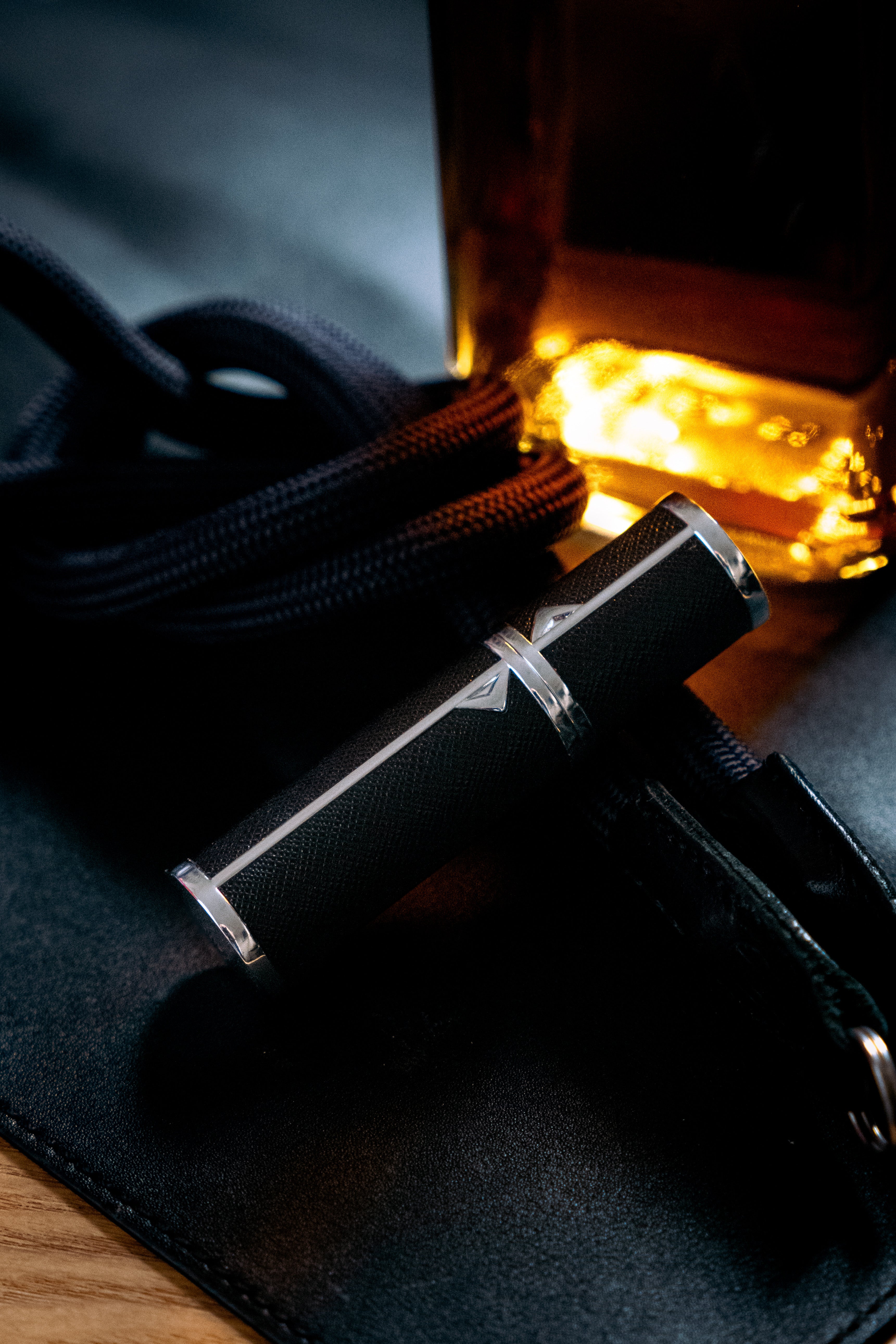
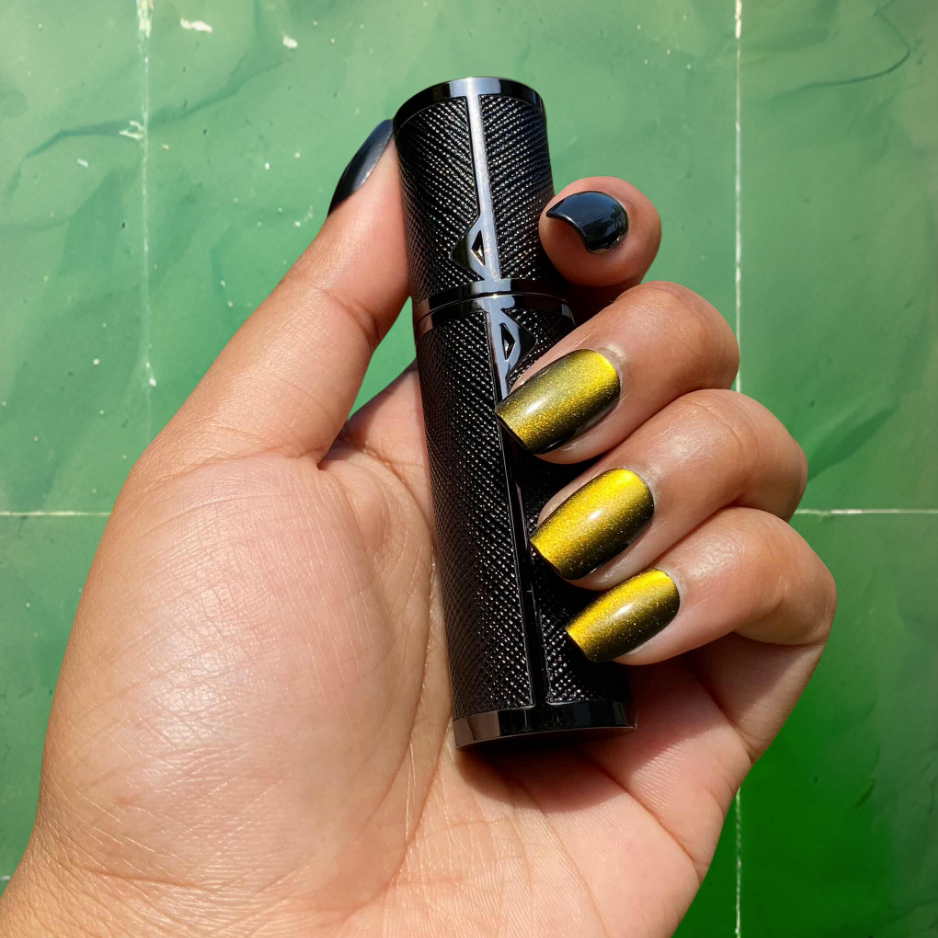
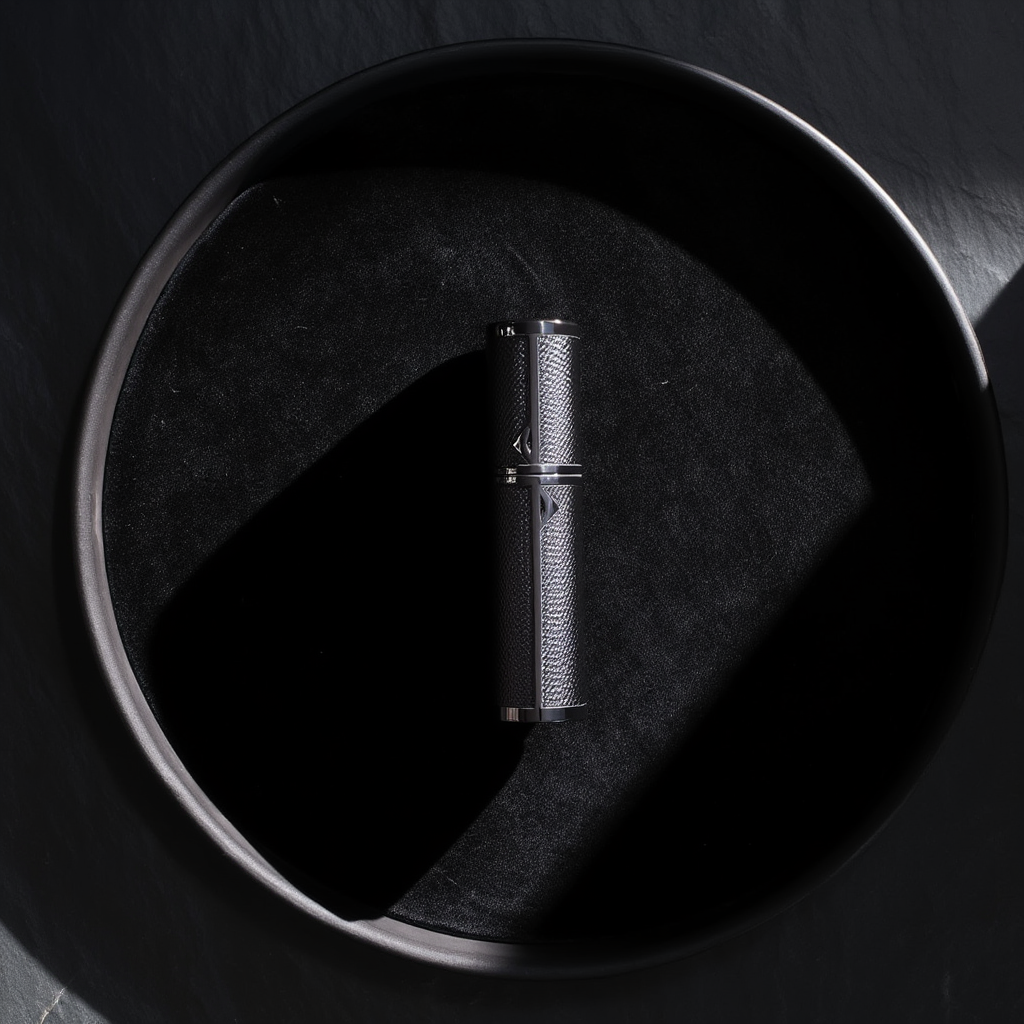
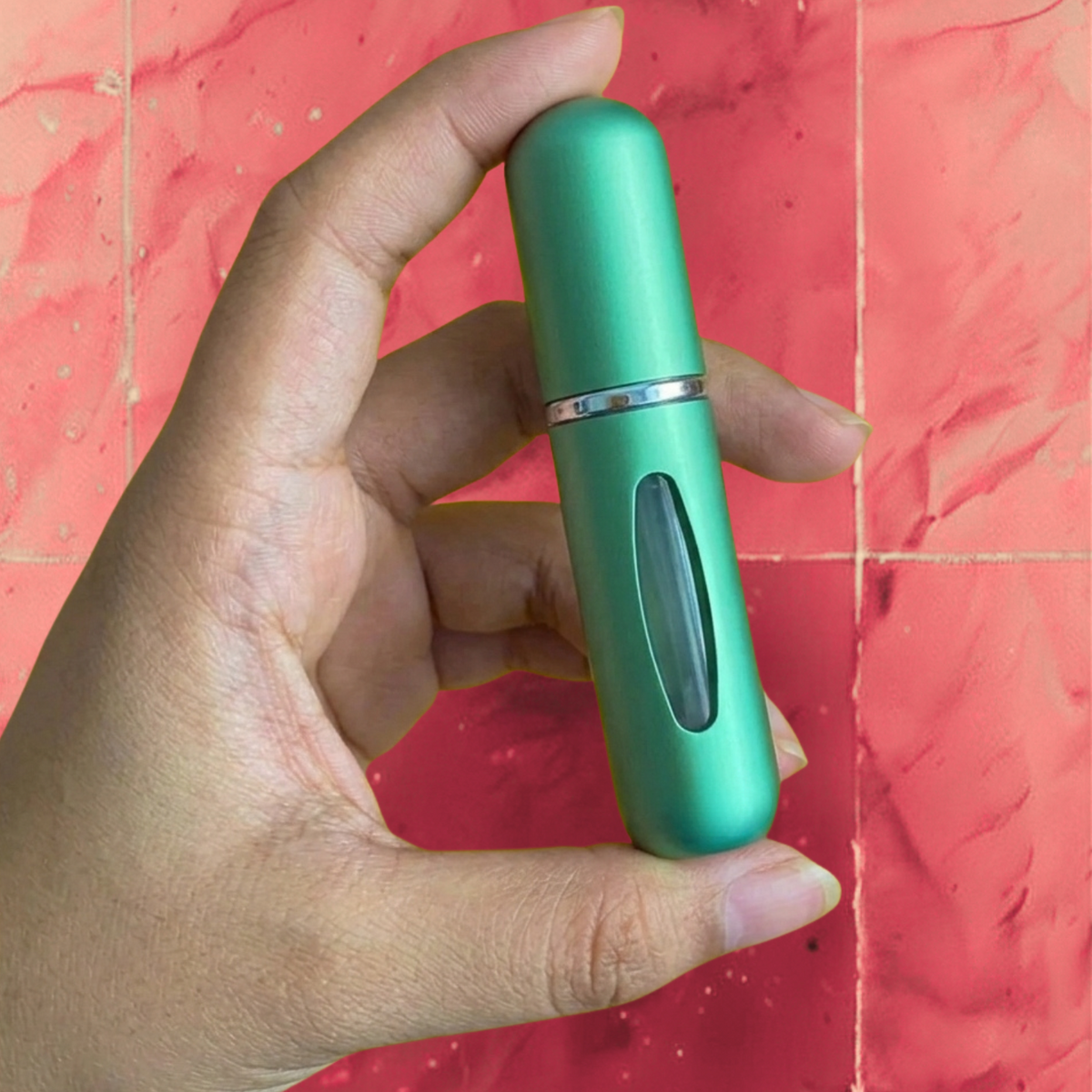
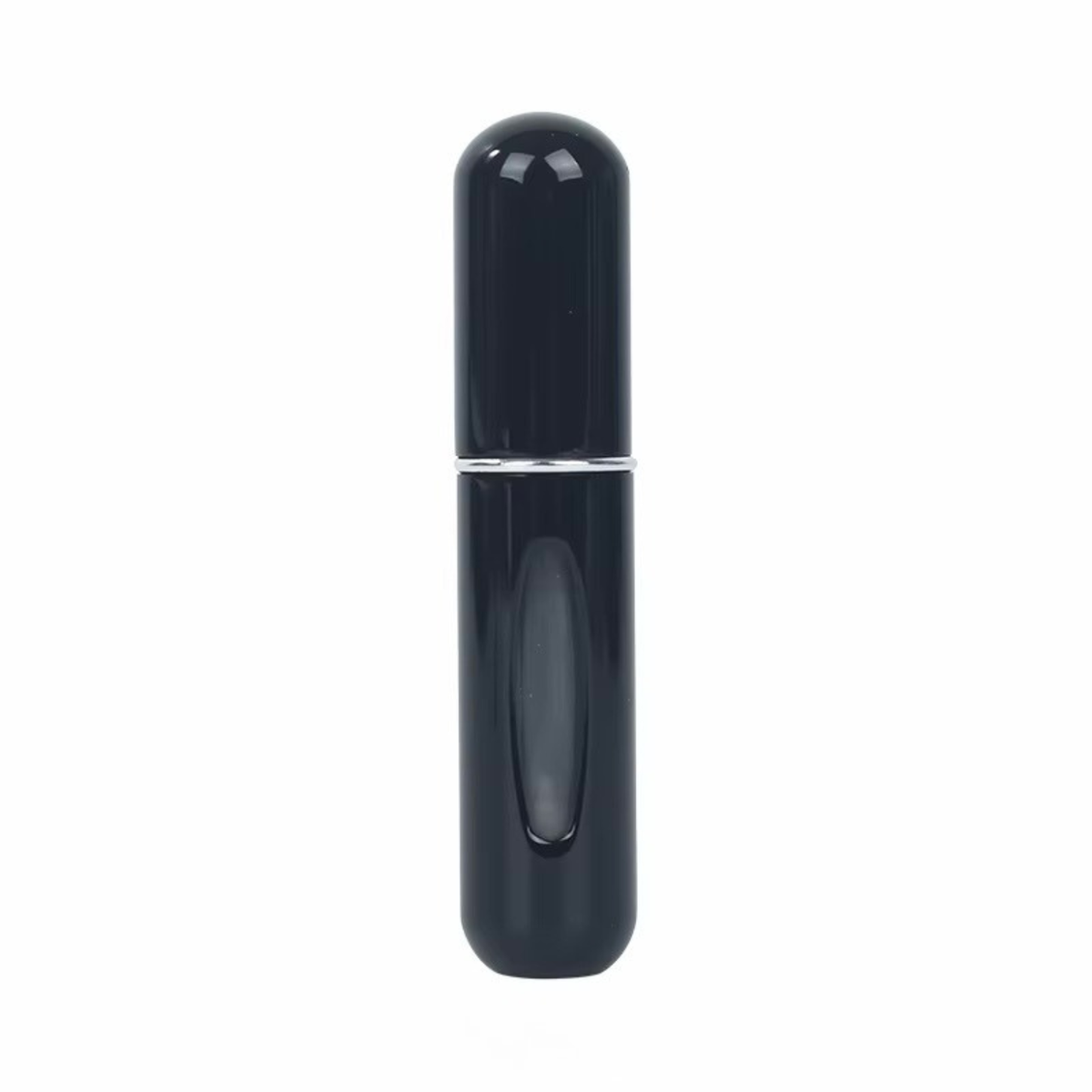
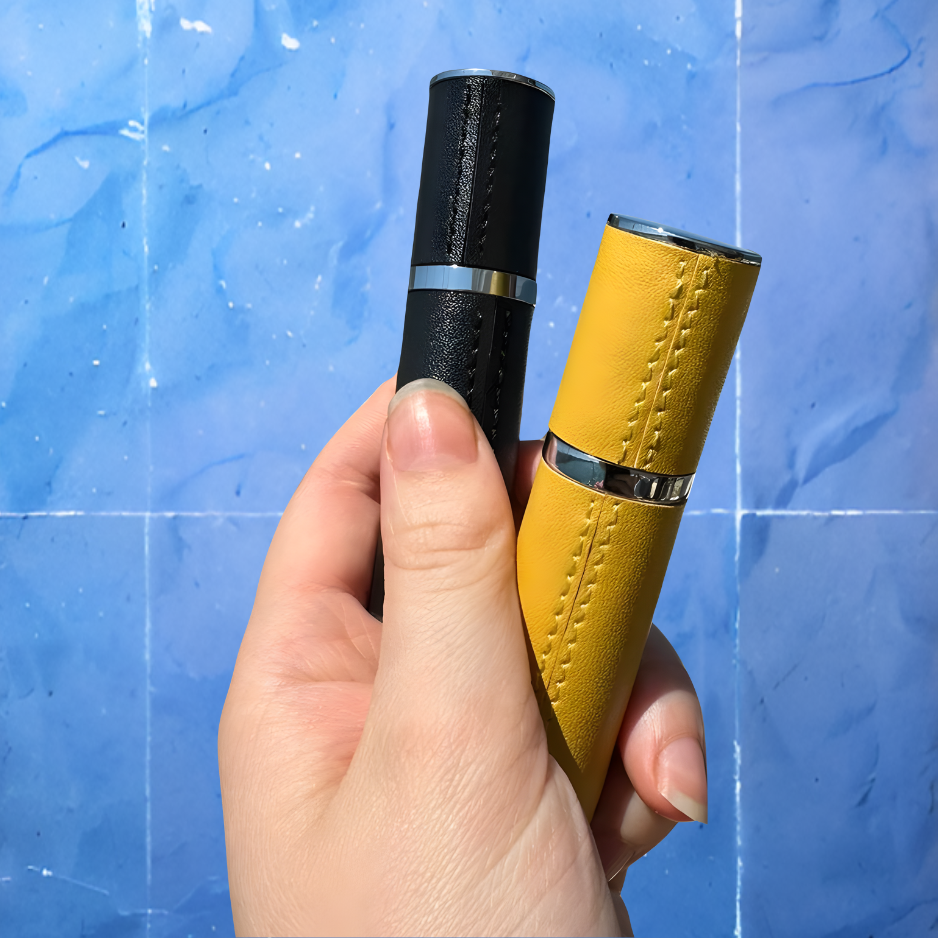
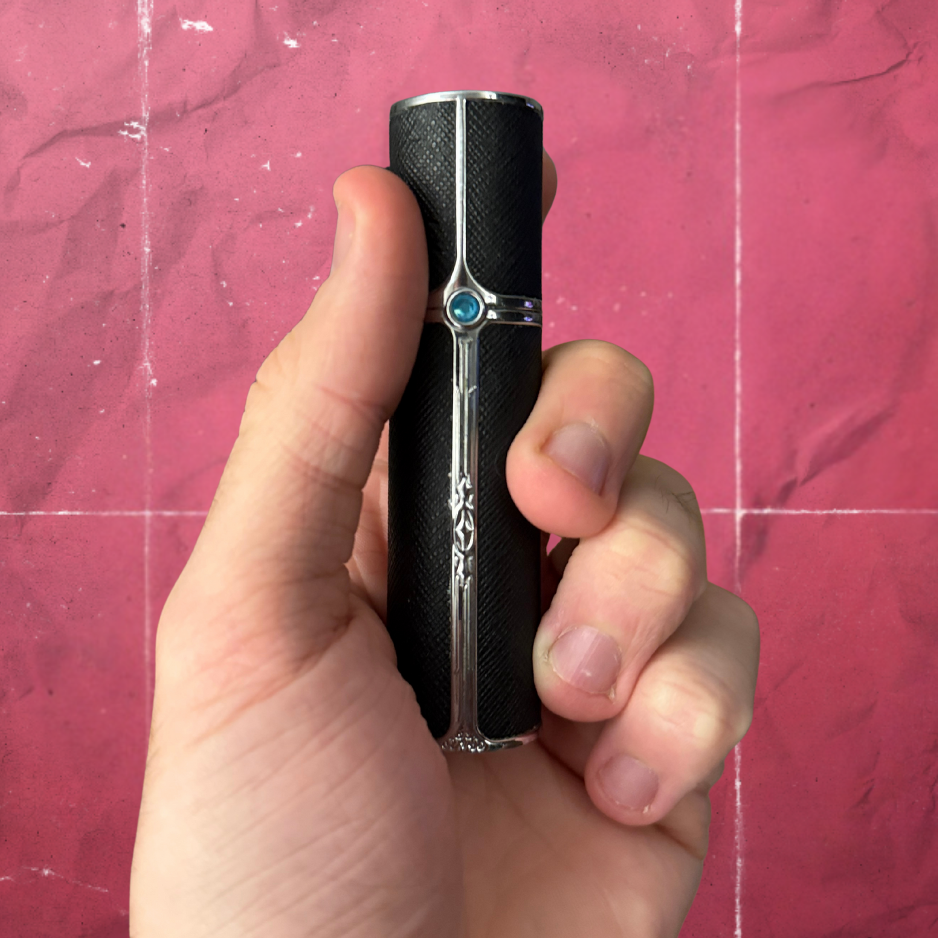
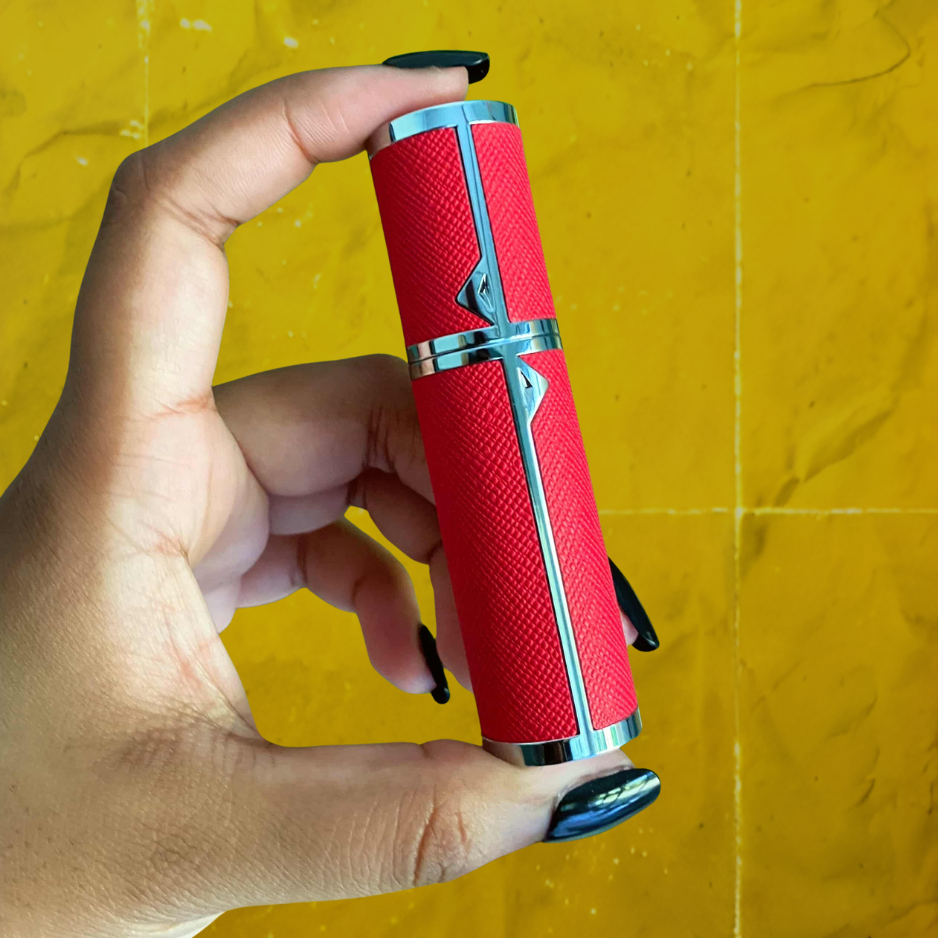
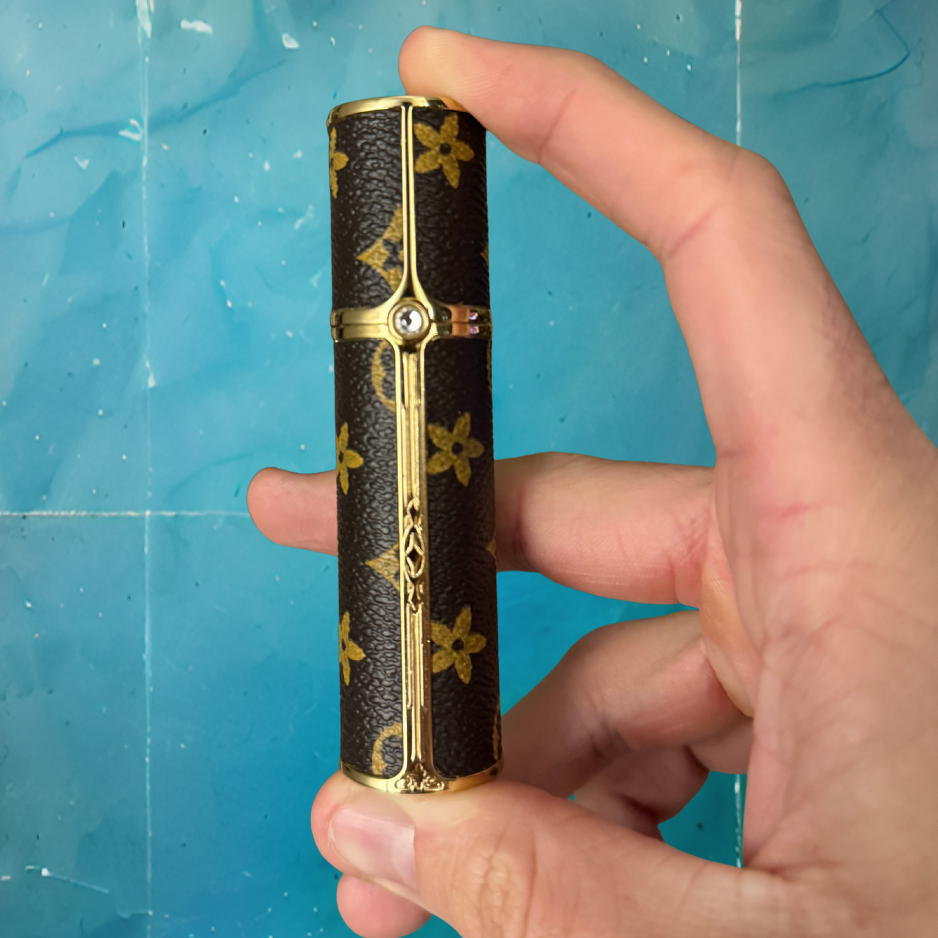
Carrying a full-size fragrance bottle in a gym bag is a leak risk you don’t need. A refillable atomizer works with any bottle you already own helps you get the scent without the bulk or the breakage.

- Refillable from any standard perfume bottle, so you’re never buying a separate travel size.
- Leak-resistant design made for a gym bag that also holds a wet towel and sweaty clothes.
- Compact enough to fit in a locker pocket or hygiene zone pouch without adding bulk.
If you’re putting together a full gym kit, our Gym Set Pro bundle pairs a travel atomizer with curated gym essentials in one order. For a quick post-workout spray without the weight, apply lightly to pulse points right after your quick-refresh routine.
FAQ
What is the 3-3-3 rule at the gym?
The 3-3-3 rule isn’t a formal hygiene or medical guideline, and definitions of it vary depending on where you encounter it, often applied to workout structure rather than grooming. For gym hygiene specifically, the more reliable framework is the 5-Zone Pack Method, which organizes your bag by function rather than a numbered rule.
What are some essential items for grooming?
The core kit includes a microfiber towel, stick deodorant, a face or body cleanser, shower sandals, a spare top and underwear, and a compact fragrance atomizer. Rounding that out with nail clippers, travel mouthwash, and lip balm covers nearly every post-workout need.
What are the top gym accessories to pack?
Beyond workout gear, the accessories that matter most are a wet bag for sweaty clothes, shower sandals, a labeled toiletry pouch, and a small comb or brush. A refillable fragrance atomizer rounds out the list for anyone transitioning straight from the gym to work or plans.
What is the 70/30 rule in gym?
Like the 3-3-3 rule, some numeric rules are used to describe training or nutrition splits rather than grooming or hygiene practices. For hygiene specifically, following CDC guidance on showering, covering wounds, and not sharing personal items matters most.
How often should I wash my gym towel?
A weekly hot wash and full dryer cycle is generally enough if you’re airing the towel out between uses and not leaving it balled up wet. Heat from the dryer does more to reduce lingering bacteria than air-drying alone, based on CDC recommendations for drying athletic laundry.
Sources
- Athletes: MRSA prevention and control | CDC
- Is your workout causing your acne? | AAD
- Gym bag essentials packing guide





Share and get 15% off!
Simply share this product on one of the following social networks and you will unlock 15% off!