
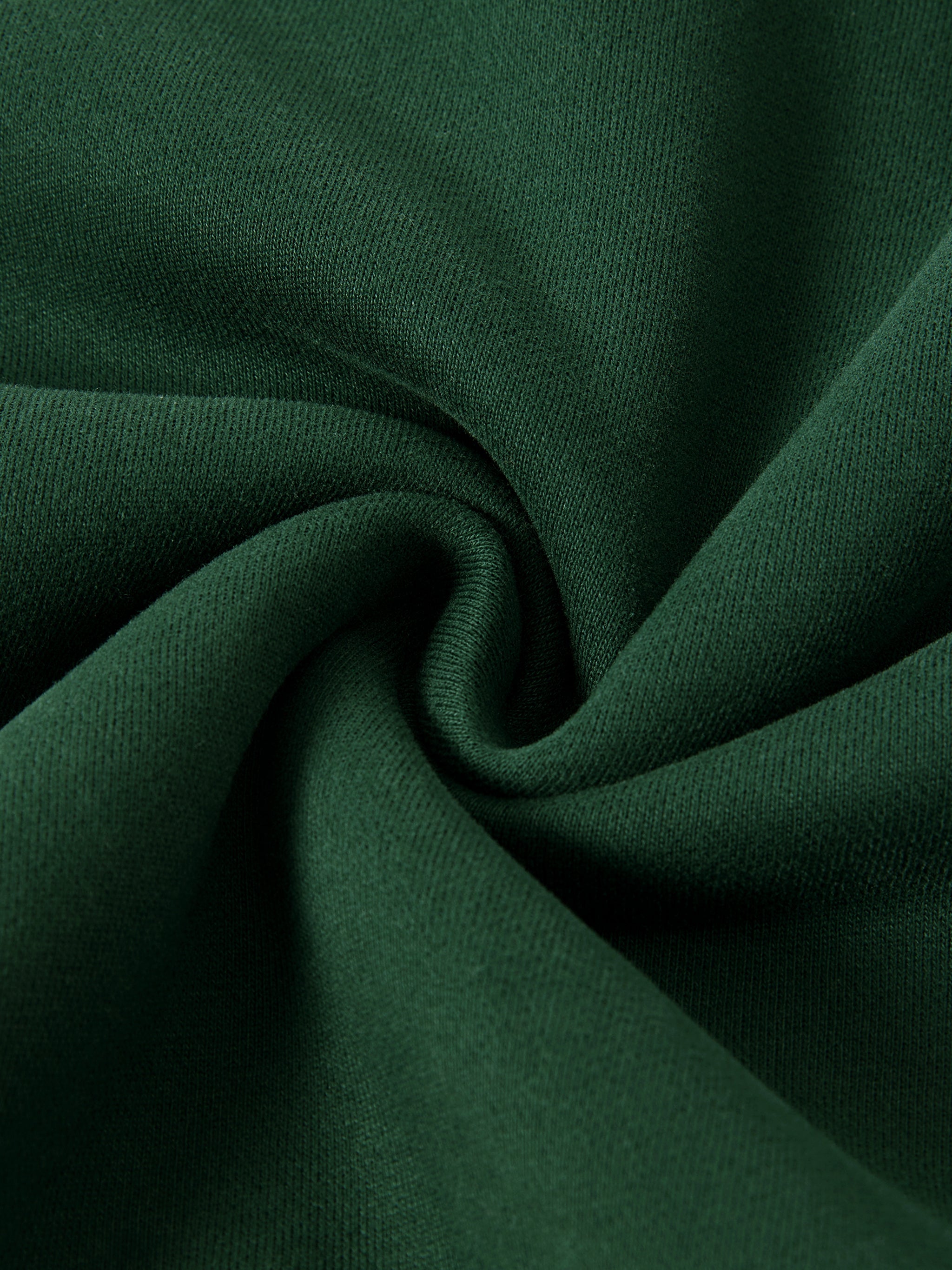
What Is GSM in Fabric? Why It Matters More Than the Brand Name
If you've ever bought a t-shirt that went thin and shapeless after three washes, GSM is why. Here's what it means, how to use it, and why most brands don't tell you about it.
What GSM actually means
GSM stands for grams per square metre. It's the measurement of how much a fabric weighs per unit of area — and it's one of the most reliable indicators of garment quality you can access before buying.
A low GSM fabric is lightweight and thin. A high GSM fabric is dense, heavier, and structured. Everything else being equal, higher GSM means the garment holds its shape longer, feels more substantial, and survives more washes without degrading.
GSM ranges and what they actually feel like
| GSM range | What it means | Common in |
|---|---|---|
| 120–160gsm | Very lightweight, thin to the touch. Often see-through on lighter colours. Loses shape quickly. | Cheap fast fashion basics, summer promotional tees |
| 160–200gsm | Mid-weight. Acceptable quality but rarely impressive. Fine for one season. | Most high street basics, standard brand t-shirts |
| 200–250gsm | Substantial feel, holds shape through washes, won't go transparent. Where quality basics live. | Better streetwear, premium basics brands |
| 250–300gsm+ | Heavyweight. Real presence. Drapes well, doesn't cling, keeps its structure indefinitely. | Premium streetwear, workwear, quality gym wear |
The rule of thumb for basics: 220gsm minimum for t-shirts you want to keep. 300gsm+ for hoodies and crewnecks. Anything lighter than 200gsm is a short-term garment.
Why most brands don't tell you the GSM
Here's the uncomfortable truth: if a brand doesn't list the GSM of their fabric, it's usually because the number isn't flattering.
A brand charging $90 for a t-shirt made from 160gsm fabric would rather you evaluate it on brand equity than fabric weight. GSM transparency makes it immediately easy to compare value across brands — which is exactly why most fashion companies leave it out or bury it in a spec sheet you have to specifically request.
The brands that list GSM upfront and prominently are typically the ones confident enough in the number that it becomes a selling point rather than a liability. Take note of which is which.
GSM and what else to look for
GSM tells you about fabric weight, but it's not the only quality indicator:
Pre-shrunk
Heavy fabric that hasn't been pre-shrunk will still shrink on first wash. A 250gsm tee bought to fit precisely will come out of the first wash a size smaller if it hasn't been treated. Look for garments that explicitly state pre-shrunk or pre-washed. If it's not stated, assume it isn't.
Colourfast dye
Cheaper dyes fade. A good-quality basic should hold its colour through repeated washing without bleeding or progressively going grey-ish. Colourfast dye is part of any properly made basic. It's not a premium feature — it's a basic quality standard.
Mill quality
Not all cotton at the same GSM is equal. First-tier textile mills use longer staple cotton fibres, tighter weaves, and more consistent quality control than budget manufacturers. Two garments at 240gsm can feel very different depending on the mill. The feel difference between first-tier and mid-tier cotton is immediately obvious in hand — one has a smooth, clean drape; the other has a slightly rough or uneven texture.
End-to-end manufacturing
When cutting, sewing, and quality checks happen in the same facility under consistent oversight, the result is more reliable than a garment assembled across multiple factories. Inconsistencies in sizing, stitching, and finish come from fragmented manufacturing. End-to-end production is the standard worth looking for.
GSM for different garment types
| Garment type | Minimum GSM (quality) | Ideal GSM |
|---|---|---|
| T-shirt (standard) | 200gsm | 220–260gsm |
| T-shirt (heavyweight) | 240gsm | 270–300gsm |
| Crewneck sweatshirt | 300gsm | 340–400gsm |
| Hoodie | 320gsm | 380–450gsm |
| Sweatpants | 280gsm | 320–380gsm |
How to use this when buying
Before buying any basic, check if the brand lists the GSM. If they do, that's already a positive sign — they're confident enough in the number to advertise it. If not, ask the brand directly. If they can't or won't answer, that tells you something important.
The No BS Basic Tee, Boxy Crewneck, and Heavyweight Hoodie list fabric specs for every piece — GSM-verified on every batch, sourced from first-tier textile mills, pre-shrunk and colourfast. Because the only thing you should be paying for is the garment.
Related reading: Why Are Basic T-Shirts So Expensive? · Premium Basics vs Fast Fashion · How to Build a Capsule Wardrobe





Share and get 15% off!
Simply share this product on one of the following social networks and you will unlock 15% off!