
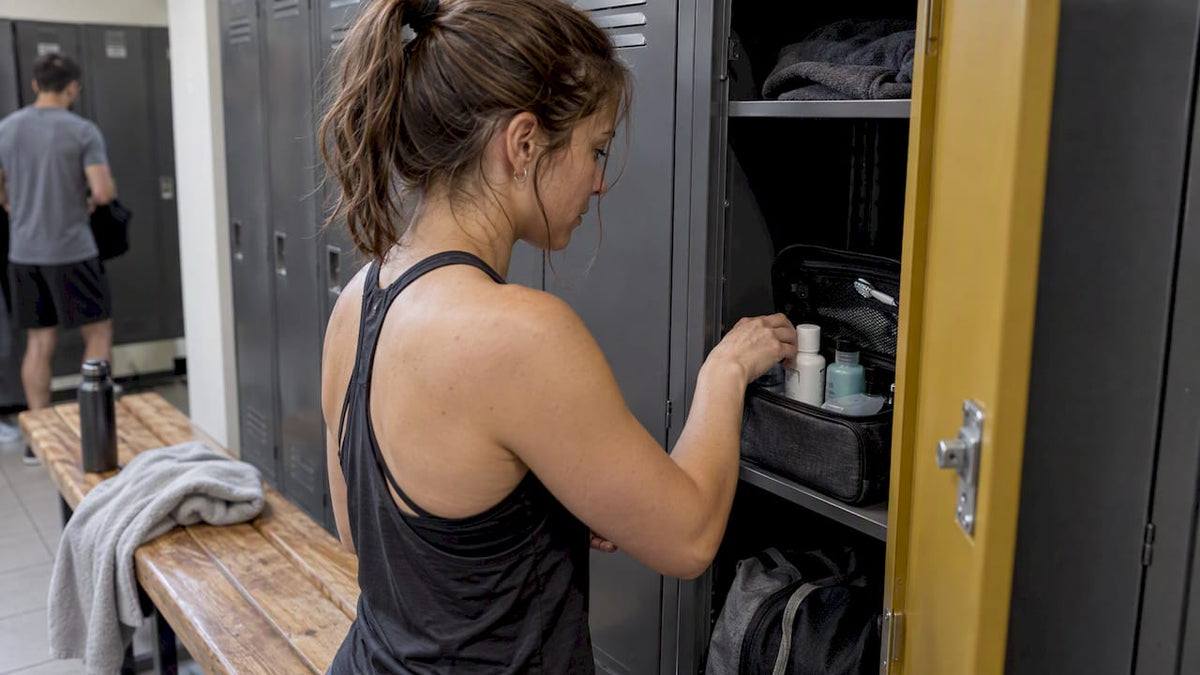
The best way to store toiletries in a locker is a single organizer that fits the locker’s real dimensions, holds bottles upright, closes against leaks and can dry out between uses. Add a short list of what actually lives in it, and a locker that used to be a pile of loose bottles becomes a kit you can grab in ten seconds.
This guide covers how to measure and choose, how to pack by frequency of use, how to prevent leaks and mildew, what to check before you leave anything overnight, and how to make the same kit work for flights.
TL;DR
- Measure the locker first, then pick an organizer by its usable compartment size, not only its outer dimensions.
- Keep daily items at the front and easy to reach; send backups and occasional items home.
- Match the material to the problem: mesh for drying, a rigid or zip-closed bag for leak control. Open mesh is never waterproof.
- Check your gym’s overnight locker policy before leaving toiletries behind.
- Build the kit in travel sizes (3.4 oz or less) and it moves from locker to carry-on without repacking.
Table of Contents
- Start with the locker, not the organizer
- What belongs in a locker kit
- Choosing the container: mesh, soft pouch or rigid caddy
- Pack by frequency, not by category alone
- Keeping leaks, mold and odors out
- Before you leave anything overnight
- No locker space at home either?
- Perspective: build one kit, not two
- Make the locker kit flight-ready
- Gear that fits this system
- A simple setup you can copy tonight
- FAQ
- Sources
Start with the locker, not the organizer
Most people buy a bag, then discover it does not fit. Reverse the order. Measure the locker’s width, depth and height, and note whether there is a hook, a rail or a shelf. Then compare those numbers with product dimensions. Nordic Design Blog’s caddy guide recommends measuring the locker, checking usable compartment dimensions rather than only external size, and confirming that your bottles’ height and width fit.
The hanging question decides the format:
- A safe hook or rail exists: a hanging caddy saves floor and shelf space by using vertical room. It needs a compatible hook, rail, shower-door edge or partition.
- Nothing to hang from: choose a tote with a stable base that sits flat on a bench or shelf.
The same guide suggests organizing around real routines rather than buying containers first. Hey Small Space recommends giving each group of items a destination and testing whether you can find and return each one without moving something else. In a locker, that test is simple: open the door, reach for your deodorant without lifting anything, and put it back.
What belongs in a locker kit
A locker is not a bathroom cabinet. Space is tight, the air is humid and you may be changing in a hurry. Audit what you really use after a workout or before work, and keep only that.
A workable core kit:
- Body wash or soap, and shampoo if you wash your hair there
- Deodorant
- Face wash or wipes, and moisturizer or sunscreen
- Toothbrush and a small toothpaste
- Comb or brush, hair ties
- Razor in its own pocket if you shave
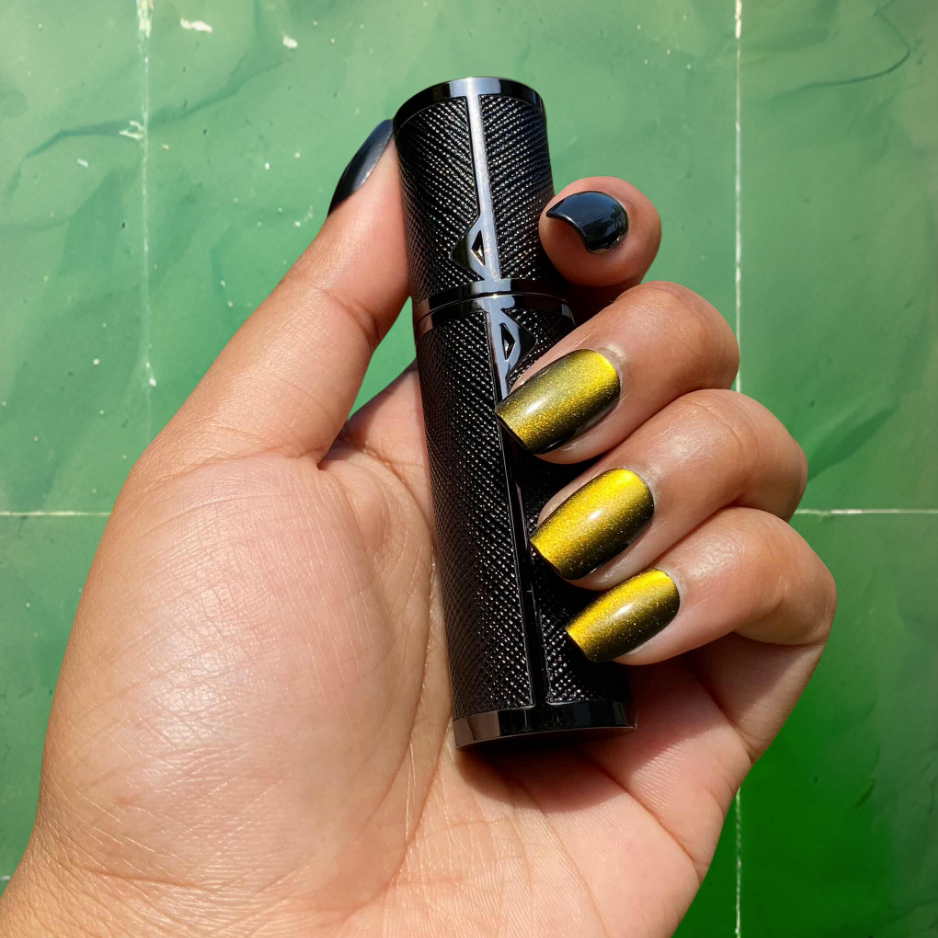
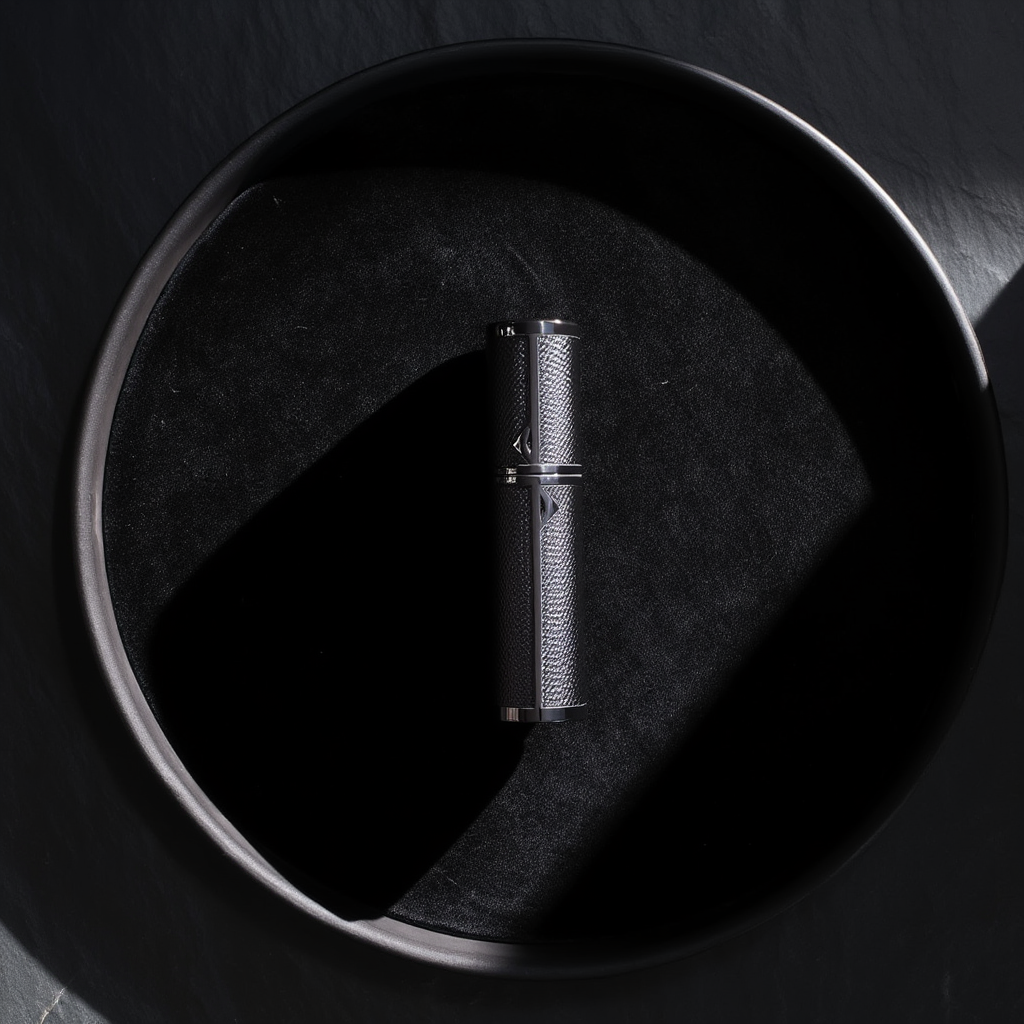
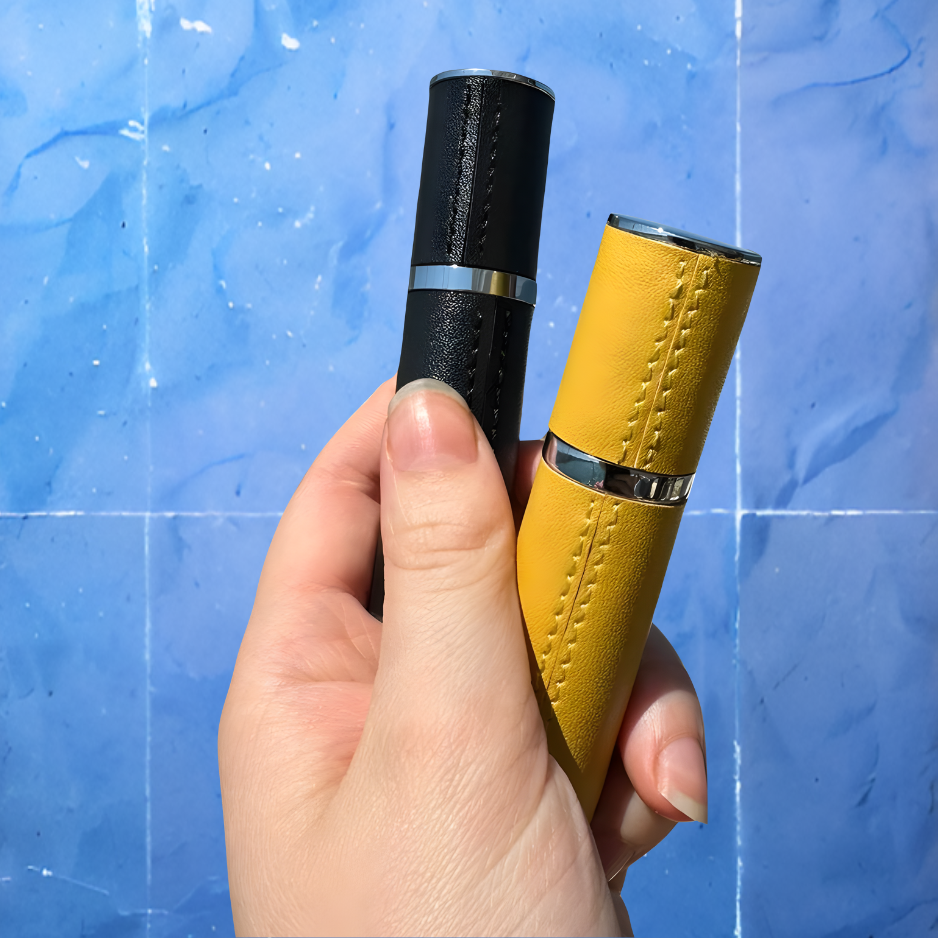
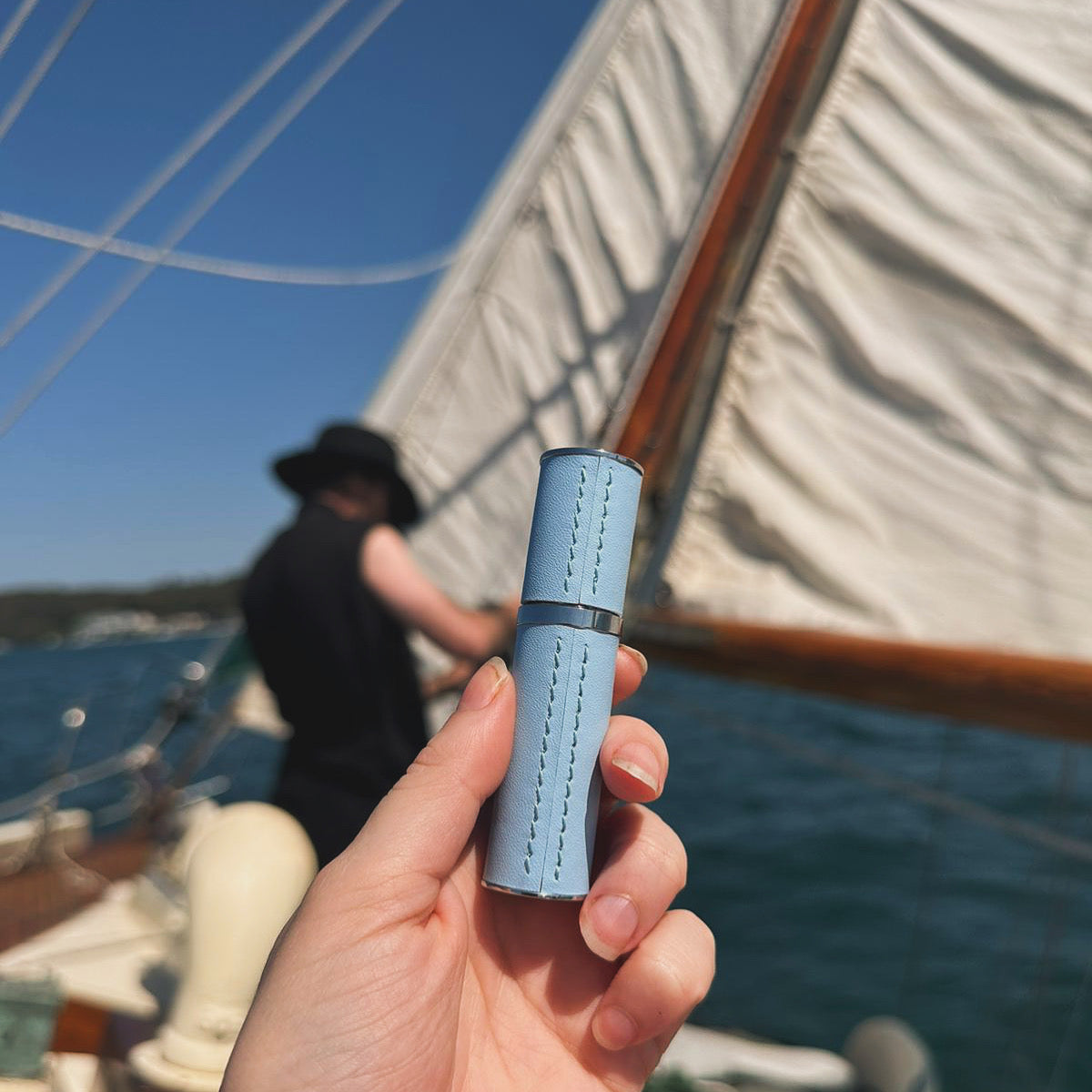
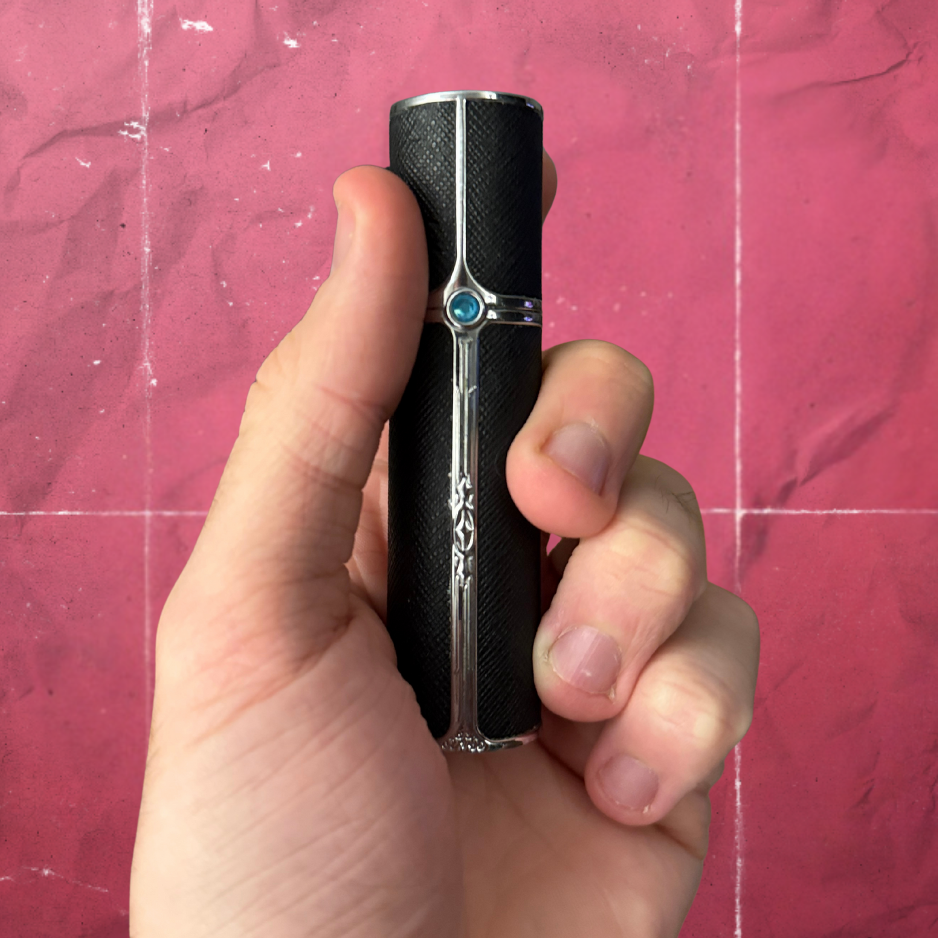
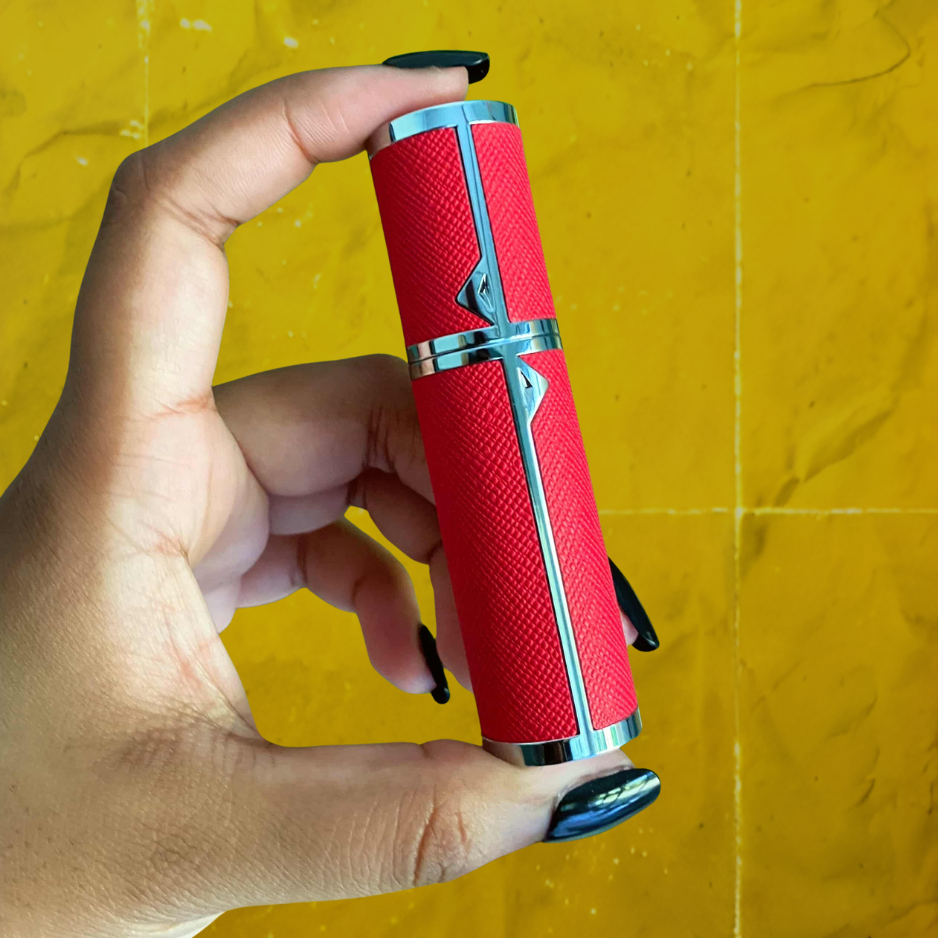
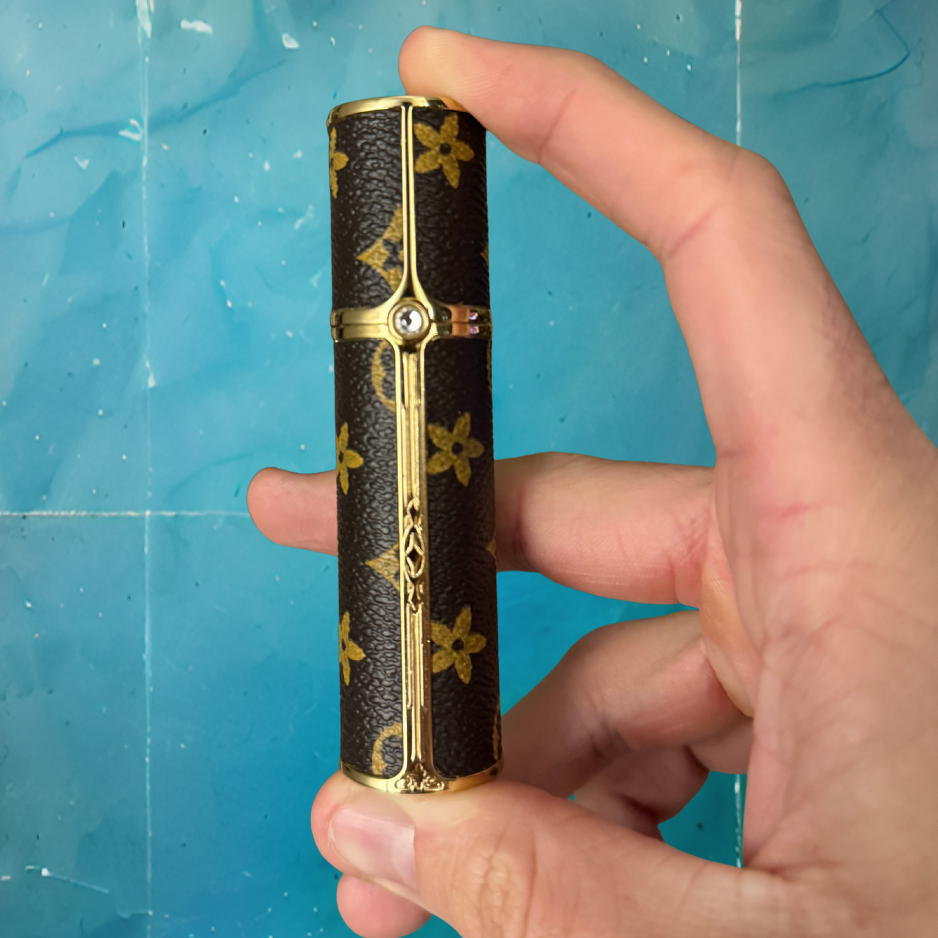
- A small fragrance in an atomizer
- Sandals and a towel, stored separately from the kit
The Livingetc expert guide (January 2023) recommends auditing first, then grouping similar products. Its organizers also stress that access should follow frequency of use, so everyday products sit in the most reachable position while backstock goes elsewhere. In a locker, “elsewhere” means home.
If you carry a duplicate set permanently in your gym bag, you avoid packing and unpacking household supplies every day, a habit GearOrbit’s gym guide recommends.
Choosing the container: mesh, soft pouch or rigid caddy
There is no single best type. The right one depends on what goes wrong most often in your locker.
| Type | Best for | Watch out for |
|---|---|---|
| Mesh caddy | Shared showers, quick drying, mildew resistance | Not waterproof; bottles can tip without pockets |
| Zip-closed pouch or trifold bag | Leak containment, pockets for small items, travel | Must be aired out so damp interiors do not sour |
| Rigid plastic caddy | Impact protection, easy rinsing | Bulky; must be dried fully |
| Clear plastic bins | Sorting products on a locker shelf | No hanging option; stays put, not portable |
Swimmer Living puts the choice plainly: pick breathable mesh when drying and mildew resistance matter most, or a rigid enclosed caddy when leak containment and impact protection matter more.
On materials, Bob Vila’s tested guide notes that quick-drying polyester or mesh is washable and will not rust, while hard plastic is easy to rinse and does not absorb odors but must be dried thoroughly to avoid grime and mold. The same guide offers a capacity rule of thumb: a caddy should hold at least two or three large bottles plus six or seven smaller items.
A quick checklist before you buy
- External and usable compartment dimensions
- Whether your tallest bottle fits upright
- Hanging method or base stability
- Privacy, so contents are not on display in a shared room
- Drainage or water resistance
- Closures such as zippers and elastic loops
- Padding for glass bottles, including fragrance
- Care instructions, since a kit you cannot wash will not stay fresh
That list follows the criteria in the Nordic Design Blog guide and fits locker use well.
Pack by frequency, not by category alone
Category grouping makes things easy to find. Frequency makes them easy to reach. Combine both.
- Front or top pockets: what you touch every visit, such as deodorant, face wash, comb.
- Deep center or main well: liquids, standing upright.
- Side pocket: razor and toothbrush, kept apart from bottles.
- Separate wet compartment or bag: damp towel or washcloth, never inside the main kit.
- Home: refills, spares and anything you use once a week.
If you prefer to sort loose items by type, use clear plastic or acrylic containers. Livingetc’s experts like them because they are easy to wash and the contents stay visible. They also say to keep fluid, water-based products away from makeup, since a spill can ruin the things around it.
For frequent trips to the locker, Lifehacker’s gym-before-work roundup points to packing cubes, netting sacks or zippered pouches by category, plus small refillable bottles for toiletries. That last idea saves the most space, and it is where decanting works in your favor. If hair products are part of your routine, travel-size hair products are worth considering for the same reason: smaller bottles fit pockets and leave room for everything else.
Keeping leaks, mold and odors out
A locker is warm, closed and often damp. Three habits keep it livable.
Stop leaks before they start
Tighten caps, lock pump bottles where a lock exists, and put leak-prone products in a sealed reusable bag. The Nordic Design Blog guide is blunt that open mesh should not be treated as waterproof. Store liquids upright, using elastic loops or internal pockets; GearOrbit recommends a waterproof kit with those features, plus a hanging loop or hook so the kit need not sit on a wet floor.
Let it dry
After use, leave the kit open to air before you close the locker door. Rinse mesh or plastic caddies regularly and let them dry completely, since trapped moisture is what turns a clean kit into a smelly one. Hard plastic and mesh both need this, as Bob Vila’s guide points out.

Keep it personal
The CDC’s guidance on ringworm prevention advises wearing shoes or sandals in locker rooms and public showers, and not sharing clothing, towels or other personal items. For athletes, it also advises showering after exercise and cleaning gear. A kit that is only yours, stored away from other people’s gear, fits that advice naturally. If skin problems appear, such as a persistent itchy, scaly rash, see a doctor or pharmacist rather than guessing.
Before you leave anything overnight
Not every locker is yours to keep. Lifehacker reports that some US gyms permit long-term locker storage for a fee, while others require lockers to be emptied overnight. Ask the front desk before you stock a locker, and ask what happens to items left behind. Also avoid leaving anything heat-sensitive, such as fragrance, in a locker that gets warm, and take valuables with you.
No locker space at home either?
Some readers search this because the problem is at home: no bathroom storage for the spillover. Real Simple’s roundup suggests keeping daily-use toiletries on narrow wall shelves, in a shallow cabinet, on a rolling shelf or in under-sink bins, with backups in a nearby linen closet. Over-the-door baskets can hold items inside an open vanity. The principle matches the locker: only the daily items stay within reach.
Perspective: build one kit, not two
We see the same pattern again and again. People pack a locker bag for the gym, a separate bag for flights, and end up with duplicates of everything and a bathroom counter that is still full. Our view is that one compact, leak-resistant kit does both jobs.
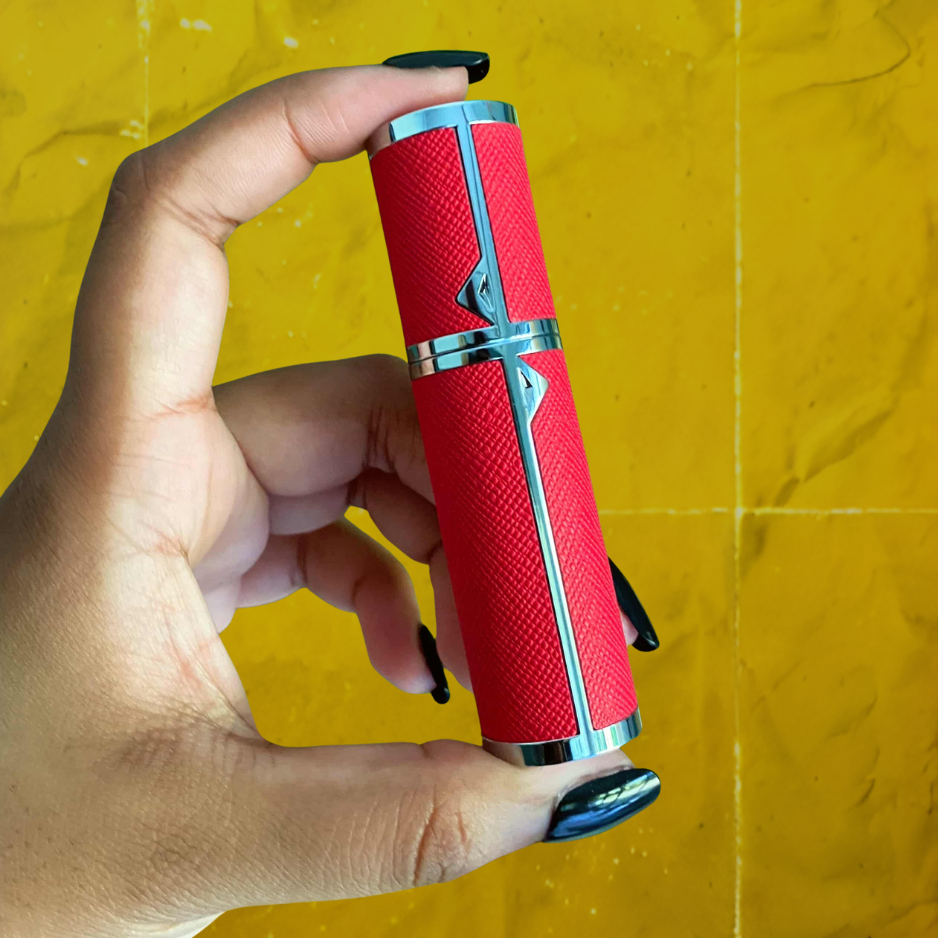
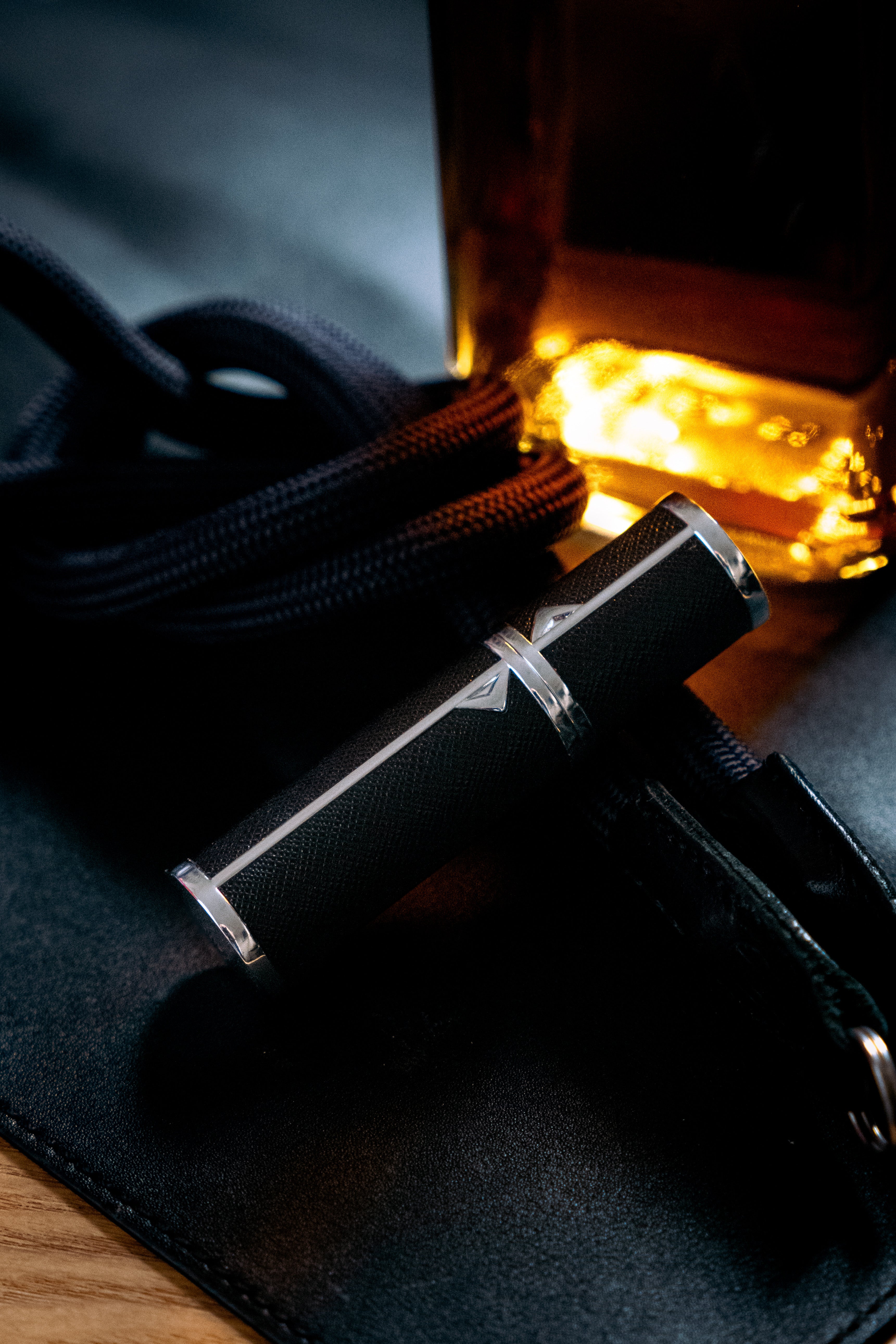
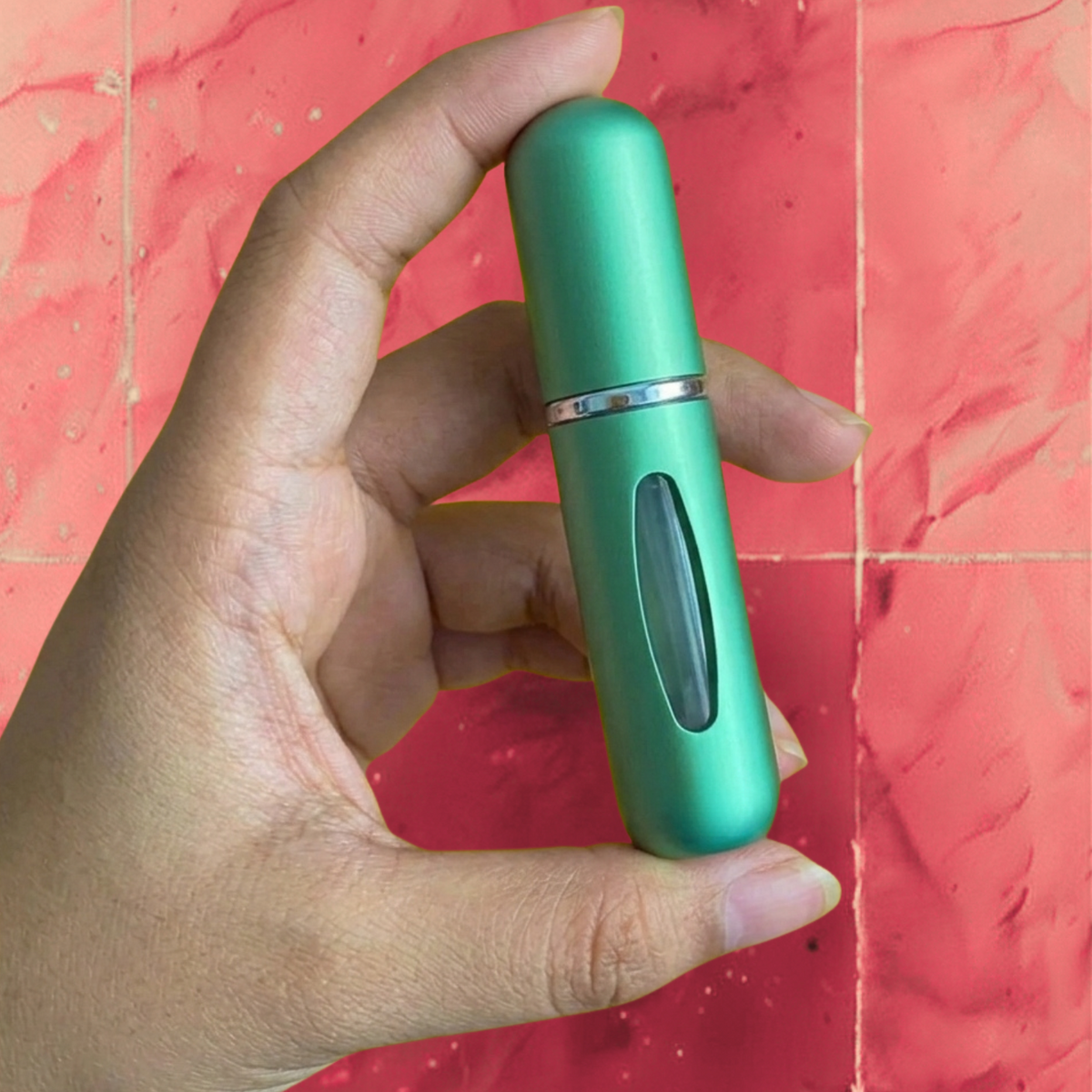
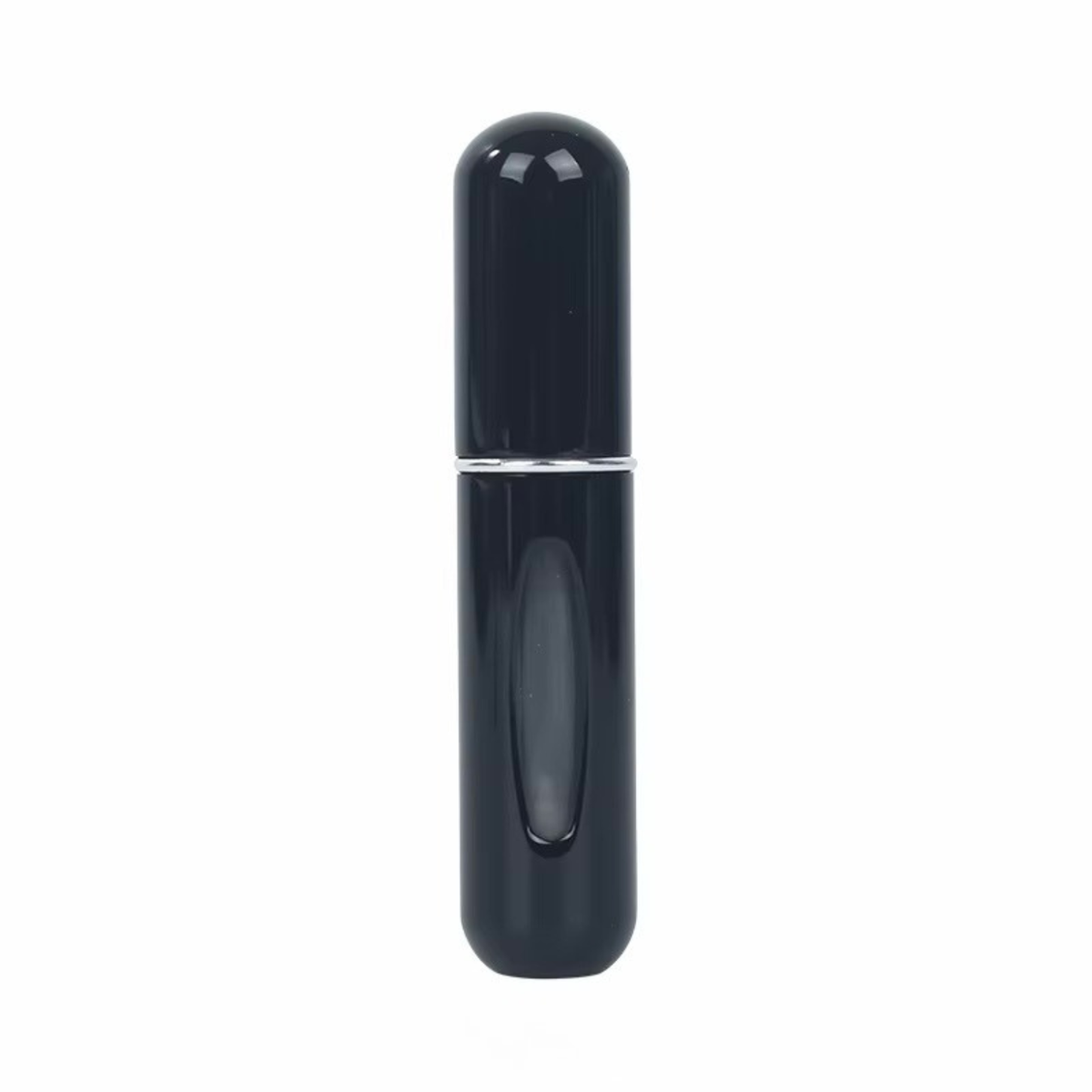
That is why we design around travel-size formats. Our refillable atomizers fill from any standard perfume bottle, fit in a pocket, purse or bag, and are built to be leak-proof and airline-approved. The same logic applies to toiletries: decant what you use, carry nothing you do not, and choose a bag that closes properly.
Our advice for any locker kit: keep it small enough that you actually unpack and air it out. A kit that is easy to handle is a kit you will keep clean. Our customers rate us 4.84 across more than 10,000 reviews, and the most common reason they give is that the products simply work in real routines, from gym lockers to carry-ons.
— Ash
Make the locker kit flight-ready
A good locker kit becomes a travel kit with almost no changes, as long as your liquids are small enough. The TSA’s liquids, aerosols and gels rule says carry-on containers must be 3.4 ounces (100 milliliters) or less and fit in one quart-size bag. Examples include toothpaste, shampoo, conditioner, mouthwash and lotion. The TSA also states that larger containers can go in checked baggage.
If you build your locker kit in containers of that size, you only need to add the quart-size bag. For more detail, see our guides on organizing toiletries for flights, the gym bag shower essentials and the TSA perfume rules.

Gear that fits this system
If you want the kit assembled in one place, our Travel Organisers collection includes the McQueen toiletry bag, and our Gym Essentials cover the rest of the bag. For fragrance, our refillable perfume atomizers let you carry your own scent without a bulky, breakable bottle in the locker.
Every order is covered by a 30-day money-back guarantee, with free worldwide shipping.
A simple setup you can copy tonight
Here is a worked example for a standard narrow gym locker with a top hook.
- Hang a zip-closed organizer from the hook. Put the daily items in the front pockets.
- Decant shampoo and body wash into small containers that stand upright in the main well.
- Slip the razor and toothbrush into the side pocket.
- Put a small atomizer of your fragrance in a padded pocket.
- Put a flat, reusable bag on the floor shelf for the damp towel.
- When you get home, open the kit fully, rinse if needed and let it dry.
If there is no hook, swap step 1 for a stable-base tote on the shelf. If the gym empties lockers overnight, the same kit goes into your bag.
FAQ
Where should I keep toiletries if I have no bathroom space?
Use narrow wall shelves, a shallow cabinet, a rolling shelf or under-sink bins for everyday items. Put backups in a linen closet or elsewhere nearby. Over-the-door baskets can also work inside an open vanity.
What is the best way to organize toiletries in a locker?
Measure the locker, choose an organizer that fits its usable space and keep daily items at the front. Group similar products and hold liquids upright. Keep the damp towel in a separate bag.
What are good containers for toiletries in a locker?
Mesh caddies dry quickly and suit shared showers. Zip-closed bags or rigid caddies contain leaks better. Pick based on whether drying or leak control is your bigger problem.
Can I leave toiletries in my gym locker overnight?
It depends on the gym. Some allow long-term storage for a fee, and others require lockers to be emptied each night. Check the policy at the front desk before leaving anything.
How do I stop products from leaking in a locker?
Tighten every cap, lock pump bottles if they have a lock, and put leak-prone items in a sealed reusable bag. Keep bottles upright in pockets or loops. Do not rely on open mesh to hold in a spill.
Sources
- Gym Shower Caddy Guide 2026, Nordic Design Blog
- Small Bathroom Storage Planning Guide, Hey Small Space
- 10 expert tricks for organizing a bathroom closet, Livingetc
- GearOrbit: EDC for the Gym Before Work
- Swimmer Living: Portable Shower Caddies for Shared Locker Rooms
- The Best Shower Caddies Tested, Bob Vila
- Ringworm Prevention, CDC
- How to Go to the Gym Before Work, Lifehacker
- Real Simple: 17 Bathroom Storage Ideas
- TSA: Liquids, Aerosols, and Gels Rule
- TSA: December 2023 holiday travel release





Share and get 15% off!
Simply share this product on one of the following social networks and you will unlock 15% off!