
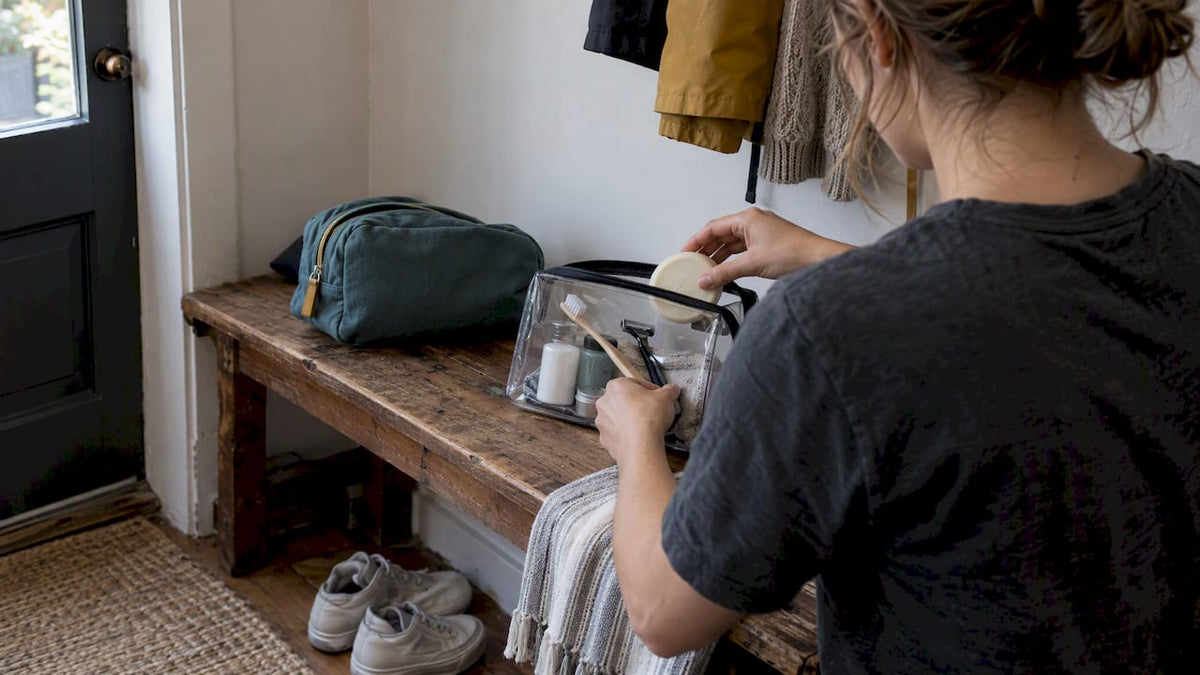
A minimalist toiletries list comes down to about 15 items: toothbrush and toothpaste, deodorant, a cleanser, SPF moisturizer, shampoo, a razor, essential medications, lip balm with SPF, hand sanitizer, and a few small extras you really use at home. Everything that is liquid, gel, or cream has to fit TSA’s carry-on limits. Below you get the full list, the reasoning behind each cut, and a way to pack it so nothing leaks.
TL;DR
- Build your kit from what you use every day at home, not from what you might need. If you don’t use it daily, it probably stays home.
- Carry-on liquids, gels, creams, pastes, and aerosols must be in containers of 3.4 ounces or less, in one quart-size bag.
- Swap liquids for solids (shampoo bars, toothpaste tablets, solid deodorant) and the bag shrinks or disappears for many items.
- Decant what you can’t swap into refillable containers, including your fragrance, and use a small hanging organizer.
- Buy the rare extras at your destination rather than packing them “just in case.”
Table of Contents
- What makes a toiletries list minimalist
- The TSA rule that sets your limits
- The 15-item minimalist toiletries list
- Solids first: how to shrink the liquid bag
- What still needs to be a liquid
- Carrying your fragrance without the glass bottle
- Perspective: why we think the atomizer belongs on the list
- Choose the bag as carefully as the contents
- A sample kit, packed
- How to audit your own list
- Where to shop for the pieces
- Build the kit with SPRITZ
- FAQ
- Sources
What makes a toiletries list minimalist
A minimalist list isn’t the shortest list. It’s the one with no redundant items and no dead weight. The test is simple: look at what you actually use during a normal week at home, and travel with only that.
The usual failure is the “what if” habit. A second moisturizer, a backup shampoo, a full-size hairspray, three kinds of face products. None of these get used, and all of them take up space in a bag that has to fit in an overhead bin. Most true emergencies (a forgotten comb, a missing razor blade) are solved at any pharmacy within a few blocks of your hotel.
Two constraints shape the whole thing: the TSA liquids rule for flying, and the size of the bag you carry the kit in. Treat both as a design brief rather than an obstacle, and the list almost writes itself.
The TSA rule that sets your limits
The Transportation Security Administration’s 3-1-1 liquids rule is the reason most toiletry kits are bigger than they need to be. In plain terms:
- 3: each container holds 3.4 ounces (100 ml) or less.
- 1: all of them fit in one clear, quart-size, resealable bag.
- 1: one bag per passenger.
This covers liquids, aerosols, gels, creams, and pastes. That means toothpaste, sunscreen, face cream, shaving cream, and mouthwash all count. TSA itself lists shampoo, toothpaste, sun block, hand lotion, and face cream among the items travelers most often have taken away for being over the limit.
A common mix-up: “travel-size” on a label is not the same as compliant. What matters is the amount the container holds. A half-empty 6-ounce bottle is still a 6-ounce bottle at the checkpoint. Medications are the main exception: they can exceed 3.4 ounces in a carry-on but are screened separately, so keep them easy to pull out.
If you check a bag, the quart limit doesn’t apply. Even then, a small kit means fewer spills and less to lose.
The 15-item minimalist toiletries list
This is the core most one-bag travelers settle on for anything from a weekend to several weeks. Items marked with a dot (•) are liquids, gels, creams, or pastes that count toward your quart bag unless you switch to a solid version.
| # | Item | Notes | Solid or low-liquid swap |
|---|---|---|---|
| 1 | Toothbrush | Folding or standard; a cap helps | Already dry |
| 2 | Toothpaste • | A small tube lasts a week or more | Toothpaste tablets |
| 3 | Floss or picks | Compact, one small pack | Already dry |
| 4 | Deodorant • | Gel and spray count as liquids | Solid stick |
| 5 | Facial cleanser • | Use one that also removes light sunscreen | Cleansing bar |
| 6 | SPF moisturizer • | Two jobs in one container | Sunscreen stick |
| 7 | Shampoo • | Skip conditioner on short trips | Shampoo bar |
| 8 | Body wash or soap • | Hotels usually provide it | Bar soap |
| 9 | Razor | Cartridge or safety razor (blades go in checked bags only for some types, so check TSA first) | Already dry |
| 10 | Essential medications | Original packaging, easy to reach | N/A |
| 11 | Lip balm with SPF | Doubles as sun protection | Already solid |
| 12 | Hand sanitizer • | Small bottle only | Sanitizing wipes |
| 13 | Comb or small brush | One tool, not a set | Already dry |
| 14 | Fragrance • | Decanted into an atomizer | See below |
| 15 | Any personal must-have | Contacts solution, retainer case, etc. | Depends |
Number 15 is deliberately open. The point of the list is that your own daily routine fills the last slot, not a generic checklist.
What to cut
Things that routinely appear on longer packing lists and rarely earn their place:
- Conditioner and styling products. Hotels usually supply conditioner. Skip it unless your hair type genuinely needs a specific product.
- Dry shampoo. It’s an aerosol, so it takes quart-bag space and may not get used.
- Toner, serums, and multi-step skincare. If you don’t do a seven-step routine at home, don’t start in a hotel bathroom.
- Second razors, tweezers sets, and nail kits. One small clipper covers most trips.
- Full-size anything. If it doesn’t fit in 3.4 ounces, decant it or leave it.
Longer trips (two weeks or more) or specific needs may justify an expanded kit, with conditioner, a few skincare steps, and grooming tools. Even then, the rule holds: add only what you already use.
Solids first: how to shrink the liquid bag
The fastest way to a lighter kit is to turn liquids into solids. Solid shampoo, shaving bars, toothpaste tablets, and stick deodorant aren’t subject to the quart-bag limit. They also remove the most common failure in a toiletry bag: a leak. Changes in cabin pressure can push product out of a loosely closed bottle, and one open cap can ruin a bag of clothes.
Toothpaste tablets are a good example of the idea: dry, pre-portioned doses with no tube to squeeze. This roundup of minimalist carry-on toiletries walks through that product type and other dry alternatives.
Bar soap deserves a second look as well. A mild bar replaces body wash and, for many people, face and even hand wash. If you’ve dismissed bars as drying, the issue is usually harsh traditional soap rather than the format. Some makers now formulate gentler syndet bars; this explainer on mild bar soap covers why those suit dry or sensitive skin, and it’s a useful read if you want one bar to replace several liquid products on the road.
A few practical notes on going solid:
- Test at home first. Use a shampoo bar for two weeks before a trip. Some hair types need an adjustment period.
- Pack bars in a ventilated tin. A sealed, wet bar goes soft and leaves residue.
- Keep tablets in their original container. It keeps them dry and avoids questions at security.
What still needs to be a liquid
Some products don’t have a good solid version: moisturizer, a face oil, a specific serum, contact lens solution, and your fragrance. For those, the goal is quality over quantity: one product for each job, in a container you trust.
For skin, concentrated multi-use products help. A small facial oil can stand in for night cream and serum, and some brands sell oils already sized for carry-on. This travel-size facial oil is one example of a product made to fit within TSA limits.
For everything else, buy a set of refillable silicone or hard-sided containers and fill them from the products you already own. Commercial “travel-size” minis tend to cost more per ounce than your regular product, they may not come in your brand, and many come in excess plastic packaging, which the beauty industry is under growing pressure to reduce. Decanting fixes all three problems. Label each container, since two clear creams look identical in the dark.

Carrying your fragrance without the glass bottle
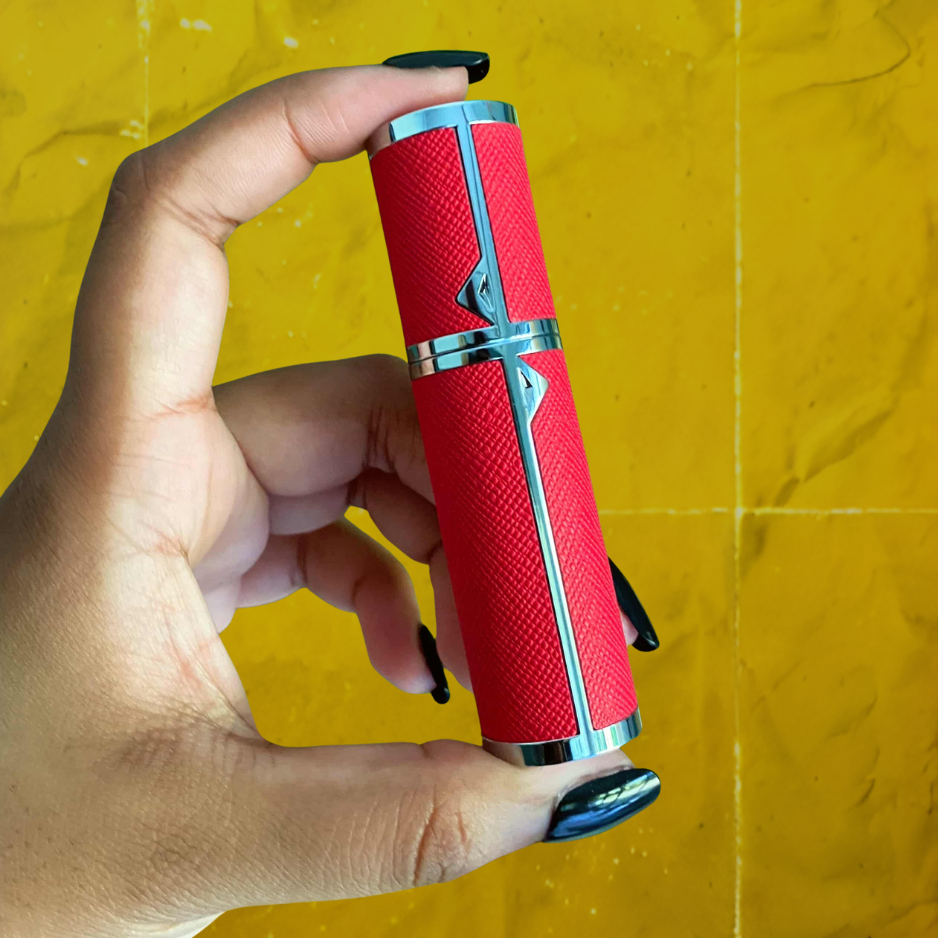
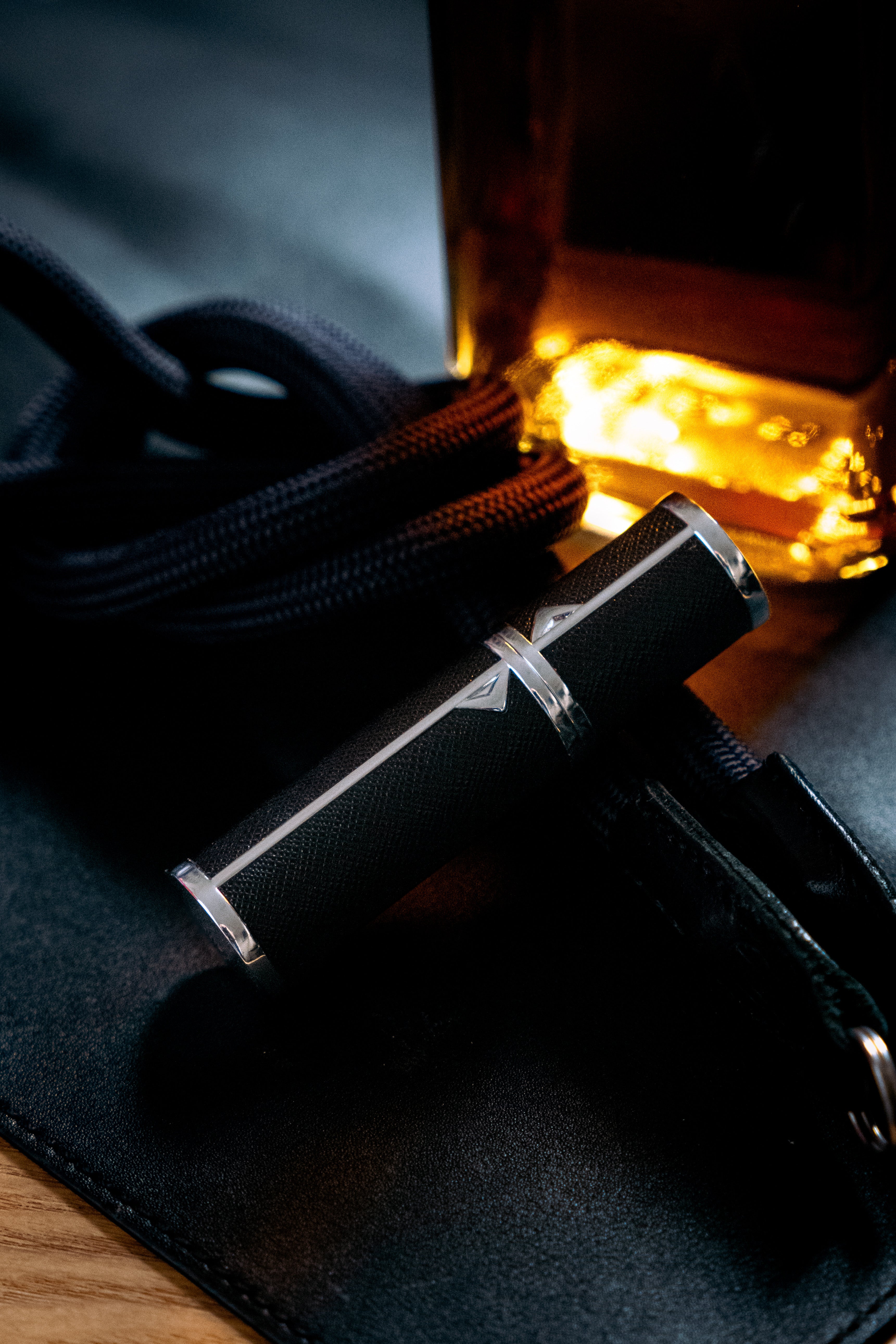
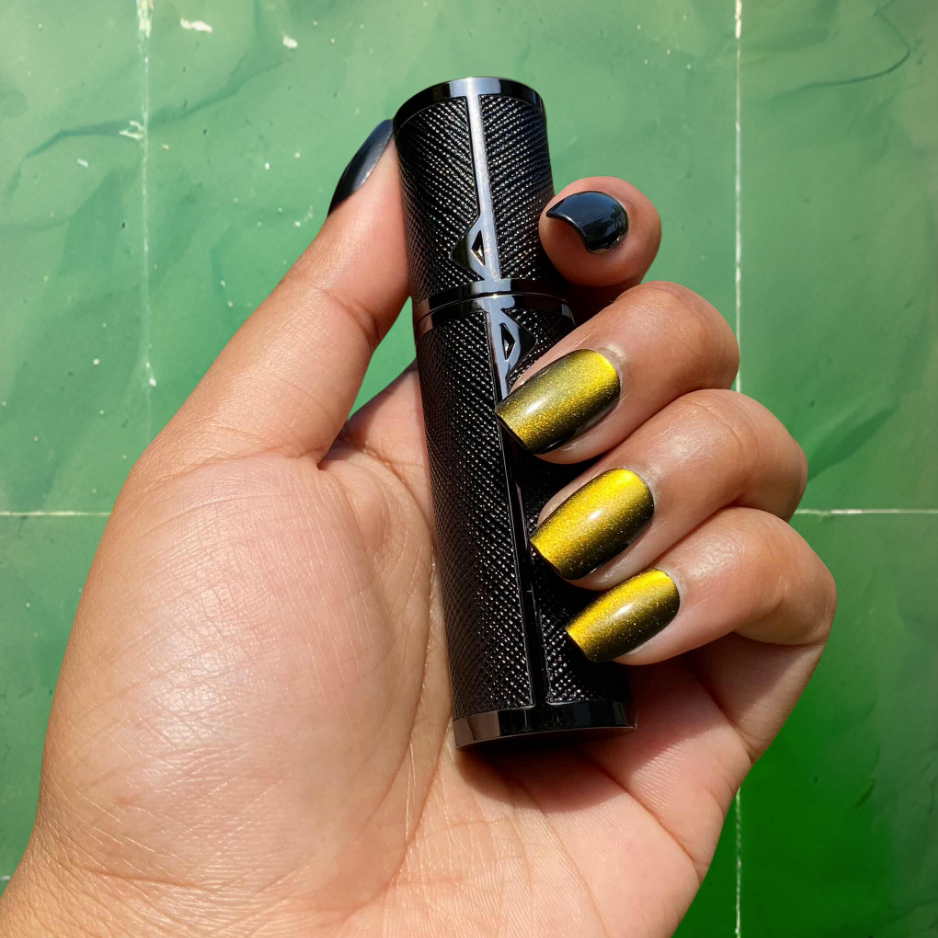
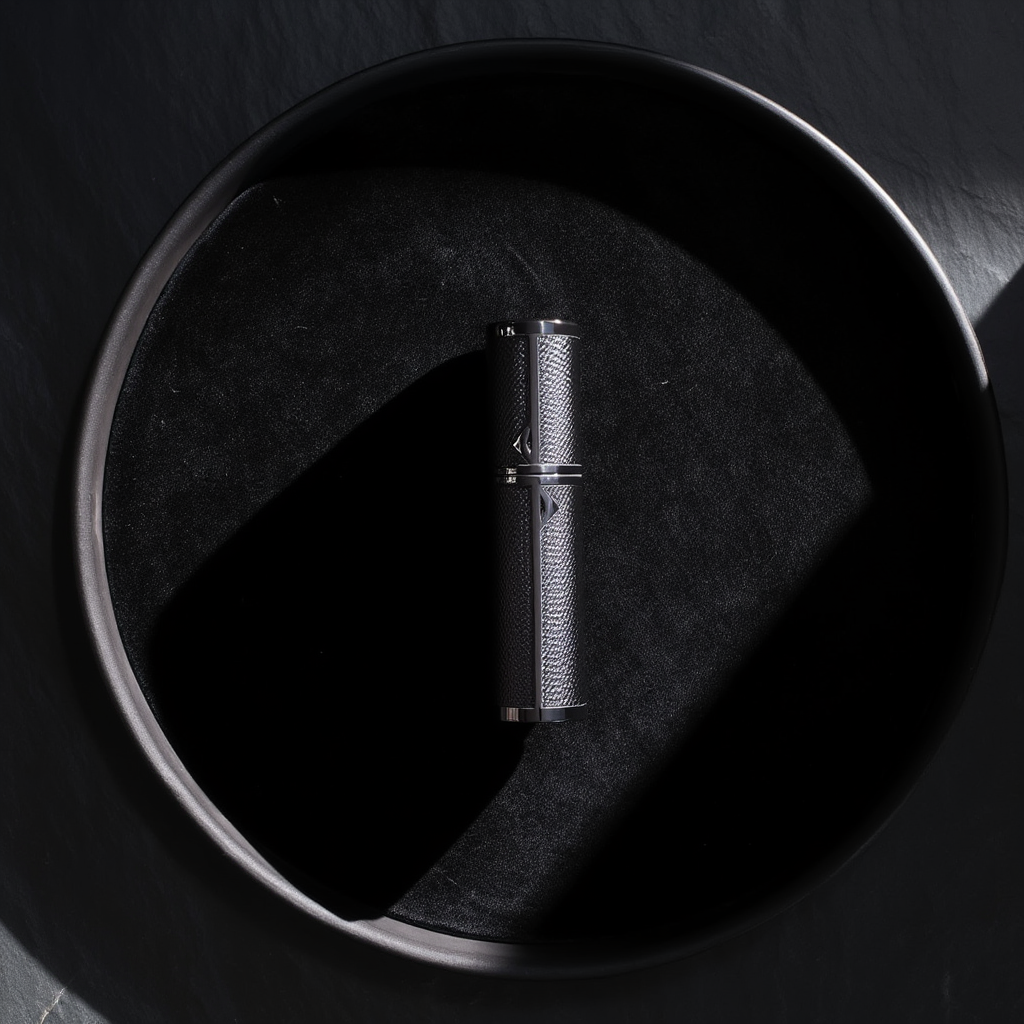
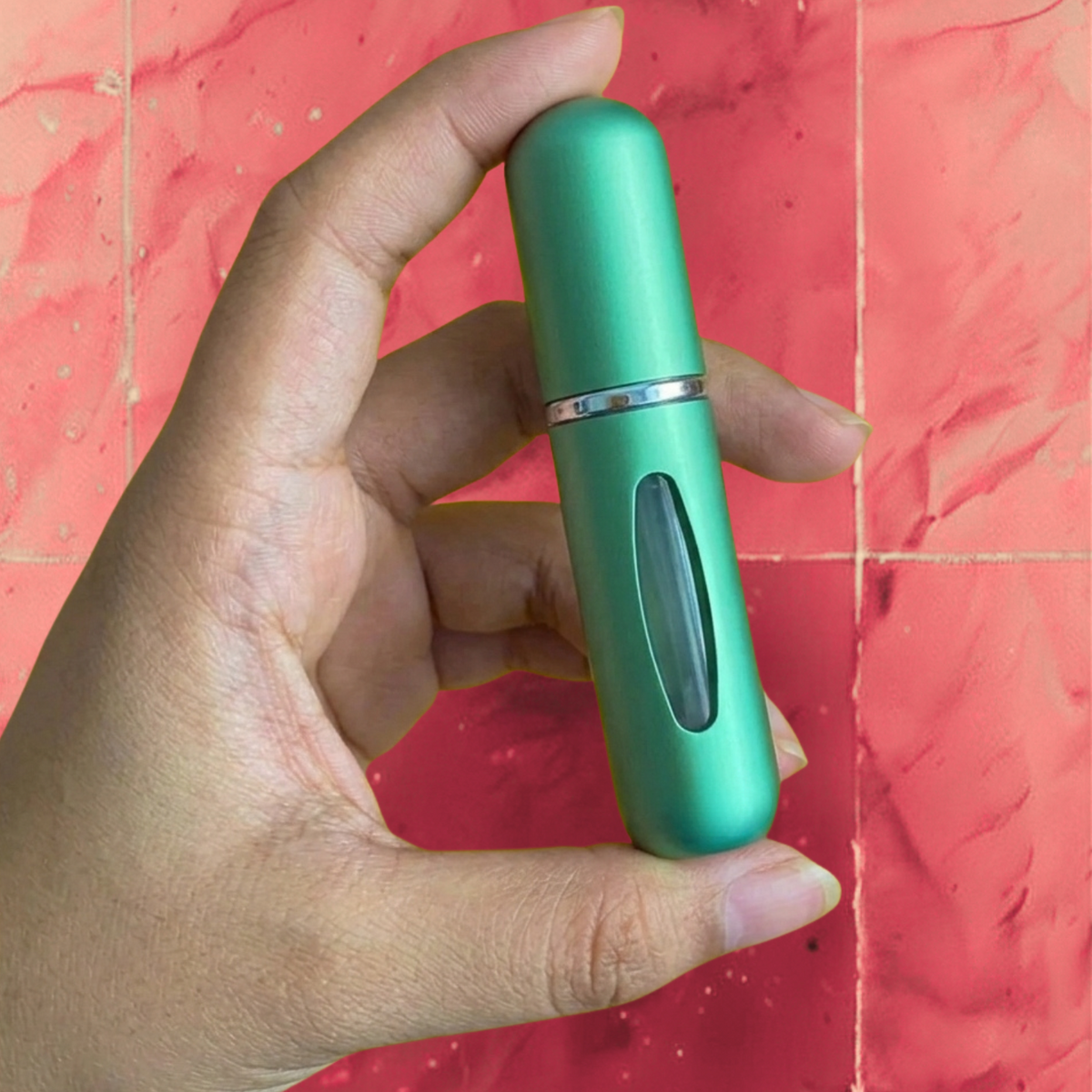
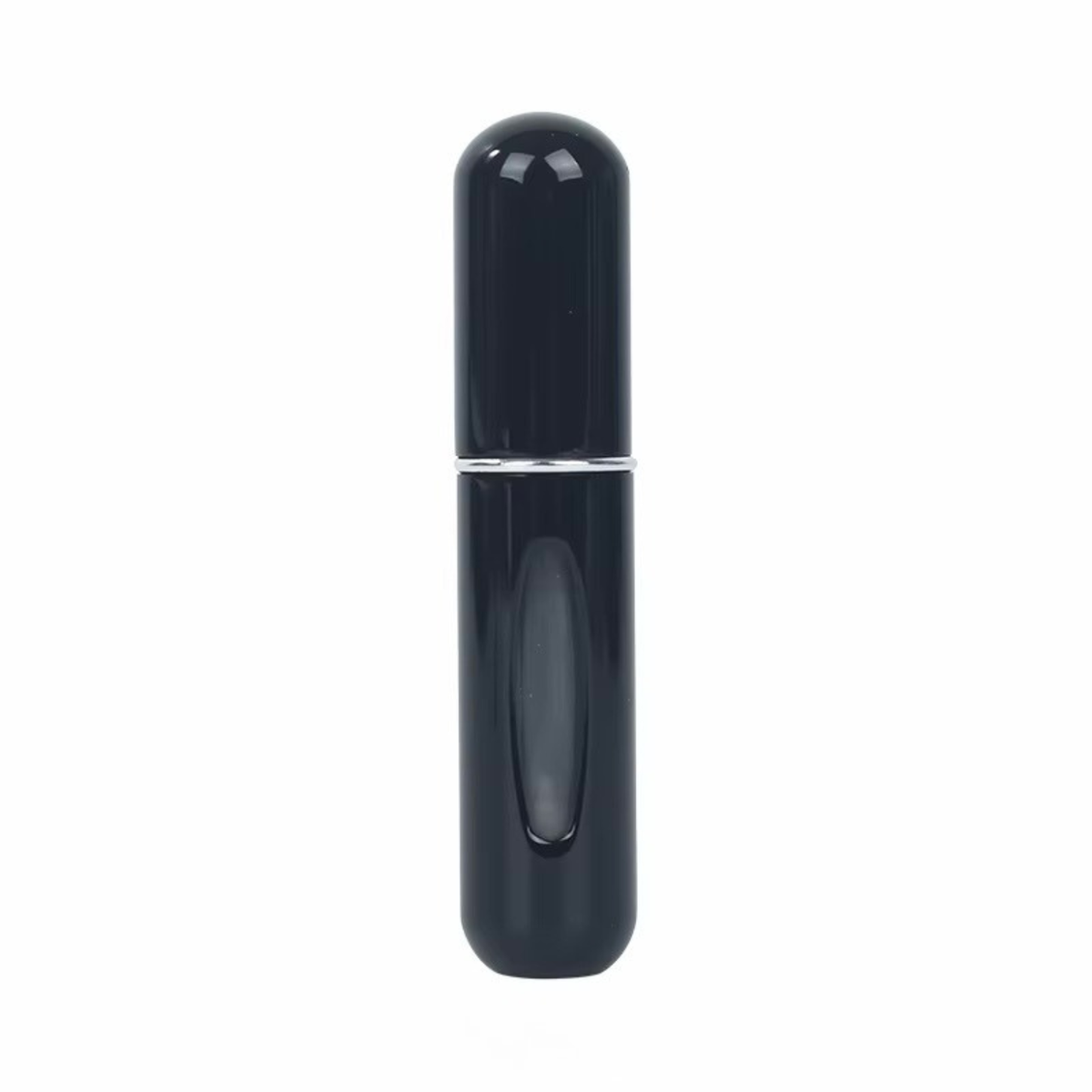
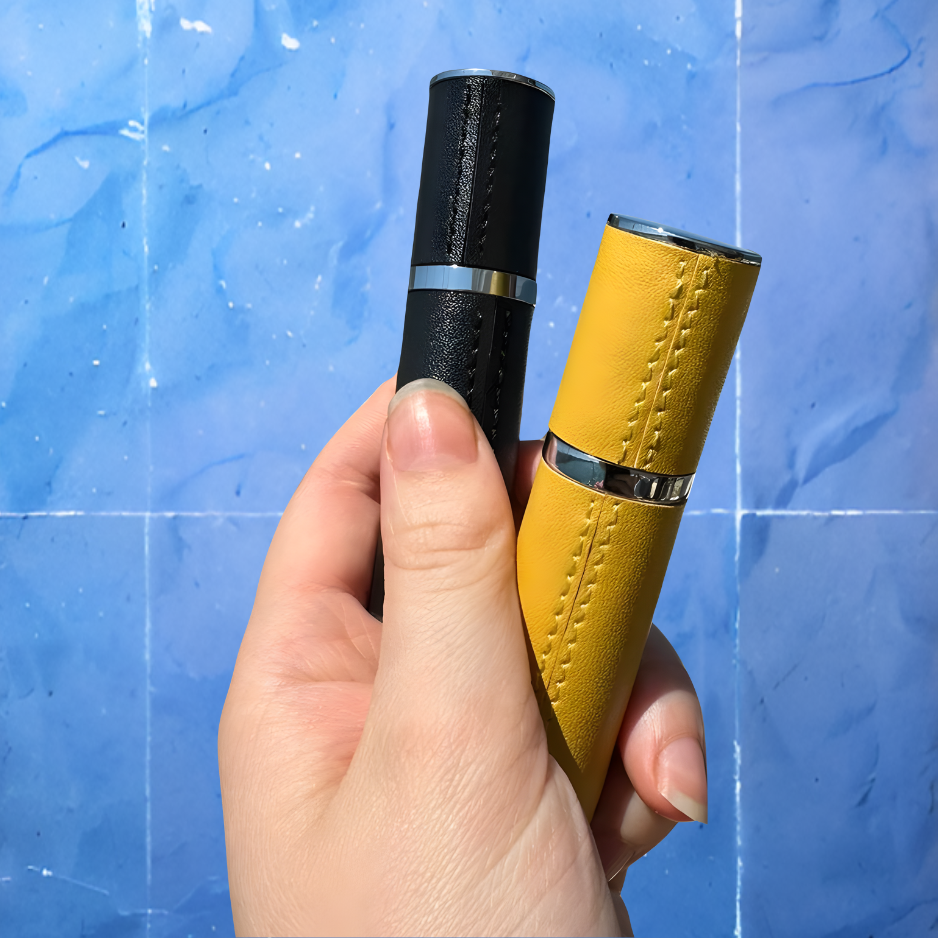
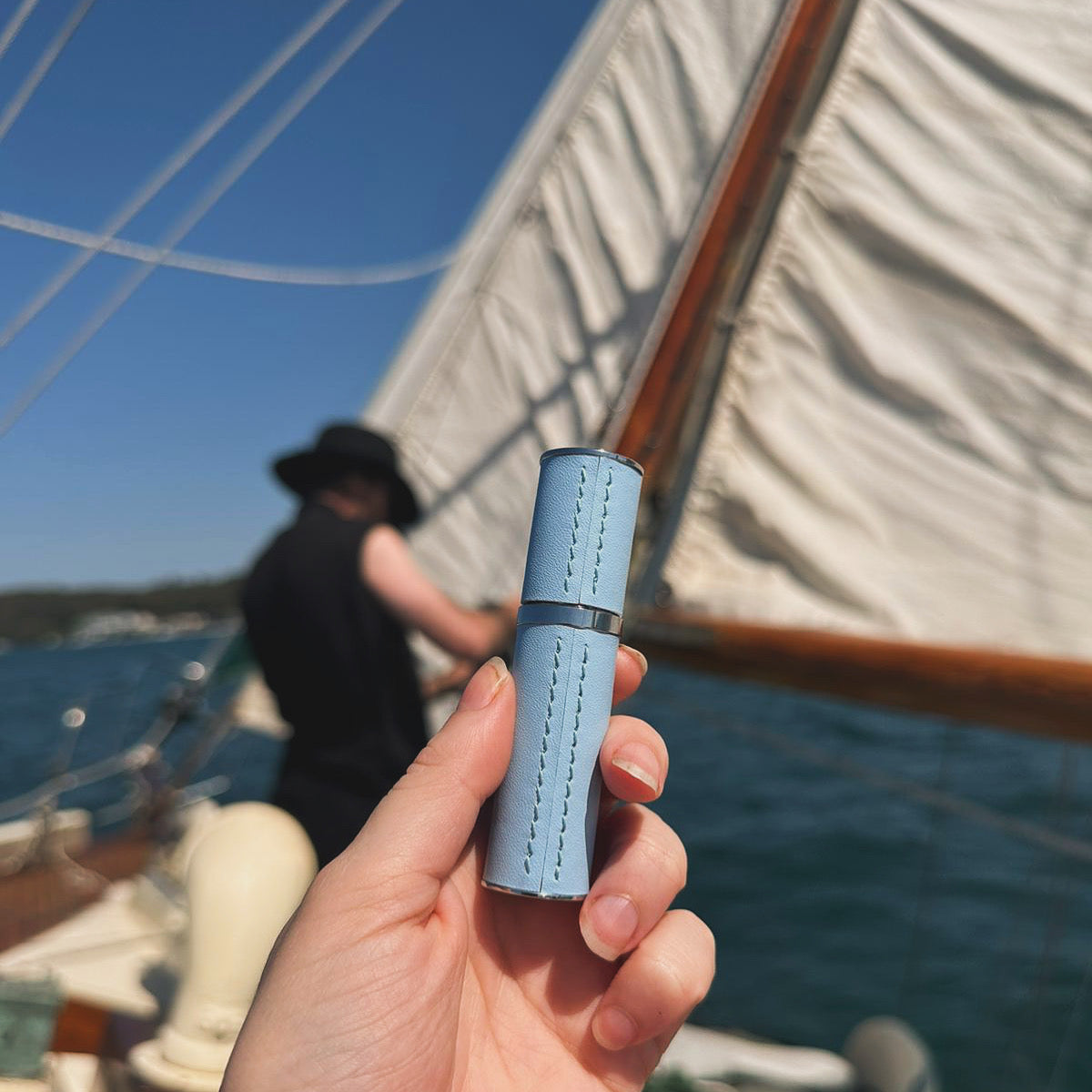
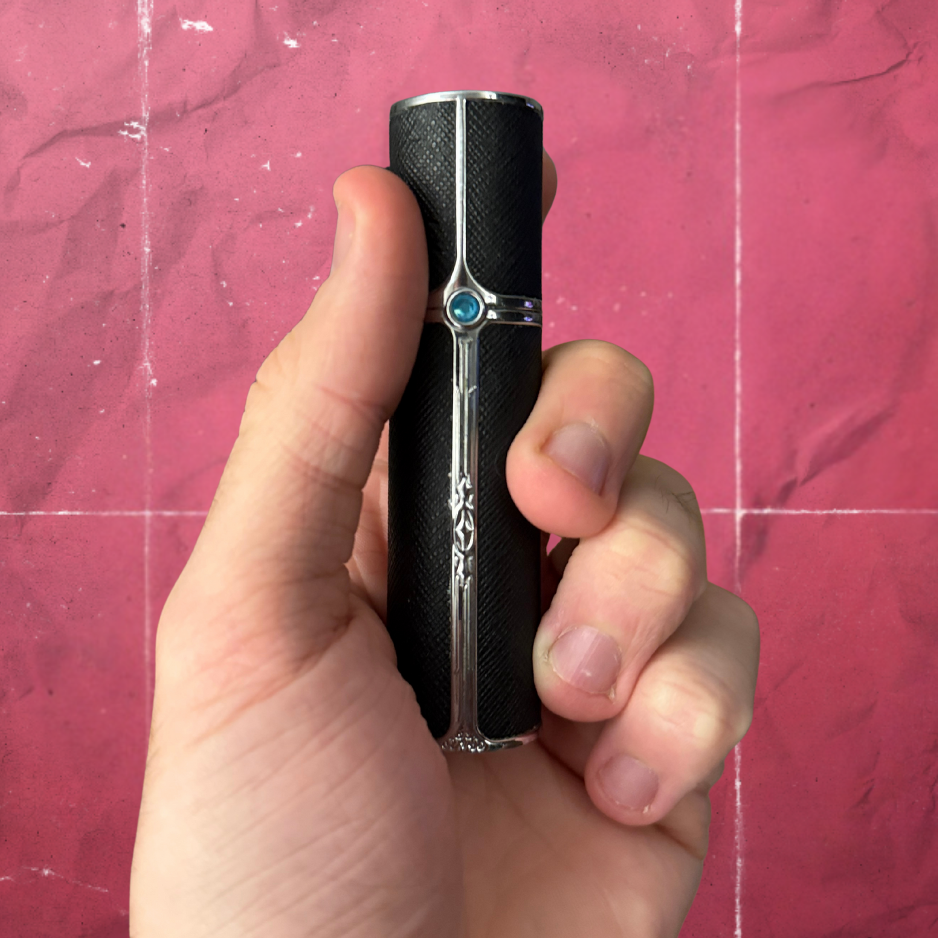
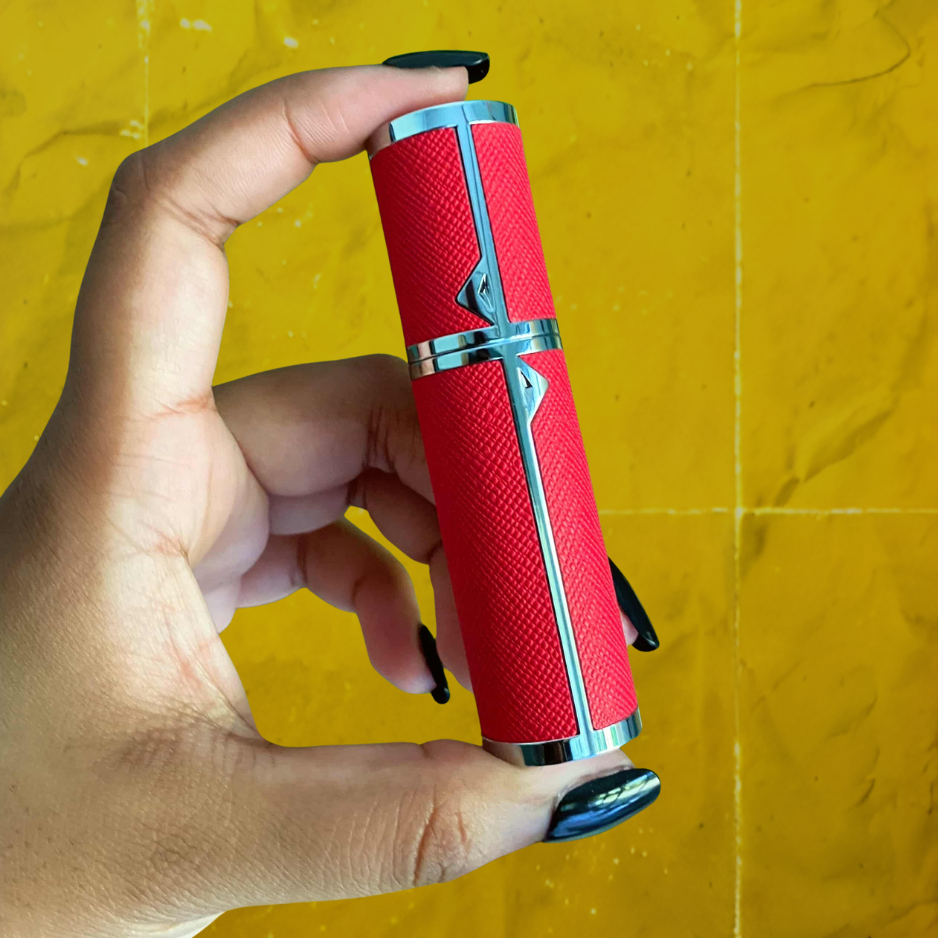
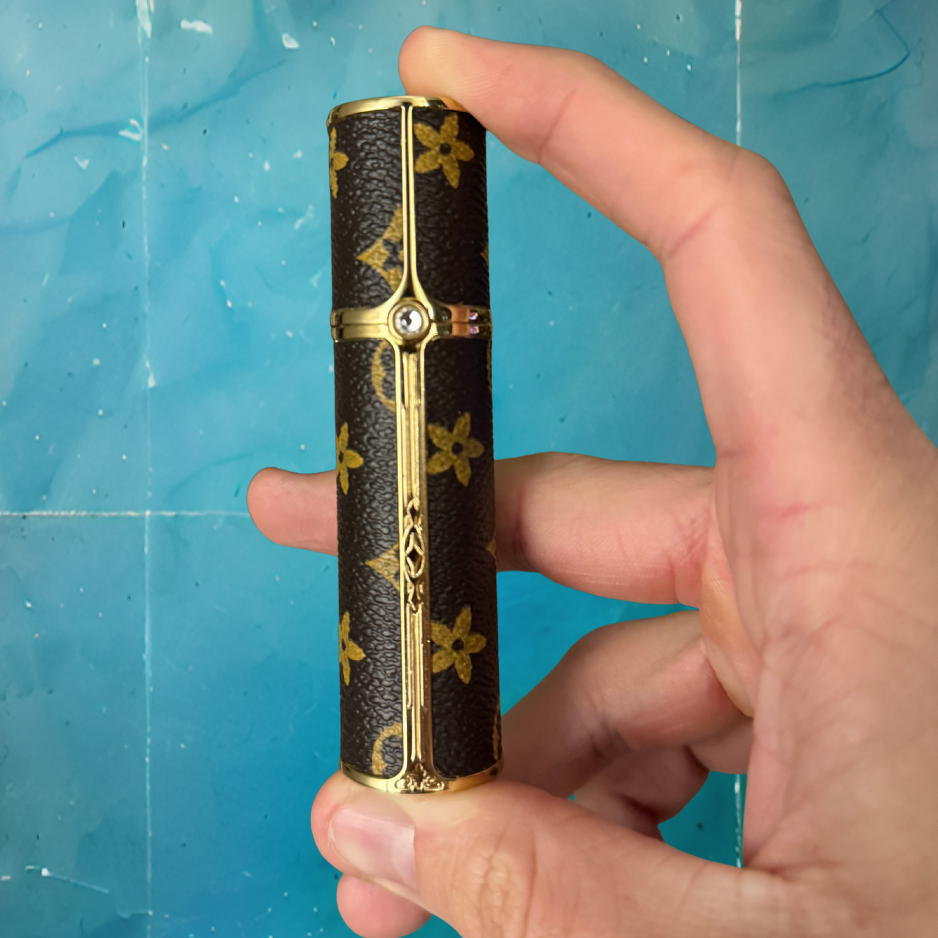
Perfume is the item minimalists most often drop because the original bottle is heavy, breakable, and almost always over 3.4 ounces. You don’t have to give it up. Decant a small amount into a refillable atomizer and the problem goes away: it’s compact, it’s allowed in your quart bag, and it fits in a pocket.
A few points that matter:
- Don’t fill to the brim. Leave space at the top so pressure changes don’t push liquid out. Our guide on how to refill an atomizer from a splash bottle and stop at 90% full covers the method.
- Count it as a liquid. The atomizer goes in the quart bag with everything else.
- Bring only what you’ll wear. One scent for the trip, or two small atomizers at most.
If you’re comparing options, our breakdown of refillable travel spray bottles shows what to look for in a seal, a pump, and a body.
Perspective: why we think the atomizer belongs on the list
We make refillable perfume atomizers, so we have a bias, and we’ll say it plainly: a toiletries kit is only minimalist if every item can travel without a risk attached. A full glass perfume bottle fails that test. It’s the one item in most people’s bag that can shatter, leak, and still not be allowed through security.

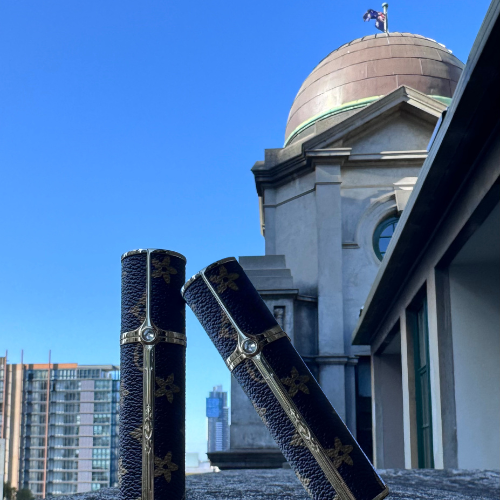
Our design goal has always been simple. You should be able to fill an atomizer from any standard perfume bottle you already own, drop it in a pocket or purse, and not think about it again. That is why we built around leak resistance and a slim, durable body rather than extra features. Our atomizers are airline-approved for carry-on, and our customers rate them 4.84 on average across more than 10,000 reviews, which tells us the “just refill what you already own” idea works for real people on real trips.
The same logic applies to the rest of your kit. Choose things that do one job well, hold up to repeated use, and take up less room than the thing they replace. We’d rather you carry five well-chosen items than fifteen compromises.
— Ash
Choose the bag as carefully as the contents
The container for your kit matters nearly as much as what’s in it. Experienced minimalists tend to favor a lightweight, water-resistant bag with a hook so it hangs, because hotel and hostel counters are often tiny. Mesh pockets let you see what’s inside without unpacking, and a wipeable lining contains any spill.
Size is the other half. The bag should be big enough for your 15 items and no bigger, since a roomy bag invites you to fill it. If you can’t close it without forcing it, that’s a sign to audit the list, not to buy a bigger bag.
Keep a reusable clear quart-size bag as the liquids pouch inside it. Even if some domestic checkpoints don’t enforce the clear bag as strictly, it’s the standard abroad, and a sturdy reusable one lasts for years. For a full system, see our guides on organizing carry-on liquids and organizing toiletries for flights.
A sample kit, packed
Here’s how a one-week carry-on kit might come together for someone with a simple routine:
In the quart bag (liquids):
- 1 small tube of toothpaste (or none, if you use tablets)
- 1 SPF moisturizer in a 2-ounce container
- 1 cleanser in a 2-ounce container
- 1 hand sanitizer
- 1 atomizer with your fragrance, filled to about 90%
Outside the quart bag (solids and dry items):
- Toothbrush and floss
- Shampoo bar and bar soap in a ventilated tin
- Solid deodorant
- Razor
- SPF lip balm
- Comb
- Prescription medications in original packaging, in an outer pocket for separate screening
That’s the whole kit. The liquid bag is about half full, the rest is dry, and the entire set fits in a small hanging organizer.
Road trips and checked bags
Without the 3.4-ounce limit, you can carry larger bottles, but the minimalist logic still applies. Fewer items means less to repack each morning and less to leave in a motel bathroom. Our guide to packing toiletries for a road trip shows how to keep a trunk-friendly system lean.
How to audit your own list
A generic list gets you 80 percent of the way. The last 20 percent is about you.
- Track a normal week. Note every product you actually touch from morning to night.
- Mark what’s daily. Anything you use every day goes in the kit. Anything weekly is optional.
- Ask what the destination provides. Hotels typically supply body wash and conditioner. Gyms often do too.
- Convert what you can. Go through each liquid and ask whether a solid version exists that you’d actually use.
- Do a trial pack. Fill the bag, close it, and carry it around the house. If you reach for something you forgot, add it. If you never touch an item on the first trip, remove it from the next.
After two or three trips, the list stabilizes. It becomes a standing kit you keep stocked and ready, so packing takes minutes.
Where to shop for the pieces
Pre-filled minis are available in the travel aisle at most drugstores and big retailers, and that’s the quickest way to grab toothpaste or sanitizer on short notice. For anything you use regularly, refillable containers are cheaper over time and let you bring your own brands.
Build the kit with SPRITZ
If you’re putting a kit together, we make the parts that are hardest to replace. Our refillable perfume atomizers fill from any standard perfume bottle, fit in a pocket or purse, and are built to be leak-proof. Our travel organisers keep your liquids and solids in one place, and our gym essentials cover the bag you carry to the gym. Orders ship free worldwide and come with a 30-day money-back guarantee. Browse everything on the SPRITZ site.
FAQ
What should be in a minimalist toiletry kit?
A core kit of about 15 items covers most trips: toothbrush, toothpaste, floss, deodorant, cleanser, SPF moisturizer, shampoo, soap, razor, essential medications, SPF lip balm, hand sanitizer, a comb, fragrance, and one personal must-have. Build it from what you use daily at home. Add conditioner or extra skincare only for long trips or specific needs.
Does TSA still require clear bags for toiletries?
TSA’s rule is that liquids, gels, aerosols, creams, and pastes in carry-on bags must be in 3.4-ounce or smaller containers that fit in one quart-size bag. Enforcement of the clear-bag detail varies by checkpoint, and it’s the norm at many international airports. A clear, reusable quart bag is the safest choice either way.
Where can I get small toiletries?
Drugstores, big-box retailers, and online stores all stock travel-size products. A cheaper and more flexible option is to buy refillable silicone containers and decant the products you already use. Fragrance is easiest in a dedicated refillable atomizer.
Can I take perfume in my carry-on?
Yes, as long as each container holds 3.4 ounces or less and fits in your quart bag. A full-size bottle usually won’t qualify, so decanting into a small atomizer is the practical solution. Leave a little room at the top when you fill it.
What can I skip entirely?
Conditioner, dry shampoo, toner, and multi-step skincare are the most common cuts, since hotels often provide basics and most people don’t use these daily on the road. If you have a specific hair or skin need, keep the product that serves it and drop the rest.
Sources
- TSA Travel Tips: 3-1-1 liquids rule
- TSA: summer travel advice at BWI Airport (2022)
- 10 Minimalist Toiletries for Carry-On Travel, Habitatista
- Best travel-size toiletries, The Guardian (2025)



Share and get 15% off!
Simply share this product on one of the following social networks and you will unlock 15% off!