
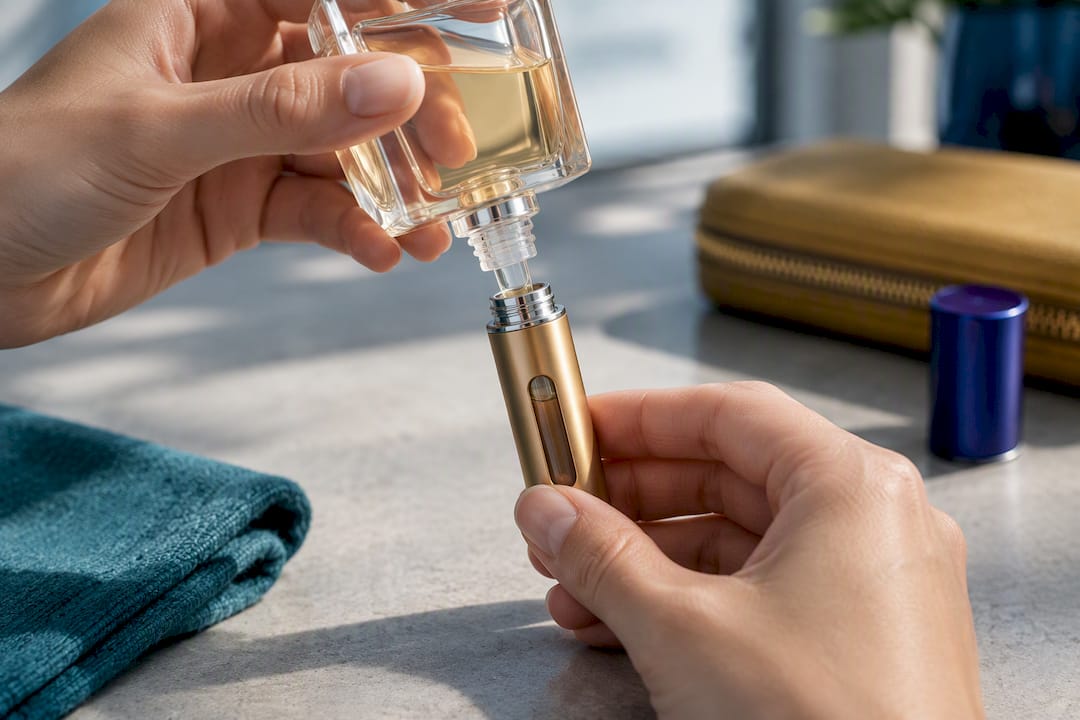
Yes, most refillable pocket atomizers can be filled directly from a tester bottle, and the method depends on the design you own. Bottom-fill pumps work fastest with the least mess, while reservoir or top-fill styles usually need a syringe or funnel. Before you start, take a moment to identify which type you have, since that choice determines every step that follows.
TL;DR:
- Most refillable pocket atomizers can be filled using a syringe or funnel, depending on whether they are bottom-fill or top-fill styles.
- Leaving an air gap of about 10 to 20 percent of the chamber volume prevents leaks and ensures proper spray mechanism reseating during travel.
- Cleaning the atomizer with alcohol and air drying between scents is essential for avoiding scent muddling and repair of common spray issues.
- When traveling, refillable atomizers must comply with TSA liquid restrictions of 3.4 ounces (100 milliliters) each and fit inside a single quart-sized bag.
- Using atomizers designed for quick fill, like SPRITZ products, simplifies the process and reduces alignment and leak risks.
Table of Contents
- Your quick refill checklist before you start
- Atomizer types and the tools you’ll need
- Filling a bottom-fill atomizer by pumping the nozzle
- Top-fill, syringe, and funnel methods for reservoir atomizers
- Cleaning between scents and fixing common problems
- Packing refilled atomizers for air travel
- SPRITZ: product fit and learning resources for safe refills
- What refill guides get wrong about atomizers
- A refillable atomizer that skips the guesswork
- Sources
- FAQ
Your quick refill checklist before you start
Refilling doesn’t take long once you know the order of operations. Follow these steps in sequence and you’ll avoid most of the mess that trips up first-timers.
- Identify your atomizer type: bottom-fill valve or top-fill reservoir.
- Empty and clean the atomizer if you’re switching fragrances.
- Remove the perfume cap and spray shield gently, without forcing stuck plastic.
- Align the bottom-fill valve with the perfume nozzle, or use a syringe or funnel for top-fill designs.
- Stop filling at around 80 to 90 percent capacity to leave an air gap.
- Wipe any residue from the seals, test-spray a few times, then replace the caps and label the container.
- Pack the filled atomizer in a leakproof pouch that meets carry-on liquid limits.
That air gap matters more than most people realize. According to grooming and refill guides, leaving roughly 10 to 20 percent of the chamber empty helps the spray pump reseat properly and prevents pressure buildup that causes leaks in transit.
Pro Tip: Keep a small tray or a folded paper towel under the atomizer while you fill it. Even a careful pour drips sometimes, and a tray catches it before it reaches your bag.

Atomizer types and the tools you’ll need
Not every atomizer fills the same way, so it helps to know what you’re holding before you reach for a syringe. A bottom-fill valve has a small opening on the base that presses against a perfume bottle’s own spray nozzle, letting you pump fragrance directly in. A top-fill or reservoir atomizer opens from the top or side, usually with a screw cap or a small stopper you lift out. A splash bottle has no sprayer at all, just an open pour spout, which calls for a funnel rather than any pumping.
Gather a few basics before you start:
- A 1 to 3 milliliter syringe (no needle) for precise, low-waste transfers.
- A mini funnel sized for narrow atomizer openings.
- Small paper towels or lint-free cloths for wiping residue.
- Rubbing alcohol for cleaning between scents.
- A shallow tray or dish to catch any drips.
If a cap or nozzle resists gentle pressure, stop. Forcing a stuck part, especially with pliers, risks cracking the plastic or damaging the perfume bottle’s own pump. Switch to a syringe instead.
Filling a bottom-fill atomizer by pumping the nozzle
Bottom-fill works when your atomizer has a small valve opening on its base that matches the shape of a standard perfume nozzle. Check for that valve before assuming this method will work.
- Remove the cap from both the atomizer and the tester bottle.
- Press the atomizer’s base gently onto the perfume nozzle so the valve seats.
- Pump the nozzle slowly, watching the fill window if your atomizer has one.
- Stop once you reach 80 to 90 percent capacity.
This alignment and pumping motion is a standard low-waste approach for travel atomizers, and most hold roughly 5 to 10 milliliters, so a dozen or so pumps usually gets you there.
If the nozzle feels stuck, warming the cap slightly under your palm for a few seconds can loosen tight plastic, or you can grip it with a non-slip cloth for better traction. Never twist harder than a gentle turn allows.
Pro Tip: After filling, test-spray two or three times before you cap it. The first pumps often clear trapped air and settle the mechanism, which wikiHow’s refill guide notes helps you catch weak spray before you’re already packed and traveling.
Wipe any residue from the base, reseat the perfume sprayer on its original bottle, and you’re done.
Top-fill, syringe, and funnel methods for reservoir atomizers
When your atomizer opens from the top or the perfume bottle’s nozzle won’t detach, a syringe or funnel gives you more control than pumping ever could.
- Unscrew or lift the atomizer’s top cap to expose the reservoir opening.
- For a funnel method, seat the narrow end in the opening and pour slowly from the tester bottle.
- For a syringe method, remove the perfume bottle’s spray head if possible, draw fragrance directly into the syringe, then inject it into the atomizer’s reservoir.
- Stop at 80 to 90 percent capacity and wipe the opening before sealing.
The syringe route is worth the extra minute when you’re working with an expensive fragrance or want an exact amount, since it wastes almost nothing compared with spraying into an open container. If the tester’s nozzle absolutely won’t come off, some people spray directly into the open atomizer, but this method wastes more product and risks overspray landing outside the target. Given that most atomizers hold 5 to 10 milliliters, a 1 to 3 milliliter syringe drawn two or three times will usually fill a standard chamber.
Cleaning between scents and fixing common problems
Switching fragrances without cleaning first is the fastest way to end up with a muddled scent that satisfies no one. A full clean routine starts with spraying out any remaining fragrance, then flushing the chamber with rubbing alcohol, followed by a warm-water rinse. Let the atomizer air dry completely before refilling, since trapped moisture dilutes the next fragrance you add.
Weak or absent spray usually traces back to one of a few causes:
- A clogged nozzle, often cleared by gently working a straightened paper clip through the opening.
- A dislodged internal straw, which just needs reseating or, if cracked, replacing.
- Overfilling, which leaves no air gap and causes leaks or a sluggish pump.
This alchol-flush-then-rinse sequence is one of the fastest reliable ways to avoid cross-contamination when you’re rotating between several fragrances in the same atomizer.
Pro Tip: If an atomizer still won’t spray after cleaning and reseating the straw, it may have a cracked internal seal. At that point, retiring it is cheaper than fighting it.
Some tester bottles themselves are single-use sprayers not meant for repeated pumping. If the nozzle feels loose or the seal looks cracked, pick a different bottle rather than force a refill.
Packing refilled atomizers for air travel
Carrying a refilled atomizer through airport security is straightforward once you know the limits. The TSA liquids rule requires each carry-on liquid container to hold 3.4 ounces (100 milliliters) or less, and all your liquid containers together must fit inside a single quart-sized clear bag. Larger volumes belong in checked baggage, which carries its own aggregate limits under FAA guidance.
A few packing habits make the process smoother:
- Label each decanted atomizer with the fragrance name so security and your future self both know what’s inside.
- Use a leakproof pouch to contain any pressure changes during the flight.
- Keep caps secured tightly before the atomizer goes anywhere near your bag.
Duty-free perfume purchased in a tamper-evident bag with a receipt is generally exempt from the standard carry-on limit, though packing guides recommend keeping that receipt handy in case you’re asked.
SPRITZ: product fit and learning resources for safe refills
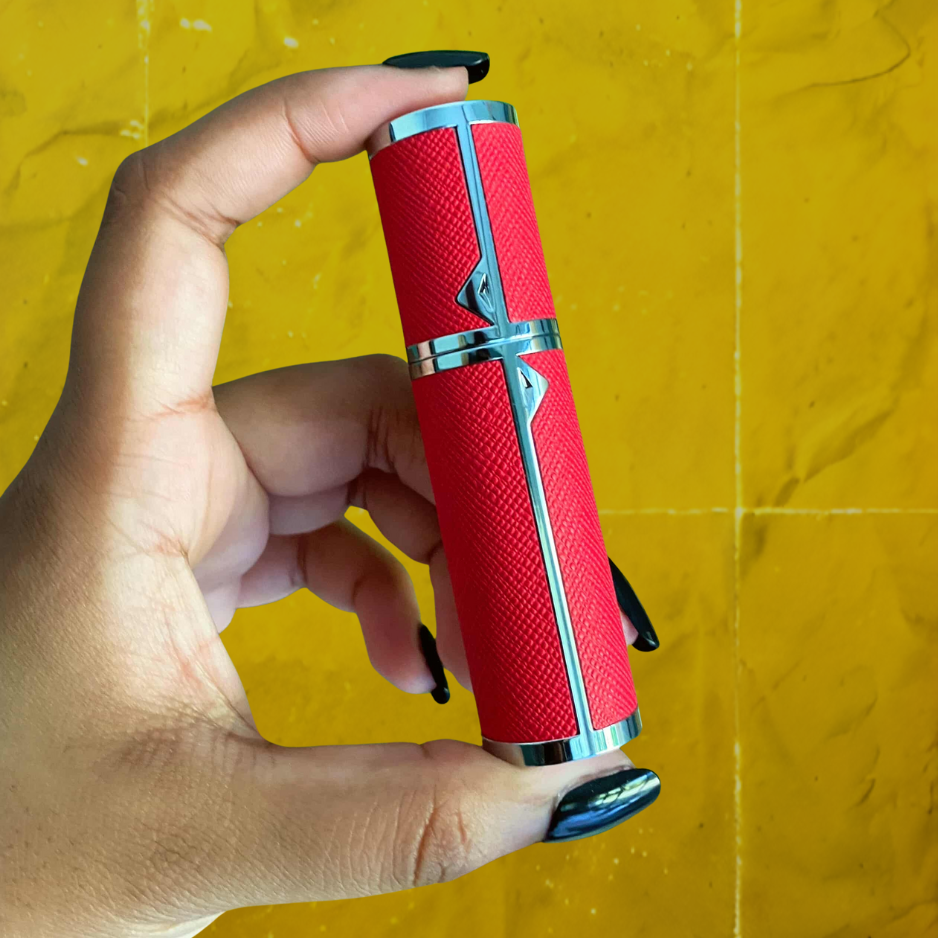
If you’d rather start with an atomizer built for this exact job, SPRITZ makes refillable atomizers designed for portability, with a bottom-fill valve that lines up with most standard perfume nozzles. The brand’s step-by-step refill guide walks through the same pump-and-fill motion covered above, with photos that make the alignment step easier to picture the first time.
A few resources worth bookmarking before your first refill:
- The compatibility test shows you how to check in five seconds whether a specific atomizer will seat on your bottle.
- A second walkthrough expands on cleaning between scents.
- If you don’t own a syringe, this guide covers no-spill alternatives.
If speed matters most to you, look for an atomizer explicitly labeled bottom-fill rather than guessing from photos alone.
What refill guides get wrong about atomizers
Most advice on this topic treats every atomizer as interchangeable, when the design difference between bottom-fill and reservoir styles is really what determines whether your refill takes thirty seconds or five frustrating minutes. The syringe gets treated as a fallback for people without a “real” atomizer, but it’s often the more precise tool, especially for fragrances you don’t want to waste on a clumsy first attempt.

The bigger gap is that most guides focus on the fill itself and skip the cleaning step until something already smells wrong. Rinsing and drying an atomizer before you switch scents isn’t an extra chore, it’s the difference between a clean transfer and a chamber that carries a ghost of the last fragrance into the next one.
If you take one thing from this, prioritize identifying your atomizer type correctly before you touch a syringe or a pump. Everything else, the air gap, the cleaning routine, the travel labeling, is secondary to that first, simple check.
— Ash
A refillable atomizer that skips the guesswork
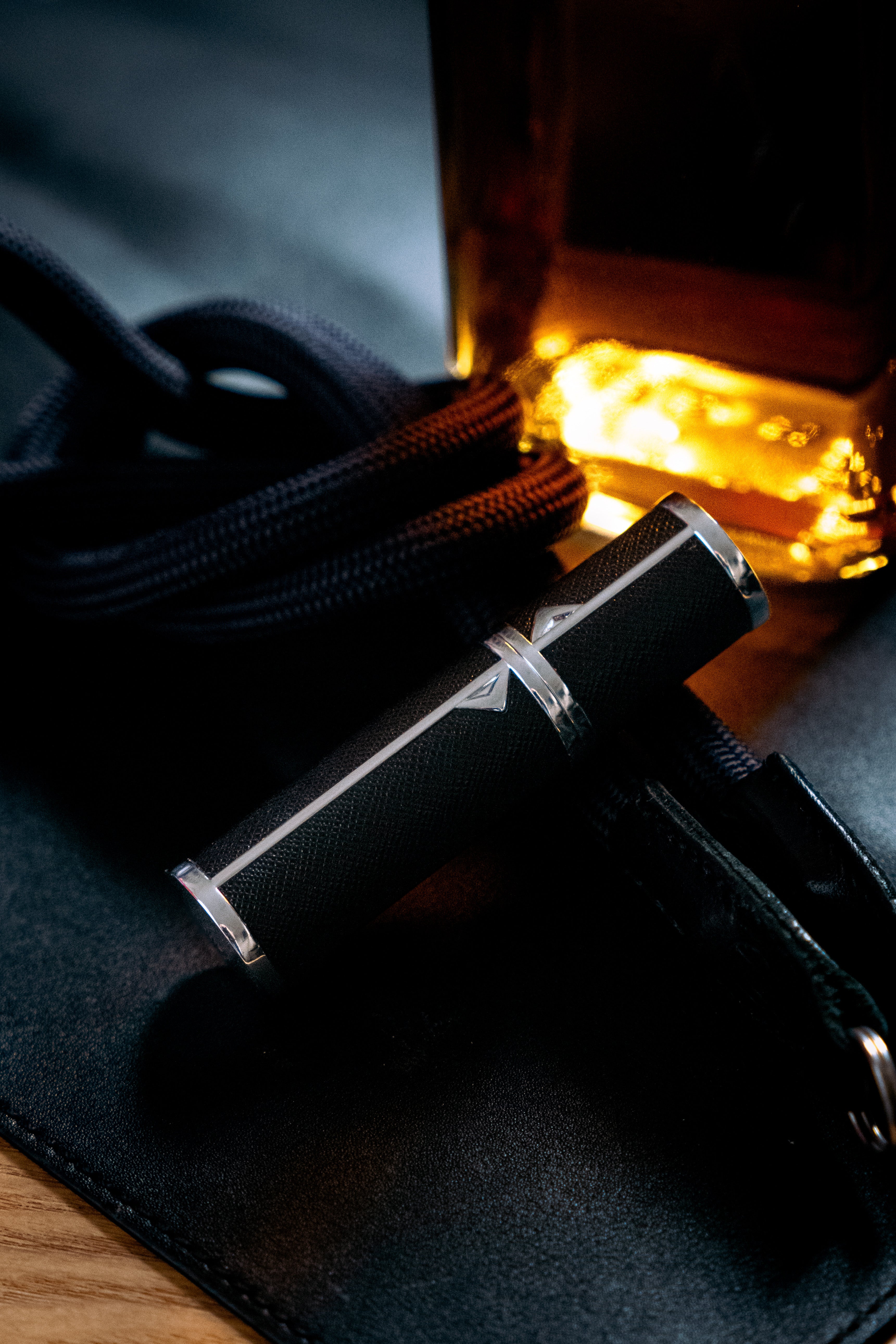
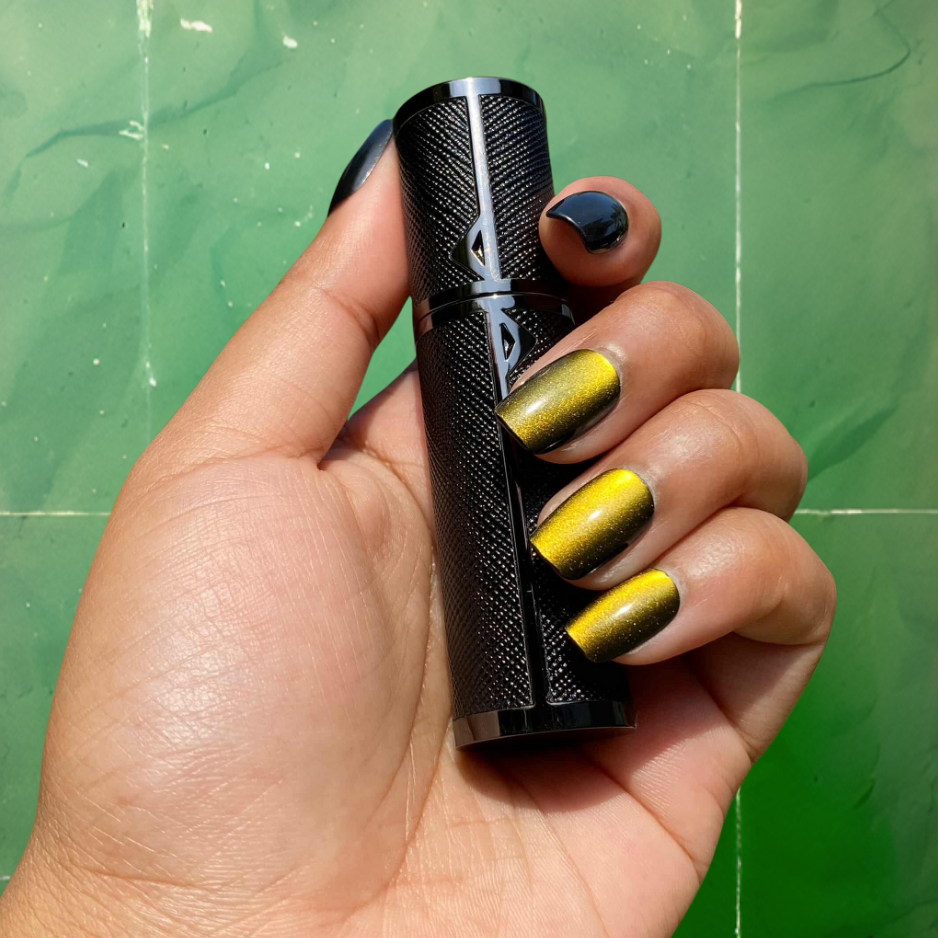
Once you’ve tried the syringe and funnel methods above, you’ll notice how much easier the process gets with an atomizer built specifically for bottom-fill refills. SPRITZ’s refillable perfume atomizers are designed to seat on standard perfume nozzles without the alignment guesswork that trips people up with generic bottles.

- Start with SPRITZ The Set, a 3-pack that lets you carry different scents without buying atomizers one at a time.
- Pair it with the McQueen travel toiletry bag to contain any leaks while you’re in transit.
- Read the brand’s how-to posts linked above before your first fill, since the visuals make the pump alignment step click faster than text alone.
Browse the full atomizer collection to find the size and finish that fits your routine.
Sources
- Liquids, Aerosols, and Gels Rule | Transportation Security Administration
- How to Fill a Perfume Atomizer Without Spills – Step-by-Step Guide - Grooming Talks
- How to Refill a Perfume Travel Bottle: 3 Easy Ways - wikiHow
- Can You Bring Perfume On A Plane? 7 Clear TSA Rules
FAQ
Can you refill perfume testers?
Yes, most tester bottles can be used to refill a compatible atomizer, typically with a bottom-fill pump or a syringe. The method depends on whether the tester has a working spray nozzle or an open pour spout.
How do you open perfume tester bottles?
Most testers open by gently unscrewing or lifting off a spray cap, though some use a plastic shield that pulls straight up. Avoid forcing a stuck cap with pliers, since that risks cracking the nozzle housing.
How do you fill up an atomizer?
For bottom-fill atomizers, align the base valve with the perfume nozzle and pump gently until the chamber reaches 80 to 90 percent capacity, as described above. For top-fill or reservoir styles, use a small funnel or a syringe to pour or inject the fragrance directly.
How do you fix an atomizer that won’t spray?
A non-spraying atomizer usually has a clogged nozzle, which you can often clear with a straightened paper clip, or a dislodged internal straw that needs reseating. If cleaning and reseating don’t help, the seal may be cracked and the atomizer may need replacing.




Share and get 15% off!
Simply share this product on one of the following social networks and you will unlock 15% off!