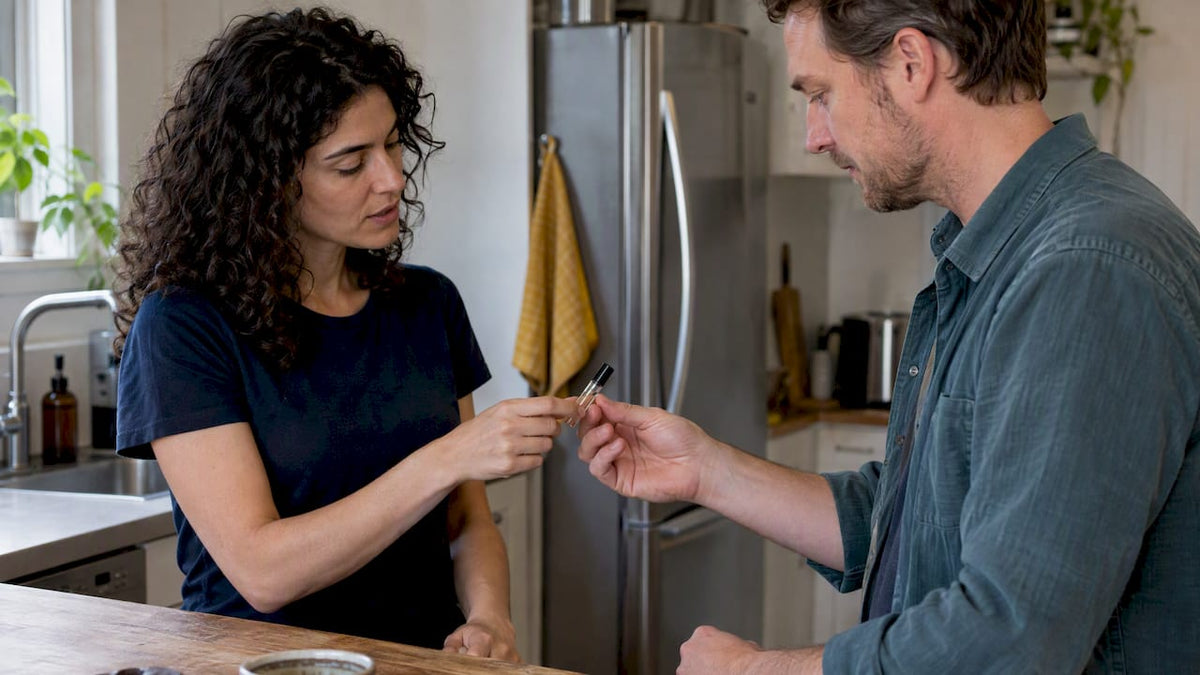
Good decant sharing comes down to a few habits: ask and confirm before anyone gives or accepts a sample, label every vial, pack it so it cannot leak, and test it on skin over several hours. Follow those four steps and almost every awkward moment disappears. Below, we walk through each one, plus the carrier rules and hygiene practices that keep samples safe.
TL;DR:
- In the U.S., USPS requires alcohol based perfume to travel by surface mail, marked Surface Only or Surface Mail Only, so delivery takes longer.
- Label each vial with the fragrance name, concentration, volume, decanting date, and donor initials; seal it in a bag, add absorbent padding, and prevent movement.
- Before shipping, confirm the amount, price or trade, feedback timeline, and return terms in writing; private trades generally do not accept returns after opening.
- Judge a fragrance on clean skin over several hours and a second day, noting longevity, projection, and changing notes rather than relying on paper strips.
Table of Contents
- Agree on the offer before you decant
- Label and package every decant properly
- Ship decants within carrier rules
- Keep your decanting clean
- Test a decant fairly and give useful feedback
- Meet in person with care
- Handle returns, refunds and unwanted samples with grace
- Why considerate sharing keeps the community healthy
- Carry and share decants with a SPRITZ atomizer
- FAQ
- Sources
Agree on the offer before you decant
Nobody likes opening a padded envelope to find a quantity or a scent they did not expect. A short conversation up front prevents most trades from going sideways.
Start with the amount. A small sample can be enough to try a fragrance, while a larger decant makes sense when the recipient already knows they like the scent and wants a real wearing test. Then share the details that matter:
- Fragrance name and concentration: say whether it is an EDT, EDP or parfum, so expectations about strength match.
- Decanting date: older decants may have aged, and the recipient deserves to know.
- Donor notes: mention anything unusual, such as a batch code, a reformulation you noticed, or a bottle that has been open for a while.
- Terms of the swap: settle payment or what you want in return, when feedback is due, and whether returns are possible.
If you are setting terms for a paid or traded decant, it helps to put them in writing. The principle is the same one covered in this partner guide on disclosure: clear terms stated before anything changes hands keep everyone comfortable. A short message confirming amount, price and timeline can help.
Label and package every decant properly
An unlabeled vial is a mystery, and a poorly packed one is a mess. Treat the label as part of the gift.

Every decant should carry the fragrance name, the concentration (EDT or EDP), the volume, the decanting date and the donor’s initials. That information lets the recipient track how a scent ages and who to contact with questions.
Then pack it in this order:
- Cap the atomizer, and plug the sprayer if it can be triggered by pressure.
- Slide the vial into a sealed bag so any leak stays contained.
- Wrap it with absorbent padding, such as a paper towel or cotton pad.
- Seat it in a fitted insert so it cannot rattle around.
- Place that inside a second box when the trip is long or the fragrance is valuable.
Each step has a job. The cap and plug protect the scent, the bag protects everything else in the box, and the insert protects the glass. Our guide to protecting a perfume atomizer covers the same ideas for travel.
Ship decants within carrier rules
Perfume is not an ordinary parcel. Domestically in the U.S., perfume containing alcohol is flammable and treated as a limited-quantity hazardous material, so it may go by surface transportation only through USPS. The mailpiece must be marked “Surface Only” or “Surface Mail Only,” and air transport and many faster services are not permitted for standard perfume.
For the exact definitions and marking requirements, check USPS’s hazardous materials guidance and its Packaging Instruction 6C, which describe how regulated mail must be marked and what contact information belongs on the outer packaging.
Your packing checklist:
- Secure the atomizer with its cap or plug.
- Seal the vial in a bag.
- Add absorbent material and a fitted insert.
- Keep the vial upright inside the box.
- Double box the shipment.
- Add the required surface-only marking.
USPS rule to remember: alcohol-based perfume ships surface-only, with the mailpiece marked “Surface Only” or “Surface Mail Only.”
Surface transport is slower than the shipping most people are used to, so tell the recipient to expect a longer wait. A friendly message explaining that surface shipping may take longer can prevent anxious check-ins.
Keep your decanting clean
A clean transfer protects the scent and the person who will spray it on their skin.
Use sterile syringes or pipettes and a dedicated funnel where needed, and give each fragrance its own atomizer. Mixing leftovers into a used vial is how a fresh citrus turns murky. Our walkthrough on how to decant perfume shows the full process, and our note on whether decanting ruins perfume answers the common worry about scent changes.
- Clean workspace: wipe the surface and wash your hands before you start.
- Cap and label immediately: an open vial invites evaporation and mix-ups.
- No cross-contamination: never reuse a pipette between two fragrances without cleaning it.
- Sanitize reusable tools: rinse with a little alcohol, let them dry fully, then store them capped.
Pro Tip: Decant over a tray or a folded towel so a stray drip never ends up on your good surfaces or your clothes.
Test a decant fairly and give useful feedback
A decant is only a fair test when you give it time. A single rushed sniff rarely suffices, and a well-stored decant lets you test the scent on skin at different times of day. Paper strips only tell part of the story, because a fragrance develops differently on skin.
- Spray once or twice on a clean patch of skin, not over lotion.
- Check it at the start and again later, since base notes can take a while to emerge.
- Try it on a second day, in a different mood and setting.
- Write down longevity, projection and the notes you picked up.
- Tell the donor whether you want a larger decant, and thank them either way.
Specific feedback, such as “the opening is bright but it faded by lunchtime,” helps the donor far more than “nice.”
Meet in person with care
Face-to-face swaps are quick, but a little planning keeps them smooth.
- Choose a public place: a café or a store entrance is comfortable for both sides.
- Bring sealed, pre-labeled samples: carry them in a spill-proof pouch or case.
- Settle terms beforehand: agree on the trade in advance so the meetup stays brief.
- Add a small note: include your contact details for follow-up questions or a replacement.
Keep the tone friendly and brief. Nobody wants a sales pitch at a coffee shop table.
Handle returns, refunds and unwanted samples with grace
Problems are rare, but a courteous policy keeps them small.
- No returns after opening: this is the fair default for private trades and small paid decants, unless you agreed otherwise beforehand.
- Damaged or mislabeled samples: tell the sender right away, with a photo if possible, and the sender should offer a replacement or a partial refund if money changed hands.
- Unwanted samples: pass them to a friend, swap them again, or gift them rather than tossing a perfectly good fragrance.
- Write it down: a short message confirming terms before shipping settles most disputes before they begin.
Why considerate sharing keeps the community healthy
In my view, most decant drama traces back to two things: unclear expectations and weak packaging. The fragrance itself is almost never the problem. A clear label, a surface-only marking and a quick “here is what you are getting” message cost almost nothing, yet they protect trust between people who may never meet. I would love for those habits to become standard practice, and I would welcome your own tips so the community’s etiquette keeps improving.
— Ash
Carry and share decants with a SPRITZ atomizer
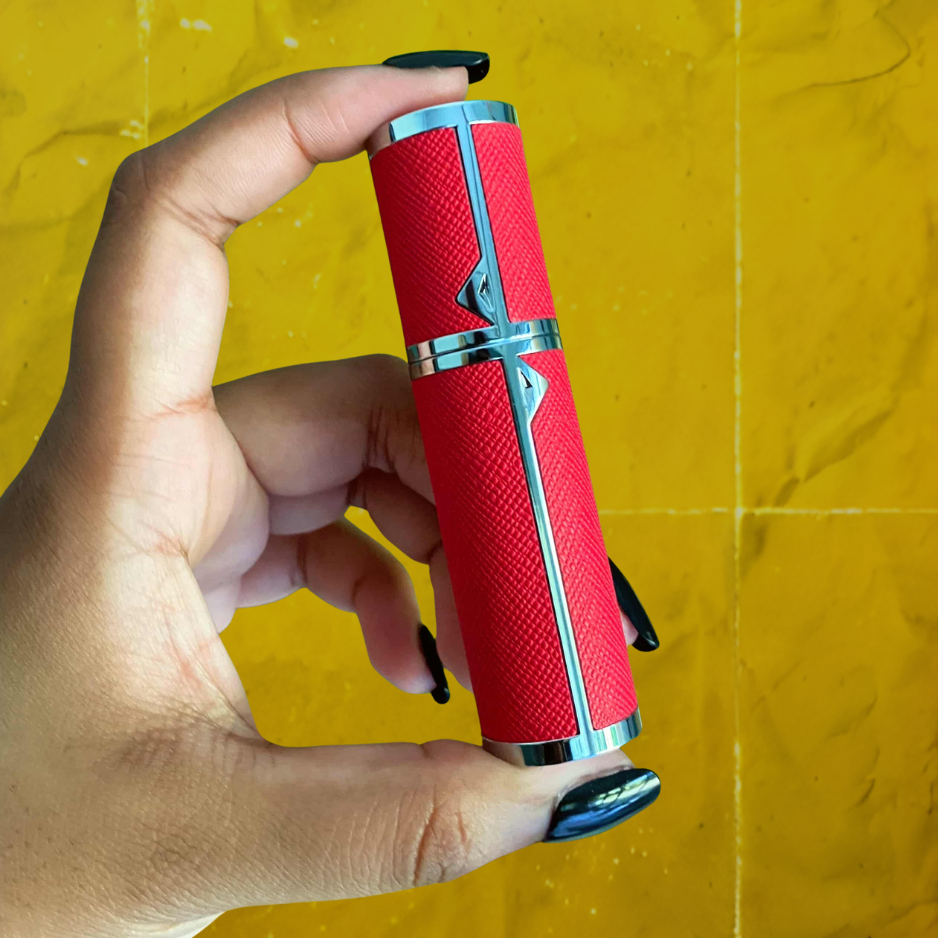
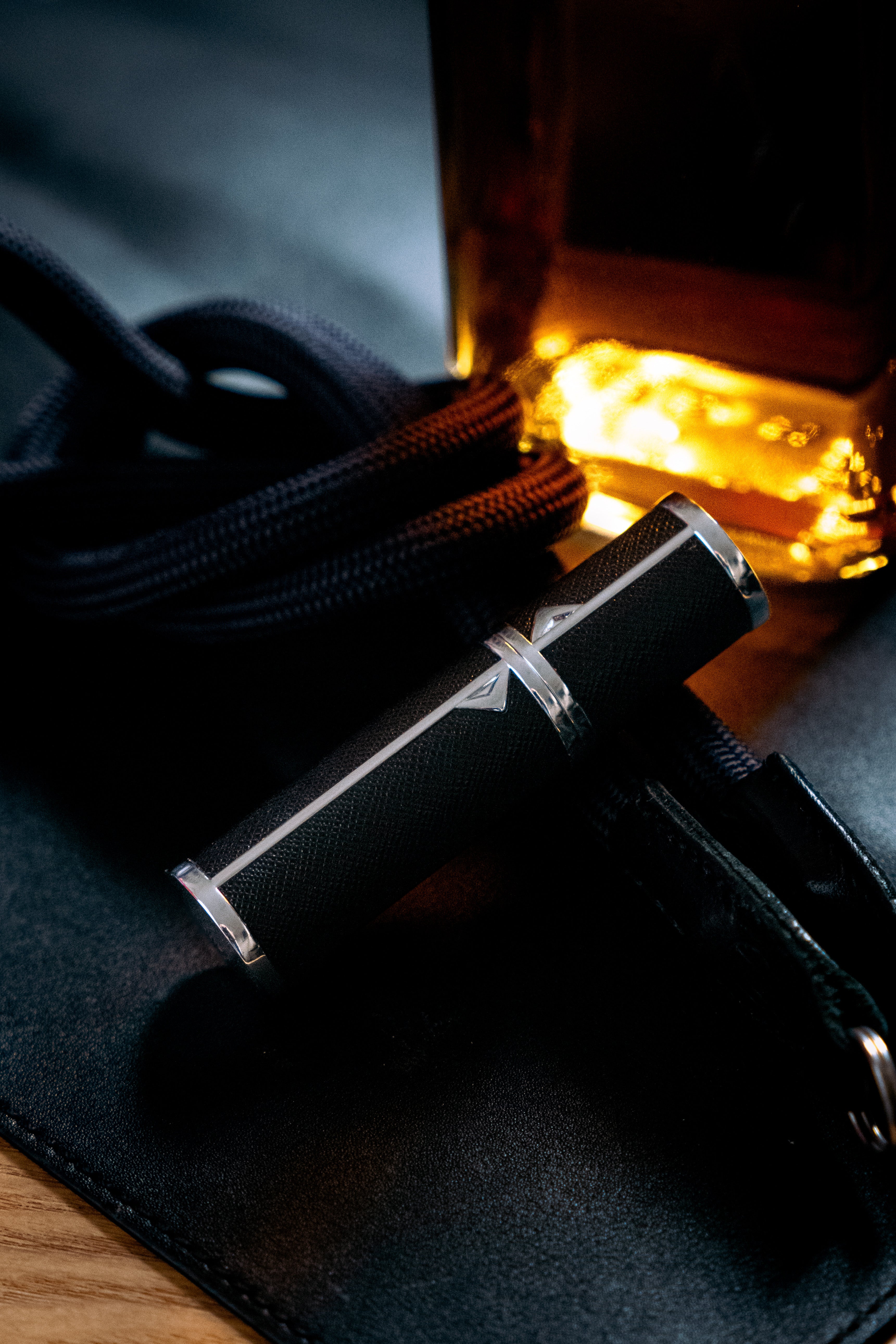
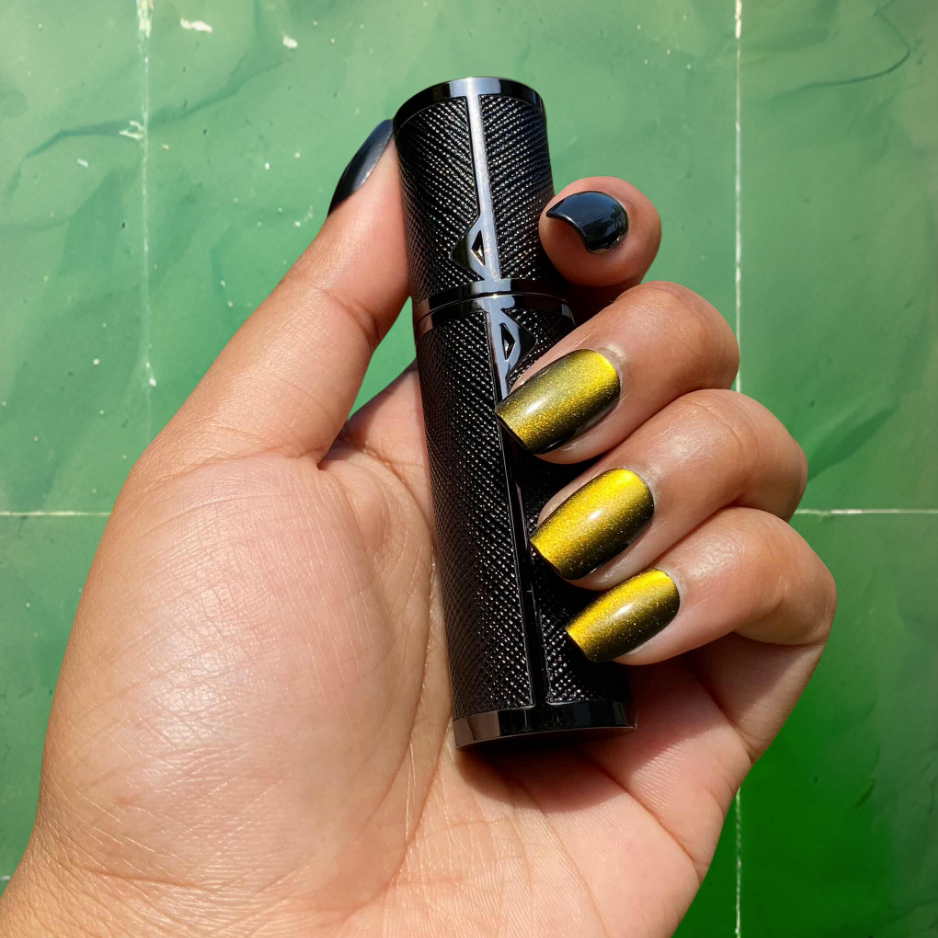
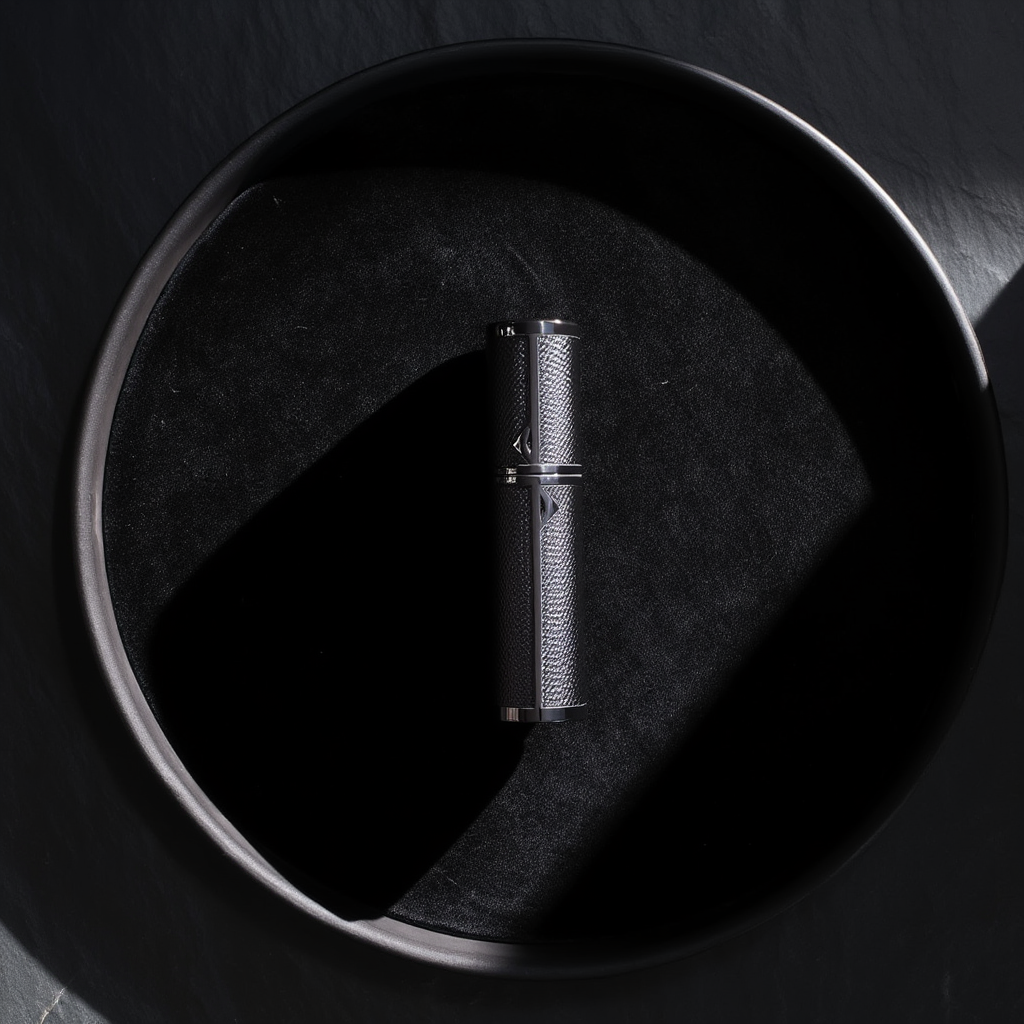
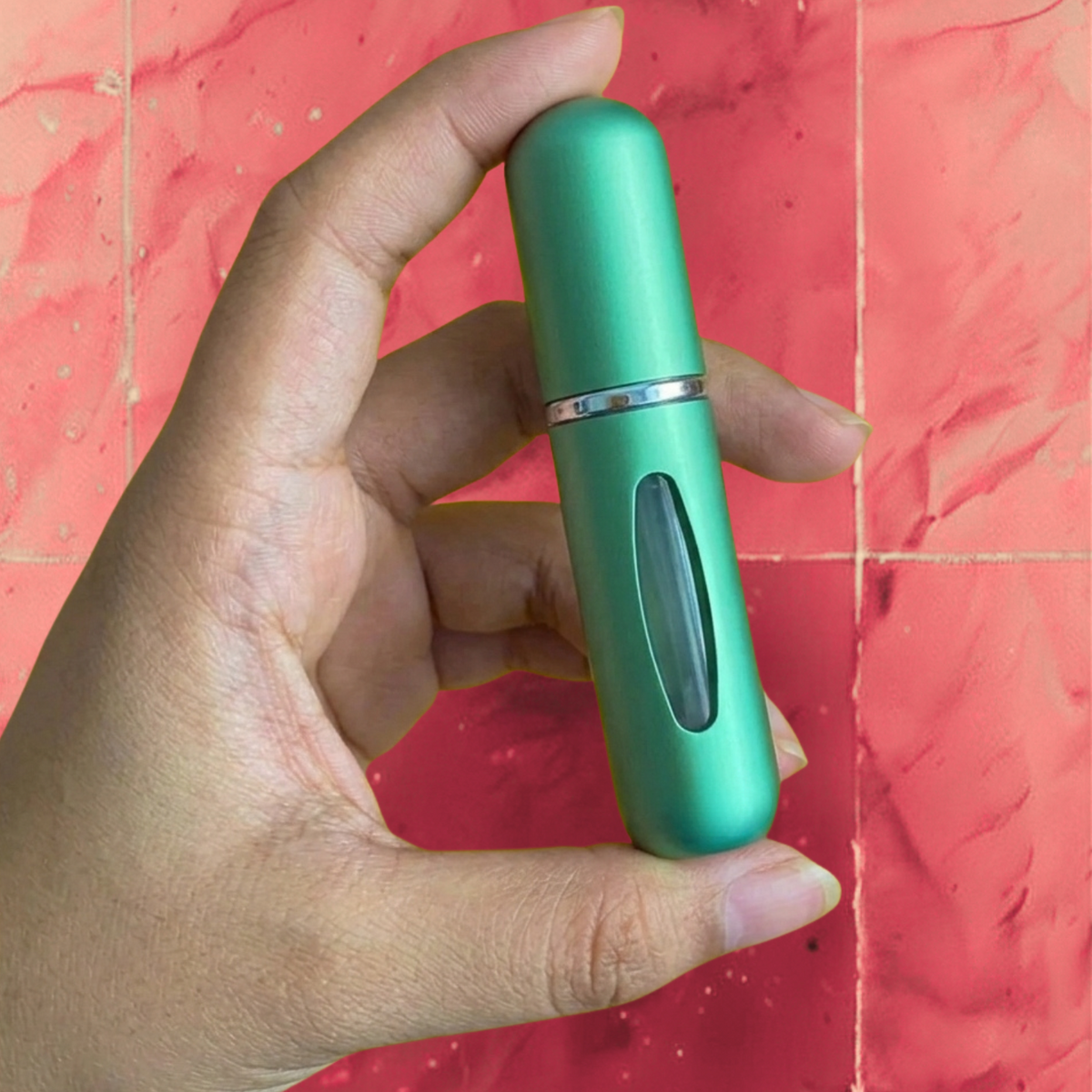
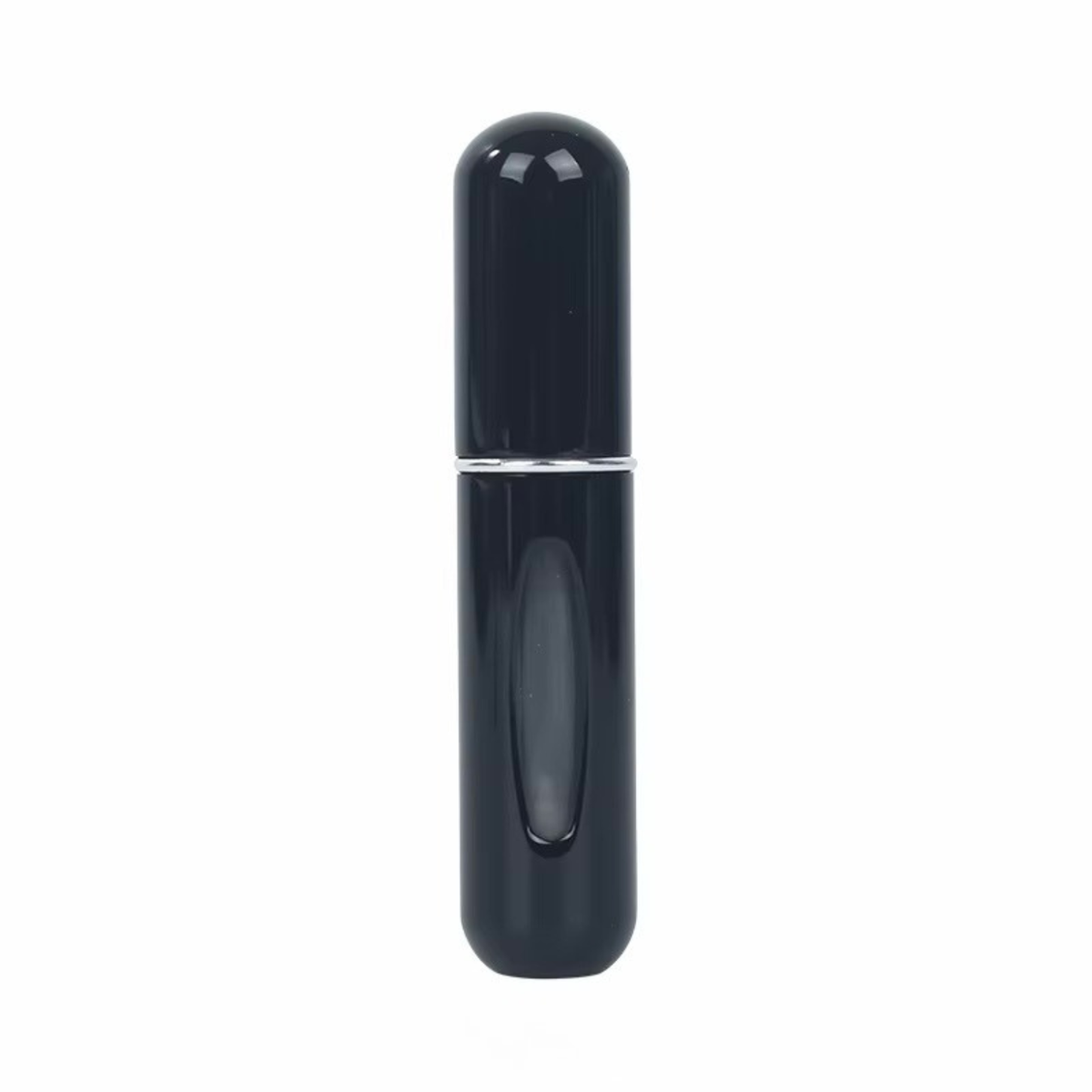
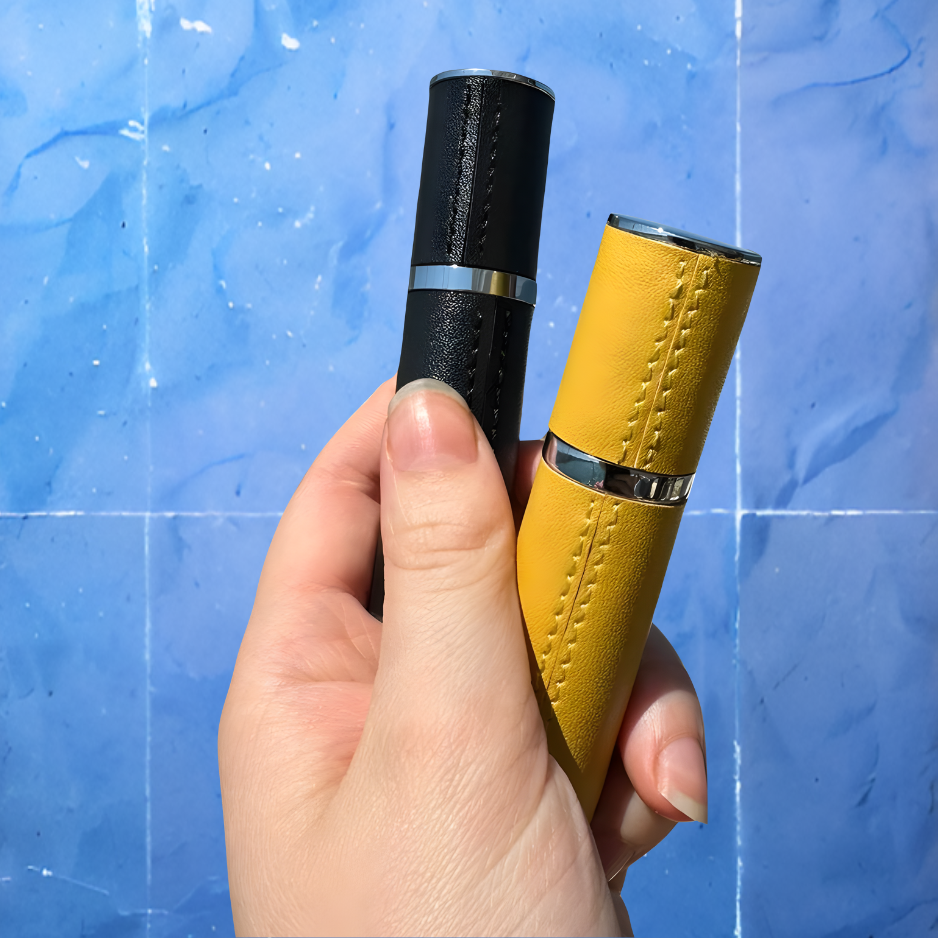
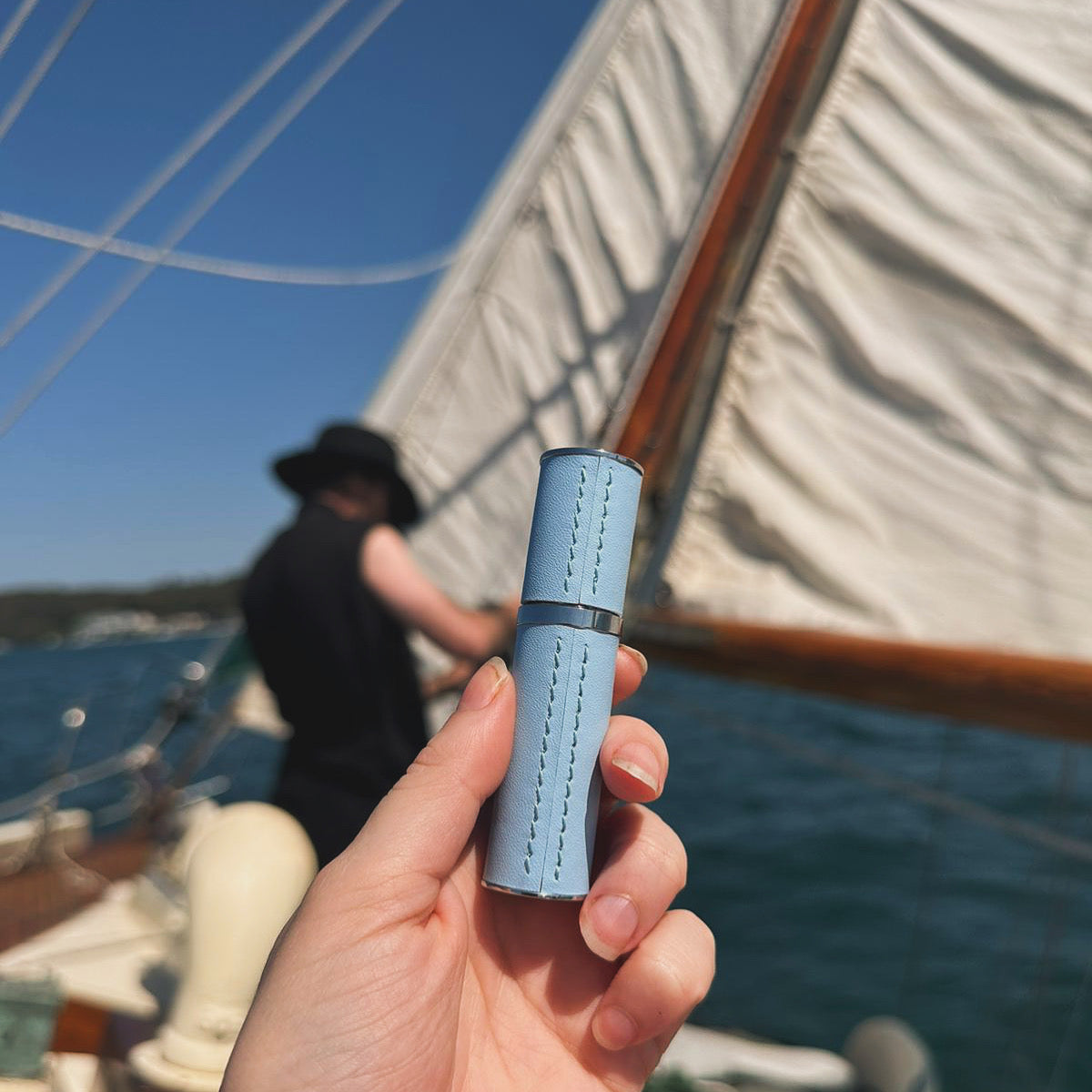
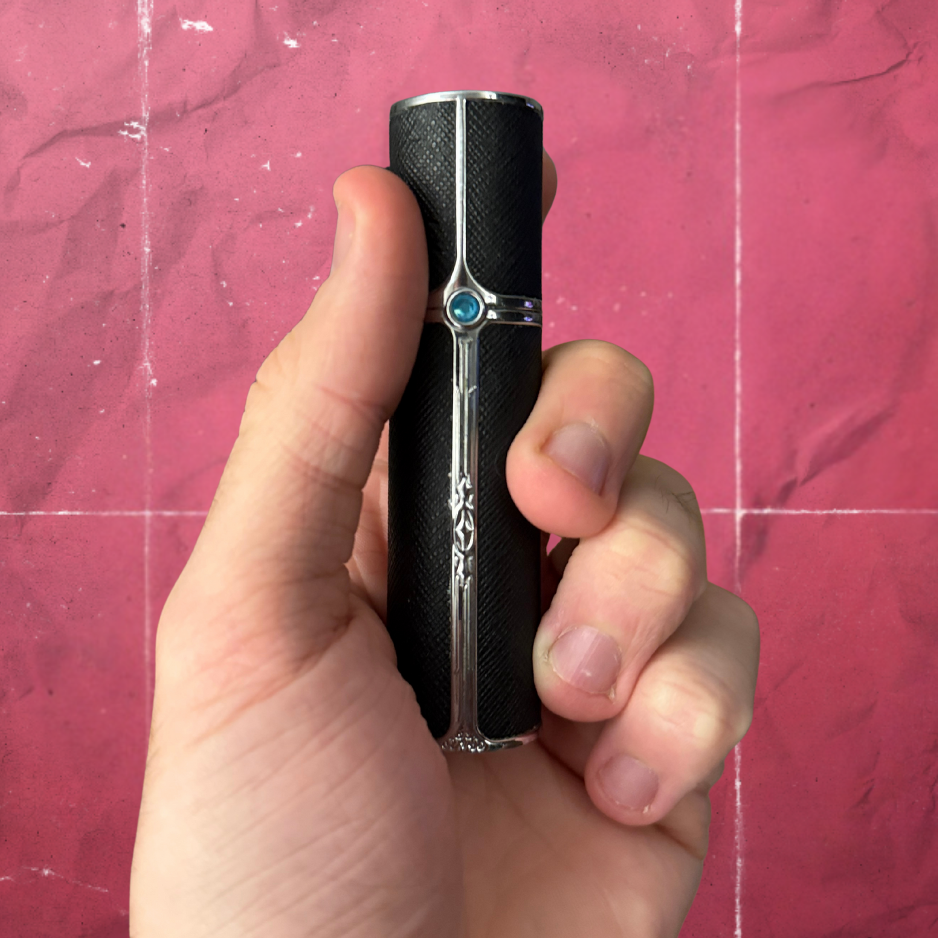
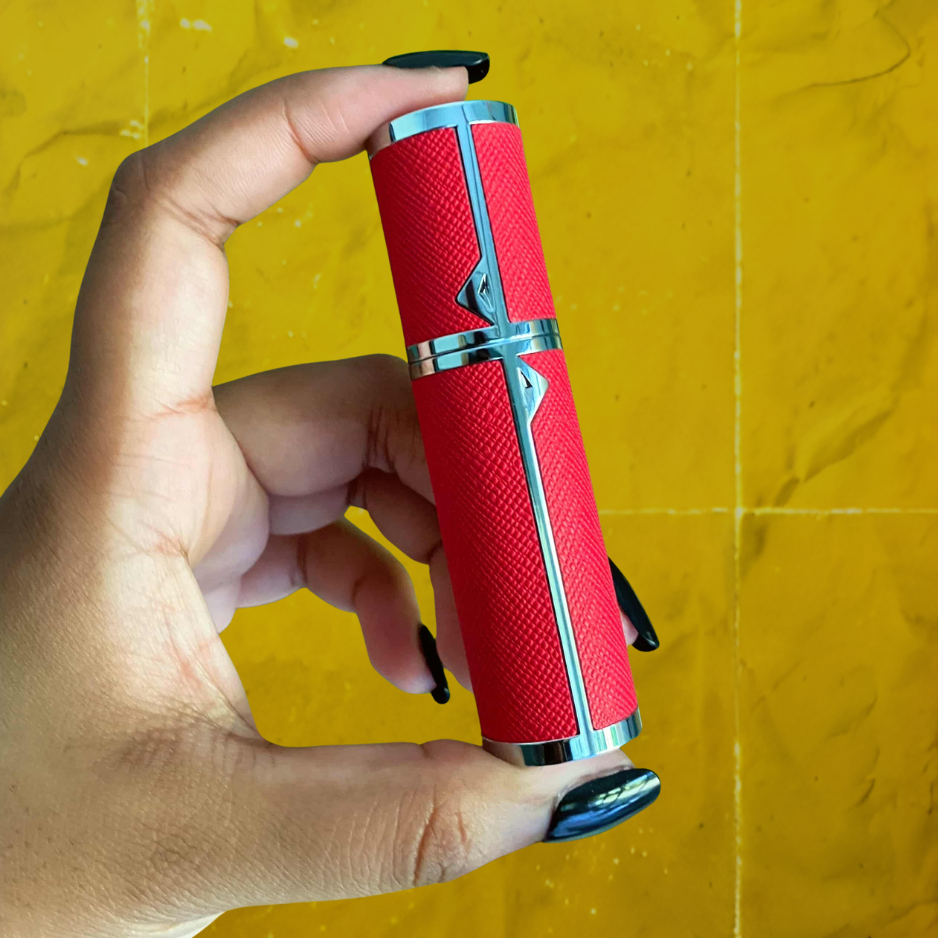
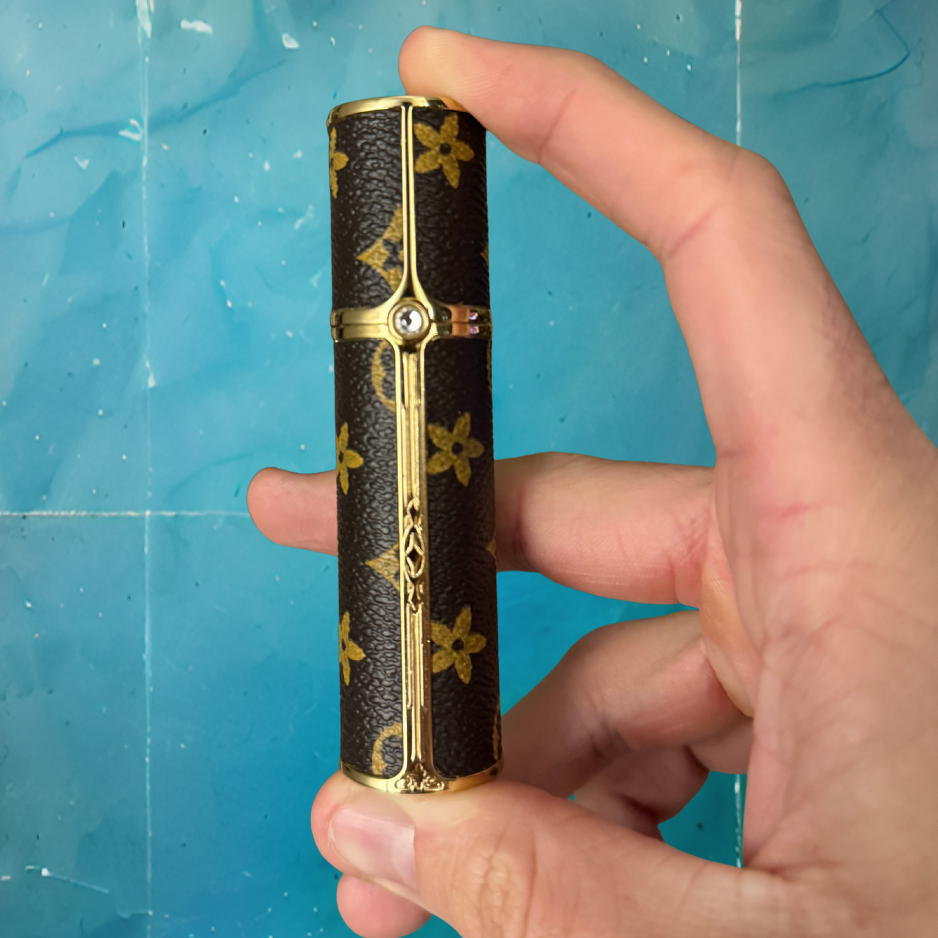
A good decant needs a good container. Our refillable perfume atomizers fill from any standard perfume bottle, so transferring, testing and traveling with a sample is simple, and the sleek, compact design slips into a pocket or purse. Here is how we can help:
- Atomizers for single samples: SPRITZ The Set gives you three refillable atomizers ready for sharing and testing.
- Protection on the move: our Travel Organisers are designed for travel.
- Help choosing: our guide to the best atomizer for perfume samples compares options for testing.
Browse the collection and pick the atomizers that fit your next swap.
FAQ
How much perfume should I give in a decant?
For a first try, a small amount can be considerate. Offer more only when the recipient already likes the scent and wants a proper test.
Can I mail perfume decants to another person?
Yes, within the U.S., but alcohol-based perfume is treated as a limited-quantity hazardous material and ships by surface only, marked “Surface Only.” Check USPS guidance before sending.
What should a decant label include?
Include the fragrance name, concentration, volume, decanting date and donor initials. This lets the recipient track how the scent ages and know who to ask about it.
How long should I test a decant before judging it?
Give it several hours on skin and ideally a second day. A fragrance’s base notes can take a while to show up, so one quick sniff is not a fair verdict.



साझा करें और 15% छूट पाएं!
बस इस उत्पाद को निम्नलिखित सामाजिक नेटवर्क में से किसी एक पर साझा करें और आपको 15% की छूट मिलेगी!