
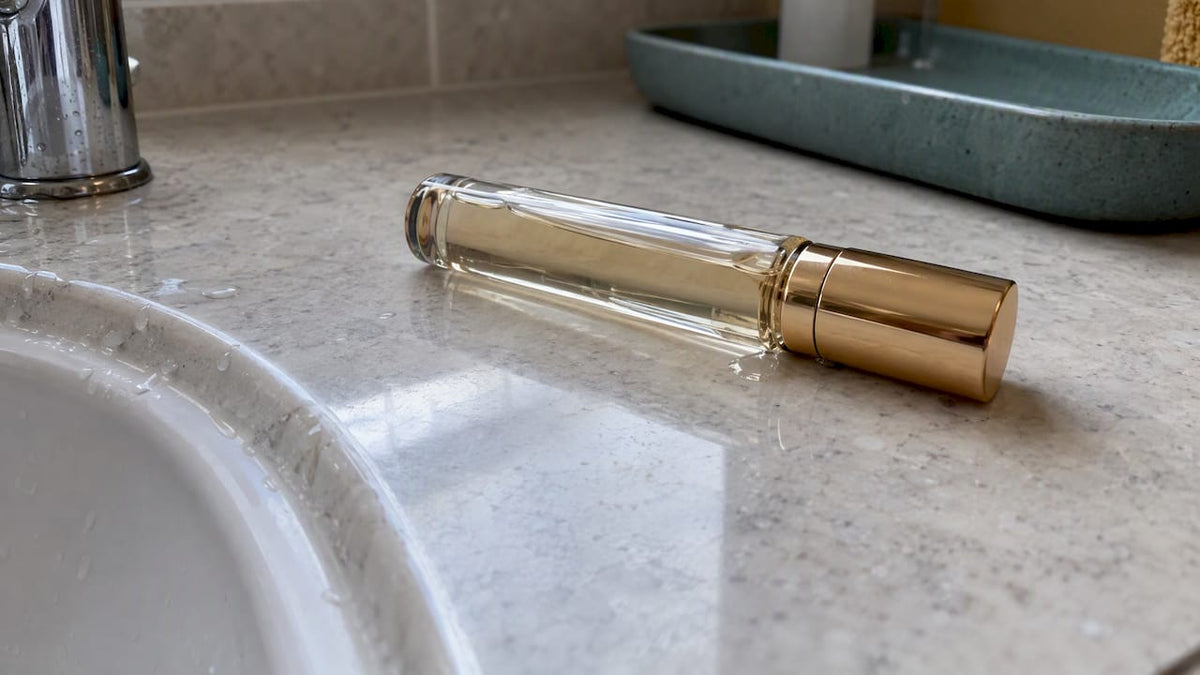
A secure atomizer cap is a cap that stays on the sprayer when your bag gets tossed around. It covers the spray button so nothing presses it, and it sits on a tight neck fit so nothing works loose. The cap is only one part of a leak-proof atomizer, though. The seal underneath it matters just as much, so this guide covers both: how caps work, how to tell whether one fits, how to test it, and how to carry it.
TL;DR
- A cap guards the spray button and holds the sprayer in place. The airtight seal comes from the collar and gasket against the bottle neck.
- Fit depends on neck finish, internal fitment and collar height, not on how similar a cap looks.
- Test any atomizer overnight on a folded tissue before it goes in a bag. A damp ring means it stays home.
- For flights, carry it in your cabin bag in a sealed pouch, at 3.4 ounces (100 ml) or less.
- Never force a cap on or off. Over-tightening damages threads and sprayers.
Table of Contents
- What a secure cap actually does
- Why atomizers leak even with a cap on
- What to look for in a secure atomizer
- How to tell whether a cap fits your bottle
- How to attach or replace a cap without damaging it
- The overnight leak test
- Carrying a capped atomizer: bags, flights and TSA
- Our perspective: the cap is half the system
- A refillable atomizer built to stay shut
- A quick pre-trip routine
- FAQ
- Sources
What a secure cap actually does
Most people think of the cap as the thing that stops leaks. It is partly that, and partly something else. A cap is a safety mechanism: it keeps the spray head protected and prevents accidental discharge during handling. A tight closure also limits evaporation and oxidation, which is why a well-seated cap helps your fragrance last longer.
The airtight seal is a different job. On a standard perfume pump, the seal is made by the collar and its internal gasket pressing against the glass neck. A magnetic or snap cap only holds itself on. As one glass bottle maker explains, the cap does not form the seal; the pump collar does.

That distinction changes how you troubleshoot. If perfume is escaping, a bigger or tighter cap will not fix a worn gasket or a loose collar. You have to find where the failure actually is.
Three jobs, three parts
| Part | What it does | What failure looks like |
|---|---|---|
| Cap | Covers the spray button, protects from knocks, keeps the nozzle clean | Pops off in a bag, presses the button, rattles |
| Collar and gasket | Forms the airtight seal on the bottle neck | Dampness around the neck, sticky residue |
| Fill valve or pump | Lets liquid in and out, then closes | Seeps when the pressure changes, as in a cabin |
Why atomizers leak even with a cap on
A snug cap can hide a leaking atomizer. One checklist of warning signs lists dampness at the collar or neck, recurring sticky residue, a collar that moves when it should be fixed, and a cap that will not stay over the spray button. A cap that fits tightly does not prove the atomizer is sealed.
Flying adds another cause. According to WhatScent’s guide to travel atomizer leaks, leaks on planes often start at the fill valve or seal. The cause is the pressure difference between the cabin and the air trapped inside the atomizer, not only how much liquid is in it.
So two things matter on a trip: a cap that stays put, and a valve and seal that hold under changing pressure. For a deeper look at the second part, our own guide explains why perfume atomisers leak and how to stop it.
What to look for in a secure atomizer
When you shop for a travel atomizer, or judge the one you have, check these design features. They come from WhatScent’s travel atomizer advice:
- A glass or sturdy inner vial
- A metal or thick outer case
- A fill valve that closes firmly
- A cap that clicks or screws on securely
The cap style matters in daily use too. Here is how the common types compare.
| Cap style | Strengths | Watch out for |
|---|---|---|
| Screw-on | Firm hold, easy to feel when it is tight | Cross-threading, over-tightening |
| Snap-on | Fast, one hand | Can loosen after repeated use |
| Magnetic | Satisfying click, easy to align | Holds the cap only; it adds no seal |
None of these is automatically best. A screw cap that is forced on will damage threads, and a snap cap that fits loosely will pop off. The right choice is the one that seats firmly and stays put in your own bag.
How to tell whether a cap fits your bottle
This is the question behind most searches for replacement caps. Fit is more specific than it looks.
Measure the neck
Cap suppliers that publish size guides start with the neck. One US supplier’s guide says to measure the bottle’s neck across the outside edges of the threads, in millimeters. Use a caliper or a ruler held flat against the neck. Write the number down before you shop.
Match the neck finish
Bottles and closures need the same neck finish to seal properly. Manufacturers do not all follow standards in the same way. For that reason, a perfume-making resource on closures suggests testing samples, or buying the bottle and closure from the same source.
Do not trust the outside shape
Two caps can look identical and still differ inside. Internal cavity, collar height and actuator clearance all decide whether a cap seats correctly. A cap that looks right can fail because of differences you cannot see. If you are replacing a cap on a bottle you love, ask the seller for the exact dimensions, or send a photo of the neck if they offer to check.

Change one thing at a time
Swapping parts without checking the whole assembly can leave the original problem in place. A different atomizer or gasket changes how the cap sits on the neck. If you replace a part, retest the whole thing afterward.
How to attach or replace a cap without damaging it
Most damage comes from force. Work through these steps.
- Identify the type. Is it snap-on or screw-on? Look for threads on the neck or collar.
- Remove it gently. For a snap-on cap, wiggle it slightly while pulling straight up. For a screw-on cap, turn it counterclockwise.
- Handle a stubborn cap with padding. Wrap it in a paper towel for grip. Some guides suggest pliers over the towel, but use light pressure only. Too much force can crack or crush the atomizer.
- Line up the replacement. Seat it straight before you press or turn.
- Stop when it feels snug. Over-tightening can damage the bottle, threads or atomizer.
If a cap will not budge, warm water on the outside of a plastic cap is gentler than leverage, but do not let water into the sprayer. If it still will not move, replace the whole atomizer rather than risk a cracked neck.
The overnight leak test
A cap that seems tight tells you little. This test tells you far more, and it takes one night. It follows WhatScent’s recommended method:
- Fill the atomizer, leaving a small air gap at the top.
- Wipe the outside completely dry.
- Lay it on a folded tissue overnight.
- In the morning, check the tissue.
A damp ring means the atomizer should not travel. Also check for stickiness at the collar and neck, since a slow seep leaves residue before it leaves a puddle.
Run the test with the cap on and the atomizer lying on its side, because that is how it will sit in a bag. If you plan to fly, repeat it after one trip in a pocket or purse, where the atomizer sees real movement.
Carrying a capped atomizer: bags, flights and TSA
For air travel, the rules are simple and official. The TSA’s perfume page says perfume is allowed in carry-on bags in containers of 3.4 ounces (100 ml) or less. It also says permitted aerosol release devices must be protected by caps or other suitable means. That makes your cap part of the rule, not just a convenience.
For checked bags, the same TSA page reports the FAA limit: a total of 70 ounces (2 kg) or 68 fluid ounces (2 L) of restricted toiletries per person, with individual containers of no more than 18 ounces (0.5 kg) or 17 fluid ounces (500 ml).
Our own guides go into more detail on these rules:
- TSA perfume rules: 3.4 oz for carry-on
- Atomizer size for flights
- Seven flight-ready steps to protect your atomizer
Pack it in the cabin
WhatScent recommends carrying atomizers in the cabin. Checked bags see bigger temperature swings and rougher handling. Keep the atomizer in your personal item where you can reach it.
Contain and cushion
Put the atomizer in a sealed bag in case it leaks, and cushion it against knocks. A zip pouch inside a padded organizer does both. If you are packing light, a simpler travel routine leaves room for this kind of protection without extra bulk.
If you are deciding what format to bring at all, this comparison of rollerball and spray perfume lays out the trade-offs for carrying fragrance every day.
In a handbag or gym bag
The same logic applies on the ground. Keep the atomizer upright in a pocket of its own, away from keys and anything that can press the button. We cover this in how to prevent perfume leaks in your handbag.
Our perspective: the cap is half the system
We make refillable atomizers, so we see the same problem again and again. People blame the cap, buy another, and the leak continues. In our experience, a secure atomizer is a system: a cap that stays on, a closing valve, and a body strong enough to take a knock. Judge all three together, not one.
That is how we think about design. We aim for a sleek, durable atomizer that fills from any standard perfume bottle, fits in a pocket or purse, and is built to be leak-proof and airline-approved. We stand behind it with a 30-day money-back guarantee and free worldwide shipping. Our customers have rated us 4.84 across more than 10,000 reviews, and the feedback that matters most to us is the plain kind: it stayed shut in my bag.
Our advice is the same whatever you carry. Test before you trust, keep your fragrance in the cabin, and do not force anything.
— Ash
A refillable atomizer built to stay shut
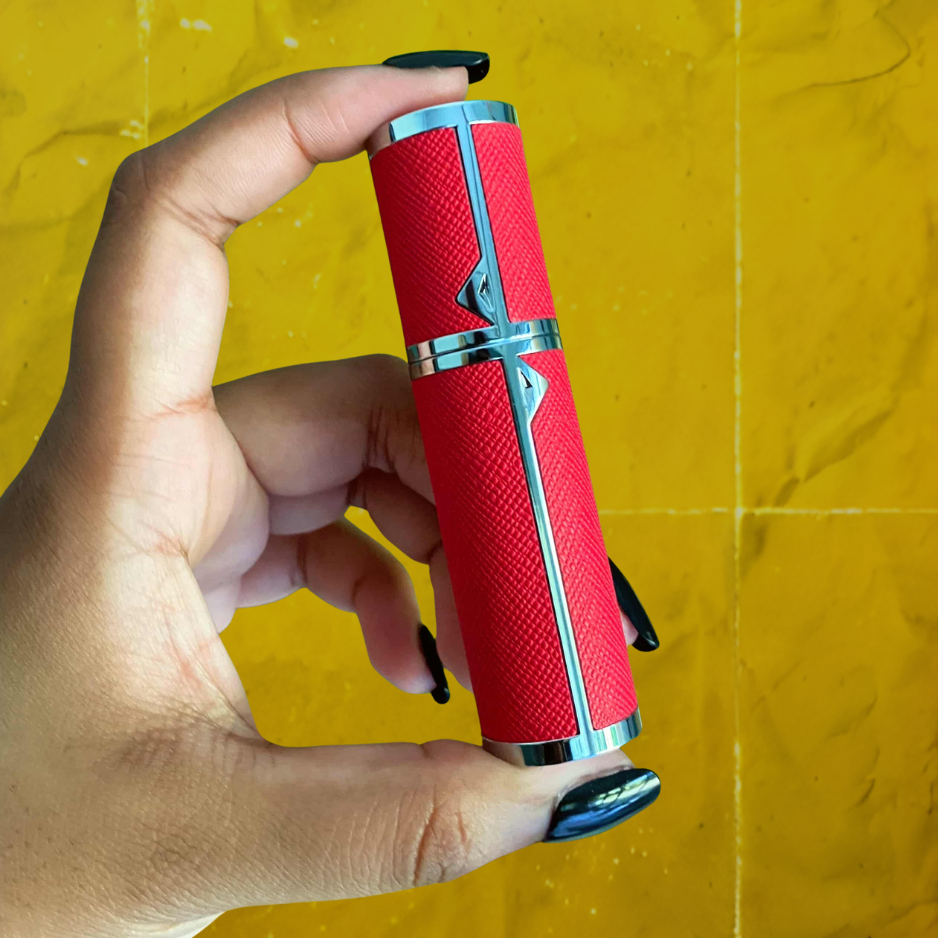
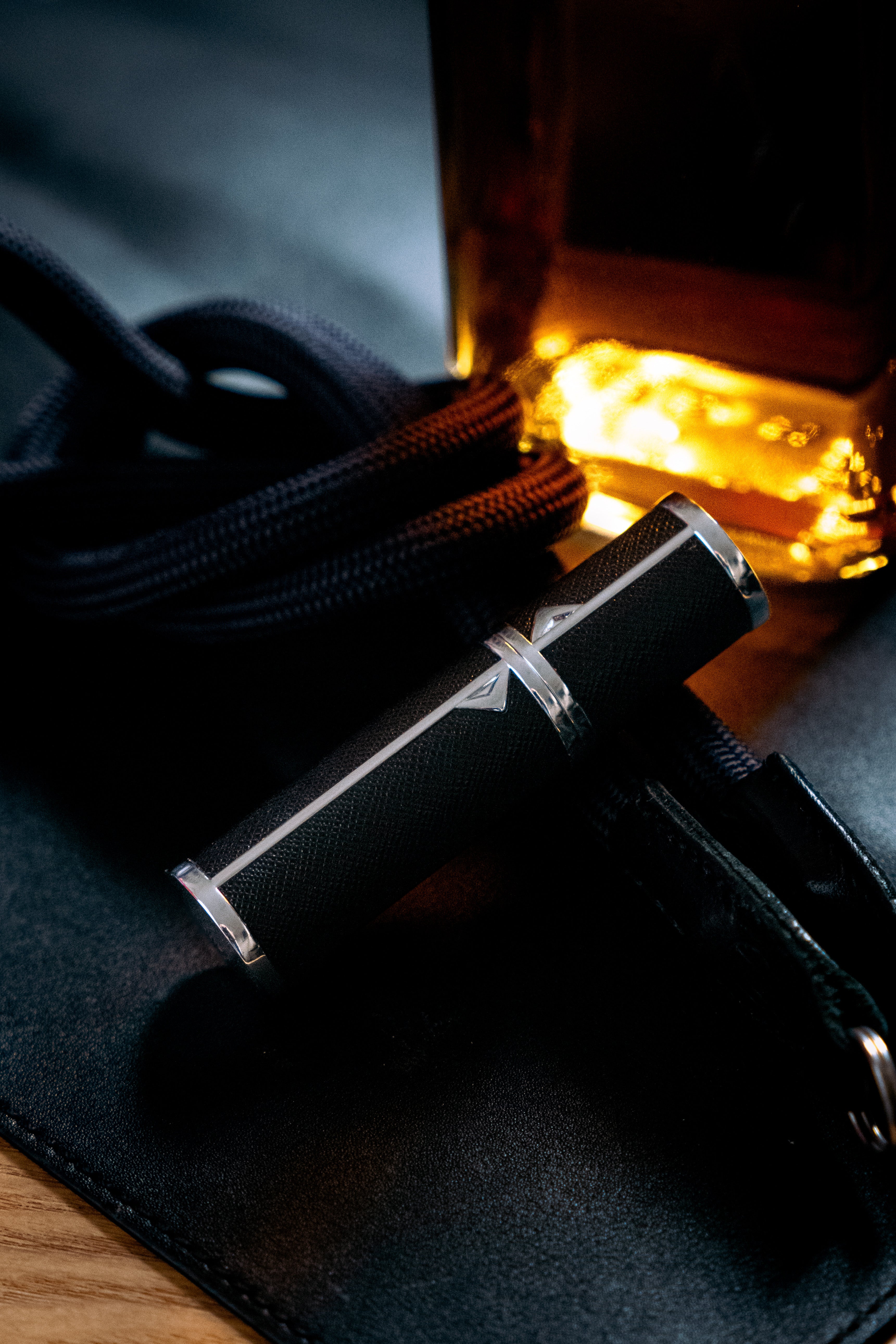
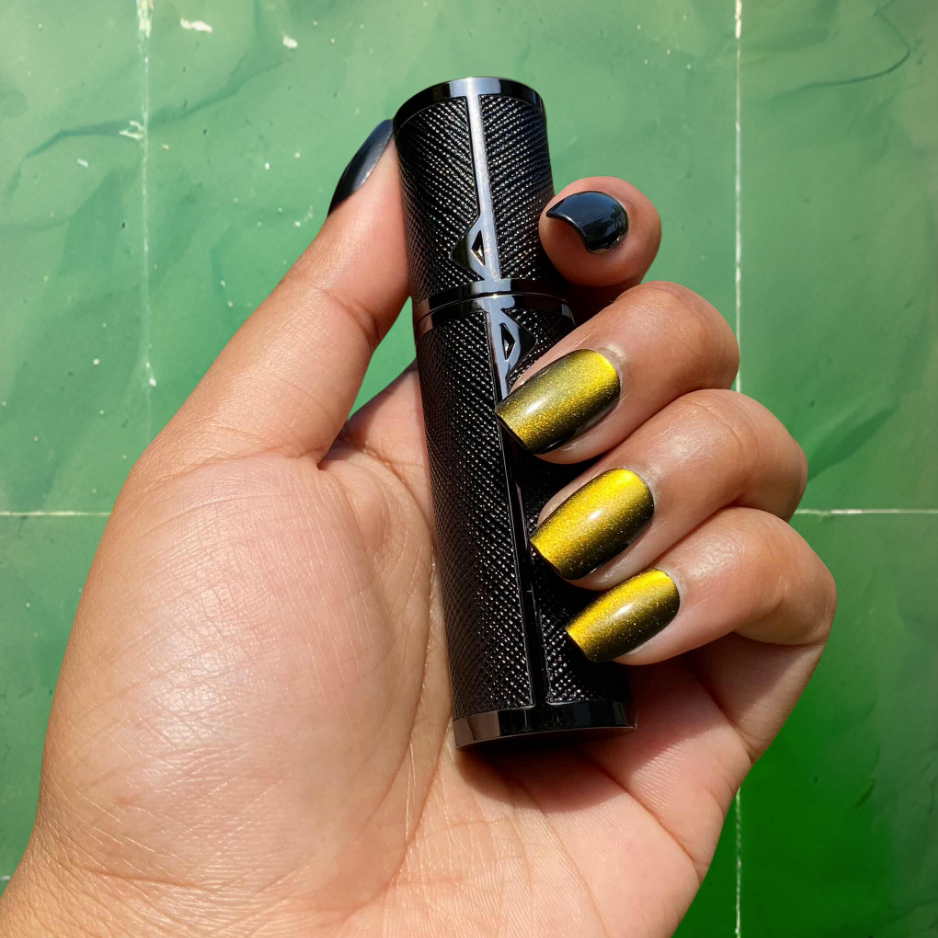
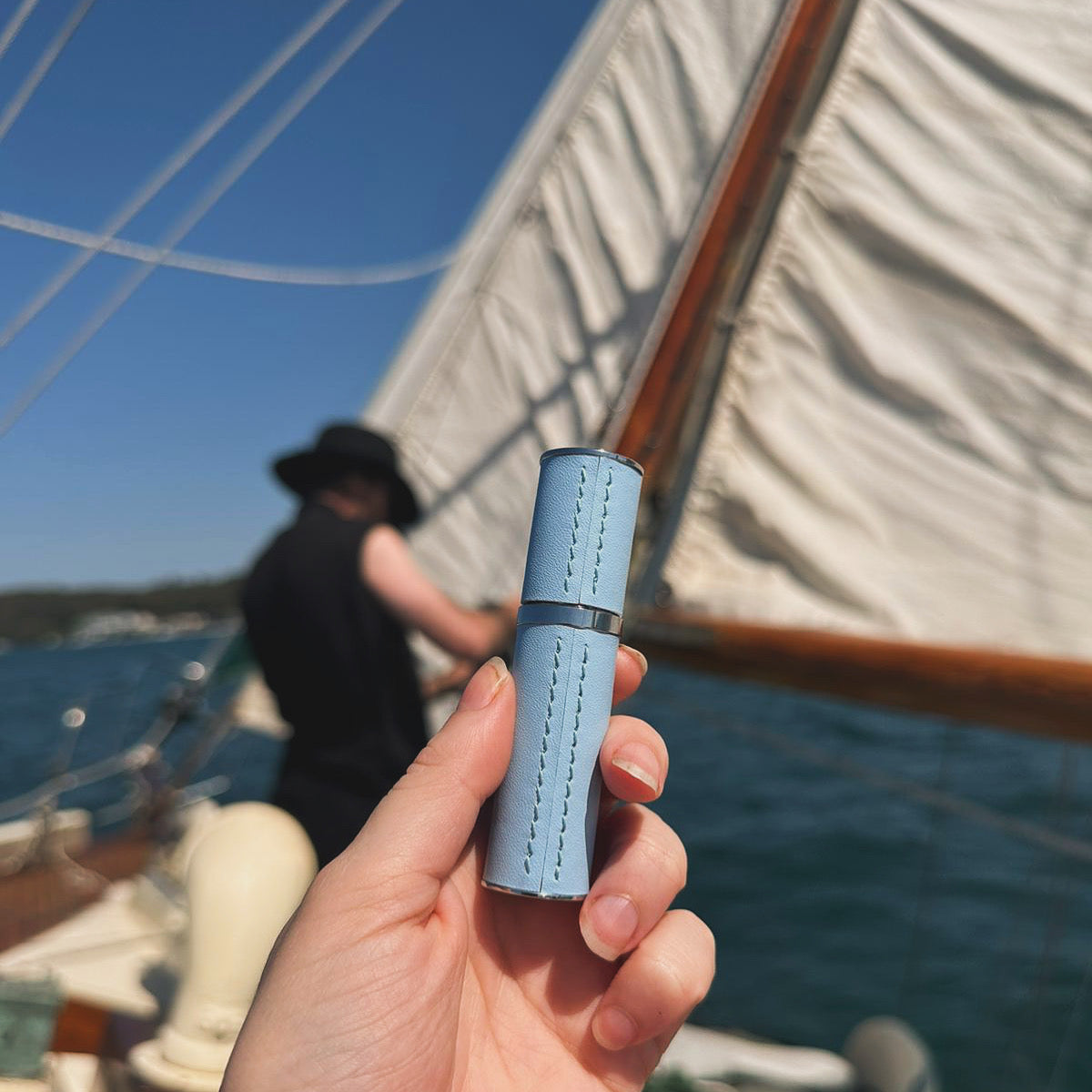
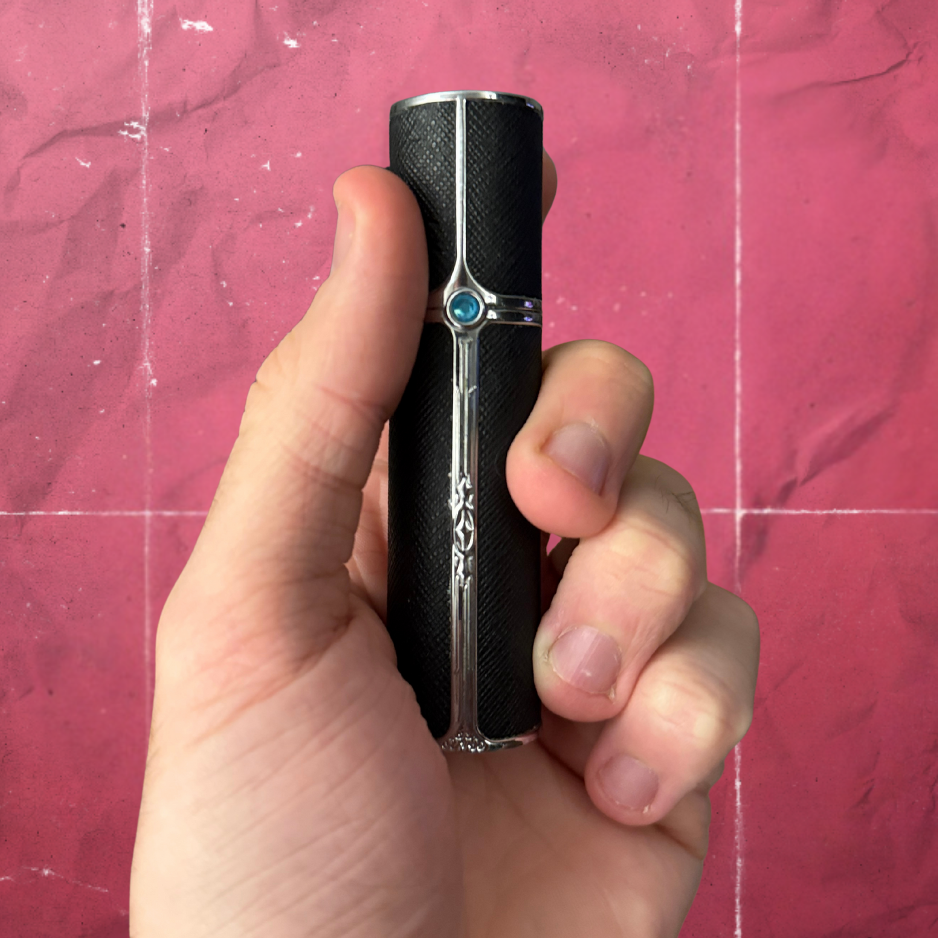
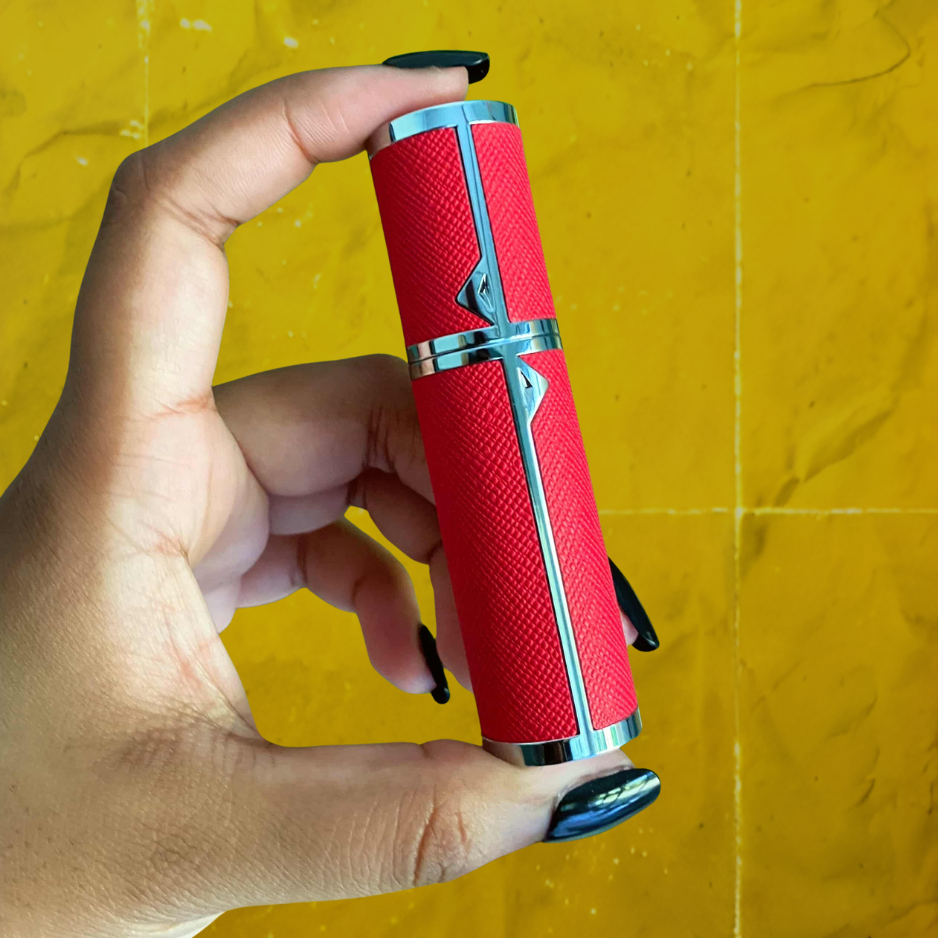
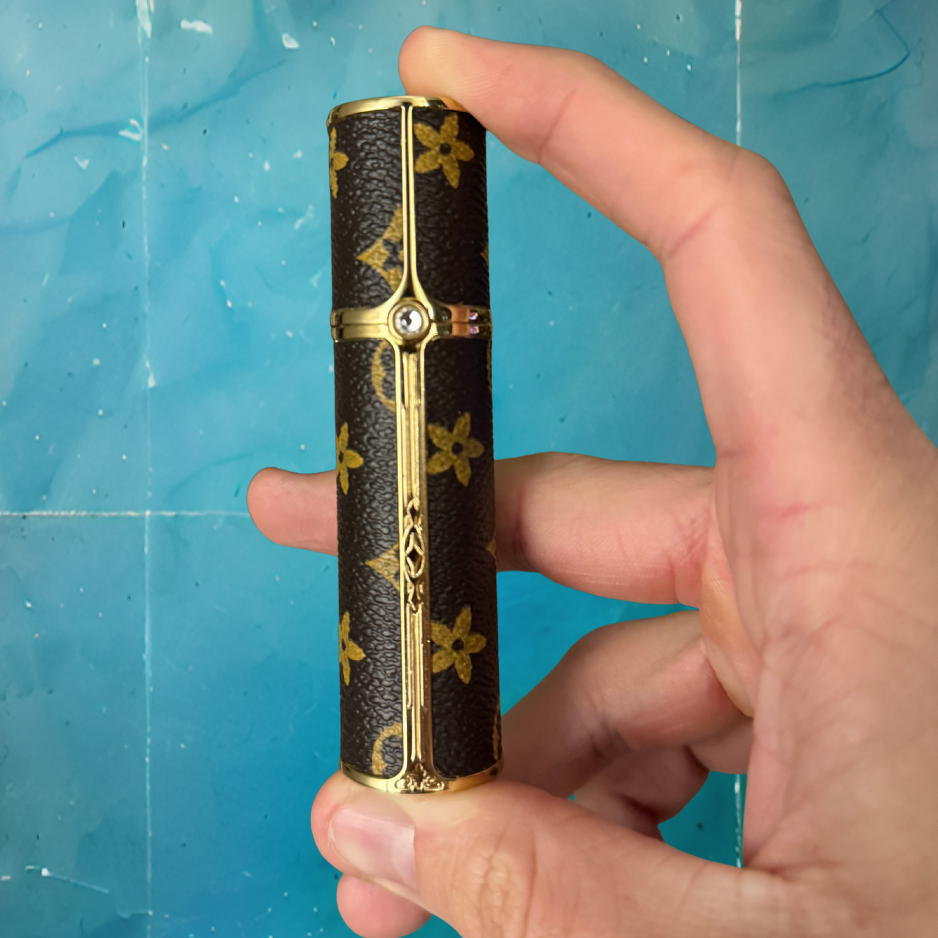
If your current atomizer fails the tissue test, or you are tired of carrying a full glass bottle, our refillable perfume atomizers are made for exactly this. You fill them from your own bottle, they fit easily in a pocket, purse or travel bag, and you can run the overnight test on yours the day it arrives.

For packing, our Kubrick travel organiser gives your atomizer a padded place of its own.
A quick pre-trip routine
Before every trip, spend five minutes on this list:
- Check that the cap seats fully and does not rock.
- Look for sticky residue at the collar or neck.
- Fill to leave a small air gap, not to the brim.
- Wipe the outside dry.
- Bag it in a sealed pouch and pack it in your cabin bag.
- Confirm the container is 3.4 ounces (100 ml) or less.
If you want to slow evaporation as well, see how to stop perfume evaporation before your next trip.
FAQ
Does a tight cap mean my atomizer will not leak?
No. A tight cap only shows that the cap is seated. Leaks usually start at the collar, gasket or fill valve, so a snug cap can sit on top of a failing seal. Run the overnight tissue test to be sure.
Can I use any replacement cap on my perfume bottle?
Only if the neck finish and internal dimensions match. Measure the outside of the threaded neck in millimeters, and compare the collar height and internal fit too. Outer shape alone is not a reliable guide, so buy from a seller who can confirm fit.
Does the cap have to be on during airport screening?
The TSA says permitted aerosol release devices must be protected by caps or other suitable means. In practice, keep your cap on and your atomizer at 3.4 ounces (100 ml) or less in your carry-on. Check the TSA’s perfume page before you travel in case the guidance has changed.
What should I do if my cap is stuck?
Grip it through a paper towel and use steady, gentle pressure. Turn screw caps counterclockwise and wiggle snap caps while pulling straight. If it still will not move, stop. Forcing it can crack the neck or damage the sprayer.
Sources
- Perfume | Transportation Security Administration
- Travel Atomizer Leaks: How to Prevent Them | WhatScent
- Closures for perfume bottles | PerfumeProjects
- Rollerball vs Spray Perfume: Which Should You Wear?
- Why Travel Skincare Simplification Matters for Trips





साझा करें और 15% छूट पाएं!
बस इस उत्पाद को निम्नलिखित सामाजिक नेटवर्क में से किसी एक पर साझा करें और आपको 15% की छूट मिलेगी!