

The simplest way to control sillage while traveling is to decant your fragrance into a sealed travel atomizer, apply it sparingly at pulse points, and pack it inside your TSA-compliant quart bag. This one move solves three problems at once: it keeps your scent trail subtle in tight cabin air, it cuts your leak risk to almost nothing, and it clears security without a second glance.
TL;DR:
- Using a sealed travel atomizer filled to about 90% capacity minimizes leaks and allows discreet application during flights.
- Lighter concentrations, such as eau de toilette and lotions, help keep scent subtle and close to the skin in confined travel spaces.
- Applying fragrance to hydrated skin or hair, and targeting pulse points or fabric, enhances control over projection and sillage.
- Decanting 5 to 10 ml of perfume into a refillable atomizer ensures TSA compliance and enough scent for a week-long trip.
- Proper packing involves testing seals, sealing in zip bags, and storing upright to prevent leaks in both carry-on and checked luggage.
Table of Contents
- What Is Sillage Control for Travel, Exactly?
- How Composition and Skin Chemistry Change Your Scent Trail
- Sillage-Control Techniques for Travel: Decanting, Dosing, and Layering
- TSA Rules, Leak Prevention, and Smart Packing for Fragrance
- Choosing Travel-Friendly Formats and Scents
- On-the-Go Application and Etiquette While Traveling
- Why a Sealed Travel Atomizer Solves the Sillage Problem
- What I’ve Learned Watching Travelers Overthink This
- Travel With Confidence Using a Refillable Atomizer
- Where These Travel Rules Come From
- Sources
- FAQ
What Is Sillage Control for Travel, Exactly?
Sillage is the trail of scent that lingers behind you as you move through a room, a plane aisle, or a hotel lobby. It is not the same thing as projection, which describes how far your fragrance radiates outward from your skin at any given moment, and it is not the same as longevity, which just measures how long you can still smell the scent at all. You can wear a fragrance with huge projection that fades within two hours, or a quiet, skin-hugging scent that lasts all day without anyone three feet away noticing it.
That distinction matters more when you travel than it does at home, because travel puts you in close quarters with strangers for hours at a stretch. A cabin seat, a shuttle van, a hotel elevator: these are spaces where a heavy sillage that would read as pleasant in an open restaurant can become overwhelming in a sealed metal tube at 35,000 feet.
Picture two travelers boarding the same flight. One sprayed four pumps of a strong amber oud directly onto her sweater an hour before boarding; by the time she’s in her middle seat, the person next to her can smell it before she even sits down. The other applied one spray of a citrus musk to her wrist right after clearing security. Hers is barely noticeable unless someone leans in, but she still smells it herself when she checks her watch.
A few terms worth locking in before you keep reading:
- Sillage: the scent trail left behind as you move, described in classic fragrance guides as distinct from projection and longevity.
- Projection: how far the fragrance radiates from your skin right now.
- Longevity: how long you can still detect the scent at all, regardless of how far it travels.
How Composition and Skin Chemistry Change Your Scent Trail
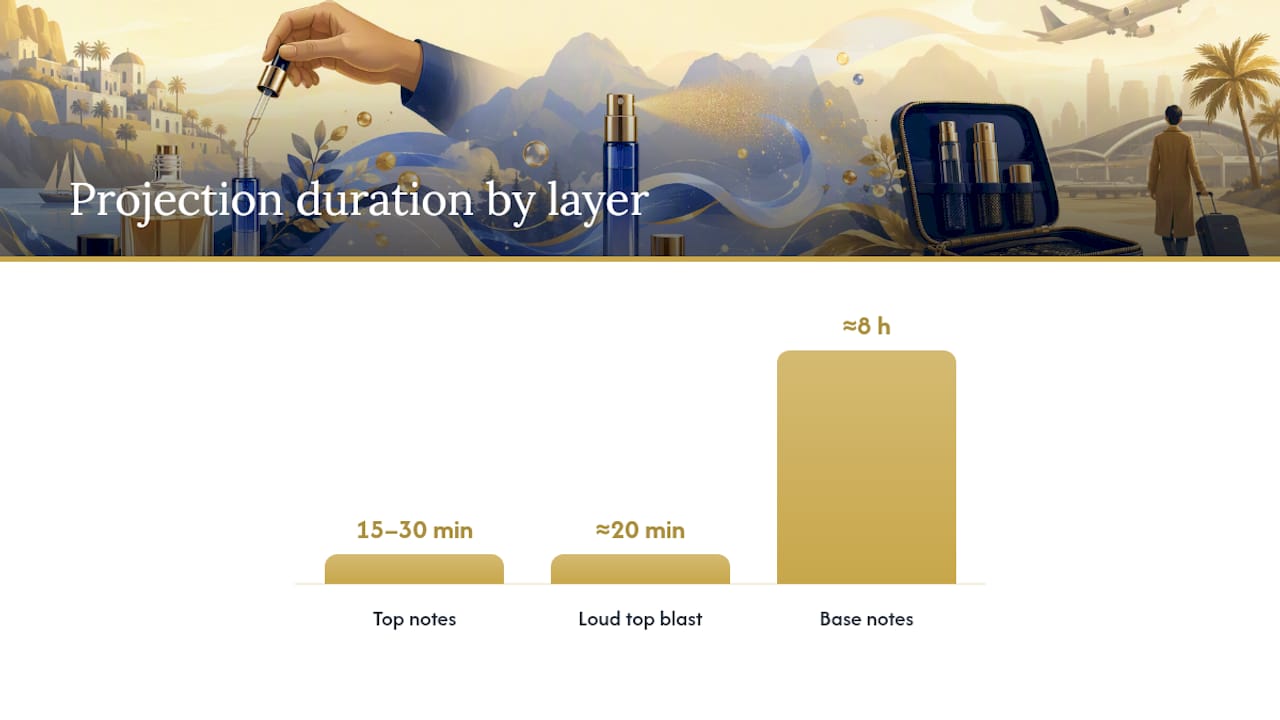
Every fragrance is built in layers, and those layers evaporate at different speeds, which is exactly why the same bottle smells different an hour after you spray it. Top notes, usually citrus, light florals, or aromatic herbs, are the smallest, lightest molecules in the blend. They evaporate fast, which gives you that bright initial burst of projection right after application, then fades within the first 15 to 30 minutes.
Base notes work the opposite way. Heavier molecules like musk, amber, vanilla, and woods break down slowly, so they stick around for hours and drive your fragrance’s longevity. Here’s the part that trips people up: a long-lasting base does not automatically mean a loud sillage. A fragrance can wear close to skin for eight hours without ever announcing itself across a room, and a heavy, fast-evaporating top note can blast projection for twenty minutes before nearly disappearing.
Concentration adds another variable. Eau de toilette typically carries less fragrance oil than eau de parfum, so it tends to sit closer to skin with a gentler trail, while parfum extracts push both projection and longevity higher. Your own skin changes the equation too:
- Dry skin tends to mute sillage because there’s less natural oil to help fragrance molecules diffuse into the air.
- Oily or well-moisturized skin amplifies both projection and longevity, since oils slow evaporation and help the scent bloom.
- Body heat and warm climates speed up evaporation, which can make a fragrance louder in the first hour but shorter-lived overall.
- Dehydration, common on long flights, dries out skin and can flatten a scent’s presence entirely.
Pro Tip: If you want a quiet trail on a flight, apply your fragrance to hydrated skin right after moisturizing. Dry skin burns through top notes fast and can make even a subtle scent smell sharper than intended.
The practical takeaway: for travel, lean toward lighter concentrations and fragrances built around linear, skin-close notes rather than heavy, diffusive ones. Save the bold amber or oud parfum for the hotel room at night, not the connecting flight.
Sillage-Control Techniques for Travel: Decanting, Dosing, and Layering
Controlling sillage on the road comes down to three moves: decant smart, dose light, and layer with intention. Here’s how each one actually works.
- Decant into a travel atomizer before you leave home, never at the gate. Use a bottle-to-atomizer adapter or a funnel to avoid spillage, and fill only to about 90% capacity. Leaving that extra space, called ullage, helps prevent leaks caused by pressure and temperature shifts during flight.
- Test the atomizer once before packing it. Spray it into the air and check the cap seal. This single step catches faulty nozzles before they ruin a shirt in your suitcase.
- Layer down instead of up. Pack an unscented lotion and use it on days you want your fragrance to read as barely there. A thin layer of unscented moisturizer under one spray softens projection without eliminating the scent.
- Consider a light body mist as your daytime layer, saving your main fragrance for evenings when a stronger trail is actually welcome.
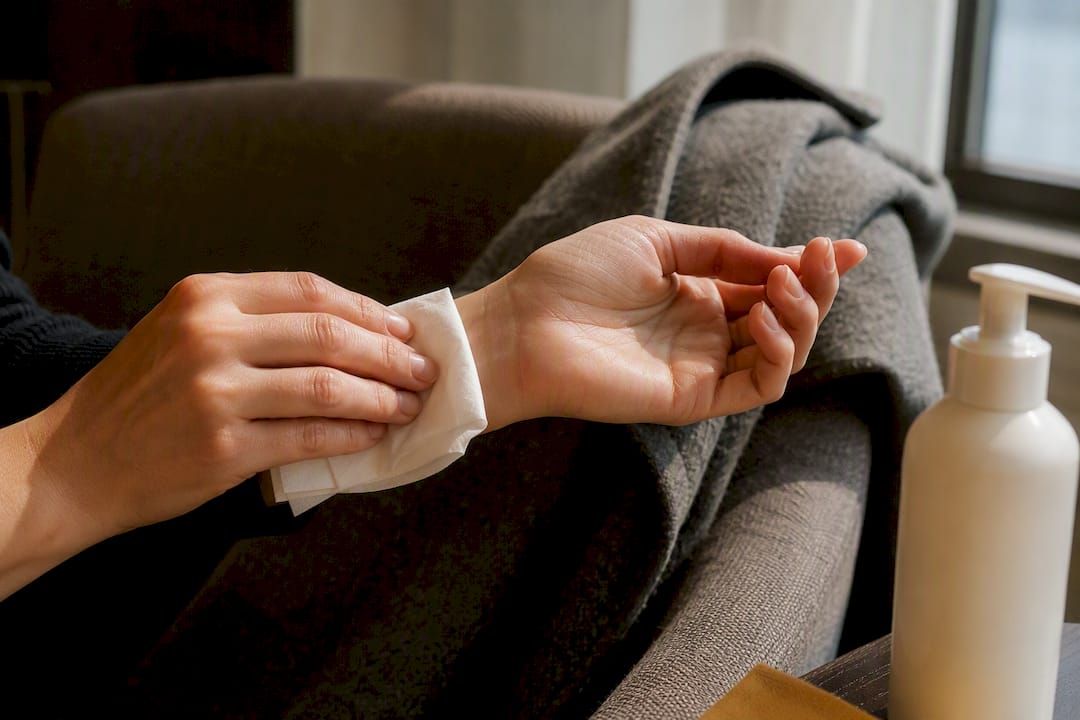
If you’ve overdone it (and everyone has sprayed too much at least once before a long travel day), you can reset fast. Rub a small amount of unscented lotion or plain body oil over the area where you applied fragrance; it dilutes the concentration on your skin without needing water. In a pinch, a baby wipe followed by a dab of lotion works almost as well.
Home sprays and travel atomizers rarely deliver the same output per pump, since nozzle size varies by brand and bottle design. Treat your first spray from any new atomizer as a test, not a dose, and adjust from there.
TSA Rules, Leak Prevention, and Smart Packing for Fragrance
The TSA caps every liquid container at 100 ml (3.4 oz) for carry-on bags, and every one of those containers has to fit inside a single, transparent, quart-sized resealable bag. This rule is about container capacity, not how full it actually is. A nearly empty 200 ml bottle still gets flagged at security, because the bottle itself exceeds the limit regardless of what’s left inside it.
That’s why decanting matters more than most travelers realize. A 5 to 10 ml atomizer sails through the liquids check every time, while your full-size bottle either stays home or goes in checked luggage.
Leak prevention comes down to a short sequence, and skipping any one step is where most travelers get burned:
- Leave ullage. Fill to roughly 90%, never to the brim.
- Test-spray before you pack. Confirm the nozzle seals properly.
- Cap tightly and seal it inside a zip-top bag as a second layer of protection.
- Cushion it inside your toiletry kit, surrounded by soft items like socks or a washcloth.
- Store it upright whenever your bag allows, since horizontal storage under pressure increases leak risk.
For checked luggage, wrap full bottles in soft clothing and place them at the center of your suitcase, away from the shell where impact is most likely. Checked bags face rougher handling and bigger temperature swings in the cargo hold, so a full glass bottle checked in a suitcase carries real breakage risk that a small sealed atomizer in your carry-on simply doesn’t. If you’re debating which route to take for a specific bottle, our guide on how to travel with perfume walks through the TSA specifics in more detail, and this rundown on bringing perfume or cologne on a plane covers edge cases like connecting flights and international carriers.
Choosing Travel-Friendly Formats and Scents
Not every fragrance format survives a suitcase well, and the format you pick affects both your sillage control and your stress level at security.
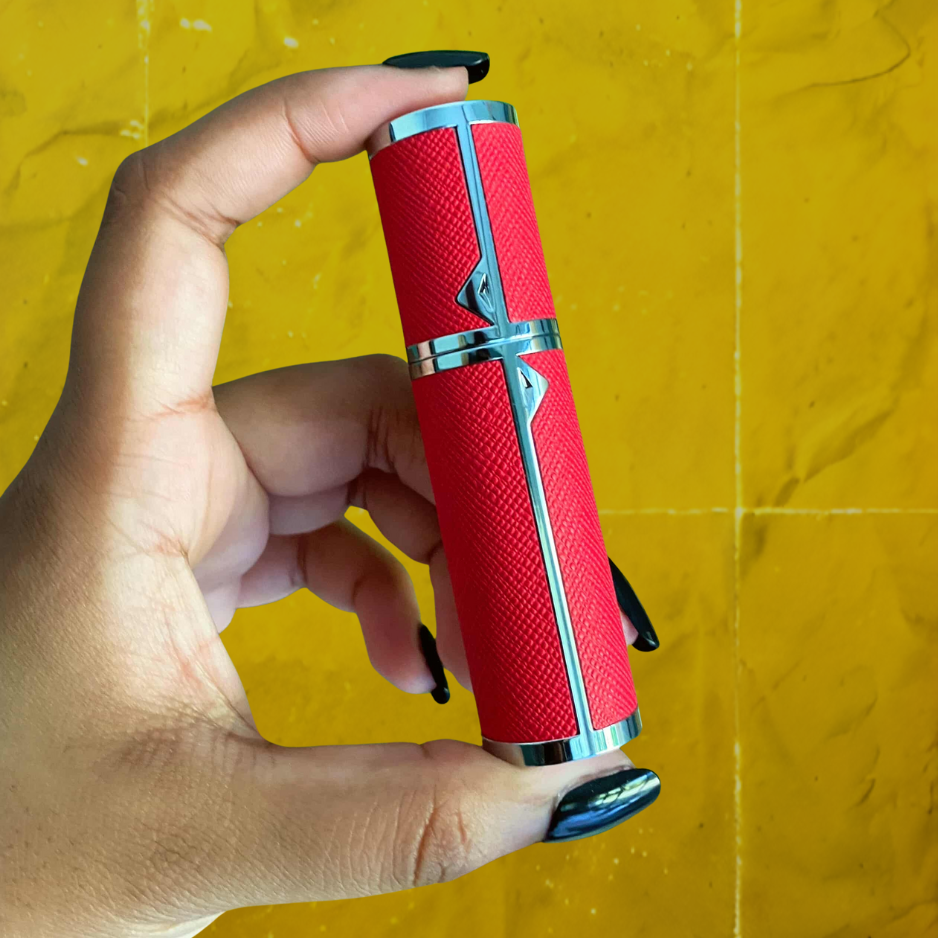
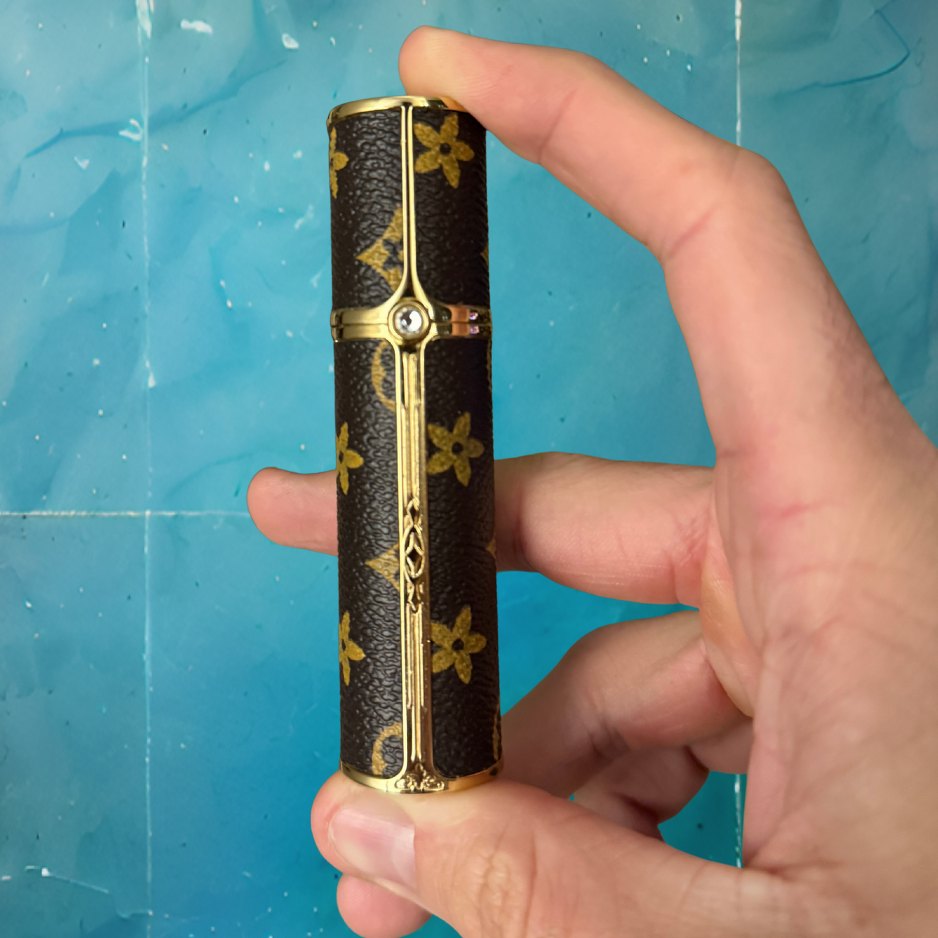
- Refillable atomizers are durable, refillable from any standard bottle, and small enough to meet carry-on limits. They’re the most flexible option for multi-scent trips.
- Solid perfumes carry zero leak risk and skip liquids screening entirely, though they tend to sit closer to skin with limited projection, which is either a feature or a limitation depending on your goal.
- Pre-filled decants avoid measuring and pouring, but you’re locked into whatever scent you decanted in advance.
- Body mists are lighter in concentration and gentler on sillage by design, useful for daytime refreshes without committing to a full spray.
For shared spaces like planes, trains, and shuttle vans, lean toward citrus, clean musks, and soft florals that read as fresh rather than bold. Save richer amber, oud, or heavy vanilla blends for evening events when a stronger trail is expected and welcomed.
As a rule of thumb, a 5 to 10 ml decant covers most week-long trips comfortably. For longer stays or if you’re bringing more than one scent, two small atomizers still weigh and pack lighter than one full-size bottle, and you get the flexibility of switching scents by occasion. If you want a closer look at what to check for in an atomizer’s build quality, this buyer’s breakdown covers seal type, material, and refill mechanisms in more depth.
On-the-Go Application and Etiquette While Traveling
Where you spray matters just as much as how much. Here’s how the classic pulse points stack up for travel use:
- Inner wrist: easy to reapply discreetly, but it rubs off on armrests, tray tables, and luggage handles throughout the day.
- Hair: holds scent longer than skin and releases it gradually as you move, which makes for a softer, less concentrated trail.
- Behind the ear: subtle and close to your own nose, ideal if you want to smell your fragrance without projecting it to your neighbor.
- Clothing: fragrance clings to fabric fibers longer than skin, so one light spritz on a scarf or sweater collar can outlast several skin applications, though it also risks staining light fabrics.
Timing changes the math too. Spraying before you leave for the airport means your fragrance is already past peak projection by boarding time, since top notes have burned off during the drive and security line. Applying right after security, or waiting until you land, gives you a fresher, more noticeable trail exactly when you’re heading into close quarters. In shared spaces like a plane cabin or a hotel shuttle, one light spray is plenty; save the heavier application for open-air settings or your final destination. If you want more detail on where fragrance behaves best on skin, this guide on applying fragrance for a restrained trail breaks it down by pulse point.
If you catch yourself overdoing it mid-trip, blot the area gently with a tissue and follow with unscented lotion. It won’t erase the scent, but it dilutes it fast enough to make a real difference before you board.
Why a Sealed Travel Atomizer Solves the Sillage Problem
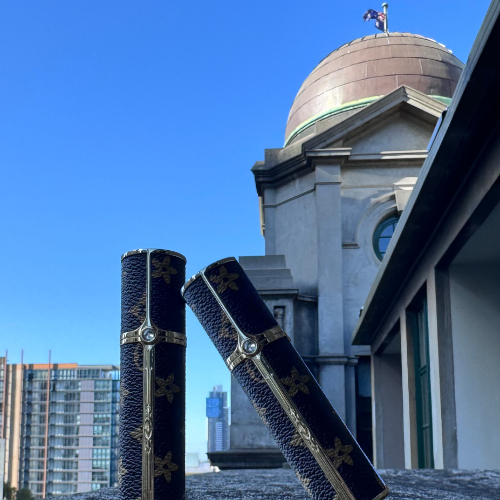
A sealed, pressure-tolerant atomizer solves most of the sillage problems this article has covered in one physical object. Quality travel atomizers use tighter seals and materials built to handle cabin pressure changes better than the average retail spray nozzle, which is exactly the failure point behind most in-flight perfume leaks.
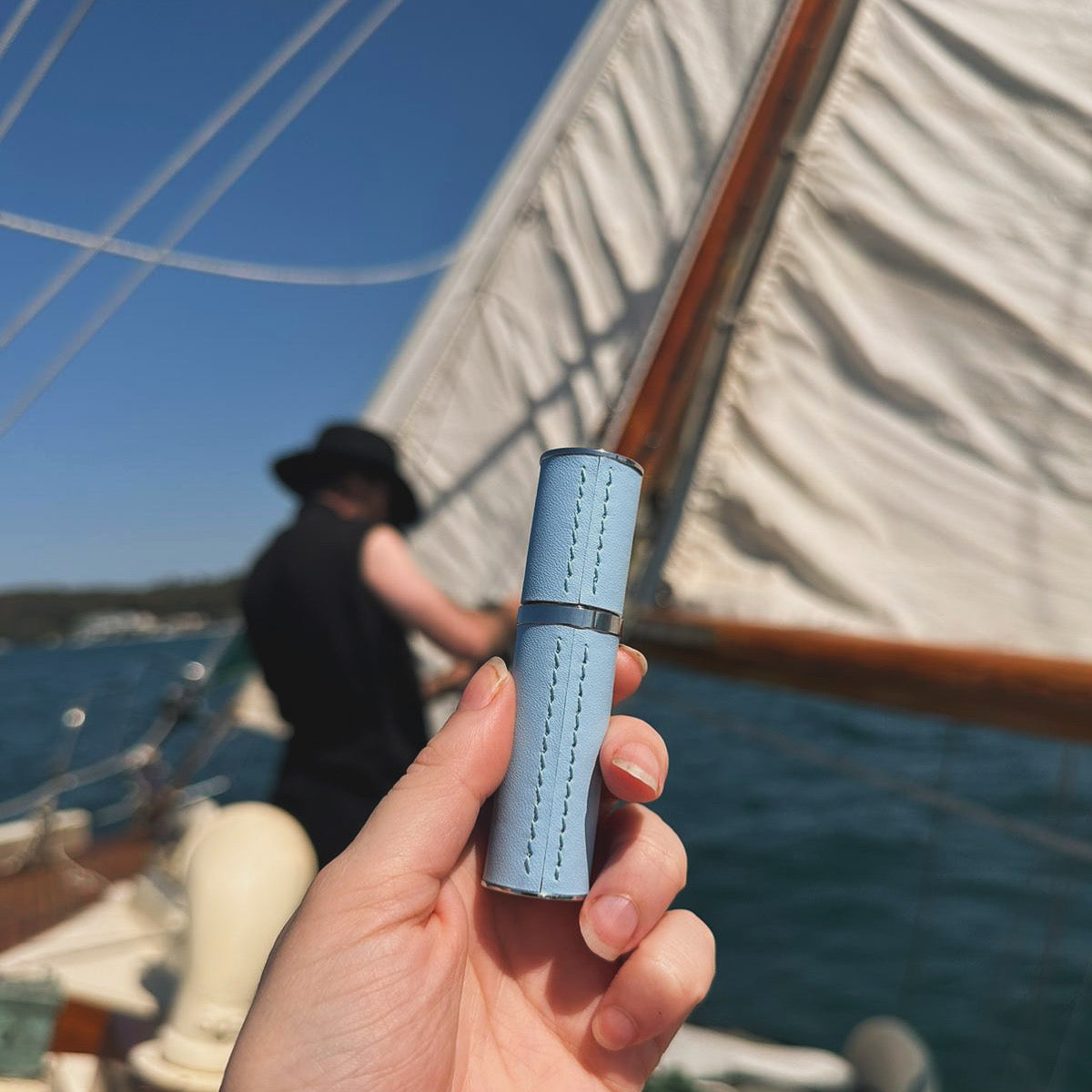
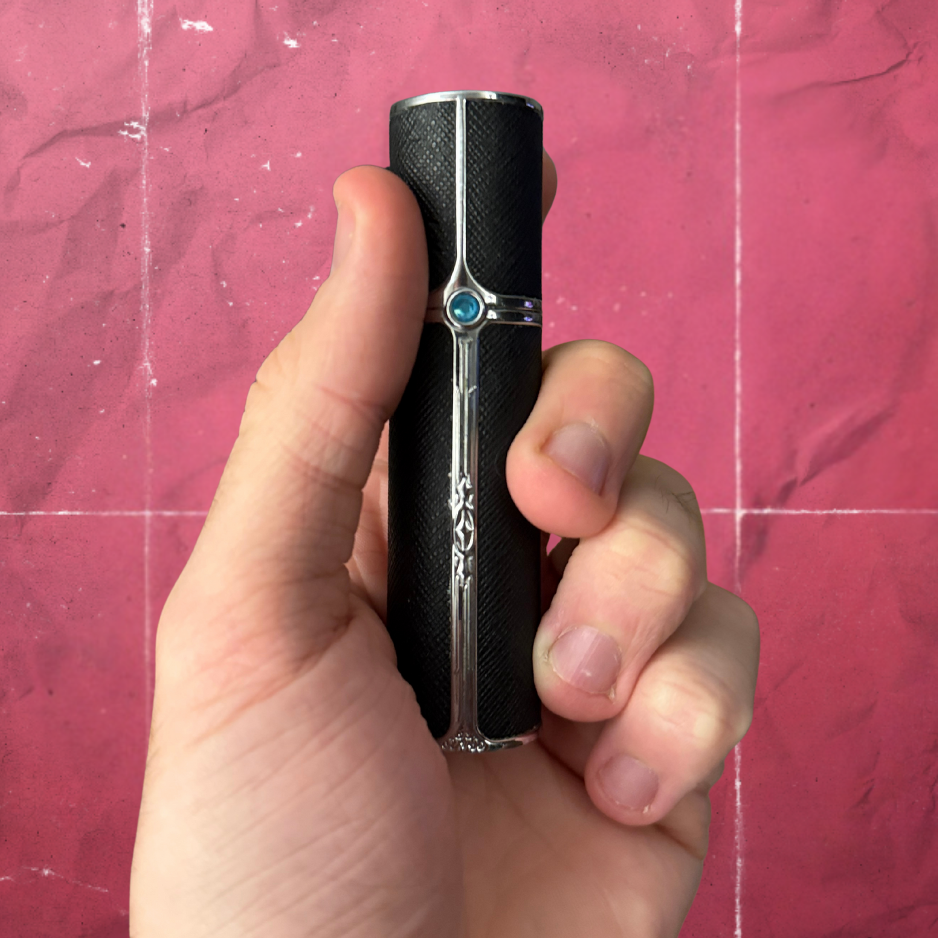
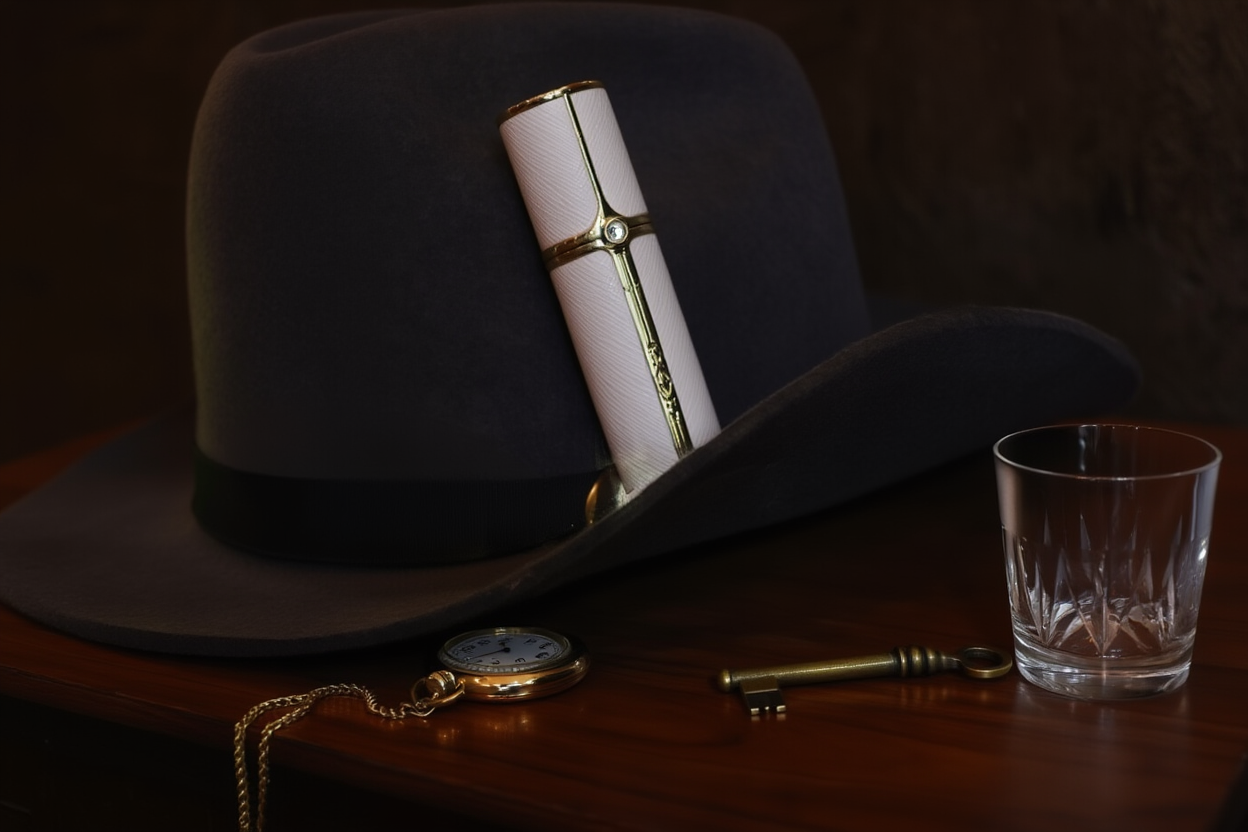
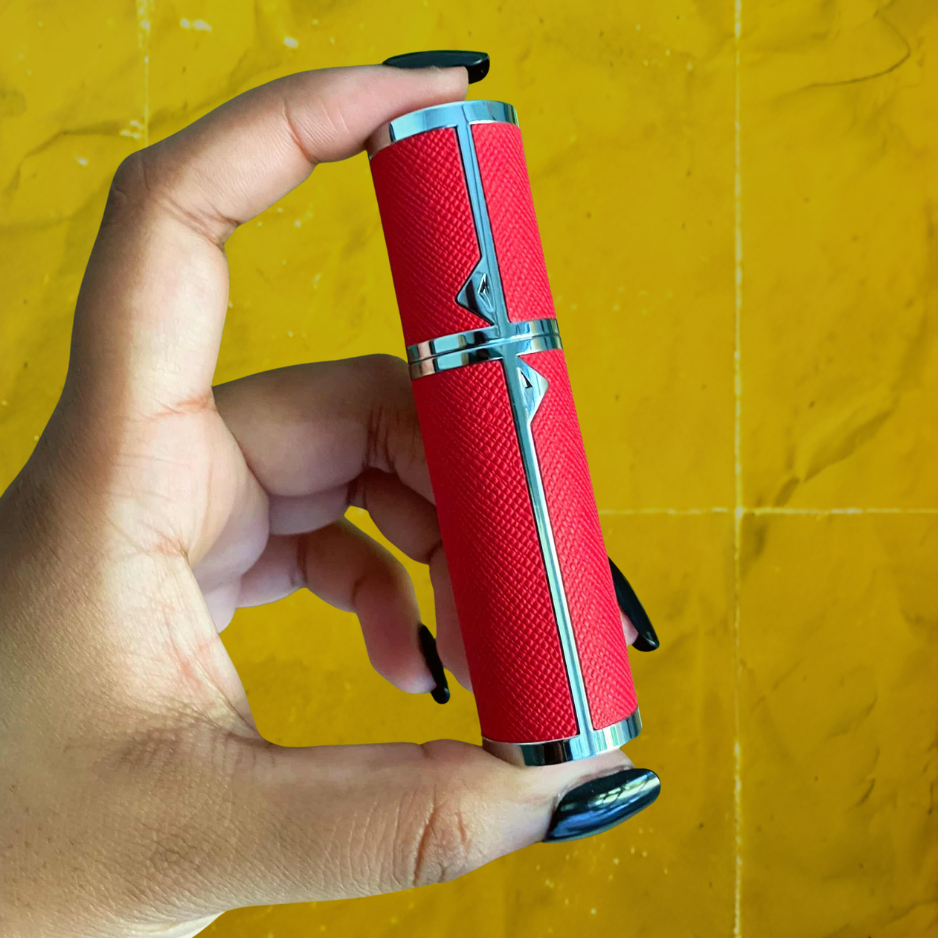
There are refillable atomizers designed to be filled from standard bottles, intended for travel without breaking or leaking. The brand backs that focus with a 4.84 average rating across more than 10,000 customer reviews, and its own travel guides walk through TSA compliance step by step.
Using one is simple:
- Fill your atomizer to roughly 90% capacity, leaving ullage for pressure changes.
- Cap it tightly and give it one test spray before you pack.
- Slide it into your quart-sized liquids bag alongside your other travel-size items.
- Store it upright in your toiletry kit, cushioned by soft items rather than loose in a side pocket.
What I’ve Learned Watching Travelers Overthink This
Most people treat sillage control like it requires a chemistry degree, when really it comes down to three decisions made before you ever reach the airport: what you decant into, how little you apply, and where on your body you put it. The travelers who get this right aren’t wearing less interesting fragrances. They’re just applying them with more intention, one spray instead of four, wrist instead of a full-body mist, hair instead of clothes that’ll hold the scent for two days straight.
Your travel-ready checklist:
- A leak-tested, sealed atomizer
- A 5 to 10 ml decant of your fragrance
- Ullage left in the atomizer (fill to about 90%)
- Your atomizer packed in your quart-sized liquids bag
- One spray as your default, not your starting point
— Ash
Travel With Confidence Using a Refillable Atomizer
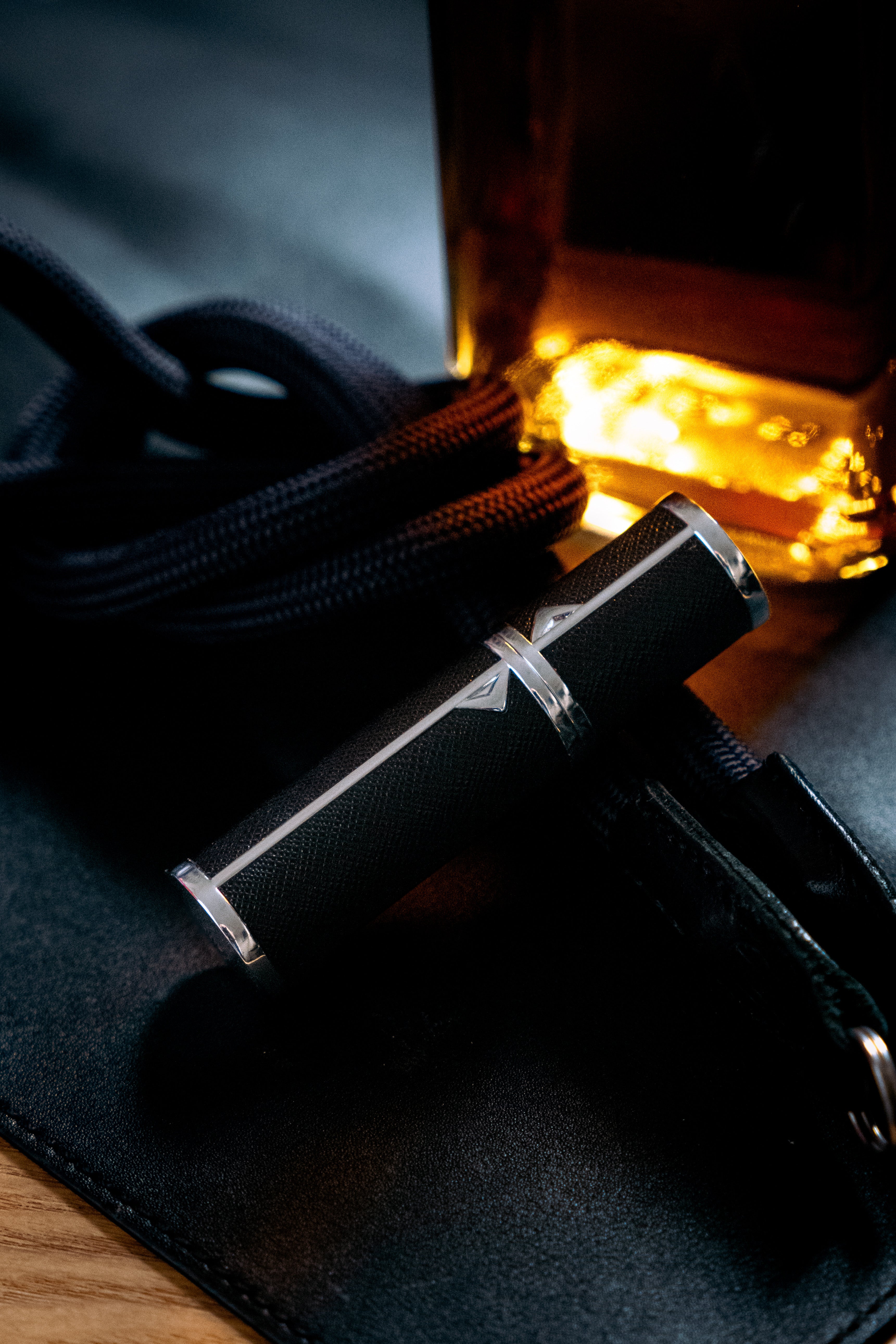
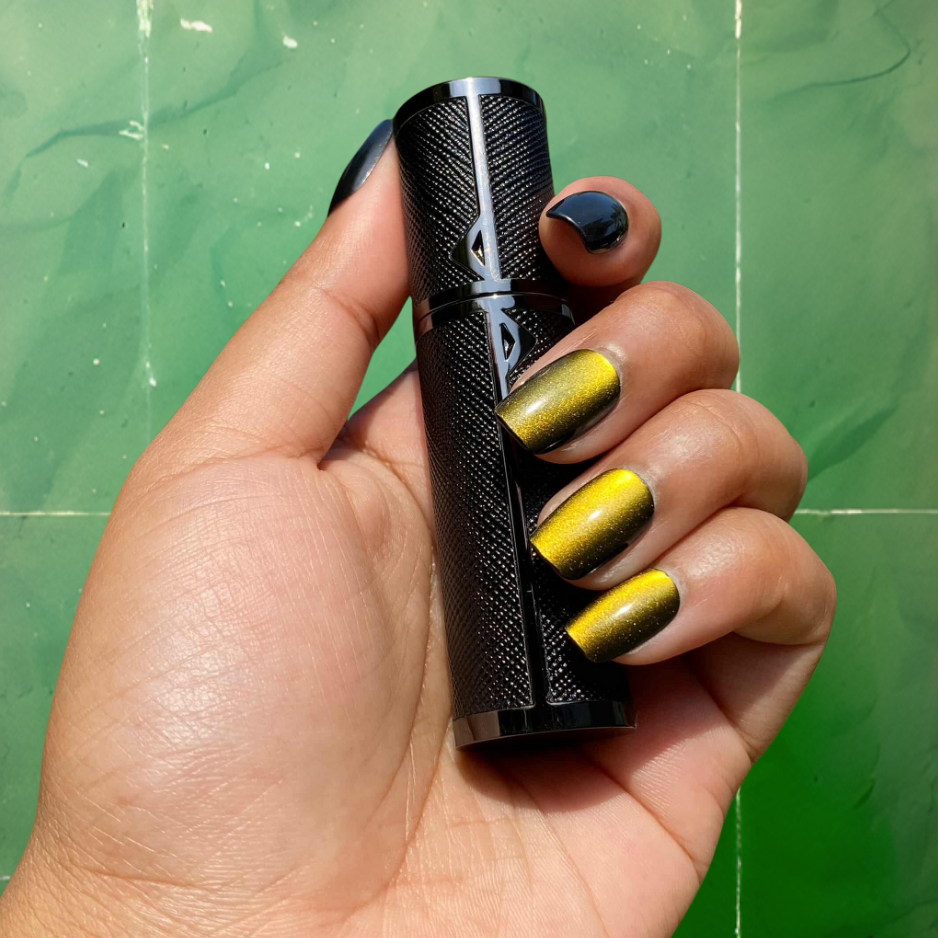
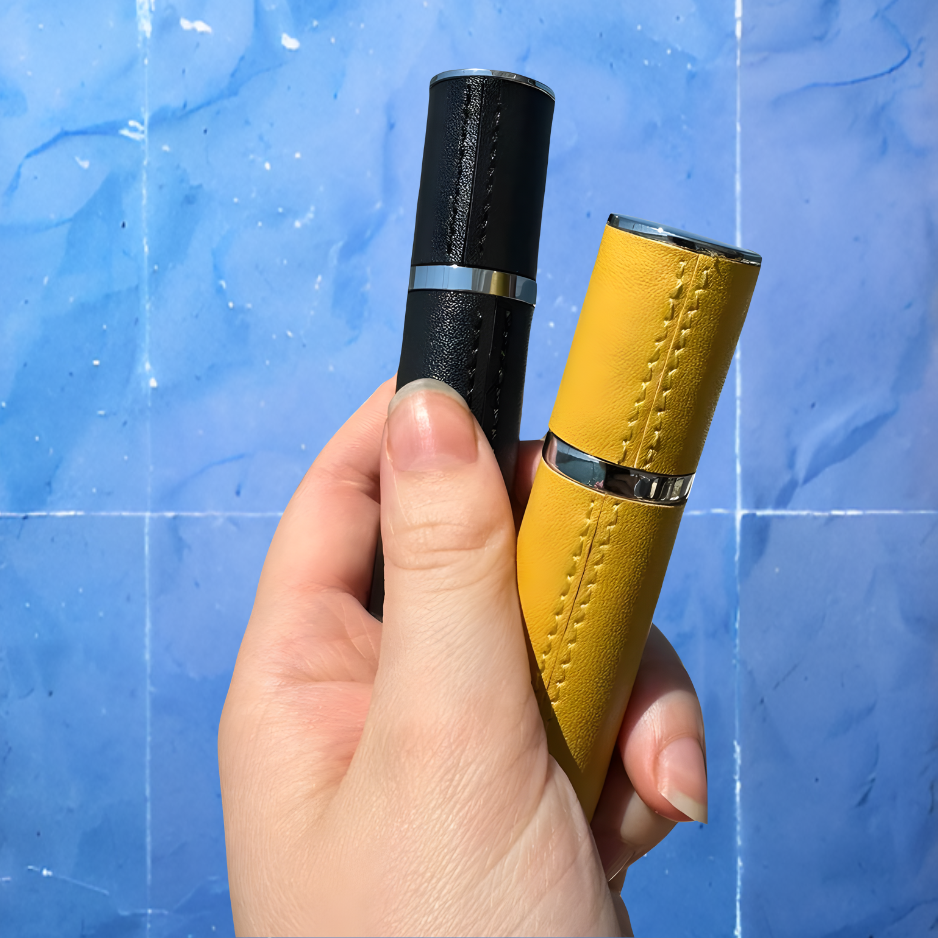
Certain atomizers are specifically built to address packing challenges such as leak risk, TSA compliance, and the choice between carrying a full bottle or traveling light. The Refillable Perfume Atomizers collection lets you fill from any standard bottle you already own, so you’re never locked into buying a new bottle just to travel light.
If you want to bring more than one scent on a trip, SPRITZ The Set packs three refillable atomizers together, giving you a citrus for daytime, a musk for evenings, and a backup without adding real weight to your bag. Pair either option with a travel organizer to keep everything upright and cushioned in one spot instead of rattling loose in a toiletry kit.
Where These Travel Rules Come From
The packing and application advice throughout this piece draws from a handful of sources worth bookmarking before your next trip.
- The TSA’s official liquids rule sets the hard limits on container size and bag type for carry-on liquids.
- Independent Travel Cats’ perfume travel guide informed the decanting and atomizer-capacity guidance.
- Fragsi’s packing and storage guide shaped the leak-prevention and checked-luggage recommendations.
- Scento’s designer perfume travel guide backs the ullage and pressure-testing steps.
Sources
- TSA | Liquids Rule (3-1-1)
- Tips for traveling with perfume — Independent Travel Cats
- How to travel with designer perfume (TSA guide) — Scento
- Travel perfume tips on packing and storage — Fragsi
FAQ
What Does Sillage Mean in Perfume?
Sillage refers to the scent trail a fragrance leaves behind as you move through a space, separate from how strong it smells up close. It’s why one perfume can fill a room while another stays close to skin, even if both last the same number of hours.
Are Travel Perfume Atomizers Refillable?
Yes, most quality travel atomizers, including Spritzshop’s Refillable Perfume Atomizers, are designed to be refilled from any standard perfume bottle you already own. This means you never have to buy a separate travel-size bottle of your favorite scent.
What Is the Difference Between Sillage and Projection?
Projection measures how far your fragrance radiates from your skin right now, while sillage describes the lingering trail it leaves as you walk away. A fragrance can have strong projection that fades quickly, or soft projection with a trail that lingers longer in a room.
How Much Perfume Should I Pack for a Week-Long Trip?
A 5 to 10 ml decant typically provides 50 to 100 sprays, which comfortably covers a week with a spray or two per day. That’s small enough to meet the TSA’s 100 ml carry-on limit with plenty of room to spare.
Can I Bring a Full-Size Perfume Bottle in My Carry-On?
Only if the bottle itself is 100 ml (3.4 oz) or smaller, since the TSA rule judges containers by capacity, not how full they are. A larger bottle needs to go in checked luggage, wrapped in soft clothing at the center of your suitcase to reduce breakage risk.



साझा करें और 15% छूट पाएं!
बस इस उत्पाद को निम्नलिखित सामाजिक नेटवर्क में से किसी एक पर साझा करें और आपको 15% की छूट मिलेगी!