
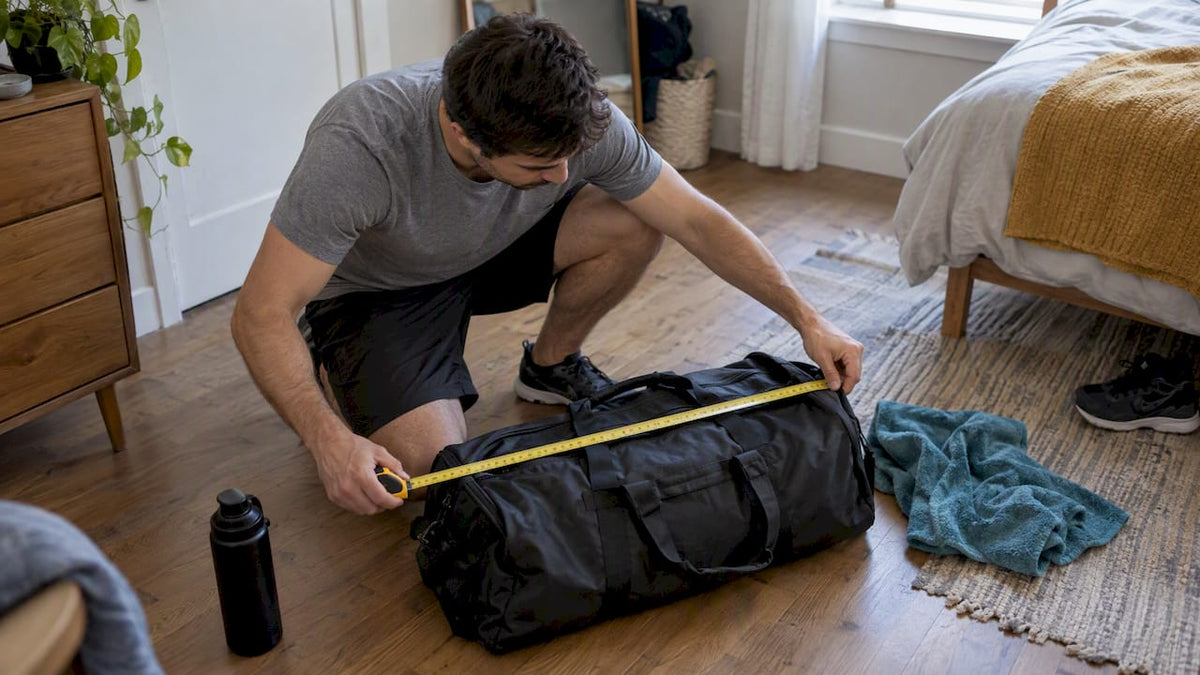
For most people, the right gym bag holds 25 to 35 liters. That is enough for shoes, a change of clothes, a towel, toiletries and a water bottle. Go down to 15 to 25 liters for yoga or studio classes, and up to 30 to 40 liters if you shower at the gym or head there straight from work. This guide shows you how to match a bag to your routine, how to read liters against real inches, and how to avoid the two classic mistakes: buying too big and buying a bag that will not fit your locker or an overhead bin.
TL;DR
- 25 to 35 L suits everyday gym sessions with shoes, clothes, a towel, toiletries and a bottle.
- 15 to 25 L is plenty for yoga, Pilates and studio classes. 30 to 40 L is for work-to-gym days and full shower kits.
- Over 40 L, you risk breaking the 22 x 14 x 9 inch airline carry-on limit, so check inches, not just liters.
- Lay out your “always” items and pick the smallest bag that closes without force.
- Compartments and openings matter as much as capacity: a wide mouth and a separate wet pocket beat extra volume.
Table of Contents
- What a liter actually means in a gym bag
- Gym bag sizes at a glance
- How to pick your size in five steps
- Match the size to your workout
- Why inches matter more than liters for travel
- Lockers, commutes and the weight you forget
- Layout beats raw volume
- Our view: pack smaller, organize better
- Common sizing mistakes
- Find your size, then fill it smartly
- FAQ
- Sources
What a liter actually means in a gym bag
Bag capacity is the internal volume, measured in liters. One liter is 1,000 cubic centimeters, which is why you can estimate a bag yourself: multiply length, width and height in centimeters and divide by 1,000. A bag that measures 50 x 30 x 20 cm comes out at 30 L on paper.
That figure is a ceiling, not a promise. Thick padding, rigid shoe tunnels, tapered ends and structured bases all eat into usable space. A simple open-cavity duffel and a heavily compartmentalized bag can carry the same label and pack very differently. So treat liters as a starting point, then check the outside dimensions and the layout.
A quick conversion helps if you shop in inches: 1 inch is 2.54 cm, so 18 x 10 x 8 inches (about 46 x 25 x 20 cm) is roughly 23 L before you subtract for padding.
Gym bag sizes at a glance
Use this table as a first filter. The ranges reflect common retailer and trainer guidance, and the inch figures are typical outside dimensions, which vary by shape and brand.
| Your routine | Capacity | Typical outside size | What fits |
|---|---|---|---|
| Yoga, Pilates, studio classes | 15 to 25 L | about 16 to 18 in long | Mat towel, clothes, small toiletry pouch, bottle |
| Everyday gym session | 25 to 35 L | about 18 to 20 in long | Shoes, change of clothes, towel, toiletries, bottle |
| Work-to-gym or shower at the gym | 30 to 40 L | about 20 to 22 in long | All of the above plus work clothes or a full shower kit |
| Bulky gear, team sports, overnight | 40 to 60 L | 22 in and up | Lifting shoes, pads, extra layers, sometimes a night away |
The 25 to 35 L and 15 to 25 L ranges, and the 30 to 40 L range for shower days, match the guidance in backpacks4less’s liter guide, a retailer’s blog we used as a cross-check. The trainer view lines up: in Forbes Vetted’s gym bag roundup, Mike Heim of 24 Hour Fitness points to 30 to 40 L as the best balance of storage and convenience for commercial gyms. One popular duffel in that roundup, a 30 L model, measures 18.5 x 10.6 x 7.7 inches, which gives you a concrete picture of what 30 L looks like.
How to pick your size in five steps
Forget the label for a minute. Start with what you actually carry.
- Lay out your “always” items. Shoes, clothes, towel, toiletries, bottle. Leave out the “just in case” pile.
- Measure the biggest rigid item. Lifting shoes, a foam roller or a shaker bottle sets the minimum width and depth more than total volume does.
- Add what changes by day. Work clothes, a second pair of shoes, a swim kit, a jacket in winter.
- Pick the smallest bag that closes without force. A bag you have to sit on to zip is too small. A bag that sags half empty is too big, and it will slowly turn into a storage closet.
- Check the inches against your locker and your commute. Outside dimensions decide whether it fits, not the number on the tag.
This method keeps you honest. Most people who buy a 50 L bag for a 40-minute session end up carrying air and extra weight every day.
Match the size to your workout

Yoga, Pilates and studio classes: 15 to 25 L
Class-based workouts need little: leggings, a top, a small towel, a bottle and maybe a toiletry pouch. A compact tote or a small duffel does the job. If you roll your own mat, look for external straps rather than going up a size.
Everyday strength and cardio: 25 to 35 L
This is the sweet spot. You have room for sneakers (ideally in a separate compartment), a full change of clothes, a towel and a bottle, with a little space left for headphones, a lock and a deodorant. If you are not sure, start here.
Work-to-gym and shower days: 30 to 40 L
When you carry a shirt and trousers for the office as well as your gym clothes, plus a shower kit, you need more volume and, more importantly, separation. A wet-gear pocket and a shoe pocket keep damp items away from clean ones. Our gym bag shower essentials guide covers what belongs in that kit.
Bulky gear and overnight use: 40 to 60 L
Is 40 L too big for a gym bag? Not inherently. It makes sense if you carry bulky training equipment, combine the gym with a full work outfit, or want a bag that doubles as a one-night trip bag. Is 55 L too big? For a standard session, almost always yes. At that size you are in weekender territory, and it will be heavy before you add a single sock.
Why inches matter more than liters for travel
Many frequent travelers assume a gym-sized bag is automatically carry-on friendly. It is not. Delta lists carry-on limits of 22 x 14 x 9 inches, and many other U.S. airlines use the same figure. That is 45 linear inches in total, and the measurement includes handles and wheels.
A 30 L soft duffel at 18 to 20 inches long sails through. A 45 L bag that is 24 inches long does not, whatever the tag says. Three practical rules:
- Check the longest side first. Length is usually the dimension that fails.
- Prefer soft over structured. A soft bag can compress into a tight bin or locker. A rigid base cannot.
- Look at the airline, not the label. “Medium” and “large” mean different things to every brand. Your airline’s posted dimensions are what count, and they can change, so confirm before you fly.
If you want one bag for gym and travel, 30 to 35 L in a soft build is the most flexible choice. Our guide to a shoe compartment gym bag for travel goes deeper on that setup.
Lockers, commutes and the weight you forget
Locker fit is the most overlooked part of sizing. Gym lockers are often narrow, and a soft 30 L bag may squash into one that rejects a rigid 30 L bag. If your gym has small lockers, ask staff for the interior dimensions or measure on your next visit, then compare them with the bag’s depth and height.
Empty weight counts too. Stride Fitness trainer April Medrano-Gatlin, quoted in the Forbes Vetted roundup, notes that a bag should not add significant weight before you pack it, because a heavy bag becomes a burden on a commute. Thick padding and metal hardware add up quickly, so lift the bag empty before you buy if you can.
Layout beats raw volume
Two bags of the same size can feel completely different. These features change how usable a bag is:
- A wide opening. You can see and reach everything without unpacking the whole bag.
- A separate shoe compartment. It keeps sneaker dirt off your clothes and takes pressure off the main cavity.
- A ventilated or waterproof wet pocket. Sweaty clothes and a damp towel stay contained, which also helps with odor.
- A light-colored lining. You find a small item such as a lock or earbuds faster.
- A quick-access pocket. Keys, card and phone should never be buried.
Organization is also what keeps a smaller bag workable. Our 90-second gym bag organization routine shows how to pack so nothing leaks into anything else, and the minimalist packing list helps you cut the “just in case” items that push you up a size. If you are just starting out, the beginner checklist is the place to begin.
Our view: pack smaller, organize better
We sell travel organizers, gym essentials and refillable perfume atomizers, so we spend a lot of time thinking about what people really carry. Our honest take is that most gym bags are bought one size too big. People size for the rare heavy day, then haul that extra volume five days a week.

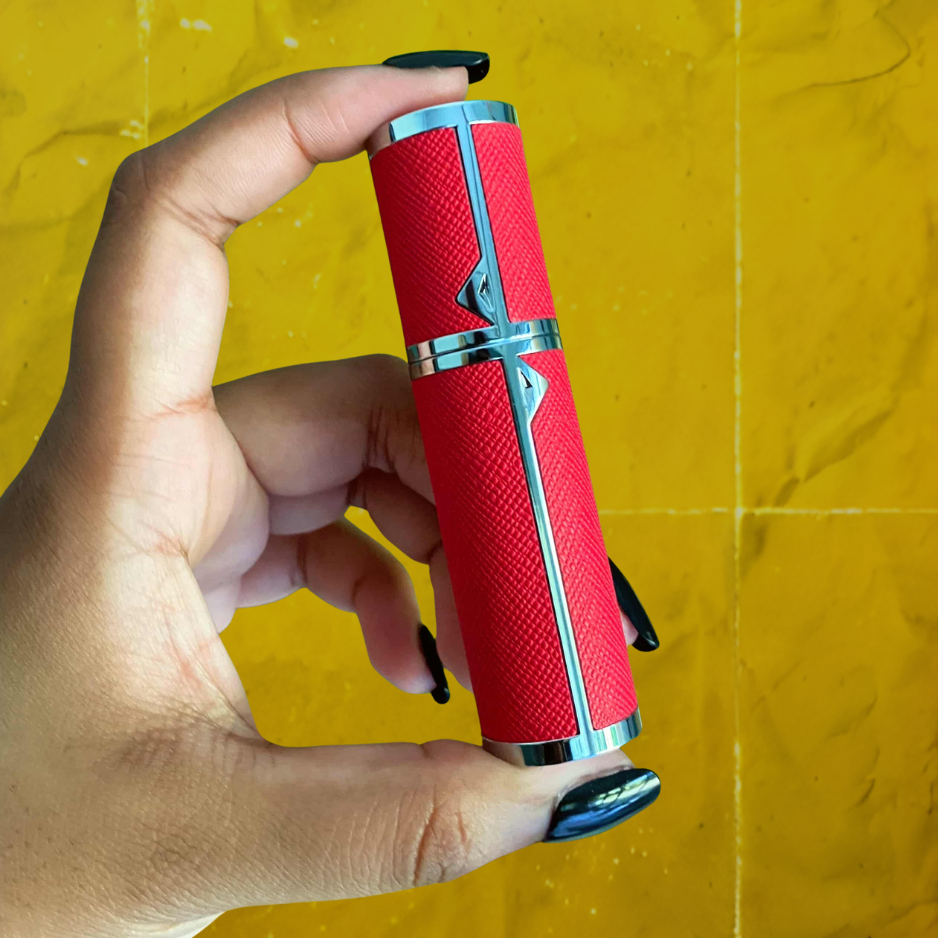
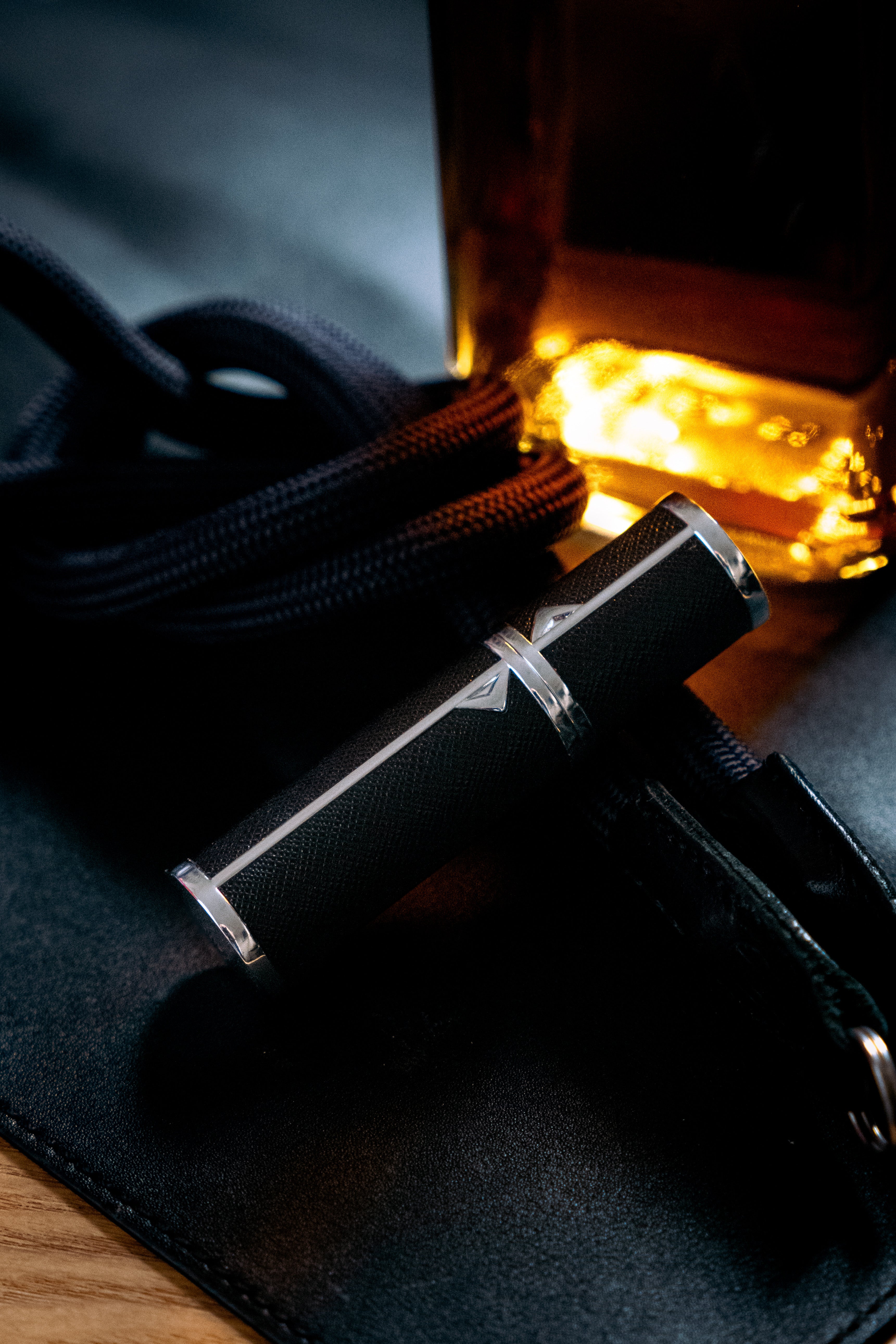
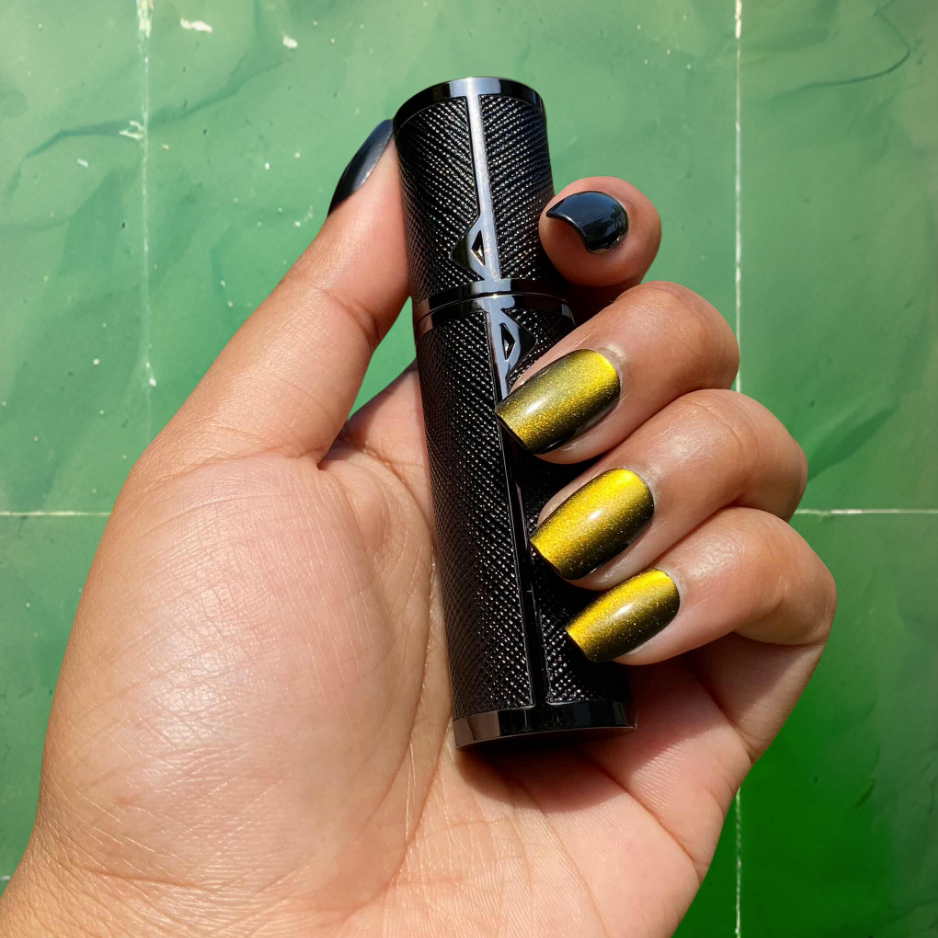
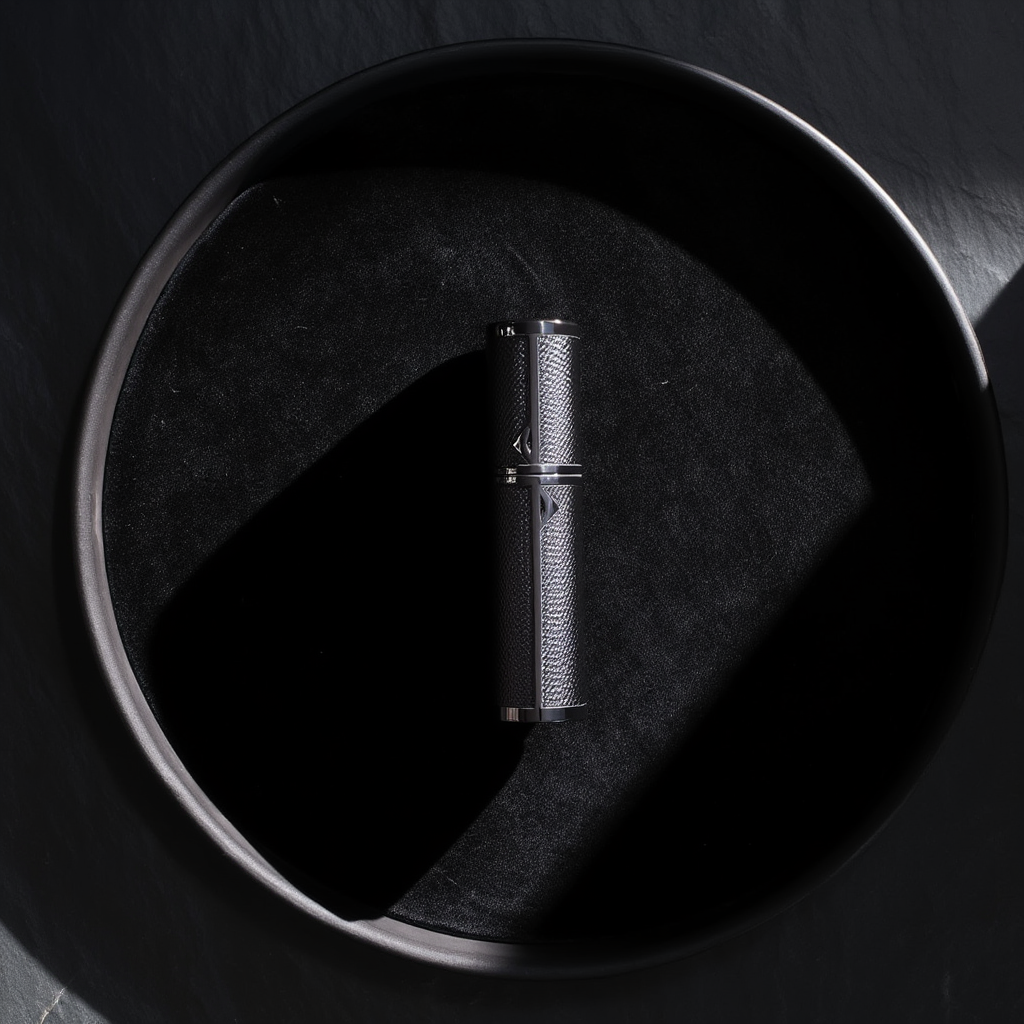
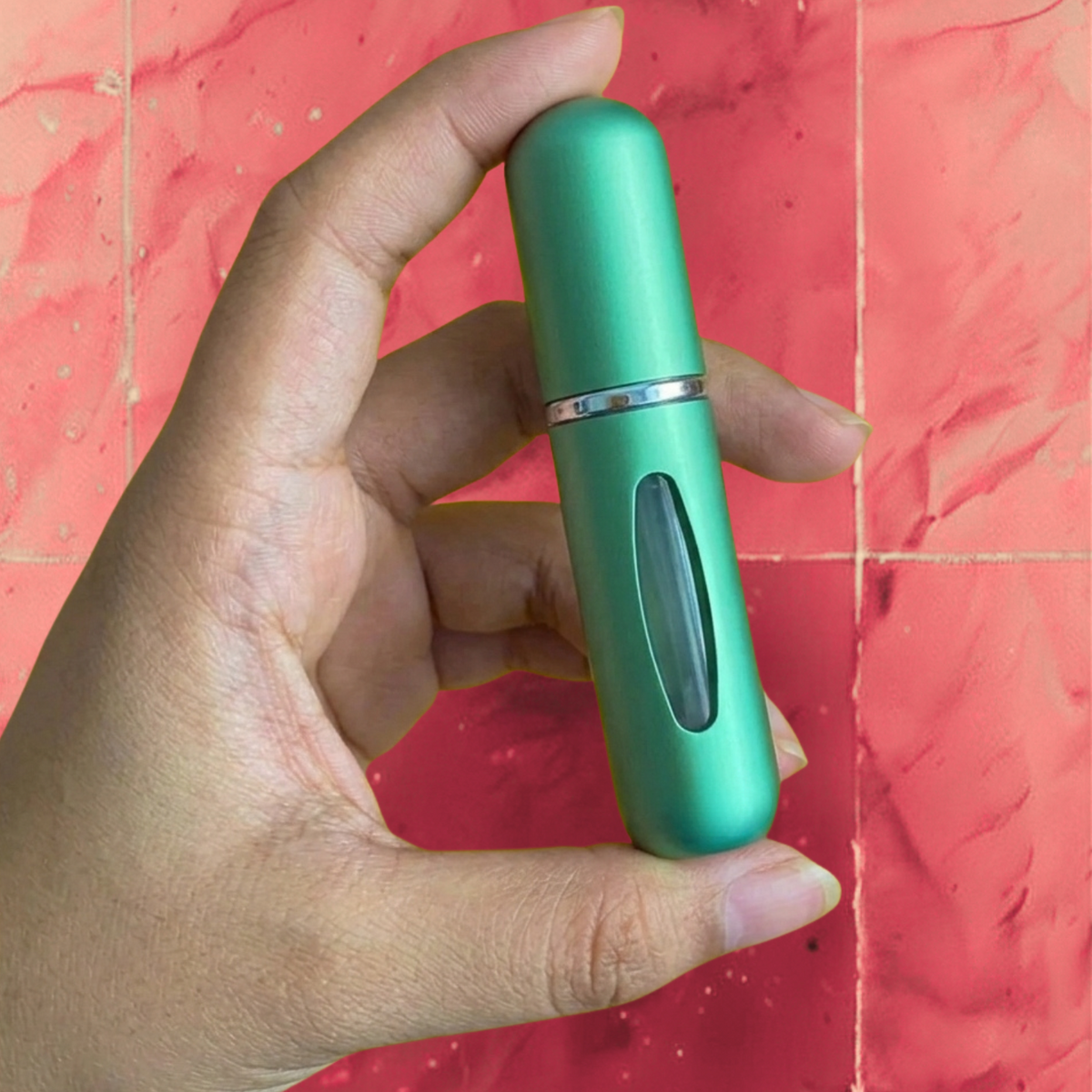
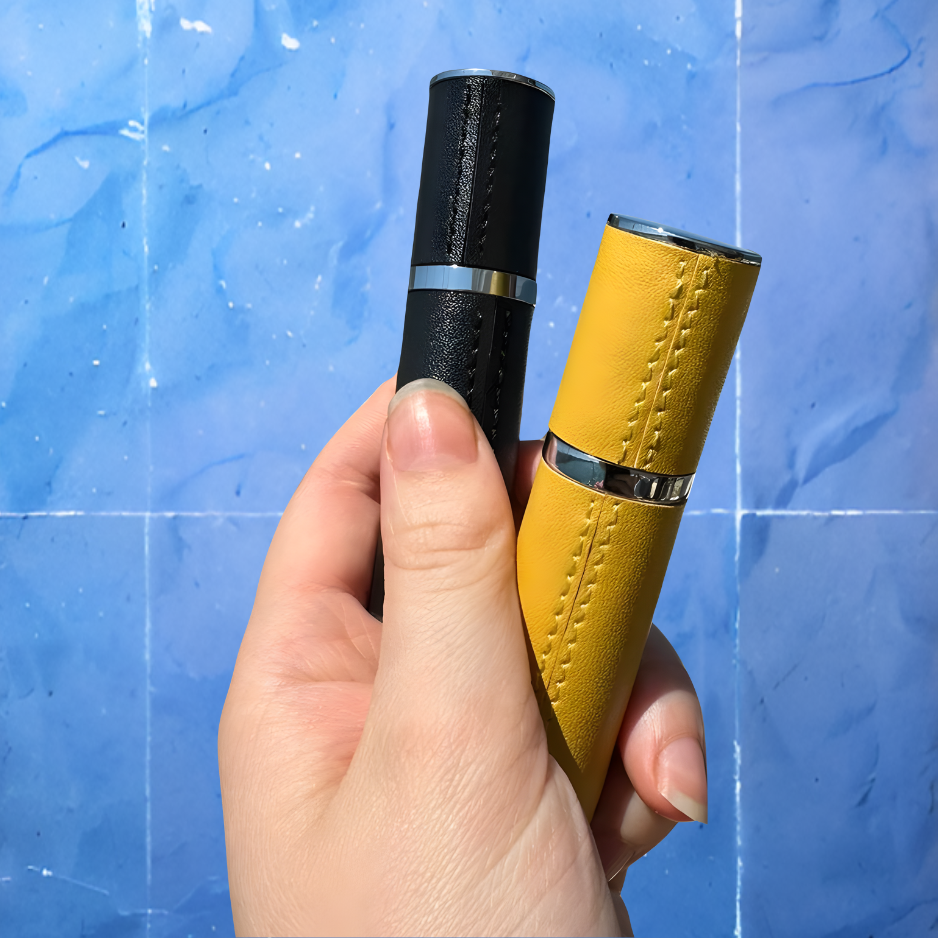
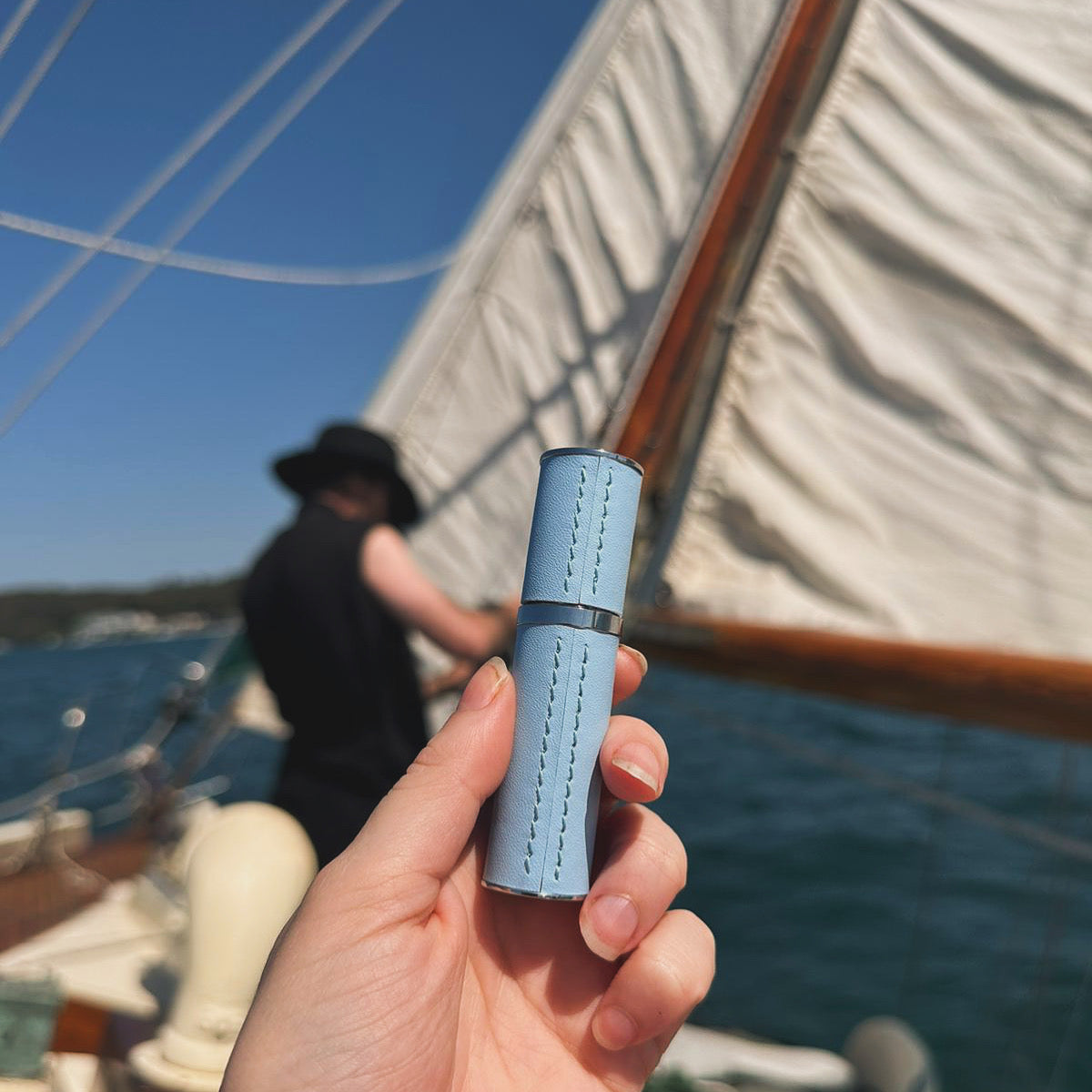
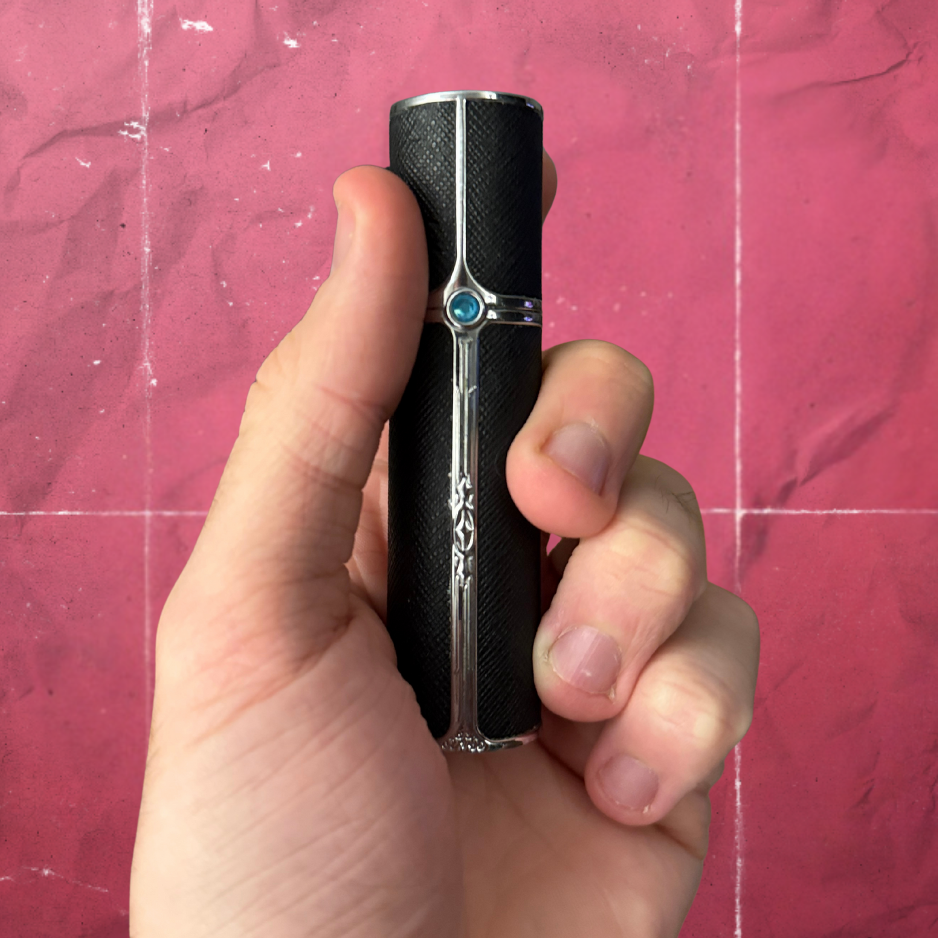
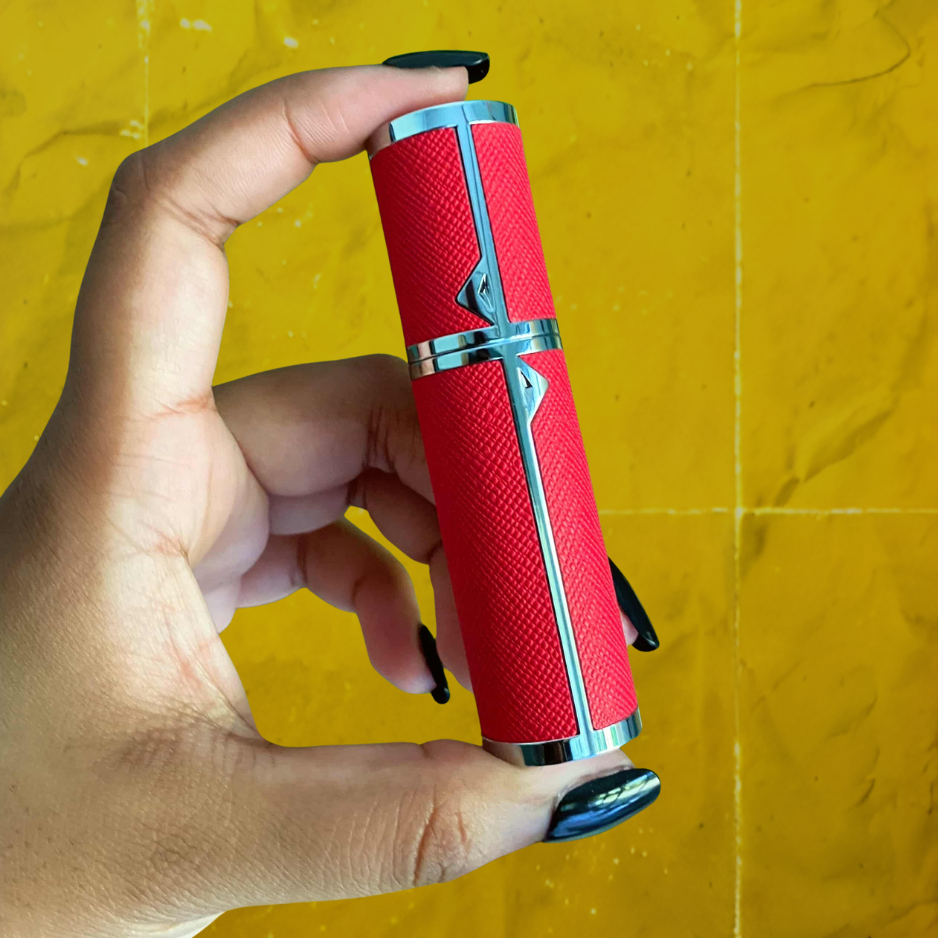
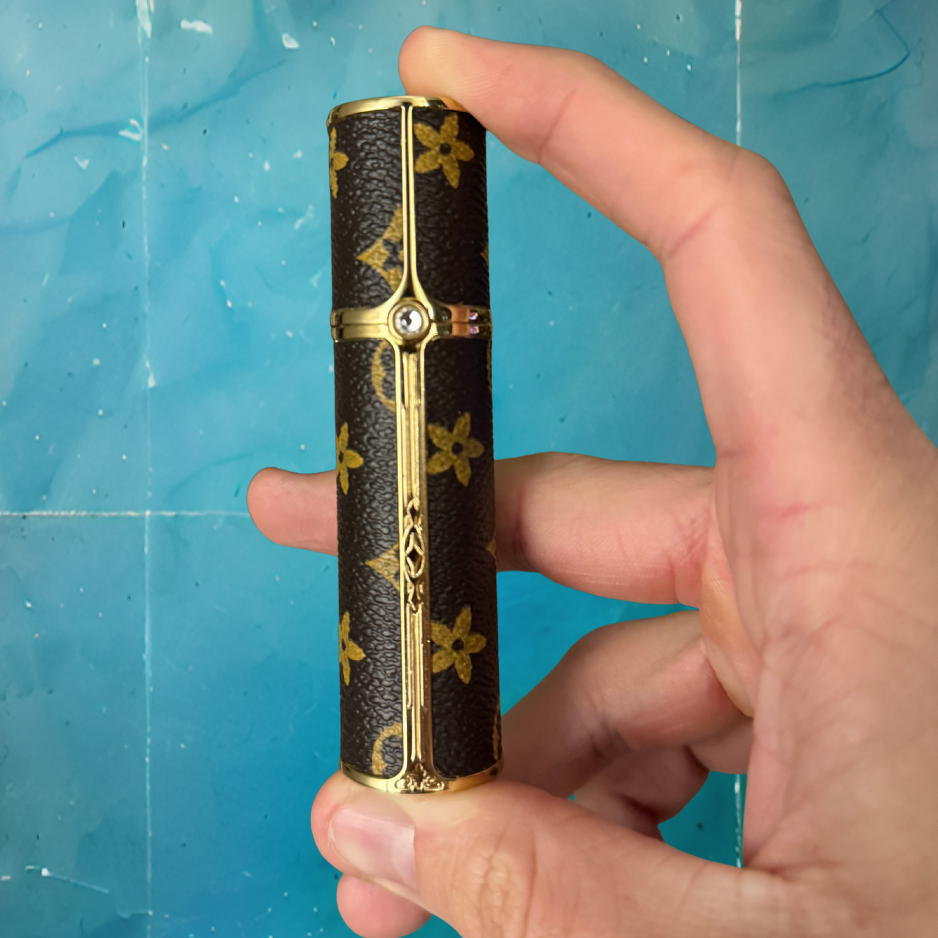
We would rather you choose a 25 to 35 L soft bag and use small organizers inside it. A pouch for toiletries, a pouch for electronics and a slim wet bag give the bag structure without adding rigid bulk. The same logic applies to fragrance. A full 100 ml bottle in a gym bag is heavy, breakable and, on a flight, a liquids-rule problem. A small refillable atomizer holds only what you need for the day and slips into a side pocket. Shrinking the “extras” is usually cheaper and easier than buying a bigger bag.
If you travel with your gym bag, keep the TSA’s liquids rule in mind. As TSA explains for carry-ons, liquids such as perfume must be in containers of 3.4 ounces (100 ml) or less and fit in one quart-sized resealable bag. Pre-sorting your toiletries into one pouch makes security a ten-second step.
— Ash
Common sizing mistakes
- Trusting the liter number alone. Compartments and padding shrink usable space.
- Skipping the locker check. A great bag that will not fit your locker lives on the floor.
- Buying for the heaviest day. Size for your normal week and use a packing cube for the exception.
- Assuming “gym bag” means carry-on. Measure the length against your airline’s limit.
- Ignoring empty weight. Add a heavy bag to a full kit and your shoulder will tell you by Friday.
Find your size, then fill it smartly
Once you know your capacity, the rest is organization. Browse our Gym Essentials for the basics that keep a bag tidy, and our Travel Organisers if your gym bag also doubles as a carry-on companion. The McQueen Bag is a stylish travel toiletry bag that keeps your kit in one place. For a scent that goes wherever the bag does, our refillable perfume atomizers fill from any standard perfume bottle and fit in a pocket, purse or bag. Orders come with a 30-day money-back guarantee and free worldwide shipping.
Want more help choosing? Our guide on how to choose a gym bag that lasts covers materials and construction, and the best gym bags for men piece looks at style and features. If you carry a big bottle, see the gym bag that fits a Stanley 40 oz before you settle on a size.
FAQ
What is the ideal size for a gym bag?
For most people it is 25 to 35 liters. That fits shoes, a change of clothes, a towel, toiletries and a bottle without leaving a lot of empty space. Move down for yoga or classes and up for work-to-gym days.
What is the typical size of a gym bag?
Typical everyday bags run about 20 to 30 liters, with the outside around 18 to 20 inches long. Duffels usually sit a little larger. Measure the bag you are considering rather than relying on a size label, because brands define “medium” differently.
Is 40L too big for a gym bag?
Not necessarily. A 40 L bag works if you carry bulky equipment, work clothes and a full shower kit, or want to stretch to a one-night trip. For a basic workout it is more than you need, and past 40 L you start to risk the 22 x 14 x 9 inch carry-on limit.
Is 55L too big for a gym bag?
For a normal session, yes. 55 L is weekender size, and it tends to get filled with things you do not need. Choose it only for team sports, heavy gear or when the gym bag is also your travel bag, and expect to check it on most flights.
How do I know if a gym bag will fit in a locker?
Measure the locker’s height, width and depth, then compare them with the bag’s outside dimensions. Soft bags can compress, while rigid or structured ones cannot, so a soft 30 L bag may fit where a stiff one will not.
Sources
- Forbes Vetted: Best Gym Bags 2026
- Delta Air Lines: Carry-On Baggage
- Transportation Security Administration (TSA)
- backpacks4less: What Size Gym Bag Do I Need?




साझा करें और 15% छूट पाएं!
बस इस उत्पाद को निम्नलिखित सामाजिक नेटवर्क में से किसी एक पर साझा करें और आपको 15% की छूट मिलेगी!